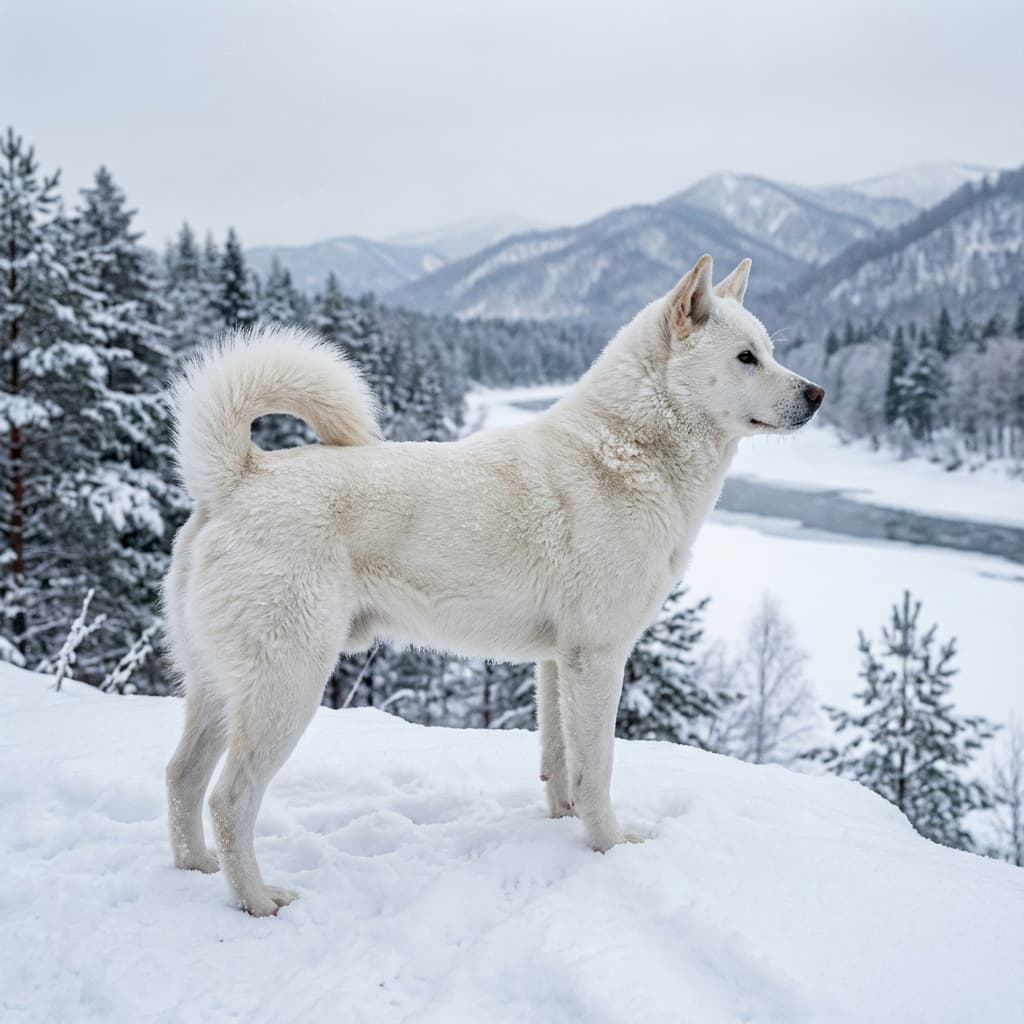
Hokkaido
FCI Group
5• FCI 261
Size
Medium
Origin Country
JP
Height
46-52 cm
Weight
20-30 kg
Lifespan
12-14 years
Temperament
Overview
Hokkaido, also known as Ainu-ken, is a dog breed originating from the Japanese island of the same name. These unique dogs have been companions of the indigenous people of Hokkaido – the Ainu – since medieval times. Their history dates back to the Kamakura period (around the 1140s), when dogs accompanied migrants from the main island of Honshu to the harsh northern island of Hokkaido. For centuries, Hokkaido were used for hunting large animals, including bears, which attests to their exceptional courage, strength, and endurance.
In 1937, the breed was officially recognized as a natural monument of Japan, highlighting its cultural and historical significance. Hokkaido belongs to a group of six native Japanese dog breeds known as Nihon Ken, which are a national treasure of the country. Their physical build has been shaped by the harsh climate of northern Japan – their thick, double coat protects them from the cold and heavy snowfall, while their strong musculature and compact build ensure endurance in difficult conditions.
Hokkaido is a medium-sized dog with a harmonious body structure, characterized by distinct sexual dimorphism – males are significantly larger and more massive than females. Their temperament combines loyalty, intelligence, courage, and a strong territorial instinct. These dogs are exceptionally loyal to their family and can show great vigilance towards strangers, making them excellent guard dogs.
Today, Hokkaido are valued not only in Japan but around the world as exceptional companions for active owners. However, they require an experienced hand, consistent training, and a lot of physical and mental activity. For those seeking a dog with a rich history, unwavering character, and deep attachment to family, Hokkaido may be the perfect choice.
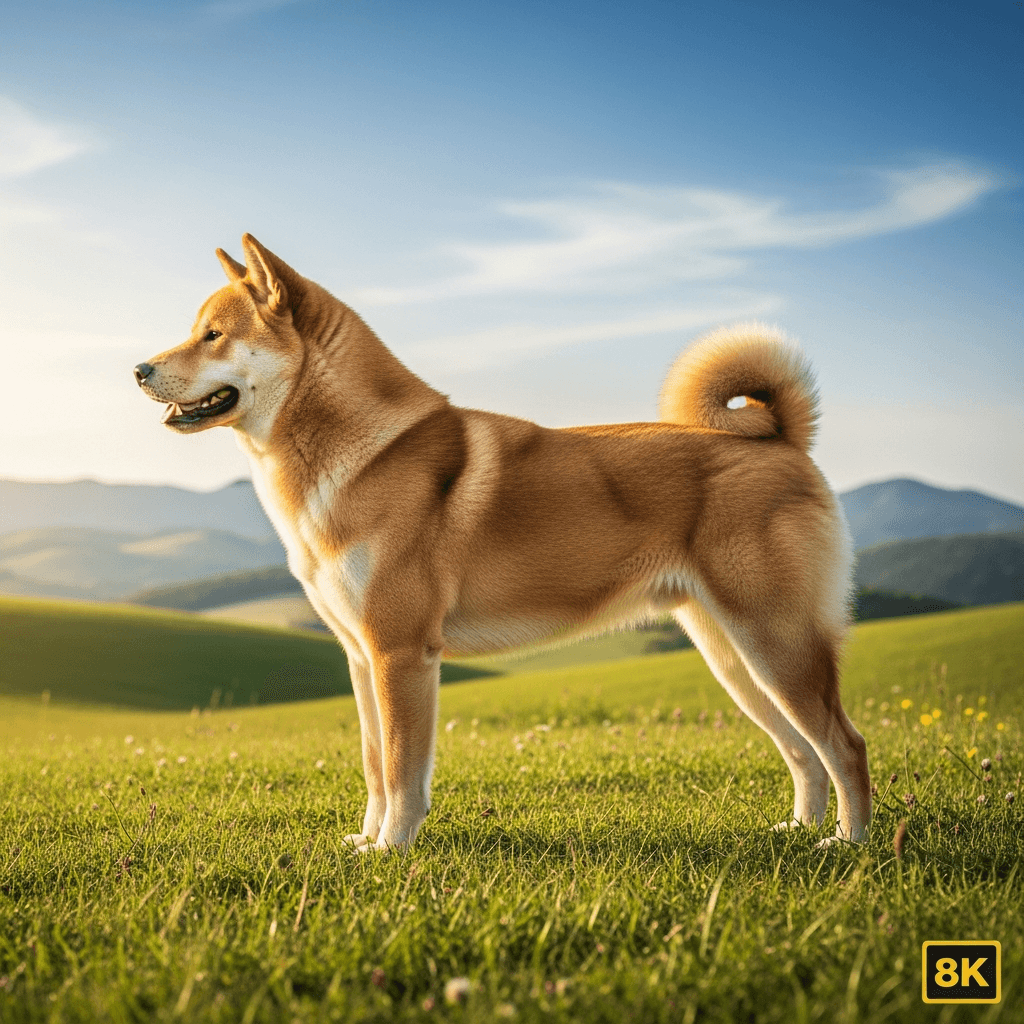
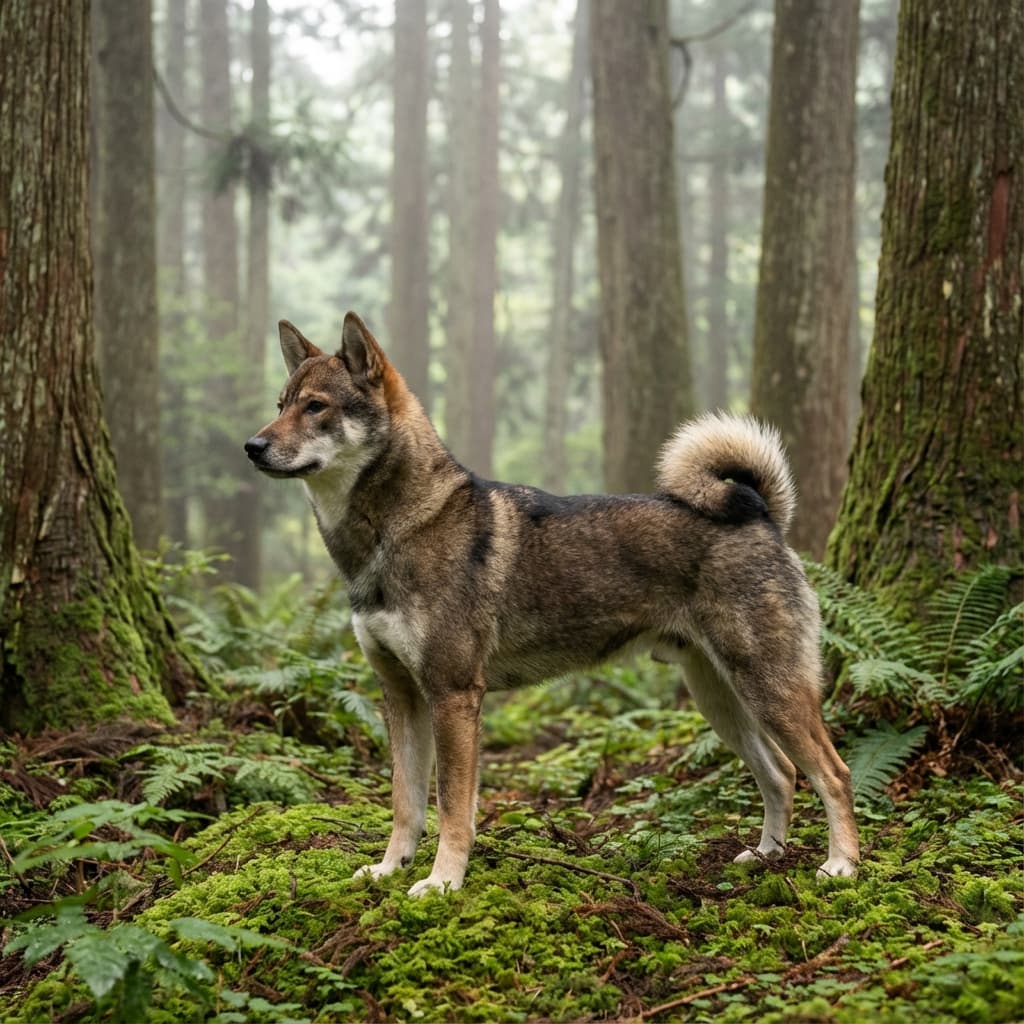
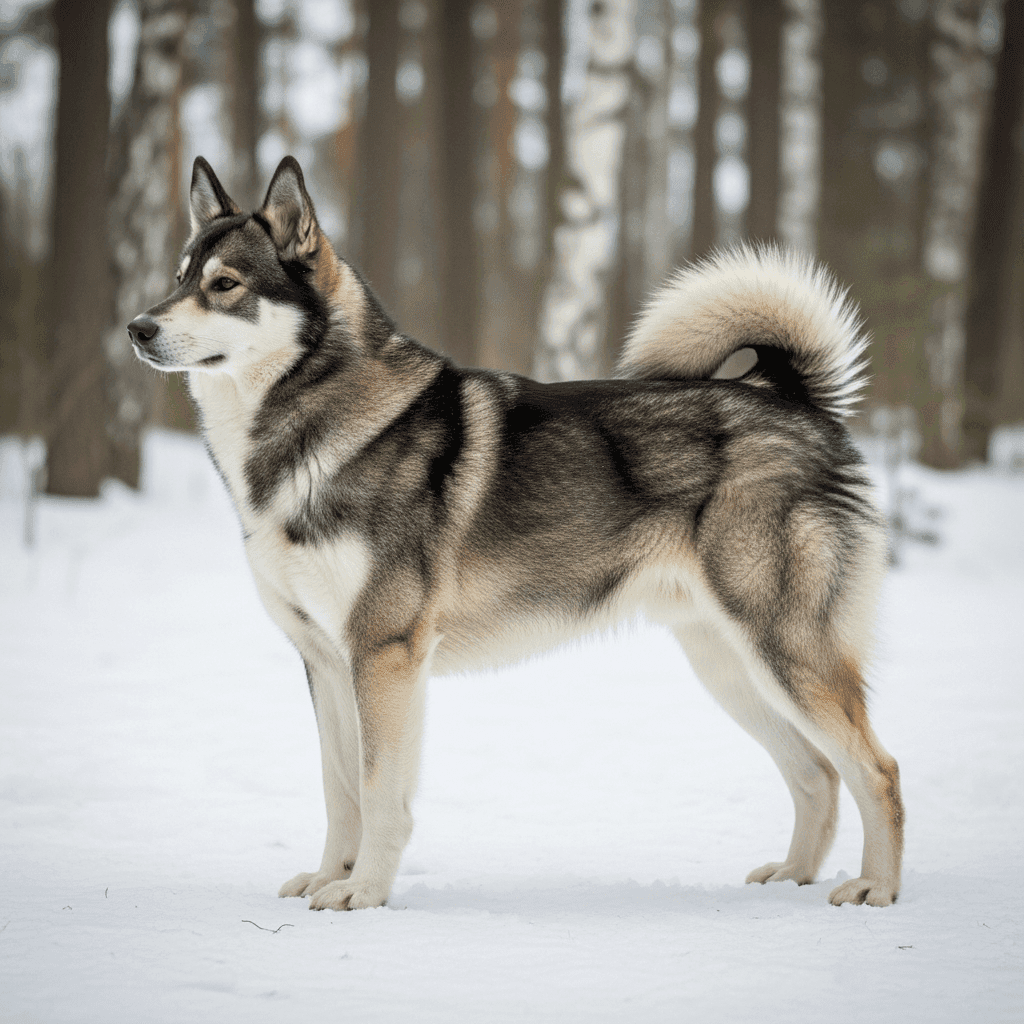
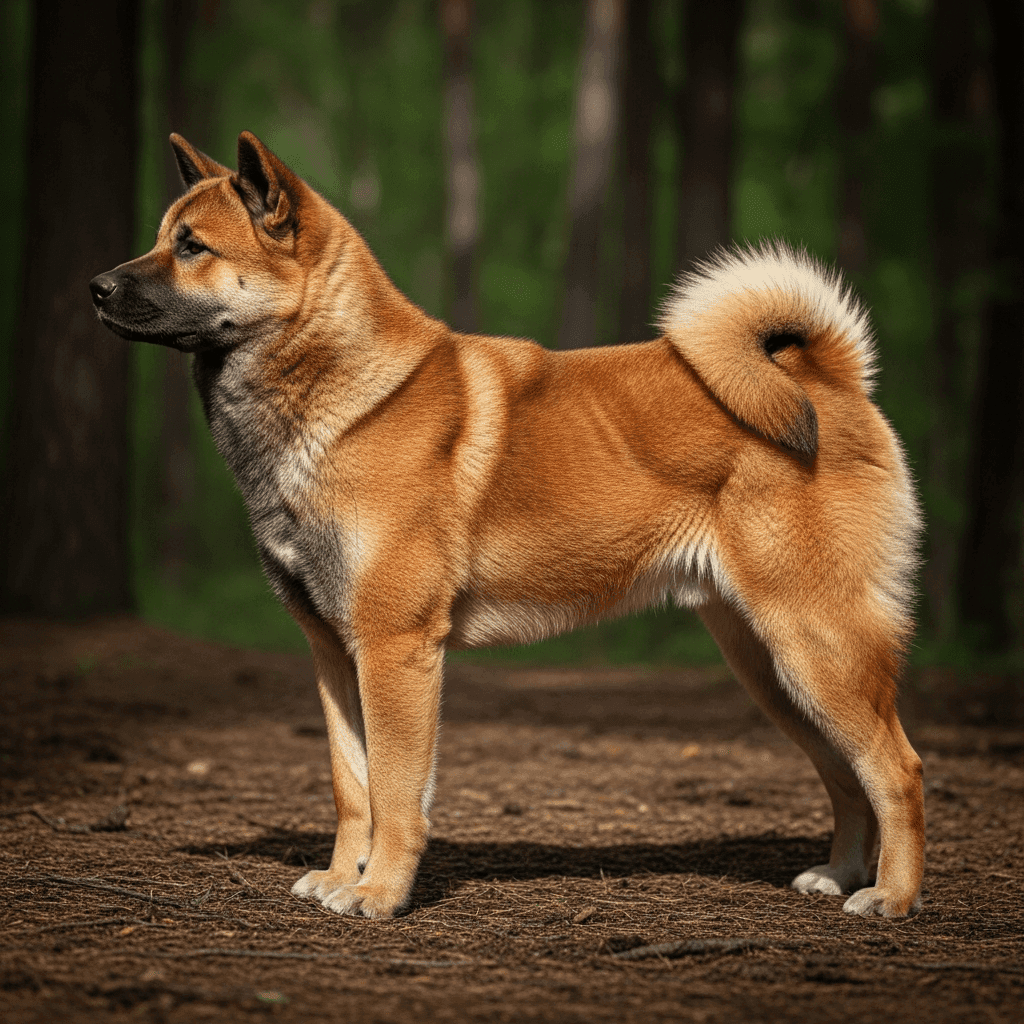
The Hokkaido is a medium-sized dog with a strong, compact build, well-balanced proportions, and distinctly outlined musculature. The height at the withers ranges from 45.5 to 51.5 cm, with males being noticeably larger and more massive than females. Their weight oscillates around 20-30 kg, making them strong enough to work in difficult terrain while maintaining agility.
The head of the Hokkaido is broad, with a proportionally wide forehead and a distinct stop. The ratio of skull length to muzzle length is 3:2, giving them a characteristic, pointed appearance. The eyes are dark, relatively small, and triangular in shape, set slightly obliquely, which gives them a vigilant and penetrating expression. The ears are small, triangular, thick, and definitely erect, pointing slightly forward – a classic feature of Japanese spitz breeds.
The coat of the Hokkaido is double-layered, dense, and weather-resistant. The outer coat is rough and straight, while the undercoat is soft and dense, providing excellent thermal insulation. The breed comes in a variety of colors: sesame (black with red), black, red, white, and brindle. The most commonly seen color is sesame, which is particularly valued in Japan.
The Hokkaido's tail is set high, thick at the base, and carried curled or sickle-shaped over the back. It is covered with abundant fur and is a distinctive feature of the breed's appearance. The overall silhouette presents harmony, strength, and resilience – traits that have allowed these dogs to survive in the harsh climate of Hokkaido for centuries and perform demanding hunting tasks.
Hokkaido is a breed with a strong, independent character, combining loyalty, courage, and vigilance. They are deeply devoted to their family and can form very strong emotional bonds with their owners. At the same time, they have a strong territorial instinct, which makes them excellent guard dogs – always alert to strangers and ready to protect their territory and loved ones.
Hokkaido dogs demonstrate high intelligence and the ability to assess situations. They can make decisions independently, which was essential during hunts for large game. This independence can sometimes manifest as stubbornness, so owners must be consistent and firm in training while also using positive reinforcement methods. These dogs learn new tasks quickly but require motivation and clear rules.
In relationships with children, Hokkaido are usually gentle, patient, and nurturing, especially when they grow up with them from puppyhood. However, due to their strong temperament and hunting instinct, interactions with small children should occur under adult supervision. They can be dominant with other dogs, especially males, so early socialization is crucial.
Hokkaido are very active dogs that require a lot of exercise and mental stimulation. Without adequate activity, they can become bored, which may lead to destructive behaviors. They thrive in homes with experienced owners who understand the needs of an active, intelligent, and independent breed and are willing to provide them with the appropriate level of physical and mental activity.
Hokkaido is a breed characterized by generally good health and high resilience, which is a result of their natural selection in the harsh climatic conditions of northern Japan. The average lifespan is about 12-15 years, which is typical for medium-sized dogs. Due to relatively low breeding intervention, Hokkaido has retained many traits of primitive breeds, which translates to a lower susceptibility to genetic disorders.
Despite their generally good health condition, the breed may be prone to certain orthopedic issues, including hip dysplasia, especially in dogs with a larger body mass or those improperly fed. Regular veterinary check-ups and maintaining a proper body weight are crucial for minimizing the risk of joint problems. It is also important to avoid excessive strain on the joints in puppies during their rapid growth.
Hokkaido may also experience eye disorders, such as cataracts or progressive retinal atrophy (PRA), which can occur as the dog ages. Regular eye examinations, especially in dogs intended for breeding, are recommended. A proper diet rich in antioxidants and omega-3 fatty acids can support eye health throughout the dog's life.
Due to their thick, double coat, Hokkaido are well adapted to cold climates, but they can be sensitive to high temperatures. On hot days, they should have access to shade, fresh water, and intense exercise should be avoided during peak heat. Regular vaccinations, deworming, and prevention against external parasites are essential for maintaining the good health of Hokkaido for many years.
Hokkaido is a breed with a double coat consisting of a rough outer coat and a soft, dense undercoat. This structure requires regular but moderate grooming to keep the coat in good condition and prevent matting. During non-shedding periods, brushing 1-2 times a week is sufficient to remove dead hair and maintain a healthy appearance of the coat.
Hokkaido sheds heavily twice a year – in spring and autumn – when they lose their undercoat in preparation for the seasonal change. During these times, daily brushing is essential to effectively remove dead hair and prevent it from accumulating in the home. Dense brushes and undercoat combs work best, as they effectively penetrate through the thick outer coat.
Bathing a Hokkaido should be done only when truly necessary, usually 2-3 times a year or when the dog is visibly dirty. Too frequent baths can strip the natural protective oils from the skin and coat, leading to dryness and irritation. It is advisable to use gentle shampoos designed for dogs with dense coats.
In addition to coat care, Hokkaido requires regular nail checks and trimming (usually every 3-4 weeks) if they do not wear down naturally during activities. Ears should be checked weekly for redness, unpleasant odors, or excessive wax buildup. Regular tooth cleaning 2-3 times a week helps prevent tartar buildup and periodontal disease. Getting the dog accustomed to grooming from a puppy makes routine care easier in adulthood.
Hokkaido is a breed with high exercise needs that requires daily, intense physical activity. These dogs were bred for hunting in challenging mountainous terrain, which has translated into their exceptional endurance and energy. A minimum of 60-90 minutes of activity per day is essential to ensure their physical and mental health and to prevent behavioral problems arising from boredom.
Ideal forms of activity for Hokkaido include long walks, mountain hiking, running, and playing fetch. Due to their strong hunting instinct, walks should take place on a leash or in a safe, enclosed area where the dog can run freely without the risk of chasing wildlife. Hokkaido love tasks that engage their minds, such as tracking, searching for hidden objects, or obedience training.
This breed excels in dog sports such as agility, rally obedience, and dog trekking. These activities not only provide physical exertion but also stimulate the intelligence of Hokkaido and strengthen the bond with the owner. It is also worth incorporating elements of water play if the dog enjoys swimming – it's an excellent way for year-round training, especially on warmer days.
It is important to regularly introduce variety to the exercise program, which prevents monotony and keeps the dog's motivation high. Socialization with other dogs during walks is also important, although care should be taken as Hokkaido may exhibit dominance, particularly males. Owners should be prepared for an active lifestyle and treat daily exercise as an integral part of caring for their Hokkaido.
Hokkaido are intelligent, perceptive dogs that quickly learn new commands, but their independent and sometimes stubborn nature can pose a challenge in training. Owners should be consistent, patient, and firm, while also using positive reward-based training methods. Hokkaido respond excellently to praise, treats, and play, which makes them motivated to learn when training is engaging and varied.
It is crucial to start training and socialization at an early age – ideally at 8-10 weeks of life. Early socialization helps minimize excessive distrust of strangers and teaches the dog appropriate behavior in various situations. Hokkaido should be gradually acclimated to different environments, people, animals, and sounds, which shapes their confidence and emotional balance.
Due to their strong hunting and territorial instincts, basic obedience commands such as Sit, Stay, Come and learning to walk on a loose leash are absolutely essential. Recall training should be particularly thorough, as Hokkaido tend to make independent decisions when tracking scents or observing potential prey.
Hokkaido excel in training that engages their minds and instincts, such as agility, nose work, or rally obedience. These activities not only provide mental stimulation but also build a deeper bond between the dog and the owner. Owners should avoid monotony and repetition in training – Hokkaido quickly get bored, which can lead to a loss of motivation. Short, varied training sessions conducted regularly yield the best results.
Hokkaido is a active breed with moderate nutritional needs that requires a balanced diet rich in high-quality protein, healthy fats, and an appropriate amount of carbohydrates. Due to their origin and physiology, a meat-based diet, both dry and wet, or a well-composed homemade diet prepared under the supervision of a veterinarian or animal nutritionist works best.
Food portions should be adjusted to the dog's age, weight, activity level, and health status. Hokkaido, being medium-sized dogs with high energy levels, may require a higher calorie intake, especially during periods of intense training or in colder months. Owners should regularly monitor the dog's body condition and adjust the amount of food given to avoid obesity, which can lead to joint problems.
Key nutrients for Hokkaido include: high-quality animal protein (chicken, beef, fish), omega-3 and omega-6 fatty acids that support skin and coat health, glucosamine and chondroitin for joint health, and antioxidants (vitamins E, C) for overall immunity. The food should be appropriate for the dog's age – puppies, adult dogs, and seniors have different nutritional needs.
It is important to avoid feeding Hokkaido table scraps, which can be harmful to their health and lead to digestive issues, obesity, or nutritional deficiencies. Foods toxic to dogs, such as chocolate, onions, garlic, grapes, or xylitol, must be completely excluded. Meals should be served at regular times – usually twice a day for adult dogs – which supports a healthy digestion rhythm and prevents overeating. Always ensure the dog has access to fresh, clean water, especially during periods of intense activity.
Characteristic Traits
Pros
- Exceptionally loyal and devoted to family
- Excellent guard dogs
- High intelligence and ability to learn
- Outstanding resistance to cold and harsh conditions.
Cons
- Requires a lot of physical and mental activity
- Strong territorial instinct and distrust of strangers
- Can be stubborn and independent in training.
Behavioral Ratings
Breed History
Hokkaido is one of the oldest and most primitive breeds of Japanese dogs, with a history dating back to the Kamakura period (1185-1333), and possibly even earlier times. The breed originated from medium-sized dogs that accompanied migrants from the main island of Honshu to the northern island of Hokkaido. In the harsh climatic conditions of Hokkaido – with freezing winters and heavy snowfall – these dogs developed exceptional resilience, strength, and adaptability.
For centuries, Hokkaido dogs have been invaluable companions to the indigenous people of the island – the Ainu, who used these dogs for hunting large animals, including bears, deer, and boars. Therefore, the breed is also known as Ainu-ken (Ainu dog). Their courage, perseverance, and ability to make independent decisions while hunting were crucial in the challenging mountainous conditions, where communication with the hunter was limited.
In 1937, Hokkaido was officially recognized as a natural monument of Japan, highlighting its cultural and historical significance. The breed then adopted the official name Hokkaido, referring to its place of origin. Hokkaido belongs to the group of six native Japanese dog breeds collectively known as Nihon Ken, alongside Akita, Shiba, Kai Ken, Kishu, and Shikoku. All these breeds are protected as a national treasure of Japan.
For most of the 20th century, Hokkaido remained a breed almost unknown outside of Japan, where it is particularly valued in the northern prefectures. It was only in recent decades that the breed began to gain international recognition, attracting the attention of enthusiasts of primitive and Japanese breeds. Today, Hokkaido is a rare breed even in Japan, where programs are being conducted to protect its genetic purity and traditional traits. Its unique history, connection to Ainu culture, and indomitable character make it a fascinating choice for enthusiasts of breeds with deep historical roots.