Shikoku
FCI Group
5• FCI 319
Size
Medium
Origin Country
JP
Height
43-55 cm
Weight
16-25 kg
Lifespan
13-15 years
Temperament
Overview
Shikoku is a unique Japanese hunting dog breed that not only fascinates with its rich history but also delights with its complex character and extraordinary endurance. Originating from the mountainous regions of Shikoku Island, this medium-sized dog is considered a true national treasure of Japan and was designated a natural monument in 1937. It stands out for its exceptional resilience and agile, harmonious body structure, making it an unmatched hunter, especially during challenging wild boar hunts in rugged terrain. Its
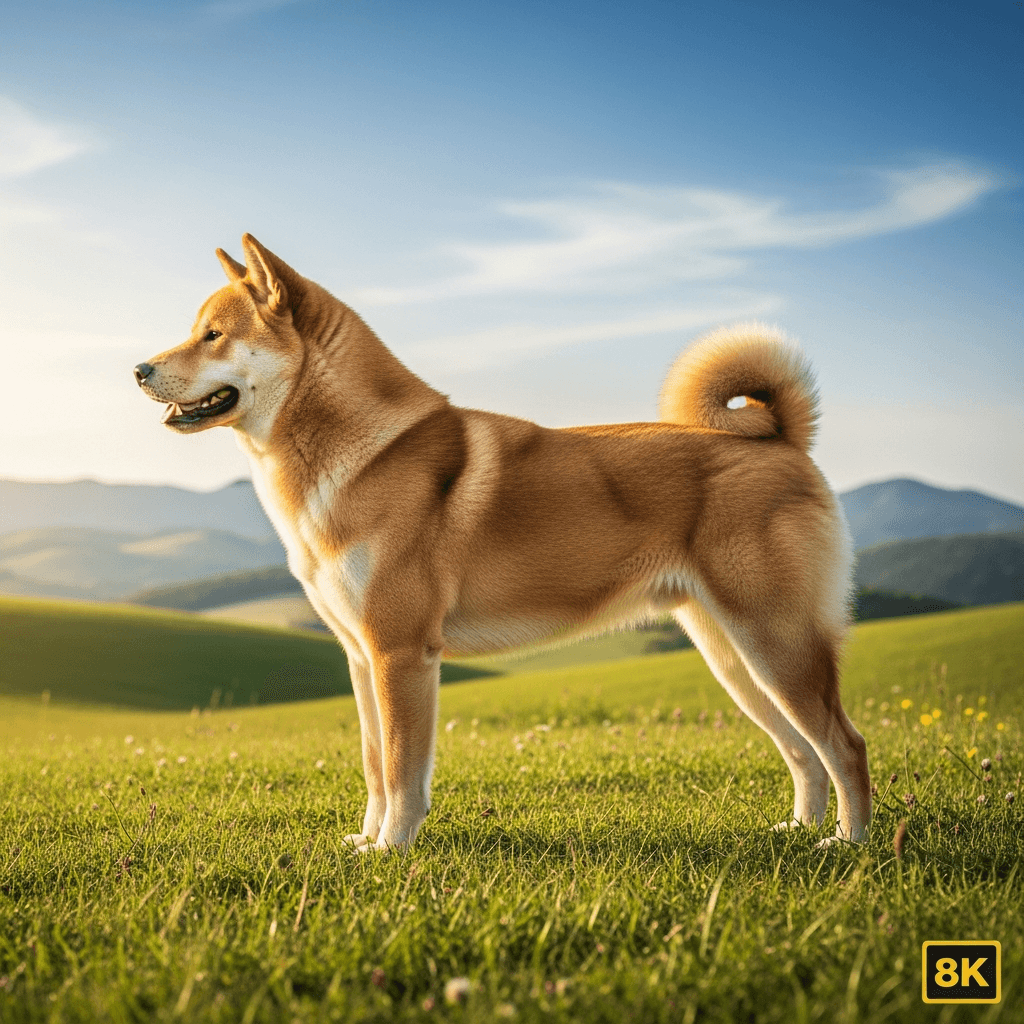
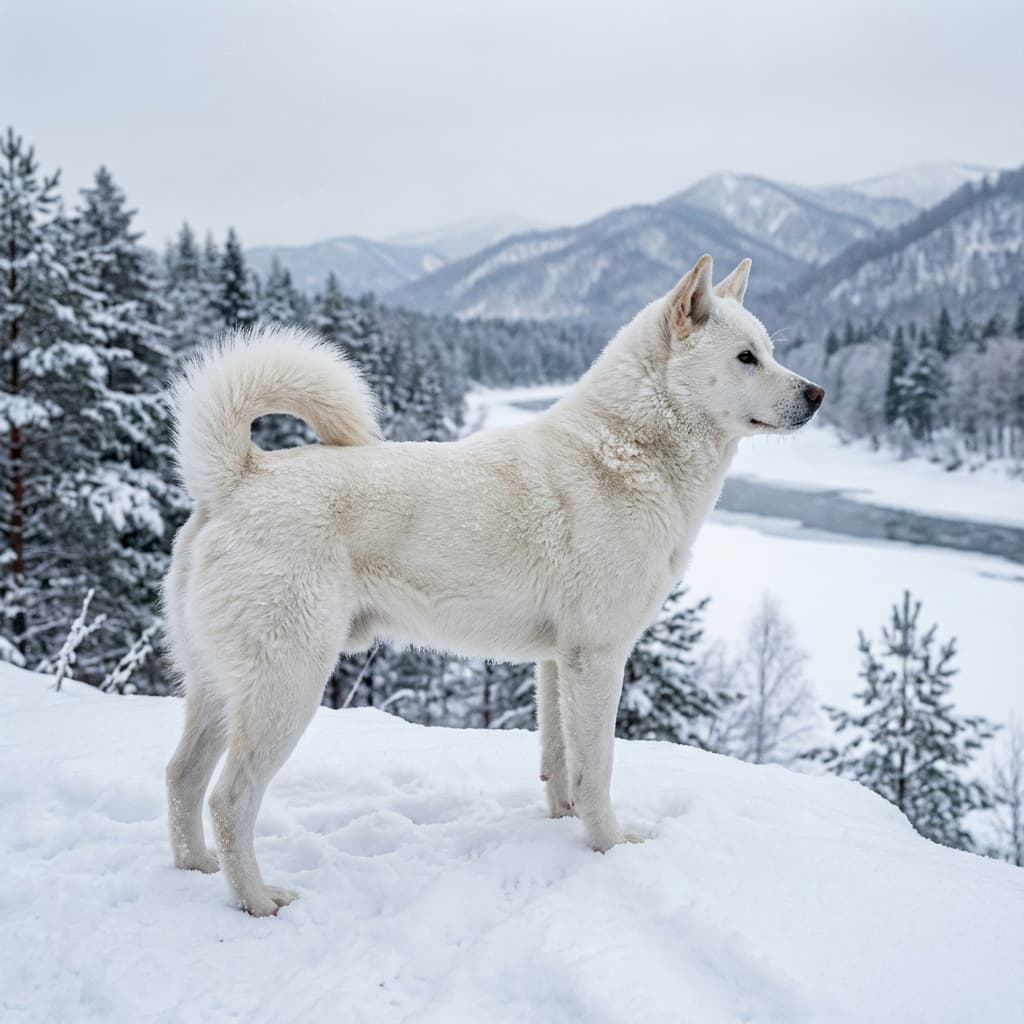
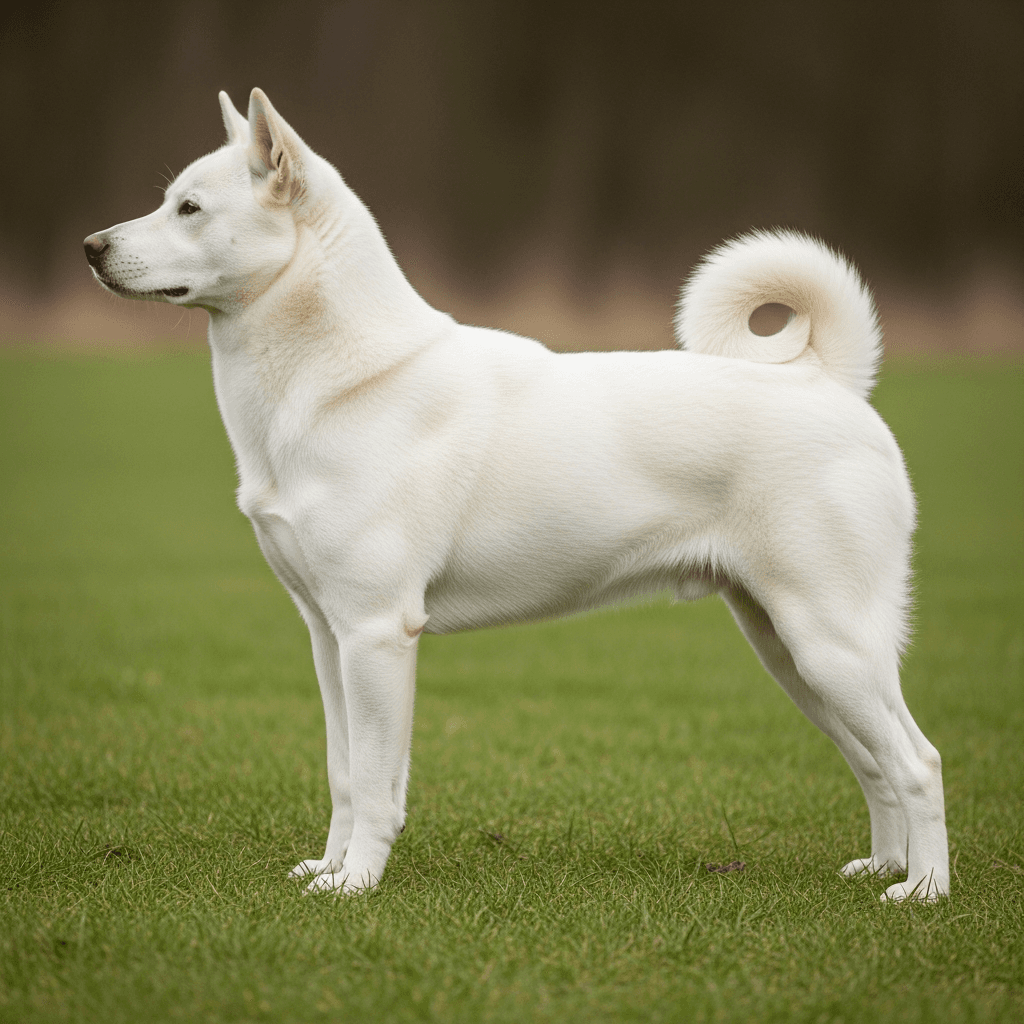
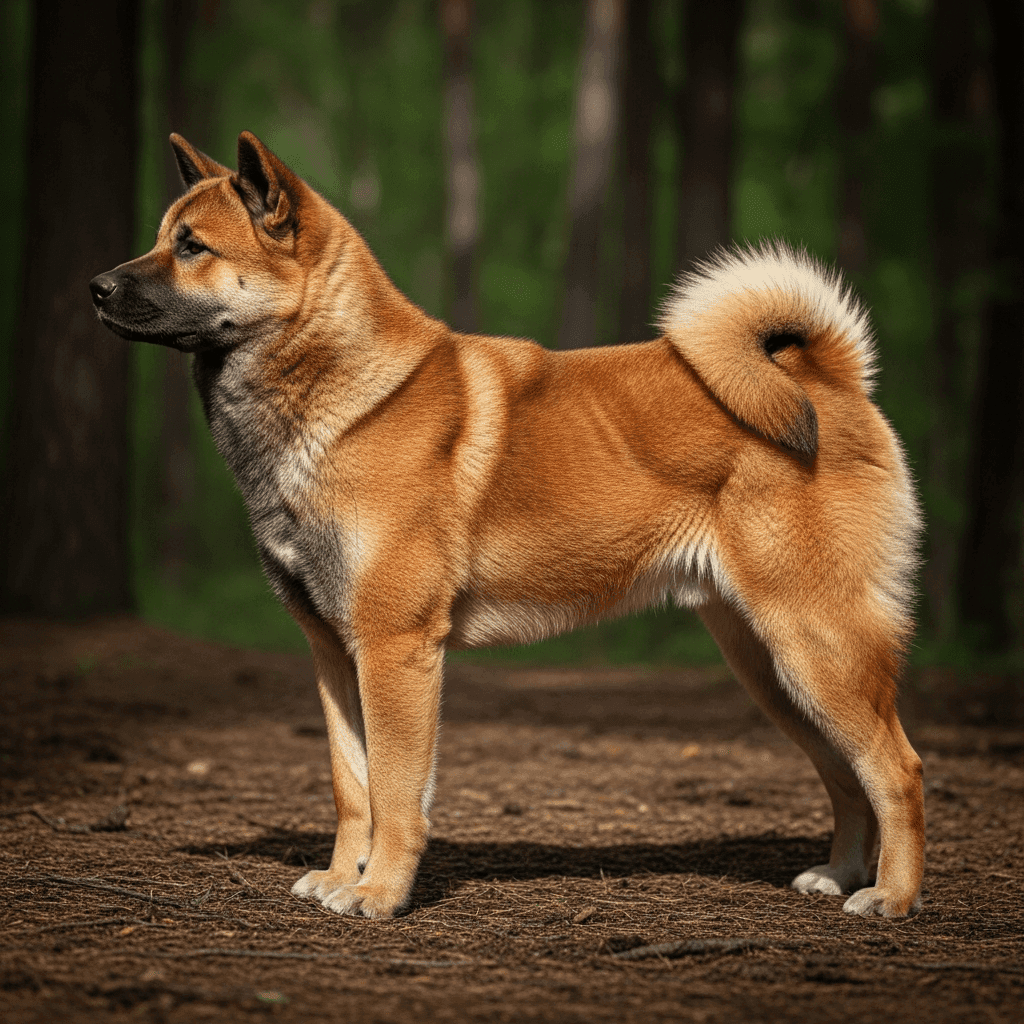
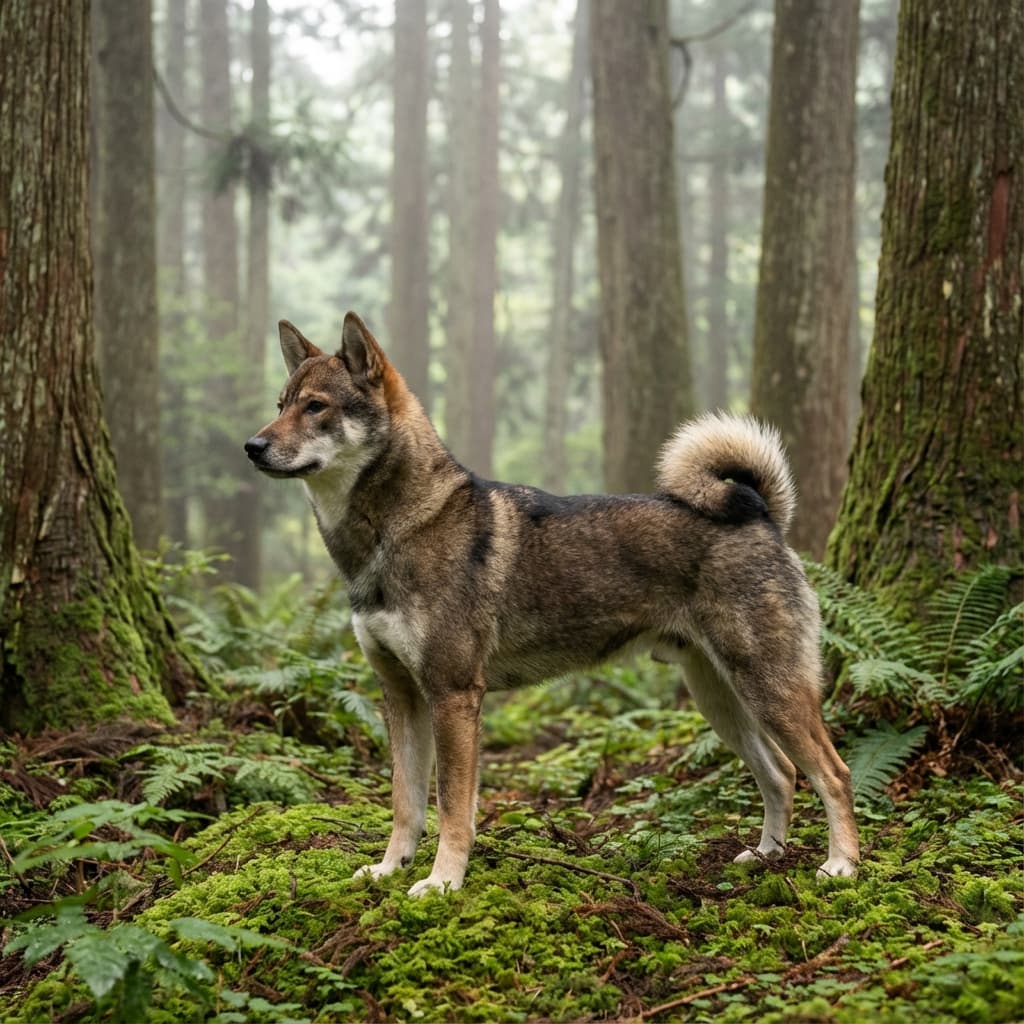
A characteristic feature of Shikoku's appearance is its double coat in sesame shades (a mix of black, red, and white hairs), red or black, which perfectly protects it from harsh weather conditions. Its erect, triangular ears and tail curled or bent like a sickle, carried high over its back, give it a distinctive, alert look. Dark brown, almost triangular eyes with slightly upward-turned outer corners express the intelligence and alertness of this breed.
Shikoku requires an owner who leads an intense, active lifestyle and can dedicate at least 2-3 hours a day to physical activity and mental stimulation. Its independent character and strong territorial instinct make it an excellent guardian, but these traits can pose challenges during socialization. Therefore, consistent training based on positive reinforcement and early socialization are absolutely crucial. Shikoku is an extremely intelligent dog that learns quickly, but it can also be stubborn, requiring the owner to have patience, determination, and experience working with independent breeds. With the right approach, Shikoku can perform a variety of tasks and become a reliable partner.
In addition to its hunting abilities, Shikoku is known for its high resilience to difficult conditions and adaptability to various environments. Its territorial nature means that owners must ensure proper socialization from a young age so that the dog learns to accept strangers and other animals. A well-socialized Shikoku will not only become an excellent family companion but also a dog that functions well in society. Although this breed is relatively rare outside of Japan, its unique character traits, endurance, and loyalty make it worth protecting, promoting, and getting to know. With this comprehensive guide, you will discover all aspects of life with a Shikoku – from health, grooming, and exercise to training, nutrition, fascinating history, and details about appearance and behavior. Each of these sections will help you better understand this exceptional breed and enjoy its company for many years to come.
Shikoku is a medium-sized dog with a harmonious, compact body structure and well-developed, distinct muscles. The height at the withers is 49-55 cm for males (ideal 52 cm) and 43-49 cm for females (ideal 46 cm), with a tolerance of ±3 cm. The ratio of height at the withers to body length is 10:11, giving the breed a proportional, balanced appearance. The breed is characterized by a strong bone structure and excellent muscle development, providing agility, strength, and endurance necessary for working in difficult, mountainous terrain.
The head of the Shikoku is proportional to the body, with a broad forehead and a shallow but distinct stop. The muzzle is relatively long, wedge-shaped, with a straight nasal bridge. The nose is always black, and the lips are tightly fitting. The eyes are dark brown, relatively small, almost triangular, with the outer corners slightly turned upwards, giving the Shikoku a vigilant, penetrating expression. The ears are triangular, relatively small, erect, and slightly tilted forward, further emphasizing the breed's alertness. The dentition is strong, with a scissor bite.
The tail is set high, thick at the base, and carried over the back in a curled or sickle-like shape. The tail length reaches almost to the hock when relaxed. The chest is deep, the ribs well-arched, and the belly well-tucked. The limbs are straight, strong, with a solid bone structure and well-developed muscles. The paws are compact, with hard, flexible pads, perfectly adapted for moving over difficult, rocky mountainous terrain.
The coat of the Shikoku is double, consisting of hard, straight outer hair and dense, soft undercoat, providing excellent protection against adverse weather conditions. The hair on the tail is slightly longer and more abundant. The most commonly seen coat color is sesame – a uniform mixture of black, red, and white hairs, which can take the form of black sesame (more black hairs) or red sesame (more red hairs). Acceptable colors also include black and tan and red. All colors should have urajiro – whitish fur on the sides of the muzzle, on the cheeks, under the jaw, on the neck, chest, belly, inner sides of the limbs, and the underside of the tail, which is characteristic of Japanese primitive breeds.
Shikoku is a dog with a distinct, strong temperament that combines loyalty, alertness, courage, and independence. It is a breed that is very family-oriented and devoted to its loved ones, showing them deep affection and attachment. Shikoku exhibits a strong territorial instinct, making it an excellent guardian – it vigilantly observes its surroundings and reacts to any unusual situation. For this reason, it can be skeptical and distant towards strangers, which is a natural trait of primitive breeds with a hunting purpose.
Proper socialization from a young age is absolutely crucial to limit excessive distrust, fearfulness, and potential aggression towards unfamiliar people and animals. Shikoku is an extremely intelligent breed, meaning it learns quickly and understands commands well, but its independent nature and stubbornness can pose challenges during training. This dog is not submissive and needs an owner who understands its primitive nature and will apply consistent yet positive training methods.
Shikoku can be very energetic, lively, and fun, loving active play and challenges, but at the same time, it can be calm and relaxed at home, provided that its physical and mental needs are fully met. An insufficiently stimulated Shikoku may become destructive and difficult to manage. This breed has a strong hunting instinct and a tendency to chase small animals, which requires good leash handling and solid recall training.
Shikoku generally gets along well with children, especially if raised with them from puppyhood, but interactions should always be supervised due to its energetic temperament. In relation to other dogs, Shikoku can be somewhat dominant, particularly towards individuals of the same sex, so early socialization with other animals is essential. Despite its strong hunting instincts and primitive character, Shikoku can be gentle, nurturing, and extremely loyal to its family, making it a wonderful companion for experienced owners who understand the needs of primitive breeds.
Shikoku is a generally healthy and resilient breed with a long history of natural selection in harsh mountainous conditions, which has contributed to its good genetic condition. The average lifespan of a Shikoku is 10-12 years, which is typical for medium-sized dogs. Due to a relatively small gene pool and responsible breeding, this breed is not burdened with many hereditary diseases, but owners should be aware of certain health issues that may occasionally arise.
Hip dysplasia (HD - Hip Dysplasia) is a genetic condition that may occasionally occur in Shikoku and lead to pain, limited mobility, and the development of degenerative joint disease. Responsible breeders screen breeding parents using X-rays to minimize the risk of this condition. Also, elbow dysplasia (ED - Elbow Dysplasia) may occasionally occur, although it is rarer than HD.
Skin allergies (atopic dermatitis) can occur in some individuals, especially in warm, humid climates where the thick double coat may contribute to skin irritations. Owners should pay attention to scratching, licking paws, red skin, or hair loss. Regular grooming and a proper diet can help manage allergies. Some individuals may be prone to food sensitivities, so it is advisable to use high-quality, hypoallergenic foods.
Patellar luxation is a condition in which the kneecap shifts from its normal position, which can cause discomfort, limping, and walking problems. In severe cases, surgical intervention may be necessary. Entropion (eyelid rolling) is a rare issue where the eyelids roll inward, causing irritation to the cornea and discomfort. This requires surgical correction.
Ophthalmic problems, such as cataracts and progressive retinal atrophy (PRA), have been occasionally reported, although they are rare. Regular eye examinations can help in the early detection of these conditions. Primary epilepsy (idiopathic) has also been observed in a few individuals and may require long-term pharmacological treatment.
To ensure a long and healthy life for Shikoku, regular veterinary visits, annual vaccinations, deworming, prevention against external parasites, and proper diet and physical activity are crucial. When choosing a puppy, it is worth looking for responsible breeders who conduct health screenings of the parents and care for the well-being of their dogs. Regular health checks will allow for the early detection of potential problems and prompt implementation of appropriate treatment.
Shikoku care is relatively simple and not very demanding, and this breed does not require professional grooming or specialized treatments. The double coat of Shikoku consists of hard, straight guard hair and dense undercoat, which makes it self-cleaning and relatively easy to maintain. Regular brushing 1-2 times a week is sufficient to remove dead hair, prevent matting, and keep the coat in good condition.
During the shedding season, which occurs twice a year (in spring and autumn), Shikoku sheds its undercoat intensively, requiring daily brushing to reduce the amount of hair falling out in the house and to prevent matting. It is recommended to use a slicker brush and an undercoat rake, which effectively remove dead undercoat. Regular brushing not only keeps the coat clean but also stimulates blood circulation and the production of natural skin oils.
A bath for Shikoku should be done only when necessary, when the dog gets dirty or starts to smell unpleasant – usually 2-4 times a year. Too frequent washing can lead to dry skin, removal of natural protective oils, and skin irritations. A gentle dog shampoo that does not disrupt the natural pH of the skin should be used.
Nail care is very important – they should be trimmed every 3-4 weeks or more often if they do not wear down naturally during activity. Too long nails can cause discomfort, walking problems, and joint damage. Ears should be checked regularly (weekly) for redness, unpleasant odor, or excessive wax, which may indicate an infection. Ears can be gently cleaned with special ear cleaning solution for dogs and cotton balls.
Oral hygiene is crucial for the health of Shikoku – it is recommended to brush teeth daily with toothpaste and a brush designed for dogs to prevent tartar buildup, gum disease, and bad breath. Regularly providing dental chews also helps maintain clean teeth. Proper care will help keep Shikoku in excellent condition, ensuring its health and comfort for many years.
Shikoku is a very energetic, active breed with high exercise needs that requires daily, intense physical and mental activity. Owners must be prepared to dedicate at least 2-3 hours a day to exercise, play, and mental stimulation. Shikoku is not a breed for people with a sedentary lifestyle – without the right amount of exercise, the dog will become restless, destructive, and may develop behavioral problems.
Ideal forms of activity for Shikoku include: long, vigorous walks (at least 1-2 hours a day), running in the field, hiking, jogging with the owner, cycling (with the dog running alongside), and fetch games, frisbee, or agility. Shikoku loves to explore new areas, track scents, and utilize its natural hunting instincts, so trips to the forest, by the lake, or in the mountains will be ideal entertainment for it.
The strong hunting instinct of Shikoku means that it may chase small animals (cats, squirrels, rabbits), so safe walks on a leash and a well-secured, high fence in the garden (at least 1.8 m) are absolutely necessary. Shikoku is agile and can jump high, so standard fences may be insufficient. It should not be allowed to roam freely in unsecured areas until it has mastered the recall command perfectly.
In addition to physical activity, mental stimulation is equally important for this intelligent breed. Scent games, searching for treats, obedience training, learning tricks, interactive toys, and logic games will help meet Shikoku's intellectual needs and prevent boredom. This breed excels in dog sports such as agility, obedience, tracking, nosework, or mantrailing, which combine physical activity with mental challenges.
Having a large, well-secured garden where Shikoku can run freely, patrol, and explore is a huge advantage, but it does not replace daily walks and shared activities with the owner. Shikoku needs the closeness of its family and quality time spent together. Regular, varied physical and mental activity is the key to a happy, balanced Shikoku that will be an excellent companion for an active, outdoor family.
Shikoku training can be a interesting but challenging endeavor, best suited for an experienced owner who understands the specifics of primitive breeds. Shikoku is an extremely intelligent breed that quickly learns new commands and understands rules well, but its independent, primitive nature and sometimes stubborn temperament can pose challenges during training. Shikoku is not a submissive breed – it assesses situations and makes decisions on its own, which requires the owner to have patience, consistency, and the ability to motivate the dog.
Positive reinforcement is absolutely crucial in Shikoku training. The dog should be rewarded with treats, praise, and play for good behavior, which motivates it to cooperate. Avoid punishment, yelling, and forceful methods, as they can lead to fear, loss of trust, and reluctance to learn. Shikoku needs an owner who is consistent, calm, and confident, yet patient and understanding.
Regular, short training sessions (10-15 minutes, 2-3 times a day) are more effective than long, exhausting lessons. Training should be fun, varied, and challenging to maintain the dog's attention and prevent boredom. Shikoku responds well to variety in training – it is worth introducing new commands, tricks, and games that stimulate its intelligence.
Socialization is absolutely critical for Shikoku and should begin as early as possible, starting from the 8th week of life. The puppy should be regularly exposed to various stimuli: different people (children, elderly, men, women), other dogs (of various breeds and sizes), animals, vehicles, noises, new places, and situations. Good socialization will prevent fear of strangers, aggression towards other dogs, and issues with excessive distrust. It is recommended to attend a puppy class, where the dog will learn proper social interactions in a controlled environment.
Basic obedience commands (Sit, Lie down, Stay, Leave it, Come, Heel) should be mastered as early as possible. The command Come (recall) is particularly important, as Shikoku has a strong hunting instinct and may chase after prey. A solid recall can save the dog's life. Leash training also requires attention – Shikoku may pull, so it is worthwhile to teach it to walk on a loose leash from a young age.
Shikoku excels in dog sports such as agility, obedience, tracking, nosework, rally obedience, which combine physical activity with mental challenges and strengthen the bond with the owner. Regular training, learning tricks, and games provide great entertainment for both the dog and the owner, while also building trust and mutual understanding. With the right approach, patience, and consistency, Shikoku can become a well-trained, obedient companion that will be a source of pride and joy.
The Shikoku diet should be balanced, high-quality, and tailored to its active lifestyle and the specific physiological needs of primitive breeds. Owners should choose high-quality food for medium-sized, highly active dogs that contains an appropriate amount of animal protein (a minimum of 25-30%), healthy fats (15-20%), and nutrients essential for maintaining health, muscle condition, and coat quality.
Animal protein should come from high-quality sources such as chicken, turkey, beef, fish, lamb, or game. Shikoku, as a hunting breed, has a natural tendency towards a meat-rich diet. Healthy fats, such as salmon oil, flaxseed oil, or animal fats, are essential for skin and coat health, brain function, and immune system performance. Omega-3 and omega-6 fatty acids in the right proportions support joint health and reduce inflammation.
Carbohydrates should come from easily digestible sources such as brown rice, oats, sweet potatoes, or vegetables, providing the energy necessary for intense activity. It is important to avoid foods containing artificial colors, preservatives, and fillers (such as excessive corn or wheat), which can trigger allergies and digestive issues. Grain-free diets can be a good solution for individuals with food sensitivities.
The Shikoku is not known for a tendency towards obesity, but a lack of proper exercise or overfeeding can lead to obesity, which burdens the joints and cardiovascular system. Control food portions by adjusting them according to the dog's age, weight, activity level, and health status. Regularly weighing the dog will help monitor its condition. Avoid feeding Shikoku human food, especially fatty, salty, or sweet foods that can be harmful and lead to health problems (pancreatitis, obesity, diabetes).
Regular meals, preferably twice a day (morning and evening), are recommended for adult Shikoku to maintain stable energy levels and avoid digestive issues. Puppies (2-6 months) should be fed 3-4 times a day, and adolescents (6-12 months) 2-3 times a day. Access to fresh, clean water throughout the day is absolutely necessary, especially after intense physical activity, to prevent dehydration.
Some owners choose a BARF diet (Biologically Appropriate Raw Food – raw meat, bones, vegetables), which mimics the natural feeding habits of dogs and can be beneficial for Shikoku. If you decide on BARF, consult with a veterinarian or a dog nutrition specialist to ensure that the diet is complete and balanced. Supplementation (glucosamine, chondroitin, omega-3) may be recommended for older dogs or individuals with joint problems, but always after consulting with a veterinarian. A proper, high-quality diet will help keep Shikoku healthy, energetic, and in excellent condition for many years.
Characteristic Traits
Pros
- Exceptional durability and resistance to harsh conditions
- High intelligence and ability to learn
- Excellent hunting skills and tracking instinct
- Outstanding guard with a strong territorial instinct
- Loyalty and devotion to family
- Relatively simple grooming requirements.
Cons
- Requires very intense daily physical activity (2-3 hours)
- Strong territorial instinct and distrust of strangers
- Can be stubborn and independent during training
- Strong hunting instinct – may chase small animals
- Requires an experienced owner familiar with primitive breeds
- Relatively rare breed – difficult to find outside of Japan.
Behavioral Ratings
Breed History
Shikoku has a long and fascinating history, dating back over 3000 years to ancient times in Japan. This breed originates from Shikoku Island, one of the four main islands of the Japanese Archipelago, where it was bred as a specialized hunting dog adapted to the challenging, mountainous terrain. Shikoku was primarily used for hunting boars (inoshishi) and deer in mountainous, inaccessible regions, where its agility, endurance, and courage were invaluable.
Shikoku belongs to a group of six native Japanese dog breeds (Nihon Ken), alongside Akita, Kishu, Shiba Inu, Kai Ken, and Hokkaido. All these breeds have been recognized as natural monuments of Japan (天然記念物, Tennen Kinenbutsu) due to their historical significance and unique genetic lineage. Shikoku received this status in 1937, which contributed to its protection and preservation of breed purity.
The history of Shikoku is closely tied to the Kochi region (formerly Tosa Province) on Shikoku Island, where these dogs were used in difficult, mountainous terrain by hunters and local residents. In the past, there were three main varieties of Shikoku, named after the regions where they were bred: Awa, Hongawa, and Hata. Among them, the Hongawa variety was considered the most pure and original, as the Hongawa region was hard to access, limiting crossbreeding with other breeds and preserving the traditional appearance and temperament.
As Japan underwent modernization during the Meiji period (1868-1912) and beyond, traditional hunting methods gave way to modern techniques, and the number of Shikoku began to decline drastically. Additionally, World War II (1939-1945) had a catastrophic impact on many Japanese dog breeds, including Shikoku – food shortages, bombings, and wartime chaos led to a significant reduction in population. After the war, only a handful of enthusiasts and breeders managed to save the breed by conducting intensive breeding programs aimed at rebuilding the population.
Thanks to the efforts of organizations such as Nihon Ken Hozonkai (NIPPO) – the Association for the Preservation of Japanese Dogs, founded in 1928 – Shikoku was saved and gradually rebuilt. NIPPO established strict breed standards and held dog shows, promoting Japanese breeds and their preservation. The modern population of Shikoku primarily descends from Hongawa lines, which have maintained the highest genetic purity.
Despite protection and breeding efforts, Shikoku remains a relatively rare breed, even in Japan itself, where the annual number of registered puppies is only several hundred. Outside Japan, this breed is exceptionally rare – breeders exist in the United States, Europe (mainly in the Netherlands, Germany, France, and the United Kingdom), and a few other countries, but the number of Shikoku worldwide is estimated to be several thousand individuals.
Today, Shikoku is no longer primarily used as a hunting dog but has become a wonderful family companion for active, experienced owners who appreciate its unique character traits, endurance, intelligence, and loyalty. This breed is also valued in dog sports, such as agility, tracking, and obedience. Preserving the heritage of Shikoku is a priority for enthusiasts of native Japanese breeds, and international cooperation among breeders helps maintain a healthy gene pool and promote this exceptional breed worldwide.