Kai
FCI Group
5• FCI 317
Size
Medium
Origin Country
JP
Height
42-50 cm
Weight
20-30 kg
Lifespan
12-15 years
Temperament
Overview
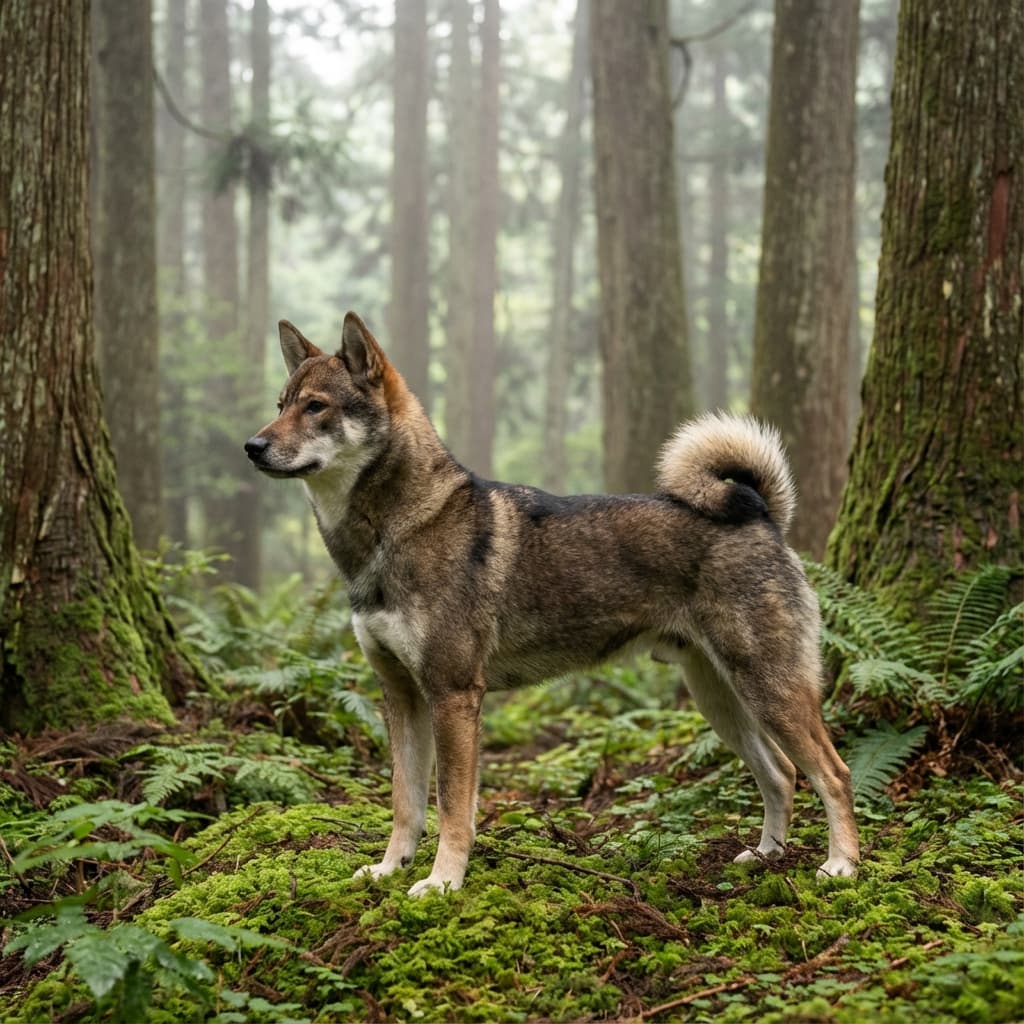
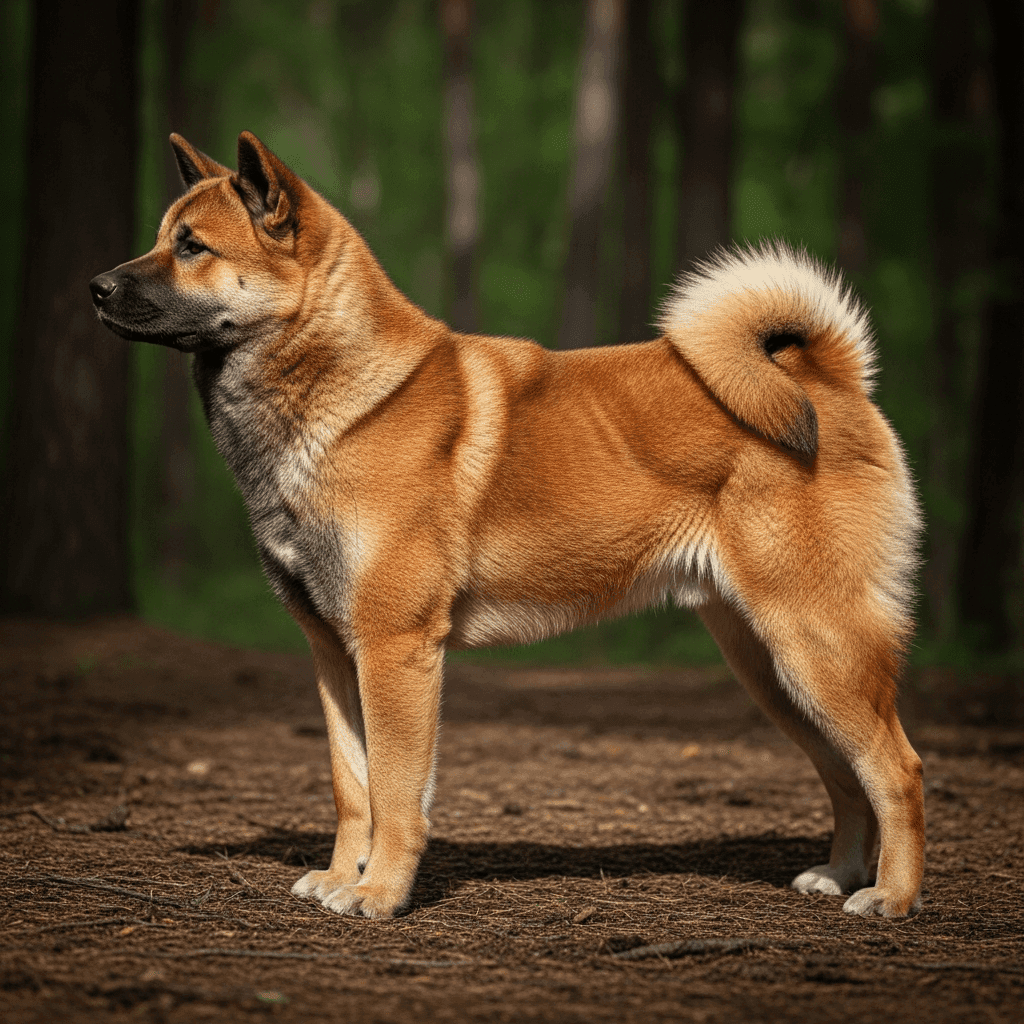
The Kai breed, also known as Kai Tora-Ken, is a true treasure of Japanese culture and one of the oldest indigenous dog breeds in the Land of the Rising Sun. Its roots date back to ancient times when these dogs served as indispensable companions for hunters in the mountainous regions of Yamanashi Prefecture, hunting wild boars and deer. The name Tora-Ken literally means tiger dog, referring to the characteristic brindle coat resembling a tiger's fur.
This medium-sized dog stands between 45 and 56 cm at the withers, possessing well-developed muscles and a harmonious silhouette. Its strong limbs and excellently developed hock joints make it an ideal hunter, adapted to challenging mountainous conditions. It is no coincidence that in 1934, the breed standard for Kai was recognized as a natural monument (Tennen Kinenbutsu), highlighting its unique significance in Japanese cultural and canine heritage.
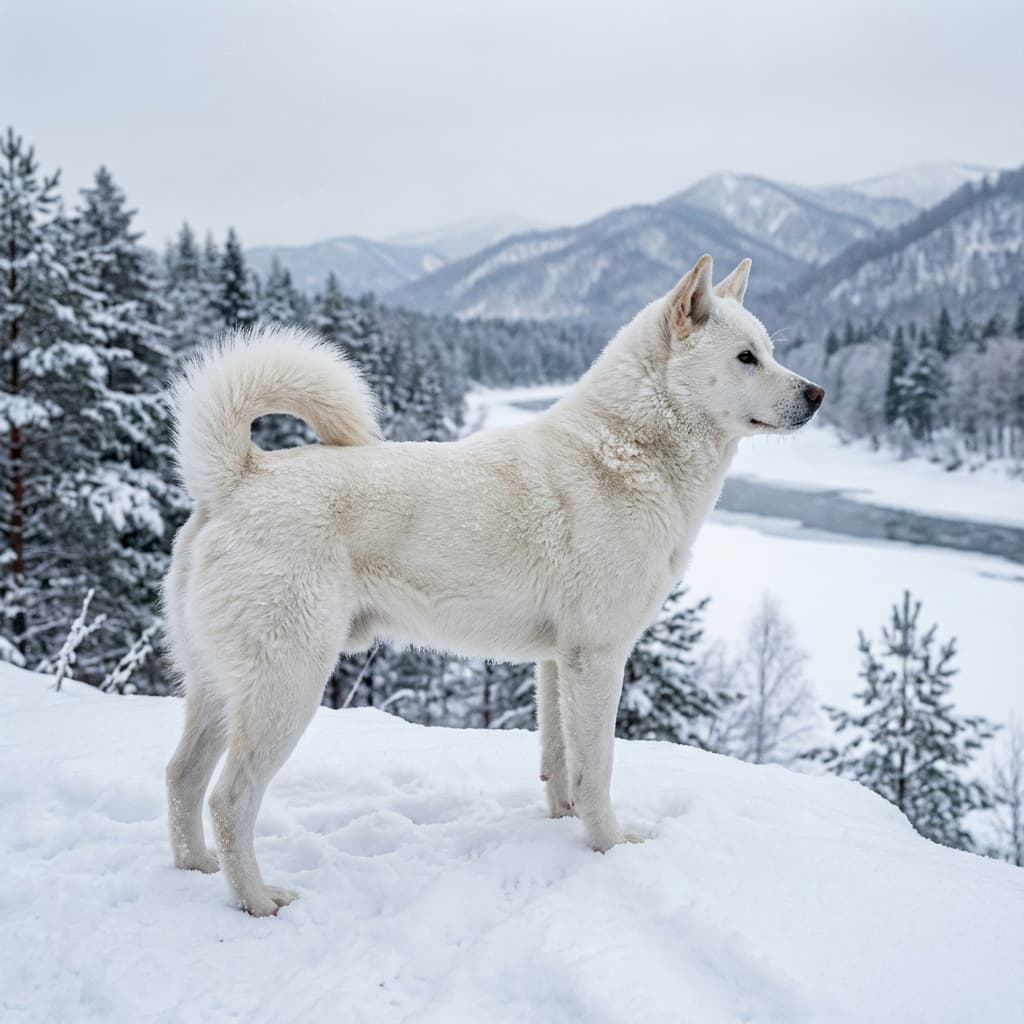
The Kai attracts attention with its distinctive brindle coat, which comes in three variations: black brindle (Kuro-tora), red brindle (Aka-tora), and chestnut brindle (Chu-tora). A fascinating phenomenon is that puppies are born with a solid coat color, which transforms into the characteristic stripes as the dog matures – this process typically concludes between six and twelve months of age.
Dogs of this breed are extremely alert, intelligent, and loyal, making them wonderful companions for experienced owners. Their balanced behavior and devotion to family make them an excellent choice for active individuals and families with growing children. However, to keep a Kai fully happy and mentally balanced, it is essential to provide it with an appropriate amount of physical activity and mental stimulation.
It is worth noting that the Kai has a strong hunting and predatory instinct, which can pose a challenge in the presence of small pets. Therefore, proper socialization from a young age and supervision are necessary. Their natural independence is another distinguishing feature of this breed – Kai can make independent decisions, which may mean that training requires more patience, consistency, and positive reinforcement than with breeds that are more prone to obedience.
This breed, with its unique beauty, strong character, and exceptional hunting abilities, is sure to attract the attention of any lover of authentic, primitive dog breeds. In the following sections, you will find detailed information about the health, grooming, physical activity requirements, training, nutrition, history, appearance, and temperament of this extraordinary breed, which has preserved its original character over the centuries.
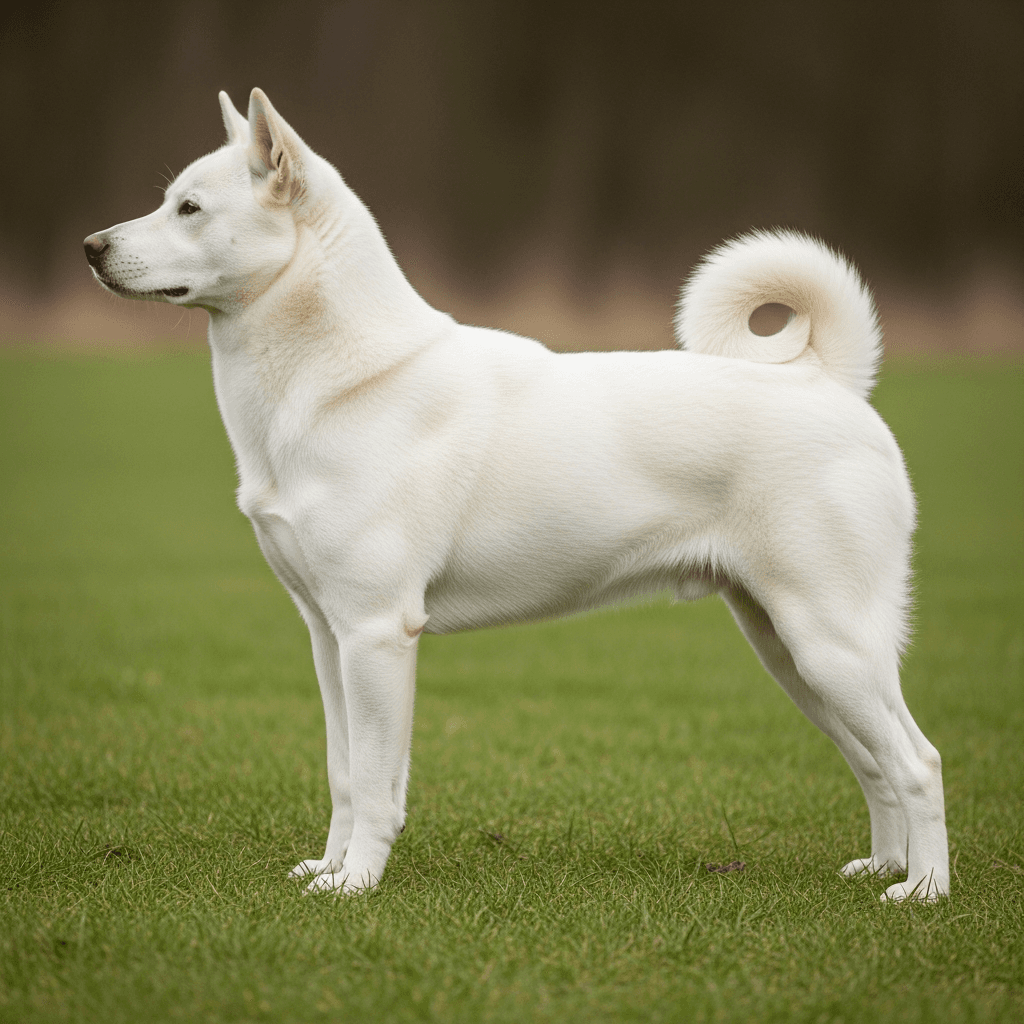
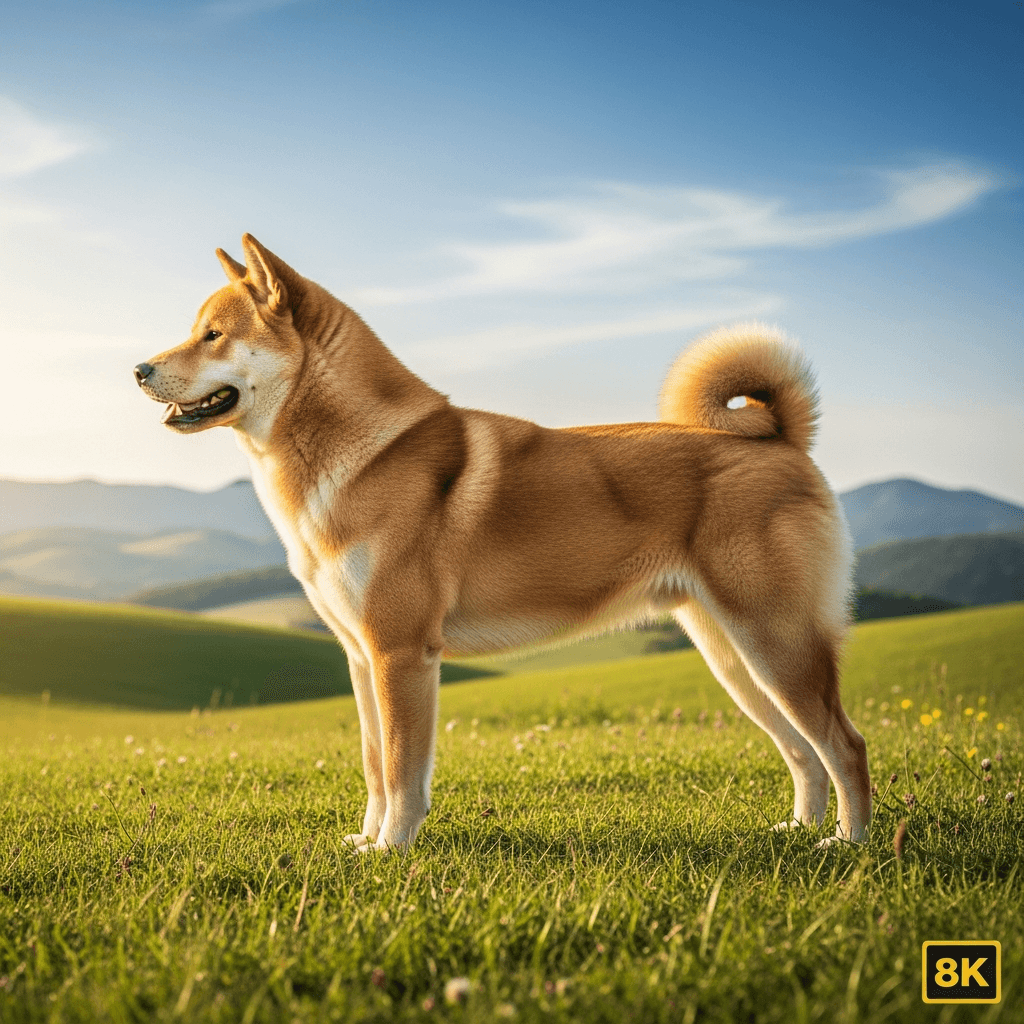
Kai is a medium-sized dog characterized by a harmonious, compact silhouette and a strong, muscular build typical of mountain dogs. The body proportions are expressed by the ratio of height at the withers to body length as 10:11, with females being slightly longer. Males reach a height of 47-53 cm, while females 42-48 cm at the withers. The body weight typically ranges from 11 to 25 kg, depending on gender and individual build.
The head is broad in the cranial part, with a distinct stop and a gentle frontal furrow. The muzzle is relatively short, pointed but not too thin, with a straight nasal bridge. The nose is always black, with well-developed nostrils. The lips are tightly fitting, pigmented black. The dentition is strong, complete, with a scissor bite.
The eyes have a characteristic, almost triangular shape and are relatively small. They are set obliquely, slightly rising upwards, giving Kai a sharp and penetrating expression typical of Japanese breeds. The iris color is always dark brown, with darker shades being more desirable.
The ears are triangular, relatively small compared to the size of the head, set higher and slightly tilted forward. They are held firmly in an upright position, enhancing the dog's alert expression. The inner side of the ear flap is well-haired.
The neck is strong, muscular, of moderate length, without loose skin. The back is straight and strong, with wide and well-muscled loins. The chest is deep, with well-arched ribs, providing a large lung capacity – an essential feature for a hunting dog working in the mountains.
The limbs are strong, straight, with perfectly developed muscles and joints. Particularly characteristic are the exceptionally developed hock joints, which allow Kai exceptional agility and strength in mountainous terrain. The paws are compact, with thick, hard pads, and well-arched toes – ideal for moving over rocky ground.
The tail is set high, thick at the base, carried curled or bent in a sickle over the back. In a relaxed state, it may drop to the level of the hock joint. It is well-haired.
The coat consists of two layers: a rough and straight outer coat and a soft, dense undercoat. The hair on the tail is slightly longer and more abundant. The characteristic brindle coat comes in three variations:
- Kuro-tora – black stripes on a dark background
- Chu-tora – intermediate reddish-black striping
- Aka-tora – reddish stripes on a lighter background
An intriguing feature is the process of gradual development of stripes – puppies are born with a solid coat color (black or red), and the characteristic tiger-stripe pattern appears between the 6th and 12th month of life, fully developing by the second year.
The movement of Kai is light, springy, full of energy and flexibility. In a trot, excellent coordination and endurance are visible, allowing for prolonged effort in difficult mountainous terrain.
The temperament of the Kai is one of the most important and distinctive aspects of this breed. The Kai is a remarkably clever, alert, and intelligent dog, with developed senses and a natural instinct for protection, making it an excellent guardian and alarm dog. Its innate sense of observation ensures that nothing escapes its attention – it is always fully alert and aware of its surroundings.
Characteristic of the Kai is its independence and self-reliance in decision-making, a result of centuries of selection as a hunting dog working in difficult, mountainous terrain. During hunts, the Kai had to make quick, independent decisions, which shaped its confident and independent character. This trait can sometimes come across as stubbornness or aloofness, but with proper training and socialization, the Kai becomes a loyal and deeply devoted companion.
In relation to family, the Kai is extremely attached, loyal, and protective. It forms strong bonds with household members, showing them love and devotion. At the same time, it is a breed that is quite reserved towards strangers – it does not show aggression but maintains caution and a watchful attitude towards unknown individuals. This trait makes early and consistent socialization crucial.
The Kai thrives in families with growing children, although it requires appropriate supervision around very small children due to its energy and strength. With children who treat it with respect, it can be patient and nurturing. However, it is worth remembering that it is not a typical nanny dog – it is more of an equal partner for shared activities.
In contact with other dogs, the Kai shows a natural tendency to live in a pack – historically, these dogs hunted in small groups, which influenced their social behaviors towards other dogs. With proper socialization, they can coexist well with other pets in the home. However, due to its strong hunting and predatory instincts, special caution is required in the presence of small pets, such as cats, rabbits, or rodents – the Kai may perceive them as prey.
The Kai values space, freedom, and the opportunity to explore its surroundings. It is an active dog that needs regular physical and mental challenges. Owners must provide it with an adequate amount of exercise, play, and mental stimulation to prevent boredom, which can lead to destructive behaviors such as excessive barking, digging, or destroying objects.
In training, the Kai responds well to positive reinforcement-based methods, but it requires patience, consistency, and experience from the owner. It is not a breed for novice dog owners. Harsh, dominance-based methods are ineffective and can provoke reluctance or defensive behaviors. The key is to build trust and establish a partnership based on mutual respect.
Overall, the Kai is a dog with a complex, rich character that can be a wonderful companion for experienced, active owners willing to devote time to understanding its nature and meeting its needs. In return, they receive a loyal, intelligent, and incredibly authentic friend for life.
The Kai is a breed of dog that generally enjoys very good health, which is the result of centuries of natural selection in harsh mountain conditions and relatively limited breeding intervention. It is one of the healthiest Japanese breeds, rarely affected by genetic problems typical of many modern purebred dogs.
However, like any breed, Kai may be predisposed to certain health issues that owners should be aware of:
Hip dysplasia – although less common than in larger breeds, it can occur in Kai, especially in breeding lines that have not undergone appropriate testing. Due to their active lifestyle and hunting tendencies, it is important to regularly monitor joint health, particularly the hip and elbow joints. Responsible breeders perform X-ray examinations before allowing dogs to breed.
Health of the ankle joints – the well-developed ankle joints characteristic of Kai may be susceptible to mechanical injuries during intense exercise in difficult terrain. Jumping from great heights onto hard surfaces should be avoided, especially in young dogs during their growth period.
Dental and oral health – strong teeth are crucial for the overall health of Kai. Regular teeth cleaning (mechanical or through special dental treats) and gum health checks should be prioritized. Tartar and periodontal disease can lead to serious health problems.
Eye problems – occasionally, progressive retinal atrophy (PRA) or cataracts may occur, particularly in older individuals. Regular eye examinations allow for early detection and appropriate management.
Skin and allergic issues – due to their dense undercoat, Kai may be prone to dermatological problems in warmer climates or with excessive humidity. Owners should be vigilant for any signs of skin allergies that may be caused by food allergens, environmental factors, or external parasites (fleas, ticks). Proper hygiene, regular deworming, and parasite prevention are essential.
Hypothyroidism – underactive thyroid may occasionally occur in Kai and manifest as weight gain, weakness, apathy, or skin problems. Diagnosis includes testing thyroid hormone levels.
Health prevention should include:
- Regular veterinary check-ups (at least once a year, twice for older dogs)
- Current vaccinations according to the vaccination schedule
- Regular deworming (every 3 months)
- Parasite prevention (collars, spot-on treatments, tablets)
- Monitoring dental health and oral hygiene
- Pre-breeding examinations (dysplasia, eye examinations) for dogs intended for breeding
Diet and nutrition have a significant impact on the health of Kai. The food should be of high quality, tailored to the dog's activity level, age, and health status. Avoiding obesity is crucial for maintaining joint health and overall condition.
The average lifespan of Kai is 12-15 years, with many individuals reaching 14-16 years in excellent condition with proper care, a healthy diet, and regular physical activity. It is a long-lived breed that, with appropriate health care, can provide owners with many years of shared, active life.
Kai has a rough, straight double coat that requires regular but not overly time-consuming grooming. Their coat consists of a hard, straight outer layer and a soft, dense undercoat that provides excellent thermal insulation in both cold and moderate temperatures.
Brushing should be done at least once a week during the non-shedding period, using a stiff-bristled brush or a metal-toothed comb. Regular brushing helps remove dead hair, dirt, and prevents matting of the undercoat. It is also a great opportunity to check the skin for scratches, parasites, or irritations.
Seasonal shedding occurs twice a year – in spring and autumn – and is a time of intense undercoat shedding. During this period, daily thorough brushing is essential to help the dog get rid of dead hair and speed up the coat change process. Special undercoat removal tools (furminator, rake) can be used to significantly ease this process. During shedding, Kai loses really large amounts of hair, which should be taken into account when planning life with this breed in an apartment.
Bathing – Kai does not require frequent baths. The natural oils in their coat provide self-cleaning and protection against moisture. Excessive bathing can lead to dry skin and loss of natural lipid protection, resulting in irritations and itching. Bathing should only be done when necessary – usually 2-4 times a year or when the dog is clearly dirty. Gentle shampoos designed for dogs with double coats should be used.
Ear cleaning – Kai's triangular, erect ears should be regularly checked (once a week) for cleanliness, redness, or unpleasant odors that may indicate an infection. Cleaning is done gently, using special dog ear cleaning solutions and cotton balls. Cotton swabs should not be used, as they can damage the ear canal.
Nail care – active dogs often naturally wear down their nails while running on hard surfaces, but less active individuals or those mainly moving on soft ground may require regular trimming (every 3-6 weeks). Overly long nails can cause discomfort while walking, improper paw positioning, and joint problems. Sharp clippers or electric grinders for dogs are used.
Oral hygiene – regular teeth cleaning (ideally daily or at least 2-3 times a week) using dog toothpaste and a toothbrush helps prevent tartar buildup and periodontal disease. Alternatively, special dental treats or chew toys can be given, which mechanically clean the teeth.
Skin and coat inspection – during grooming, attention should be paid to:
- Ticks (especially after walks in the woods or tall grass)
- Fleas or their droppings (black specks on the skin)
- Redness, rashes, or bald patches
- Wounds, scratches, or swelling
- Unusual skin odor
Diet and coat health – a beautiful, shiny coat starts with proper nutrition. Food rich in omega-3 and omega-6 fatty acids, high-quality protein, and vitamins A, E, and biotin supports skin and coat health from the inside. Dry, dull fur or excessive skin flaking may indicate nutritional deficiencies.
Regular grooming not only improves the appearance and health of Kai but also strengthens the bond between the dog and the owner – shared grooming sessions are a time of closeness, trust, and mutual respect, which is extremely important for this independent breed. Dogs accustomed to regular grooming from a puppy age treat it as a pleasant ritual and a time spent with their beloved caregiver.
Kai is a breed of dog with very high physical and mental activity needs. As a hunting dog originating from the mountainous regions of Japan, Kai requires daily, intense exercise to maintain his physical condition, mental balance, and overall life satisfaction. This breed is absolutely unsuitable for people with a sedentary lifestyle or those who are not willing to dedicate several hours a day to activities with their dog.
Minimum daily requirements include at least 90-120 minutes of intense activity, divided into several sessions throughout the day. However, this is not about a leisurely walk around the neighborhood – Kai needs real physical challenges and opportunities to push his limits. Ideal forms of activity include:
Running and hiking – Kai was made to move in difficult, mountainous terrain, which is why he loves long, demanding outings. Hiking with a backpack, navigating uneven paths, climbing, and running down steep slopes are his natural environment. He is an excellent companion for those who enjoy trekking, trail running, or Nordic walking.
Biking (bikejoring) – with proper training, Kai can be an excellent partner for biking. However, it is important to gradually introduce this type of activity and avoid running on hot, hard asphalt surfaces that can damage his paw pads.
Fetch games – throwing a ball, frisbee, or retrieving toys in the field not only develops physical fitness but also enhances hand-eye coordination and reaction speed. Kai loves games based on hunting instincts, such as searching for hidden objects or tracking.
Cynological sports – Kai excels in:
- Agility – obstacle courses requiring agility, speed, and cooperation with the handler
- Canicross – cross-country running with a dog harnessed in a harness
- Mantrailing – tracking people by scent, which utilizes his natural olfactory abilities
- Nosework – searching for scents, developing detective skills
- Lure coursing – chasing a mechanical lure, ideal for satisfying the chasing instinct
Free running in a safe area – Kai should have the opportunity to run regularly off-leash in large, open spaces. Due to his strong hunting instinct, it is essential to have a solid recall trained beforehand and to choose safe, fenced areas or locations away from roads and wild animals. Kai may take off in pursuit of a hare, squirrel, or bird, ignoring the owner's call.
Mental stimulation – equally important as physical activity. Kai is intelligent and needs intellectual challenges:
- Training new commands and tricks
- Playing with interactive toys (dog puzzles, Kong with hidden treats)
- Training to remember the names of toys and bring them on command
- Exploring new places and walking routes
Adaptation to weather conditions – Kai does well in cooler climates thanks to his thick undercoat. He loves winter, snow, and frost. However, during hot summer days, it is necessary to adjust activities to the temperature – walks in cooler parts of the day (early morning, late evening), providing access to shade and water, and avoiding strenuous efforts in full sun.
Consequences of insufficient activity – A Kai that does not receive adequate exercise and stimulation may develop destructive behaviors:
- Excessive, persistent barking
- Digging holes in the garden
- Destruction of furniture, doors, shoes
- Escaping from the property in search of adventure
- Apathy and depression
- Health problems related to obesity and lack of fitness
Kai is ideal for:
- Active people who enjoy outdoor sports
- Runners, cyclists, trekking enthusiasts
- Families living near forests, mountains, or large open areas
- Owners willing to dedicate 2-3 hours a day to activities with their dog
In summary, Kai is a true athlete and action dog that requires a dedicated, active owner. In return, he offers wonderful companionship during all outdoor adventures and is ready to share every mile of the mountain trail with you.
Training a Kai can be a fascinating challenge that requires experience, patience, consistency, and a deep understanding of the psychology of this primitive breed. The Kai is a very intelligent dog, but at the same time independent and self-sufficient in decision-making, which sets it apart from typical cooperative breeds like shepherds or retrievers. This is not a dog for novice owners.
Key training principles for Kai:
1. Start early – socialization from puppyhood
The sensitive period (3-14 weeks of life) is absolutely crucial for the proper social and emotional development of Kai. The puppy should be exposed to:
- Diverse environments (city, forest, shops, playground)
- Various sounds (cars, children, household appliances, recorded fireworks)
- Different people (children, elderly, wearing hats, with sticks, in wheelchairs)
- Other dogs and animals (in controlled, positive conditions)
Proper socialization prevents anxiety and excessive reserve towards strangers in adult life.
2. Positive methods – reinforcement, not coercion
Kai absolutely does not respond well to harsh, dominance-based training methods. Coercion, yelling, physical punishment, or pulling on the collar will lead to reluctance, loss of trust, and even defensive behaviors. Effective training for Kai is based on:
- Positive reinforcement – rewarding desired behaviors with treats, praise, or play
- Building motivation – finding what interests the dog and using it in training
- Building trust and a partnership relationship – Kai must feel that cooperation with you is beneficial and enjoyable
3. Short, intense training sessions
Kai has selective attention – it will focus on tasks it finds interesting but will quickly get bored with repetitive routines. Training sessions should be:
- Short (5-10 minutes)
- Frequent (2-3 times a day)
- Diverse (changing exercises, locations, stimuli)
- Concluded successfully (always end the session with something the dog knows)
4. Consistency and clear rules
Kai needs clear, consistently enforced rules. Inconsistency in demands (sometimes allowed, sometimes not) leads to confusion and ignoring commands. All family members must follow the same rules and use the same commands.
5. Basic commands
Fundamental commands that every Kai should master:
- Sit – the basis of calm behavior
- Lie down – a relaxing and controlling position
- Stay – the ability to remain in place
- Come / Here – the most important command for safety reasons, requires particularly reinforced training due to the hunting instinct
- Drop / Give – relinquishing items on command
- No – interrupting unwanted behavior
- Search – activating scent skills
6. Challenge: recall in the field
Due to its strong hunting instinct, training a reliable recall is one of the biggest challenges in training a Kai. A dog that senses or sees prey (rabbit, squirrel, bird) may completely ignore the call. Recall training strategy:
- Training in environments with gradually increasing distractions
- Very high-value rewards (e.g., pieces of cooked chicken)
- Never punish a dog that comes when called (even if it did something wrong beforehand)
- Using a long training leash (10-15m) in the initial phase
- Training in controlled conditions with the help of other dogs as stimuli
7. Advanced training and sports
Kai excels in advanced training, especially when utilizing its natural abilities:
- Tracking and mantrailing – ideal for its sense of smell
- Nosework – searching for scents
- Agility – developing coordination and cooperation
- Rally obedience – obedience in a fun format
8. Common challenges and how to deal with them:
- Selective deafness – the dog pretends not to hear the command. Solution: increase motivation, make the command more interesting, reduce distractions
- Stubbornness – Kai may decide it doesn't want to follow a command. Solution: do not confront, redirect attention, use a higher value reward
- Reactivity to other dogs/animals – barking, pulling on the leash. Solution: desensitization, counter-conditioning, training in the presence of a behaviorist trainer
9. Patience and long-term thinking
Training a Kai is a long-term process. Do not expect quick results like with a border collie or golden retriever. Kai matures slowly, both physically and mentally, reaching full maturity around 2-3 years of age. Be patient, consistent, and positive.
10. Training classes and professional help
Especially for novice owners of primitive breeds, support from a professional trainer familiar with the specifics of Asian breeds is extremely valuable. Group socialization and obedience classes help in proper social development.
In summary, proper training of a Kai requires knowledge, experience, patience, and respect for the independent nature of this breed. In return, you get an intelligent, loyal partner who, although it will not blindly follow every command, will prove trustworthy and cooperative in important situations. The relationship with Kai is a partnership of equals, not dominance.
Proper nutrition for Kai is crucial for maintaining his health, physical condition, beautiful coat, and longevity. As an active hunting dog with high energy needs, Kai requires a diet tailored to his lifestyle, age, and physiological state.
Basic nutrition principles for Kai:
1. Meat-based diet
As a dog with distinct hunting and carnivorous predispositions, Kai should receive food rich in high-quality animal protein. The main component of the diet should be meat (at least 40-60% of the composition), which provides:
- Essential amino acids for muscle building and regeneration
- Iron, zinc, and B vitamins
- Energy necessary for an active lifestyle
Best protein sources: poultry (chicken, turkey), beef, lamb, game, fish (salmon, mackerel), eggs.
2. Healthy fats
Fats should make up 15-20% of the diet and provide:
- Energy (fats have the highest caloric content)
- Omega-3 and omega-6 fatty acids for skin, coat, brain, and immune system health
- Fat-soluble vitamins (A, D, E, K)
Sources: salmon oil, flaxseed oil, poultry fat, fats from marine fish.
3. Limiting carbohydrates
Kai, like most primitive breeds, does not require a large amount of carbohydrates, which are often just fillers in cheap commercial foods. Avoid grain-based foods (wheat, corn, soy), which can:
- Cause food allergies and digestive issues
- Lead to overweight
- Provide empty calories without nutritional value
If carbohydrates are included in the diet, prefer sources with a low glycemic index: sweet potatoes, brown rice, vegetables (carrots, pumpkin, broccoli).
4. Types of diets
A) Dry food (kibble)
- Convenient, long-lasting, supports mechanical teeth cleaning
- Choose premium or super-premium grain-free foods
- Check the ingredients: meat should be the first ingredient, without artificial additives
- Recommended brands for active, primitive breeds: Acana, Orijen, Taste of the Wild, Wolfsblut
B) Wet food
- Higher water content (70-80%), better hydration
- More natural consistency, greater palatability
- Good as a supplement to dry food
C) BARF diet (Biologically Appropriate Raw Food)
- Raw meat, meaty bones, offal, vegetables
- The most natural form of nutrition, mimicking the diet of wild ancestors
- Requires knowledge and proper balancing of ingredients
- Benefits: healthy teeth, beautiful coat, high energy, smaller stools
- Should be consulted with a veterinarian/animal nutritionist
D) Home-cooked diet
- Cooked meat, rice/cereal, vegetables
- Safer than BARF (no risk of bacteria), but requires supplementation
5. Portioning and feeding frequency
- Puppies (2-6 months): 3-4 meals a day
- Young dogs (6-12 months): 2-3 meals a day
- Adults (from 1 year): 2 meals a day
- Senior dogs (7+ years): 2 meals, possibly senior food
The amount of food depends on the level of activity, weight, metabolism, and type of food. Follow the manufacturer's recommendations, but monitor the dog's condition – ribs should be palpable under a layer of muscle but not visible.
6. Supplementation
Depending on the type of diet and age, supplementation may be necessary:
- Omega-3 fatty acids (salmon oil) – for skin, coat, and joint health
- Glucosamine and chondroitin – joint support for older or very active dogs
- Probiotics – healthy gut bacterial flora
- Vitamins and minerals – if home-cooked diet
Always consult supplementation with a veterinarian.
7. Fresh water
Kai must have constant, unlimited access to fresh, clean water. Change the water daily and wash the bowl. Active dogs lose a lot of fluids, especially in summer.
8. Prohibited products
Never feed:
- Chocolate, cocoa (toxic)
- Onions, garlic (damage red blood cells)
- Grapes, raisins (kidney damage)
- Avocado (toxic)
- Cooked bones, poultry (risk of choking, intestinal perforation)
- Sweets, sugar, artificial sweeteners (xylitol is deadly toxic)
9. Weight control
Obesity is one of the most common health problems in dogs, leading to diabetes, joint diseases, and heart issues. Regularly weigh Kai (monthly) and adjust the amount of food to the level of activity. Decreased activity (e.g., in winter) = smaller portion.
10. Changing the diet
Change the food gradually over 7-10 days, mixing increasing proportions of the new food with the old to avoid digestive issues (diarrhea, vomiting).
In summary, a healthy diet is the foundation of a long, active life for Kai. Investing in high-quality food pays off in health, energy, and the beautiful appearance of the dog for many years. Regularly consult the diet with a veterinarian, especially in cases of health problems, allergies, or special nutritional needs.
Characteristic Traits
Pros
- Exceptional loyalty to family
- Excellent hunting skills and sense of smell
- Balanced and calm temperament
- Unique striped coat
- Very good health and longevity
- Strong protective instinct and alertness.
Cons
- A strong hunting instinct requires supervision
- Independence complicating training for beginners
- Very high physical activity needs
- Reserve towards strangers requires socialization
- Difficult availability of puppies outside of Japan.
Behavioral Ratings
Breed History
The Kai breed has an incredibly rich and fascinating history, deeply rooted in Japanese culture and tradition. It is considered one of the six native, indigenous dog breeds of Japan (Nihon-ken), alongside breeds such as Akita, Shiba, Kishu, Shikoku, and Hokkaido. Among these noble breeds, Kai stands out as one of the oldest and most genetically pure, maintaining its original, unchanged character for centuries.
Ancient Roots
The origins of the Kai breed date back to ancient times in Japan, where these dogs evolved from medium-sized spitz-type dogs living on the Japanese Islands during the Jomon period (circa 14,000 – 300 B.C.). Archaeological discoveries of dog skeletons from this period indicate similarities to today’s Japanese breeds, including Kai.
The breed shaped and developed over centuries in isolated, mountainous regions of Yamanashi Prefecture, particularly in the Kai Valley (hence the breed's name), surrounded by high mountain ranges that naturally separated the dog population from external influences. This geographical isolation contributed to the preservation of genetic purity and unique characteristics of the breed, including its distinctive brindle coat.
Mountain Hunting Dogs
For hundreds of years, the Kai was an indispensable companion of Japanese hunters (matagi), hunting wild game in difficult, mountainous terrain. These dogs were primarily used for hunting wild boar (inoshishi) and deer (shika) – animals that required strength, courage, endurance, and intelligence from the dog.
The characteristic ability of Kai to work in packs (usually 2-4 dogs) made them exceptionally effective during hunts. The dogs worked together, surrounding the game and driving it towards the hunters. This natural tendency to form packs and cooperate within their species also contributed to maintaining the breed's purity – dogs preferred to mate within their own population.
Name Tora-Ken – Tiger Dog
Kai is commonly known in Japan as Kai Tora-Ken, where tora means tiger, and ken means dog. This name refers to the characteristic brindle coat resembling tiger stripes. The Japanese have admired this unique coat for centuries, seeing it as a symbol of strength, wildness, and primal nature.
Discovery and Standardization of the Breed (20th Century)
Despite its long-standing presence in the region, the Kai breed remained relatively unknown outside its native area until the 1920s. In 1929, Dasuke Adachi, a Japanese cynologist and lover of native dog breeds, officially identified and described the Kai breed as a distinct, primitive Japanese breed. Systematic research and documentation of bloodlines began at that time.
In 1931, the Kai Ken Aigokai (Kai Lovers Association) was established, which took action to protect, preserve, and promote this unique breed. Thanks to these efforts, in 1934, the Kai breed was officially recognized as a Natural Monument (Tennen Kinenbutsu) by the Japanese Ministry of Education – the highest possible honor for a native breed, highlighting its exceptional cultural and historical significance for the Japanese nation.
Protection During World War II
During World War II, most dog breeds in Japan faced extinction due to starvation, bombings, and the mobilization of dogs for military purposes. However, thanks to the status of a Natural Monument and the dedication of breeders, the Kai population was protected and preserved in mountainous regions, far from the front lines and war destruction.
Modern Times – National Breed of Japan
Today, the Kai remains a relatively rare breed, even in Japan. It is a valued family dog, companion, and hunting dog, especially among purists and lovers of traditional Japanese breeds. In Japan, there are several breeding organizations (including Kai Ken Aigokai and Nihon Ken Hozonkai) that ensure the preservation of breed purity, standards, and genetic health of the population.
Kai Outside Japan
The first Kai dogs arrived in the United States in the 1950s, but true interest in the breed emerged only in the 1990s and 2000s. In Europe, the breed is still extremely rare, with a small number of breeders, mainly in Finland, the Netherlands, and Germany. In Poland, the Kai is virtually absent, although interest in authentic, primitive Asian breeds is growing.
In 1995, the breed was recognized by the FCI (Fédération Cynologique Internationale) in Group 5 (Spitz and Primitive Types), Section 5 (Asian Spitz and Related Breeds), Standard No. 317.
Preserving Heritage
The Kai remains a living testament to ancient Japanese canine culture, a symbol of the bond between humans and nature, which was the foundation of life in the challenging, mountainous regions of Japan. Breeders worldwide place great importance on preserving the authentic character, appearance, and temperament of this breed, avoiding excessive commercialization and modifications that have affected many other dog breeds.
In summary, the history of the Kai is a story of survival, dedication to tradition, and deep respect for nature. It is a breed that has accompanied Japanese hunters for millennia, surviving isolation, wars, and modernity, while maintaining its original, unchanged character – a true treasure of Japanese canine heritage.