Kishu
FCI Group
5• FCI 318
Size
Medium
Origin Country
JP
Height
49-55 cm
Weight
20-27 kg
Lifespan
11-13 years
Temperament
Overview
Kishu, also known as Kishu Inu or Kishu Ken, is a fascinating breed of hunting dogs originating from the picturesque mountainous regions of Japan. This ancient breed, with over 3000 years of history, holds not only a rich tradition but also an unforgettable character shaped by centuries of natural selection.
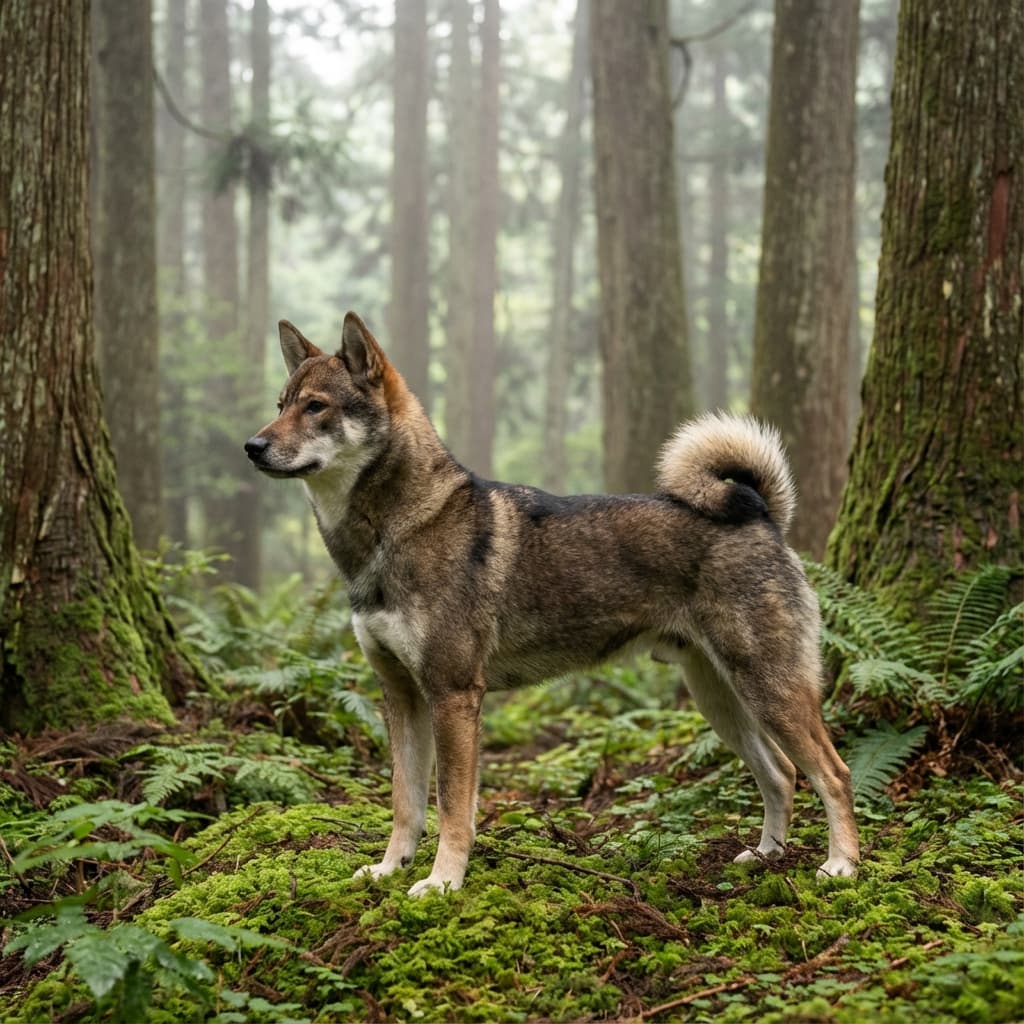
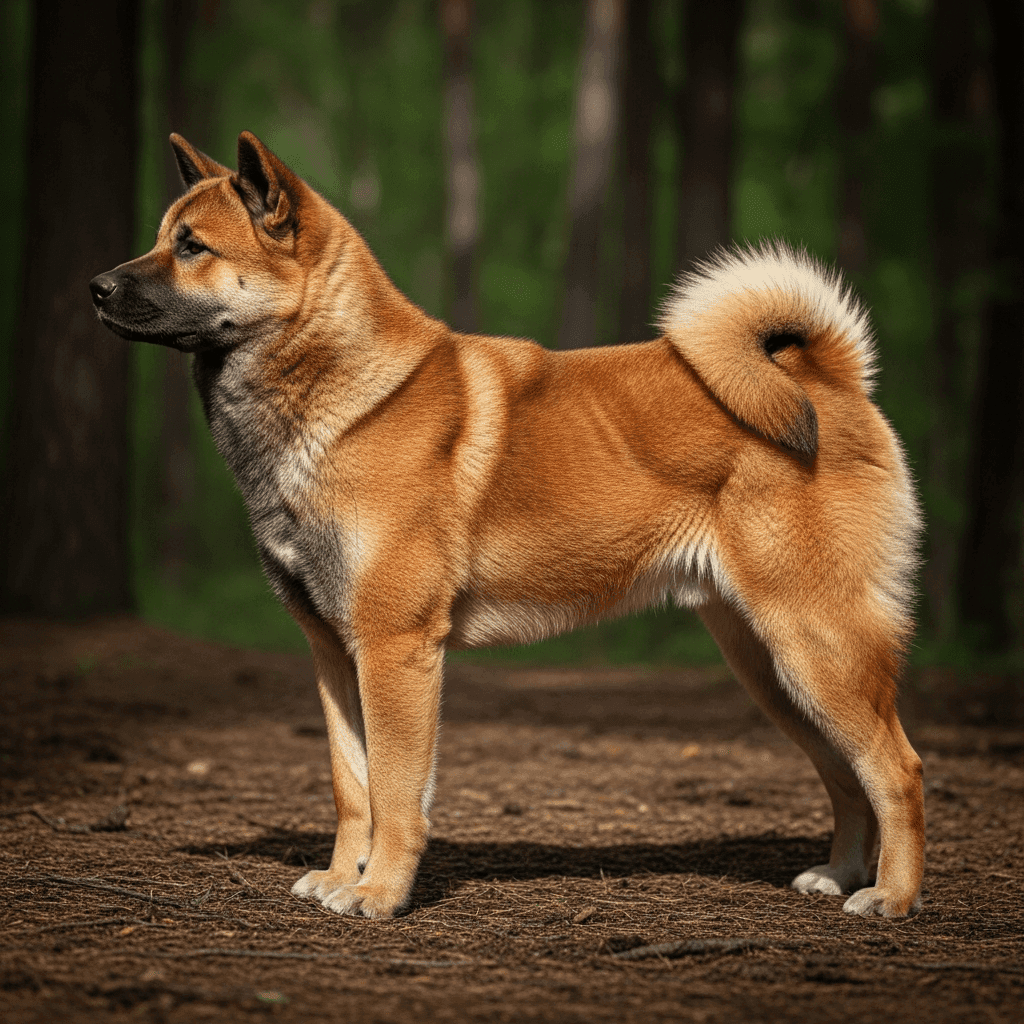
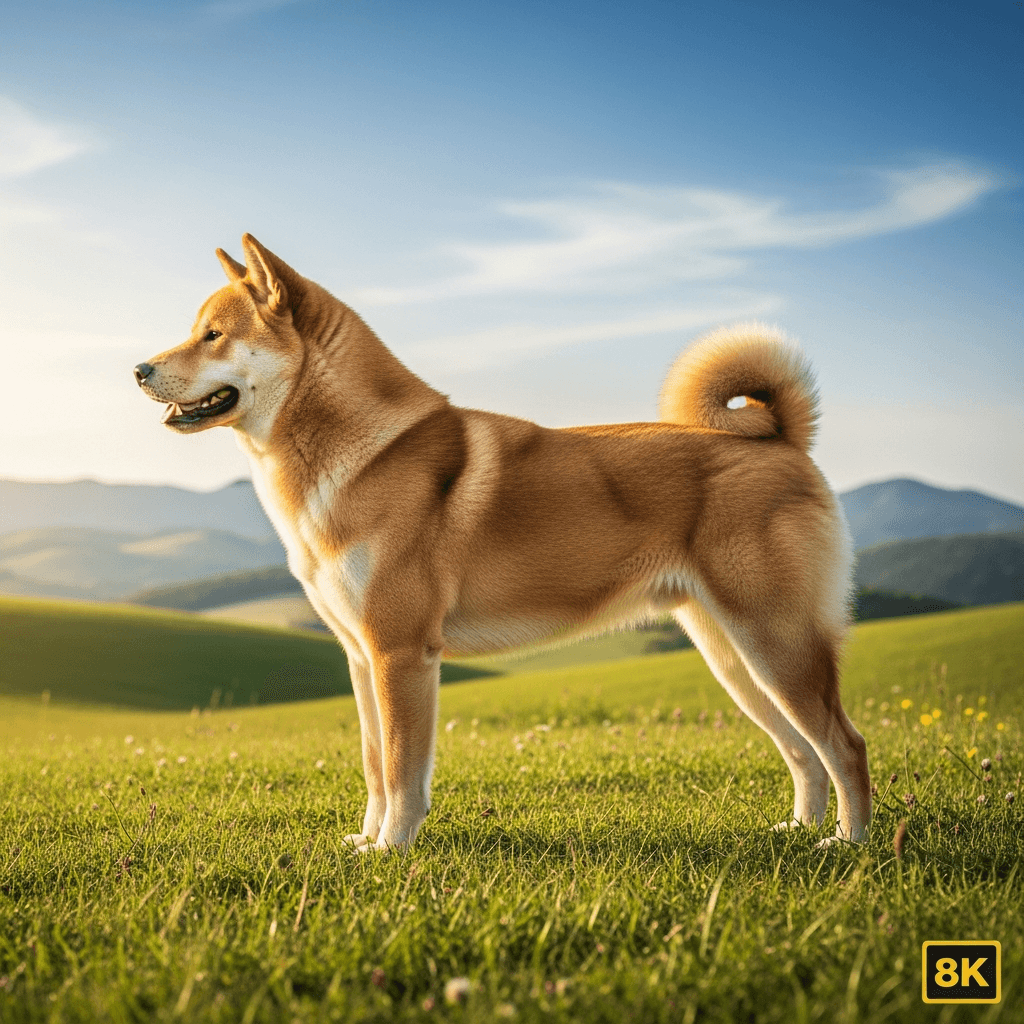
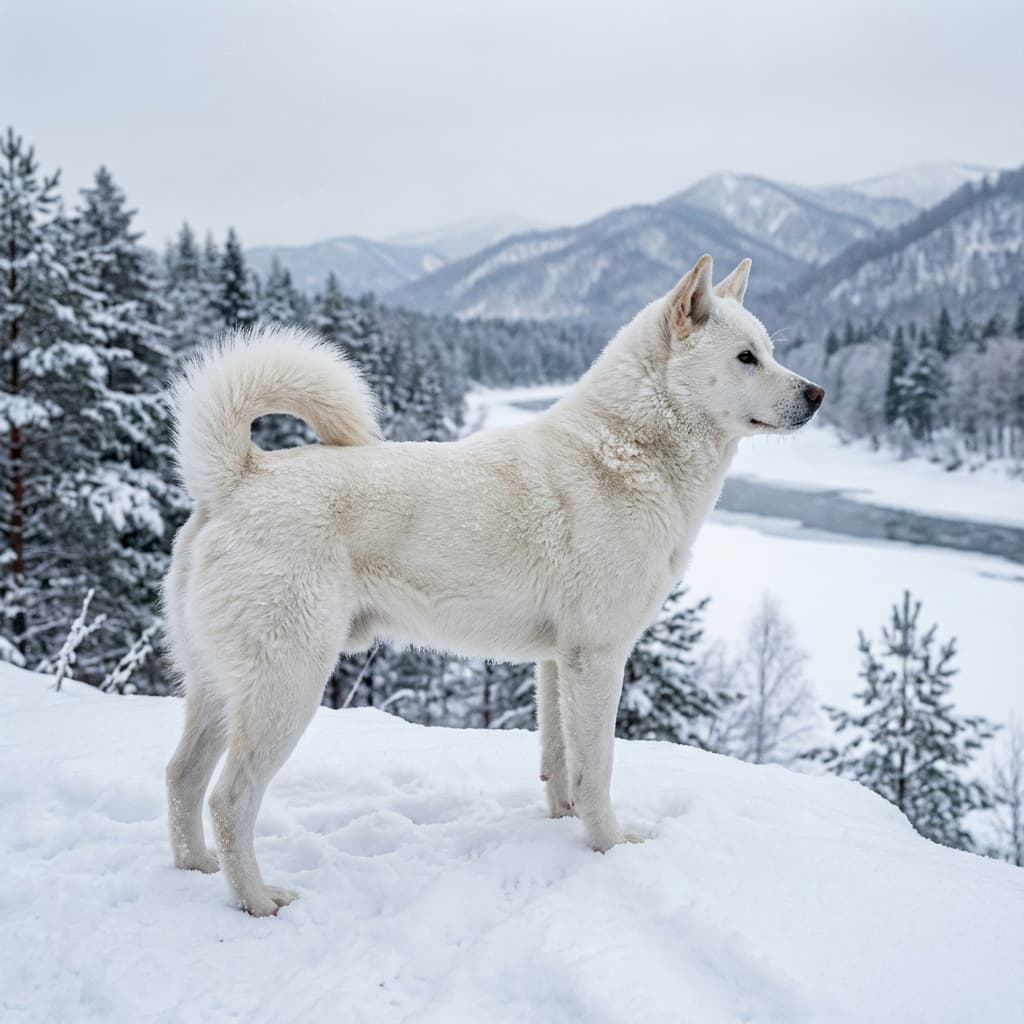
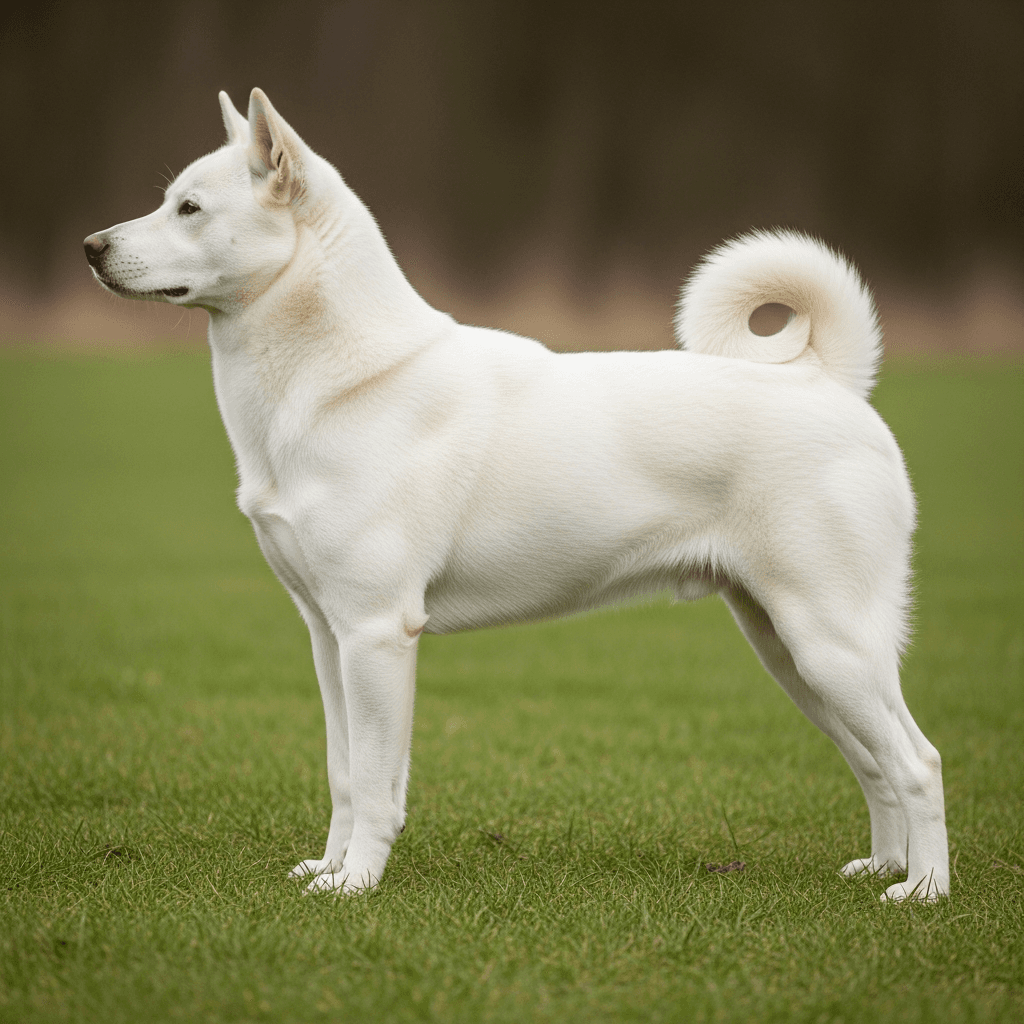
Kishu is characterized by a medium-sized, strong, and harmoniously muscled body structure, which perfectly aligns with its original role as a mountain hunter. The coat of these dogs is dense and rough with a thick undercoat, providing excellent protection against the harsh weather conditions found in the Japanese mountains. The dominant colors are noble white, warm red, and elegant sesame, with completely white individuals being the most popular today.
The characteristic tail, confidently curled or bent like a sickle over the back, adds even more charm and emphasizes their spitz-like ancestry. Small, triangular ears standing confidently forward and intense, dark eyes with an almost triangular shape give the Kishu an expression of dignity and alertness.
It is not just their appearance that makes Kishu unique. They are dogs with a strong character and remarkable independence, which makes them endlessly loyal to their owners while maintaining a natural reserve towards strangers. Their temperament makes them excellent guard dogs with a noble nature, but this requires consistent socialization and wise training from a young age. This way, these dogs can become balanced and devoted life companions.
Kishu thrive in an active lifestyle, needing regular, intense exercise and intellectual challenges. This approach ensures not only their physical health but also their mental balance and fulfillment. Their strong hunting instinct makes Kishu ideal for families leading an active lifestyle, valuing shared mountain hikes, runs, and outdoor play.
They are wonderful dogs for families with children who can respect the dog's independence, as well as for individuals who appreciate an intelligent, dignified partner. We encourage you to further explore this extraordinary breed in the following sections of our guide, where we will discuss in detail the health, grooming, exercise, training, nutrition, history, and fascinating aspects of Kishu Ken behavior.
The Kishu Ken is a medium-sized dog with a strong, harmonious, and extremely compact body structure. According to the FCI standard, the height at the withers ranges from 49 to 55 cm (males are usually taller), with a body weight oscillating between 20 and 27 kg depending on gender and build. The body proportions are perfectly balanced – the ratio of height at the withers to body length is 10:11, giving the silhouette an almost square format.
The head of the Kishu is wide and strong, with a clearly defined stop between the forehead and the muzzle. The muzzle is wedge-shaped, strong, and well-formed, with a straight nasal bridge and a black nose (in white individuals, a nose matching the body color is acceptable). The eyes are relatively small, almost triangular, set obliquely, and always in dark brown, giving the dog a distinct, intelligent, and alert expression.
The ears are a characteristic feature of the appearance – small, triangular, confidently standing, and slightly forward-facing, giving the dog a constantly alert expression. The tail is thick at the base, set high, and carried confidently curled or bent like a sickle over the back, which is typical for spitz-type dogs.
The coat of the Kishu is double, consisting of a coarse, straight outer coat and a dense, soft undercoat, which provides excellent thermal insulation in various weather conditions. The hair on the tail is longer and denser, forming a characteristic plume. The coat colors include white (the most popular), red, and sesame, with the standard accepting only solid colors since 1934 – previously popular brindle and contrastingly marked colors completely disappeared after 1945.
The Kishu Ken is a dog that combines noble beauty, strength, and functionality – every element of its build serves a practical purpose, making it an excellent mountain hunter and a resilient companion for life.
The Kishu Ken is a dog with outstanding mental and physical endurance, captivating with its noble dignity and certain calmness. Their temperament is characterized by extraordinary loyalty to the family, combined with a natural reserve and distance towards strangers – this trait makes them excellent guard dogs with a balanced character.
Kishu are independent and self-thinking dogs, which is both their charm and a training challenge. They are not blindly obedient dogs – their cooperation with humans is based on mutual respect and trust developed over years of living together. Despite their independence, they can show deep affection towards their loved ones, and their loyalty is absolute and unwavering.
The hunting instinct of the Kishu is extremely strong – they are dogs with high motivation to track, perseverance in pursuit, and courage in confronting game. In the past, they hunted wild boars and deer in difficult mountainous terrain, which shaped their character. Today, this instinct can lead to problems if the dog does not receive appropriate substitute activities and constructive outlets for its energy.
The Kishu Ken is not an overly noisy breed, but it can use its voice in a purposeful and economical way – it warns of danger with loud barking, but does not bark without reason. In relation to other dogs, they may show dominance, especially males, so early socialization is key.
Owners should provide Kishu with regular, intense physical exercise and mental challenges to prevent boredom and potential behavioral problems. A dog lacking proper stimulation can become destructive or develop compulsive behaviors.
With appropriate, consistent socialization from puppyhood and wise, positive training based on rewards, the Kishu can become an excellent companion for both experienced owners and active families with children who can respect its dignified, independent nature and fulfill its natural needs.
The Kishu Ken is a dog breed characterized by relatively good health and resilience, a result of a long history of natural selection in harsh mountainous conditions. The average lifespan of a Kishu is between 11 to 15 years, with many individuals reaching advanced age in good condition.
Despite generally good health, like any breed, Kishu can be prone to certain specific ailments. The most common issues include hypothyroidism, which can lead to metabolic problems, weight gain, fatigue, and skin issues. Symptoms such as excessive sleepiness, weight gain despite a normal diet, and deterioration of coat quality should prompt the owner to seek veterinary consultation and hormone level testing.
Kishu may also suffer from food allergies and environmental allergies, manifesting as skin itching, redness, hair loss, or gastrointestinal problems. This requires special attention when selecting a diet and eliminating potential allergens from the dog's environment.
In terms of eye health, some individuals may experience issues such as entropion (inward rolling of the eyelid), which causes irritation of the cornea and discomfort. This condition usually requires surgical correction. It is also advisable to regularly check the eyes for cataracts, which may develop in older age.
Due to their average size and compact build, Kishu are less prone to hip dysplasia than larger breeds; however, responsible breeders should conduct screening tests in this regard.
Kishu are dogs with great endurance, but their double coat, while providing excellent insulation in cooler conditions, means that they are not suited for extreme heat. On hot days, they should be protected from overheating by providing access to shade, fresh water, and avoiding intense exercise during peak heat.
Regular veterinary check-ups, up-to-date vaccinations, internal and external parasite prevention, and a balanced diet tailored to the dog's age and activity level are key to a long and healthy life for the Kishu Ken.
Kishu Ken has a distinctive double coat, consisting of a rough, straight outer coat and a soft, dense undercoat. This coat structure provides excellent protection against various weather conditions, but it requires regular, though low-maintenance grooming.
Brushing – During normal periods, regular brushing once or twice a week should be sufficient to remove dead hair, prevent tangling, and keep the coat in excellent condition. Use a brush with stiff bristles or a furminator for the undercoat. During shedding periods, which occur twice a year (in spring and autumn), Kishu requires much more intensive grooming – daily brushing will help manage the abundance of shedding hair and reduce its amount in the home. During this time, the undercoat is shed in large quantities, which is a natural process of adaptation to changing conditions.
Bathing – Kishu Ken does not require frequent bathing. Too frequent washing can lead to the removal of natural protective oils from the coat and skin, weakening the natural protective barrier. Bathing should only be done when truly necessary – when the dog is heavily soiled or smells unpleasant. Use gentle shampoos designed for dogs with sensitive skin.
Ear hygiene – Kishu's erect ears are naturally well-ventilated, which minimizes the risk of infection; however, they should be checked regularly (every week or two) for redness, odor, or excessive wax buildup. Gentle cleaning with special ear care solutions will help keep them healthy.
Dental hygiene – Regular tooth brushing (ideally daily or several times a week) with a special toothbrush and toothpaste for dogs will help prevent tartar buildup, gum disease, and bad breath. Dental treats and chew toys can also be used.
Nail care – If Kishu runs a lot on hard surfaces, the nails wear down naturally. Otherwise, they should be checked regularly and trimmed with dog nail clippers to prevent walking issues and pain.
Paw hygiene – After walks, especially during rainy or winter seasons, it's worth checking the paws for dirt, road salt, or small stones. Washing the paws in lukewarm water and gently drying them will help keep them healthy.
Maintaining regular grooming and hygiene for Kishu Ken not only affects the dog's aesthetic appearance but, more importantly, its health, well-being, and quality of life.
Kishu Ken is a breed with high exercise requirements, developed over centuries of hunting work in difficult, mountainous terrain. Their natural endurance, strength, and strong hunting instinct make daily short walks around the neighborhood absolutely insufficient for maintaining their physical and mental health.
Kishu owners should provide their dogs with a minimum of 1.5-2 hours of intense activity daily, preferably divided into several sessions. Ideal forms of activity include:
- Long mountain hikes – Kishu loves challenging terrain and outdoor challenges where they can fully utilize their endurance
- Trail running – A great form of exercise for dogs of active owners
- Fetch – Games involving retrieving balls, frisbees, or game replicas
- Scent tracking – Nose work and search games that engage their natural tracking instinct
- Agility and dog trekking – Dog sports that combine physical and mental effort
- Swimming – An excellent form of exercise, especially on hot days
Kishu is a breed that enjoys an active lifestyle and is perfect for people leading a sporty lifestyle, lovers of mountain hiking, running, or trekking. They can accompany their owner on the longest adventures without losing energy or enthusiasm.
Without adequate exercise and stimulation, a Kishu may become destructive, hyperactive, or develop compulsive behaviors – digging holes in the garden, constant barking, or destroying furniture. Therefore, it is crucial to provide them with appropriate physical and mental stimuli.
Due to their strong hunting instinct, a Kishu may chase after any moving animal – bird, cat, squirrel, or rabbit. It is important to ensure a secure fenced area and keep the dog on a leash in public places until they have mastered recall perfectly. A well-trained Kishu can enjoy freedom in specially designated areas.
It is worth remembering that despite their high endurance, in hot weather, the intensity of exercise should be limited and activities should be planned for cooler times – early morning or evening. Always provide access to fresh water and shade.
Kishu Ken is a dog for active people who can dedicate time to daily engaging activities – in return, they will receive a loyal, resilient, and joyful adventure companion on the trail.
Kishu Ken training can be an interesting challenge even for experienced owners, but it is also a dog intelligent, sharp, and capable of quick learning, especially when the relationship with the guardian is based on mutual respect and trust.
Start training as early as possible – It is crucial to begin the socialization process and basic training as early as the 8th week of the puppy's life. The sooner Kishu is exposed to various people, dogs, animals, environments, and stimuli, the easier it will be for him to function as a balanced companion in adult life.
Independence and self-sufficiency – Kishu are independent-thinking dogs that will not always blindly follow commands without consideration. They may resist if they do not see the point in a task or when the relationship with the owner is based on coercion. Therefore, the foundation of effective training is building a bond based on trust, consistency, and positive reinforcement.
Positive training methods – Kishu respond well to reward-based training (treats, toys, verbal praise), which motivates them to cooperate. Avoid harsh punishments, yelling, or physical coercion – such methods will destroy the bond and trust, leading to resistance or fear. Kishu respect confident, consistent, and fair owners.
Socialization – Due to their natural reserve towards strangers and tendency to dominate other dogs, socialization is absolutely crucial. Organize controlled meetings with various dogs (of different sizes, ages, and temperaments), people (adults, children, in different attire), and exposure to diverse environments (city, forest, crowds, noise). Positive experiences during the puppy stage will shape a confident, balanced adult dog.
Basic commands – Focus on mastering basic commands: Sit, Stay, Lie down, Come, Leave it. Perfect recall (Come) is particularly important, as it can save the dog's life due to their strong hunting instinct.
Consistency and regularity – Training should be regular, ideally daily, in short 10-15 minute sessions to maintain the dog's focus. Consistency in enforcing rules is key – if you prohibit something once, you cannot allow the same behavior the next day.
Mental stimulation – Kishu need not only physical exercise but also intellectual challenges. Scent games, interactive play, searching for hidden treats, learning new tricks – all of these engage the dog's mind and prevent boredom.
With proper, patient, and positive training started from puppy months, Kishu can become an excellent, obedient companion who will function well in various conditions and family life situations. Remember – training is a lifelong process, not a one-time task.
The Kishu Ken is an active and energetic dog that requires a high-quality, balanced diet tailored to its age, activity level, health status, and individual metabolic needs. Proper nutrition is fundamental for maintaining health, fitness, coat quality, and longevity.
Choosing food – Owners should select premium or super-premium dog foods that contain high-quality sources of animal protein (meat, fish) as the main ingredient. Protein should make up about 22-28% of the composition of food for active adult dogs. Avoid foods that contain excessive amounts of grains, artificial colors, preservatives, and low-nutritional-value fillers.
Food allergies – Due to the tendency of some Kishu individuals to food allergies, it is advisable to avoid foods containing commonly allergenic ingredients, such as wheat, soy, corn, or certain types of meat (chicken, beef). In case of allergic symptoms (itchy skin, hair loss, digestive problems), consider switching to an elimination diet or hypoallergenic foods based on alternative protein sources (lamb, game, fish) and carbohydrates (potatoes, sweet potatoes, peas).
Weight control – Kishu may be prone to hypothyroidism, which leads to a slowed metabolism and weight gain. Therefore, it is crucial not to overfeed the dog and to regularly monitor its physical condition. Ribs should be felt under the fingers but not visible to the naked eye. The waist should be clearly defined.
Feeding frequency – Adult Kishu should receive food divided into 2 meals a day (morning and evening), which helps maintain stable energy levels and better digestion. Puppies require more frequent feeding – 3-4 times a day.
Access to water – Fresh, clean water should be available at all times, especially after intense exercise and on hot days. Regular hydration is crucial for kidney health and proper body function.
Treats and snacks – Treats can be used as rewards in training; however, they should not exceed 10% of the daily caloric intake. Excess treats can lead to obesity and an unbalanced diet. Choose natural treats (dried meat, vegetables) instead of products full of artificial additives.
Natural diet (BARF) – Some owners opt for a natural diet based on raw meat, bones, vegetables, and supplements. If you are considering this option, consult with a veterinarian specializing in nutrition to ensure all nutrients are balanced.
Observation and adjustment – It is essential to observe the dog's reactions to the diet – coat quality, energy, stool consistency, body weight. If necessary, adjust the type of food, portion size, or feeding frequency to meet your Kishu's individual needs. Regular consultations with a veterinarian will help maintain optimal health condition.
Characteristic Traits
Pros
- Extraordinary loyalty to family
- Excellent guard dog with a balanced temperament
- Ideal for active families and sporty individuals
- Strong and harmoniously muscled build
- Relatively good health and longevity
- Minimal grooming requirements outside of shedding periods.
Cons
- Natural reserve and distrust of strangers
- Requires consistent socialization from puppyhood
- Very strong hunting instinct making control difficult
- Independent character requiring patience in training
- Tendency to dominate over other dogs
- High exercise requirements.
Behavioral Ratings
Breed History
Kishu Ken is one of the oldest and most esteemed native Japanese breeds, with a history dating back over 3000 years. This breed originated from primitive medium-sized dogs that inhabited the Japanese Archipelago in ancient times, accompanying humans as hunters and guardians.
Kishu developed and shaped itself as a breed in the mountainous regions of the historical province of Kishu, encompassing today's Wakayama and Mie prefectures on Honshu Island. The challenging, mountainous terrain, dense forests, and harsh climate required the dogs to possess extraordinary endurance, courage, independence, and the ability to make decisions without direct human supervision.
For centuries, Kishu Ken were used as hunting dogs, specializing in hunting boar and deer in difficult, mountainous terrain. Their role was to locate the game, surround it, and hold it by barking, allowing the hunter to approach and take a shot. This form of hunting required the dogs to have courage, intelligence, endurance, and independence – traits that became deeply ingrained in the breed's character.
Initially, Kishu's coat exhibited a variety of colors, including red, sesame, and brindle patterns with distinct markings. However, since 1934, when the breed was officially recognized as a Natural Monument of Japan (天然記念物, Tennen Kinenbutsu) and placed under national protection, the standard allowed only solid colors – white, red, and sesame. As a result of selective breeding, by 1945, brindle and contrastingly marked colors completely disappeared and have never reappeared. Today, the vast majority of Kishu have white coats, although red and sesame individuals are still encountered.
The name of the breed Kishu Ken comes from the region where it was bred – Kishu (紀州), and the word Ken (犬) means dog in Japanese. Alternative names include Kishu Inu (紀州犬) or simply Kishu.
In the 20th century, with the modernization of Japan and changes in lifestyle, traditional hunting for game lost significance; however, Kishu Ken remained valued as companion dogs and family guardians. Their noble character, loyalty, and dignity have made them popular not only in Japan but gradually also beyond its borders.
Today, Kishu Ken, although still relatively rare outside Japan, is gaining increasing international popularity among those who appreciate authentic, genetically unaltered breeds with a rich history and unique character. Kishu remains a living monument to Japanese canine heritage and hunting tradition, combining millennia of history with modernity as a devoted life companion.