Laika Russian-European
FCI Group
5• FCI 304
Size
Medium
Origin Country
XX
Height
50-58 cm
Weight
20-30 kg
Lifespan
10-12 years
Temperament
Overview
Russian-European Laika (Russko-Evropeïskaïa Laïka) is a breed of hunting dogs originating from the forested areas of Russia, officially recognized in 1947. It combines the traits of a versatile hunting dog, excelling both in hunting small game and as a guard dog. Its average size and strong build make it an ideal companion for active individuals and families with children.
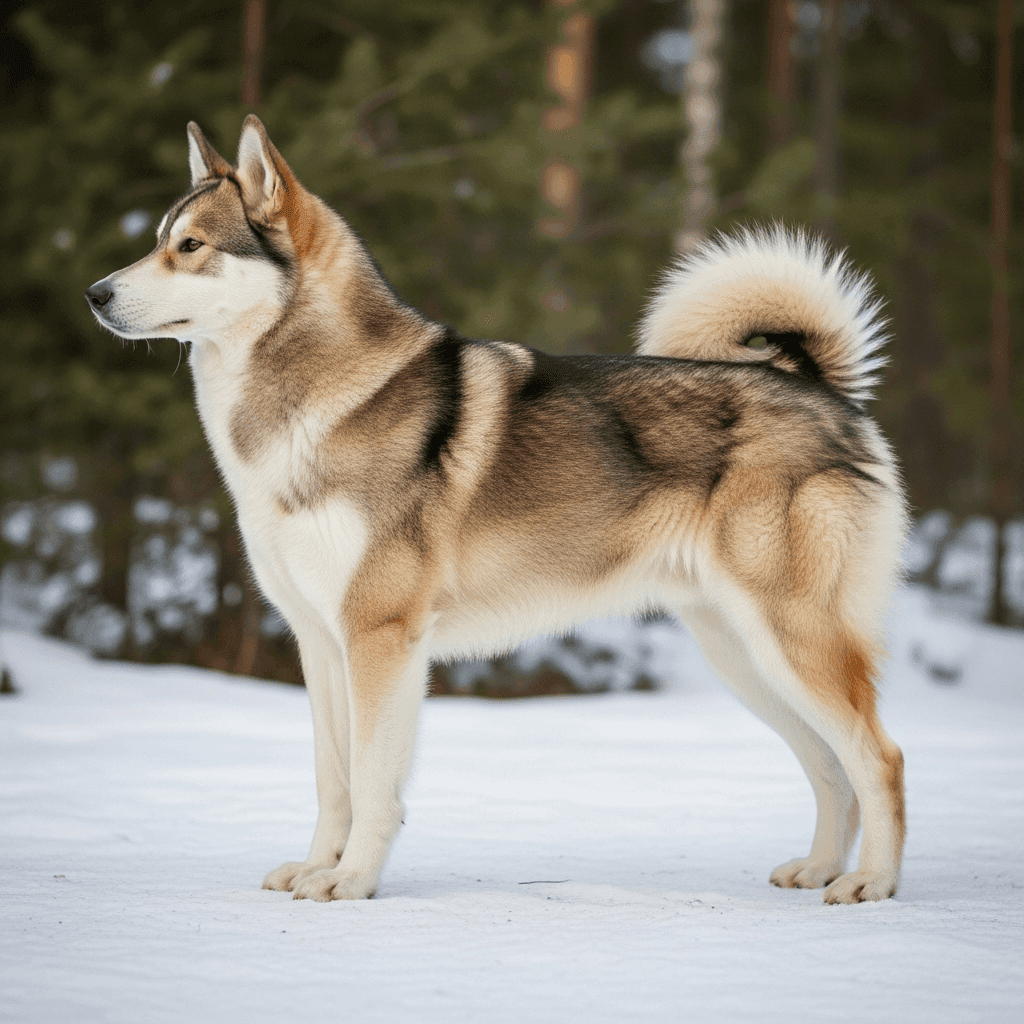
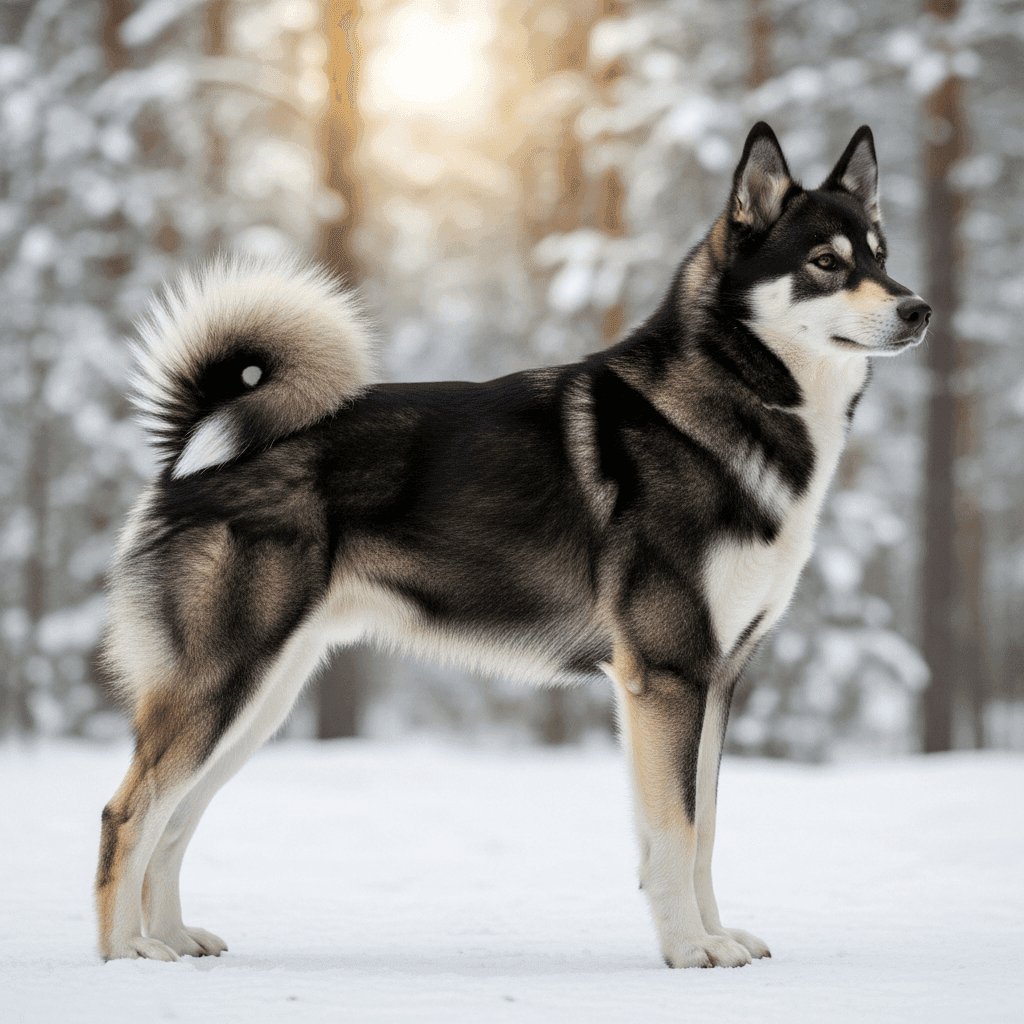
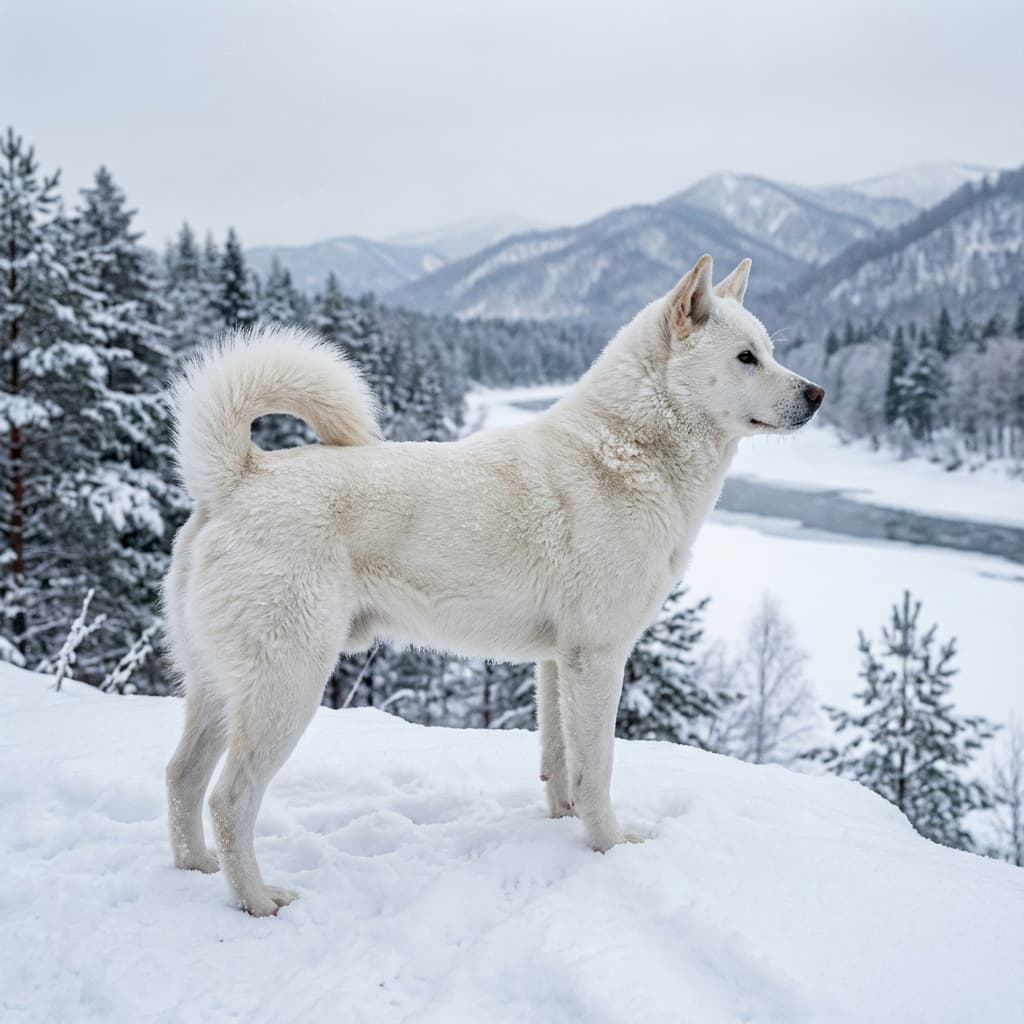
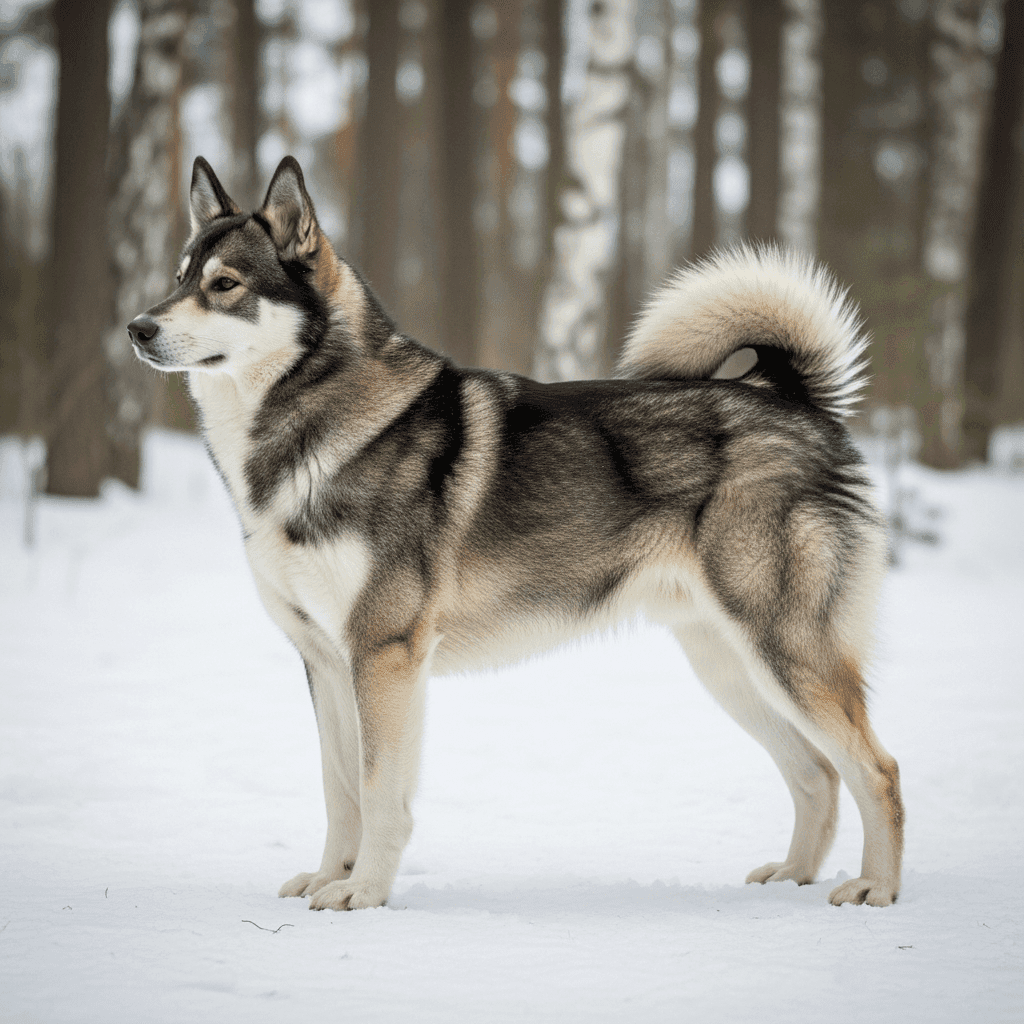
The Russian-European Laika is characterized by a strong bone structure and well-developed musculature, which provide it with endurance and sturdiness. The height at the withers ranges from 52 to 58 cm for males and 50 to 56 cm for females. The weight fluctuates between 20-30 kg. With its double coat – a hard, straight outer hair and a dense, woolly undercoat – this breed withstands harsh climatic conditions exceptionally well. The coat color can be black, black and white, white with black spots, or gray.
The distinctive triangular head with an intelligent expression, small, oval, dark eyes, and erect, pointed ears give the Laika a striking, alert appearance. The temperament of this breed is characterized by high energy and liveliness, requiring owners to provide adequate exercise and mental stimulation. A strong hunting instinct makes the Laika an exceptionally effective helper during hunts.
The Russian-European Laika is loyal and deeply devoted to its family, but its independent nature requires consistent and patient training. Intelligence and a willingness to learn make dogs of this breed relatively easy to train with new commands, although they may sometimes show stubbornness. Early socialization is crucial for shaping a balanced and confident dog.
Today, Russian-European Laikas serve not only as hunting dogs but also as guard dogs and active companion dogs. Their friendliness and sociability towards household members contrast with a certain reserve and alertness towards strangers. Regular grooming, balanced nutrition, and routine veterinary visits ensure their health and long life. With all these qualities, the Russian-European Laika is an excellent choice for active families seeking a loyal, intelligent, and versatile companion.
The Russian-European Laika is a medium-sized dog with a strong, harmonious, and compact body structure. The height at the withers ranges from 52 to 58 cm for males and from 50 to 56 cm for females. It is characterized by a strong bone structure and well-developed musculature, making it an excellent companion for people leading an active lifestyle.
The head of the Russian-European Laika is small, resembling an equilateral triangle. The skull is relatively wide, with a distinct occipital crest. The stop is slightly pronounced. The muzzle is sharp, tapering towards the nose, with a length equal to or slightly shorter than the skull. The nose is black and well-developed.
The eyes are small, oval, dark, set slightly obliquely, giving the dog an intelligent and alert expression. The ears are movable, erect, set high, shaped like the letter V, with pointed tips.
The silhouette of the Laika is compact and harmoniously built. The back is strong, straight, and well-muscled. The loins are short and slightly arched. The chest is deep, wide, reaching to the elbows, allowing for free breathing during intense exertion. The tail is set high, carried in a sickle shape or curled over the back or hindquarters.
The coat of the Russian-European Laika consists of a hard, straight outer coat and a dense, soft, woolly undercoat. The fur is short and closely adhering on the head and ears, longer on the neck, withers, and shoulders, forming a distinct collar on the neck and a beard on the cheekbones. On the hind legs, it forms moderate feathering.
The coloration can be diverse – black, black and white, white with black spots, gray, or pepper and salt. A white patch on the chest, legs, and the tip of the tail in white or dark colors is accepted.
The Russian-European Laika stands out not only for its beautiful, natural appearance but also for its charismatic and energetic temperament, making it an attractive choice for lovers of active dog breeds.
The Russian-European Laika is a breed of dog characterized by its lively temperament, courage, and strong hunting instinct. They are very attached to their owners, loyal and devoted, forming strong emotional bonds with their family. Their friendly nature makes them well-suited for families with children, but proper socialization from a young age is important.
Due to their strong hunting instinct, Russian-European Laikas can be somewhat wary and alert towards strangers, making them good guard dogs. Their tendency to bark is natural – this is how they communicate their emotions and warn their owner of danger.
Russian-European Laikas are energetic and full of life, requiring a lot of exercise and mental stimulation. Their intelligence and eagerness to learn make them relatively easy to train, but their independent and sometimes stubborn nature requires consistency and patience from their owners. It is important to use positive reinforcement methods to maintain the dog's interest and motivation to work.
This breed does not tolerate boredom – prolonged lack of activities and mental challenges can lead to behavioral problems, such as excessive barking, destruction of objects, or hyperactivity. Regular activities, such as scent games, agility, running, or hunting simulations, are crucial for their happiness and mental balance.
Russian-European Laikas can be quite noisy and tend to vocalize, especially when something piques their interest. Their independence means they may sometimes ignore their owner's commands, particularly when they are busy chasing small animals or exploring their surroundings. Therefore, early socialization and consistent training are essential for the dog to function well in various social and environmental situations.
The Russian-European Laika is a breed of dog known for its generally good health, endurance, and longevity. The average lifespan of this breed ranges from 10 to 12 years, which is typical for medium-sized dogs. To ensure health and longevity, it is crucial to provide adequate physical activity and a balanced diet tailored to the dog's age, weight, and activity level.
This breed is relatively resistant to diseases; however, like any other, it can be prone to certain conditions. Among the health issues that may occasionally occur in Russian-European Laikas are cryptorchidism (undescended testicles), umbilical hernia, and hip dysplasia, although the latter occurs less frequently than in larger breeds.
It is important for owners to regularly observe their dogs and pay attention to any changes in behavior, appetite, activity, or appearance to respond quickly in case of any health abnormalities. Regular veterinary visits, vaccinations, deworming, and flea and tick prevention are crucial for maintaining the dog's health.
Due to their active lifestyle, Russian-European Laikas may be prone to injuries and traumas, especially during intense play, hunting, or running on uneven terrain. Owners should monitor the dog's physical condition after intense activities and consult a veterinarian if necessary.
Russian-European Laikas tolerate cooler climates well due to their dense, double coat; however, during hot weather, they should have access to fresh water and shade to avoid overheating and heatstroke. Regular grooming, ear hygiene, and dental care also contribute to the overall health and comfort of the dog.
The care of the Russian-European Laika is not too complicated, but it requires regularity and attention, especially during periods of intense shedding. This breed has a double coat – a hard, straight outer hair and a dense, woolly undercoat that provides protection against adverse weather conditions.
Russian-European Laikas shed heavily, especially in spring and autumn, when the coat change is most abundant. During these periods, it is recommended to brush daily using a brush or furminator to remove dead hair, prevent matting, and keep the coat in good condition. In the remaining months, brushing at least once or twice a week is sufficient.
Bathing is not necessary too often – it is enough to bathe the dog once every few months or in case of actual dirt. Excessive bathing can lead to dry skin and the removal of natural oils that protect the coat. When bathing, gentle shampoos designed for dogs should be used.
Ear hygiene is very important, especially for active dogs that spend a lot of time outdoors. Ears should be regularly checked for dirt, excessive moisture, or signs of infection and cleaned with a gentle product designed for dogs.
Oral hygiene also requires attention – regular tooth brushing (at least 2-3 times a week) helps prevent tartar buildup and periodontal disease. Dental chew toys can also be used.
Nail trimming is essential if the dog does not naturally wear them down during activities on hard surfaces. Overly long nails can cause discomfort, walking problems, and changes in the dog's posture.
Caring for the Russian-European Laika is not only about maintaining its appearance but primarily about health, comfort, and well-being. Proper, systematic grooming is crucial for keeping the dog in excellent condition.
The Russian-European Laika is a breed of dog with a high level of energy and endurance, requiring regular and intense physical activity to maintain health, well-being, and mental balance. Dogs of this breed need at least 60 to 90 minutes of intense movement daily, although many individuals will happily spend even more time being active.
Regular walks, running, playing in the garden, hiking in the woods, as well as playing with balls, frisbees, or other toys are essential for their physical and mental health. Due to their strong hunting instinct, Russian-European Laikas love scent tasks, chasing toys, hunting simulations, and games that engage their natural tracking sense.
In addition to physical activity, it is important to provide the dog with mental stimulation – scent games, obedience training, learning tricks, agility, or other challenges help keep the dog balanced and prevent boredom. Dogs of this breed do not tolerate inactivity well, which can lead to behavioral problems such as excessive barking, destructiveness, or hyperactivity.
The Russian-European Laika thrives best in active families that can provide it with sufficient exercise and outdoor adventures. This breed is not suitable for living in small apartments without access to a fenced garden or green areas. Owners should be prepared for long walks, runs, bike rides, or hikes in the woods.
The right amount of exercise not only helps maintain physical health and proper weight, but also positively affects the dog's behavior, reducing the risk of behavioral problems such as excessive aggression, separation anxiety, or destructive behaviors. The Russian-European Laika needs an owner who will be an active partner in daily activities.
Training a Russian-European Laika can be a rewarding and fulfilling experience, but it requires patience, consistency, and an understanding of the independent nature of this breed. Russian-European Laikas are intelligent and eager to learn, but their independent temperament and strong hunting instinct can sometimes lead to stubborn behavior.
It is crucial to start training early – from puppy age, introducing positive reinforcement methods such as treats, praise, and play. Russian-European Laikas respond well to positive reinforcement, while punishment-based or coercive methods can have the opposite effect and discourage the dog from cooperating.
Owners should be consistent and patient – Laikas may sometimes test boundaries and try to impose their will, so it is important to establish clear rules and limits from the beginning. Variety in training methods and keeping activities fun help maintain the dog's interest and motivation to learn.
Russian-European Laikas respond well to training related to basic obedience – learning commands such as Sit, Stay, Come, Lie Down, and Leave It is fundamental. Additionally, these dogs appreciate mental challenges, such as tricks, agility, scent games, tracking tasks, or hunting simulations.
Socialization is an essential element of raising a Russian-European Laika. Dogs of this breed should be exposed to various situations, environments, sounds, people, and other animals from a young age to function well in society. Regular interactions with other dogs, visits to different places, and contact with children and adults help shape a confident, balanced dog.
Regular training and socialization help develop positive behaviors and prevent behavioral problems, which is crucial for ensuring a harmonious life for the dog in society and building a strong bond between the dog and the owner.
The nutrition of the Russian-European Laika is a key aspect of its health, condition, and longevity. This breed requires a balanced diet that provides all the essential nutrients – proteins, fats, carbohydrates, vitamins, and minerals.
Owners should choose high-quality foods that are tailored to the needs of medium-sized dogs and take into account the dog's activity level. Dry and wet foods that contain animal-based protein (poultry, beef, fish), healthy fats, whole grain carbohydrates, as well as vitamins and minerals, are an excellent choice for Russian-European Laikas.
It is important to avoid low-quality foods that may contain artificial additives, preservatives, colorings, and low-nutritional fillers. Owners should also adjust the amount of food according to the dog's age, weight, activity level, and health status.
Russian-European Laikas are prone to obesity, especially if they do not get enough exercise, so controlling their diet and weight is very important. Regular meals, divided into two to three portions a day, are recommended to maintain a proper weight, stable energy levels, and avoid digestive problems.
Access to fresh water throughout the day is absolutely crucial, especially after intense activities and on warm days. Water aids digestion, regulates body temperature, and ensures proper body function.
If the dog shows signs of food allergies, digestive problems, overweight, or other health issues, it is advisable to consult a veterinarian and adjust the diet to the individual needs of the dog. Some Laikas may require a specialized, hypoallergenic diet or one tailored to specific health problems.
Avoiding feeding the dog leftovers from the table, fatty products, sweets, or foods toxic to dogs (chocolate, grapes, onions, garlic) is essential for maintaining the dog's health and safety.
Characteristic Traits
Pros
- Versatility as a universal hunting dog
- Strong loyalty and attachment to the family
- Intelligence and ease of training
- Excellent resilience to harsh weather conditions
- Endurance and high energy.
Cons
- Requires a lot of exercise and mental stimulation
- Independent nature may make training difficult
- Can be distrustful and alert towards strangers
- Intense shedding in spring and autumn.
Behavioral Ratings
Breed History
The history of the Russian-European Laika dates back to the end of the 19th century when hunting dogs with distinctive characteristics began to be noticed and documented in the forested areas of Russia, eventually gaining recognition as a separate breed. The first records concerning northern-type dogs with erect ears date back to 1895, when A. A. Shirinsky-Shikhmatov published the Album of Draft Dogs and Laikas of the North, which listed Laikas from the regions of Cheremis and Zyrian.
These Laikas were widely distributed in regions such as Komi, Udmurtia, Arkhangelsk, Yaroslavl, Tver, Moscow, and other areas of Russia, where they served as versatile hunting dogs – tracking and chasing small and medium game, as well as assisting in hunts for larger animals.
In 1947, the offspring of Laikas from the regions of Arkhangelsk, Komi, Karelia, Votiak, and other areas were grouped and combined into one breed under the modern name Russian-European Laika. This was a key moment in the breed's history, as breeders sought to preserve and unify the best hunting, physical, and character traits of dogs from various regions.
The first official breed standard for the Russian-European Laika was approved in 1952 and later updated in 2010 by the FCI (Fédération Cynologique Internationale). The modern type of Russian-European Laika did not emerge from simply combining different types of Laikas, but through long-term, selective breeding aimed at solidifying desired working traits, appearance, and character.
Russian-European Laikas were and still are valued for their versatility, endurance, and loyalty. In the past, they served not only as hunting dogs but also as sled dogs and guard dogs. Their skills in tracking, chasing, and облаивания (barking at game in trees) were highly appreciated by hunters.
Today, the Russian-European Laika is not only a hunting dog but also a companion dog, guard dog, and active family member. Their history is closely tied to people, hunting culture, and the traditions of the northern regions of Russia. Their extraordinary skills, attachment to their owners, and resilience to harsh conditions make them valued dogs in many homes around the world.