Taiwanese Dog
FCI Group
5• FCI 348
Size
Medium
Origin Country
XX
Height
43-53 cm
Weight
12-18 kg
Lifespan
10-12 years
Temperament
Overview
The Taiwanese Dog, also known as the Formosan Mountain Dog, is a fascinating breed with a rich history and deep roots in Taiwanese culture. They are descended from Southeast Asian hunting dogs that the island's indigenous people have bred in the mountainous regions of central Taiwan for hundreds of years. Their harmonious and agile build makes them excellent companions for hunters and reliable guardians of family properties.
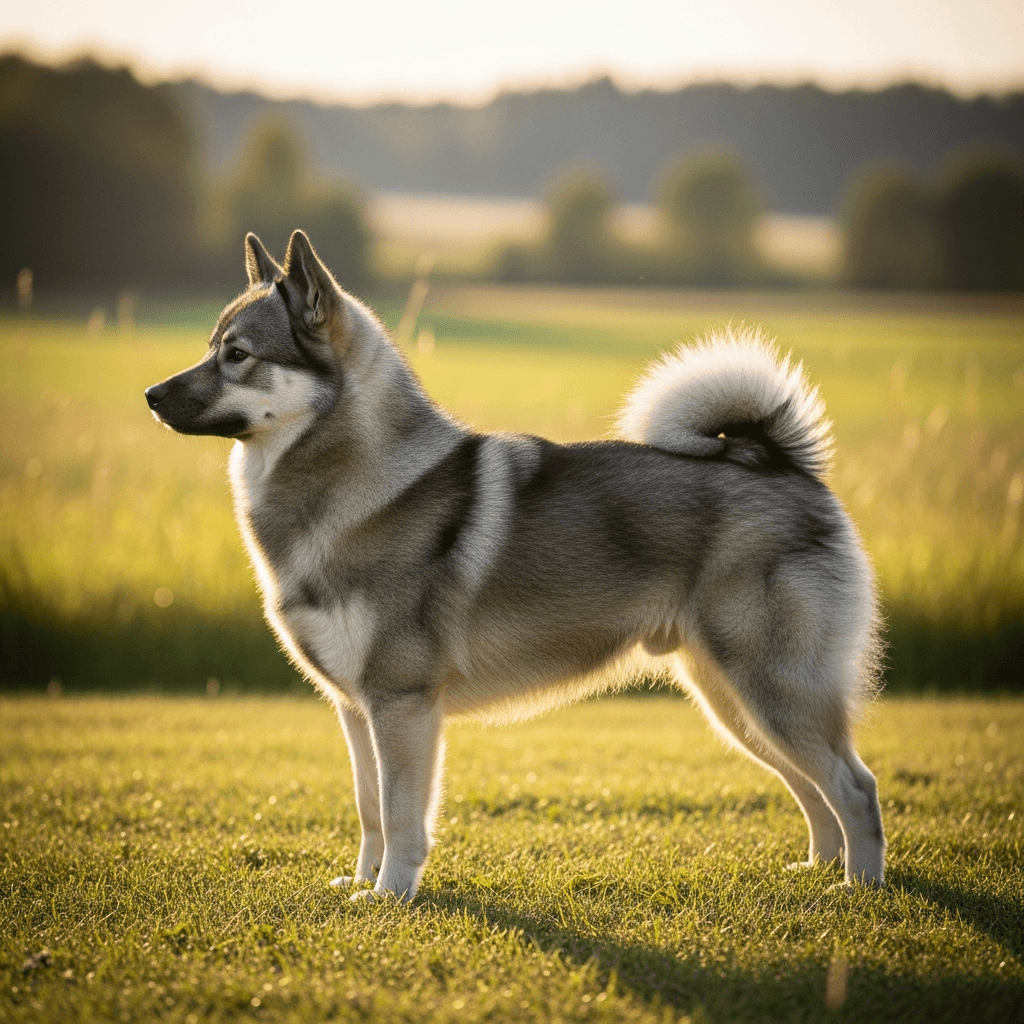
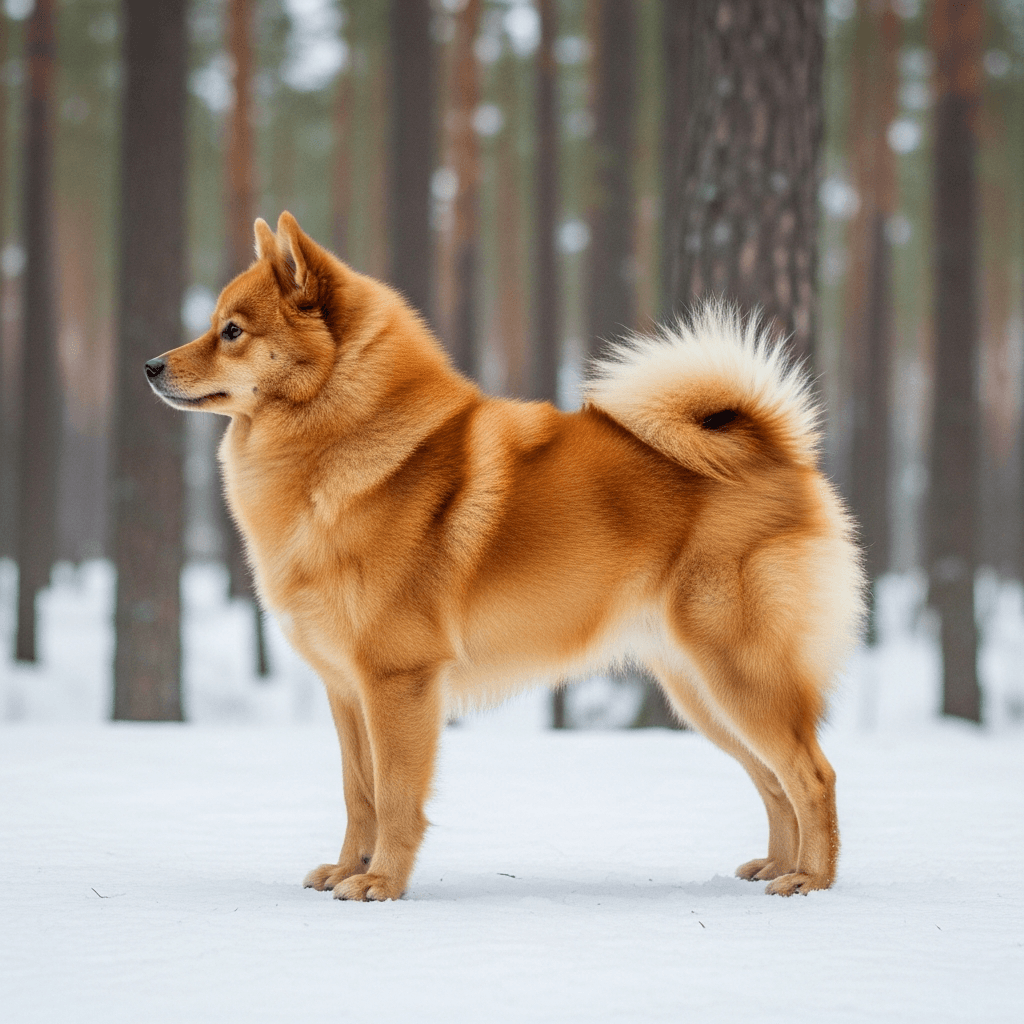
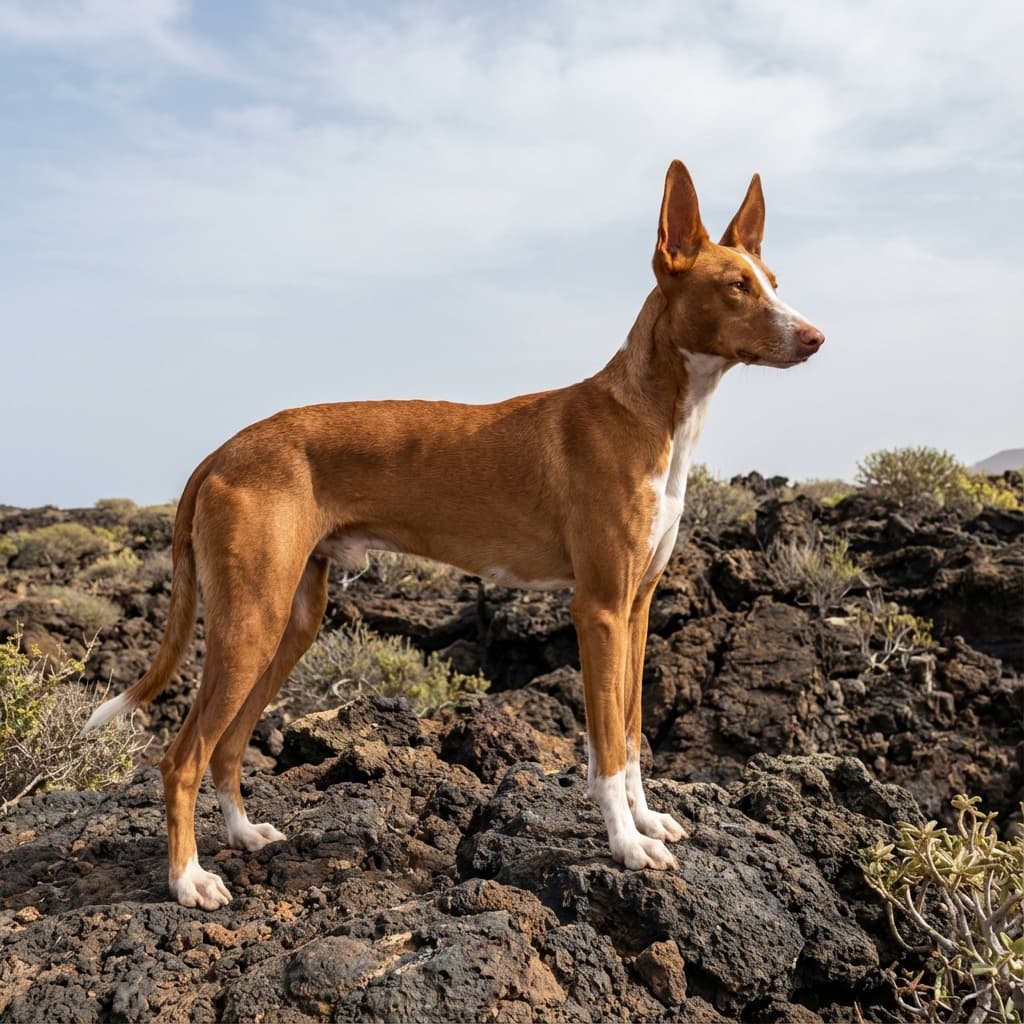
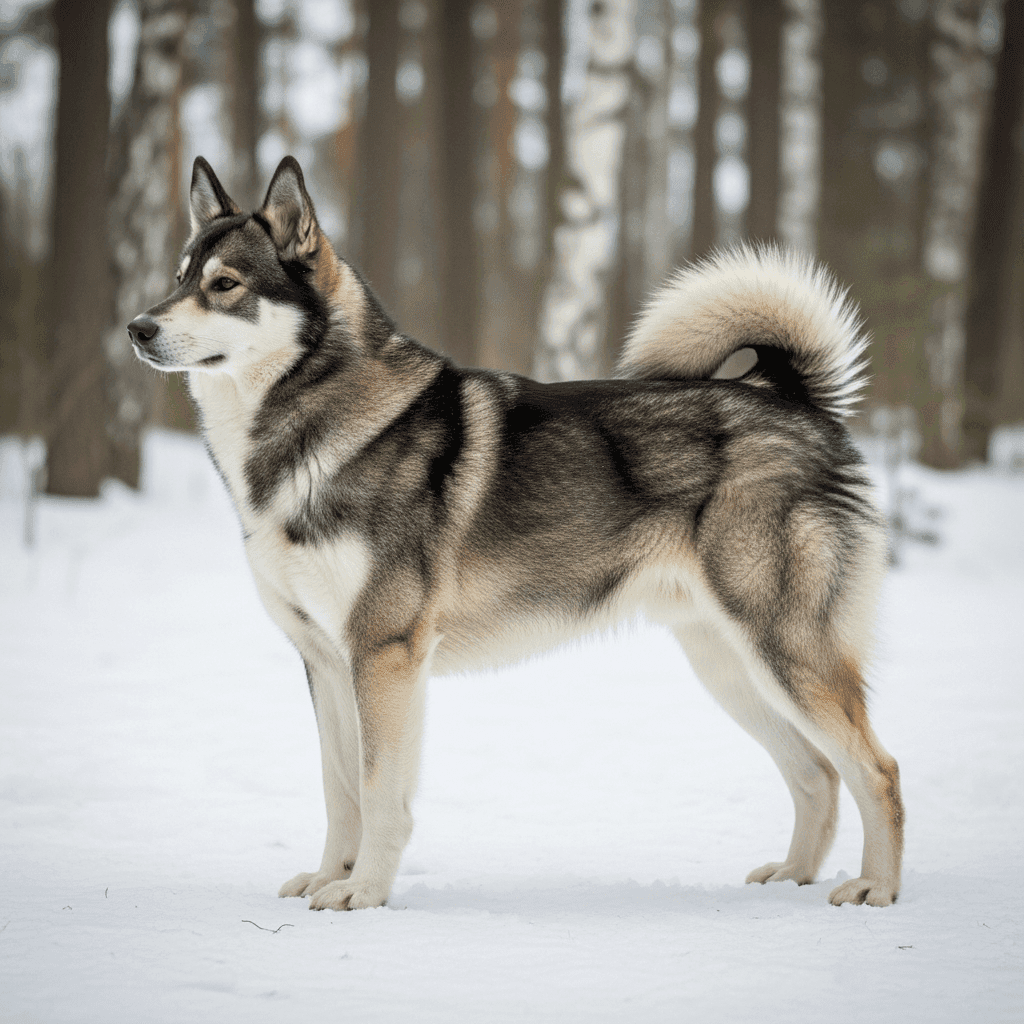
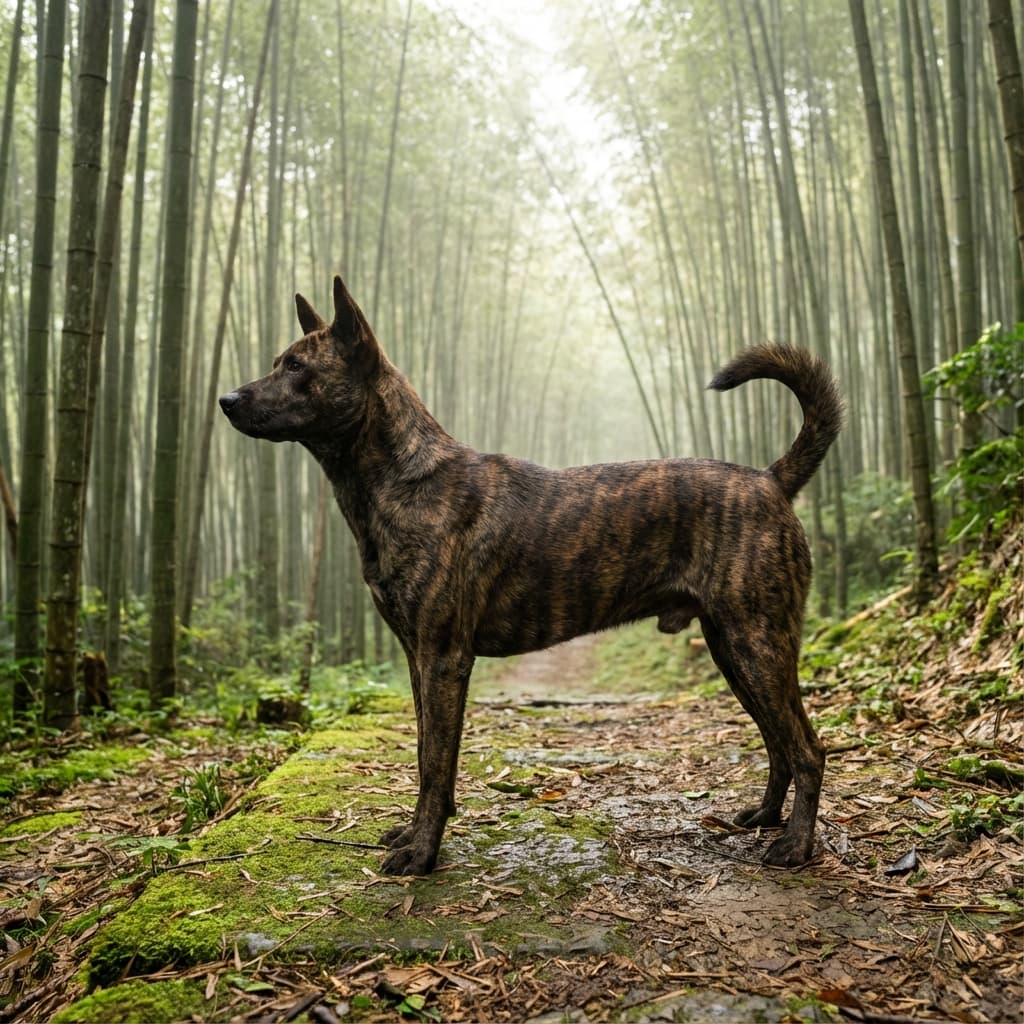
They are characterized by a triangular head, expressive almond-shaped eyes, and thin, erect ears that give them a unique, attentive appearance. Short, hard, and close-fitting fur comes in a variety of colors: black, brindle, fawn, and white. Depending on their gender, they reach a height of 43 to 53 cm at the withers and weigh between 12 to 18 kg, while maintaining a proportional, muscular silhouette. Their sickle-shaped tail, carried high and curled forward, is a distinctive feature of their appearance.
These dogs are incredibly devoted to their owners, and their keen sense, courage, and fearlessness are well known among breed enthusiasts. Over the centuries, they have served as hunting, guarding, and companion dogs, making them versatile pets with unique traits. Their temperament can be described as friendly, intelligent, and energetic, although they may be somewhat wary of strangers, which is a natural protective trait. Proper upbringing and socialization from a young age are crucial to ensure their healthy emotional development and positive interactions with people and other animals.
In the following sections of the guide, we present detailed information about the health, grooming, exercise requirements, training, nutrition, fascinating history, appearance, and behavior of this extraordinary breed. Anyone considering choosing a dog should consider the Taiwanese Dog as an ideal companion that combines independence and loyalty, as well as unique behavioral traits that make it stand out among other primitive dog breeds. We invite you to further explore the knowledge about this fascinating breed, which serves as a living monument to the culture of Taiwan's indigenous people!
The Taiwanese Dog has a distinctive appearance that reflects its role as an agile hunter and vigilant guardian. It is a medium-sized dog, reaching a height of 43 to 53 cm at the withers, with males typically being slightly larger than females. Its body is well-muscled, lean, and compact, with body-to-height proportions of about 10:10.5 (females may be slightly longer), making it exceptionally agile and physically fit.
The head has a characteristic triangular shape with a broad, rounded forehead and almond-shaped, dark eyes that give the dog a vigilant and intelligent expression. The ears are thin, erect, and set at an angle of about 45 degrees, adding to its attentive, listening appearance. The nose is always black, and the muzzle, which tapers slightly towards the front, has a straight nasal bridge. The length of the muzzle to the skull is approximately 4.5:5.5, giving harmonious proportions to the entire head.
The coat is short, stiff, and smoothly adhering to the body, which is an adaptation to life in Taiwan's subtropical climate. It comes in several colors: black, black with white markings, brindle (tiger-striped), fawn, and white. The tail is sickle-shaped, carried high and curled forward or to the side, forming a distinctive element of the breed's silhouette.
The chest depth is about 45-47% of the height at the withers, indicating excellent condition and physical endurance. The breed is also characterized by well-developed muscles, a slim build, and a proportional skeletal structure, making these dogs extremely visually appealing and functional in their traditional roles as hunters and guardians.
Taiwanese dogs have a complex personality that combines traits of deep devotion, high intelligence, and natural caution. They are extremely attached to their owners and thrive in family settings, forming strong emotional bonds with household members. At the same time, they can be somewhat distrustful and reserved towards strangers, which is a natural protective trait stemming from their original role as guard dogs.
Their temperament can be described as friendly towards their family, but cautious towards strangers. This trait makes proper socialization from a young age crucial for their emotional development. These dogs are intelligent and eager to learn, which makes them relatively easy to train; however, they may exhibit a degree of independence and self-reliance in decision-making, which is typical of primitive breeds.
Their natural hunting instinct gives them a high prey drive and they may chase after smaller animals. For this reason, they are not always suitable for living with small pets, such as cats or rodents, unless they have been accustomed to their presence from a young age. Nevertheless, Taiwanese dogs are excellent guardians who vigilantly protect their owners and their property, demonstrating great alertness and loyalty to the family.
Their moderate tendency to bark makes them effective guard dogs that can alert their owners to intruders or unusual events without being excessively noisy. Their extraordinary loyalty to the owner is one of the most valued traits of this breed – these dogs are ready to defend their family in any situation, displaying courage and a fearless nature that has made them reliable companions for Taiwanese hunters for centuries.
Taiwanese dogs are generally a healthy and resilient breed, with a life expectancy of 10 to 12 years. Their good health is largely a result of natural selection over hundreds of years, during which only the strongest and healthiest individuals capable of surviving in harsh mountainous conditions survived. The health of this breed is closely linked to proper breeding and care for their genes, making the choice of a reputable breeder crucial.
Unfortunately, some individuals may be burdened with genetic defects, highlighting the importance of conducting health tests before breeding and regular veterinary check-ups. This breed shows excellent resistance to high temperatures, which is a natural adaptation to Taiwan's subtropical climate; however, they are sensitive to cold due to their slim body type and short coat. In cooler regions, these dogs may require additional protection from low temperatures.
The Taiwanese dog does not tend to be overweight, making it less problematic in terms of diet and weight management. Their naturally active lifestyle and fast metabolism help maintain a slim figure. Owners should, however, regularly monitor their pet's health, including conducting periodic veterinary examinations to identify any potential genetic issues or acquired conditions early.
It is also important to care for the mental well-being of these dogs, as a lack of proper socialization and mental stimulation can lead to behavioral problems such as excessive distrust, anxiety, or reactivity. Providing them with appropriate physical and mental activity, regular social interactions, and positive experiences is key to keeping them in good condition both physically and mentally.
The Taiwanese Dog has minimal grooming needs, making it a relatively easy breed to maintain. Its short, hard, and smoothly lying coat requires only occasional brushing – just once every few weeks – to remove dead hair and dirt and keep the coat in good condition. This breed is known for moderate shedding, which means it is not particularly demanding in terms of daily grooming.
Regular checks of the ears, eyes, and teeth are important to prevent health issues. Ears should be checked once a week for any dirt, moisture, or signs of infection, especially since upright ears are better ventilated but can collect dust. Eyes should be checked regularly and gently cleaned if necessary. Oral hygiene is crucial – it is recommended to brush teeth several times a week to prevent tartar buildup and periodontal disease.
Owners should also pay attention to their dog's nails, which should be regularly trimmed, usually once every 3-4 weeks, to avoid discomfort while walking and potential injuries. Active dogs that spend a lot of time on hard surfaces may naturally wear down their nails and require less frequent trimming.
It is also worth noting that some individuals may require a bit more attention during the seasonal shedding period (spring and fall), so it is advisable to adjust the brushing frequency to the individual needs of the dog. Baths are not needed often – just a few times a year or in case of heavy soiling, as the natural oils in the coat help maintain its health and shine. Washing too frequently can strip the skin of its natural protective oils.
Taiwanese dogs are a energetic and active breed that requires a lot of exercise and physical stimulation. It is recommended to provide them with at least 90 minutes of exercise every day, preferably divided into two or three walks – one in the morning, another in the afternoon, and optionally a third in the evening. This schedule of activity helps maintain a steady energy level and prevents excessive excitement or frustration.
This breed is extremely agile and resilient, which is why it requires time for free running in a safe, fenced area. Walks in parks, forests, or open spaces where dogs can freely explore their environment, utilizing their natural hunting instincts and need to roam, are ideal. Due to their strong hunting instinct, it is important that walks are conducted on a leash in unsecured areas to prevent chasing after small animals.
Owners should also engage their dogs in various forms of activity, such as:
- Fetching balls, frisbees, or other toys
- Trail running or jogging with the owner
- Scent games and tracking
- Agility training or other dog sports
- Swimming (if the dog enjoys water)
The Taiwanese dog has a high need for exercise, making it a great companion for active individuals, families with children, or owners leading a sporty lifestyle. The right amount of exercise is crucial not only for their physical health but also for their mental well-being, as it prevents behavioral problems such as destructive behaviors caused by boredom, excessive barking, or difficulty concentrating during training.
It is worth noting that young dogs (puppies and adolescents) should not be subjected to excessive physical exertion to avoid damaging developing joints and bones. As the dog ages, the intensity and duration of exercise should be gradually adjusted to their physical condition and health status.
Training a Taiwanese Dog is relatively simple because they are intelligent animals that quickly learn basic commands and tasks. This breed is eager to cooperate with its owner, but it requires consistency, patience, and a positive approach to training. A key aspect is early socialization, which should begin as early as 8-10 weeks of the puppy's life.
Owners should use positive reinforcement methods, such as:
- Rewarding with treats for desired behaviors
- Verbal praise and petting
- Play as a form of reward
- Avoiding physical punishment that can destroy trust
Socialization should include exposure to different people, animals, sounds, and environments to help the puppy cope with uncertainty towards strangers and new situations. It is especially important to acclimate the dog to the presence of children, other dogs, and various urban or rural stimuli, depending on the environment in which it will live.
Regular training sessions lasting 10-15 minutes several times a day not only strengthen the bond between the dog and the owner but also help develop their skills and confidence. Taiwanese Dogs are quite independent and self-reliant, which means they may sometimes show resistance to commands, especially if they are not properly motivated or if the training is monotonous.
Therefore, it is important that the training is interesting, varied, and engaging, using different exercises and challenges to maintain the dog's attention and involvement. Basic commands such as Sit, Stay, Come, Lie Down, and Leave It should be taught first, forming the foundation for further training.
Due to their strong hunting instinct and natural alertness, it is also worthwhile to work on the recall command, which is crucial for the dog's safety during walks. These dogs can excel in advanced training, including dog sports such as agility, flyball, or tracking, which utilize their natural abilities and energy.
A proper diet is crucial for the health and well-being of the Taiwanese Dog. Due to their active lifestyle and fast metabolism, they require high-quality food rich in animal protein, vitamins, minerals, and healthy fats. Owners should choose food designed for medium-sized dogs that meets their energy needs and supports joint, muscle, and immune system health.
Feeding recommendations:
- Protein: The food should contain at least 25-30% animal protein (meat, fish, poultry)
- Fats: Healthy fats (12-18%) support coat condition, skin, and brain functions
- Carbohydrates: Complex carbohydrates (brown rice, sweet potatoes, oats) provide energy
- Vitamins and minerals: Calcium, phosphorus, omega-3, and omega-6 are particularly important
It is important to avoid overweight, so portions should be adjusted to the dog's activity level, age, and health status. Taiwanese Dogs naturally have a slim build and typically do not tend to gain weight, but it is worth regularly monitoring their condition through weight control and visual assessment.
Regular meals, preferably twice a day (morning and evening), are recommended, which helps maintain stable energy levels and prevents hunger between meals. Puppies aged 2-6 months should be fed 3-4 times a day with smaller portions, gradually reducing the frequency as they age.
Fresh water should always be available in a clean bowl to ensure proper hydration, especially after intense exercise or on hot days. It is also important to pay attention to the quality of the water – fresh, clean water is essential for the proper functioning of the body.
Owners can also supplement their dogs' diet with healthy treats, such as fresh vegetables (carrots, broccoli), fruits (apples, blueberries – without seeds and in moderation), or special training treats. However, it is important to avoid feeding table scraps, especially fatty meats, onions, garlic, chocolate, and other products toxic to dogs.
Characteristic Traits
Pros
- Strong bond with the owner and family
- Versatile usability (hunting
- guarding
- companionship)
- Excellent resistance to high temperatures
- Intelligence and quick learning ability
- Minimal grooming needs.
Cons
- Distrust and caution towards strangers
- Required early and intensive socialization
- Need for a large amount of movement and physical activity
- Strong hunting instinct (may chase small animals)
- Sensitivity to cold and low temperatures.
Behavioral Ratings
Breed History
Taiwanese dogs have a fascinating and ancient history that dates back to the times of the indigenous inhabitants of Taiwan. Considered an original native breed, they are descendants of Southeast Asian hunting dogs that were brought to the island by prehistoric settlers and have been used for hunting in the mountainous, hard-to-reach areas of central Taiwan for centuries. These dogs were loyal companions of ancient hunters in the wild, helping to procure food and protect settlements from wild animals.
In 1980, scientists from the National Taiwan University, in collaboration with researchers from Japanese universities in Gifu and Nagoya, conducted comprehensive studies on the origins of the indigenous dogs of Taiwan. They visited twenty-nine indigenous tribes, and as a result of these studies, it was confirmed that modern Taiwanese dogs are direct descendants of Southeast Asian hunting dogs. Genetic studies also showed that this breed has preserved many primitive traits and has not been significantly mixed with other dog breeds over hundreds of years of isolation.
However, the history of this breed is marked by difficult periods of threat. Due to colonization by the Dutch in the 17th century and later Chinese control, the population of indigenous Taiwanese dogs significantly declined. In certain historical periods, the dogs were unfortunately used as a source of meat, which led to a dramatic decrease in their numbers. After World War II, the breed was on the brink of extinction, and its survival is thanks to a group of enthusiasts and researchers who made efforts to protect it and rebuild the population.
Today, Taiwanese dogs are popular across the island as guard and companion dogs, enjoying increasing recognition beyond the borders of Taiwan as well. In 2004, the breed was officially recognized by the Taiwanese Kennel Club, and in 2015 it received recognition from the FCI (Fédération Cynologique Internationale) in group 5 (Spitz and primitive types), section 7 (primitive types – hunting dogs).
This breed is currently the subject of efforts aimed at its protection and promotion as a living cultural heritage of Taiwan. Breeders and breed enthusiasts are working to maintain genetic purity and primitive behavioral traits while also popularizing these wonderful dogs among families looking for loyal and active companions. The Taiwanese dog stands as a living monument to the culture and traditions of the island's indigenous people, and its preservation for future generations is crucial for protecting Taiwan's unique heritage.