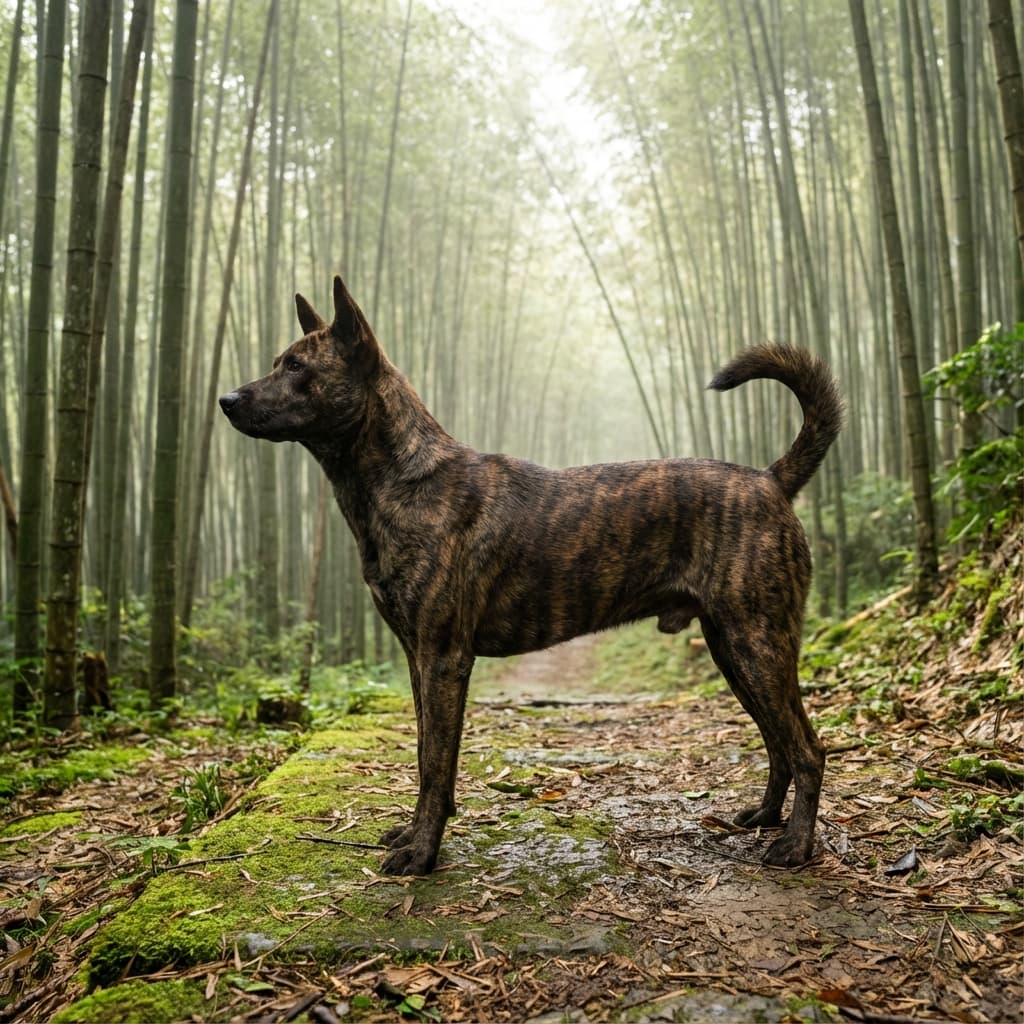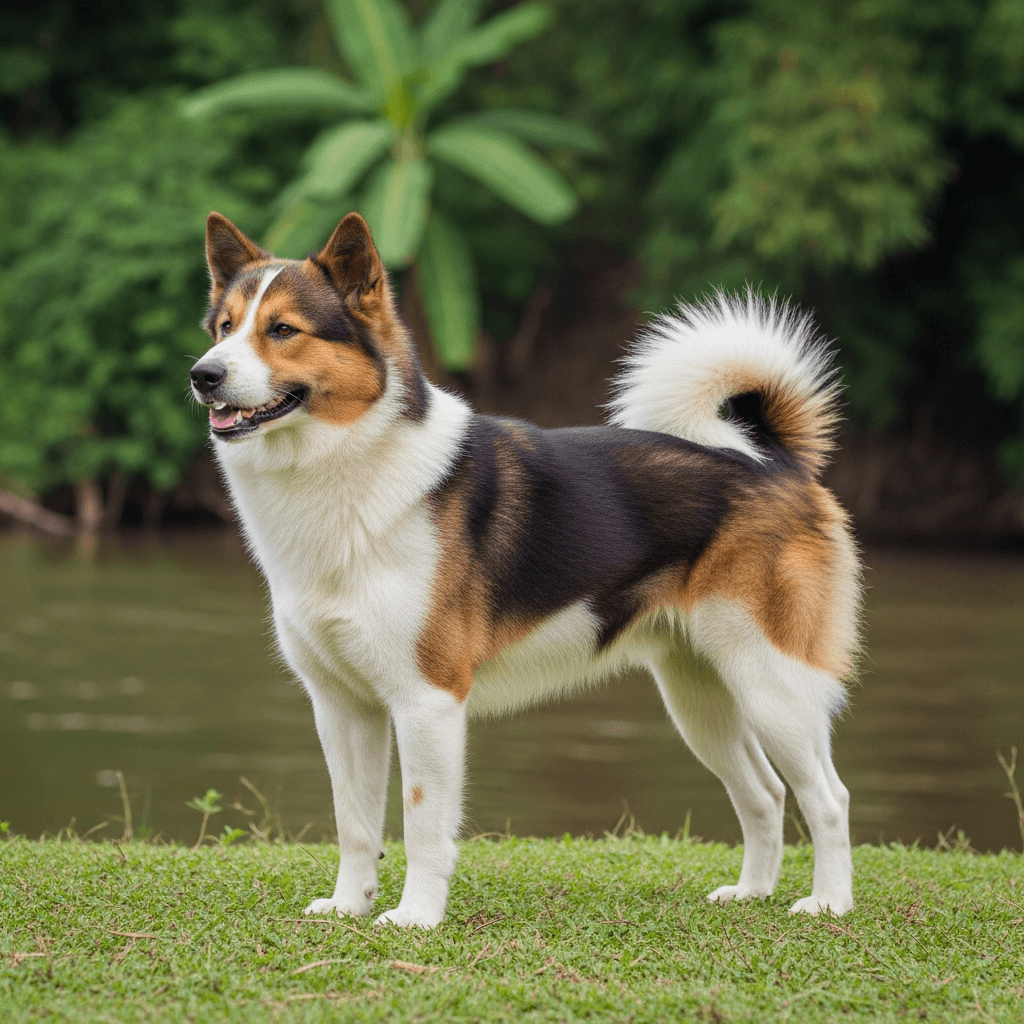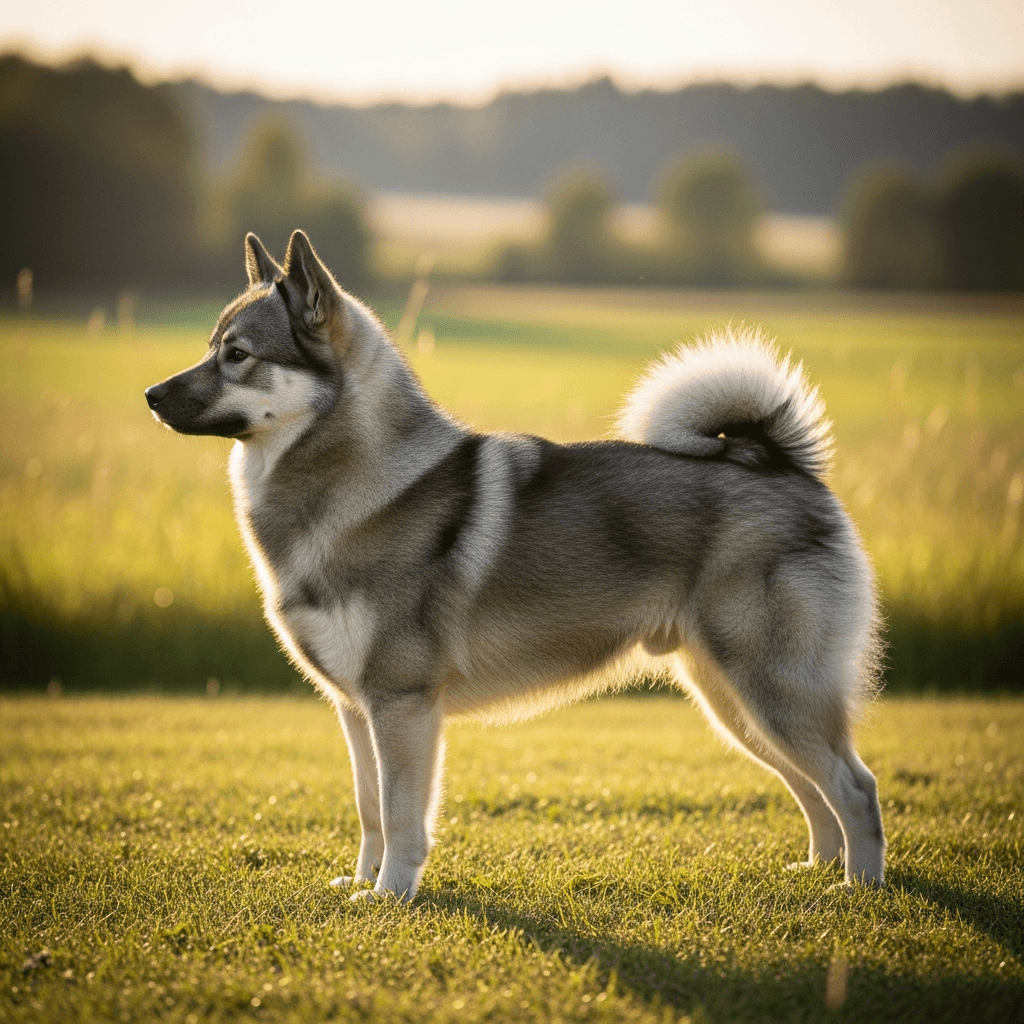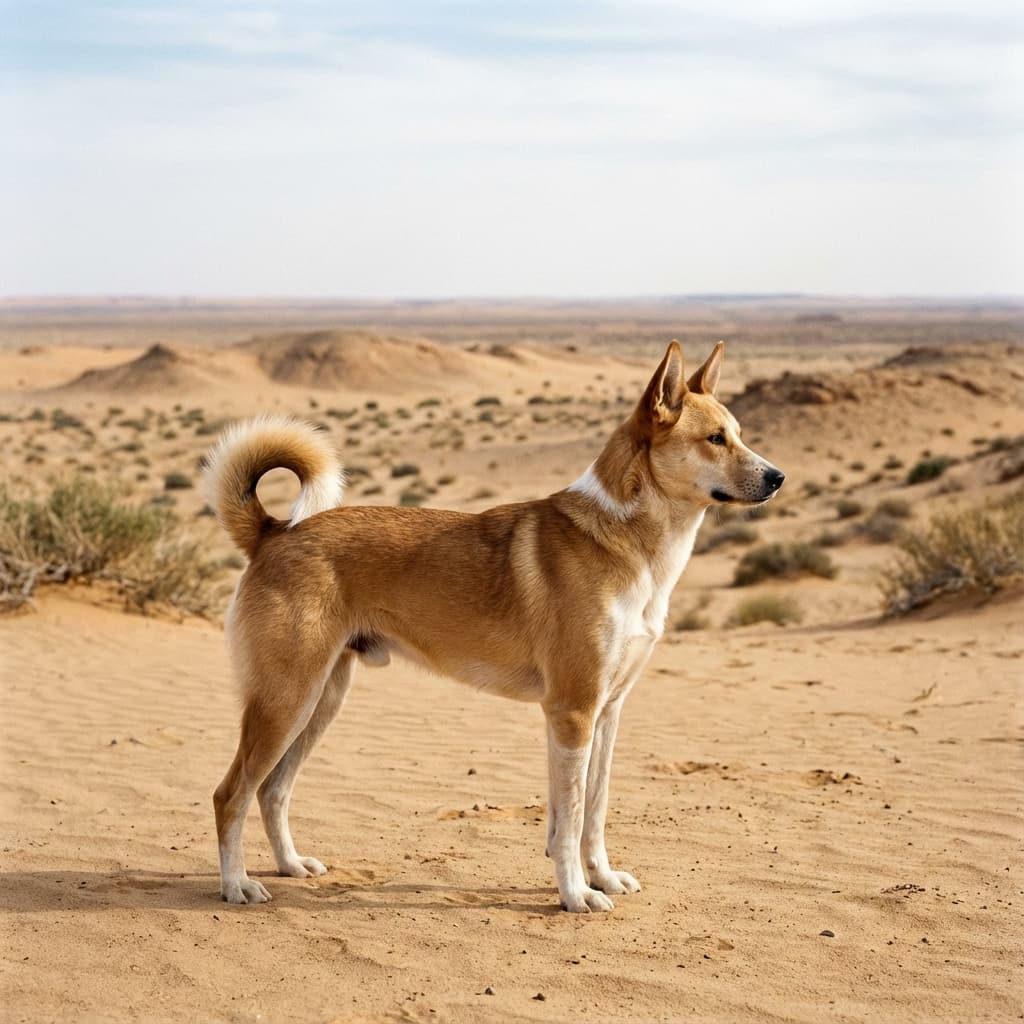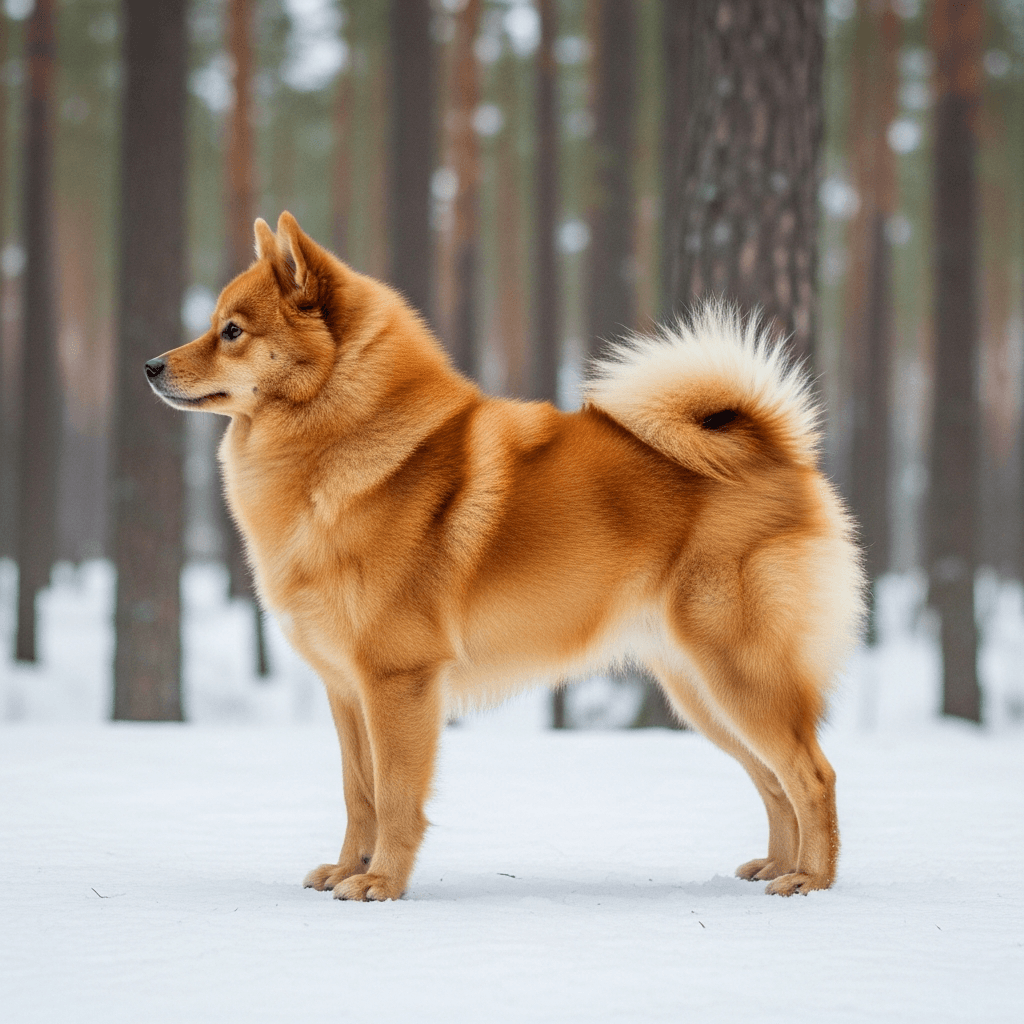
Finnish Spitz
FCI Group
5• FCI 49
Size
Medium
Origin Country
FI
Height
39-50 cm
Weight
7-13 kg
Lifespan
12-14 years
Temperament
Overview
Finnish Spitz, also known as Suomenpystykorva, is a charming breed originating from Finland that has captivated people for centuries with its extraordinary personality and exceptional hunting skills. This medium-sized dog has been a skilled hunter for generations, specializing in hunting game birds, small predators, waterfowl, and even moose. Its distinctive, loud voice and outstanding tracking abilities attract adventure lovers in nature and experienced hunters alike.
The Finnish Spitz has a harmonious, almost square build, standing between 42 to 50 cm at the shoulder (males are noticeably larger than females), and weighing between 7 to 13 kg. Its strong yet slender build gives it elegance while emphasizing its agility and strength. The characteristic red or golden-brown coat with possible white markings on the chest and legs makes this dog eye-catching with its beauty and noble appearance.
One of the most distinguishing features of this breed is its thick, stiff, and waterproof coat, which perfectly protects against the harsh, cold Scandinavian climate. The hair on the back is longer and stands upright, giving the dog a distinctive, proud look, while the hair on the head and legs is shorter and lies flat. The tail curled upwards and lying against the back is another element that highlights the breed type of northern spitzes.
The temperament of the Finnish Spitz is a true blend of vitality, energy, and independence. This dog is full of vigor and courage, making it an excellent companion for experienced owners leading an active lifestyle. Although it may be reserved towards strangers, which makes it an excellent guard dog, it proves to be extremely loyal and attached to its family. Its remarkable hunting skills and expressive, loud voice are additional traits that set this breed apart from other Nordic dogs.
The intelligence and versatility of the Finnish Spitz make it well-suited not only as a working dog but also as a family companion. It is loyal and deeply attached to its owner, loves spending time with children, and is patient and nurturing towards them, making it an ideal choice for families with children of all ages.
Like any breed with strong hunting instincts, the Finnish Spitz requires proper socialization from a young age. Its hunting instincts can lead to problems with other pets if not properly trained and accustomed to their presence. It also needs plenty of physical and mental activity, so it thrives best in an active household with access to a garden. This is not a dog suitable for living in a small apartment without the opportunity for regular, vigorous exercise.
The history of this breed is long and fascinating, dating back hundreds of years. The Finnish Spitz, recognized as the national dog of Finland since 1979, plays a key role in Finnish culture and is deeply rooted in the hunting traditions of the country. It is a dog with a remarkable personality, full of life and wonderful character traits that make it a unique companion. Want to learn more about health, grooming, training, nutrition, and other aspects of this extraordinary breed? Read the further sections of our comprehensive guide!
The Finnish Spitz is a medium-sized dog with a harmonious, almost square silhouette, which gives it an extraordinary elegance and noble appearance. The height at the withers ranges from 42 to 50 cm (males: 44–50 cm, females: 39–45 cm), and the weight varies from 7 to 13 kg, with males being noticeably heavier than females. This breed is characterized by a strong yet slender body structure, which makes the dog appear simultaneously powerful, agile, and ready for action.
The head of the Finnish Spitz has a characteristic shape for spitz-type breeds. The skull is oval, slightly convex, with a distinct frontal groove. The muzzle is quite narrow and deep, gradually tapering towards the nose. The ratio of the length of the muzzle to the skull is about 4:3. The ears are small, pointed, and always erect, set high, which gives the dog a distinctive, alert appearance and emphasizes its constant readiness.
The eyes of the Finnish Spitz are medium-sized, almond-shaped, and slightly slanted. Their color should be dark (preferably dark brown), which gives the dog a vigilant, lively, and intelligent expression. The gaze of the Finnish Spitz is full of keen attention and curiosity about its surroundings.
The coat of the Finnish Spitz is thick, stiff, and water-resistant, providing excellent protection against the harsh weather conditions typical of the northern climate. The outer coat is rough to the touch, while the undercoat is soft and dense, providing excellent thermal insulation. The hair on the back is longer and raised, creating a characteristic 'mane', while on the head, limbs, and front of the body, it is shorter and lies close to the body. The hair on the tail is abundant and fluffy.
The coloration of the Finnish Spitz is primarily intense shades of red or golden-brown tones, which give the dog a beautiful, warm appearance. Light, clean shades of red or golden-brown are preferred. White markings on the chest (in the form of a small spot or stripe), on the paws, and small white tufts on the toes are allowed. The Finnish Spitz may also have a narrow white stripe on the forehead (known as a 'blaze'). IMPORTANT: Black hair or distinct black markings are undesirable and constitute a fault in the breed standard.
The tail is curled upwards and lies against the back or sides, creating an elegant arc. It is quite short, with its tip reaching approximately to the hock joint. The tail is covered with abundant, fluffy hair, which further emphasizes its decorative character. It is always carried above the line of the back, which is characteristic of spitz-type dogs.
The limbs are strong, muscular, and perfectly vertical, allowing the Finnish Spitz to move quickly and nimbly in difficult forest terrain. The paws are round and compact, resembling a cat's paw, with well-arched toes and thick pads, providing excellent traction in various terrain conditions. The hind limbs are strong and well-muscled, providing powerful propulsion during running.
The Finnish Spitz is a dog with a exceptionally beautiful and harmonious appearance, which attracts attention with its elegance, lively, warm coloration, and energetic way of moving. Its noble silhouette combined with the alert expression of its eyes creates an unforgettable image of a dog full of vigor and readiness for action.
The Finnish Spitz is a dog with a remarkably lively temperament, full of energy, vigor, and unwavering self-confidence. This breed is known for its distinctive, loud barking, which is a result of its original purpose as a hunting dog specializing in barking at game hidden in trees. This vocal working style makes the Finnish Spitz tend to be quite a 'talkative' dog, which should be taken into account, especially in urban environments or close proximity to neighbors.
The Finnish Spitz is very sociable and deeply attached to its family, forming a strong bond based on mutual respect and love. It is brave, determined, and confident in its actions, making it an excellent watchdog. It may be somewhat reserved and distrustful towards strangers, but it should never exhibit unwarranted aggression. This natural caution towards unfamiliar people makes it an excellent guardian of its territory and family.
The intelligence of the Finnish Spitz is outstanding – this dog quickly learns commands and can make decisions independently, which was essential during solo hunts in the forests. However, it can be somewhat stubborn and independent, requiring the owner to have patience, consistency, and a positive, motivating approach to training. The Finnish Spitz does not respond well to harsh punishments or coercion – positive reinforcement yields much better results.
This breed has a very high hunting instinct, which means it may chase small animals, birds, or even cats. Therefore, it is extremely important to keep the dog on a leash in unfamiliar areas and to properly socialize it from a young age so it learns to control its natural impulses. In a safe, fenced yard, it can run and explore freely.
The Finnish Spitz is also known for its agility and need for intense exercise, making it an ideal companion for active families leading a sporty lifestyle. It loves long walks, hiking in the woods, running, and various forms of outdoor activities. Without the right amount of exercise, it may become bored and develop undesirable behaviors, such as excessive barking or destructiveness.
In interactions with children, the Finnish Spitz performs excellently – it is patient, caring, and loves to play with them, making it a perfect pet for families. However, as with any breed, it is important to supervise interactions between the dog and very young children to teach both parties mutual respect.
In relation to other dogs, the Finnish Spitz may exhibit dominant tendencies, especially same-sex dogs may compete for position. Therefore, early and intensive socialization is crucial to teach the dog proper social behaviors. With appropriate socialization, however, it can function well in the company of other dogs.
In the right conditions, with proper care, an active lifestyle, and consistent guidance, the Finnish Spitz can be a wonderful, loving, and loyal companion for many years, bringing a unique atmosphere full of energy and joy to the home.
The Finnish Spitz is generally regarded as a healthy and resilient breed, known for its resistance to harsh conditions and longevity. The average lifespan of this dog ranges from 12 to 15 years, which is an impressive result for a medium-sized dog. Thanks to a careful breeding program and natural selection, this breed is relatively free from serious genetic and health issues.
However, as with all dog breeds, there may be certain conditions that owners should pay special attention to. The most commonly reported health problems associated with the Finnish Spitz include:
- Hip dysplasia – an orthopedic condition involving improper development of the hip joint, which can lead to pain, limping, and mobility issues. Regular X-ray examinations and maintaining a healthy body weight can significantly reduce the risk and impact of this condition.
- Patellar luxation – a knee problem in which the kneecap moves out of its natural position, potentially causing discomfort and limping. This is a relatively common issue in medium-sized breeds.
- Epilepsy – an occasionally occurring neurological condition that causes seizures. With appropriate veterinary therapy, most dogs can lead a normal life.
- Ophthalmic problems – may include cataracts or progressive retinal atrophy (PRA), although they occur relatively rarely.
IMPORTANT: It is advisable to choose a breeder who conducts appropriate health tests on their breeding dogs, including orthopedic (hip and elbow dysplasia) and ophthalmic examinations, which significantly reduces the risk of genetic problems in puppies.
The Finnish Spitz tolerates both cold and moderately warm weather conditions exceptionally well due to its thick, insulating coat. This breed is adapted to the Nordic climate, so it handles freezing days excellently. However, on hot days, it is essential to provide the dog with access to shade and fresh water to avoid overheating.
This breed has a tendency to gain weight if not adequately active or if it receives too large portions of food. Obesity can lead to many serious health problems, including heart disease, diabetes, and additional strain on the joints. Therefore, it is crucial for owners to monitor food portions and ensure the dog receives an adequate amount of daily physical activity.
Regular check-ups with the veterinarian (at least once a year, and for older dogs twice a year), up-to-date vaccinations, systematic parasite prevention (deworming, protection against ticks and fleas), and a healthy, balanced diet will help keep this dog in excellent condition for many years. It is also worth considering regular dental check-ups, as dental problems can affect the overall health of the dog.
The care of the Finnish Spitz is relatively simple and not very time-consuming, although it requires consistency and regularity, especially during periods of intense shedding. Thanks to the natural, self-cleaning nature of their coat, dogs of this breed do not require frequent baths or complicated grooming procedures.
For most of the year, regular brushing 2–3 times a week is sufficient to keep the coat in excellent condition, remove dead hair, and minimize the amount of hair shedding in the home. The Finnish Spitz is a moderate shedder for most of the year, but the situation changes dramatically during periods of intense shedding.
Intense shedding occurs particularly in spring and autumn, when dogs change their undercoat in preparation for the seasonal change. During these periods (usually lasting 2–3 weeks), it is recommended to brush daily, or even twice a day, to effectively remove large amounts of dead hair and prevent it from accumulating in the home. Using the right tools is crucial:
- Brush with stiff bristles or undercoat comb (furminator) – ideal for removing dead undercoat during shedding
- Slicker brush – for daily brushing and distributing natural oils
- Metal comb – for finishing touches and checking if all dead hair has been removed
Baths should only be given when absolutely necessary – usually 3–4 times a year or when the dog gets very dirty during walks. Bathing too frequently can destroy the natural protective oils covering the coat and skin, leading to dryness, irritation, and loss of the coat's waterproof properties. Only dog shampoos should be used, preferably those designed for breeds with dense, double coats.
In addition to the coat, it is extremely important to regularly care for other aspects of grooming:
Ears: They should be checked at least once a week. The ears of the Finnish Spitz are erect, which facilitates natural ventilation and reduces the risk of infection, but they can still accumulate dirt, wax, and moisture. Gently cleaning with dog wipes or a special ear cleaning solution will help prevent bacterial and fungal infections. NEVER insert cotton swabs deeply into the ear, as this can damage the eardrum.
Nails: They should be trimmed every 3–4 weeks to avoid excessive growth, which can cause discomfort while walking, orthopedic issues, and painful cracks. If you can hear the characteristic clicking of nails on the floor during normal walking, it's a sign that it's time to trim them. Use a high-quality nail clipper or grinder and be careful not to cut the blood vessel (known as the 'quick') running inside the nail. In dogs with light-colored nails, it is visible as a pink part, while in dark nails, extra caution is needed.
Teeth: It is advisable to introduce routine tooth brushing 3–4 times a week (ideally daily), using a toothbrush and toothpaste designed for dogs. Additionally, dental treats, special chew toys, and raw meaty bones (under supervision) will help mechanically remove plaque and maintain healthy teeth and gums. Neglecting oral hygiene can lead to tartar buildup, periodontal disease, and serious health problems affecting the heart and kidneys.
The Finnish Spitz has a dense undercoat that provides excellent thermal insulation in cold conditions, and its coat has natural waterproof properties, making this dog well adapted to harsh weather conditions. Therefore, grooming this breed is not overly complicated, but it does require consistency, the right tools, and attention to detail.
The Finnish Spitz is a breed with high exercise needs, requiring a minimum of 1.5–2 hours of intense activity daily to feel physically and mentally fulfilled. After all, it is a hunting dog that has been bred for centuries for intensive, long hours of work in challenging forest terrain, so its energy and endurance are impressive.
The Finnish Spitz loves to run, jump, explore its surroundings, and track interesting scents. Owners should provide it with a variety of activities that satisfy both its physical and mental needs. The best forms of activity for this breed include:
- Long walks in the forest – an ideal natural environment for the Finnish Spitz, where it can utilize its tracking instincts
- Running – a great companion for jogging or canicross (running with a dog in harness)
- Mountain hiking and trekking – an excellent form of prolonged activity
- Fetching – engages both the body and mind of the dog
- Frisbee games – develop agility and coordination
- Nosework and tracking – scent activities ideal for a breed with a strong hunting instinct
- Agility – a canine sport that greatly enhances physical fitness and the bond with the owner
The Finnish Spitz thrives in an active household, where it can accompany its owner in various outdoor sports, such as cycling, Nordic walking, or kayaking. This dog has a natural need for activity, and without proper stimulation, it can become unhappy and develop behavioral problems.
IMPORTANT: This dog has a very high hunting instinct, so in open areas where wild animals, birds, or other game may be present, it should be kept on a leash or in a safe, enclosed area. The Finnish Spitz can easily 'turn off' obedience when it senses an interesting trail and take off in pursuit of game.
Engaging the dog in a variety of activities and games, such as fetching, playing with other dogs (after proper socialization), or scent work, is essential for its mental and physical health. The Finnish Spitz has immense energy and requires regular challenges to avoid behavioral issues such as:
- Excessive, persistent barking
- Destructive behaviors (destroying furniture, digging holes)
- Attempts to escape from the yard
- Hyperactivity and inability to rest
- Frustration and emotional problems
The Finnish Spitz can also enjoy time spent in the garden, but it is important that it is properly fenced (at least 150 cm high), as this breed tends to follow scents and can easily escape in search of adventures. Some individuals can also climb fences or jump over low barriers.
It is also worth remembering that regular, intense exercise helps maintain a healthy weight and prevents health problems such as obesity, joint issues, or cardiovascular diseases. An active Finnish Spitz is a happy Finnish Spitz – a dog that can fully realize its natural instincts and needs will be a balanced and calm companion at home.
The Finnish Spitz is a dog that is intelligent, alert, and eager to cooperate, but its independent temperament and self-sufficiency resulting from centuries of work as a solitary hunting dog can make training require patience, consistency, and a creative approach. This is not a breed for those looking for an absolutely obedient dog – the Finnish Spitz retains its own will and enjoys making independent decisions.
This breed is sensitive to harsh criticism and punishment, so it responds best to positive reinforcement methods, such as:
- Rewarding with high-value treats (meat, cheese, special training treats)
- Enthusiastic praise and the trainer's positive energy
- Play as a reward (favorite toy, fetching)
- Clicker training – precise marking of desired behaviors
Training sessions should be short (10–15 minutes), intense, and maximally engaging to maintain the dog's full attention and prevent boredom. The Finnish Spitz quickly becomes bored with repetitive exercises, so it's worth introducing variety, new challenges, and playful elements. It is recommended to have several short training sessions daily, rather than one long session that may tire and discourage the dog.
Key aspects of training a Finnish Spitz:
1. Early socialization (8–16 weeks of age):
This is an absolutely critical period in the life of a Finnish Spitz. The puppy should be systematically and controlled exposed to:
- Diverse situations and environments (city, forest, park, shops)
- Different people (men, women, children, elderly)
- Various sounds (traffic, household noises, storms)
- Other animals (dogs of different breeds and sizes, cats, farm animals)
- Different surfaces (grass, asphalt, metal, sand)
This will help the dog become emotionally more balanced and less prone to fears, aggression, or social phobia.
2. Voice control:
The Finnish Spitz has a strong tendency to bark, which is a natural part of its work as a hunting dog. It is worth teaching the dog the command 'Quiet' or 'Enough' from an early age, rewarding moments of silence. This requires time and consistency, but it is achievable.
3. Recall (command 'Come'):
Due to its strong hunting instinct, the Finnish Spitz may have difficulty obeying when it senses an interesting trail. Therefore, recall training should be intensive, using very high-value rewards. It is advisable to practice on a long training leash (10–20 meters) in various distracting environments.
4. Basic commands:
The Finnish Spitz should master a basic set of commands:
- Sit, Stay, Come
- Leave it / Drop it – particularly important due to the hunting instinct
- Loose leash walking – requires consistent training
- Calm / Quiet – control of barking
5. Mental stimulation:
In addition to basic commands, it is worth introducing various tricks and exercises to satisfy the dog's need for mental stimulation. Excellent options include:
- Nosework – searching for hidden objects by scent
- Tracking – following long scent trails
- Playing with interactive toys (dog puzzles, Kong with treats)
- Learning tricks (shake a paw, spin, weave between legs)
IMPORTANT: Owners should remember that the Finnish Spitz can be quite stubborn, which can lead to challenges in training, especially if it does not see the point in a given exercise. Therefore, it is crucial to maintain patience, consistency, and a positive attitude. Physical punishment or yelling should never be used, as this will destroy the bond with the dog and may provoke defensive behaviors.
The Finnish Spitz is not a breed for novice dog owners who lack experience in training strong-willed breeds. However, with the right, consistent approach and understanding of the natural instincts of this breed, one can raise a well-balanced, obedient, and happy dog that will be a wonderful companion for many years.
The Finnish Spitz's diet should be carefully balanced to provide the right amount of energy, nutrients, and maintain a proper body weight. Due to its extremely active lifestyle and high energy requirements, especially in working or intensely trained dogs, it is important that the food is tailored to the individual needs of the dog.
Key components of the Finnish Spitz diet:
- High-quality animal protein (25–30%) – the foundation of the diet, building block of muscles, source of amino acids. Best sources: meat (beef, chicken, turkey), fish (salmon, herring), lamb.
- Healthy fats (12–18%) – source of energy, support healthy skin and a shiny coat. The content of omega-3 and omega-6 fatty acids is particularly important.
- Complex carbohydrates – source of long-term energy. Best sources: brown rice, oats, sweet potatoes, potatoes.
- Fiber – supports digestive health. Sources: vegetables (carrots, broccoli, spinach), fruits (apples, berries).
- Vitamins and minerals – essential for the proper functioning of the body, bone and joint health, and the immune system.
Owners should choose high-quality foods that meet nutritional standards and contain appropriate amounts of all essential ingredients. Various feeding types can be used:
1. Dry food (kibble):
- Convenient, long shelf life
- Helps mechanically clean teeth
- Works well for most dogs
- Choose premium or super-premium foods with high meat content
2. Wet food (cans):
- More appetizing and tasty
- Higher water content (good for hydration)
- More expensive and requires refrigeration after opening
- Can be mixed with dry food
3. BARF diet (Biologically Appropriate Raw Food):
- Based on raw meat, bones, vegetables, and fruits
- Requires nutritional knowledge and careful balancing
- Can be very beneficial, but care must be taken regarding microbiological safety
- Consultation with a veterinary nutritionist is recommended
4. Homemade food (cooked):
- Full control over ingredients
- Requires consultation with a veterinary nutritionist
- Time-consuming, but can be an excellent option for dogs with food allergies
IMPORTANT: Portion and weight control!
The Finnish Spitz has a tendency to gain weight, especially if not adequately active or receiving too large portions of food. Obesity can lead to many serious health problems:
- Heart and circulatory diseases
- Diabetes
- Additional strain on joints and spine
- Shortened lifespan
Feeding schedule:
- Puppies (2–6 months): 3–4 meals per day
- Young dogs (6–12 months): 2–3 meals per day
- Adult dogs: 2 meals per day (morning and evening)
- Older dogs (7+ years): 2 meals per day, possible reduction in portions
The amount of food depends on many factors: age, weight, activity level, metabolism, and type of food. Typically, adult dogs need about 200–300 g of dry food per day (divided into 2 meals), but this can vary significantly. Always check the manufacturer's recommendations on the packaging and adjust portions to the dog's condition.
Water:
Dogs must have constant access to fresh, clean drinking water, especially on warm days and after intense exercise. Regularly change the water and clean the bowl to prevent bacterial growth.
What to AVOID:
- Table scraps – can lead to digestive problems, obesity, and nutritional deficiencies
- Dog-toxic products: chocolate, onions, garlic, grapes, raisins, xylitol, avocado, macadamia nuts
- Too many treats – should not make up more than 10% of daily calorie intake
- Raw poultry bones – can splinter and cause injuries
Regular weight checks (at least once a month), check-ups with the veterinarian, and monitoring body condition will help in monitoring the dog's health and adjusting the diet to its individual needs. If there are any doubts regarding nutrition, it is advisable to consult a veterinarian or veterinary nutritionist, who can help develop an optimal feeding plan for the specific dog.
Characteristic Traits
Pros
- Extremely loyal and deeply attached to the owner and family | An excellent companion for active families leading a sporty lifestyle | Independent and intelligent
- able to make decisions on its own | Outstanding hunting and tracking abilities | Beautiful
- warm coat in red or golden-brown | Healthy and long-lived breed (12–15 years) | Thrives in cold climates | Great watchdog thanks to its alertness and loud voice
Cons
- Requires a lot of physical activity (at least 1.5–2 hours a day) | May be reserved and distrustful of strangers | Needs early and intense socialization | Very loud barking can be problematic (especially in the city) | Strong hunting instinct can be an issue when interacting with other animals | Independent nature may make training difficult for beginners | Not suitable for apartment living without access to a garden | Intense shedding in spring and autumn requires daily brushing
Behavioral Ratings
Breed History
The history of the Finnish Spitz dates back hundreds of years and is deeply rooted in the culture and traditions of Finnish hunting and living in harmony with nature. Ancient accounts and historical records mention dogs similar to the Finnish Spitz, which were used by Finnish tribes for hunting in the harsh conditions of northern Scandinavia and Finland.
This breed was developed with the intention of hunting game birds, particularly capercaillie, black grouse, and hazel grouse, which hid high in the trees. The main breeding goal was to create a dog capable of barking at game sitting in trees, thereby informing the hunter of its location. The Finnish Spitz perfectly fulfilled this role with its loud, distinctive voice and remarkable perseverance.
These dogs were also used for hunting small predators (foxes, martens), waterfowl, and even moose, showcasing their versatility as working dogs. For centuries, the Finnish Spitz has been an indispensable companion to Finnish hunters and foresters, helping them survive in the challenging Nordic climate.
In the 19th century, when dog breeds began to be officially registered and standardized, the Finnish Spitz gained popularity not only in Finland but also in neighboring Sweden. Individuals similar in type and hunting purpose were most commonly found in the eastern and northern parts of the country, where hunting traditions were particularly strong.
The first official breed standard was developed in 1892, marking a milestone in the breed's history. In the same year, the first specialized exhibition of Finnish Spitz was organized, attracting the attention of cynologists and breed enthusiasts. Just five years later, in 1897, the first game bird hunting competition took place, showcasing the exceptional hunting skills of this breed.
Since then, the Finnish Spitz has systematically gained popularity both in Finland and Sweden. This breed has become extremely popular among hunters and families who value an active lifestyle. Importantly, the Finnish Spitz was bred from a pure, natural population of dogs living in Finland for centuries, without the admixture of other breeds, making it an authentic representative of Nordic dogs.
In 1979, the Finnish Spitz received the honorable title of 'National Dog of Finland' ('Suomen kansalliskoira'), emphasizing its immense significance in Finnish society, culture, and national heritage. This distinction reflects the deep bond between the breed and Finnish national identity.
Today, the Finnish Spitz is not only a valued hunting dog but also a beloved companion for many families around the world who appreciate its intelligence, loyalty, energetic character, and beautiful appearance. This breed is particularly popular in Nordic countries (Finland, Sweden, Norway) but is also gaining recognition in other parts of Europe and North America.
The history of the Finnish Spitz is inseparably linked to Finnish hunting culture, forest traditions, and a way of life in harmony with the harsh Nordic nature. It is a breed that has evolved over centuries in natural conditions, adapting to the needs of local hunters, making it exceptionally valued and respected not only in its country of origin but also worldwide. The Finnish Spitz is a living heritage of Finnish culture and a testament to the indomitable spirit of the people of the North.