Thai Bangkaew Dog
FCI Group
5• FCI 358
Size
Medium
Origin Country
XX
Height
41-55 cm
Weight
15-25 kg
Lifespan
12-15 years
Temperament
Overview
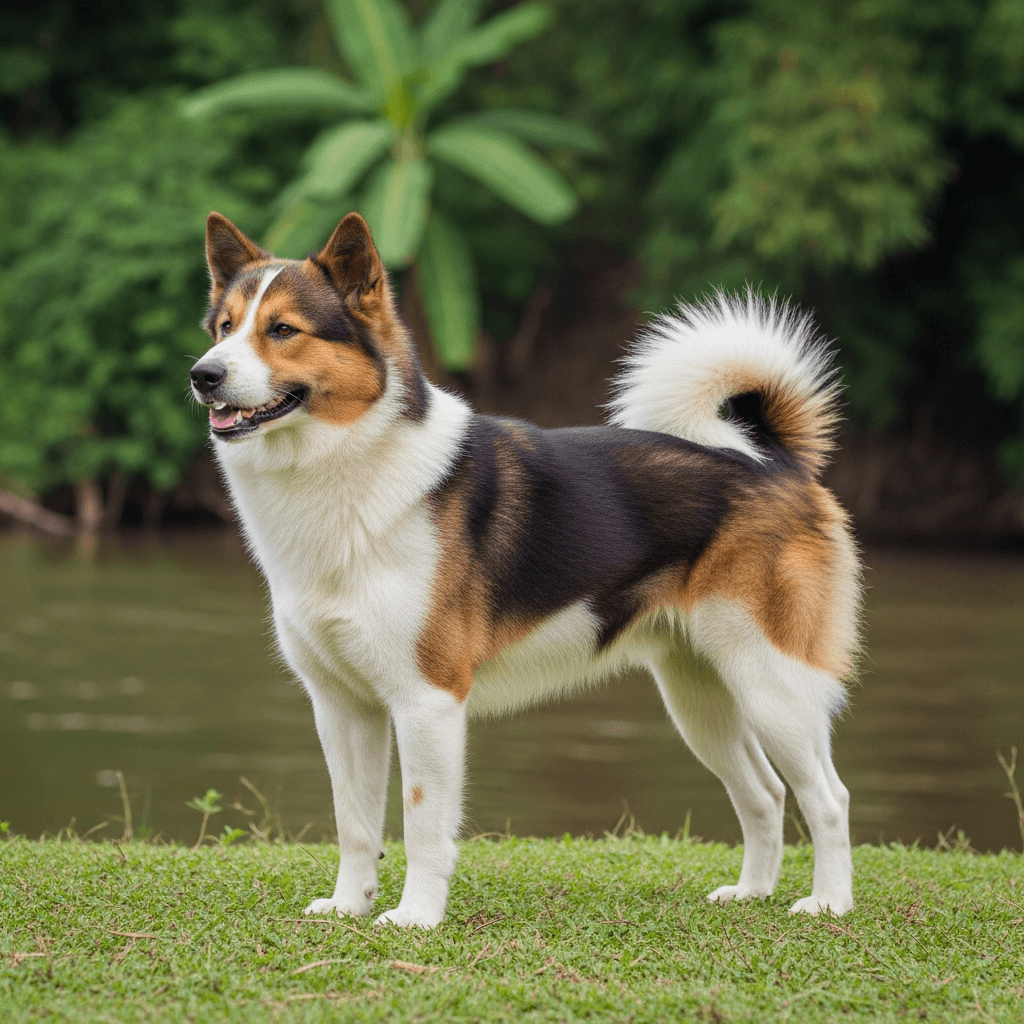
The Thai Bangkaew Dog, also known as the Thai Bangkaew, is a unique breed of dog originating from the village of Bangkaew in Phitsanulok province, Thailand. These medium-sized dogs are characterized by a strong, proportional body structure and a square silhouette, giving them a distinctive, spitz-like appearance. The height at the withers ranges from 41 to 55 cm, and their weight fluctuates between 15 and 25 kg, making them ideal companions in both urban and rural life.
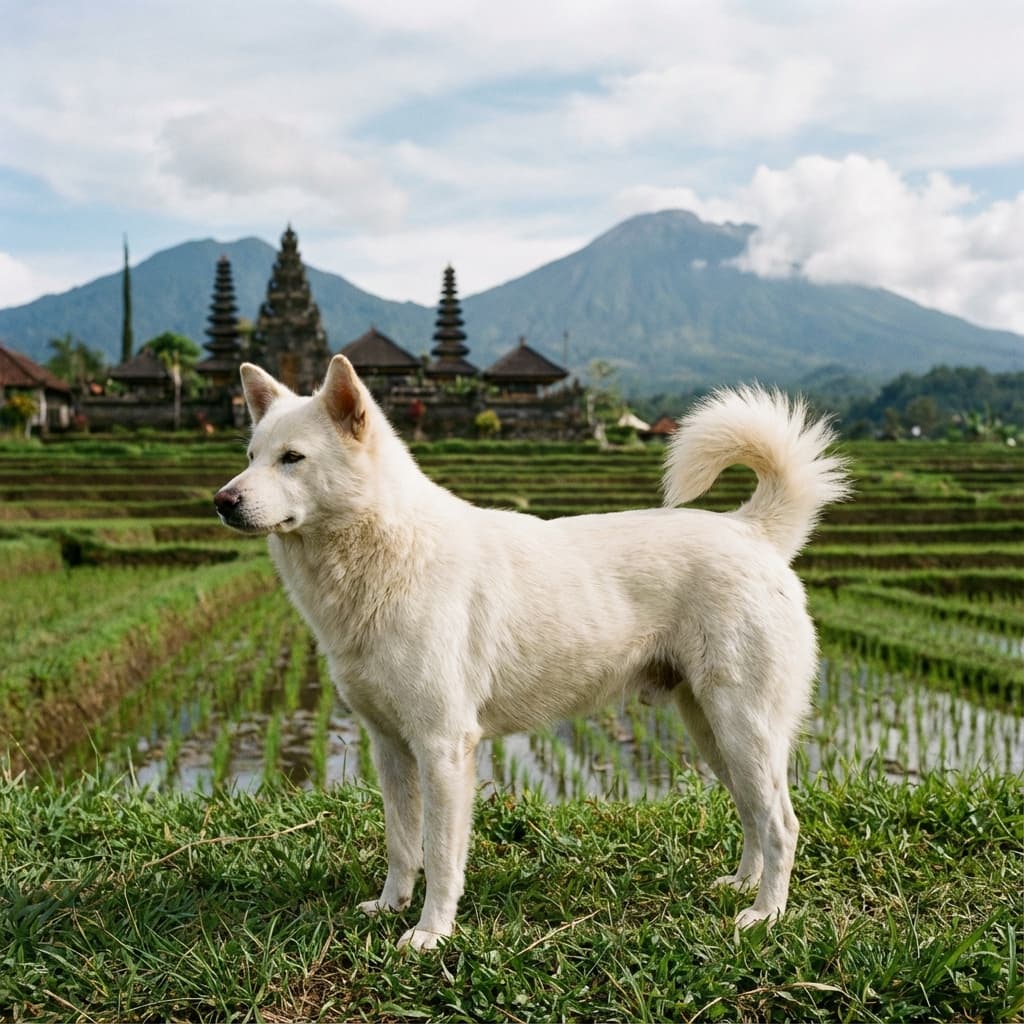
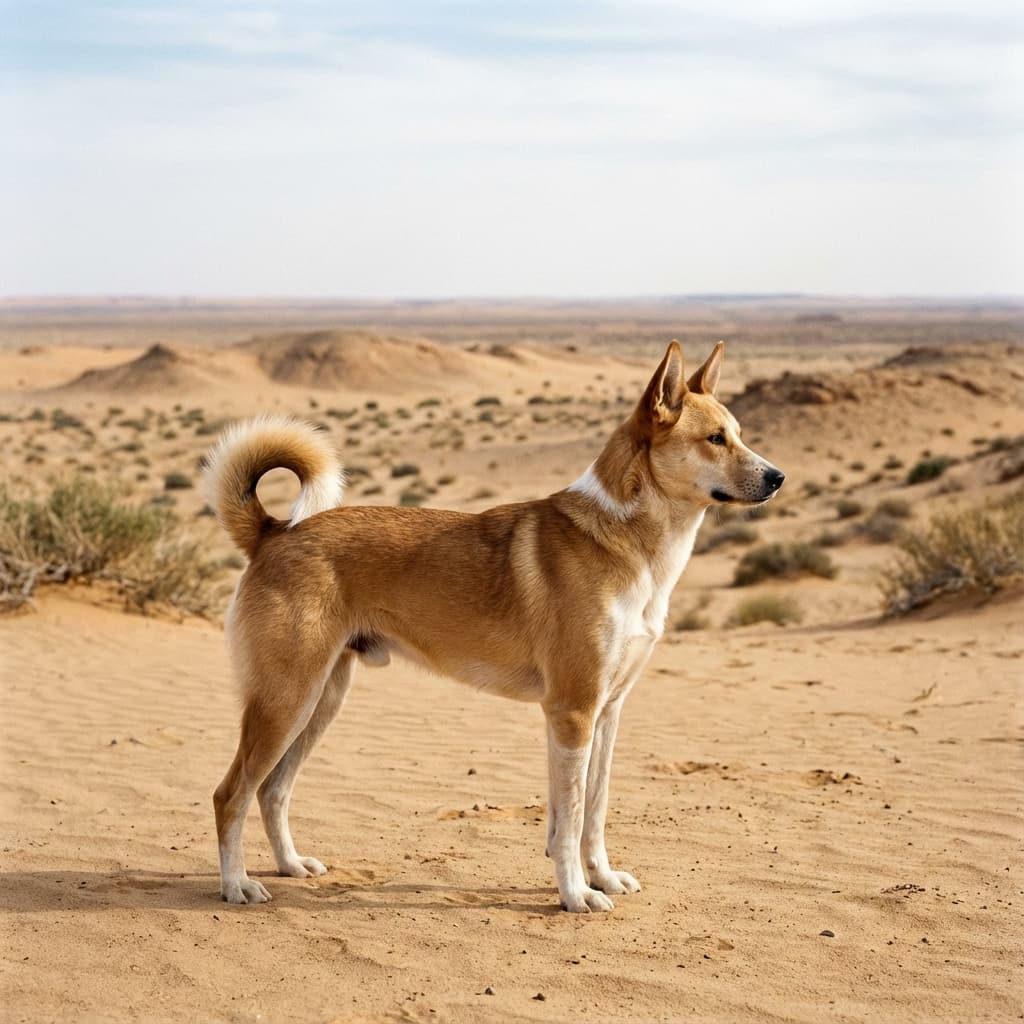
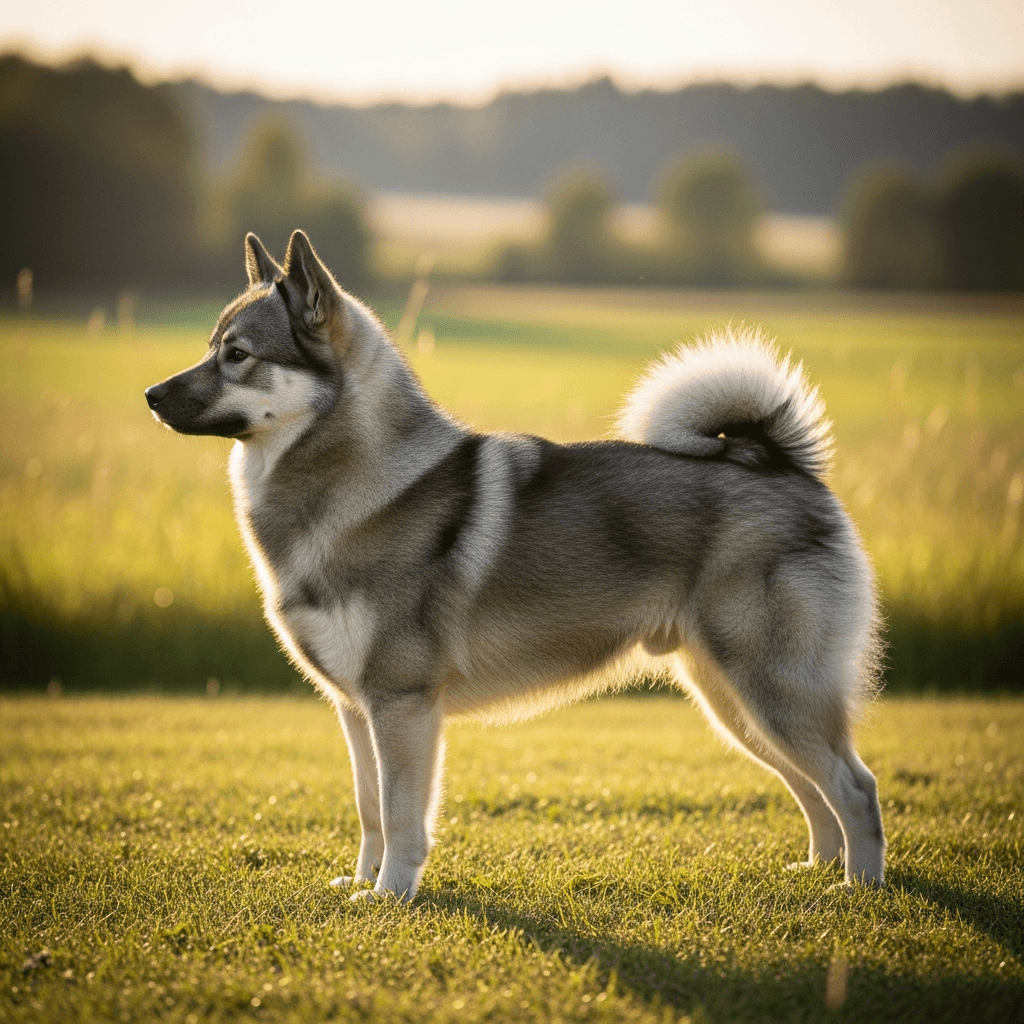
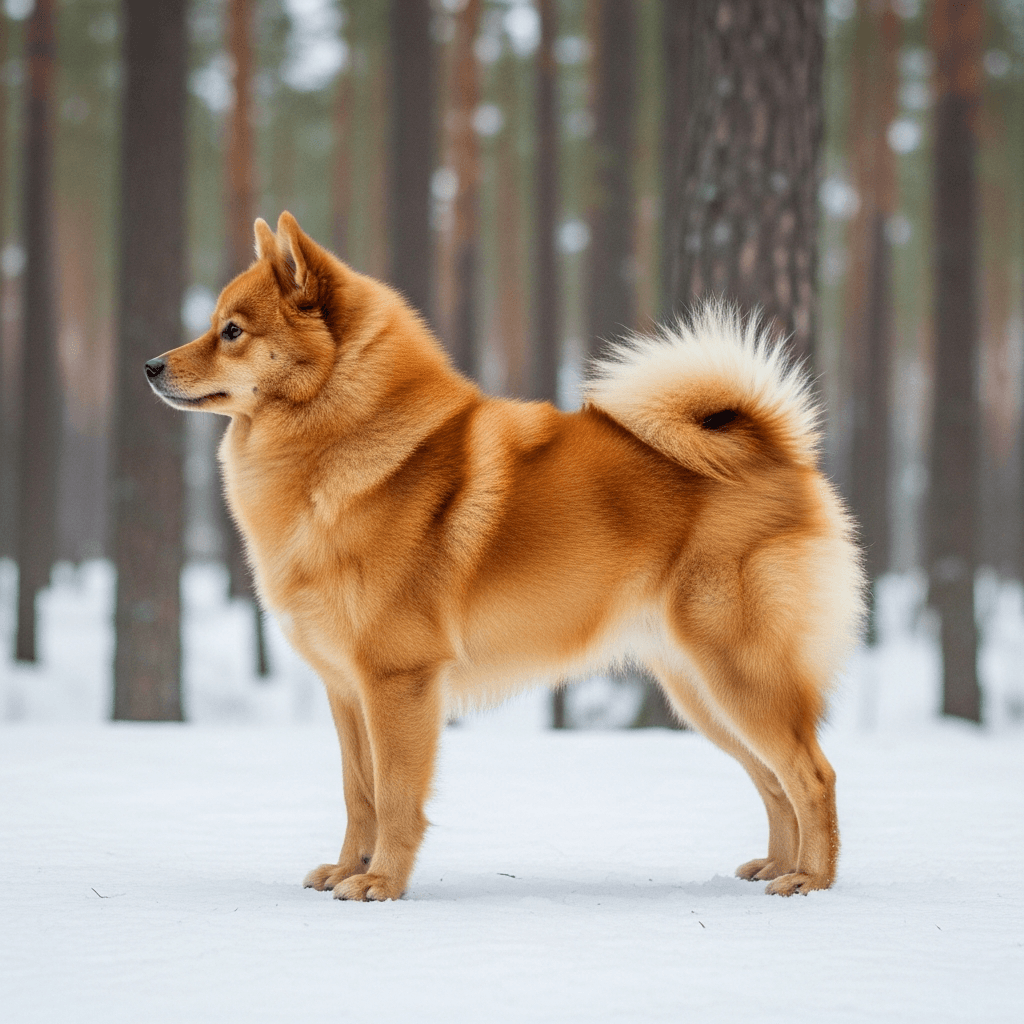
The most recognizable feature of the breed is its beautiful double coat, consisting of a hard outer coat and a soft, dense undercoat. The coat forms a distinctive mane around the neck and shoulders and a fluffy, rich tail carried high with a slight curl. This effect is particularly pronounced in males, which have a more robust bone structure than females. The coloration of the Thai Bangkaew Dog is usually a white base with distinct patches in shades of lemon, red, fawn, or gray, giving them an aristocratic appearance.
The character of the Thai Bangkaew Dog is a combination of alertness, intelligence, and deep devotion to family. These dogs are natural guardians – they show some reserve towards strangers but are incredibly loyal and attached to their owners. Their intelligence means that they learn quickly and eagerly, although they require consistent training based on positive reinforcement. They are dogs with strong personalities that need an owner willing to dedicate time to proper socialization and training.
In terms of health, the Thai Bangkaew Dog is a relatively hardy breed, although like all dogs, it requires regular veterinary check-ups. Special attention should be paid to the condition of their teeth, joints, and skin. Their beautiful coat requires regular brushing to prevent matting and help keep it in excellent condition. During the seasonal shedding, which occurs twice a year, more intensive grooming is necessary.
The Thai Bangkaew Dog is an energetic dog that needs a significant amount of exercise and mental stimulation. They love long walks, hikes, and outdoor play, where they can utilize their natural instincts. Owners must provide them with an adequate amount of physical activity and a balanced diet tailored to their activity level. The history of this breed dates back to the 1950s and is associated with the legend of a dog belonging to a Buddhist monk that crossed with a wild dog. Today, the Thai Bangkaew Dog is considered a national treasure of Phitsanulok province, and its popularity extends far beyond the borders of Thailand, winning the hearts of dog lovers around the world.
The Thai Bangkaew Dog presents a harmonious, square silhouette with a well-proportioned body structure that should never give the impression of being low on legs. The chest is quite wide and deep, giving the dog a strong, stable appearance. The height at the withers ranges from 41 to 55 cm, with males being noticeably larger and more massive than females. The weight oscillates between 15 and 25 kg, depending on gender and height.
The head has a characteristic wedge-shaped skull, which is strong and proportional to the body. The muzzle is wide at the base and gradually narrows towards the nose, maintaining an appropriate length. The eyes have a beautiful almond shape and a deep dark color that gives them an intelligent and alert expression. The ears are relatively small, triangular, set high on the head, and carried upright, emphasizing their pointed character.
The coat of the Thai Bangkaew Dog is its greatest adornment – double-layered, consisting of a hard, straight outer coat and a soft, dense undercoat. The hair is of medium length, creating a distinct mane around the neck and shoulders, resembling a lion's mane. The back parts of the thighs are covered with longer hair, forming what is known as "culottes." The tail is of medium length, thick at the base, covered with abundant, fluffy fur, and carried high in a slight curve over the back or curled to the side.
The coat color is usually white with distinct, well-defined patches in shades of lemon, red, fawn, or gray. The patches should be symmetrical and evenly distributed, giving the dog an elegant, aristocratic appearance. The Thai Bangkaew Dog is a breed that combines strength, elegance, and a distinguished character.
The Thai Bangkaew Dog is a breed with a balanced temperament and strong character. These dogs are extremely alert, intelligent, and obedient to their owner, making them excellent companions and guardians of the home. Their natural distrust of strangers makes them great alarm dogs – they will always announce the presence of unknown individuals. At the same time, they show deep devotion and attachment to their family.
The intelligence of the Thai Bangkaew Dog means they learn quickly and willingly, but they require a consistent yet positive approach in training. They respond well to positive reinforcement but do not tolerate harsh training methods. Owners must be patient and firm at the same time, setting clear boundaries and rules.
In interactions with other dogs, the Thai Bangkaew Dog may exhibit some dominance, especially males towards other males. Therefore, early socialization is crucial – puppies should be introduced to a variety of social situations, interactions with other dogs and people. A properly socialized Thai Bangkaew Dog will be confident and balanced.
These dogs need active family involvement – they are not dogs that will be satisfied with the role of a home decoration. They love to participate in daily activities, be close to their people, and serve as the family's guardian. With children in their own family, they are usually patient and gentle, although due to their energy, they require supervision in interactions with the youngest. The Thai Bangkaew Dog is a breed that combines the traits of a devoted friend, a vigilant guardian, and an intelligent companion.
The Thai Bangkaew Dog is a breed that is relatively healthy and resilient, which stems from its natural selection and traditional breeding practices in Thailand. However, like any breed, it can be prone to certain health issues, so regular veterinary visits are crucial for maintaining the dog's good health throughout its life.
Owners should pay special attention to symptoms such as: changes in appetite, excessive scratching, difficulty moving, changes in behavior, or excessive hair loss outside of the shedding period. Due to their active lifestyle, these dogs are at some risk of mechanical injuries – sprains, strains, or bruises, especially during intense play and running.
Oral hygiene is extremely important – the Thai Bangkaew Dog, like many spitz breeds, can be prone to dental problems. Regular tooth brushing and dental check-ups will help prevent tartar buildup, gum disease, and related health issues that, if left untreated, can lead to serious complications, including heart and kidney diseases.
A proper diet and appropriate level of physical activity play a key role in maintaining the optimal weight and condition of the Thai Bangkaew Dog. Obesity can lead to joint problems, heart issues, and a decrease in overall quality of life. Regular preventive check-ups, up-to-date vaccinations, and protection against internal and external parasites are essential for a long, healthy life. The average lifespan of a Thai Bangkaew Dog is 12-15 years, with proper care and attention to health.
The care of the Thai Bangkaew Dog requires a regular and systematic approach to keep their beautiful double coat in excellent condition and to prevent skin problems. The coat, consisting of a hard outer coat and a soft undercoat, needs to be brushed at least 2-3 times a week to remove dead hair, prevent matting, and distribute natural skin oils.
The seasonal shedding period is particularly demanding, occurring usually twice a year – in spring and autumn. During this time, the Thai Bangkaew Dog loses a significant amount of undercoat, requiring daily, intensive brushing. Using the right tools – a brush with metal teeth, a comb, and an undercoat rake – will greatly facilitate this process and help keep the home clean.
Bathing should be done as needed, usually once every 4-6 weeks, using gentle shampoos designed for dogs with long hair. Bathing too frequently can weaken the skin's natural protective barrier. After bathing, the coat should be thoroughly dried, paying attention to the dense undercoat, which can remain damp for a long time.
Ear inspection is particularly important – ears should be regularly checked for signs of redness, unpleasant odor, or excessive wax buildup, which may indicate an infection. Ear cleaning should be done gently, using special veterinary preparations.
Nail trimming should be done regularly, usually once every 3-4 weeks, unless they wear down naturally during walks. Overly long nails can cause discomfort, walking problems, and even changes in the structure of the paws. Additionally, it is worth regularly checking the condition of the skin, especially in the folds and behind the ears, to detect any irritations, allergies, or external parasites early.
The Thai Bangkaew Dog is a breed full of energy and vigor, which requires a significant amount of physical activity to maintain physical and mental health. These dogs were bred for an active life in the rural conditions of Thailand, so a boring, sedentary life at home is absolutely unsuitable for them.
The minimum amount of exercise is 1-2 hours a day, divided into several sessions. An ideal day for a Thai Bangkaew Dog includes: a long energetic walk in the morning (30-45 minutes), a play or training session during the day (20-30 minutes), and an evening walk (30-45 minutes). It is important to remember that these dogs need not only physical effort but also mental stimulation.
The Thai Bangkaew Dog excels in various activities:
- Hiking and long walks – they love to explore new terrains and track scents
- Running beside a bicycle – an excellent form of exercise for adult dogs in good condition
- Fetching and ball games – they utilize their natural chasing instinct
- Agility and other dog sports – a great form of stimulation for both physical and mental aspects
- Swimming – some individuals love water (after proper acclimatization)
Lack of adequate exercise leads to behavioral problems such as excessive barking, destruction of household items, hyperactivity, separation anxiety, or difficulties concentrating during training. A Thai Bangkaew Dog that does not receive enough activity may become unhappy and difficult to live with.
It is worth remembering that young puppies should not be overexerted with intense exercise – their bones and joints are still developing. Until they are about 12-18 months old, shorter but more frequent play sessions are better. Adult dogs in good condition can participate in more demanding activities.
Training a Thai Bangkaew Dog is a key element of their proper development, as these intelligent and alert dogs require clear rules and a consistent approach from an early age. Their high intelligence is both a blessing and a challenge – they quickly learn both good and bad habits.
Basic training principles for Thai Bangkaew Dog:
- Positive reinforcement – rewarding desired behaviors with treats, praise, and play
- Consistency – the same rules must apply always and everywhere
- Short sessions – 10-15 minutes several times a day is better than one long session
- Patience and calmness – aggressive methods will only lead to fear and distrust
- Early start – training should begin at 8-10 weeks of age
Basic commands to teach a Thai Bangkaew Dog: Sit, Stay, Lie down, Come, Leave it, No, Place. These commands form the foundation of good behavior and safety for the dog. Obedience training should be conducted in an engaging and rewarding manner, avoiding monotony.
Socialization is absolutely crucial for this breed due to their natural reserve towards strangers. Thai Bangkaew Dog puppies should be systematically introduced to a variety of situations:
- Meetings with different people (men, women, children, elderly individuals)
- Contact with other dogs of various breeds and sizes
- Acclimatization to different environments (city streets, parks, pet stores)
- Getting used to various sounds (cars, sirens, household noises)
- Experiencing different surfaces (grass, asphalt, bridges, stairs)
A Thai Bangkaew Dog may exhibit tendencies towards dominance, especially males, so the owner must be firm and confident, establishing themselves as a calm leader. This does not mean harshness or aggression, but clearly communicating boundaries and expectations. Regular training sessions keep the dog's mind active and strengthen the bond with the owner. Thai Bangkaew Dogs excel in advanced forms of training, such as advanced obedience, agility, or even work. The key to success is patience, consistency, and understanding the character of this unique breed.
The nutrition of the Thai Bangkaew Dog should be carefully planned and tailored to the individual needs of the dog, taking into account its age, weight, activity level, health status, and any special dietary requirements. A proper diet is the foundation of health, energy, and longevity.
Basic principles of feeding the Thai Bangkaew Dog:
- High-quality food – choose products with meat as the first ingredient
- Appropriate proportions – protein 22-28%, fats 12-18%, fiber 3-5%
- Regular portions – adult dogs should be fed twice a day, puppies 3-4 times
- Portion control – adjust the amount to the activity level and condition
- Fresh water – always available, especially after exercise
Types of diets suitable for the Thai Bangkaew Dog:
Dry food – convenient, helps with mechanical cleaning of teeth, easy to store. Choose premium foods dedicated to medium breeds or active dogs. Avoid products with excess grains, artificial colors, and preservatives.
Wet food – tastier for picky dogs, contains more moisture. Can be mixed with dry food in a ratio of 70% dry / 30% wet. Pay attention to the meat content (minimum 60-70%).
BARF diet (raw) – a natural option based on raw meat, bones, and vegetables. Requires good knowledge and precise balancing of ingredients. Consultation with a veterinary nutritionist is recommended.
Homemade food (cooked) – full control of ingredients, but requires proper balancing. Base: meat (chicken, beef, turkey) + vegetables (carrots, broccoli, pumpkin) + carbohydrates (rice, groats) + supplements (fish oil, calcium).
What to avoid in the diet of the Thai Bangkaew Dog:
- Table scraps – lead to obesity, digestive problems, and pickiness
- Toxic products – chocolate, onions, garlic, grapes, raisins, avocados, xylitol
- Fatty meat – excess fat burdens the pancreas
- Cooked bones – can splinter and cause intestinal perforation
- Excess treats – should not make up more than 10% of daily calories
Adjusting the diet to the life stage: Puppies (up to 12 months) need puppy food for medium breeds with increased protein and calcium content. Adult dogs (1-7 years) should be fed according to their activity level – active dogs require more calories. Seniors (7+ years) need lower-calorie food, with added ingredients to support joints (glucosamine, chondroitin).
Regular consultations with a veterinarian will help monitor the dog's condition and adjust the diet to changing needs. The proper weight of the Thai Bangkaew Dog should allow for feeling the ribs under light finger pressure, but they should not be visible. Maintaining an optimal weight is crucial for joint health, heart health, and overall quality of life.
Characteristic Traits
Pros
- An excellent guard and alarm dog
- Deeply devoted and loyal to the family
- Intelligent and easy to train
- Energetic and resilient
- Beautiful
- striking coat.
Cons
- Requires a lot of physical activity and stimulation
- Distrustful of strangers
- Requires regular grooming
- Can be dominant towards other dogs
- Needs early socialization.
Behavioral Ratings
Breed History
The history of the Thai Bangkaew Dog is a fascinating blend of legends, traditions, and historical facts, deeply rooted in Thai culture. This breed originates from a small village called Bangkaew in the Bang Rakam district of Phitsanulok province in central Thailand, from which it takes its name.
The legend of the breed's origin dates back to around 1890-1900, when a local monk from the Wat Bangkaew Buddhist monastery had a female dog with black and white fur. According to the tale, this female ran away to a nearby forest, where she encountered a wild dog (presumably a representative of the now-extinct Thai wild dog or a crossbreed with a jackal). The result of this union was puppies that became the founders of the Thai Bangkaew Dog breed line.
The formal documentation of the breed began in 1957, when systematic breeding based on the selection of individuals from single litters was initiated. It was these breeding programs that led to the stabilization of the breed characteristics we observe today. Breeders focused on preserving the characteristic spitz appearance, double coat, and alert, intelligent nature.
In Thailand, the Thai Bangkaew Dog has gained the status of a national treasure of Phitsanulok province. The residents of the region take pride in this heritage, and the breed has become an integral part of local culture and identity. These dogs have traditionally been used as guardians of households and family companions, valued for their loyalty, vigilance, and courage.
Throughout the 20th century, the breed gained popularity across Thailand. From a local rural variant, it transformed into a recognized and valued breed throughout the country. On April 14, 2011, the Thai Bangkaew Dog was officially recognized by the FCI (Fédération Cynologique Internationale) and classified in Group 5 – Spitz and Primitive Types, Section 5 – Asian Spitz and Related Breeds, under standard number 358.
International recognition opened new opportunities for this unique breed. The Thai Bangkaew Dog began to be exported to other countries, where it gained followers among enthusiasts of spitz breeds and exotic Asian dogs. Breeders outside Thailand appreciate this breed for its unique appearance, intelligence, and devoted character.
Today, the Thai Bangkaew Dog maintains a strong position in its homeland, where it is eagerly bred and regarded as a symbol of local heritage. Outside Thailand, the breed remains relatively rare, making it an interesting choice for enthusiasts wishing to discover an authentic Asian breed with a rich history. The Thai Bangkaew Dog is a living monument to Thailand's cultural heritage, bridging the past with the present.