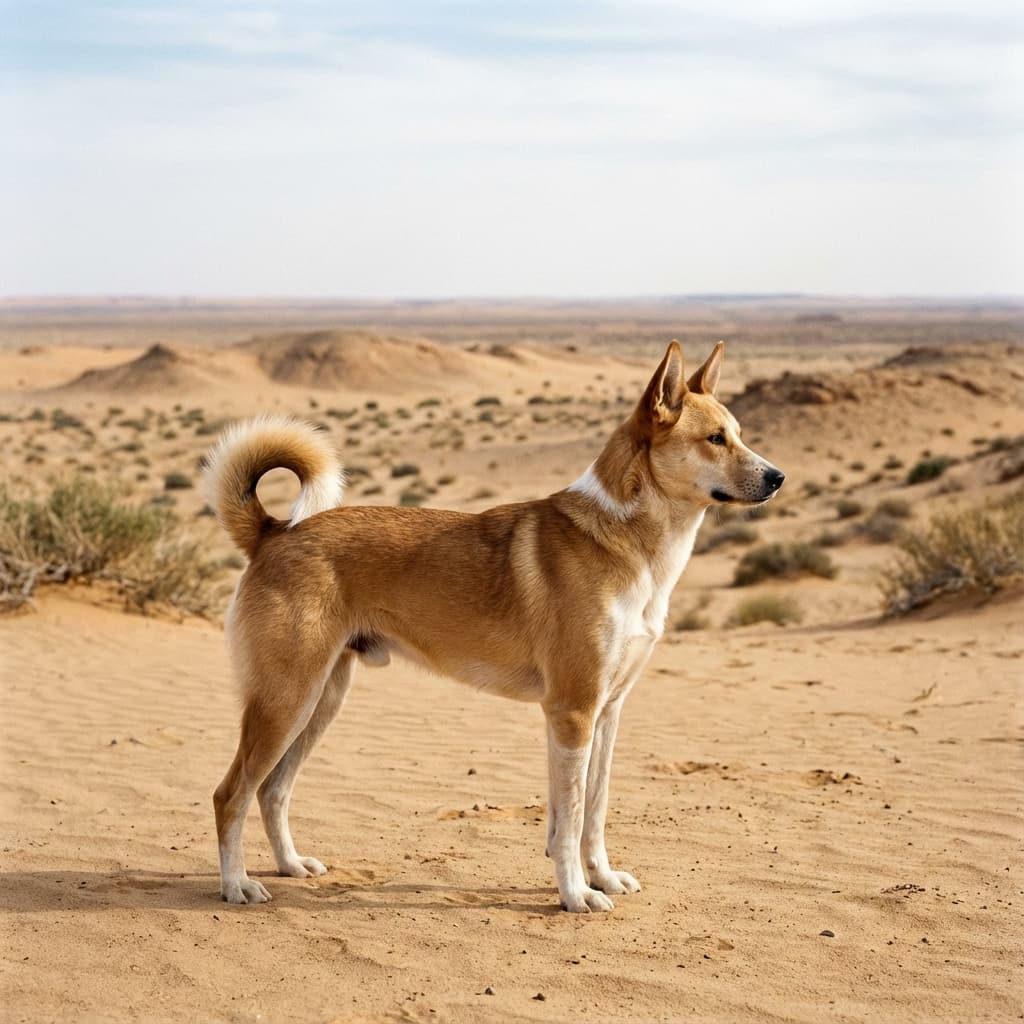
Canaan Dog
FCI Group
5• FCI 273
Size
Medium
Origin Country
IL
Height
50-60 cm
Weight
18-25 kg
Lifespan
12-14 years
Temperament
Overview
The Canaan Dog, also known as the Canaan Dog or Kelev Kna'ani, is a fascinating breed with an ancient history dating back to biblical times in Israel. It is a medium-sized dog, characterized by a harmonious, square body structure that combines strength, endurance, and agility. Its alertness and lightning-fast reactions make it an exceptional guard dog, ideal for those who value safety and reliability. The Canaan Dog has a complex temperament – it is deeply devoted to its family while maintaining a natural independence and strong survival instincts developed over thousands of years of living in the harsh conditions of the Middle East.
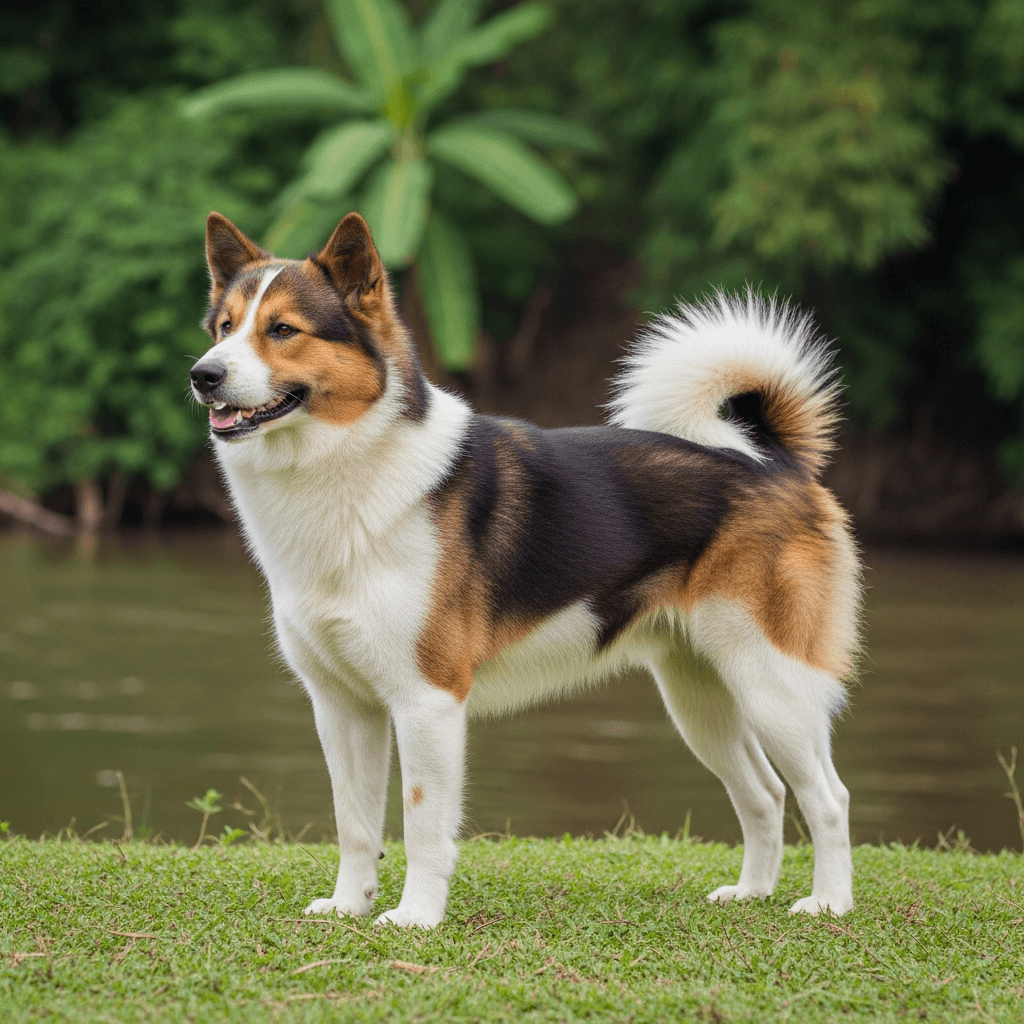
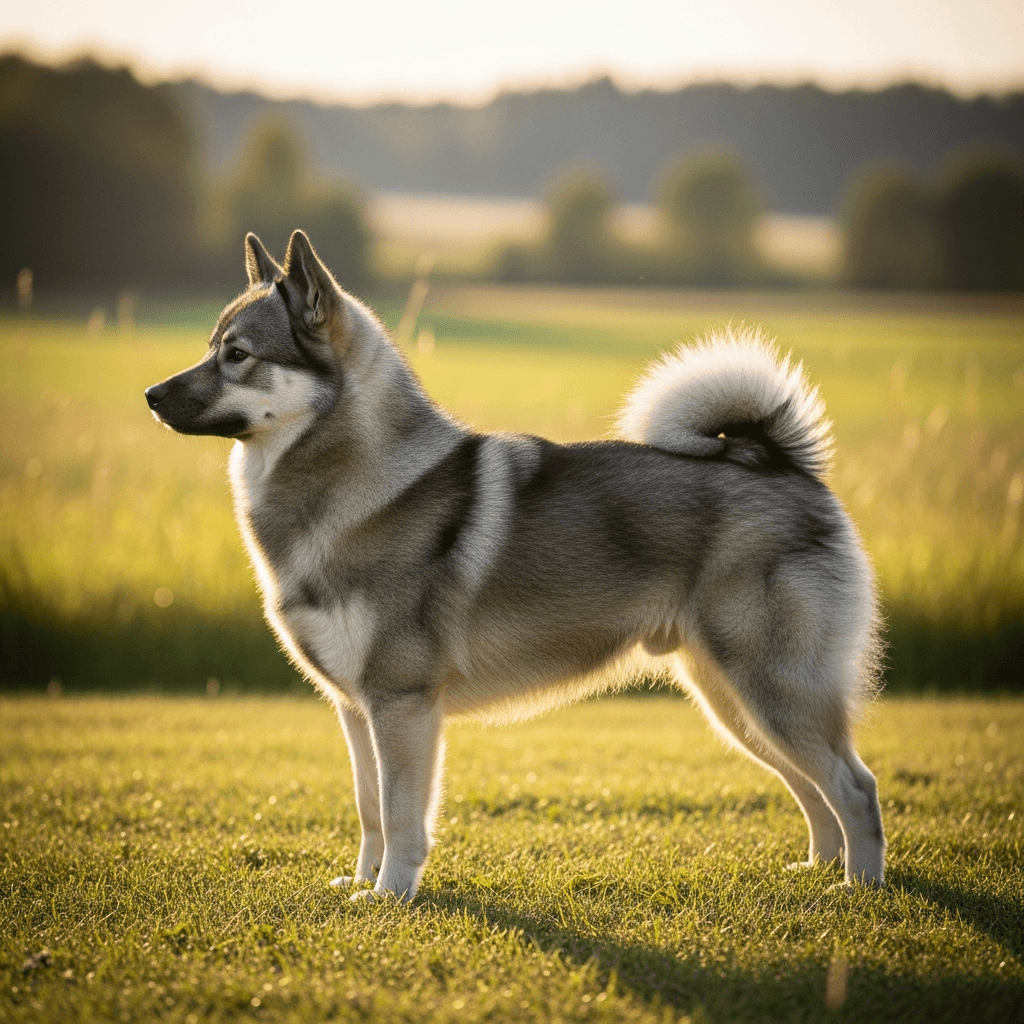
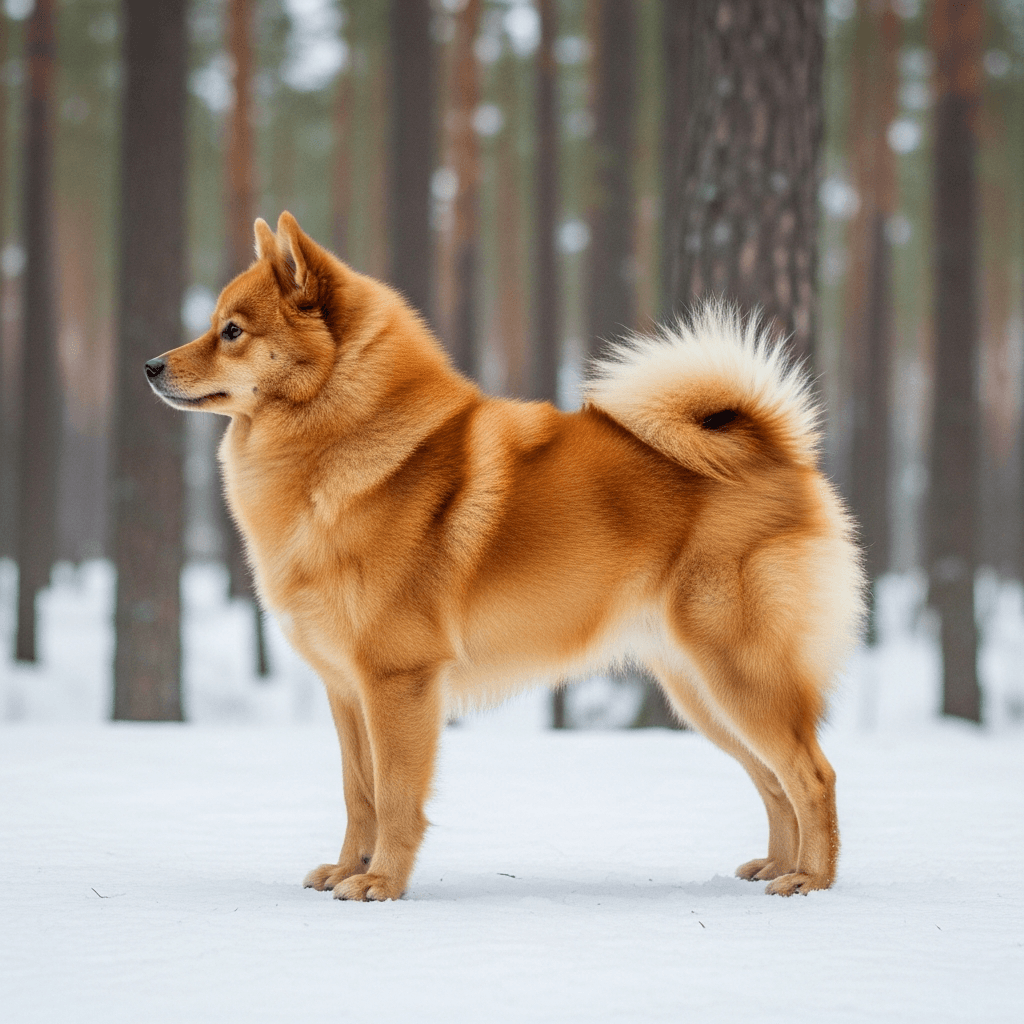
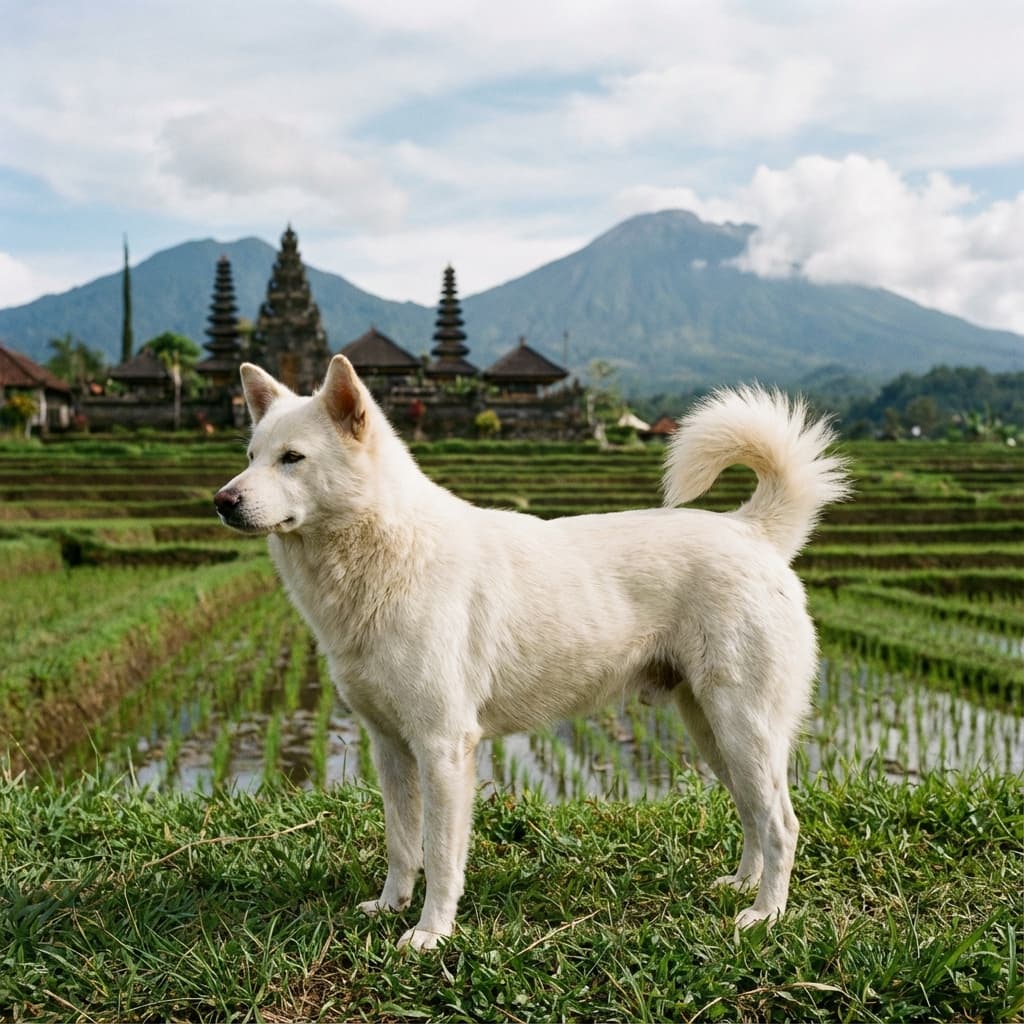
One of the most distinctive aspects of this breed is its striking, primitive appearance reminiscent of a wild dog. The head is shaped like a blunt wedge with a slightly flattened skull and a clearly defined, though shallow, stop, giving it a dignified look. Relatively short, wider at the base, erect ears, slightly rounded at the tips, along with almond-shaped, dark brown eyes with dark rims, give it a characteristic, alert, and intelligent expression. The tail is thick, covered with rich fur, set high, and carried curled over the back, emphasizing its confidence and readiness for action.
Its coat is rough, dense, and straight, forming a natural protective barrier against a wide range of weather conditions – from hot days to cool nights in the desert. It comes in many colors: from sand, gold, and red to brown and black, often with striking white markings that make each representative of this breed unique. The Canaan Dog is an extremely intelligent canine with outstanding adaptive abilities, responding excellently to training, provided it is given appropriate mental and physical stimulation.
This breed is ideally suited for active and experienced individuals seeking a loyal, intelligent companion with a strong personality. The Canaan Dog forms deep, lasting bonds with its family, although it is not an overly affectionate or clingy dog. It can be a wonderful family dog, especially in homes with older children, if it is given proper upbringing from a puppy age and consistent socialization. In the following sections of this comprehensive guide, you will find detailed information about health, grooming, physical activity requirements, training methods, recommended feeding guidelines, rich history, and the characteristics of the appearance and behavior of this extraordinary, primitive dog breed.
The Canaan Dog is a medium-sized dog that stands out with its harmonious, square body structure and strong, athletic build reminiscent of primitive dogs. According to the FCI standard, the height at the withers ranges from 50 to 60 cm, with males reaching a height of 51-61 cm and females 45-50 cm. The weight ranges from 18 to 25 kg, proportionally to the size and gender of the dog. This breed is characterized by a distinct sexual dimorphism – males are significantly larger, bulkier, and more impressive than females, which is clearly visible in the structure of the head and overall body build.
The head has a characteristic shape of a blunt wedge of medium length, appearing wider due to the low-set ears. The skull is slightly flattened, with some width allowed in powerful males. The stop is shallow but clearly defined. The nose is always black. The muzzle is strong, of moderate length and width. The lips are tightly fitting. The jaws should be strong, with a complete set of teeth and a scissor or pincer bite. The eyes are dark brown, slightly slanted, almond-shaped, with dark rims, which is an essential element of the standard. The ears stand erect, are relatively short and wide, slightly rounded at the tips, and set low, giving the dog a vigilant, attentive expression.
The neck is muscular and of medium length. The body structure is square – the length of the body corresponds to the height at the withers. The withers are well developed, and the back is straight. The loins are muscular. The chest is deep and of moderate width, with well-arched ribs. The underline and belly are well tucked up. The tail is set high, thick, covered with rich hair, carried curled over the back.
The coat is rough to the touch, dense, straight or slightly wavy, with a length of 2 to 5 cm, forming a natural protective barrier. The undercoat is rich and dense. It comes in a variety of colors: sandy, red, golden, brown, black, often with striking white markings on the chest, legs, neck, and tip of the tail. Completely white dogs or those with spots in the mentioned colors are also acceptable. The following colors are not allowed: black and tan, tricolor, brindle, and gray or black with spots in colors other than white.
The movement of the Canaan Dog is fast, light, energetic, and very efficient, indicating agility, endurance, and vigor. The trot is economical and durable, allowing the dog to remain active for extended periods. The overall appearance expresses strength, health, endurance, and a primitive character, making this breed an excellent guard dog with natural traits that have not been compromised by excessive selection.
The Canaan Dog is a breed that exhibits strong survival instincts and natural independence, making it a unique guard dog with a primitive character. The temperament of this breed is complex and multi-dimensional: dogs are extremely alert, quickly reacting to external stimuli, and show a natural distrust of strangers. This inherent caution is not aggression, but a manifestation of the defensive instinct – the Canaan Dog is vigilant not only towards people but also other animals, making it an excellent guardian of territory.
Towards its owners and family members, the Canaan Dog is extremely devoted, loyal, and protective, although it is not one of the overly affectionate or flirtatious breeds. It forms deep, lasting bonds based on mutual respect and trust. This is a dog that requires proper early socialization to learn to distinguish normal situations from potential threats and to adapt well to family life and interactions with other people and animals.
Proper, consistent training from a young age is absolutely crucial, as without it, Canaan Dogs can become stubborn, independent, and difficult to control. They have a moderate hunting instinct, which means they are more likely to patrol and search the area than to engage in intense hunting, although they may chase smaller animals. The Canaan Dog is also extremely active, curious, and intelligent – their need for both physical activity and mental stimulation is high and must be met daily.
Owners must be prepared for the daily challenges associated with the high energy, intelligence, and independent temperament of this breed. The Canaan Dog is definitely not the best choice for first-time dog owners, as it requires an experienced, confident, and consistent handler who can build a strong bond based on clear rules, mutual trust, and respect. In return for the right approach, you will receive an extremely intelligent, loyal companion with exceptional adaptive abilities.
The Canaan Dog can be a wonderful family dog, especially in homes with school-aged children and older ones who understand the rules of interacting with a dog. It is extremely devoted to the children in its family, but requires supervision during interactions with small children due to its strength and energy. It can coexist well with other dogs if properly socialized from a puppy, although males may show dominance towards other males.
The Canaan Dog is a breed that enjoys generally very good health and longevity, which is the result of natural selection over thousands of years of survival in difficult conditions. The average lifespan is from 12 to 15 years, with many individuals reaching the age of 14-16 years with proper care. This dog is strong, well-built, and resistant to many common diseases that affect other breeds, making it one of the healthiest primitive dog breeds.
The Canaan Dog does not tend to be obese, which is very beneficial for its joint health, cardiovascular system, and overall condition. Their efficient metabolism and natural activity help maintain a healthy weight without special interventions. However, like any breed, the Canaan Dog may be prone to certain genetic conditions, although their occurrence is relatively rare.
Potential health issues include: hip dysplasia (HD – Hip Dysplasia), which may occur in some individuals, so it is recommended to perform breeding X-rays on the parents before breeding. Elbow dysplasia (ED – Elbow Dysplasia) may also occur, though less frequently. Eye diseases, including progressive retinal atrophy (PRA) and cataracts, may appear in older dogs. Hypothyroidism is another condition that may affect this breed. Idiopathic epilepsy (seizures of unknown cause) occurs sporadically. Allergic skin diseases may appear in some individuals, particularly in environments with high allergen levels.
The dense, double coat of the Canaan Dog provides excellent protection against both heat and cold, making it resilient to extreme weather conditions. However, in very cold winters or during prolonged exposure to extreme cold, they may require additional protection, such as a dog coat, especially if they are used to living in a warmer climate.
To ensure the Canaan Dog has a long and healthy life, it is advisable to regularly visit the veterinarian for check-ups (at least once a year, and twice a year for older dogs), maintain a healthy, balanced diet appropriate for their age and activity level, provide daily physical activity and mental stimulation, conduct regular vaccinations and deworming, and implement flea and tick prevention.
Owners should be particularly vigilant for symptoms of potential health problems and promptly respond to any changes in behavior, appetite, energy level, or physical condition of the dog. Early detection of health issues significantly increases the chances of effective treatment and maintaining a high quality of life for the dog for many years.
Grooming a Canaan Dog is relatively simple and does not require a lot of time, making this breed easy to maintain in terms of grooming. Their natural, dense, rough coat with a rich undercoat not only protects them from extremely varied weather conditions – from hot desert days to cool nights – but also has self-cleaning properties, which minimizes the need for frequent baths and intensive grooming.
During periods of heavy shedding, which usually occur twice a year – in spring and autumn, the Canaan Dog sheds its undercoat very profusely, so during these times it is recommended to brush regularly 3-4 times a week or even daily to effectively remove dead hair, prevent matting, and minimize their presence in the home on furniture and floors. Furminator-type brushes, combs with dense teeth, and brushes made of natural bristles work best.
During the rest of the year, outside of shedding periods, brushing once a week is sufficient to keep the coat in good condition, remove loose hair, and care for skin health. This gentle brushing also supports the natural production of skin oils, which give the coat shine and additional protection.
Baths should be given only when truly necessary – when the dog is clearly muddy, dirty, or has an unpleasant odor. Too frequent washing can weaken the natural oils in the skin, resulting in dry skin, irritation, and weakening the natural protective barrier of the coat. It is recommended to bathe no more than once every 2-3 months, unless the situation requires otherwise. Mild shampoos designed for dogs with sensitive skin should be used.
Regular ear checks are important to prevent bacterial and fungal infections – upright ears are generally well-ventilated, but it is worth checking them once a week and gently cleaning with a damp cotton ball if necessary. Eyes should be regularly observed and gently wiped with a damp cotton ball to remove any discharge. Dental hygiene is also extremely important – it is recommended to brush teeth 2-3 times a week or daily, using toothpaste for dogs to prevent tartar buildup, gum disease, and maintain fresh breath.
It is also worth remembering about regular nail trimming – usually once every 3-4 weeks or as needed, to avoid cracking, breaking, and discomfort for the dog while walking. If the dog runs a lot on hard surfaces, the nails may wear down naturally and require less frequent trimming. Special nail clippers or electric grinders should be used.
Overall, grooming a Canaan Dog is a simple, low-maintenance, and enjoyable task that can be successfully done at home without the need for frequent visits to a professional groomer. This low grooming requirement is one of the many advantages of owning this healthy, primitive breed of dog.
The Canaan Dog is a breed with a high energy level that requires a significant amount of exercise and stimulation, both physical and mental, to remain healthy, happy, and mentally balanced. They typically need at least 60-90 minutes of intense activity daily, although many individuals prefer even more time for activity, especially young dogs aged 1 to 5 years.
The ideal daily activity for a Canaan Dog should include: Long walks – at least two walks a day of 30-45 minutes each, preferably in varied terrain (forest, park, open spaces), allowing the dog to explore naturally and stimulate its senses. Running and jogging – the Canaan Dog is an excellent running partner and can accompany its owner on routes of up to 10-15 km, provided it is gradually accustomed to such exertion. Fetch games – throwing a ball, frisbee, or other toys is a great way to release energy while strengthening the bond with the owner.
Dog sports and activities: Agility – an obstacle course perfectly utilizes the natural agility, intelligence, and willingness to cooperate of the Canaan Dog. Frisbee – catching a flying disc mid-air is an activity where this breed can excel. Obedience – obedience competitions perfectly match the intelligence of this breed. Nosework and trailing – utilizing the natural tracking instinct through scent searching is fantastic mental stimulation. Canicross – running in the woods with the dog attached to a special harness is an ideal activity for this active breed.
Ideally, the Canaan Dog should have the opportunity to run off-leash in safe, open spaces, allowing it to fully utilize its natural instinct for exploration, patrolling the area, and making use of its incredible fitness. It is advisable to do this in a fenced area or in places where it is allowed and safe.
This breed has a high level of energy, curiosity, and need for mental stimulation, which means they should be regularly activated both physically and intellectually to avoid boredom and related behavioral issues. Without the appropriate amount of exercise, the Canaan Dog can become overly energetic, restless, and frustrated, often leading to destructive behaviors such as furniture destruction, excessive barking, digging holes in the garden, or escaping.
Therefore, regular daily walks, interactive play, dog sports, and time spent outdoors are absolutely essential for the physical, mental, and emotional health of the Canaan Dog. Owners must be prepared for daily active engagement and dedicate time to their dog's proper activity. It is also important to remember about rest – especially young dogs need time to recover after intense activities.
Important note: On extremely hot days, it is necessary to limit the intensity of activities and avoid exertion during the hottest hours of the day to prevent overheating. In winter, the Canaan Dog does well outdoors, but after long periods in the cold, it is advisable to provide a warm, dry place for rest.
The Canaan Dog is a remarkably intelligent breed with exceptional cognitive abilities, which, in the right, experienced hands, is easy to train and can master advanced skills. Their natural eagerness to learn, curiosity, and ability to quickly absorb new information make them excellent students, but they require a firm, consistent, yet fair and positive approach from their owner.
Due to their independent, primitive nature and strong personality, it is crucial to start training as early as possible – ideally from 8-10 weeks of age – and to be absolutely consistent in the approach to upbringing. The Canaan Dog quickly tests boundaries and looks for weaknesses in the owner's consistency, so clear rules and unchanging guidelines are key to success.
This dog responds best to positive reinforcement – reward-based methods, such as high-value treats (e.g., pieces of chicken, cheese, special training treats), verbal praise, play with a favorite toy, and the owner's positive energy. Rewarding desired behaviors is much more effective than punishing undesired ones. The Canaan Dog is sensitive to harsh punishment methods, yelling, and violence, which can lead to resistance, rebellion, loss of trust in the owner, and in extreme cases, defensive aggression.
Key elements of training: Early socialization (from 8 weeks) is absolutely critical – the puppy must be gradually and positively exposed to various stimuli: different people (children, adults, seniors), other dogs and animals, different environments (city, park, forest, dog-friendly stores), sounds (traffic, trains, children playing), situations (vet visits, grooming, car travel). This prevents the development of fears and defensive aggression in adult life.
Basic obedience commands should be taught systematically: Sit, Lie down, Stay, Come (recall), Leave it (don’t take something). The Canaan Dog should reliably perform these commands in various environments and situations, not just at home. The recall command Come is particularly important due to their independence and exploratory instinct.
Advanced training: After mastering the basics, the Canaan Dog can participate in advanced activities: Agility – an obstacle course that perfectly utilizes their intelligence, agility, and willingness to cooperate. Obedience – high-level obedience competitions. Tracking and nosework – scent detection, tracking. Rally obedience – combining obedience with navigating a course. Tricks – learning fun tricks (shake, spin, flip) strengthens the bond and provides mental stimulation.
Specific training challenges: Independence and stubbornness – the Canaan Dog may sometimes decide that it knows better, so consistency and positive motivation are crucial. Distrust of strangers – requires early and intensive socialization. Potential aggression towards other dogs – especially males can be dominant, requiring supervision and training from puppyhood. Guarding instinct – may lead to excessive barking, requiring training to control reactions.
Key rules for success: Start training early (8-10 weeks), be absolutely consistent in rules, use only positive reinforcement methods, provide daily mental stimulation (15-30 minutes of training), enroll in a puppy training group, then in an advanced class, be patient – some skills take time, and continuously work on socialization throughout the dog's life.
Proper, systematic training will not only help in the development of the dog's skills but also in building a strong bond based on trust and mutual respect between the dog and the owner, which is the foundation of a happy coexistence with this demanding yet exceptionally intelligent and loyal breed.
The Canaan Dog is a breed that does not have special, specific dietary requirements, but like any dog, it needs a balanced, high-quality diet to maintain optimal health, energy, physical condition, and support the body's natural immunity. Their metabolism, developed over thousands of years of survival in the harsh conditions of the Middle East, is very efficient, which means that the Canaan Dog tends to survive on a relatively small amount of food, making it resilient to hunger, but this absolutely does not mean it should be malnourished or starved.
Type of food: Owners have several feeding options: Dry food (kibble) – high-quality premium or super-premium food, dedicated to medium-sized, active breeds, with a high content of animal protein (minimum 25-30%), moderate fat content (12-18%), and low grain or grain-free. Wet food (canned) – can be used as a supplement to dry food or as the basis of the diet, especially for dogs with dental issues or picky eaters. BALF diet (raw meat and bones) – an increasingly popular option, consisting of raw meat, meaty bones, offal, and plant-based additives, but requires knowledge and consultation with a veterinary nutritionist.
Nutrients: High-quality food should provide all essential nutrients: Animal protein (chicken, turkey, lamb, fish, game) as the first ingredient of the food – minimum 25-30% for active adult dogs. Fats (source of energy and omega-3 and omega-6 fatty acids) – 12-18% for adult dogs. Carbohydrates (rice, oats, sweet potatoes, potatoes) – as a source of energy, but should not dominate the composition. Vitamins and minerals (calcium, phosphorus, vitamins A, D, E, K, B vitamins) – essential for bone, teeth, skin health, and metabolic functions. Fiber (vegetables, fruits) – supports proper digestion.
Meal frequency and portions: Puppies (2-6 months) – 3-4 meals a day, small portions, puppy food for medium breeds. Young dogs (6-12 months) – 2-3 meals a day, gradually transitioning to adult food. Adult dogs (1-7 years) – 2 meals a day (morning and evening), portions adjusted to activity level, weight, and condition. Senior dogs (7+ years) – 2 meals a day, senior dog food with reduced calories but enriched with joint supplements.
A typical portion for an adult, active Canaan Dog weighing 20-25 kg is about 300-400 grams of dry food per day, divided into two meals. The exact amount depends on the level of activity, metabolism, and specific food (detailed recommendations are found on the packaging). Regularly monitor the dog's weight and condition – ribs should be palpable but not visible, with a clear waist seen from above.
Water: Constant access to fresh, clean water is absolutely essential, especially during hot days, after intense physical activity, and if the dog is fed dry food. A water bowl should be available throughout the day, and the water should be changed 1-2 times a day.
What to avoid: Owners should absolutely avoid giving their dog: table scraps (contain too much salt, spices, fat), chocolate and cocoa (toxic to dogs), onions and garlic (damage red blood cells), grapes and raisins (damage kidneys), avocados (toxic to dogs), chicken and fish bones (can splinter and damage the digestive tract), sweets, sugar, and artificial sweeteners (especially xylitol is deadly toxic).
Supplementation: In most cases, high-quality food covers all nutritional needs. However, in certain situations, supplementation may be worth considering: Omega-3 fatty acids (fish oil) – for healthy skin and shiny coat. Glucosamine and chondroitin – for joint health, especially in older dogs. Probiotics – to support healthy gut flora.
It is advisable to regularly consult with a veterinarian to establish the best individual feeding plan, taking into account the dog's age, weight, activity level, health status, and any specific dietary needs. Proper nutrition is the foundation of a long, healthy, and active life for the Canaan Dog.
Characteristic Traits
Pros
- Very intelligent and easy to train
- Alert and excellent guard dog
- Strong and lasting bonds with family
- Exceptionally resilient to various weather conditions
- Generally healthy breed with a long lifespan
- Low grooming requirements.
Cons
- Can be independent and stubborn
- Requires a lot of physical and mental stimulation daily
- Distrustful of strangers
- Not suitable for novice owners
- Can be dominant towards other dogs (males).
Behavioral Ratings
Breed History
The Canaan Dog is one of the oldest, most primitive dog breeds in the world, with a fascinating history that dates back thousands of years to the ancient civilizations of the Middle East. This breed has changed little since biblical times, making it a living testament to the history of humanity and the evolution of the human-dog relationship.
Archaeological excavations conducted in modern-day Israel, in the region of ancient Canaan, have revealed remains of dogs dated to around 2000-3000 B.C. that morphologically closely resemble the modern Canaan Dog. Analysis of bones, drawings on pottery, and sculptures has confirmed that dogs with similar structure and characteristics lived in this region as early as biblical times. This suggests that this breed was known and valued by the ancient tribes of the Israelites, Phoenicians, and other peoples inhabiting the Middle East.
In ancient times, Canaan Dogs were semi-wild companions of humans, living on the fringes of human settlements and the wilderness. They were used for guarding camps and settlements against wild animals and intruders, herding flocks of sheep and goats in difficult, desert terrain, and hunting small animals. Their exceptional ability to adapt to extreme climatic conditions – from hot, dry days to cold, desert nights – made them indispensable companions for nomadic tribes.
For centuries, Canaan Dogs lived in this semi-wild manner, naturally selected by harsh environmental conditions, which developed their unique resilience, intelligence, independence, and survival skills. It was this natural selection, rather than artificial breeding conducted by humans, that endowed the breed with its exceptional health and behavioral traits.
The modern history of the breed begins in the 1930s, when Dr. Rudolphina Menzel, an Austrian-born cynologist who emigrated to Palestine (modern-day Israel), started a systematic breeding program aimed at domesticating and standardizing these semi-wild dogs. Dr. Menzel recognized the unique abilities of these dogs and decided to harness them for practical purposes.
Thanks to her pioneering efforts, the Canaan Dog gradually transformed from a semi-wild dog into a more human-friendly companion while still retaining its original character. Dr. Menzel established a training program in which Canaan Dogs were used as police dogs, military dogs, guide dogs for the blind, and search and rescue dogs during World War II and in the post-war period.
In 1966, the breed was officially recognized by the Israeli Kennel Club, and then in 1985 by the Fédération Cynologique Internationale (FCI) under standard number 273, group 5 (Spitz and primitive types), section 6 (Primitive types).
Although the Canaan Dog is not very common as a household pet outside of Israel, it has gained popularity in recent decades among enthusiasts of primitive breeds and those seeking intelligent, independent, yet loyal companions. It is currently estimated that the global population of Canaan Dogs is around 2000-3000 dogs, with most residing in Israel, Europe (particularly Germany, the United Kingdom), and North America (USA, Canada).
This breed is also known for its exceptional intelligence, adaptability, and versatility. Modern Canaan Dogs are still used in Israel as military and police dogs, but they are increasingly finding their place as family dogs, sport dogs (agility, obedience), and therapy dogs.
The Canaan Dog is a living testament to ancient history, a bridge connecting modern times with biblical eras, and an excellent example of how natural selection can shape a breed with exceptional health, behavioral, and mental traits that have survived for thousands of years with little change.