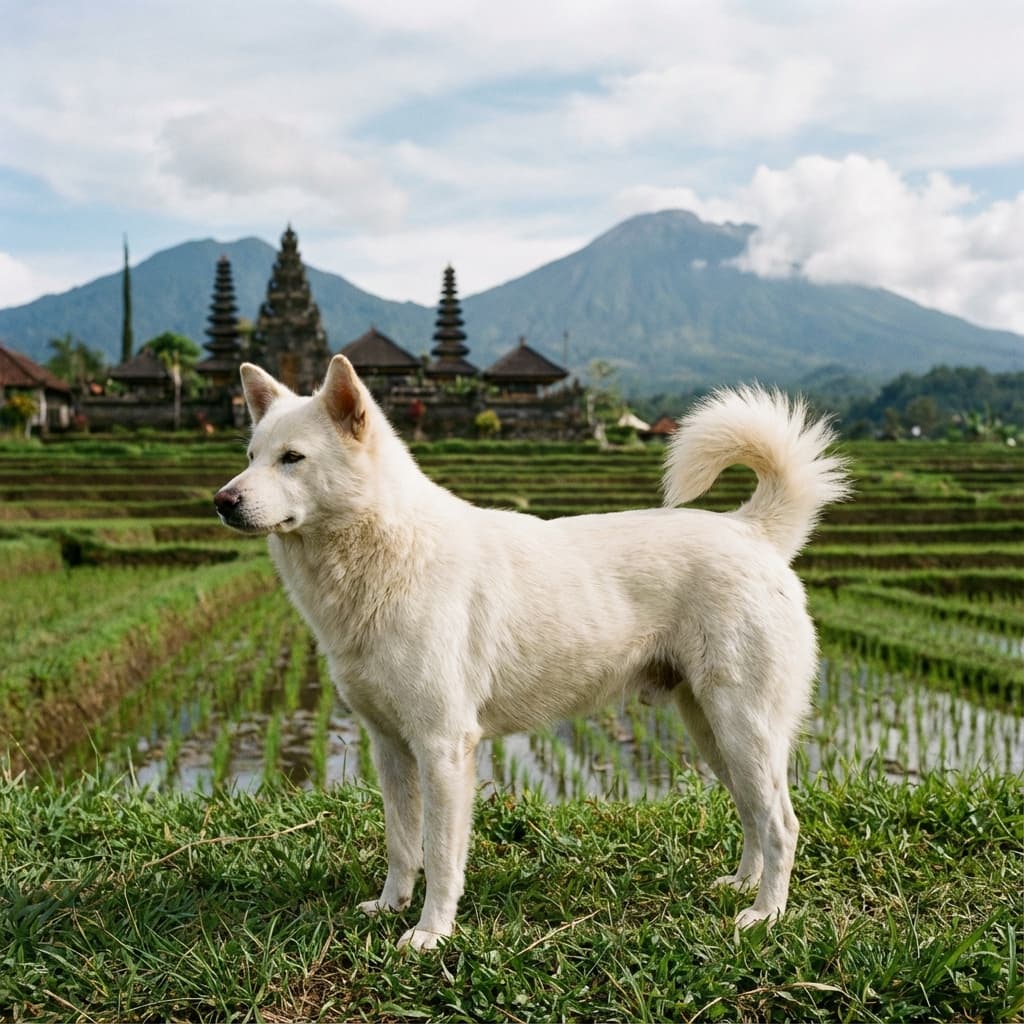
Kintamani Dog from Bali
FCI Group
5• FCI 362
Size
Medium
Origin Country
XX
Height
44-57 cm
Weight
13-18 kg
Lifespan
10-15 years
Temperament
Overview
Kintamani-Bali Dog (Anjing Kintamani-Bali) is a fascinating breed originating from Indonesia, specifically from the picturesque, mountainous region of Sukawana on the island of Bali. It is not just a companion dog, but a true friend that has won the hearts of many with its intelligence, alertness, and unwavering loyalty.
The Kintamani-Bali is distinguished by its harmonious body structure with a rectangular silhouette and a characteristic triangular head, giving it a unique, recognizable appearance. Its elegance is combined with strength, creating an image of a dog that is both beautiful and functional.
This breed adapts well to various living conditions – it thrives in both rural and urban environments. Its friendly disposition makes it an ideal companion for families with children and elderly individuals. The Kintamani-Bali can form deep emotional bonds with people, becoming a wonderful life partner. With well-developed social skills, it easily adjusts to different situations, greatly facilitating cohabitation.
Due to its mountainous origins, the Kintamani-Bali Dog loves spending time outdoors. Physical activity is not only a pleasure for it but a necessity – it is an energetic dog that requires regular walks, playtime, and exploration of its surroundings. Such activity promotes its physical health and mental balance.
Moreover, this breed has deep roots in the history and culture of Indonesia, where it has been known since ancient times. It is currently recognized as a national breed of Indonesia, highlighting its immense cultural and symbolic significance for the country.
In summary, the Kintamani-Bali Dog combines sociable traits, intelligence, alertness, and unconditional loyalty. This makes it an ideal choice for those seeking a faithful friend. We encourage you to further explore this fascinating breed through detailed sections dedicated to health, grooming, activity, training, nutrition, history, appearance, and behavior in the subsequent parts of our guide.
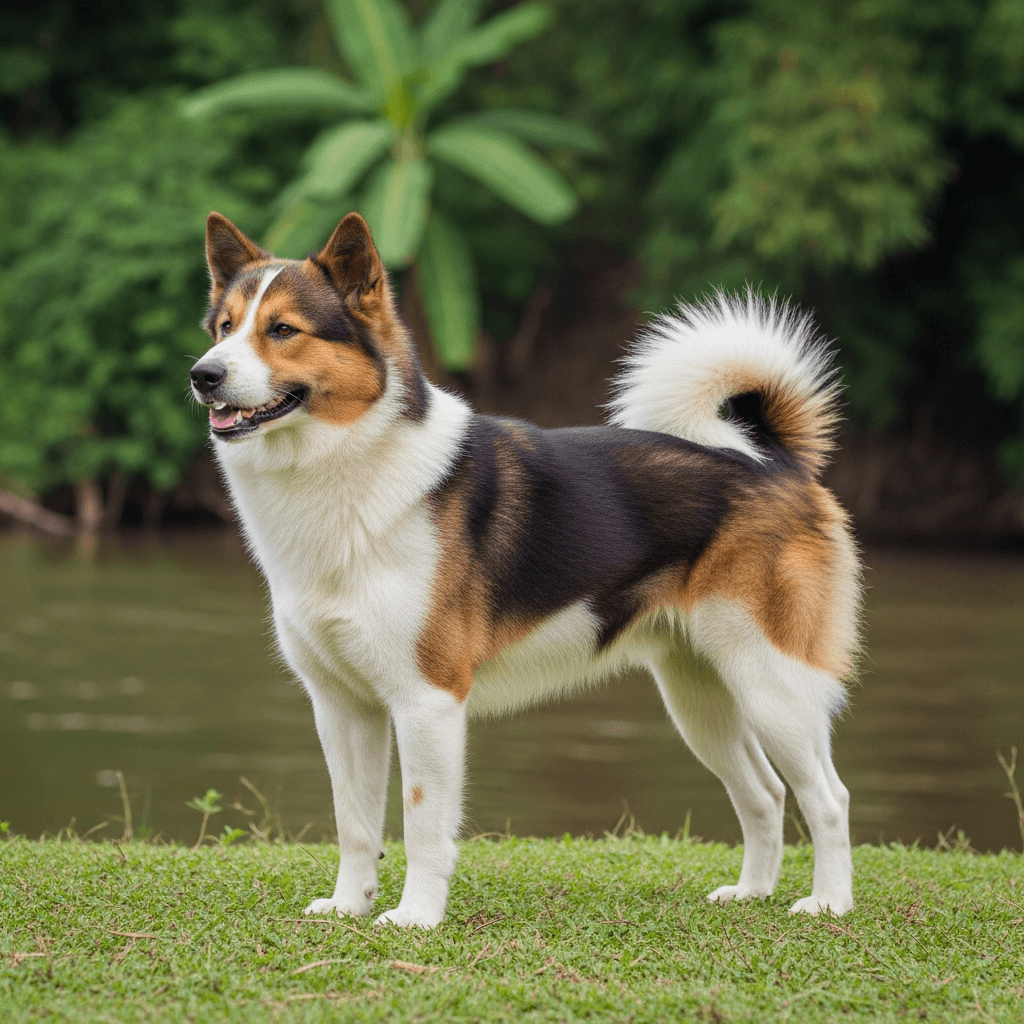
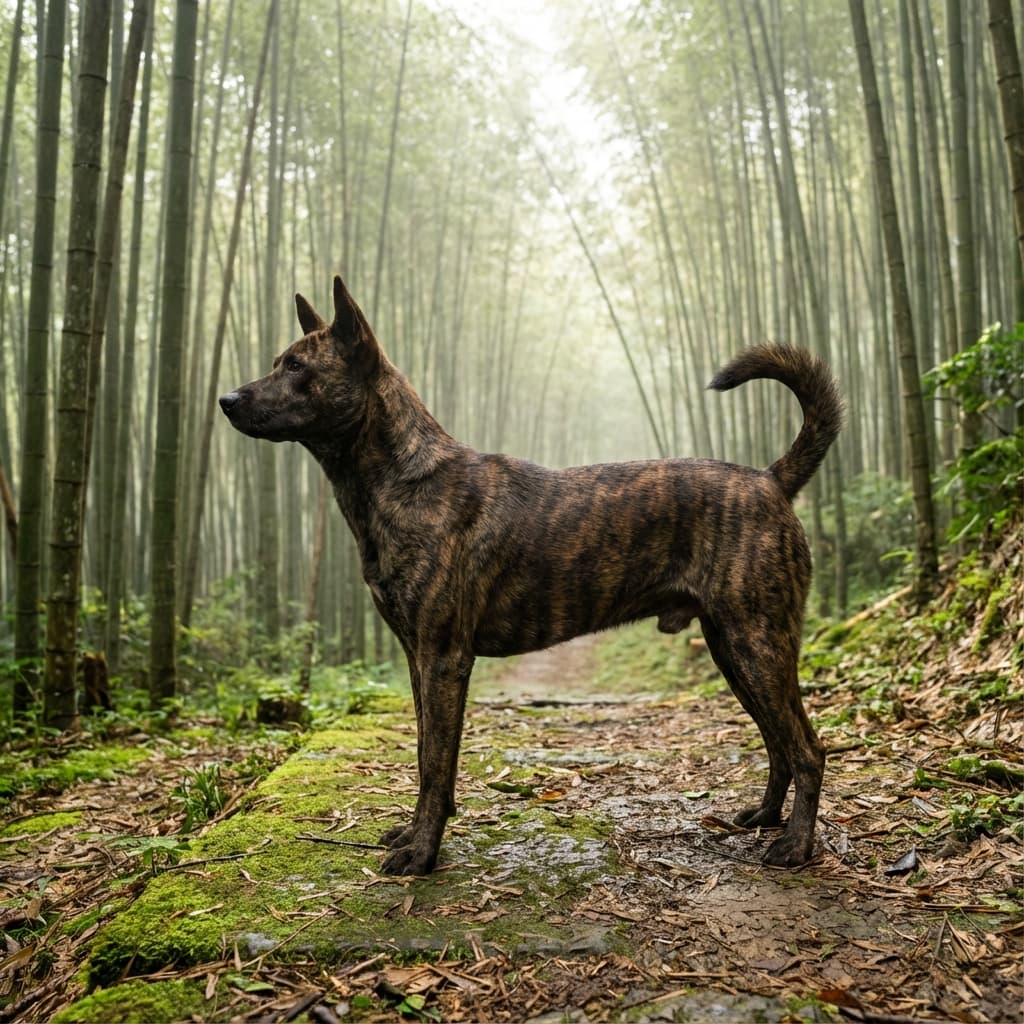
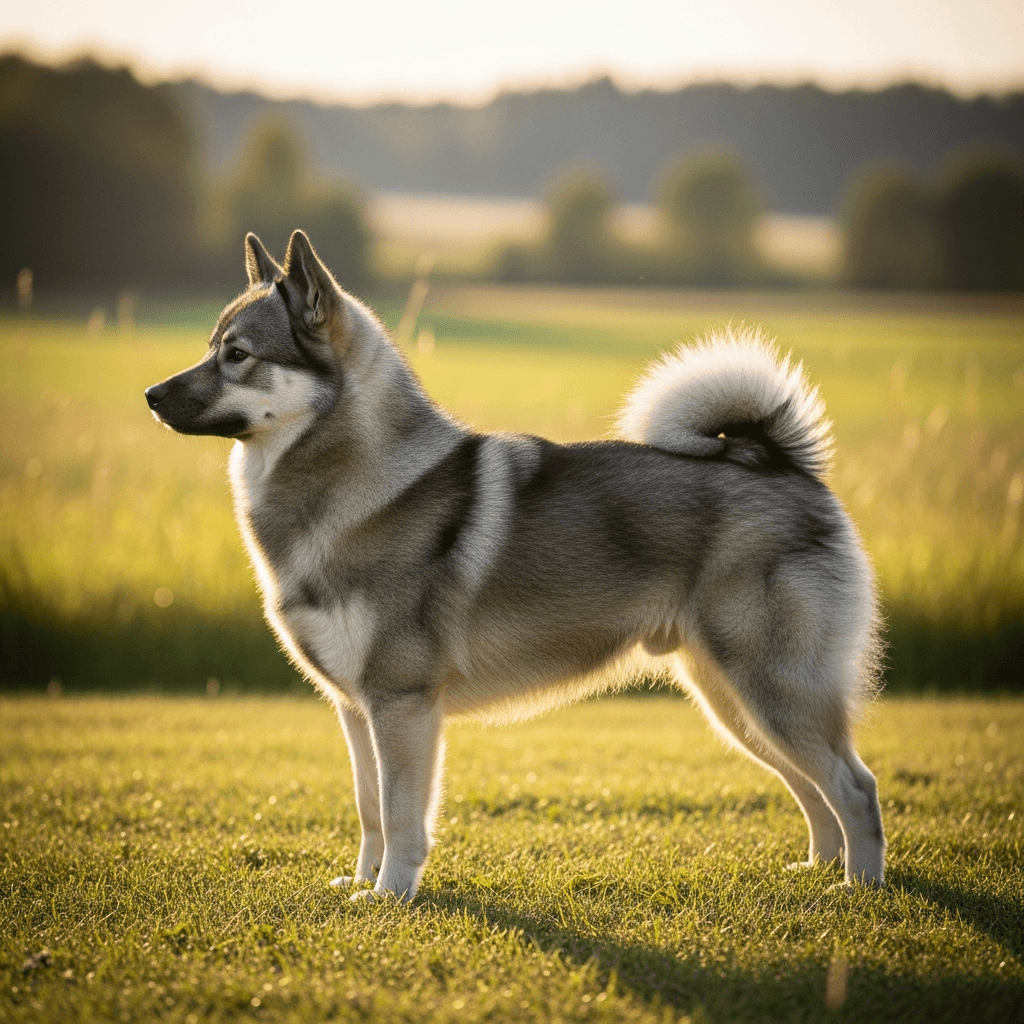
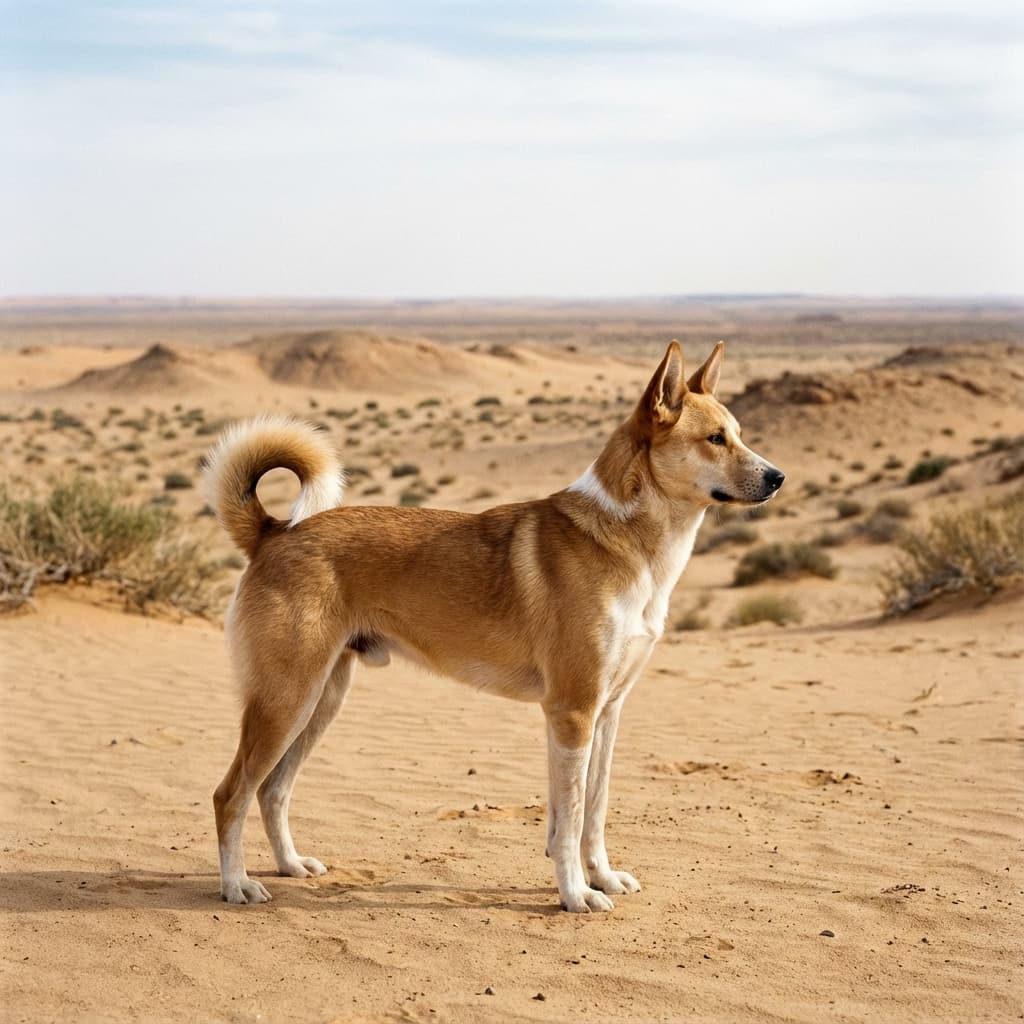
The Kintamani-Bali dog is characterized by a harmonious body structure and a rectangular silhouette, which gives it an elegant and balanced appearance. Its head is triangular in shape with a moderately defined stop and standing ears that are rounded at the tips. The proportions of the head are perfectly matched to the rest of the body, creating the impression of a harmonious and well-built dog.
The eyes have a characteristic almond shape and are dark, which adds expressiveness and an intelligent gaze to the dog. The coat is double-layered – consisting of a soft, dense undercoat and a hard, medium-length outer coat. The hair on the neck and withers is noticeably longer, forming a distinctive ruff, which is more pronounced in males and adds majesty to the dog.
The Kintamani-Bali's tail is crescent-shaped, set low, and well-furred. The dog carries it in a moderate upward curve, emphasizing its alertness and activity.
The coat colors of the breed are extremely diverse – Kintamani-Bali comes in the following colors:
- White
- Black
- Fawn
- Brindle
This makes each individual unique and one-of-a-kind.
Physical dimensions: The height at the withers ranges from 44 to 57 cm, and the weight from 13 to 18 kg, classifying the Kintamani-Bali as a medium-sized dog. Their overall appearance is harmonious, and the body proportions are appropriately balanced, creating the impression of a healthy, strong, and vigorous dog.
The Kintamani-Bali is a breed that is not only beautiful but also full of character and personality, making it an excellent companion for any dog lover.
The Kintamani-Bali dog is characterized by its positive temperament and friendly, balanced disposition. It is a vigilant, intelligent breed that is deeply devoted to its owner, making it an excellent companion dog for various types of families.
Kintamani-Bali easily forms bonds with both people and other animals, which makes it an ideal choice for families with children and elderly individuals. It has a natural tendency to be alert and protective, which makes it well-suited as a guard dog – it will warn household members of approaching strangers.
Despite its alertness, Kintamani-Bali is not aggressive. In most cases, it is friendly towards strangers, although it may initially behave with some reserve until it assesses the situation. This caution is a sign of its intelligence, not fear.
This breed is easy to train, due to:
- Natural willingness to cooperate with the owner
- High intelligence
- Sensitivity to praise and rewards
- Ability to quickly learn new commands
Kintamani-Bali responds very well to positive training methods, which allows it to quickly master new commands and tricks. However, it requires regular mental and physical stimulation to prevent boredom and potential behavioral issues.
Owners should provide the dog with a variety of activities, such as:
- Interactive play
- Long walks
- Obedience training
- Tasks that engage its sense of smell and intelligence
It is important to remember that Kintamani-Bali is a social dog that highly values closeness with its family. It should not be left alone for long periods, as this can lead to separation anxiety. It feels best when it can spend time with its beloved people.
In summary, the Kintamani-Bali dog is a loyal, energetic, and intelligent companion that brings joy, love, and a sense of security to the lives of its owners.
Kintamani-Bali dogs are usually healthy and resilient, but like any breed, they can be prone to certain health issues. Awareness of potential threats allows owners to recognize symptoms early and intervene quickly.
One of the most common problems is hip dysplasia, which can lead to pain, discomfort, and limited mobility. Therefore, it is extremely important to regularly monitor the dog's joint condition and provide:
- A proper diet that supports joint health
- Moderate, regular physical activity
- Avoiding excessive jumping and intense loads at a young age
- Supplementation (if recommended by a veterinarian)
Kintamani-Bali, as a breed, is relatively resistant to genetic diseases, but like any animal, it requires regular veterinary visits to monitor overall health. Key to maintaining health are:
- Regular vaccinations according to the schedule
- Parasite prevention (deworming, protection against ticks and fleas)
- Annual check-ups
An important aspect is also oral hygiene, as dental problems can negatively affect the dog's overall health. Tartar and gum disease are common conditions that can be effectively prevented by:
- Regular tooth cleaning (preferably daily)
- Providing dental chews
- Veterinary oral examinations
- Professional cleaning by a veterinarian if necessary
A Kintamani-Bali dog has an average lifespan of 12 to 15 years, which is typical for medium-sized breeds. A proper diet, regular physical activity, attention to mental health, and consistent veterinary care can contribute to an even longer and healthier life for this wonderful companion.
Remember: Prevention and early detection of health problems are the key to a long, happy life for your Kintamani-Bali!
The Kintamani-Bali dog has a double coat consisting of a soft, dense undercoat and a hard, medium-length outer coat. The hair on the neck and withers is noticeably longer, forming a characteristic mane that gives the dog a unique, majestic appearance.
Although the Kintamani-Bali does not require complicated grooming, regular brushing is definitely recommended to:
- Remove dead hair
- Minimize shedding in the home
- Prevent matting
- Stimulate skin circulation
- Keep the coat healthy and shiny
During the spring and autumn seasons, when dogs go through a shedding phase, more frequent brushing may be necessary – even daily – to keep the fur in excellent condition and minimize the amount of hair in the home.
Baths should only be given when truly necessary (e.g., when the dog gets dirty) to avoid stripping the natural oils from the coat that protect the dog's skin and give the fur a natural shine. Too frequent bathing can lead to dry skin and dermatological issues.
In addition to coat care, it is also important to pay attention to other aspects of hygiene:
Nails: They should be regularly trimmed (usually every 3-4 weeks) to prevent excessive growth, which can cause discomfort while walking and posture problems.
Ear hygiene: Ears should be regularly checked for:
- Debris and wax
- Unpleasant odor
- Redness or inflammation
Cleaning the ears with special solutions once a week will help prevent infections.
Dental hygiene: Is crucial for the overall health of the dog. It is recommended to:
- Brush teeth daily with a dog toothbrush and toothpaste
- Provide dental chews
- Have regular check-ups with the veterinarian
Kintamani-Bali owners should be prepared for regular but not overly demanding grooming so that their pets can enjoy health, comfort, and a beautiful, well-groomed appearance throughout their lives.
The Kintamani-Bali dog is a breed that requires regular physical activity to maintain health, good condition, and mental balance. These energetic dogs need at least one hour of intense movement daily, which can include:
- Walks at various paces
- Running (also alongside a bicycle)
- Playtime in the park with other dogs
- Obedience training
- Interactive games (fetching, searching)
Kintamani-Bali excels in various forms of activity, such as:
- Agility – an obstacle course that perfectly utilizes their agility and intelligence
- Canicross – running with a dog in harness
- Biking alongside – for very active individuals
- Scent training – engages their natural tracking instinct
- Frisbee and fetching – develop focus and cooperation
Owners should ensure variety in activities to keep the dog in excellent physical condition and adequately stimulate its mind. Monotony can lead to boredom and behavioral problems.
This breed loves spending time outdoors, so it’s worth taking them on long walks in nature – in the woods, on meadows, by the water – which allows them to explore new scents, sounds, and surroundings. Such outings are not only a form of exercise for them but also provide mental stimulation.
It’s also important to remember that the Kintamani-Bali is a dog that gets along well with other dogs. Playing with other pets in a dog park or on a playground can bring them a lot of joy and is an excellent form of socialization.
Regular physical activity is essential not only for physical health (cardiovascular fitness, maintaining a proper weight, healthy joints) but also for the dog’s mental health. A dog that does not get enough exercise may develop behavioral problems such as:
- Excessive barking
- Destruction of household items
- Hyperactivity
- Anxiety and stress
- Frustration-induced aggression
A Kintamani-Bali dog, properly trained, active, and tired, will become a loyal, calm, and joyful companion for the whole family, happily sharing every moment with you.
Kintamani-Bali is a breed that is easy to train due to its high intelligence and natural desire to please its owner. Dogs of this breed quickly learn new commands and eagerly participate in training, making them ideal candidates for both novice and experienced owners.
It is crucial to start training at a young age – ideally when the puppy is 8-10 weeks old. An early start allows for the development of positive habits, proper socialization, and prevention of undesirable behaviors.
Owners should use positive training methods, such as:
- Treat rewards
- Enthusiastic verbal praise
- Play as a form of reward
- Petting and physical approval
These methods motivate the dog to learn and strengthen the bond between the dog and the owner.
Kintamani-Bali responds very well to training sessions, which should be:
- Short – 10-15 minutes to maintain focus
- Regular – ideally daily
- Diverse – to avoid monotony and boredom
- Positive – without physical punishment or yelling
Owners should be consistent in their actions and expectations towards the dog to avoid misunderstandings. Clear rules and guidelines help the dog understand what is expected of it.
Kintamani-Bali is a dog that excels in various sports and working disciplines, such as:
- Obedience – training basic and advanced commands
- Agility – an obstacle course requiring agility and concentration
- Scent sports – utilizing natural tracking instincts
- Dog shows – showcasing appearance and behavior
- Animal therapy – as a companion and support dog
Training not only strengthens the bond between the dog and the owner but also influences the development of the dog's social and behavioral skills. A well-trained Kintamani-Bali is confident, calm, and can respond appropriately in various situations.
This breed can successfully become a therapy dog if it undergoes appropriate training and certification. Their gentle nature, intelligence, and adaptability make them wonderful companions for those in need of emotional support.
Remember: Training is not just about learning commands, but primarily about building a relationship based on trust, respect, and love!
Proper nutrition for a Kintamani-Bali dog is key to its health, well-being, physical condition, and lifespan. This breed requires a balanced diet that provides all the essential nutrients in the right proportions.
The diet should be rich in protein to support:
- Muscle mass development and maintenance
- Skin and coat health
- Proper immune system functioning
- Tissue regeneration
Choosing high-quality food tailored to the dog's age, weight, and activity level is extremely important. Pay attention to:
- The first ingredients in the composition (should be meat or fish)
- Absence of artificial colors, preservatives, and fillers
- Appropriate protein content (minimum 22-25% for adult dogs)
- Presence of vegetables and fruits as a source of vitamins
Owners can choose between dry or wet food – each has its advantages:
- Dry food: Helps clean teeth, is economical, easy to store
- Wet food: More palatable, provides additional water intake, easier to digest
It is also possible to combine both types.
Kintamani-Bali, like most dogs, also requires an appropriate amount of healthy fats, which:
- Provide energy
- Support the immune system
- Are essential for the absorption of fat-soluble vitamins (A, D, E, K)
- Give the coat a healthy shine
Fresh water should be available to the dog throughout the day – this is absolutely essential! Regularly change the water in the bowl and ensure its cleanliness.
It is important to adjust portions to the dog's activity level:
- More active dogs (sports, long walks, work) – will need more calories
- Less active dogs (older, living in an apartment) – should receive smaller portions to avoid obesity
Regular weight monitoring and consultations with a veterinarian can help adjust the diet to the individual needs of the pet. Obesity is a serious health issue that can lead to:
- Joint problems
- Heart diseases
- Diabetes
- Shortened lifespan
Feeding recommendations by age:
- Puppies (2-12 months): Puppy food, 3-4 meals a day, high protein and calcium content
- Adult dogs (1-7 years): Adult dog food, 2 meals a day, balanced diet
- Senior dogs (7+ years): Senior food, 2 meals a day, fewer calories, more fiber
Taking care of an appropriate diet not only affects the physical health of the Kintamani-Bali but also its well-being, energy level, and quality of life. A well-nourished dog is a happy dog!
Characteristic Traits
Pros
- Intelligent and alert
- Easily adapts to different conditions
- Friendly and loyal to the family
- Ideal for families with children and elderly people
- Good guard dog.
Cons
- Requires a lot of movement and activity
- may be too energetic for less active owners
- needs a strong emotional bond with the family
- does not cope well with prolonged loneliness.
Behavioral Ratings
Breed History
The Kintamani-Bali dog (Anjing Kintamani-Bali) has a rich and fascinating history that dates back many centuries. This breed originates from the mountainous region of Sukawana in the Kintamani district, in the Bangli province on the island of Bali in Indonesia. It was locally known as Kuluk Gembrong, which in the Balinese language refers to its distinctive coat.
The first mentions of this breed can be found in ancient Balinese documents, such as Lontar Bali – a traditional Balinese form of documentation recorded on palm leaves. These ancient records mention dogs inhabiting the volcanic and forested regions of Bali, indicating a very long presence of the breed on the island.
For centuries, Kintamani-Bali gained a reputation as a companion and guardian dog, and its popularity in Bali steadily grew. The residents of the Kintamani region valued these dogs for their loyalty, alertness, and ability to live in harsh mountainous conditions.
A turning point in the breed's history was the year 1985, when the first official dog show for this breed took place. This event was organized by the Kintamani-Bali Dog Club (Pantrab) in collaboration with the Faculty of Veterinary Medicine at Udayana University. This initiative significantly contributed to:
- Standardizing breed characteristics
- Increasing awareness of the breed
- Protecting breed purity
- Promoting Kintamani-Bali beyond Bali
Today, Kintamani-Bali is officially recognized as a national breed of Indonesia, and its popularity extends far beyond the country's borders. In 2018, the breed received international recognition from the FCI (Fédération Cynologique Internationale) under standard number 362, which is a tremendous achievement and confirmation of its uniqueness.
This breed is a symbol of Balinese culture and is highly valued for its sociable nature, intelligence, and strong attachment to the traditions of local communities. Modern Kintamani-Bali dogs come in a variety of coat colors – including white, black, fawn, and brindle – making each individual unique.
The breed is also often present at various cultural events and festivals in Bali, where it represents the island's heritage and is a source of pride for the local community. Kintamani-Bali is not just a dog, but also a living cultural heritage, symbolizing the bond between people and nature and their traditions.
The history of Kintamani-Bali is therefore a story not only about a breed of dogs but also about the culture, history, and spirit of the Indonesian nation, which knows how to appreciate and protect its natural heritage through generations.