Basset Hound
FCI Group
6• FCI 163
Size
Medium
Origin Country
GB
Height
33-38 cm
Weight
20-30 kg
Lifespan
10-12 years
Temperament
Overview
Basset Hound, also known as Basset, is an extraordinary dog breed that captivates with its unique appearance and gentle character. Originating from the United Kingdom, but with roots tracing back to medieval France, the Basset Hound is a dog with an exceptionally strong sense of smell and an unparalleled ability to track. Its low, yet sturdy body and short legs make it an ideal companion for hunting in dense underbrush. Thanks to its determination and ability to follow scents, the Basset Hound demonstrates remarkable endurance, making it an excellent hunter capable of working for many hours in challenging terrain.
However, it is not just its hunting abilities that draw attention. The Basset Hound is a dog with an incredibly calm and gentle temperament, perfectly fitting into family life. Its sociable nature means it thrives in the company of both other animals and people. It is worth emphasizing that the Basset Hound needs closeness with its family to be truly happy. Its friendly and caring character makes it an excellent friend for children, as well as a loyal companion for adults. This breed is also distinguished by its deep, melodic voice, which adds to its unique character.
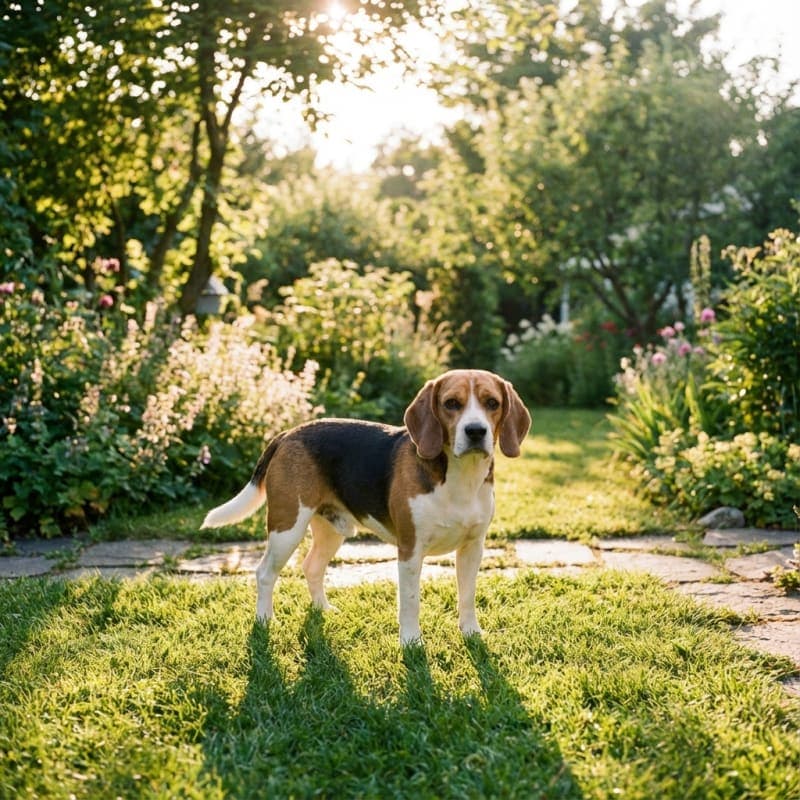
The appearance of the Basset is another aspect that deserves attention. Its long, drooping ears and large, expressive eyes with a diamond shape give it a gentle and somewhat melancholic expression. Although the Basset's ears are exceptionally cute, they require regular care to avoid ear infections. The short and smooth coat of this breed is easy to maintain, which will surely please owners who value simplicity in grooming. The Basset Hound comes in various colorations, most commonly in a tricolor combination of black, white, and tan.
The Basset Hound is a dog that surprises with its intelligence and adaptability. It can adjust to different living conditions, whether in urban apartments or rural properties. Its moderate energy level makes it suitable for both active individuals and those who prefer tranquility. Nevertheless, this breed has a strong hunting instinct and may be inclined to follow interesting scents, which requires proper supervision during walks.
In summary, the Basset Hound is a breed that has much to offer. Its friendliness, endurance, extraordinary sense of smell, and adaptability make it an ideal choice for many families. We invite you to explore further sections of our guide, where you will discover more about the health, grooming, activity, training, nutrition, history, appearance, and behavior of the Basset Hound.
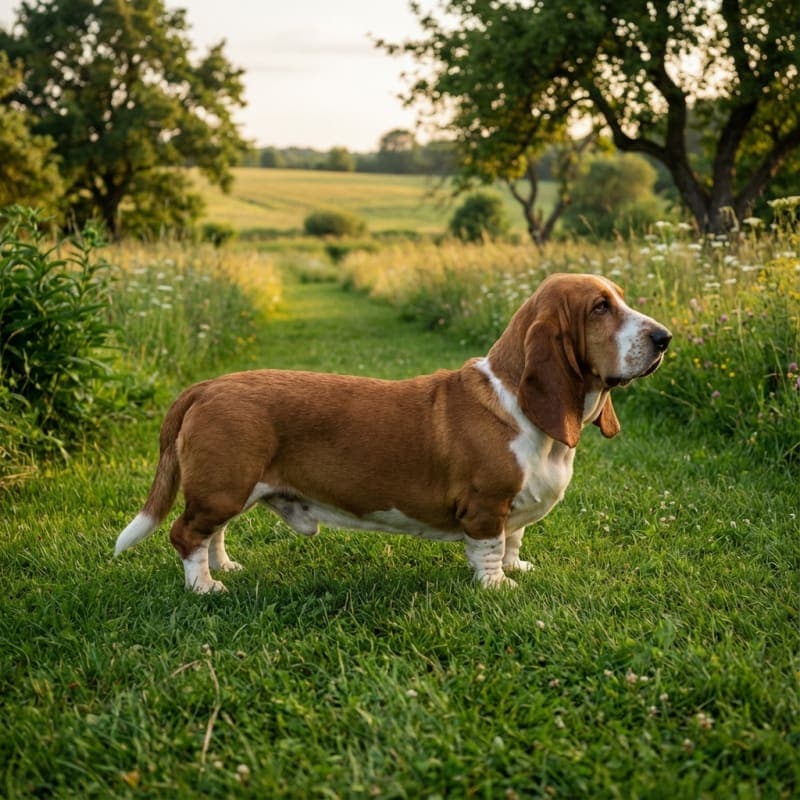
Basset Hound is a dog breed with an extremely distinctive appearance, which stands out among other breeds due to its unique silhouette. Its most important features are a short but massive build, long ears that extend beyond the tip of the nose, and expressive, diamond-shaped eyes.
Proportions and dimensions: The height of a Basset Hound at the withers ranges from 33 to 38 cm, and its weight oscillates between 20 and 30 kg. Despite its small stature, the Basset is a dog of considerable body mass and strong construction. The body is long and deep, with a strong chest, which provides the dog with excellent endurance during hunting and long hikes.
Head and expression: The head is massive and impressive, with a distinct occipital bump and a moderately pronounced stop. The eyes have a characteristic diamond shape and are dark, giving the dog a gentle, somewhat melancholic expression. The skin on the head is loose and may form delicate wrinkles around the eyebrows and eyes, especially when the dog lowers its head or looks down.
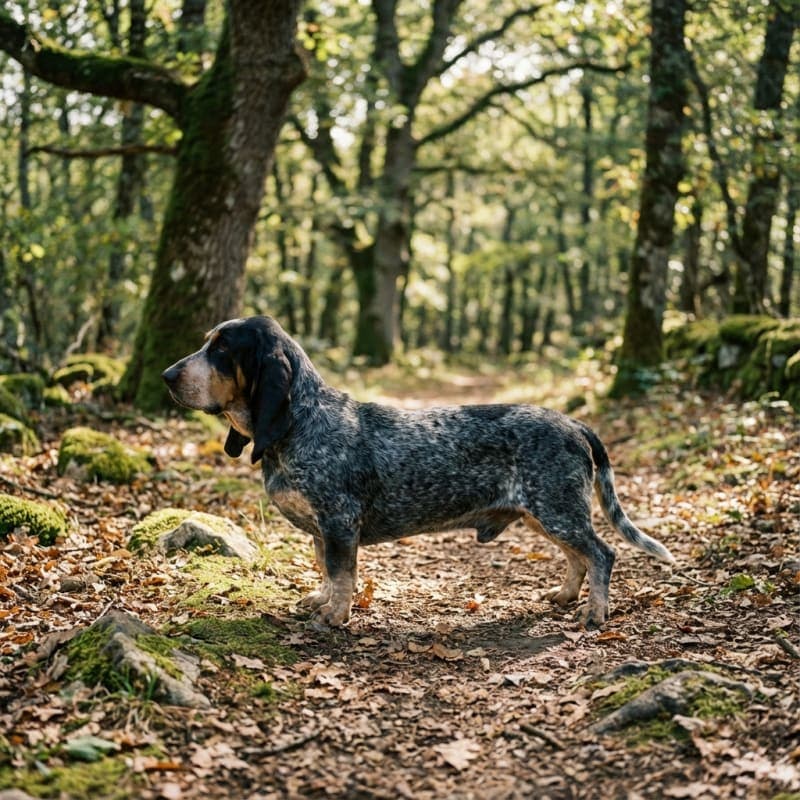
Ears: The ears of the Basset Hound are one of the most recognizable features of this breed – they are long, soft, velvety to the touch, and set low. They hang freely along the cheeks, extending well beyond the tip of the nose. Their structure makes them particularly susceptible to infections, so they require regular grooming.
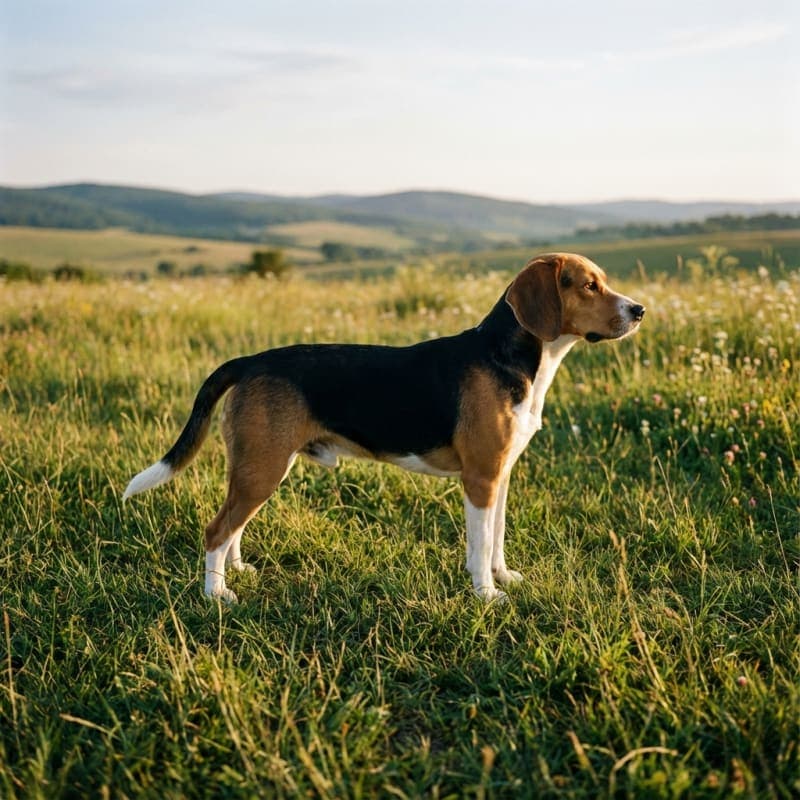
Coat and coloration: The dog's skin is loose and elastic, covered with short, smooth fur that lies close to the body. The coat comes in various colorations, most commonly in a tricolor combination of black, white, and tan, although other color combinations are also possible. The coat does not require excessive grooming, but regular brushing is recommended, especially during shedding periods.
Build and movement: The Basset Hound has strong, short limbs that are widely spaced, making it easier for it to move confidently over difficult and uneven terrain. The front limbs may show slight curvature. The movement of the Basset Hound is smooth and free, and its gait should be strong, stable, and graceful. The tail is long, strong, carried high during movement, tapering towards the end.
Its appearance is not only visually appealing but also functional, perfectly suited to its original purpose as a tracking dog, capable of working in dense underbrush and on challenging terrain.
Basset Hounds are known for their gentle, calm, and balanced temperament, making them excellent companions for families with children and other pets. Their behavior is friendly and sociable, and this breed rarely shows aggression or shyness. Basset Hounds are extremely affectionate and strongly attached to their owners, making them ideal family dogs that adapt well to home life.
Intelligence and training: This breed is characterized by moderate intelligence; Basset Hounds can learn many commands and cues, but their independent nature and natural stubbornness can sometimes hinder the training process. Owners should be consistent in training and use positive reinforcement methods, such as rewards and praise, to achieve the best results. Patience is key to success when working with this breed.
Hunting instinct: Basset Hounds possess a strong hunting instinct and an exceptional sense of smell, which means they are natural trackers. They may be prone to following interesting scents, which can lead to escapes or wandering if not properly controlled or secured in a fenced area. It is advisable to keep them on a leash during walks to prevent situations where the dog gets lost in pursuit of a trail.
Socialization: Despite their hunting instinct, Basset Hounds are generally friendly towards other dogs and animals, especially if they have grown up with other pets from a young age. Their calm nature and pack instinct make them feel comfortable in a group. This breed is well-suited for apartment living but requires regular walks and appropriate mental stimulation to avoid boredom.
Sensitivity and adaptation: It is also worth noting that Basset Hounds are quite sensitive to changes in their environment and routine, and may need time to adjust. Their deep, melodic voice means they can be quite loud—especially when tracking or communicating—which should be considered if you plan to keep a Basset Hound in close proximity or in an apartment.
Overall, Basset Hounds are wonderful, gentle, and devoted dogs that bring joy, love, and tranquility to their families. Their placid nature and friendly character make them ideal companions for people of all ages.
Basset Hound, despite its charming appearance and gentle nature, has its specific health challenges. The average lifespan of this breed is between 10 to 12 years, which is typical for dogs of this size and build. Owners should be aware of potential health issues to provide the best care for their pet.
Ear problems: Due to their long, drooping ears that restrict airflow, Basset Hound is particularly prone to ear infections and otitis externa. Regular checking, cleaning, and keeping the ears clean and dry is crucial to prevent these issues.
Skin diseases: This breed can suffer from dermatological conditions such as Malassezia dermatitis, allergic skin reactions, and infections in skin folds that require regular grooming and monitoring.
Eye problems: Basset Hounds may be susceptible to eye diseases, including glaucoma, eye infections related to drooping eyelids (ectropion and entropion), and conjunctivitis. Drooping eyelids can cause irritation and require regular veterinary attention.
Spinal issues: Due to their long body and short legs, Basset Hounds may have spinal problems, including intervertebral disc disease (IVDD). This breed is particularly vulnerable to spinal injuries, especially if overweight or engaging in excessive jumping and activities that strain the back.
Tendency to obesity: Basset Hounds have a natural tendency to gain weight, which can lead to serious health issues such as back pain, joint problems, and heart diseases. Therefore, it is important for owners to monitor their diet and provide regular, moderate physical activity to keep them in good condition.
Sensitivity to temperature: It is also important to pay attention to the surrounding temperature, as Basset Hounds are sensitive to extreme weather conditions – both heat and cold. Owners should avoid long walks during the hottest hours of the day and provide the dog with a suitable, warm place to rest on cooler days.
Regular veterinary care: Regular veterinary visits, vaccinations, deworming, and flea and tick prevention are crucial for maintaining the health of a Basset Hound and preventing potential diseases. Early detection of health problems significantly increases the chances of effective treatment.
Grooming a Basset Hound is not particularly complicated, but it requires some regularity and attention to the specific needs of this breed, especially regarding ears and skin folds.
Coat care: The Basset Hound's coat is short, smooth, and close to the body, which means it does not require frequent brushing – once a week is sufficient to remove dead hair and keep the coat in good condition and shiny. During shedding, which usually occurs twice a year (in spring and autumn), it is advisable to increase the brushing frequency to several times a week or even daily to help the dog get rid of excess hair and minimize its accumulation in the home.
Ears care: Special attention should be paid to the Basset Hound's ears, which are long and drooping; they require regular checking (preferably several times a week) for potential infections, wax buildup, redness, or unpleasant odors. Owners should ensure that the ears are clean and dry, regularly wiping them with special ear cleaning solutions recommended by a veterinarian to avoid inflammation and ear infections.
Eyes care: The Basset Hound's eyes also need regular attention, as drooping eyelids can cause irritation, dryness, or excessive tearing. The area around the eyes should be regularly wiped with a damp gauze or special eye hygiene wipes to remove discharge and prevent infections.
Skin folds care: Loose skin and folds, especially around the head and neck, should be regularly checked and gently cleaned to prevent the accumulation of dirt, moisture, and bacteria that can lead to skin infections.
Nail trimming: It is also important to regularly check and trim the nails (usually once a month) to prevent them from becoming too long, which could lead to discomfort while walking, posture problems, or even injuries.
Bathing: Basset Hounds do not require many baths; they should be bathed as needed, for example, when they get dirty, start to smell unpleasant, or every 2-3 months. Too frequent bathing can lead to dry skin and dermatological issues. Mild shampoos specifically designed for dogs should be used.
Oral hygiene: Regular tooth brushing (several times a week) and checking the condition of the mouth helps prevent tartar buildup, periodontal disease, and bad breath.
Keeping a Basset Hound clean and healthy depends on regular, systematic grooming, which contributes to its overall well-being, comfort, and long life.
Basset Hound, despite its short stature, heavy build, and apparent laziness, requires a moderate but regular amount of physical activity to maintain health, proper weight, and well-being. This breed was originally bred for long-lasting hunting in difficult terrain, which means it has natural endurance and a tendency to explore and seek out scents.
Daily walks: Basset Hound owners should provide them with regular walks that should last at least 30-60 minutes a day, preferably divided into two or three shorter sessions. Walks should be conducted at a moderate pace, allowing the dog to sniff and explore the surroundings, which is a natural and satisfying activity for them.
Stimulating the sense of smell: Additionally, Basset Hounds particularly enjoy activities that stimulate their exceptional sense of smell, such as tracking, games of searching for hidden treats (nosework), scent trails, or other forms of nose work. These types of activities provide not only physical but also mental exhaustion, which is crucial for the dog's well-being.
Spine protection: It is important not to force a Basset Hound into excessive physical exertion, long runs, jumps, or intense activities on uneven terrain, as this can strain its long spine and short legs. It is advisable to avoid stairs (especially going down, which is more taxing), high jumps (e.g., onto or off furniture), and long, strenuous runs that can be tiring and lead to spinal injuries.
Energy level: This breed is known for its moderate energy level, so some days may be less active, and the dog may happily spend time napping. However, it still requires regular stimulation to avoid boredom, which can lead to destructive behavior, excessive barking, or behavioral problems.
Play and activity: Owners should remember that Basset Hounds are dogs that enjoy spending time outdoors, exploring new areas and tracking interesting scents, but they also do well in calm, home environments as lazy companions. Ideal activities include gentle walks combined with the opportunity for free sniffing and exploration of a safe, fenced area.
Preventing obesity: The right combination of regular, moderate physical and mental activity along with a controlled diet is absolutely key to keeping a Basset Hound in good condition and preventing obesity, which is one of the main health issues for this breed.
Training a Basset Hound can be challenging and requires the owner to have patience, consistency, and an understanding of the specifics of this breed. Basset Hounds are characterized by their independent nature and can show stubbornness, which sometimes complicates the training process.
Intelligence and independence: Owners should be aware that Basset Hounds are intelligent dogs that can quickly learn new commands and rules, but due to their independence and strong hunting instinct, they may also exhibit selective obedience or resistance to commands, especially when distracted by interesting scents.
Early training initiation: It is crucial to start training and socialization as early as possible, from puppy age, using positive reinforcement methods such as treats, rewards for good behavior, play, and praise. Basset Hounds respond well to positive reinforcement but do poorly with harsh training methods or punishment.
Short and regular sessions: Training should be conducted in short (5-10 minutes), but regular and frequent sessions to maintain the dog's attention and avoid boredom. Basset Hounds tend to lose interest quickly in monotonous exercises, so it is beneficial to introduce variety and fun elements.
Consistency and boundaries: It is important to establish clear rules and boundaries from the beginning to prevent the Basset Hound from developing bad habits, such as begging for food, jumping on people, or ignoring commands. Owners should be consistent in their commands and not allow selective obedience. The whole family should apply the same rules and commands.
Building trust: As trust and a bond develop between the dog and the owner, training will become more enjoyable, effective, and satisfying for both parties. Basset Hounds are sensitive to tone of voice and need a positive, supportive approach.
Socialization and group training: This breed responds well to group training and activities with other dogs, which can help develop social skills, improve interactions with other dogs, and learn obedience in the presence of distractions. It is also worth investing in professional training for basic obedience, which will help manage the behaviors of the Basset Hound in various situations.
Leash training and recall: Due to their strong tracking instinct, it is extremely important to teach the Basset Hound to walk on a loose leash and have a reliable recall (command Here or Come) to prevent situations where the dog might get lost while chasing a scent.
The key to success in training a Basset Hound is to create a positive, supportive, and consistent environment that encourages learning, builds trust, and takes into account the natural independence and instincts of this charming breed.
Basset Hound is a dog that has a clear tendency to gain weight and obesity, making appropriate, controlled nutrition a key element of its health and longevity. Obesity in Basset Hounds can lead to serious health problems, including spinal issues, joint diseases, heart diseases, and diabetes.
Balanced diet: The diet of a Basset Hound should be well-balanced, rich in high-quality animal protein and appropriate, healthy fats to provide energy for daily activities and maintain healthy muscle mass and condition. It is best to use high-quality food (dry or wet) that meets all nutritional requirements recommended by veterinarians and is tailored to the dog's size, age, activity level, and health status.
Avoiding harmful ingredients: Owners should avoid foods containing excess grains, fillers, artificial additives, colorings, and preservatives that can lead to obesity, allergies, and other health problems. Foods with well-identified protein sources as the first ingredient should be chosen.
Feeding frequency: Typically, an adult Basset Hound should be fed twice a day (morning and evening) to prevent overeating and reduce the risk of stomach bloating. The portion should be carefully measured and adjusted according to its activity level, current weight, age, and individual metabolic needs. Portion recommendations can be found on the food packaging, but they should be treated as a starting point and adjusted based on the dog's condition.
Weight control: It is also important to avoid giving the Basset Hound table scraps, fatty snacks, and excess treats, as many foods that are safe for humans (e.g., chocolate, onions, grapes, avocados) can be harmful or even toxic to dogs. Training treats should not make up more than 10% of the daily caloric intake.
Regular weighing: Regularly weighing the dog (preferably once a month) will allow for monitoring its body weight and quickly adjusting the diet if necessary. Owners should regularly assess the dog's body condition – ribs should be felt under a thin layer of fat, and the waist should be visible from above.
Access to water: In addition to a steady, controlled diet, it is important for the Basset Hound to have constant access to fresh, clean drinking water, especially after meals, walks, and on warm days.
Monitoring appetite: Owners should also pay attention to changes in appetite, sudden weight loss or gain, as well as digestive issues (vomiting, diarrhea), as these may be signs of health problems requiring veterinary consultation.
Special diets: For older dogs, those with health issues, or allergies, it may be necessary to implement a specialized veterinary diet tailored to their individual needs.
A balanced diet, regular controlled feeding, appropriate portions, avoiding excess treats, and regular exercise are absolutely crucial for the health, well-being, and longevity of the Basset Hound.
Characteristic Traits
Pros
- Calm and gentle temperament
- Exceptional tracking skills and outstanding sense of smell
- Friendly with children and other animals
- Easy-to-maintain coat
- Excellent companion for families
- Low level of aggression.
Cons
- Requires regular ear care due to infections
- Strong tendency towards overweight and obesity
- May be stubborn and difficult to train
- Loud voice can disturb neighbors
- Prone to spine problems.
Behavioral Ratings
Breed History
The history of Basset Hound dates back to the Middle Ages when this breed was created by French Benedictine monks at the Saint-Hubert monastery in the Ardennes for hunting small game, particularly rabbits and hares, in dense forests and difficult, brushy terrain. Their low build and short legs allowed the dogs to move under thick bushes and track game, keeping their scent close to the ground thanks to their exceptional sense of smell.
Development in France: Over the centuries, the breed underwent many changes and improvements. The Basset Hound is closely related to the entire family of French basset breeds (basset in French means low), including Basset Artésien Normand, Basset Bleu de Gascogne, and Basset Fauve de Bretagne, but its final development and refinement mainly took place in Great Britain.
Popularity in Great Britain: In the 19th century, around the 1860s and 1870s, the first Basset Hounds were brought to Great Britain, where they quickly gained popularity among British hunters and the aristocracy, who appreciated their excellent sense of smell, perseverance, and ability to track in difficult terrain. During this period, the breed was intensively bred to produce larger, stronger, and more impressive individuals with more pronounced features.
Crossbreeding with Bloodhound: As a result of selective breeding and crossbreeding with the Bloodhound (the dog of St. Hubert), the Basset Hound acquired its characteristic, recognizable traits, such as a massive head, longer and droopier ears, a distinctive body structure, loose skin, and an even stronger sense of smell. This crossbreeding significantly influenced the appearance and abilities of the modern Basset Hound.
From hunter to companion: Despite its original purpose as a hunting dog specializing in tracking, the Basset Hound gradually became more of a companion and family dog. Its gentle, calm temperament and charming appearance contributed to its popularity as a household pet.
Popularity in the 20th century: In the 20th century, the breed gained immense popularity, especially in the United States, where the Basset Hound became a pop culture icon, appearing in advertisements, movies, and television shows. One of the most recognizable representatives of the breed was the advertising dog for Hush Puppies.
Recognition by kennel organizations: The Basset Hound was officially recognized by The Kennel Club (UK) in 1883 and by the American Kennel Club (AKC) in 1885. The breed is also recognized by the Fédération Cynologique Internationale (FCI) and classified in Group 6 (scent hounds and related breeds), Section 1.3 (small scent hounds).
Modern times: Today, the Basset Hound is one of the most recognizable and popular dog breeds in the world, enjoying great appreciation among dog lovers. Its history and evolution show how this breed has adapted to the changing lifestyles of people while maintaining its unique traits, outstanding sense of smell, and gentle, friendly nature, making it an excellent companion for families.