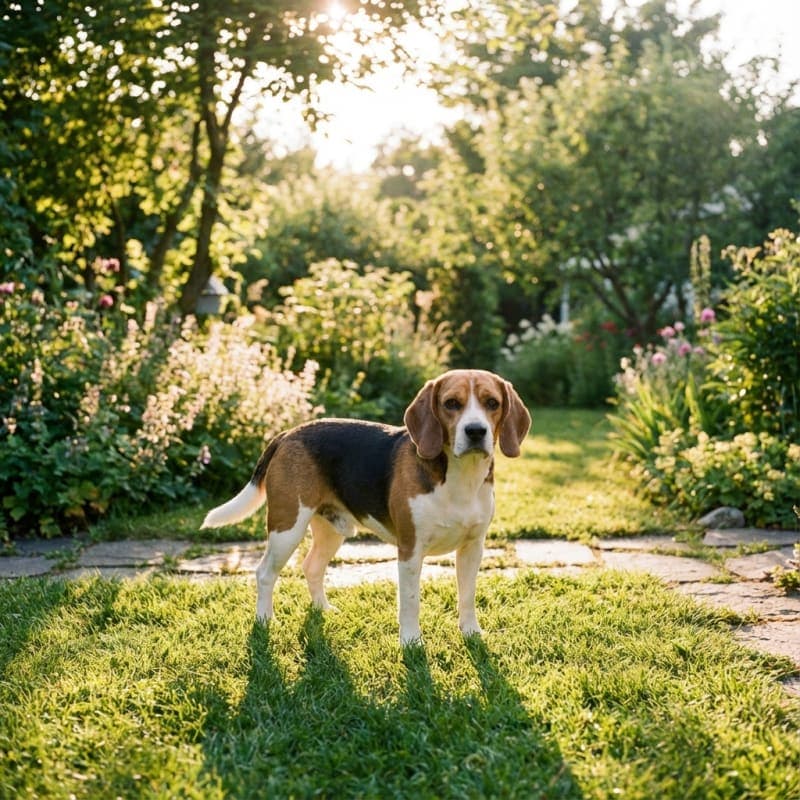
Beagle
FCI Group
6• FCI 161
Size
Medium
Origin Country
GB
Height
33-40 cm
Weight
9-11 kg
Lifespan
12-15 years
Temperament
Overview
Beagle is a highly popular breed of dog that has gained recognition worldwide for its cheerful disposition and exceptional energy. Their origins trace back to Great Britain, where they have served for centuries as hunting dogs, specializing in tracking rabbits and other small animals. Beagles are distinguished by their compact build and short, dense coat, which makes them resilient to various weather conditions, making them excellent for both hunting and as family pets.
These medium-sized dogs reach a height at the withers of 33 to 40 cm, making them ideal for living both in apartments and in the countryside. Their distinctive features include long, drooping ears that add to their charm, as well as expressive eyes full of intelligence and curiosity. Their short but strong neck is perfectly adapted for tracking, which is one of their greatest hunting assets.
Beagles are dogs that love the company of people and other animals, making them excellent companions for families with children. Their sociable nature makes them joyful and full of enthusiasm, adding energy to any home. The balanced temperament of beagles means they are neither aggressive nor fearful – they are ideal family dogs. Although they are intelligent and quick-witted, they can exhibit a certain stubbornness characteristic of this breed. Therefore, their training requires patience and consistency, but the end result is worth it.
One cannot forget their strong hunting instinct, which requires an appropriate amount of physical and mental activity. Beagles are known for their excellent sense of smell, making them ideal for work in rescue services or as detection dogs. Despite their hunting roots, they excel as companion dogs – provided they are given the right amount of exercise and mental stimulation.
Their sensitivity to prolonged periods of being alone can lead to behavioral issues, such as excessive barking or destruction of objects. Therefore, it is crucial to provide them with companionship as well as proper training and socialization from a young age. Beagles are dogs for active individuals who can dedicate time to their upbringing and daily care. This breed is perfect for families who value a cheerful, energetic, and devoted companion.
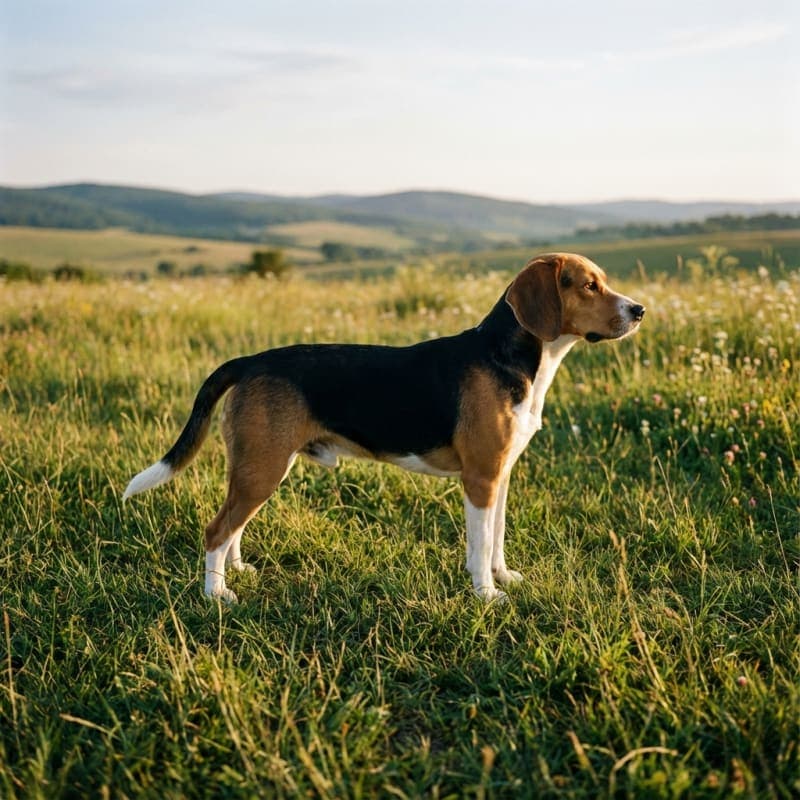
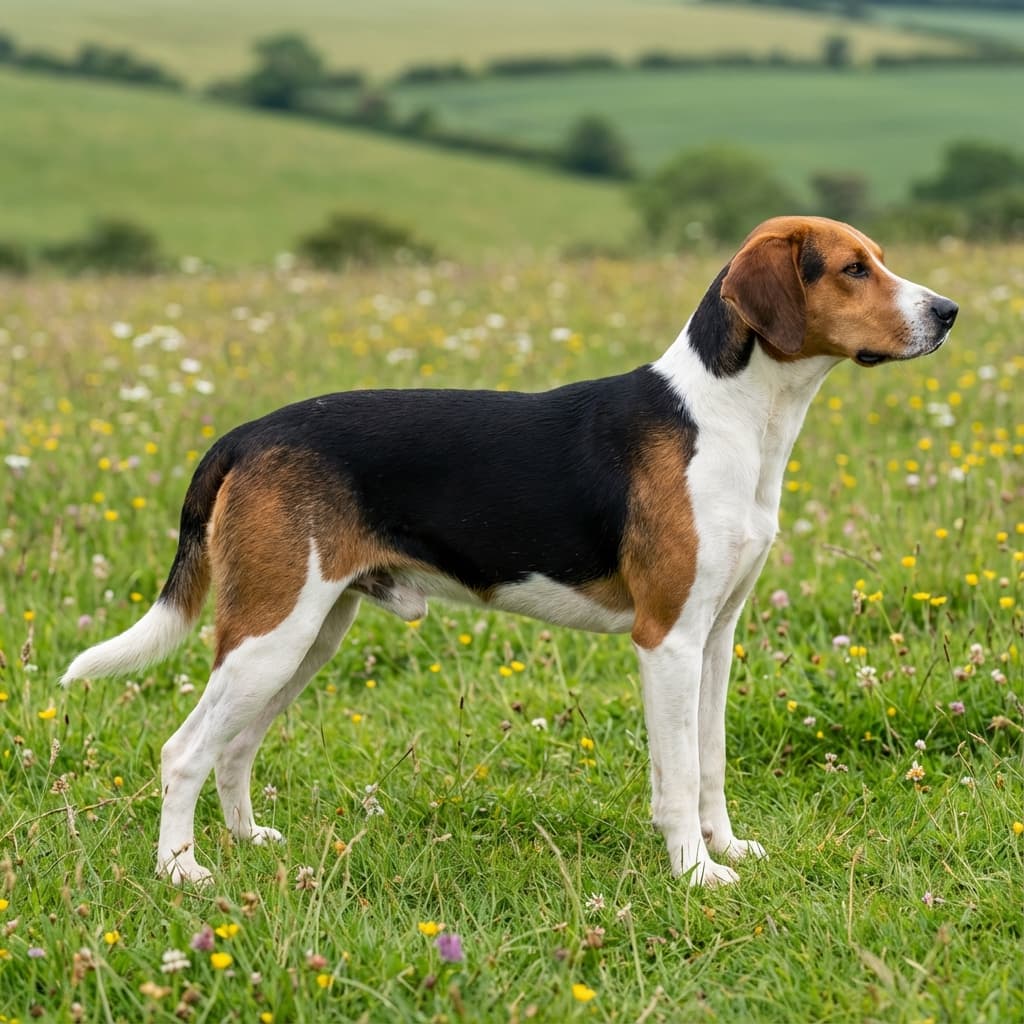
The Beagle is a breed of dog with a strong, compact body structure, characterized by medium size. The height at the withers ranges from 33 to 40 cm, while the weight typically varies from 9 to 11 kg, depending on the size of the individual. Beagles have a short, dense coat that comes in a variety of colors, including:
- Tricolor (black, tan, and white)
- Lemon
- Red with white
- Solid white
Their coat is perfectly adapted to various weather conditions, making them dogs that tolerate changing weather well and enjoy spending time outdoors.
Beagles have a medium-length head with a slightly rounded skull, a wide nose, and large, gentle eyes that give them an extremely friendly appearance. Their ears are long, drooping, and rounded at the tips, set low, which adds to their charm and makes them easily recognizable at first glance. The Beagle's neck is long enough to allow for free tracking, and the body is well-built, with a straight and level back and a deep chest that provides adequate lung capacity during prolonged hunts.
The Beagle's tail is of medium length, carried cheerfully and high, but is never curled or arched over the back. Their limbs are strong and well-muscled, allowing for free movement, running, and agile maneuvering during tracking. The entire silhouette of the Beagle exudes energy and athleticism, while also displaying compactness and harmonious proportions.
Beagles are dogs with a cheerful and friendly disposition, making them excellent companions for families. Their temperament is balanced – they are brave, energetic, and determined, which makes them great playmates for both children and adults. Beagles are very social dogs that love the company of people and other animals, making them ideal family pets.
Their natural curiosity makes them very open to new experiences and eager to explore their surroundings. Beagles are also intelligent dogs, which makes them relatively easy to train – however, they may exhibit a certain characteristic stubbornness, so it is important to use positive reinforcement methods in training, such as rewards and praise.
Their hunting instinct can lead to a strong tendency to escape, especially when they catch an interesting scent. For this reason, it is important to keep them on a leash in areas where they may encounter other animals or intense smells that could confuse them. Beagles are also known to be sensitive and can easily get bored, which can lead to behavioral problems such as:
- Excessive barking
- Destruction of household items
- Howling and whining due to loneliness
- Digging in the garden
Therefore, it is extremely important to provide them with the right amount of physical and mental activity to keep them happy and balanced. Regular walks, playtime, and interactive toys will help meet their needs and prevent undesirable behaviors. Beagles are dogs that thrive in an active, loving environment, where they have constant contact with family members.
The Beagle is a breed of dog that enjoys relatively good health, but like any other breed, it can be prone to certain health issues. Among the most common health problems in Beagles are obesity, which results from their tendency to eat and lack of adequate physical activity. Obesity can lead to serious health consequences, including:
- Heart disease
- Type II diabetes
- Joint and spine problems
- Breathing difficulties
Another health issue that Beagles are particularly susceptible to is ear diseases. Their long, drooping ears promote the accumulation of moisture and dirt, which can lead to bacterial and fungal infections. Regular ear cleaning and veterinary check-ups can help prevent these problems and detect inflammatory conditions early.
Beagles can also suffer from vision problems, such as cataracts, retinal atrophy, or von Willebrand's disease, which is an inherited blood disorder affecting clotting. It is important to regularly visit the veterinarian to monitor the dog's health and detect any potential issues at an early stage.
Moreover, proper diet, regular physical activity, and attention to hygiene can significantly impact the health and longevity of Beagles. It is also recommended to conduct annual preventive examinations, vaccinations, and regular dental check-ups to ensure the dog has the best quality of life. With proper care, Beagles can live from 12 to 15 years, enjoying good health and vitality.
Beagles have short, dense coats that are relatively easy to maintain. Their coat does not require much attention, but regular brushing is recommended – at least once or twice a week – to remove dead hair and reduce the amount of fur that falls in the house. During the shedding period, which typically occurs twice a year (in spring and autumn), beagles may lose significantly more fur, so it is advisable to increase the brushing frequency to daily.
It is also important to regularly check their ears to avoid infections – due to their long, drooping structure, beagle ears are prone to moisture and bacteria accumulation. It is recommended to clean their ears once a week using special veterinary products. Additionally, care should be taken of their nails, which should be trimmed every few weeks to prevent discomfort and mobility issues.
For beagles that spend a lot of time outdoors, regular baths are also recommended – once a month or as needed – to remove dirt and unpleasant odors. It is advisable to use gentle shampoos designed for dogs to avoid irritating their skin and disrupting the natural protective layer of their coat.
Overall, grooming a beagle is relatively simple, and their short coat makes them dogs that tolerate various weather conditions well. However, it is crucial to ensure they have proper oral hygiene – brushing their teeth several times a week will prevent tartar buildup and periodontal disease. Regular veterinary visits will also help monitor their health and prevent potential issues.
Beagle is a breed of dog that requires regular physical activity to maintain health and well-being. Their natural energy and strong hunting instinct mean they need daily walks and play to expend their energy. Beagles should receive at least 60 minutes of activity per day, which can include:
- Long walks in varied terrain
- Running in a safe, enclosed area
- Playing in the garden with fetch
- Interactive scent games and tracking
It is important not only to meet their physical needs but also to stimulate their minds, for example through various interactive toys that require thinking and problem-solving. Beagles are very curious and enjoy exploring their surroundings, which makes them suitable for a variety of walking routes to discover new scents and places.
It is also beneficial to introduce variety in activities to avoid boredom, which can lead to behavioral problems. Participation in dog sports, such as agility, nose work, or obedience, can also be considered, as they perfectly utilize the natural talents of beagles.
Beagles that do not get enough exercise can become hyperactive and destructive, which can lead to undesirable behaviors such as excessive barking, destroying household items, or attempts to escape. Therefore, providing them with the right amount of exercise and mental stimulation is crucial for their health, happiness, and harmonious coexistence with the family.
Beagles are intelligent dogs that quickly learn new commands and tricks, but they can also be quite stubborn. Therefore, it is extremely important to start training from a young age and use positive reinforcement methods, such as treats, praise, and play. Beagles respond best to training that is interesting and engaging, so it's worth introducing a variety of exercises to keep their attention and motivation.
It is also important to remember that beagles have a strong hunting instinct, which can lead to distractions from commands, especially during walks when they catch an interesting scent. Therefore, it is crucial to teach them basic commands, such as:
- Sit – a basic obedience command
- Stay – maintaining a position for a longer time
- Come or Here – recall in the field
- Leave it – giving up an interesting object
Training should be regular and consistent so that beagles can learn what is expected of them. Short but frequent training sessions (10-15 minutes several times a day) yield better results than long, exhausting exercises.
Socialization is also key – beagles should be taken on walks to places where they can meet other dogs and people, giving them the opportunity to learn social behaviors and develop confidence in various situations. Early socialization prevents fear and aggression towards strangers.
Training is not only a way to learn commands but also a great opportunity to build a bond between the dog and its owner, which is extremely important for harmonious coexistence. Well-trained and socialized beagles become excellent family companions, full of joy and ready to cooperate.
The beagle diet should be balanced and tailored to their age, weight, and activity level. Beagles have a tendency to obesity, so it is extremely important to control the amount of food given and avoid overfeeding. It is best to choose high-quality foods that contain:
- An appropriate amount of animal protein (25-30%)
- Healthy fats (10-15%)
- Fiber to support digestion
- Vitamins and minerals for overall health
It is also important for beagles to have constant access to fresh water, especially after physical exertion or on hot days. The amount of food should be adjusted to the dog's weight – typically, beagles need about 1-1.5 cups of dry food daily, divided into two meals.
It is advisable to avoid giving table scraps, as many human foods are harmful to dogs, including chocolate, onions, garlic, grapes, and avocados. Remember that beagles are true foodies and can be very persuasive when asking for food, so it is important to be consistent and not give in to their requests.
Regular meals served at consistent times and weight monitoring will help maintain the health of the beagle. It is recommended to weigh the dog monthly and adjust food portions as needed. Additionally, it may be worth considering dietary supplements that can support joint health (glucosamine, chondroitin) and the overall condition of the dog, especially in older individuals.
It is also advisable to consult with a veterinarian regarding the diet to ensure it meets all of the dog's nutritional needs and is appropriately tailored to their individual health requirements. With the right diet, beagles can enjoy a long, healthy life full of energy and joy.
Characteristic Traits
Pros
- Friendly and gentle disposition
- High intelligence and ease of learning
- Cheerful and energetic temperament
- Excellent for families with children
- Versatile possibilities for use.
Cons
- Strong hunting instinct and tendency to escape
- Require a lot of exercise and stimulation
- Can be stubborn in training
- Prone to obesity
- Loud barking and howling.
Behavioral Ratings
Breed History
The history of the beagle breed dates back hundreds of years, with its roots deeply embedded in England. It is believed that beagles were developed from the smallest foxhounds, which were used for hunting with foot hunters, particularly when tracking hares. Beagles were already popular in the times of Henry VIII and Elizabeth I, where various varieties of this breed existed, including rough-coated beagles, which were so small that they could fit in the pocket of a hunting jacket – hence the name pocket beagles.
Over the years, this breed has evolved, and beagles gradually became larger, although occasionally individuals referred to as pocket beagles still appear in litters. Beagles were primarily used for hare hunting, and their excellent sense of smell and strong tracking instinct made them indispensable companions for hunters working in groups or packs.
In the 19th century, this breed gained immense popularity, especially in Great Britain and the United States. In 1885, the first beagle was registered with the American Kennel Club (AKC), marking the official recognition of the breed in America. Since then, beagles have become one of the most popular breeds in the United States, and their friendly disposition, intelligence, and versatility make them a favored choice as companion dogs.
Today, beagles are used not only in hunting but also in various fields, such as:
- Detection of drugs and explosives at airports
- Therapeutic and emotional support dogs
- Dog sports, including agility and nose work
- Scientific research (due to their gentle temperament)
This demonstrates their versatility, skills, and adaptability, which have made beagles one of the most recognizable and valued breeds worldwide. Modern beagles are family dogs that combine historical hunting abilities with a friendly, joyful character ideal for family life.