Harrier
FCI Group
6• FCI 295
Size
Medium
Origin Country
GB
Height
48-55 cm
Weight
20-30 kg
Lifespan
10-15 years
Temperament
Overview
The Harrier is a fascinating breed of hound originating from Great Britain, which has attracted the attention of active lifestyle enthusiasts for centuries. This medium-sized hunting dog is distinguished by its incredible tracking instinct and exceptional endurance in the field. Although it physically resembles its larger cousin – the Foxhound, the Harrier is more elegant, lighter, and significantly more refined in build.
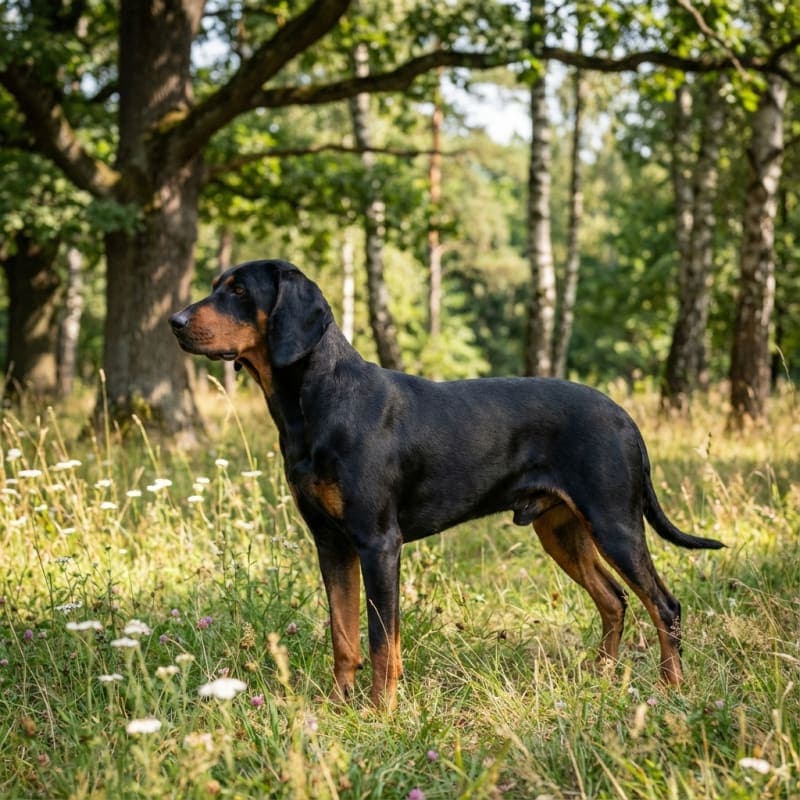
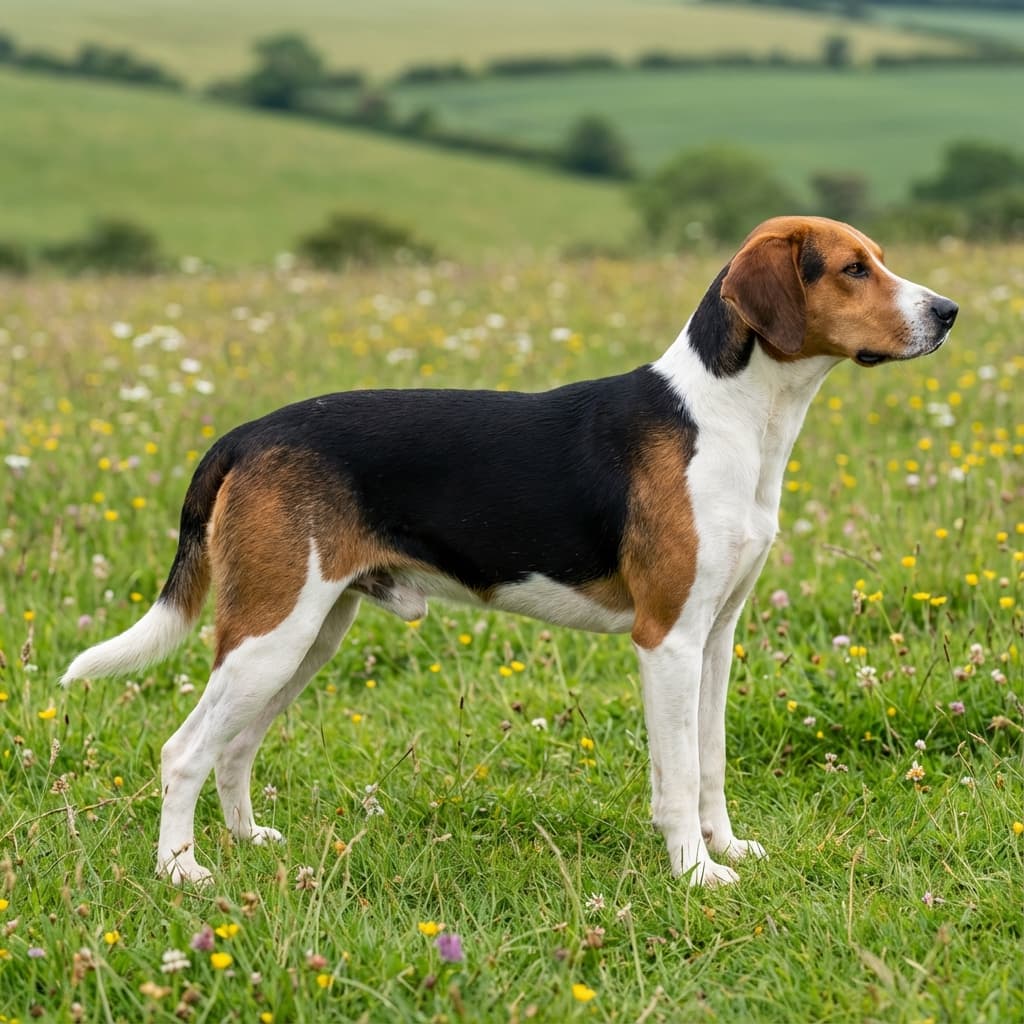
The Harrier's build is the perfect combination of strength and lightness. Its expressive head with a long, noble muzzle and well-developed black nose immediately catches the eye. Dark, expressive medium-sized eyes and characteristic V-shaped ears, slightly tilted and short, give it an extraordinarily intelligent expression. The entire body is perfectly muscled – a straight back, slightly arched loin, and deep chest attest to its athletic condition. The tail carried high, with distinctive longer hair at the end resembling ears of grain, adds extra charm to the breed.
The Harrier's coat is short, smooth, and typically English – usually white with striking black or orange patches. This coloration not only looks beautiful but also has practical significance during hunts, making it easier to spot the dog in the field.
The Harrier's character is as impressive as its appearance. It is a dog with a strong personality that requires regular physical activity and mental stimulation to maintain its mental balance. This breed is not suitable for people leading a sedentary lifestyle – the Harrier needs an owner who is just as active and energetic as it is.
If you are considering bringing a Harrier into your family, prepare for a dog that will be your faithful companion during long hikes, jogging, or other outdoor activities. In this guide, you will find detailed information about health, grooming, training requirements, nutrition, and the rich history of this wonderful breed. The Harrier is not just a dog – it is an adventure companion that will surely change your life!
The Harrier is a medium-sized dog with a harmonious, strong yet light build, which gives an impression of strength combined with elegance. The height at the withers ranges from 48 to 55 cm, with the most desirable height being 48-50 cm. This breed is noticeably less massive than the Foxhound but retains all the advantages of a hunting dog.
The head is extremely expressive and moderately large. The skull is flat, with a slightly pronounced occipital bump. The muzzle is quite long, rather tapering towards the end than square, which gives the dog a noble appearance. The nose is black, well-developed, ideal for tracking. The lips cover the lower jaw well.
The eyes are always dark, never bulging, of medium size, not too round – full of intelligence and liveliness. The ears are V-shaped, almost flat, slightly twisted, relatively short, and set rather high.
The neck is long and free, though well connected to the shoulders, slightly arched at the top. The body presents excellent hunting condition: the back is straight and muscular, the loins are strong and slightly arched. The chest is more developed in depth than width, with ribs rather flat than overly rounded. The underline and belly should not be too saggy or too tucked up.
The tail is of medium length, with slightly longer and thicker hair at the end resembling ears of grain, carried proudly upwards.
The front limbs are straight and vertical, with sloping and well-muscled shoulders. The front paws are neither too compact nor too round. The hind limbs are strong with well-muscled thighs. The hind paws are well compacted.
The coat is smooth, not too short, of English type. The coloration is usually based on white with black or orange patches, although all colors typical for hounds are acceptable.
The Harrier is a dog with a particularly sociable and friendly disposition, which feels great both in the company of people and other dogs. This trait stems from its centuries-old history as a hunting dog working in a pack – cooperation with other dogs is simply in its nature.
It is characterized by high energy and liveliness, making it an ideal companion for active families. It is loyal to its owners and eagerly participates in all family activities. Its open character allows it to easily adapt to various life situations, from living in the countryside to residing in the city – as long as it is provided with adequate exercise.
However, the strong hunting instinct can present certain challenges. The Harrier has a natural tendency to track and chase small animals – whether it spots a rabbit or a cat during a walk, its hunting instinct will immediately kick in. For this reason, early socialization and consistent training are absolutely essential.
In contact with children, Harriers are usually patient and gentle, making them excellent family dogs. However, they need regular mental stimulation – boredom can lead to undesirable behaviors such as excessive barking or destructive chewing of things.
Harriers are also known for their independence – although they are obedient, they can sometimes show a bit of stubbornness, especially when their nose picks up an interesting scent. This requires the owner to have patience and consistency in handling the dog.
An important feature of this breed is also its loudness – Harriers have a distinctive, loud bark and howl, which in the past helped hunters locate dogs during hunts. In home conditions, this should be taken into account, especially when living in densely populated areas.
The Harrier is generally a very healthy and resilient breed that enjoys good condition for most of its life. The average lifespan of a Harrier is 10-12 years. Through centuries of natural selection and working in difficult conditions, the breed has developed a strong body and a good immune system.
However, like any breed, Harriers can be prone to certain conditions that owners should be aware of:
- Hip dysplasia – a developmental disorder of the hip joint that can lead to lameness and arthritis. Regular orthopedic check-ups, maintaining an appropriate weight, and moderate physical activity help minimize the risk.
- Ear diseases – due to their characteristic drooping ears, Harriers may be prone to bacterial and fungal infections. Regular cleaning and checking of the ears is crucial.
- Overweight – this breed loves to eat, and with insufficient activity, they can quickly gain weight, which puts strain on their joints and circulatory system.
- Injuries during activity – due to their liveliness and chasing instinct, Harriers can suffer injuries while running in the field.
Health prevention is extremely important. Regular visits to the veterinarian (at least once a year), up-to-date vaccinations, systematic deworming, and the use of flea and tick treatments are essential. It is also advisable to conduct periodic blood tests, especially in older dogs.
A proper diet and adequate exercise play a key role in maintaining the health of a Harrier. Regular, moderate physical activity is better than occasional, intense efforts that can lead to injuries.
With proper veterinary care and attention to physical condition, a Harrier can enjoy a long, healthy, and active life alongside its owner.
The Harrier is a breed that does not require complicated or time-consuming grooming, which is an additional advantage for busy owners. Its short, smooth coat is easy to maintain, but regular grooming is essential for the dog's health and well-being.
Brushing: It is sufficient to brush the Harrier 1-2 times a week using a rubber brush or grooming glove. This helps remove dead hair, stimulates blood circulation in the skin, and gives the coat a healthy shine. During heavy shedding periods (spring and autumn), it is advisable to increase the brushing frequency to 3-4 times a week.
Bathing: Harriers do not require frequent baths – usually, it is enough to bath them once every 2-3 months or as needed when the dog gets dirty. Washing too often can dry out the skin and strip the coat of its natural protective oils. Use gentle shampoos designed for dogs.
Ears: This is the most important aspect of grooming a Harrier! The droopy ears are prone to moisture, dirt, and bacteria buildup, which can lead to infections. You should check the ears at least once a week and clean them with a gentle ear cleaning solution for dogs. If you notice an unpleasant odor, redness, or excessive rubbing of the ears by the dog – contact a veterinarian.
Teeth: Regular tooth brushing (ideally 2-3 times a week, at least once a week) prevents tartar buildup and periodontal diseases. Use dog toothpaste and a soft toothbrush.
Nails: They should be trimmed once every 3-4 weeks or as needed. If you hear the nails clicking on the floor while the dog is walking – it means they are too long. This can be done yourself with dog nail clippers or entrusted to a groomer/veterinarian.
Skin check: While brushing, it is worth checking the skin for ticks, fleas, wounds, lumps, or other abnormalities. Early detection of a problem makes treatment easier.
An advantage of grooming the Harrier is also the opportunity to build a bond with your dog – regular grooming sessions can become a pleasant ritual for both of you!
Harrier is a breed with very high exercise needs, which stems from its long history as a hunting dog. A Harrier owner must be an active person who can provide the dog with the appropriate amount of physical exertion and mental stimulation.
Minimum requirements: A Harrier needs at least 90-120 minutes of intense activity daily. This cannot be a leisurely walk in the park – it’s about real effort: running, hiking, playing with other dogs, or training.
Types of activities ideal for a Harrier:
- Running with the owner – Harrier is an excellent companion for runners, easily covering 5-10 km;
- Mountain hiking – they will love long trips on trails where they can track and explore;
- Canicross – running with the dog in a harness is a great way for joint training;
- Agility – an obstacle course perfectly engages both body and mind;
- Frisbee and retrieving – dynamic games involving throwing a disc or ball;
- Playing with other dogs – Harriers love the company of other canines and often release their energy best during playtime together;
- Mantrailing – tracking exercises that utilize their natural hunting instinct.
Consequences of lack of exercise: Insufficient activity can lead to serious behavioral problems, such as:
- Excessive barking and howling;
- Destruction of furniture and chewing on objects;
- Escaping and wandering in search of adventures;
- Hyperactivity and difficulty concentrating;
- Depression and apathy.
Important notes: Young puppies (up to 12 months old) should not be subjected to excessive exertion due to developing bones and joints. Activity should be tailored to their age. Also, on hot days, it’s best to avoid intense exercise in the middle of the day – it’s better to exercise in the morning or evening.
Remember: a tired Harrier is a happy Harrier! If you cannot provide this breed with the appropriate amount of exercise, it’s better to consider a calmer breed. A Harrier needs an owner who loves an active lifestyle just as much as they do.
The Harrier is a smart dog that easily learns new skills, but its independent nature and strong hunting instinct can pose challenges during training. Success in training requires patience, consistency, and an understanding of the specific characteristics of the hound breed from the owner.
Early socialization (from 8 weeks of age): This is absolutely essential! Harrier puppies should be exposed to a variety of stimuli – sounds, scents, people, animals, environments. A well-socialized Harrier will be confident and balanced in various situations.
Positive training methods: Harriers respond best to training based on positive reinforcement – rewarding desired behaviors with treats, verbal praise, and play. Punishments and aggressive methods are ineffective and can damage the bond with the dog and cause fear.
Key commands to learn:
- Recall – the most important command for a dog with a strong chasing instinct. The Harrier must learn to return when called, even when its nose picks up an interesting scent;
- Stay – helps control the dog's impulsiveness;
- Sit and lie down – basic commands that facilitate daily functioning;
- Leave it – an important safety command that can prevent the dog from eating something dangerous.
Challenges in training a Harrier:
- Distraction – the Harrier's nose can completely absorb it, ignoring the owner's commands. Recall training must be particularly intensive;
- Independence – the Harrier is a working dog that has become accustomed to making its own decisions while tracking. It may sometimes show stubbornness;
- Selective deafness – when it picks up a scent, it may completely ignore commands. This requires systematic training and a lot of patience.
Recommended training forms:
- Mantrailing and nosework – utilizing natural tracking abilities in a controlled manner;
- Obedience courses – help in learning basic commands and control;
- Agility – combines physical effort with mental stimulation, teaching concentration;
- Group classes – a great opportunity for socialization with other dogs.
Golden rules for training a Harrier:
- Short, regular sessions (10-15 minutes) are better than long, exhausting ones;
- Consistency – all household members must follow the same rules;
- Patience – a Harrier may need more repetitions than other breeds;
- Variety – monotony bores a Harrier, introduce new exercises and challenges;
- Never let a Harrier off-leash in an unconfined area until you are 100% sure it will return when called.
Remember: a well-trained Harrier is a joy, but it requires time and effort. Don't be discouraged by initial difficulties – consistent training will yield results!
Proper nutrition is the foundation of health and condition for the Harrier. Due to their high level of physical activity, dogs of this breed have an increased energy requirement that must be properly balanced to avoid both malnutrition and obesity.
Basic nutrition principles:
- High-quality food – choose premium or super-premium foods with a high meat content (at least 60-70%). Meat should be the first ingredient, not grains or fillers;
- Protein – an adult, active Harrier needs food with a protein content of 25-30%. Protein supports muscle development and regeneration;
- Fats – a source of energy for active dogs. The fat content should be around 15-20%;
- Carbohydrates – provide energy but should come from good sources (sweet potatoes, brown rice, vegetables), not from wheat or corn, which can cause allergies.
Meal frequency and portions:
- Adult Harrier (over 12 months old): 2 meals a day – in the morning and evening. Dividing the daily portion reduces the risk of gastric torsion;
- Puppies (up to 6 months): 3-4 meals a day;
- Adolescents (6-12 months): 3 meals a day.
The exact amount of food depends on the dog's weight, age, and activity level. For example, an adult Harrier weighing 25 kg and highly active may need about 400-500 grams of dry food per day, divided into two meals. Always check the manufacturer's recommendations and consult with a veterinarian.
Weight control: Harriers love to eat and can be very persuasive in begging for extra treats. Overweight is a serious problem that burdens the joints and cardiovascular system. You should be able to feel the dog's ribs under a thin layer of fat, and the dog should have a visible waist when viewed from above.
Snacks and treats: They can make up a maximum of 10% of the daily caloric intake. Avoid sweet, salty, and fatty treats. The best options are:
- Raw vegetables (carrots, bell peppers, cucumbers);
- Fruit pieces (apple, banana – in small amounts);
- Dried meat without seasoning;
- Specialized low-calorie training treats.
Access to water: The Harrier must have constant access to fresh, clean water, especially after intense exercise. Regularly change the water in the bowl (at least twice a day).
BARF diet (raw feeding): Some owners choose to feed their Harrier raw meat, bones, and vegetables. If you choose this option, consult with a dog nutrition specialist or veterinarian to ensure the diet is properly balanced.
Toxic foods for dogs (NEVER feed!):
- Chocolate, cocoa;
- Onion, garlic, leek;
- Grapes, raisins;
- Avocado;
- Xylitol (sweetener);
- Alcohol, coffee, tea.
Special dietary needs: Older Harriers (over 8 years) may need senior food with lower calories and added ingredients to support joints (glucosamine, chondroitin). Dogs with health issues require a veterinary diet tailored to their condition.
Remember: what you feed your Harrier directly affects their health, condition, and lifespan. It is worth investing in high-quality food!
Characteristic Traits
Pros
- Exceptional durability
- Excellent sense of smell
- Friendly and sociable character
- Relatively easy maintenance
- Healthy and resilient breed.
Cons
- Very high exercise needs
- Strong hunting instinct
- Can be stubborn in training
- Noisy
- prone to howling and barking
- Not suitable for apartments without access to a garden.
Behavioral Ratings
Breed History
The Harrier is one of the oldest breeds of hounds in the British Isles, with roots dating back to the Middle Ages. The history of this breed is a fascinating tale of tradition, hunting passion, and aristocratic hunts that have endured for centuries.
Medieval beginnings (13th-14th century): The first mentions of dogs resembling the modern Harrier date back to the 13th century. The name Harrier most likely derives from the Old English word harier or harrier, meaning a hunting dog used for hunting hares (English: hare). In medieval England, the breed was used by the English nobility for hunting hares and foxes.
Harriers hunted in packs (groups of dogs), tracked game by scent, and chased it until it collapsed from exhaustion or was caught by hunters. This required the dogs to have incredible stamina, cooperation, and tracking ability – traits that are still present in the breed today.
Differences between social classes: Harriers were particularly popular among the lower nobility and wealthy bourgeoisie, while the aristocracy preferred larger and faster Foxhounds for fox hunting. Hunting with Harriers was more economically accessible and could be done on foot, without the need for horses, making it a more democratic sport.
Breed development (16th-18th century): During the Renaissance and Baroque periods, Harriers were already a well-established breed. Records from this time mention Sir Elias de Midhope, who was said to have maintained a pack of Harriers as early as 1260. However, it was not until the 18th century that breeding lines began to be systematically recorded.
The breed likely originated from the crossbreeding of various types of hounds, including Old English scent hounds, and possibly Greyhounds (for speed) and Foxhounds (for stamina). The goal was to create a medium-sized dog with an excellent sense of smell that could track game for hours.
Victorian era (19th century): During this period, the Harrier reached the peak of its popularity. There were many packs maintained by local hunting clubs and landowners. Hunting with Harriers was a social event attended by community members.
Official recognition (20th century): In 1974, the Harrier breed was officially recognized by the Fédération Cynologique Internationale (FCI), an international canine organization. The breed standard was published, which helped in its standardization and spread beyond Great Britain.
Harriers in modern times: Today, the Harrier is a relatively rare breed, especially compared to its popular cousin – the Beagle. In Great Britain, there are still packs of Harriers that participate in traditional mounted hunts (currently usually with an artificial scent, due to the ban on fox hunting introduced in 2004).
Outside of Great Britain, Harriers have gained some popularity in the United States, where they are valued as family dogs and companions for active individuals. However, the breed remains relatively unknown and does not enjoy mass popularity, which in some ways protects it from uncontrolled breeding and health issues typical of trendy breeds.
Heritage: The Harrier is a living legacy of British hunting tradition. It is a dog that has accompanied humans in the most demanding conditions for centuries, developing extraordinary stamina, intelligence, and loyalty. The modern Harrier has retained all these traits, making it a wonderful companion for those who value an active lifestyle and the authenticity of a breed with a rich history.