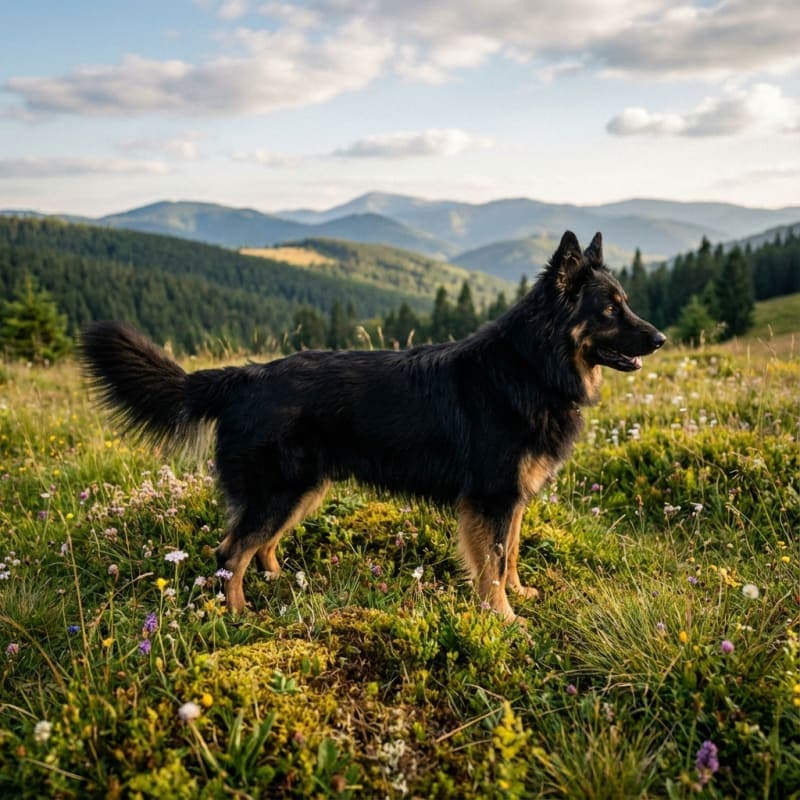
Chodský Dog
FCI Group
1• FCI 364
Size
Medium
Origin Country
CZ
Height
49-55 cm
Weight
18-25 kg
Lifespan
10-15 years
Temperament
Overview
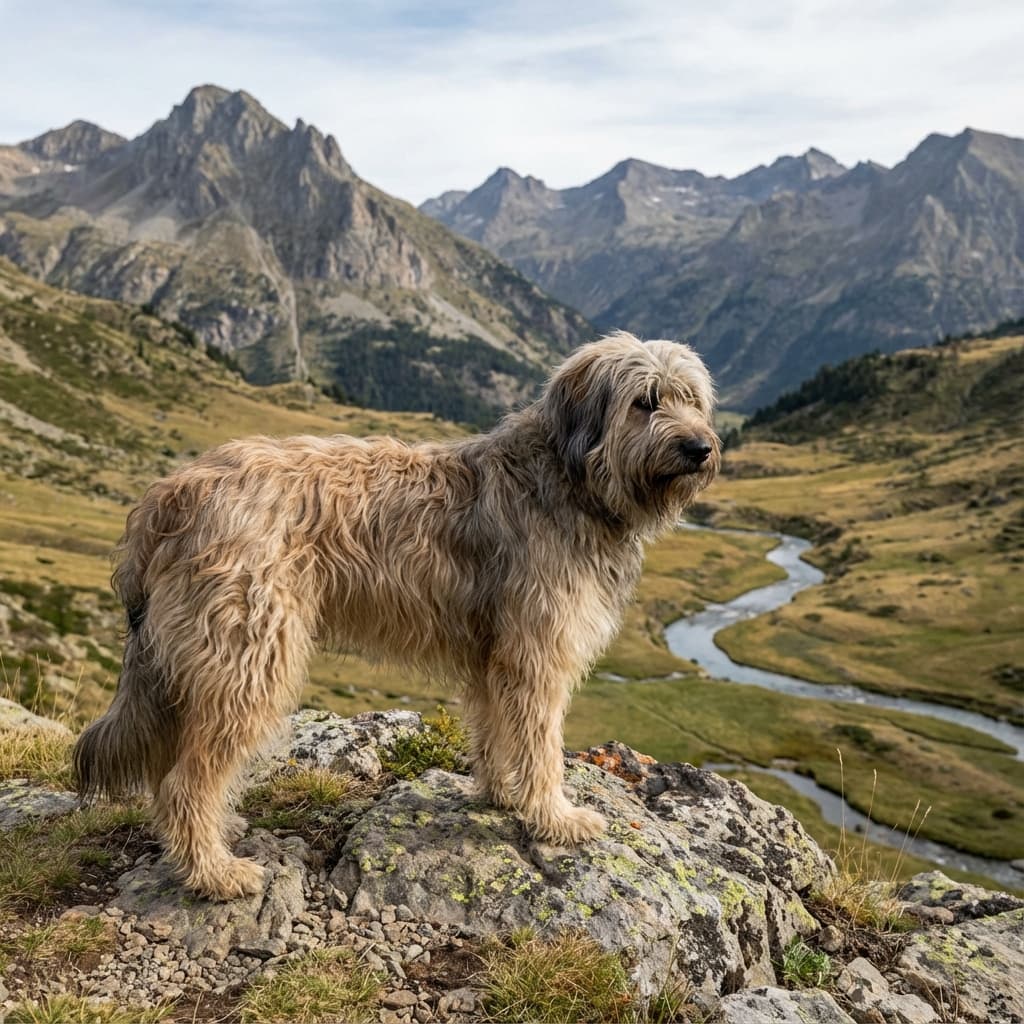
Chodský Pes, also known as the Czech shepherd, is a herding breed with an extraordinary history and versatile skills. It originates from the picturesque Chodsko region in the Czech Republic, where it has served for centuries as a faithful guardian of farms and watched over cattle herds in challenging mountainous terrains. This medium-sized breed is distinguished by its exceptional intelligence and balanced temperament, making it an ideal companion both at work and as a family dog.
A characteristic feature of the Chodský Pes is its rectangular body structure and long, dense coat in the typical black-and-tan coloration, which protects it from the harsh mountain climate. Its short, erect ears and almond-shaped dark eyes give it a vigilant and intelligent appearance. Chodský Pes thrives in dynamic families that value an active lifestyle and shared outdoor adventures. Regular physical activity and mental stimulation are key to its happiness and healthy development.
Thanks to its high intelligence and natural willingness to cooperate, Chodský Pes is extremely easy to train and responds well to positive training methods. Its obedience and versatility make it an ideal candidate for various sports disciplines, such as agility, obedience, or tracking. It is also worth emphasizing its exceptional sense of smell and natural herding instinct, which makes it suitable for work as a search or rescue dog. Its lively disposition combined with alertness makes it an excellent guardian of the home, ready to alert the family to any concerning situations.
The Chodský Pes is a dog with a deep need for close contact with its family. It is not suited for life in isolation or prolonged periods alone. It enjoys the company of people and other animals, making it an ideal companion in homes filled with warmth, joy, and children's laughter. Its presence in the home guarantees a safe atmosphere filled with love and devotion. Although it requires a lot of attention and regular activities, it reciprocates with boundless loyalty, attachment, and a willingness to cooperate. Discover more details about its health, grooming, exercise requirements, and fascinating history in the following chapters of our comprehensive breed guide.
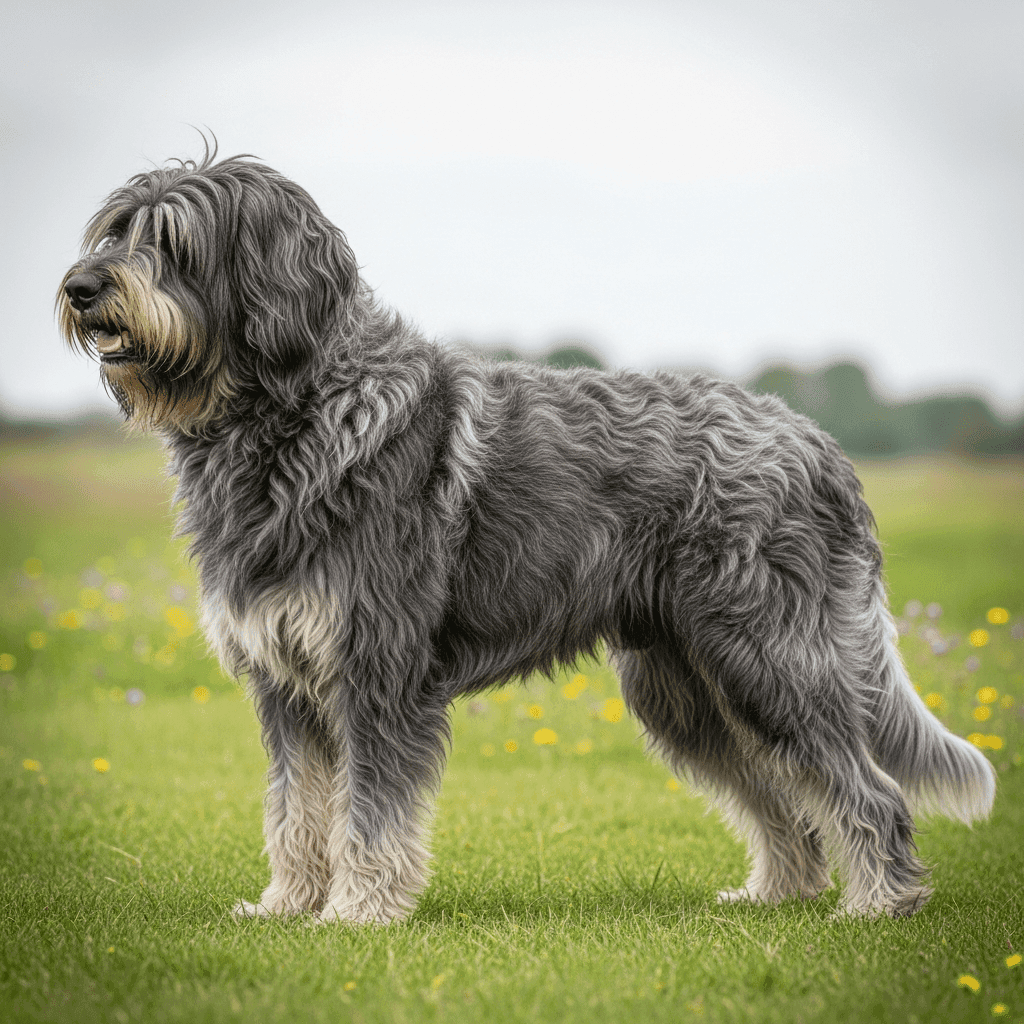
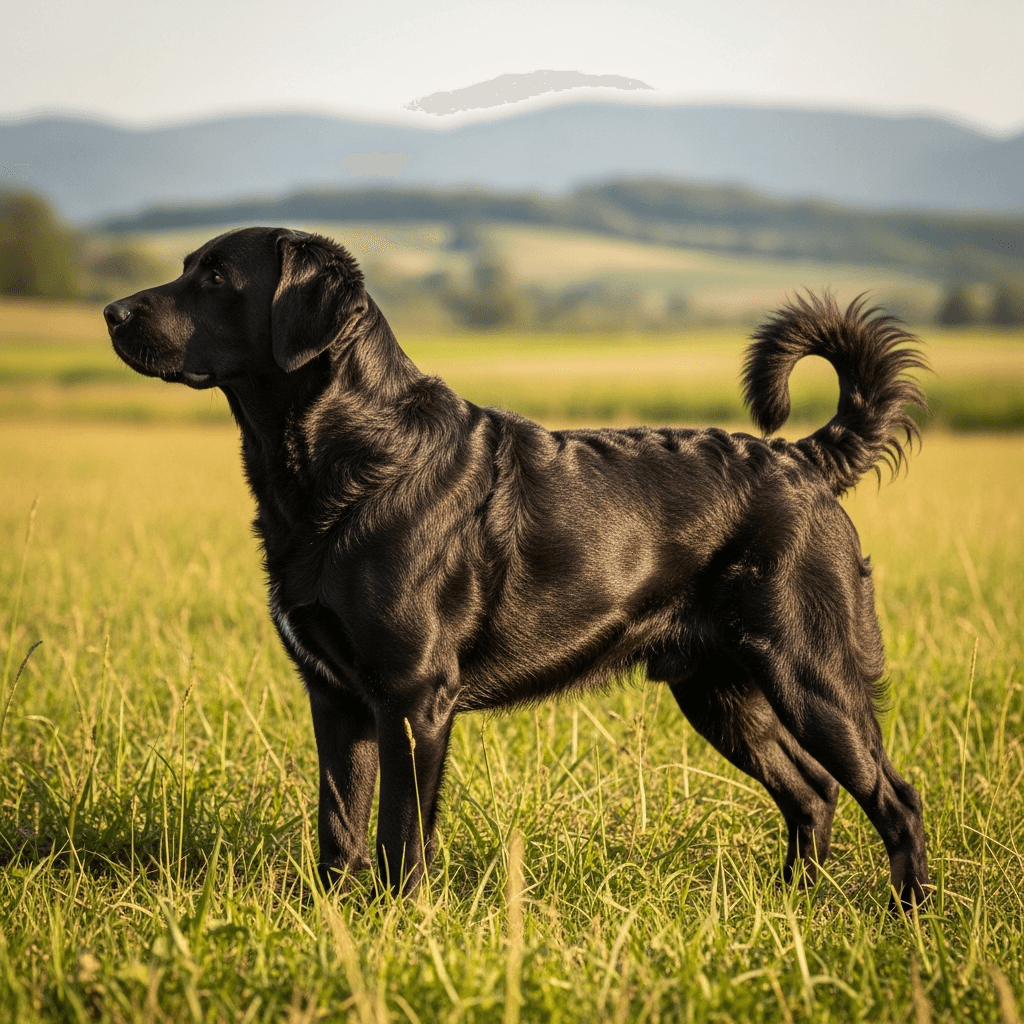
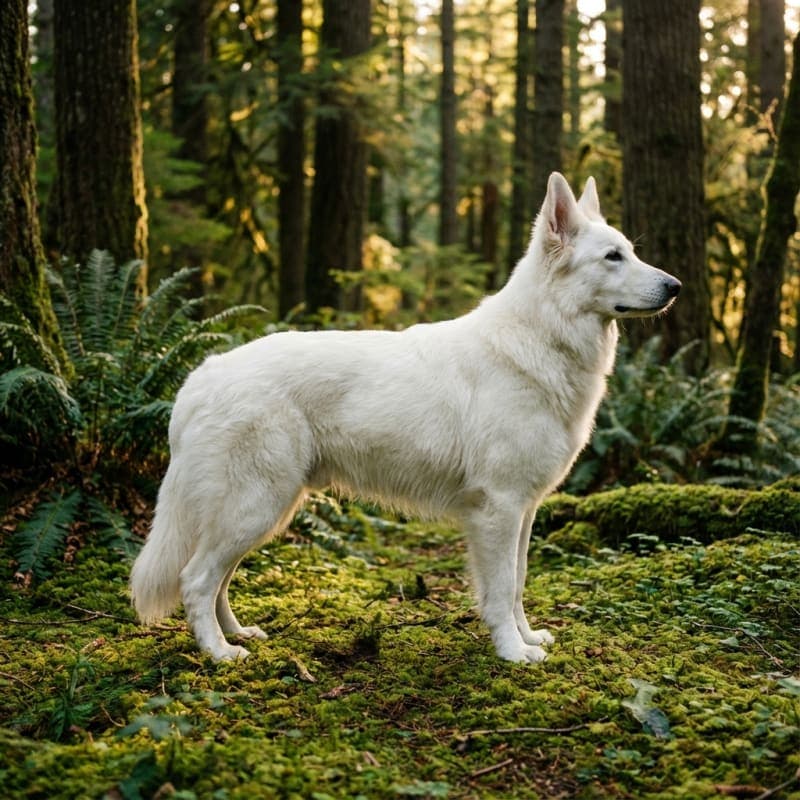
The Chodský Pes is a dog with a harmonious and strong body structure, belonging to the medium-sized dogs. Its rectangular, elongated body along with a high-set withers gives it an elegant yet strong posture. The characteristic long, dense coat is straight or slightly wavy, providing excellent protection against the adverse weather conditions typical of mountainous areas. The typical coloration is black and tan, with distinct tan markings above the eyes, on the muzzle, chest, and limbs.
The head of the Chodský Pes is proportional to the body, with a flat skull and a distinct stop. The eyes are almond-shaped and dark brown, giving the dog an intelligent and alert expression. The characteristic short ears are set quite high and held upright, emphasizing its readiness for action. The muzzle is strong, with a straight nasal bridge, and a black nose.
The limbs are strong and well-muscled, with correct joint angles, ensuring free, energetic, and harmonious movement. The front limbs are straight and parallel, while the hind limbs are strong with well-defined angles. The paws are compact, with an oval shape. The tail is set on the line of the back, carried naturally slightly lowered or in a slight arc when at rest, and during movement, it can be raised higher, adding a majestic appearance to the dog.
The Chodský Pes is a dog with a balanced and composed temperament, which is also characterized by high activity and alertness. Its natural obedience and strong motivation to cooperate make it an excellent family dog and a companion in work. This breed shows deep loyalty to its owner and the entire family, creating strong emotional bonds that translate into unwavering devotion.
It is exceptionally friendly towards children and patient in interactions with them, making it an ideal companion for families with young members. The Chodský Pes is also a vigilant and brave guardian, capable of assessing situations and responding appropriately to potential threats without displaying excessive aggression. Its high intelligence allows for quick learning of new commands and adaptation to various life situations.
This is a dog with significant social needs, requiring close contact with people and opportunities to interact with other animals. Isolation or prolonged periods of being left alone can lead to behavioral problems and frustration. Its lively yet controlled disposition and natural herding instinct make it an excellent companion both in everyday home life and during various outdoor activities. The Chodský Pes is a dog that needs to be part of family life and actively participate in its daily routine.
The Chodský Pes is a breed that generally enjoys very good health and longevity, which is a result of responsible breeding focused on maintaining a healthy gene pool. However, like most medium-sized breeds, it can be prone to certain conditions, awareness of which allows for early diagnosis and effective treatment.
The most common health issue that may occur in the breed is hip dysplasia (HD - Hip Dysplasia), which is a developmental disorder of the hip joint. Responsible breeders conduct X-ray examinations of the parents before breeding, which significantly minimizes the risk of this condition. It is also important to monitor elbow dysplasia (ED), which can affect the dog's mobility.
Regular veterinary check-ups, vaccinations, and prevention against internal and external parasites are crucial for keeping the Chodský Pes in excellent health. Due to its long, dense coat, it is also important to maintain skin hygiene to prevent skin infections, fungal issues, or problematic inflammations.
The dog's weight should be regularly monitored, as obesity can lead to a range of serious health problems, including joint strain, heart disease, or diabetes. Maintaining a proper body weight is achieved through a balanced diet and daily physical activity, which is essential for this energetic and active breed. Proper dental care through regular cleaning helps prevent periodontal disease.
Grooming a Chodsky Dog is an essential element of caring for its health, appearance, and well-being. Due to its characteristic long, dense double coat, regular brushing is absolutely crucial to prevent matting and remove dead hair, especially during shedding periods that occur twice a year (in spring and autumn).
It is recommended to brush at least 2-3 times a week using a brush with metal bristles and a comb with dense teeth. During intense shedding periods, brushing should be done daily to effectively remove the undercoat and prevent matting. Special attention should be paid to areas behind the ears, under the armpits, and on the back of the thighs, where the fur is most likely to tangle.
Baths should only be given when absolutely necessary (usually once every 2-3 months or when the dog gets dirty) to avoid damaging the skin's natural protective layer and stripping the coat of its natural oils. Use high-quality shampoos designed for dogs with long fur. After bathing, thoroughly dry the dog, preferably using a dryer on a cool setting.
Regular inspection and cleaning of ears (weekly) is essential to prevent bacterial or fungal infections. The condition of the teeth should also be checked regularly, and teeth should be brushed at least 2-3 times a week with a special toothbrush and toothpaste for dogs. Nails should be trimmed as needed (usually once a month) to ensure walking comfort and avoid posture problems. Monitor the condition of the paw pads, especially in winter after walks on salted sidewalks.
The Chodský Pes is a breed that is very active and energetic, requiring regular and varied physical activity to maintain excellent physical and mental condition. This herding breed was developed to work for many hours a day, so its need for movement is significant and should not be underestimated.
Daily walks are an absolute minimum - the dog requires at least 60-90 minutes of activity per day, divided into 2-3 sessions. Long walks in diverse terrain (forests, parks, meadows) are ideal, where the dog can run freely, sniff, and explore the surroundings. The Chodský Pes loves mountain hiking, jogging with its owner, and cycling (of course, after proper conditioning preparation).
This breed is perfect for canine sports, such as:
- Agility - an obstacle course that engages the dog physically and mentally
- Obedience - precise command execution enhances concentration
- Tracking - following scents utilizes natural instincts
- Herding - working with sheep satisfies herding instincts
- Flyball - a dynamic team sport
It is also worth providing the dog with mental stimulation through games that involve hiding treats, learning tricks, or dog puzzles. The Chodský Pes does well in the company of other dogs, making it an excellent companion for playtime at the dog park. However, it is important to remember that excess unused energy can lead to behavioral problems, such as excessive barking, furniture destruction, or undesirable behaviors. Therefore, regular, consistent activity is the foundation of a happy life for the Chodský Pes.
Training a Chodský Pes is relatively easy and enjoyable for both the dog and the owner, as this breed is characterized by high intelligence, a natural willingness to cooperate, and a strong motivation to learn. The Chodský Pes was bred as a working dog, which means it has an inherent instinct for obedience and a desire to please its handler.
It is crucial to start socialization and basic training from the earliest weeks of life, ideally from the 8th week. The puppy should gradually be introduced to various situations, people, other dogs, and environments, which will ensure it develops confidence and balanced behavior in adulthood. Puppy kindergarten is an excellent start to education.
Training should be based solely on positive training methods, using rewards (treats, toys, praise), which builds a strong bond between the dog and the owner and fosters enthusiasm for learning. Avoid physical punishment or yelling - the Chodský Pes is sensitive to tone of voice and responds well to a consistent but gentle approach. The basic commands that it should master are:
- Sit - basic control command
- Stay/Down - maintaining position
- Come/Here - recall
- Lie down - lying position
- Leave it - relinquishing an object
- Heel - walking at heel
The Chodský Pes quickly learns new commands and can remain focused during training, making it an ideal candidate for advanced training in various disciplines. It is worth engaging the dog in various forms of training activities, such as agility, obedience, tracking, or nosework, which allow for the development of its natural skills and effective channeling of energy. Regular training sessions (15-20 minutes daily) not only improve obedience but also provide essential mental stimulation and strengthen the bond with the dog.
A proper, balanced diet is crucial for the health, condition, and longevity of the Chodsky Dog. This breed, due to its high level of activity and energetic lifestyle, requires high-quality food that provides all the necessary nutrients in the right proportions.
It is important to feed the dog high-quality premium or super-premium food that is tailored to its age (puppy, adult, senior), weight, and level of physical activity. The food should contain:
- High-quality animal protein (minimum 25-30%) - from chicken, turkey, beef, fish
- Healthy fats (12-18%) - omega-3 and omega-6 for skin and coat
- Carbohydrates - rice, oats, potatoes as a source of energy
- Fiber - for proper digestion
- Vitamins and minerals - calcium, phosphorus, vitamins A, D, E
It is imperative to avoid giving the dog table scraps and products that may be harmful or toxic to its health, such as chocolate, onions, garlic, grapes, raisins, avocados, xylitol, alcohol, or caffeine-containing products. Many of these substances can cause serious poisoning and even threaten life.
Regular meals should be given at fixed times - for adult dogs, it is recommended to have 2 meals a day (morning and evening), which helps maintain stable blood sugar levels, a healthy weight, and proper digestion. Puppies require more frequent feeding (3-4 times a day until 6 months of age). Portion sizes should be adjusted to the dog's weight, age, and activity level - usually, manufacturers provide recommended doses on the food packaging.
It is essential to have constant access to fresh, clean water, which should be available at all times to ensure proper hydration, especially after intense physical activity. Regularly wash the bowl with water and food to prevent the growth of bacteria.
Characteristic Traits
Pros
- High intelligence and ease of training
- Deep loyalty and devotion to family
- Exceptional sense of smell and herding instinct
- Excellent guardian and companion for children
- Healthy breed with long longevity
- Versatility in canine sports.
Cons
- Requires a lot of exercise and daily activity
- Needs close contact with family
- Dense double coat requires regular grooming
- Not suitable for living in isolation
- May exhibit a strong herding instinct.
Behavioral Ratings
Breed History
The Chodský Pes has a fascinating and rich history that dates back deep into the past of the Czech Republic. This breed originates from the picturesque Chodsko region, located in the western part of the Czech Republic, on the border with Bavaria (Germany), where it has been used for centuries as a versatile herding dog and guardian of farms.
The first documented mentions of these dogs appear in Czech literature from the 19th century. The writer J.A. Gabriel, describing the Chodsko region in his work from 1864, mentioned the local population known by the nickname Dog-heads (Psogłowcy), because their banners featured the image of a typical herding dog with long fur around its neck - a faithful guardian of the homestead. It was these dogs that became a symbol of the region and its inhabitants.
Further significant mentions come from the works of Jindřich Šimon Baar (1923-1924), who described dogs from the Šumava region, calling them Chodský. He portrayed them as balanced, resilient, and extremely loyal animals, used for guarding, protecting farms, and gathering herds of cattle. The famous Czech writer Alois Jirásek also described long-haired herding dogs in his novel titled Dog-heads, illustrated by Mikoláš Alše, which further solidified the cultural significance of these dogs.
Although it cannot be definitively stated that these historical descriptions directly refer to today's Chodský Pes, they provide historical confirmation of the existence of a well-established type of herding dog with characteristic features in the Czech lands. In the 20th century, interest in the breed revived thanks to enthusiasts who began systematic breeding, aiming to recreate the traditional type of herding dog from the Chodsko region.
Official recognition by the Fédération Cynologique Internationale (FCI) occurred relatively recently - the breed standard was approved on February 20, 2019 and came into effect on May 7, 2019 (FCI standard no. 364). The Chodský Pes was classified into group 1 (Sheepdogs and Cattle Dogs), section 1 (Sheepdogs) with working trials. This international recognition helped to solidify the breed's position on the world stage, and responsible breeders strive to maintain its traditional appearance, temperament, and versatile working skills. Today, the Chodský Pes is valued not only as a working dog but primarily as a wonderful family companion, combining beauty, intelligence, and devotion.