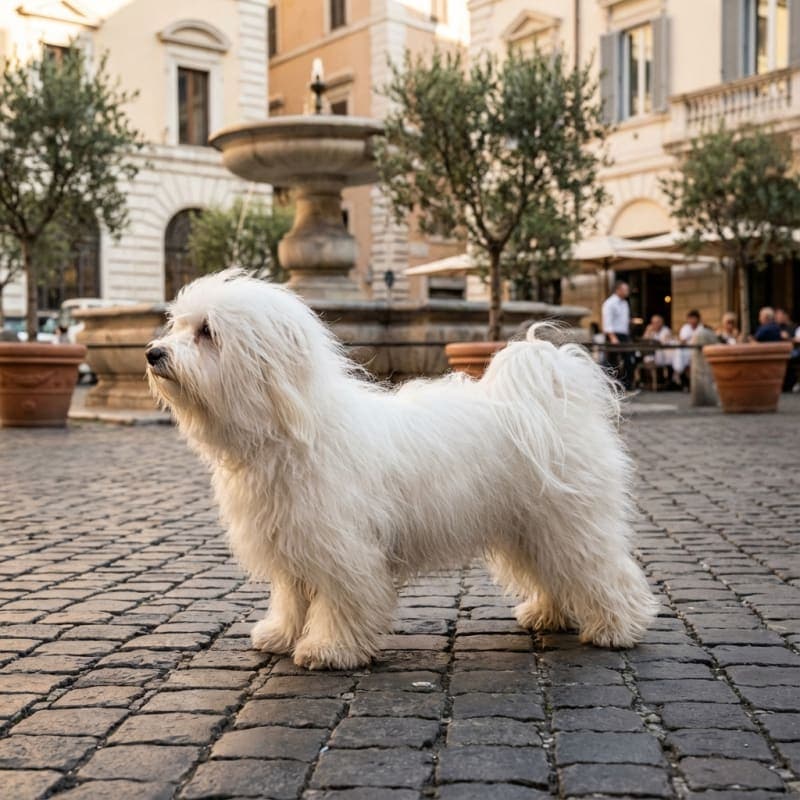
Bolognese
FCI Group
9• FCI 196
Size
Small
Origin Country
IT
Height
25-30 cm
Weight
2.5-4 kg
Lifespan
12-14 years
Temperament
Overview
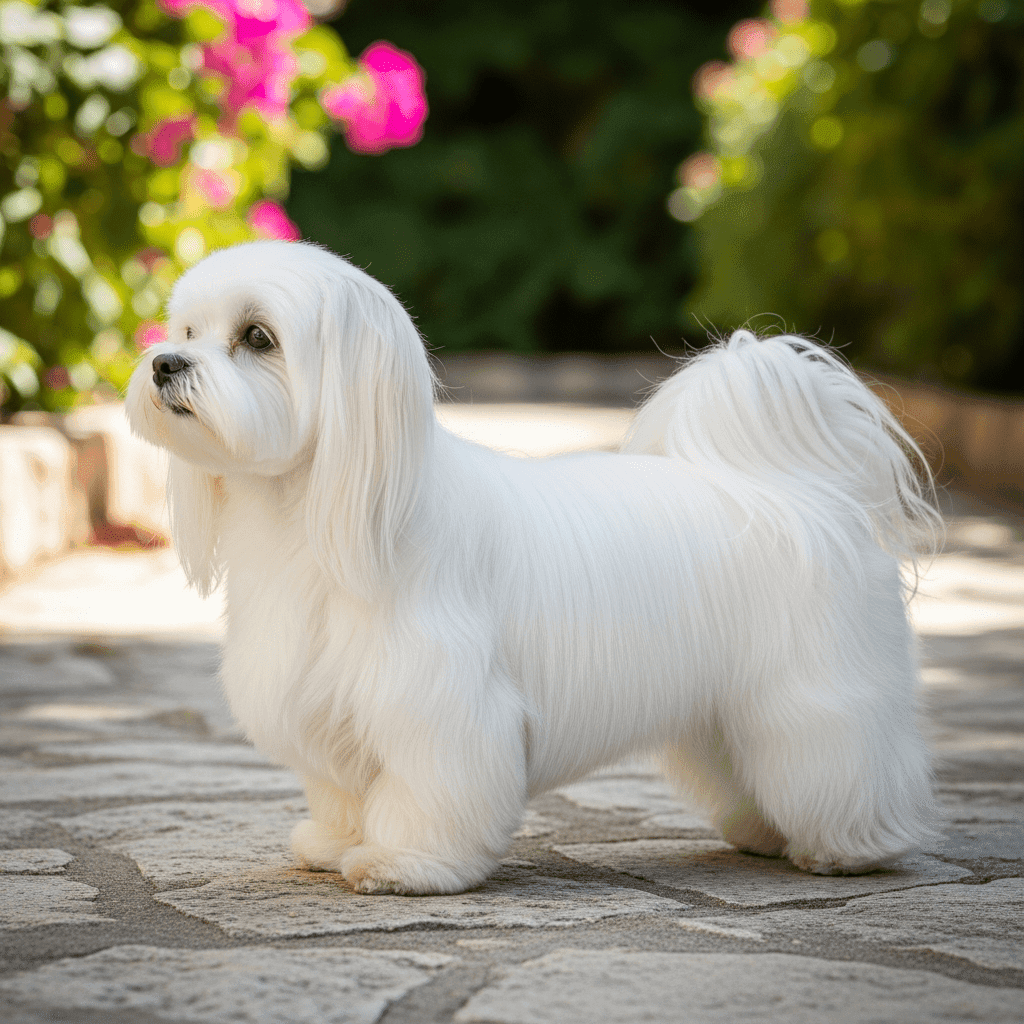
The Bolognese, also known as the Bichon Bolognese, is a dog breed that attracts attention with its extraordinary personality and charming appearance. These small, adorable dogs come from Italy, and their history dates back to the times of the Roman Empire. Anyone who gets to know a Bolognese will surely notice its boundless attachment to people and characteristic long, snow-white coat, which is the hallmark of this breed.
This beautiful, fluffy coat requires regular and careful grooming to maintain its health and natural shine. It is worth noting that Bolognese are a breed full of life energy, despite their seemingly calm temperament. They make excellent companions for families with children, seniors, and lonely individuals looking for a loyal friend for many years.
Due to their deeply social nature, Bolognese do not like to be left alone for long and do not handle solitude well. They are dogs that love to be at the center of family attention, and their gentle and friendly character makes them ideal playmates for children. Although small, Bolognese have strong, expressive personalities and can be possessive when it comes to their owners' attention. Their impressive longevity is another trait that attracts animal lovers - they live on average from 12 to 14 years, and with proper care, even longer.
In terms of health, Bolognese generally enjoy good condition, although they may be prone to certain breed-specific conditions, such as liver diseases or hip dysplasia. Thanks to their compact body structure, they do not require intense exercise, making them ideal dogs for living in small urban spaces, including apartments. However, regular, moderately long walks are essential to maintain their physical and mental condition.
A diet tailored to their age, activity level, and individual health needs is crucial for maintaining their vitality. It is important to remember that their beautiful, snow-white coat requires careful daily grooming - brushing and occasional baths help prevent matting and keep the coat in excellent condition. Their moderate energy level makes them well-suited for apartment living.
With their gentle nature and small size, Bolognese are an excellent choice for first-time dog owners. They attract both experienced dog lovers and those looking for a devoted, loving friend who will accompany them for many wonderful years.
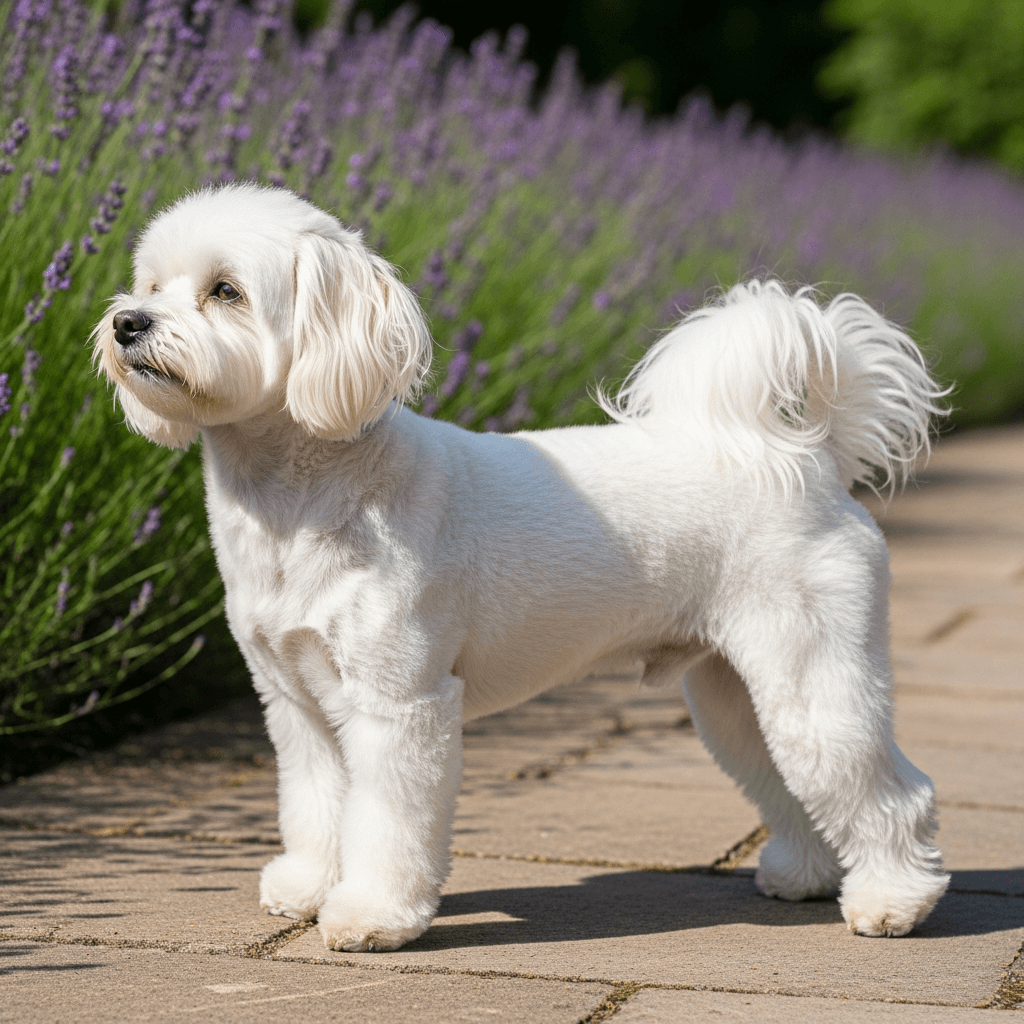
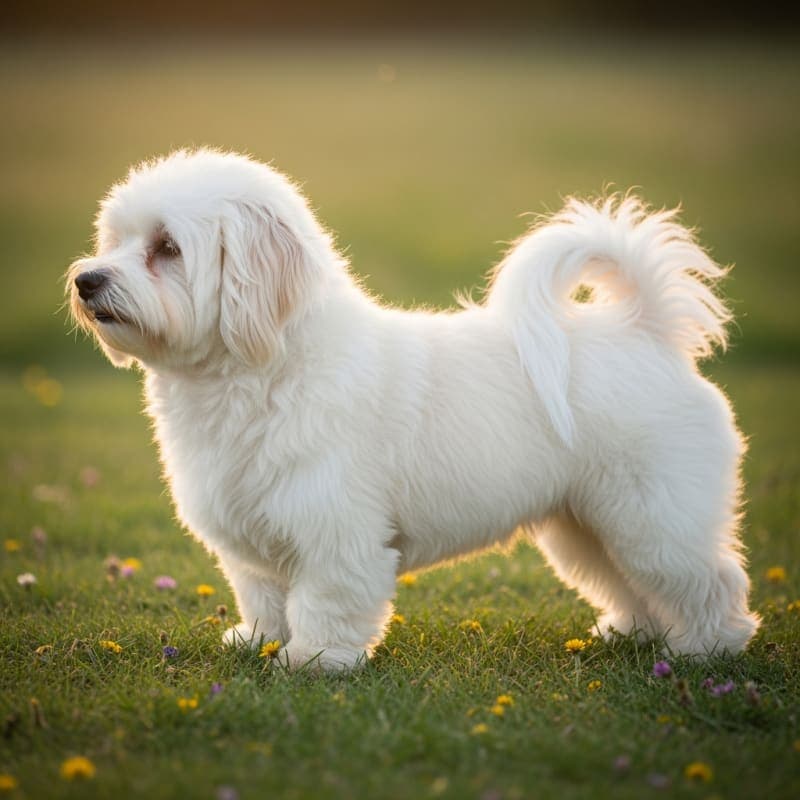
The Bolognese is a small dog with a compact and stocky build, characterized by harmonious proportions. Its height at the withers ranges from 25 to 30 cm, and its weight oscillates between 2.5 and 4 kg, making it an ideal dog for keeping in an apartment. The most distinctive feature of its appearance is the long, snow-white coat, which is fluffy, soft to the touch, and creates impressive curls.
The Bolognese's coat covers the entire body evenly - from head to tail - creating the impression of a fluffy cloud. Its pure white color, without any other shades, makes this dog look extremely striking and elegant. The length of the coat is impressive, although it is slightly shorter on the muzzle, which accentuates the distinct facial features.
The head of the Bolognese is proportional to its body, of medium length with a slightly oval-shaped skull. The nose is black and well-developed, providing a clear contrast to the white coat. The eyes are large, round, and dark brown, with an expression full of intelligence and kindness, giving the dog an exceptionally friendly and charming appearance.
The ears are long, hanging, and set high, covered with abundant fur, which further enhances the breed's charming appearance. The neck is proportional to the rest of the body, well-muscled, and the tail is carried high, gracefully curved over the back, creating an elegant arch.
In movement, the Bolognese is free, elegant, and confident. Its gait is light and springy, and its posture exudes dignity despite its small size. This striking presence and characteristic appearance make it a dog that attracts attention and delights wherever it appears.
The Bolognese is a dog characterized by its exceptionally friendly and gentle temperament. It is deeply social and loves spending time with people, making it an ideal companion for both families with children and older or lonely individuals. Bolognese dogs are known for their boundless attachment to their owners and their intense need for closeness and contact with humans.
This breed is also relatively calm and balanced, and their moderate energy level means they are not overly noisy or excessively active at home. They can behave calmly when the situation requires it, but they are equally eager to participate in games and shared activities with the family.
Although Bolognese dogs are companion animals with a gentle disposition, they can be somewhat shy and cautious around strangers, which makes early and consistent socialization from a puppy age crucial. A well-socialized Bolognese is confident and friendly towards new people and situations.
Bolognese dogs are also very intelligent and eager to learn, which makes them relatively easy to train, provided that training sessions are short, varied, and conducted in a fun atmosphere. By nature, they are dogs that absolutely do not tolerate being left alone at home for long periods, which can lead to serious behavioral problems, such as:
- Excessive, persistent barking
- Destruction of objects and furniture
- Separation anxiety
- Signs of stress and depression
Properly understanding and meeting the mental and physical needs of a Bolognese is crucial for maintaining their happiness, emotional balance, and health. Their friendly, warm nature makes them excellent companions for children, to whom they often show angelic patience, as well as for other pets, making them versatile and ideal family dogs.
The Bolognese, despite its delicate appearance and small size, is a relatively resilient and healthy breed. The average lifespan of this breed ranges from 12 to 14 years, and with proper care, a balanced diet, and regular physical activity, many individuals live even longer, which is an impressive result for a dog of this size.
Despite generally good health, like in any dog breed, there are certain conditions to which Bolognese may be more susceptible. The most common health issues include:
- Hip dysplasia - a condition that can lead to pain, discomfort, and difficulty moving, requiring monitoring by a veterinarian
- Liver diseases - may occur due to an improper diet, toxins, or genetic predispositions
- Cataracts - an eye condition affecting vision sharpness and potentially leading to vision loss
- Eye problems - including excessive tearing, which may require regular cleaning and veterinary check-ups
- Food and skin allergies - can manifest through itchy skin, redness, digestive issues, or hair loss
Owners should particularly care for the eye health of their Bolognese, regularly checking and cleaning them to prevent potential infections and conditions. Tear staining, characteristic of dogs with white fur, requires daily hygiene.
Regular veterinary visits are crucial for monitoring the health status of the Bolognese, early detection of potential problems, and updating vaccinations and deworming. It is recommended to conduct health check-ups at least once a year, and for older dogs, even more frequently.
A properly balanced high-quality diet, regular, albeit moderate physical activity, and careful grooming are essential to maintain the health, condition, and high quality of life of this charming dog for many years.
Grooming a Bolognese is one of the most important and time-consuming aspects of caring for this breed, requiring regularity, patience, and the right tools. Their long, fluffy, curly coat requires careful brushing to avoid painful matting, tangling, and the formation of knots.
It is recommended to brush the Bolognese daily or at least 4-5 times a week, and during heavy shedding periods even more frequently. Using the right grooming tools is crucial:
- Soft, dense bristle brush - for daily detangling and adding volume to the coat
- Metal comb with long teeth - for removing tangles and thoroughly combing through the undercoat
- Slicker brush - for gently removing dead hair and preventing mats
- Grooming scissors - for trimming hair around the eyes, ears, and paws
Bolognese should be bathing regularly every 3-4 weeks, using gentle, dedicated shampoos for dogs with white coats to keep their fur clean, fresh, and snow-white. However, it is important to avoid washing too frequently to not strip the natural protective oils from the skin, which could lead to dryness and irritation.
Particular attention should be paid to grooming:
- Ears - check regularly and gently clean, as they can accumulate dirt, wax, and be prone to infections
- Teeth - brush 3-4 times a week with special dog toothpaste to prevent tartar and periodontal disease
- Nails - trim every 3-4 weeks to avoid discomfort and walking issues
- Eye area - gently clean daily with a damp gauze to remove dried discharge and prevent staining
During the summer months, when temperatures rise significantly, it is advisable to ensure adequate protection from intense sunlight, especially if the dog spends a lot of time outdoors - the delicate skin under the white fur can be prone to sunburn.
Many owners opt for professional grooming every 6-8 weeks, which greatly simplifies daily grooming and keeps the coat in excellent condition. Grooming a Bolognese is not just a duty, but also a great opportunity to build a deep bond with the dog and spend quality time together, so it is worth approaching these activities with a positive attitude and patience.
The Bolognese is a breed of dog that does not require intense physical exertion or long, exhausting activities, making it an ideal companion for those who prefer a calmer, balanced lifestyle, seniors, and city dwellers. They only need daily walks lasting about 30-45 minutes, divided into 2-3 shorter outings, to maintain their physical condition, health, and mental balance.
These small, charming dogs greatly enjoy moderate walks around the neighborhood, as well as playtime at home or in the garden. They are not overly active or demanding in terms of physical activity, so overexerting them can lead to health problems, fatigue, or injuries.
During walks, you can allow the Bolognese to freely explore their surroundings, sniffing and discovering new scents, which stimulates their senses and satisfies their natural needs. However, it is important to keep in mind that they are dogs with a low hunting and chasing instinct, meaning they will not chase after fast-moving objects or other animals.
It is worth ensuring variety in walks and activities to keep them engaged, prevent boredom, and stimulate both body and mind:
- Walks on different routes and in various environments (park, forest, city)
- Short training sessions during walks (obedience, tricks)
- Meetings with other dogs for socialization
- Playtime at home with interactive toys
Bolognese dogs can derive great joy from interactive educational toys that stimulate their intelligent minds and provide entertainment, such as:
- Puzzle toys with hidden treats
- Games of fetch with small, soft toys
- Hide and seek games with toys or family members
- Learning new tricks and commands
It is also good to incorporate short, playful training sessions into their daily routine, which develop their skills, strengthen the bond with the owner, and provide mental stimulation. Such activities can be a great way to spend quality time with your dog and reinforce positive behaviors.
Regular but moderate physical activity is crucial for maintaining the health, appropriate weight, and well-being of the Bolognese, but one should not overdo the amount or intensity of exercise to avoid overwork, injuries, or excessive stress. Balance is key to a happy and healthy dog.
The Bolognese is a breed of dog that is relatively easy and enjoyable to train, but requires patience, consistency, and positive reinforcement from the owner. Bolognese dogs are intelligent, alert, and eager to learn new things, but can quickly become bored if training sessions are too long, monotonous, or repetitive.
Therefore, it is highly recommended to conduct short (5-10 minutes), but intense and engaging training sessions that are fun, varied, and based on positive reinforcement. It is best to organize several such sessions daily to maintain the dog's focus and engagement.
Basic obedience commands are crucial in raising a Bolognese and should be introduced from the earliest days:
- Sit - basic control command
- Lie down - calming and relaxation
- Come - the most important safety command during walks
- Stay - independence and patience
- No - prohibiting unwanted behaviors
It is worth implementing a reward system to motivate the dog to cooperate and learn. The most effective motivation methods are:
- Training treats (small, low-calorie)
- Enthusiastic verbal praise
- Petting and physical closeness
- Favorite toys as rewards
- Playtime together as the peak of training
Bolognese dogs are very emotionally sensitive and delicate, and they react poorly to criticism, raised voices, or any form of physical punishment. Therefore, training should always be conducted in an atmosphere of positivity, support, patience, and encouragement. Aggressive training methods can completely discourage the dog from cooperating and destroy its trust.
Due to their deeply social nature, every training session is an excellent opportunity to build a deep emotional bond between the dog and the owner. It is important to remember that Bolognese dogs can be somewhat shy and cautious around unfamiliar people and new situations, which makes the following essential:
- Early socialization - from 8-12 weeks of age
- Gradual acclimatization to new people, places, and sounds
- Positive experiences with strangers and other dogs
- Attending puppy kindergarten
- Regular exposure to diverse, safe situations
Regularly socializing the dog with other friendly animals and various people in controlled conditions is absolutely crucial to ensure its healthy emotional development, self-confidence, and mental stability. A well-trained and socialized Bolognese is a confident, joyful, and wonderful companion for many years.
The Bolognese diet should be carefully tailored to their age, activity level, health status, and individual needs. Due to their small size and low activity level, Bolognese dogs do not require large portions of food, but the quality of the food is crucial for their health.
It is very important to choose the highest quality food that provides all the essential nutrients in the right proportions. Owners should pay special attention to the ingredients of the food, strictly avoiding products that contain:
- Artificial colors, flavors, and taste enhancers
- Chemical preservatives (BHA, BHT, ethoxyquin)
- Low-quality fillers (corn, wheat in large amounts)
- Meat of unknown origin or by-products
- Excess salt and sugar
The ideal food for a Bolognese should contain:
- High-quality animal protein as the first ingredient (chicken, turkey, lamb, fish)
- Healthy fats (omega-3 and omega-6 for skin and coat health)
- Complex carbohydrates (brown rice, sweet potatoes, vegetables)
- Vitamins and minerals in natural form
- Prebiotics and probiotics for gut health
It is recommended to feed an adult Bolognese 2-3 times a day at regular intervals to prevent digestive issues, maintain stable energy levels, and avoid excessive hunger. Puppies require more frequent feeding - 3-4 times a day.
Fresh, clean water should always be available for the dog in a clean bowl to ensure proper hydration, which is crucial for kidney function and overall health.
One must absolutely avoid overfeeding, as overweight and obesity can lead to many serious health problems:
- Heart and circulatory diseases
- Type 2 diabetes
- Joint problems and dysplasia
- Shortened lifespan
- Reduced quality of life and activity
It is also worth actively caring for the Bolognese's dental health by incorporating into their diet:
- High-quality dental treats
- Raw carrots or apples (in small amounts)
- Special chewing toys
- Regular tooth brushing (3-4 times a week)
Products that are ABSOLUTELY prohibited for Bolognese dogs:
- Chocolate and cocoa (toxic!)
- Onion and garlic (destroy red blood cells)
- Grapes and raisins (damage kidneys)
- Avocado (contains persin)
- Xylitol (artificial sweetener - deadly toxic)
- Alcohol, coffee, tea
- Poultry bones (choking hazard)
A well balanced, high-quality diet, tailored to the individual needs of the dog and combined with appropriate physical activity, is absolutely crucial for their longevity, health, vitality, and quality of life for many wonderful years.
Characteristic Traits
Pros
- Exceptionally gentle and friendly nature
- Excellent companion for families and seniors
- Low exercise requirements
- Ideal for living in small spaces and apartments
- Long-lived and relatively healthy
- Intelligent and eager to learn.
Cons
- Requires regular and time-consuming coat care
- Absolutely does not tolerate prolonged solitude
- Prone to certain breed-specific health issues
- May be shy around strangers without socialization
- Requires regular grooming of the eye area.
Behavioral Ratings
Breed History
The Bolognese, also known as Bichon Bolognese, has a fascinating and rich history that dates back to ancient Rome. It originates from northern Italy, specifically the region of Bologna, from which it gets its name. Its roots may be closely linked to small, white dogs that were extremely popular among the aristocracy and elites during the Renaissance.
As early as the Roman Empire, small white bichon-type dogs were valued companions of wealthy families and aristocrats. Aristotle (384-322 BC) mentioned in his Latin writings small dogs called canes melitenses, which were likely ancestors of today's Bolognese.
This breed was often depicted in the works of famous masters of painting, such as:
- Titian - Italian Renaissance painter
- Pieter Bruegel the Elder - Flemish painter
- Francisco Goya - Spanish painter and printmaker
These artistic representations testify to the high social status and prestige that this breed enjoyed among European elites. Bolognese dogs were not only a sign of social status but also a symbol of good taste, culture, and refinement.
In the 16th century, these charming little dogs became an extremely popular and valued gift among European rulers and aristocrats. Cosimo de Medici (1389-1464), the powerful ruler of Florence, gifted no fewer than eight Bolognese to Belgian nobles during his visit to Brussels. Philip II, King of Spain (1556-1598), after receiving two Bolognese as a gift from the Duke of d'Este, thanked him in writing, describing these dogs as the most royal gifts that can be offered to an emperor.
These accounts and historical records show how highly valued this breed was in the highest circles of power and how important a role it played in diplomacy and building relationships between European courts.
As the centuries passed, the Bolognese spread beyond the borders of Italy, winning the hearts of aristocrats throughout Europe. In the 20th century, the breed gained popularity in other countries, including the United States and the United Kingdom, although it remained a relatively rare and exclusive breed.
In 1990, the Bolognese was officially recognized by the FCI (Fédération Cynologique Internationale) and assigned to Group 9, Section 1 (Bichons and related breeds). In 2002, the breed debuted at the prestigious Crufts dog show in the United Kingdom, significantly contributing to the further popularization and international recognition of this charming Italian breed.
Today, the Bolognese is regarded as a perfect companion dog, ideal for families, seniors, and anyone looking for a small, friendly, loving dog with a rich history and extraordinary character. Its centuries-old tradition as a companion of the elite has resulted in a breed with a refined character, gentle disposition, and deep attachment to people.