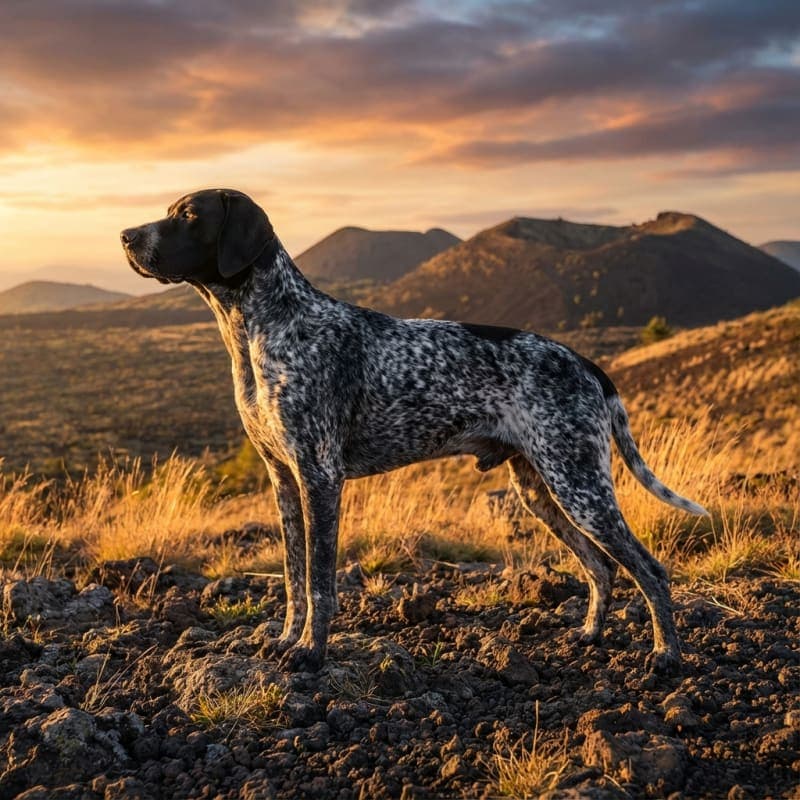
Braque d'Auvergne (Auvergne Pointer)
FCI Group
7• FCI 180
Size
Medium
Origin Country
FR
Height
53-63 cm
Weight
22-28 kg
Lifespan
11-13 years
Temperament
Overview
Braque d'Auvergne, also known as Auvergne Pointer or Pointer from Auvergne, is a unique breed of hunting dogs that originates from the picturesque region of Auvergne in France. These dogs combine elegance, strength, and intelligence, making them ideal companions for both experienced hunters and active families. The Auvergne Pointer comes from the Cantal region and is the result of careful selection that has been ongoing for over two centuries. Their extraordinary hunting skills, excellent sense of smell, and innate ability to point game are appreciated by hunting enthusiasts around the world.
With a harmonious body structure characterized by straight lines and balanced proportions, the Braque d'Auvergne is capable of energetically covering significant distances and maintaining high activity levels throughout the day, even in the most challenging mountainous terrain. Their distinctive coat – black fur with white spots in a speckled or roan pattern – gives them a unique, recognizable appearance. Moreover, these dogs win hearts with their gentleness, affectionate temperament, and deep attachment to their guardians.
The Auvergne Pointer is not only an excellent hunter but also a great family dog. Its intelligence and natural obedience make it relatively easy to train, especially when the owner focuses on developing its innate hunting instincts. This makes it an ideal companion for families with children and experienced hunters looking for a reliable partner in the field. Furthermore, the Braque d'Auvergne tolerates the presence of other pets well, provided that socialization begins at a puppy age.
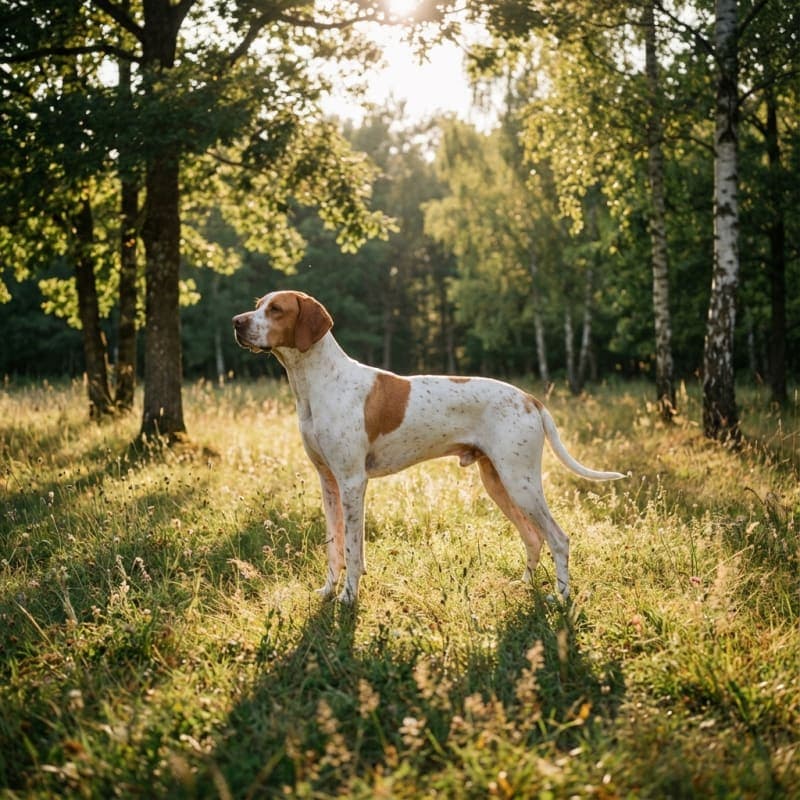
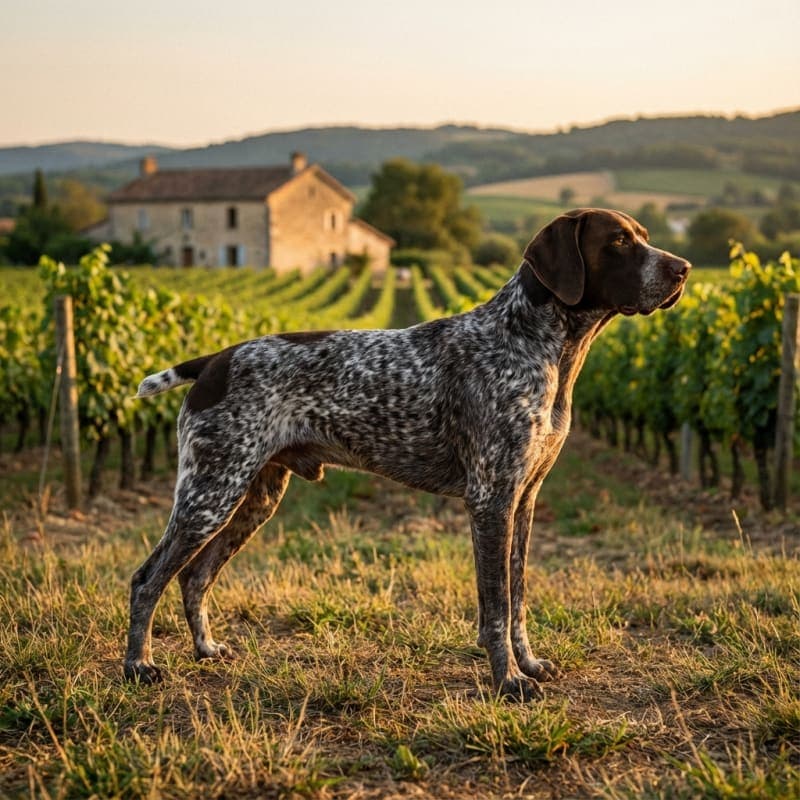
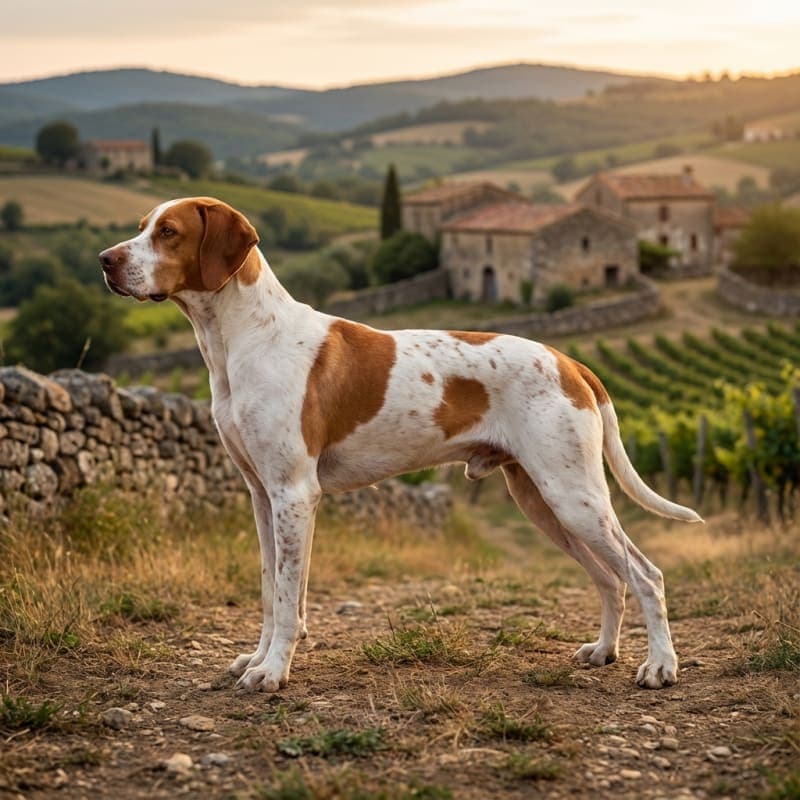
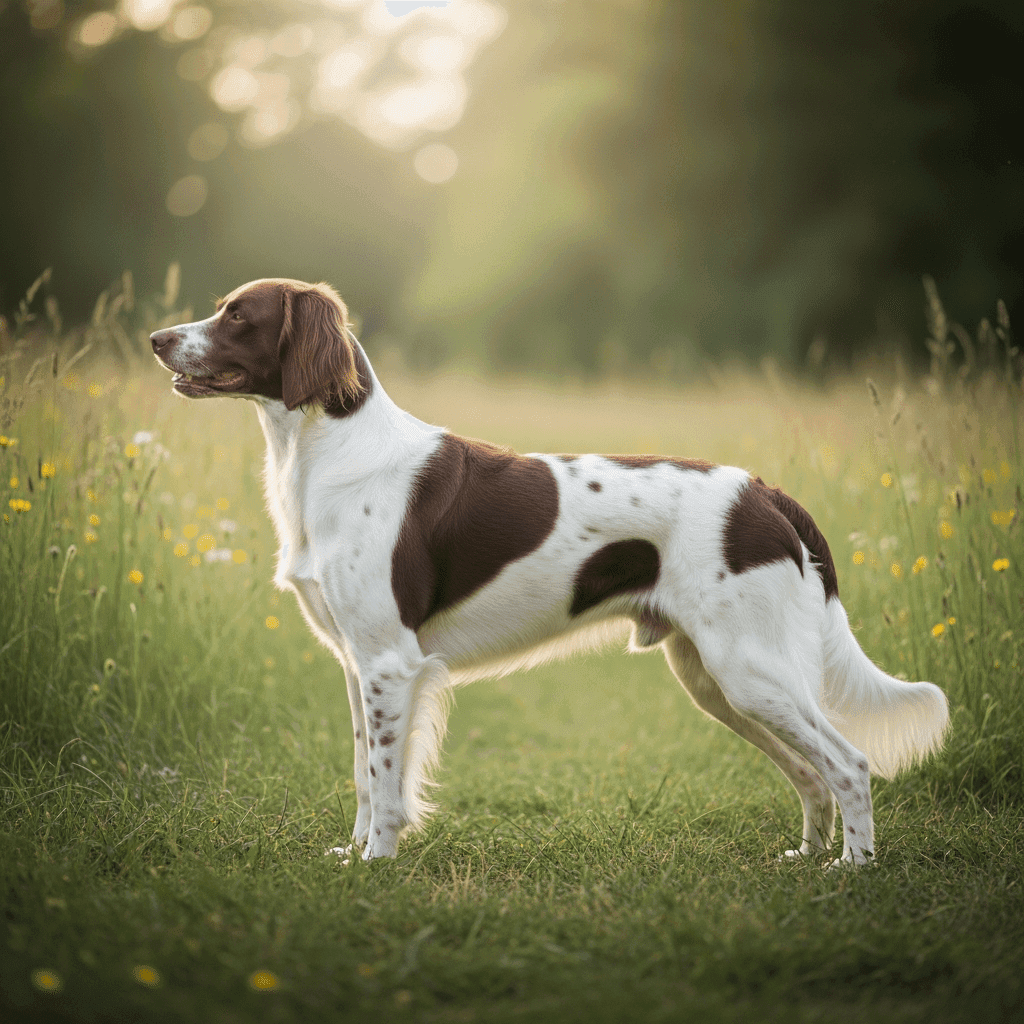
A characteristic feature of this breed is their short, shiny coat in black with white markings, which creates a speckled or roan effect. Large, dark brown eyes express intelligence and gentleness, while the long, proportional muzzle and soft, slightly velvety ears hanging down the sides of the head add grace and nobility. A white arrow on the forehead is a desirable breed trait that highlights their distinctive appearance.
As a typical hunting breed, the Braque d'Auvergne requires significant amounts of exercise and mental stimulation. Long walks, running in open spaces, hiking in forests, and various physical activities are essential for maintaining their mental and physical balance. A daily, intense dose of exercise prevents boredom, frustration, and potential behavioral problems. The intelligence of this breed allows for the introduction of various forms of training that are both engaging and develop the dog's natural abilities.
This is a dog that will bring immense joy to the lives of its owners, thanks to its innate affection, loyalty, and extraordinary willingness to cooperate. The Braque d'Auvergne adapts well to family life but does not tolerate prolonged periods of solitude, which can lead to separation anxiety. Therefore, it thrives best in homes where at least one person spends most of their time at home or where it can accompany its owners in daily activities. Proper training, consistent socialization, and ensuring an adequate amount of exercise allow for the full potential of this wonderful breed to be realized, and their natural curiosity about the world makes them excellent, eager learners.
Braque d'Auvergne is a dog with an elegant, harmonious body structure that combines strength, endurance, and agility. The height at the withers ranges from 57 to 63 cm for males and from 53 to 59 cm for females, placing this breed in the medium-sized dog category. This dog is characterized by a strong, well-developed bone structure and a proportional, harmoniously shaped body, allowing it to move freely and efficiently even in the most challenging mountainous terrain.
The head is long and proportional to the length of the entire body, with a distinct but not excessive stop between the forehead and nose. Large, dark brown eyes give the dog a gentle, intelligent, and friendly expression that reflects its calm temperament. The ears are set slightly back on the head, soft and slightly velvety to the touch, hanging freely on the sides of the head, which adds charm and a noble appearance. A white blaze on the forehead is preferred, which is a characteristic breed feature.
The coat of the Braque d'Auvergne is short, smooth, and shiny, closely adhering to the body, which significantly facilitates grooming and makes this breed require minimal grooming efforts. The coloration is extremely distinctive – most often black with white markings that create a roan or charcoal effect. The head should predominantly be black with a preferred white blaze running from the nose to the top of the head, emphasizing the dog's breed character.
The Braque d'Auvergne has strong, well-muscled limbs with correct structure, allowing it to run long distances, make quick turns, and move effectively in difficult, uneven terrain. The front limbs are straight and parallel, well-placed under the body, while the hind limbs are characterized by well-developed thigh and lower leg muscles, providing a strong, springy drive during running. The tail is set rather high, has a cylindrical shape, and is not too thin. It can be carried horizontally or slightly raised during movement, adding elegance to the dog and highlighting its breed appearance.
The overall silhouette of the Braque d'Auvergne presents itself harmoniously and with class. The body length (measured from the top of the shoulder blade to the ischial tuberosities) is approximately equal to the height at the withers, ensuring proportions close to a square. The depth of the chest is about half the height of the dog at the withers, indicating proper structure and good development of internal organs. Thanks to these proportions and a strong but not heavy build, the Braque d'Auvergne can maintain high activity for many hours, making it an ideal dog for active hunters and owners who value aesthetics combined with functionality.
Braque d'Auvergne is a dog with a remarkably gentle, affectionate, and balanced temperament, making it an excellent family companion and a reliable partner for fieldwork. It is intelligent, obedient, and deeply attached to its owner, and its innate willingness to cooperate makes it relatively easy to train and quick to learn new commands. This breed exhibits exceptional patience and gentleness in interactions with children, is eager to play, and participate in family activities, which makes it an ideal choice for families with children of various ages.
Braque d'Auvergne is naturally a sociable dog that does well in the presence of other dogs and pets, provided it has been properly socialized from a young age. Proper socialization allows it to develop positive relationships with other animals and prevents potential problems in the future. This dog also shows moderate reserve towards strangers – it may be cautious at first, but after a short while, it usually opens up quickly and befriends new people, especially if it senses a positive attitude.
However, it is important to remember that Braque d'Auvergne does not tolerate prolonged periods of solitude, which can lead to undesirable behaviors such as excessive excitability, destructive actions, or developing separation anxiety. This breed thrives best in an environment where at least one person spends most of the day at home or where the dog can actively participate in the family's daily activities. Braque d'Auvergne needs constant contact with people and feels good as a full-fledged family member.
As a hunting dog, Braque d'Auvergne has a strong, innate hunting instinct, which means it may be inclined to chase small animals such as birds, rabbits, or rodents. Therefore, it is very important to provide it with appropriate companionship, structure, and activities that allow for controlled release of this energy. This dog also exhibits high alertness and sensitivity to environmental stimuli, making it an excellent observer of its surroundings, although it is not excessively noisy or aggressive.
Braque d'Auvergne is characterized by a high level of energy and endurance, which means that owners should ensure it gets an adequate amount of exercise, physical activity, and mental stimulation to avoid frustration and behavioral problems. This dog loves spending active time outdoors, making it ideal for people who lead an active lifestyle, enjoying long walks, hiking, jogging, or even biking. With proper upbringing, consistency, and the right conditions, Braque d'Auvergne becomes an exceptionally loyal, devoted, and joyful companion, bringing harmony and joy to its family's life.
Braque d'Auvergne is a relatively healthy and resilient breed that, with proper care and a suitable lifestyle, can enjoy a lifespan of 11 to 14 years. Like many other hunting dog breeds, the Auvergne Pointer is characterized by good physical condition, endurance, and natural resilience, making it capable of intensive work in the field for many hours a day. This breed does well in both warm and cooler climatic conditions, which is a result of its adaptation to life in the mountainous regions of central France.
Despite generally good health, every owner of a Braque d'Auvergne should be aware of potential health issues that may arise in this breed. The most common health problems include:
- Hip and elbow dysplasia – genetic conditions that can lead to pain, discomfort, and limited mobility. Regular veterinary check-ups and maintaining a proper body weight help minimize the risk of developing these diseases.
- Patellar luxation – dislocation of the kneecap, which can cause limping and pain in the hind limbs.
- Ophthalmic problems – some individuals may be prone to cataracts, progressive retinal atrophy (PRA), or other eye conditions that can affect vision quality.
- Demodicosis – a skin disease caused by parasitic mites that can lead to hair loss and skin inflammation.
- Cleft lip and palate – a congenital defect that may require surgical intervention in puppies.
- Aortic stenosis – a congenital heart defect characterized by narrowing of the aortic valve, which can lead to circulation problems.
Proper veterinary care including regular preventive check-ups, vaccinations, deworming, and health monitoring is crucial for keeping the Braque d'Auvergne in good condition. An appropriate nutrient-rich diet, regular physical exercise, and attention to body weight help prevent many health problems. It is also recommended to conduct genetic testing on dogs intended for breeding to reduce the risk of passing hereditary diseases to future generations.
Owners should pay special attention to their dog's physical condition, observe its behavior, appetite, and mobility. Any concerning symptoms, such as limping, loss of appetite, lethargy, or changes in the appearance of the eyes or skin, should be consulted with a veterinarian as soon as possible. With proactive care and responsible ownership, the Braque d'Auvergne can enjoy a long, healthy, and active life full of joy and adventures.
The care of the Braque d'Auvergne is relatively simple and low-maintenance, making this breed an ideal choice for people who do not want to spend excessive amounts of time on complicated grooming procedures. Their short, smooth, and shiny coat does not require specialized treatments or frequent visits to groomers, and basic home care is entirely sufficient to keep the dog in excellent condition.
Regular brushing, preferably several times a week, will help remove dead hair, minimize shedding, and maintain the natural shine of the coat. A soft brush made of natural bristles or a rubber grooming glove is enough, as they gently massage the skin and stimulate the secretion of natural oils. The Braque d'Auvergne does not require frequent bathing – occasional baths, such as once every few months or as needed when the dog gets dirty while playing outdoors, are sufficient.
It is worth regularly checking the dog's ears to ensure there is no dirt, excess wax, or signs of infection, especially after walks in the field, in the woods, or in tall grass. Due to the drooping ear structure, this breed may be somewhat more prone to ear infections, so it is recommended to gently clean the ears once a week using special products designed for dogs.
For the Auvergne Pointer, which spends a lot of time outdoors, it is also important to regularly check the paws for wounds, scratches, ticks, or other parasites. After intense hikes or hunts, it is advisable to check if sharp sticks, stones, or plant thorns have become entangled between the toes. Nails should be regularly trimmed if they do not wear down naturally during activities on hard surfaces.
Oral hygiene is also a key element of care. Regularly brushing teeth at least a few times a week using dog toothpaste and a toothbrush helps prevent tartar buildup, gum disease, and bad breath. Special dental chews can also be used to support natural teeth cleaning.
Regular visits to the veterinarian, including health checks, vaccinations, deworming, and flea and tick prevention, are also essential for maintaining the dog's health and well-being. With simple but consistent care, the Braque d'Auvergne can enjoy healthy skin, a shiny coat, and overall excellent condition throughout its life.
Braque d'Auvergne is a dog that requires a significant amount of movement and physical activity, which stems from its heritage as a hunting dog and its inherent high energy levels. This breed was developed to work in the field all day long, so it needs regular, intense exercise to maintain physical and mental balance. It is ideally suited for people leading an active lifestyle who can dedicate time to spending time outdoors and engaging the dog in various forms of activity.
It is recommended that a Braque d'Auvergne has at least an hour, preferably two hours of intense movement daily. This can include long walks, running, playing with a ball, retrieving, searching for hidden objects, hiking in forests, running in open meadows, or sports activities such as agility, canicross, or bikejoring. With its endurance and physical agility, this dog can accompany owners in various forms of activity, such as jogging, cycling, hiking, or even swimming.
Braque d'Auvergne is a dog with a high endurance and a natural need for exploration, which makes it love discovering new places, tracking scents, and engaging in activities that stimulate its mind and body. Regular trips to the forest, park, or open areas are essential to satisfy its natural hunting instincts and need for intense physical effort.
Lack of sufficient movement can lead to serious behavioral problems, such as excessive excitability, destructive behaviors (e.g., chewing furniture, destroying objects), excessive barking, frustration, separation anxiety, and difficulties in concentration during training. Therefore, if you are someone who spends most of their time at home, works remotely without the opportunity for regular outdoor activities, or cannot provide enough exercise, this breed may not be the best choice.
In addition to physical exercise, Braque d'Auvergne also requires mental stimulation. Intelligent games, such as learning new commands, obedience training, scent tasks, hiding treats, or interactive toys, help keep its mind in good shape and prevent boredom. A combination of physical and mental activity ensures this dog’s happiness and balance.
The ideal owner for a Braque d'Auvergne is an active person who enjoys spending time outdoors, values shared adventures with their dog, and is willing to dedicate time to regular daily activities. In return, they receive a loyal, energetic, and joyful companion who will bring a lot of joy, movement, and unforgettable moments spent together in nature.
Braque d'Auvergne is a dog with high intelligence and an innate willingness to learn, which makes it relatively easy to train, especially for those who use positive training methods based on rewards and reinforcements. Their natural hunting instincts are very strong, so training should focus on developing these innate abilities rather than imposing artificial commands that are contrary to their nature.
Owners should use positive training methods that reward the dog for good behavior rather than relying on punishment or coercion. The use of treats, verbal praise, petting, and play as forms of reward is very motivating for Braque d'Auvergne and strengthens the bond between the dog and the owner. This dog responds excellently to consistency, patience, and positive reinforcement, while harsh methods, yelling, or aggression can discourage it from learning and weaken its trust.
It is very important to start training at a young, puppy age, which will help in forming positive habits, rules of coexistence, and social behaviors. Early socialization, involving contact with various people, animals, sounds, environments, and situations, is crucial for developing a balanced, confident, and well-mannered dog. Puppies should be regularly exposed to new experiences to learn to respond to them in a calm and controlled manner.
Due to their innate curiosity and desire to explore the world, introducing a variety of exercises, tasks, and mental challenges can help maintain their engagement, interest, and motivation to learn. Braque d'Auvergne excels in obedience training, field training, scent work, retrieving, as well as in canine sports such as agility, obedience, or even dog dancing.
It should also be noted that Braque d'Auvergne does not like to be left alone for long periods, so training sessions should be short (15-20 minutes), but intense and engaging, to avoid boredom and loss of concentration. Regular, daily training sessions are more effective than infrequent but long training sessions. It is also important to end each training session on a positive note so that the dog associates learning with pleasure and joy.
Braque d'Auvergne may exhibit a certain degree of independence stemming from its hunting background, so consistency and clear rules are key. This dog needs an owner who is calm, patient, confident, and can clearly communicate their expectations. With the right approach, the Auvergne Pointer becomes an exceptionally obedient, cooperative, and reliable companion who happily follows commands and engages in shared activities with its guardian.
The Braque d'Auvergne diet should be tailored to their active lifestyle, age, weight, and individual health needs. As a high-energy hunting breed, the Auvergne Pointer requires a high-protein diet that supports muscle development and maintenance, provides adequate energy for daily intense activities, and delivers essential nutrients for the proper functioning of the body.
Owners should choose high-quality dog food that contains natural ingredients such as real meat (chicken, beef, lamb, fish), healthy sources of carbohydrates (rice, oats, sweet potatoes), and essential fats (omega-3 and omega-6), vitamins, and minerals. It is important to avoid commercial foods with low nutritional value that contain artificial colors, preservatives, fillers (e.g., excessive corn or wheat), and unclear animal-derived ingredients.
It is recommended to feed the dog two meals a day – in the morning and evening – which will help maintain a stable energy level throughout the day and prevent digestive issues such as bloating or gastric torsion, which can occur in large breeds with a single, large meal. It is important that the portions are appropriately adjusted to the dog's weight, age, activity level, and health condition.
Constant access to fresh, clean water is absolutely essential, especially after intense exercise or on warm days. Water in the bowl should be regularly changed and kept clean. Physically active dogs may require more fluids, so it is worth monitoring whether the dog is drinking an adequate amount of water.
It should be noted that the Braque d'Auvergne can be prone to obesity, especially if not regularly active or receiving too large portions of food. Overweight can lead to serious health problems such as diabetes, heart disease, joint issues (hip dysplasia, arthritis), and a shortened lifespan. Therefore, weight control, avoiding overfeeding, and limiting treats are crucial for keeping the dog in optimal condition.
If the dog is particularly active, participates in hunting, dog sports, or intense training, it may require a diet with higher calorie and protein content to meet increased energy demands. On the other hand, older dogs or less active individuals should receive lower-calorie foods to prevent weight gain.
Regular consultations with a veterinarian can help determine the best diet for a specific dog, taking into account its individual needs, any food allergies, health issues, or taste preferences. A proper diet, combined with adequate exercise and veterinary care, will allow the Braque d'Auvergne to enjoy a long, healthy, and energetic life.
Characteristic Traits
Pros
- Gentle and affectionate temperament
- Ease of training
- Excellent companion for active families
- Strong hunting skills
- Friendly towards children
- Intelligent and obedient.
Cons
- Requires a large amount of exercise and activity
- does not tolerate prolonged solitude
- requires early socialization
- strong hunting instinct may lead to chasing small animals.
Behavioral Ratings
Breed History
The history of Braque d'Auvergne dates back over two centuries, and this breed has deep roots in the picturesque region of Auvergne in central France, specifically in the Cantal department. It is believed that the Auvergne Pointer was developed through careful selection and crossbreeding of various lines of European pointers (braques), which have been used by local hunters for hunting in mountainous and diverse terrain for centuries.
Legend has it that the development of this breed was also aided by the Knights of Malta, who had their estates in the Auvergne region during the Middle Ages and bred hunting dogs. Thanks to their commitment to selection, the Braque d'Auvergne developed its unique traits, such as an excellent sense of smell, endurance, elegant build, and distinctive black coat with white spots.
The breed was created by hunters and for hunters, making it an ideal companion for those who spend time hunting in challenging, mountainous terrain. The Auvergne Pointer stood out for its ability to work all day, resilience to changing weather conditions, and intelligence and obedience that facilitated cooperation with humans. Its characteristic coat – black with white markings – quickly became a recognizable symbol of this breed and distinguished it among other French pointers.
In the 20th century, particularly after World War I and II, the Braque d'Auvergne began to lose popularity, and its numbers significantly declined. Many breeding lines were lost, and the breed found itself on the brink of extinction. To protect and preserve this unique breed, a group of enthusiasts and breeders took action to rehabilitate and rebuild the population. Thanks to their dedication, consistency, and careful breeding work, the breed was able to regain its former glory and stabilize its population.
Today, Braque d'Auvergne is officially recognized by the Fédération Cynologique Internationale (FCI) and other canine organizations worldwide, which has contributed to a growing interest in this breed both in France and abroad. The breed is gaining increasing popularity not only among hunters but also among families looking for an active, intelligent, and loyal companion. The Auvergne Pointer is now valued as a hunting dog with exceptional abilities, but also as an excellent family dog that can adapt to life in various conditions, provided it receives the appropriate amount of exercise, mental stimulation, and family interaction.
The modern Braque d'Auvergne retains its hunting heritage, but is increasingly chosen by those who simply appreciate the company of an intelligent, gentle, and beautiful dog. This breed has a bright future ahead, thanks to the growing awareness of its unique characteristics and the commitment of breeders to maintain high breed standards and genetic health.