Braque du Bourbonnais
FCI Group
7• FCI 179
Size
Medium
Origin Country
FR
Height
48-57 cm
Weight
16-25 kg
Lifespan
12-14 years
Temperament
Overview
Braque du Bourbonnais, also known as Bourbonnais Pointer, is a fascinating breed of hunting dogs originating from the picturesque region of Bourbonnais in France. Its history dates back to the 16th century, making it a breed with an exceptionally rich heritage and long tradition.
Initially described in 1598 by Aldovrandi in the work Natural History, the Braque du Bourbonnais was valued as a pleasant companion for hunters with a sturdy and healthy build. At that time, dogs of this breed were particularly appreciated in hunting quails and other small game, quickly gaining recognition as versatile hunting companions.
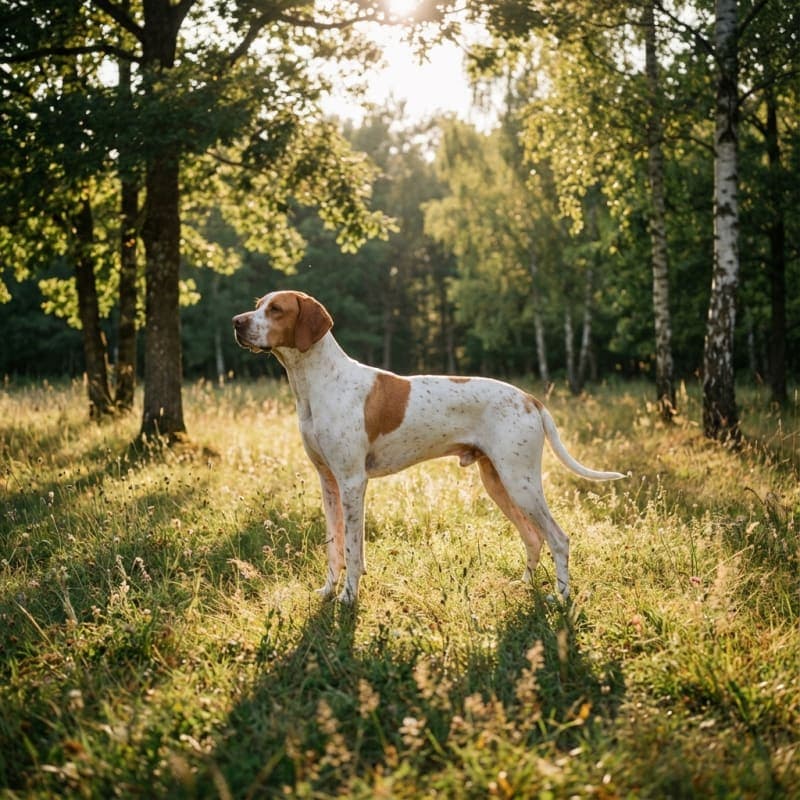
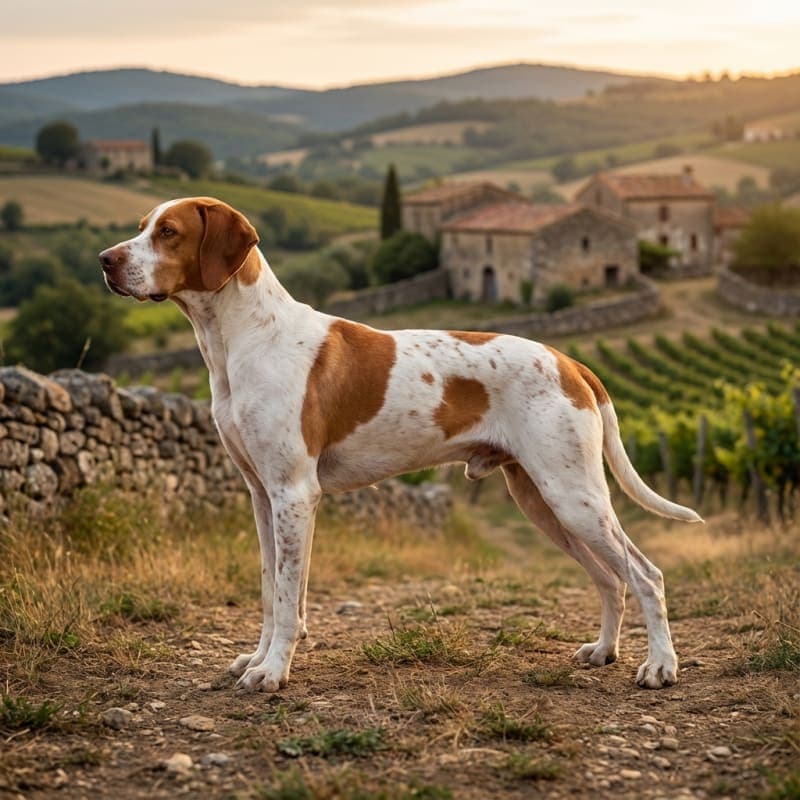
The height and build of the Braque du Bourbonnais are medium-sized, making it an excellent companion both at home and in challenging hunting terrain. Its harmonious body structure and elegant silhouette attract the attention of breed enthusiasts. Its coat is short, dense, and slightly rough to the touch, occurring in characteristic shades of white with light brown or fawn spots and delicate speckling.
The eyes of this breed, ranging in color from hazel to dark amber, give the dog an intelligent and gentle expression. This makes the Braque du Bourbonnais appear exceptionally striking and noble, distinguishing it from other hunting breeds.
This breed is not only impressive in appearance but, above all, has a unique character. The Braque du Bourbonnais is known for its deep loyalty and strong attachment to its family. It is a dog that not only loves human companionship but also needs close emotional contact with them. At the same time, due to its energetic nature and lively temperament, it excels in various outdoor activities.
It is worth emphasizing that this breed requires an appropriate amount of exercise and mental stimulation to maintain its physical and mental health. Therefore, prospective owners should be prepared for regular, long walks, intense play, and the possibility of engaging in dog sports.
In summary, the Braque du Bourbonnais is a dog that harmoniously combines the traits of an ideal household companion with the skills of a seasoned, skilled hunter. Its unique appearance, combined with a friendly and balanced temperament, makes it an extremely attractive breed for both hunters and dog lovers seeking an active family companion.
The Braque du Bourbonnais is a medium-sized dog with a harmonious and proportional body structure, characterized by a compact, muscular silhouette. The height at the withers ranges from 48 to 57 cm, with males typically being slightly larger than females. The weight of representatives of this breed falls between 16 to 25 kg, making them ideal for work in various terrains.
The coat of the Braque du Bourbonnais is short, dense, and slightly rough to the touch, providing natural protection against weather conditions and facilitating grooming. The characteristic coloration can take two main forms:
- White with light brown spots and speckling
- Fawn with a delicate spotted pattern
The head is proportional to the rest of the body, with a clearly defined stop and a medium-length muzzle. The eyes are large, intelligent, and express gentleness, maintained in warm shades of hazel or dark amber. The ears are of medium length, slightly hairy, hanging freely along the cheeks, and set at the level of the eyes.
The limbs are strong, muscular, and well angulated, allowing the dog to move freely and efficiently both in dense forests and open fields. A characteristic feature of the breed is the naturally short or very short tail, although some individuals are born with a tail of normal length.
The overall appearance of the Braque du Bourbonnais emanates strength, agility, and elegance, perfectly reflecting its purpose as a versatile hunting dog with outstanding abilities to work in the field.
The Braque du Bourbonnais is a dog with a gentle and extremely friendly disposition, distinguished by exceptional affection and deep attachment to its family. In a home environment, it is calm, balanced, and gentle, especially in interactions with children, making it an excellent family companion.
Outside, the Braque du Bourbonnais reveals its true nature - it shows great intelligence, enthusiasm, and a strong desire to cooperate and work. This breed has a remarkable hunting instinct, which, however, does not manifest as aggression but rather as focused, methodical collaboration with humans. It is a dog that prefers partnership relationships with its owner and derives joy from shared tasks.
The Braque du Bourbonnais is also very sociable and gets along well with other dogs, provided it has been properly socialized from a puppy age. Owners should ensure that the dog has regular contact with various people, animals, and environments, which will significantly help it adapt to diverse life situations.
However, it is important to remember that lack of proper stimulation - both physical and mental - can lead to behavioral problems. In the case of prolonged boredom, the Braque du Bourbonnais may become destructive or overly excited. Therefore, it is crucial to provide it with:
- Regular, intense physical exercise
- Games that develop hunting skills
- Tasks that engage intellectually
- Frequent contact with the family
With the right approach and meeting its needs, the Braque du Bourbonnais becomes a model companion - devoted, obedient, and reliable in any situation.
Braque du Bourbonnais is a breed that generally enjoys relatively good health and resilience; however, like any other breed, it may be prone to certain specific conditions. The average lifespan of this breed ranges from 12 to 14 years, although with proper care and genetic luck, some individuals may live longer.
Among the most common health issues that may affect representatives of this breed are:
- Hip dysplasia - a genetic condition affecting the proper functioning of the joints
- Eye problems - such as entropion (inward rolling of the eyelid) and ectropion (outward rolling of the eyelid)
- Pulmonary artery stenosis - a heart defect that can affect physical performance
- Skin problems - allergic reactions or irritations
Owners should regularly monitor the health of their pets through routine veterinary visits to timely notice any concerning symptoms and implement appropriate treatment. Joint examinations in young dogs and cardiovascular checks are particularly important.
Key factors for the longevity and well-being of Braque du Bourbonnais include:
- Providing a balanced, high-quality diet
- Regular, age-appropriate physical exercise
- Systematic veterinary visits and vaccinations
- Maintaining proper body weight
- Taking care of dental and oral health
Responsible breeders conduct genetic testing on their breeding dogs to minimize the risk of hereditary conditions. When purchasing a puppy, it is advisable to ensure that the parents have undergone appropriate health screenings.
The grooming of the Braque du Bourbonnais is relatively easy and low-maintenance, thanks to its short, dense coat that does not require complicated treatments. Nevertheless, regular care for the dog's appearance is crucial for its health and comfort.
Basic grooming tasks include:
- Brushing - recommended 2-3 times a week using a natural bristle brush or a rubber glove to remove dead hair and stimulate the natural production of skin oils
- Increased grooming during shedding season - in spring and autumn, it is advisable to increase the frequency of brushing to even daily, to help the dog get rid of dead undercoat and minimize the amount of fur in the house
- Bathing - performed as needed, usually every 2-3 months or when the dog gets dirty, to keep the skin and coat in good condition without disrupting the natural protective barrier
Owners should also pay special attention to:
- Regular teeth cleaning - at least 2-3 times a week to prevent tartar buildup and dental problems
- Nail trimming - every 3-4 weeks, especially if the dog does not naturally wear them down during walks on hard surfaces
- Ear inspection and cleaning - weekly, to prevent infections, especially in dogs that frequently spend time in wet areas or water
- Paw checks - after intense outdoor adventures, looking for wounds, scratches, or embedded foreign objects
With regular and consistent grooming, the Braque du Bourbonnais will maintain a healthy appearance, shiny coat, and excellent condition for many years. Additionally, shared grooming sessions provide a great opportunity to strengthen the bond between the owner and the dog.
Braque du Bourbonnais is a dog with a high level of energy and endurance, which requires regular and intense exercise to maintain its physical condition, mental balance, and overall satisfaction. A lack of physical activity can lead to frustration, behavioral problems, and obesity.
Minimum exercise requirements for this breed are:
- Daily walks - at least 60-90 minutes a day, divided into 2-3 sessions
- Intensive running - the opportunity to run freely in a fenced area or in the woods several times a week
- Interactive play - retrieving, searching for hidden objects, scent games
Braque du Bourbonnais excels in various sports and recreational activities:
- Agility - obstacle courses perfectly engage its agility and intelligence
- Canicross - running with the owner in a harness
- Flyball - a dynamic game combining running and retrieving
- Hunting training - a natural environment for dogs of this breed
- Long hikes - ideal for active families
- Swimming - most representatives of the breed love water
Owners should dedicate time not only to physical activity but also to mental stimulation. Braque du Bourbonnais, being an intelligent and hardworking dog, needs tasks that engage its senses and skills. The following activities work well:
- Scent games and tracking
- Learning new commands and tricks
- Puzzles and interactive toys
- Hiding treats in various places
It is important to adjust the intensity of exercise to the age, condition, and health status of the dog. Puppies and young dogs should not be overburdened with long runs to protect their developing joints, while older individuals may require gentler but regular forms of activity.
With the right level of movement and stimulation, Braque du Bourbonnais will be a happy, balanced, and content companion, ready to rest at home after an intense day.
The Braque du Bourbonnais is a dog extremely intelligent and eager to learn, which makes it relatively easy to train, provided that the right methods and a consistent approach are applied. Its natural willingness to cooperate with humans and innate work instinct usually make learning smooth and effective.
Basic principles of effective training for the Braque du Bourbonnais:
- Positive reinforcement - methods based on rewarding with treats, praise, and play yield the best results
- Consistency - clear, unchanging rules and commands help the dog understand expectations more quickly
- Patience - even intelligent dogs need time to absorb new skills
- Short, regular sessions - 10-15 minute training sessions several times a day are more effective than long, exhausting classes
- Diversity - changing locations and types of exercises keeps the dog's interest and motivation
Early socialization is absolutely crucial for the proper development of the Braque du Bourbonnais. The puppy should be systematically introduced to:
- Different people - children, adults, seniors
- Other animals - dogs, cats, possibly other species
- Diverse environments - city, forest, beach, busy streets
- Various sounds - street noise, thunder, fireworks
- Different surfaces - grass, asphalt, sand, stairs
Owners should ensure exploration of different environments, which will significantly help the dog adapt to various situations and minimize anxiety towards strangers or new experiences. A well-socialized Braque du Bourbonnais is confident and balanced in any conditions.
Basic commands that are worth practicing first:
- Sit - a fundamental control command
- Stay - essential for safety
- Come - crucial during off-leash walks
- Lie down - helps in calming the dog
- No - a universal stop to unwanted behavior
Thanks to its innate hunting abilities, the Braque du Bourbonnais excels in advanced hunting training, including retrieving, searching, and pointing game. Even if the dog is not used for hunting, it is worth utilizing these natural instincts in games and scent training.
Owners should remember that the Braque du Bourbonnais, despite its gentleness, may sometimes exhibit some stubbornness. In such moments, firmness without aggression is key - the dog must know that the owner is a calm but determined leader. Physical punishment or yelling should never be used, as it can destroy the bond and trust.
With the right approach, regularity, and positive methods, the Braque du Bourbonnais becomes a perfectly trained companion, ready to cooperate in any situation and enjoying the tasks it performs.
The diet of the Braque du Bourbonnais should be carefully tailored to its age, weight, level of physical activity, and individual health needs. Proper nutrition directly impacts the dog's condition, health, coat quality, and overall vitality.
Basic nutrition principles for this breed:
- High-quality food - choose foods with real meat as the first ingredient, rich in animal protein and essential nutrients
- Age-appropriate - puppies, adult dogs, and seniors have different nutritional requirements
- Consideration of activity - very active individuals need more calories than dogs with a moderate lifestyle
- Regular meals - adult dogs should receive 2 meals a day, puppies 3-4
Recommended ingredients in the Braque du Bourbonnais diet:
- High-quality protein - chicken, turkey, beef, fish (30-40% of the composition)
- Healthy fats - omega-3 and omega-6 fatty acids for healthy skin and a shiny coat
- Complex carbohydrates - brown rice, sweet potatoes, vegetables
- Fiber - for proper digestion
- Vitamins and minerals - a comprehensive set for optimal health
Owners should also ensure a constant supply of fresh, clean water throughout the day, especially after intense exercise or on hot days. Proper hydration is crucial for the body's proper functioning.
Important nutritional warnings:
- Avoid overfeeding - Braque du Bourbonnais can easily gain weight, leading to serious health problems, particularly with the musculoskeletal system
- Control portions - follow the manufacturer's feeding guidelines, adjusting them to the individual needs of the dog
- Limit treats - they should not make up more than 10% of daily caloric intake
- Prohibited products - chocolate, onions, garlic, grapes, xylitol, and other substances toxic to dogs
Monitoring condition is extremely important:
- Weigh the dog regularly
- Check if the ribs are palpable but not visible
- Observe energy levels and coat condition
- Monitor stool quality
If there are any doubts regarding the diet, unusual reactions to food, food allergies, or weight issues, it is advisable to consult a veterinarian or a dog nutrition specialist. Professional advice can help create an optimal feeding plan tailored to the specific dog.
Dogs actively used for hunting or engaging in intense sports may require specialized food for working dogs, with increased protein and fat content to meet their heightened energy needs.
Characteristic Traits
Pros
- Loyal and deeply attached to family
- Versatile hunting dog with an excellent sense of smell
- Friendly and sociable in interactions
- Elegant and noble appearance
- Intelligent and easy to train.
Cons
- Requires a lot of daily movement and activity
- May show stubbornness during training
- Needs a consistent and patient owner
- Not suitable for living in a small apartment.
Behavioral Ratings
Breed History
The Braque du Bourbonnais has a rich and fascinating history dating back to the 16th century, making it one of the oldest French hunting breeds. This breed originated in the picturesque region of Bourbonnais in central France, where it was particularly valued by local hunters as a versatile hunting dog.
The first written mentions of this breed date back to 1598, when the Italian naturalist Ulisse Aldrovandi described it in his monumental work Natural History, currently held in the National Library. According to his description, it was a pleasant companion for hunters with a sturdy and healthy build, characterized by a white coat covered with delicate brown or fawn speckling.
Over the following centuries, the Braque du Bourbonnais gained recognition particularly in hunting quails, pheasants, and other small game. Its distinctive features - excellent sense of smell, ability to point game, and calm temperament - made it an ideal companion for hunters of that era.
However, in the 1930s, the breed was on the brink of extinction. The reasons were complex:
- Breeders began to place excessive emphasis on appearance, enforcing a very specific faded lilac shade of coat
- A requirement was imposed for being born with a naturally short tail
- This restrictive selection drastically narrowed the gene pool
- Focus on aesthetics led to neglect of working traits
- The population dropped to critically low levels
Fortunately, in the 1970s, a group of dedicated breeders led by Michel Comte undertook a heroic effort to save the breed. Systematic work began to recreate the Braque du Bourbonnais, focusing on:
- Restoring natural hunting abilities
- Returning to more liberal standards regarding coat color
- Accepting dogs with both short and normal tails
- Careful selection for health and temperament
- Cautious crossbreeding with related breeds to strengthen the gene pool
Thanks to careful selections, consistency, and the passion of breeders, the Braque du Bourbonnais not only survived but regained its outstanding hunting skills and stable position among working breeds. Breeding standards have been stabilized, and the breed has gained official recognition from international kennel organizations.
Today, the Braque du Bourbonnais enjoys growing popularity both in Europe and North America. It is appreciated not only by hunters for its outstanding hunting abilities but also by families seeking an active, loyal, and intelligent companion.
This breed remains in the hands of dedicated enthusiasts and responsible breeders who care for its unique heritage, genetic health, and proper character. The Braque du Bourbonnais is a living testament to perseverance, determination, and love for traditional hunting breeds.
It is worth emphasizing that despite its difficult history and close encounter with extinction, the modern Braque du Bourbonnais has retained all the traits that made it valued as early as the 16th century - it is still a pleasant companion with a sturdy build, excellent sense of smell, and gentle character.