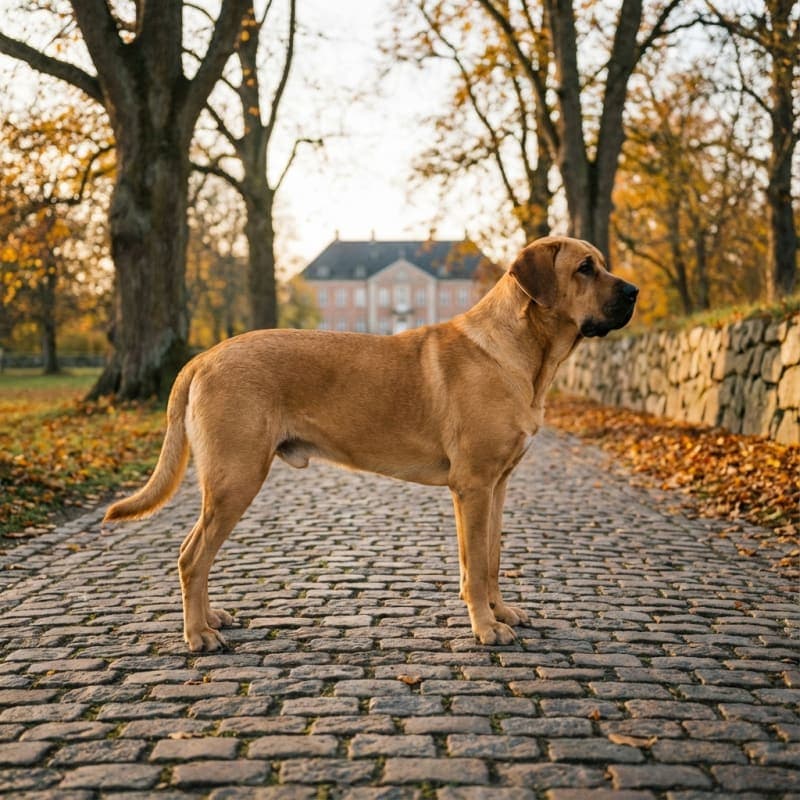
Broholmer
FCI Group
2• FCI 315
Size
Large
Origin Country
DK
Height
70-75 cm
Weight
40-70 kg
Lifespan
10-12 years
Temperament
Overview
Broholmer, also known as the Danish Mastiff, is an impressive dog breed with a strong character and a respect-inspiring build. Originating from Denmark, this dog combines loyalty, courage, and a friendly disposition towards people. Its history dates back to the Middle Ages when it served as a guard dog and accompanied hunts for deer.
Over the centuries, the Broholmer gained a reputation as a reliable guardian of rural estates and manors. In the 18th century, it became particularly popular thanks to Chancellor Sehested of Broholm, whose residence gave the breed its name. After World War II, the future of this breed was in question - it nearly became extinct. Fortunately, in 1975, a group of dedicated breeders, organized as the Broholmer Breed Restoration Society, in collaboration with the Danish Kennel Club, took on the challenge of saving this unique breed.
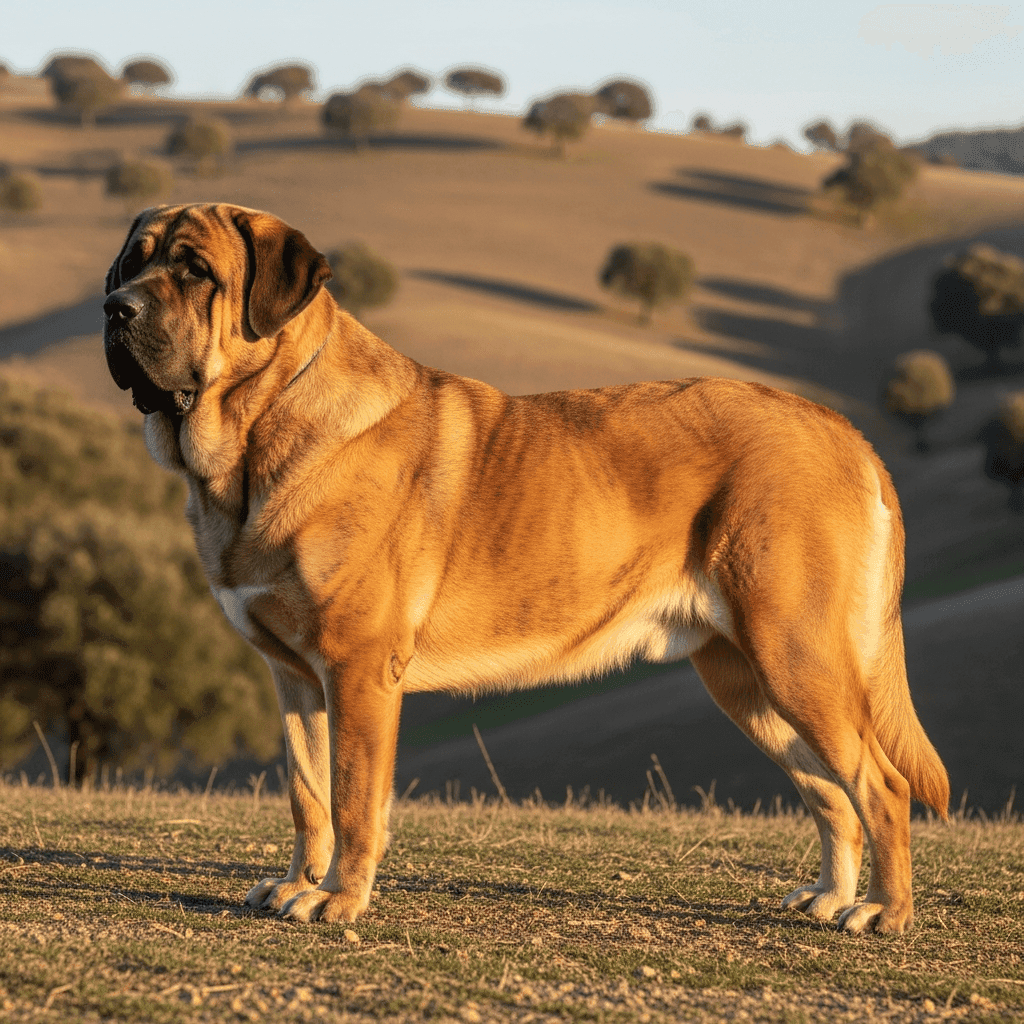
Today, the Broholmer is a large, powerful molosser-type dog with a rectangular silhouette and a massive front body. It is characterized by calmness and confidence in its movements. It excels both as a guard and as a family dog, especially in homes with older children. Its calm yet alert temperament makes it an excellent companion. It is also intelligent, which facilitates training, although it requires a consistent approach. Due to its size and strong personality, it is not recommended for individuals without experience in raising large dogs.
The appearance of the Broholmer features a muscular build, a large, massive head, and short, close-lying fur in shades of yellow and black. To maintain health and good condition, it requires regular physical activity and a balanced diet. Its distinctive silhouette, combined with majestic calmness, makes it a unique dog whose presence in the home can bring both a sense of security and much joy.
The Broholmer is a molosser-type dog with an impressive, muscular build that makes a strong impression with its size and strength. It is a large dog with a rectangular silhouette and sturdy construction. The height at the withers is about 75 cm for males and 70 cm for females, with a weight ranging from 40 to 70 kg.
The head is massive and wide, giving the dog a majestic appearance. The skull is broad and relatively flat, while the muzzle is massive and short. The Broholmer has a large, black nose and drooping lips that emphasize its distinctive expression. The eyes are round, ranging in color from light to dark amber, which adds to its confidence and alertness. The ears are medium-sized, hanging close to the cheeks.
The silhouette features a strong and muscular neck that highlights the solid body structure. The dog's appearance is dominated by a powerful front body. The chest is wide and deep, which supports respiratory efficiency and physical condition. The tail, set low, is thick at the base. At rest, it hangs in a saber shape, while in motion, it rises above the level of the back but does not exceed the line of the spine.
The coat of the Broholmer is short, close-fitting, and dense. It is available in various shades of yellow (from light to deep reddish) and in black. A black mask and white markings on the chest, paws, and tip of the tail may occur. Dogs of this breed exhibit a distinct sexual identity - males are decidedly more masculine, while females are more feminine. Its posture and overall appearance make it not only an impressive but also a very elegant dog.
Broholmer is a dog with a calm and balanced temperament, characterized by a friendly yet alert disposition. He is ready to defend his territory and family, making him an excellent guard dog.
In his relationship with people, Broholmer shows great loyalty and devotion, which makes him an excellent family companion. This breed gets along well with children, especially older ones, as his size can be overwhelming for small kids. Broholmer is moderately tolerant of strangers, so it is important that he is socialized with various people and situations from a young age. Proper socialization allows him to develop confidence and friendly behavior in different circumstances.
His intelligence makes him respond well to training, although he can also be stubborn, requiring a consistent and firm approach from the owner. This dog is quite sensitive to being left alone for long periods, which can lead to destructive behavior, so it is not recommended to leave him alone for extended times.
Broholmer has a moderate hunting instinct, so caution should be exercised around smaller animals that may be perceived as potential prey. As a guard dog, he shows great alertness and readiness to protect his loved ones. At rest, Broholmer carries his head rather low and hunched, with his tail hanging down. When in motion or alarmed, his head and tail rise higher, signaling his increased attention.
Broholmer is a breed of dogs generally resistant to many serious health problems. The average lifespan of this breed is between 10 to 12 years. However, due to its large body structure, it may be prone to some conditions characteristic of giant breeds.
Musculoskeletal system: Due to its mass and size, Broholmer may be susceptible to hip and elbow dysplasia. Therefore, it is important not to allow puppies to engage in excessive physical activity until their joints are fully developed. Arthritis is another issue that may affect older individuals, especially in the absence of proper weight management.
Temperature tolerance: Due to its thick coat, Broholmer may be sensitive to high temperatures, which requires providing it with adequate shade and access to water during hot weather. On the other hand, it tolerates cool conditions well but should not be exposed to extreme cold without proper shelter.
Weight management: Broholmer tends to gain weight, so its diet should be carefully monitored, and physical activity should be regular. Overweight can lead to additional strain on the joints and other health problems.
Common health issues:
- Hip dysplasia
- Elbow dysplasia
- Arthritis
- Entropion (inward rolling of the eyelids)
- Progressive retinal atrophy
- Cataracts
Regular veterinary check-ups and appropriate preventive care will help keep the dog in good condition for many years.
Despite its short coat, the Broholmer has a dense undercoat, which means it requires regular grooming. It is recommended to brush weekly, and during shedding periods, which usually occur several times a year, the dog should be brushed daily. This helps remove dead hair and minimizes its spread in the home.
Early acclimatization to grooming: Grooming is best started at a young age so that the dog gets used to the procedures and does not have issues with them in the future. Regular brushing is also a good opportunity to check the dog's skin for any changes, irritations, or parasites.
Bathing: The Broholmer does not require frequent baths, as its coat is short and easy to keep clean. Baths are only recommended in cases of heavy soiling or unpleasant odors. Excessive bathing can lead to dry skin and damage to the natural protective layer of the coat.
Additional care:
- Regular ear cleaning to prevent infections
- Maintaining dental hygiene through brushing or using dental chews
- Trimming nails as needed if they do not wear down naturally during walks
- Checking skin folds (if present) for irritations
Regular veterinary check-ups are also crucial for maintaining the dog's health at an appropriate level.
Broholmer is a large dog that requires moderate amounts of physical activity. Despite its substantial build, it is not a dog with extreme exercise needs, but regular movement is essential for its physical and mental health.
Daily walks: A minimum of one long walk each day, combined with time for play and exploration, is recommended to keep the dog in good condition. Walks should be varied in terms of route and stimuli, which stimulates the dog's mind and prevents boredom.
Space requirements: Broholmer is not suitable for living in small apartments without access to outdoor space. It thrives in a home with a large, fenced garden where it can move freely and patrol the area. Access to outdoor space allows it to fulfill its natural guarding instincts.
Additional activities: Activities such as fetching, swimming, or even basic agility exercises (adapted to its size) can be beneficial. However, it is important to avoid overly intense jumps and sudden turns that may strain the joints.
Puppies and young dogs: It is important not to overexert young puppies with excessive physical activity, as their joints are still developing. Intense exercise before reaching 12-18 months can lead to joint problems later in life.
Regular physical activity will help prevent weight issues and maintain the dog's health for many years. A well-exercised Broholmer is a calm and balanced companion at home.
Broholmer is a smart dog that responds well to consistent and firm training. Early socialization and training are crucial to ensure that the dog develops into a well-behaved adult canine.
Firm leadership: Due to his large build and strong personality, it is important for the owner to be confident and able to establish rules that the dog will respect. Broholmer needs a leader who is consistent, fair, and calm. Incompetent handling can lead to dominance issues.
Positive reinforcement: Training should be based on positive reinforcement methods, with rewards for good behavior. This can be verbal praise, treats, or playtime. This approach increases the dog's motivation to learn and strengthens the bond between the dog and the owner. Avoid physical punishment, which can lead to mistrust and aggression.
Diverse training sessions: Broholmer can be stubborn, so it is important for training sessions to be interesting, short (10-15 minutes), and varied to avoid boring the dog. Repetition is important, but monotony can cause the dog to lose interest.
Socialization: From the earliest weeks of life, the puppy should be introduced to various people, animals, sounds, and situations. Proper socialization helps build confidence and prevents fears and aggression towards unfamiliar stimuli.
Continuous learning: As the dog grows, it is recommended to continue teaching and introducing new commands and challenges to stimulate his mind. Basic commands such as Sit, Stay, Come, Lie Down are essential for safety and control.
With the right approach and regular training, Broholmer becomes an obedient and well-mannered companion, ready to perform guarding tasks and be a loyal family member.
The Broholmer's diet must be properly balanced to meet its high energy needs and maintain joint and muscle health. Due to its size, nutrition should be based on high-quality food that provides all the essential nutrients.
Food for large breeds: Foods dedicated to large and giant breeds are usually tailored to their specific needs, including the appropriate ratio of protein, fat, and mineral components that support joint health. It is important to avoid excess protein, which can burden its joints and kidneys.
Portion control: Owners should closely monitor the amount of food to prevent obesity, which can lead to serious health issues such as joint dysplasia or heart disease. It is advisable to divide the daily food ration into two or three smaller meals, which facilitates digestion and reduces the risk of gastric torsion - a dangerous condition that occurs in large breeds.
Water: Fresh water should always be available for the dog. Regular hydration is crucial, especially during periods of increased activity or on hot days.
Healthy treats: Supplementing the diet with healthy treats, such as raw vegetables (carrots, broccoli) or small amounts of fruit (seedless apples), can be beneficial. However, it is important to avoid feeding the dog table scraps, which may be unhealthy, too fatty, or contain harmful ingredients (chocolate, onions, garlic).
Supplements: Depending on age and health status, a veterinarian may recommend supplementation with glucosamine, chondroitin, or omega-3 fatty acids to support joint and coat health.
Puppies: Young Broholmers need special puppy food for large breeds that ensures proper bone and joint development. Overfeeding puppies should be avoided, as it can lead to rapid growth and skeletal problems.
Regular veterinary visits will help monitor the dog's health and adjust the diet as needed, ensuring optimal nutrition throughout its life.
Characteristic Traits
Pros
- Loyal and devoted to family
- Excellent guard dog
- Intelligent and easy to train
- Calm and balanced temperament
- Good with children.
Cons
- Requires an experienced owner
- Needs regular physical activity
- May be too large for small apartments
- Tendency to gain weight
- Sensitive to high temperatures.
Behavioral Ratings
Breed History
The Broholmer has a rich history dating back to the Middle Ages, when it was used as a hunting dog, primarily for deer hunting. As a breed type, it has been known for centuries, although its formal selection occurred only later.
18th Century - The Rise of the Breed: By the end of the 18th century, the Broholmer gained popularity thanks to Chancellor Sehested of Broholm, from whose residence the breed inherited its name. During this period, these dogs were bred in purebred conditions, and their numbers significantly increased. The Broholmer became a symbol of the Danish nobility and was valued as a guard dog in wealthy estates, manors, and large farms.
19th Century - Recognition: In the 19th century, the Broholmer was widely known in Denmark and enjoyed great recognition as a guard and companion dog. Its strength, loyalty, and majestic appearance attracted the attention of breeders and owners.
Post-World War II Crisis: Unfortunately, after World War II, the breed nearly went extinct. War destruction, economic difficulties, and decreased interest in breeding large dogs led to a dramatic decline in population.
Rebuilding - 1975: Around 1975, a group of dedicated breeders, later organized as the Broholmer Breed Recovery Society, in collaboration with the Danish Kennel Club (DKK), began working to save the breed. Thanks to their determination and systematic breeding efforts, the population of Broholmers was successfully rebuilt.
Modern Times: Today, the Broholmer is recognized as one of Denmark's national breeds and enjoys growing popularity both domestically and abroad. In 2009, the breed was introduced to the United Kingdom, where it is also gaining recognition. The Broholmer is known for its strength, loyalty, calm temperament, and friendly character, making it an ideal companion for families and individuals experienced in raising large dogs.
The Broholmer breed is a living example of how the dedication and determination of breeders can save a unique breed with a rich history and exceptional traits from being forgotten.