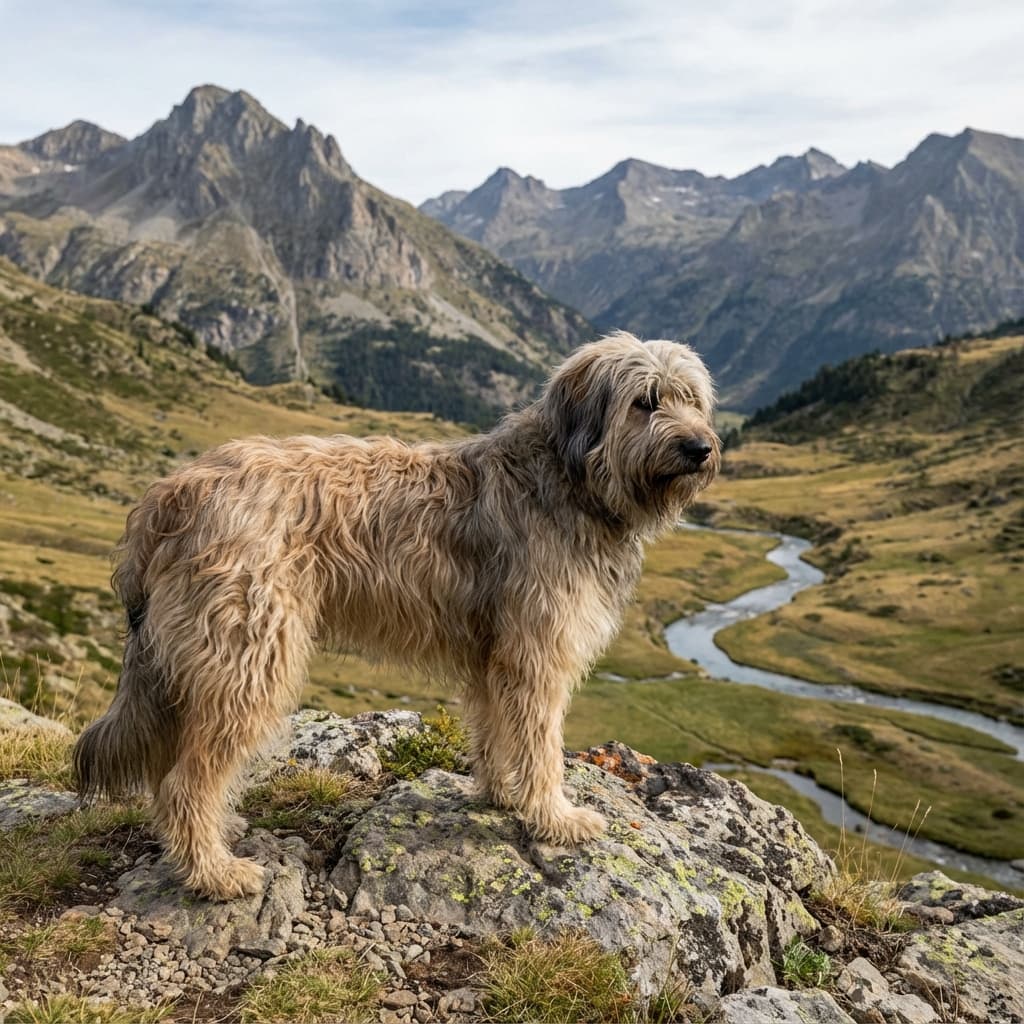
Catalan Shepherd Dog
FCI Group
1• FCI 87
Size
Medium
Origin Country
ES
Height
46-56 cm
Weight
16-26 kg
Lifespan
12-15 years
Temperament
Overview
The Catalan Shepherd, also known as Gos d'Atura Català, is a fascinating breed of herding dog that originates from the picturesque Catalan region of the Pyrenees in Spain. This medium-sized dog certainly attracts attention with its harmonious body structure and beautiful, dense coat.
The coat of the Catalan Shepherd not only adds to its charm but also protects it from various weather conditions – from hot summers to freezing winters. This makes it an excellent companion for any season, ready to work in the toughest mountain conditions.
This breed is characterized by a strong and broad head with a slightly domed skull, giving it an expression full of dignity and confidence. The body proportions are balanced – the torso is slightly longer compared to the height at the withers (approximately 9:8 ratio). The Catalan Shepherd is a true specialist in herding flocks, demonstrating remarkable independence and initiative while working.
One of the greatest assets of this breed is the combination of courage, alertness, and intelligence. These traits allow the Catalan Shepherd to serve as an excellent guard dog, which not only responds to the shepherd's commands but often makes the right decisions in difficult situations on its own. Its ease of learning new skills makes it an ideal companion for active families spending time outdoors.
The Catalan Shepherd is known for its certain distrust of strangers, which further makes it a great guardian. However, in the right conditions, it can form a strong, lasting bond with the family it lives with. This breed requires constant interaction with people, stemming from its balanced, active, and intelligent temperament.
In everyday life, it adapts well to families with children, who can be the object of its natural herding instincts – the dog gently ensures that no one strays from the group. We invite you to further explore this extraordinary breed by delving into detailed sections on the health, grooming, exercise, training, nutrition, history, and behavior of the Catalan Shepherd!
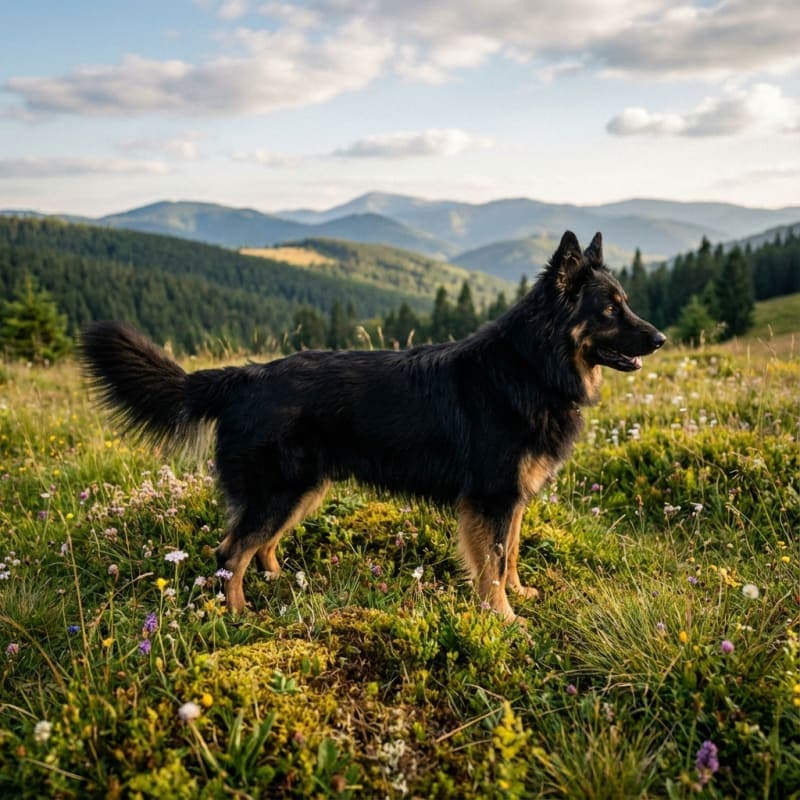
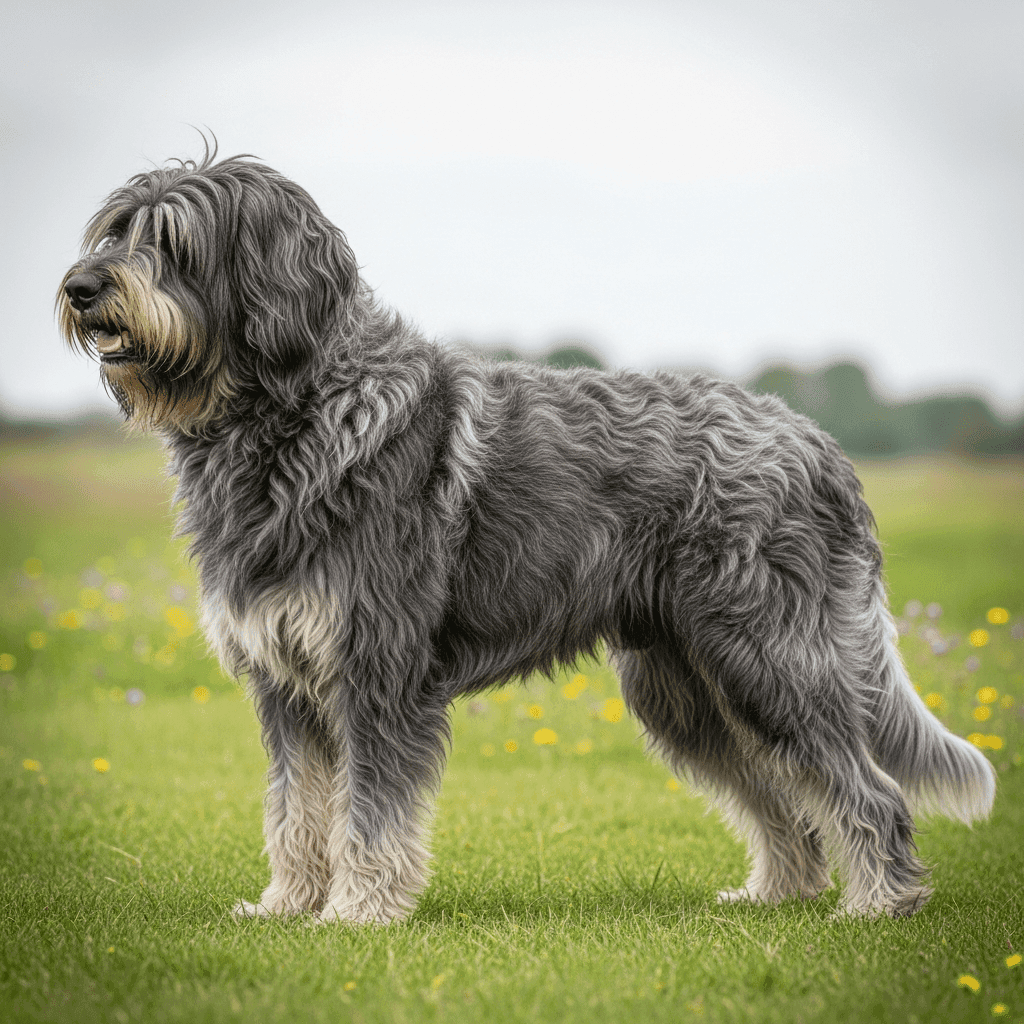
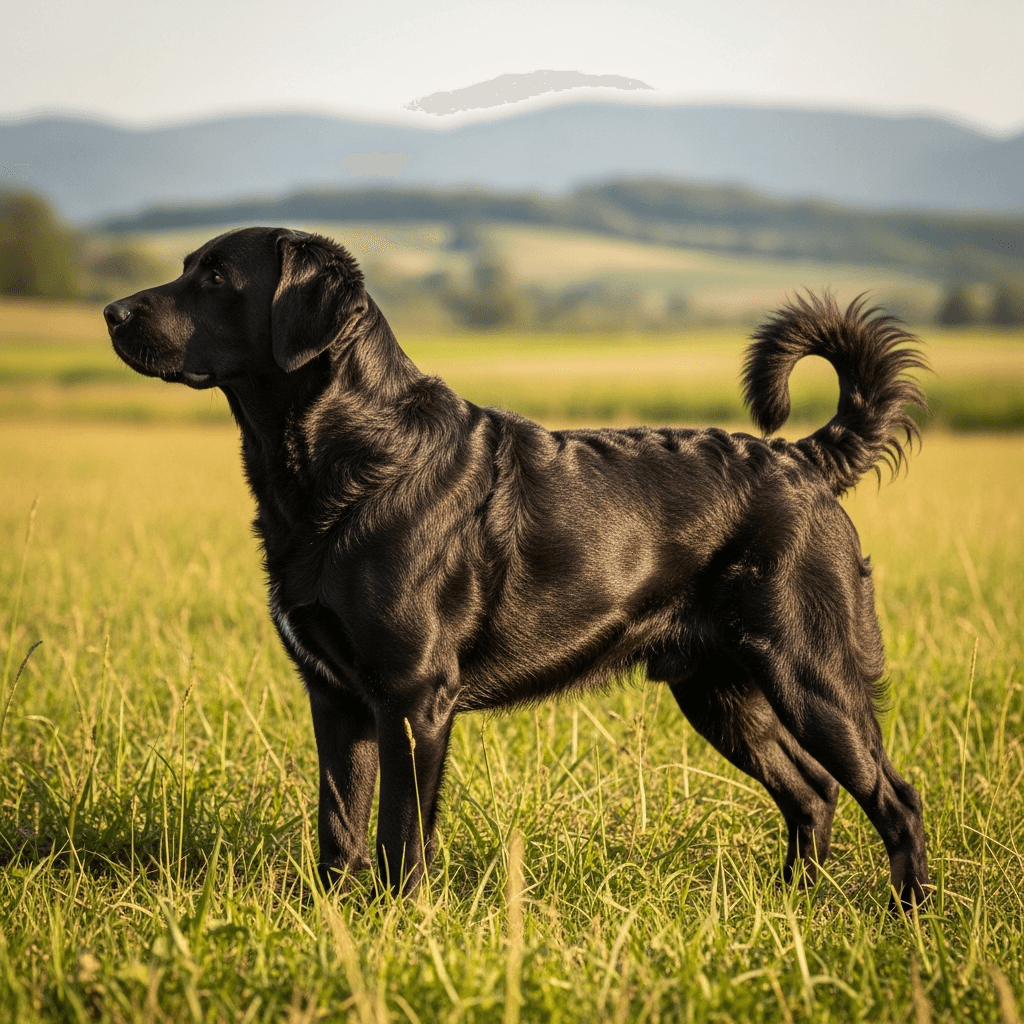
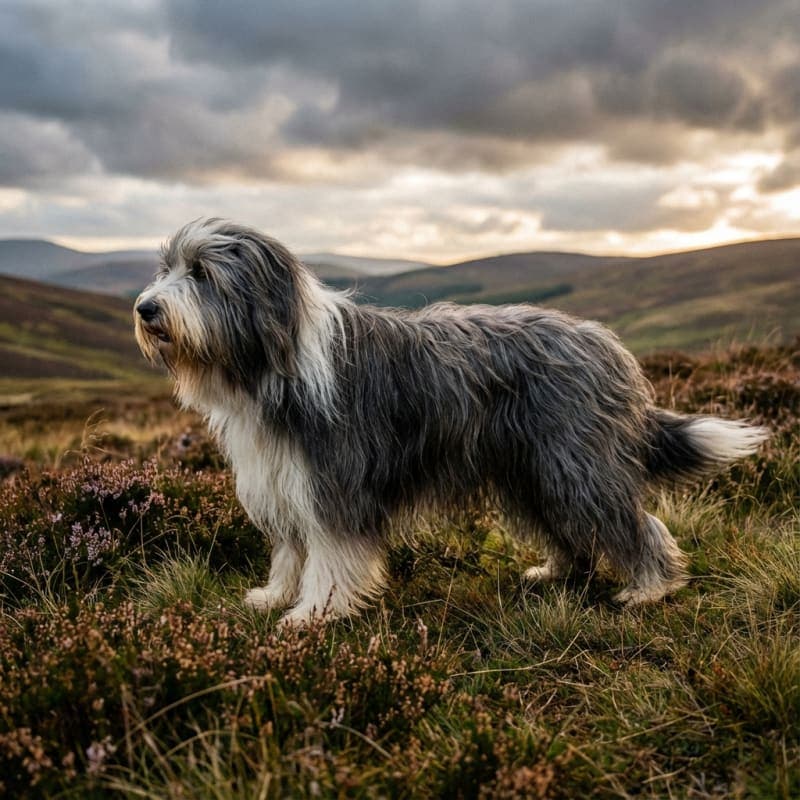
The Catalan Shepherd is a medium-sized dog with a harmonious and balanced build. Height at the withers ranges from 46 to 56 cm, and weight oscillates between 16 and 26 kg. The body proportions are characteristic – the length of the body to the height at the withers is about 9:8, which gives the silhouette elegance and agility.
The head is strong and wide, with a slightly domed skull. The ratio of the braincase to the muzzle is about 4:3. The eyes are dark, round, and expressive – the gaze full of intelligence and alertness. The ears of medium size can be carried in an upright or slightly drooping position, sometimes trimmed triangularly (according to shepherding tradition).
The coat is a hallmark of the breed – dense, long, and wavy, providing protection against harsh weather conditions. It is double-layered: with a dense undercoat protecting against the cold and a wavy outer layer repelling moisture. On the head, it forms a characteristic beard, whiskers, and eyebrows, giving the dog a unique appearance.
The coat colors are varied and include:
- Shades of fawn
- Black
- Sable
- Gray
- Reddish-brown
This breed emanates strength and elegance at the same time, making it an attractive companion for any dog lover who appreciates beauty combined with functionality.
The Catalan Shepherd is a dog with a balanced temperament, combining traits of activity, intelligence, and deep devotion. This breed is known for its high alertness and natural distrust of strangers, making it an excellent guard dog – it reacts quickly to any unusual situation without displaying excessive aggression.
Catalan Shepherds are deeply attached to their owners and family. They often exhibit natural herding instincts, which can manifest in amusingly watching over children or other pets – gently guiding them to ensure they do not stray too far from the group. This behavior is instinctive and echoes centuries of work with sheep herds.
The intelligence of this breed is impressive – dogs quickly learn new commands and can solve problems independently. However, this trait requires a consistent approach to training, as a bored Catalan Shepherd may become stubborn or seek its own, not always desirable solutions.
Regular physical and mental exercise is crucial for the well-being of this breed. Without proper stimulation, the dog may exhibit undesirable behaviors such as excessive barking, destructiveness, or hyperactivity. The Catalan Shepherd does not tolerate being left alone for long – it needs the company of people and a sense of being part of the family flock.
In contact with children, this breed usually performs excellently, although it is important to remember proper socialization from puppyhood. It may be reserved and alert towards strangers, but once it accepts a new person, it becomes friendly. Proper upbringing and socialization are key to ensuring that the dog reacts appropriately to situations.
The Catalan Shepherd is generally a healthy and resilient breed, with an average lifespan of 12 to 14 years. Centuries of natural selection in harsh mountain conditions have contributed to the health resilience and vitality of this breed.
However, like any breed, the Catalan Shepherd may be prone to certain health issues. The most common conditions include:
- Hip dysplasia – recommended X-ray examinations before breeding
- Patellar luxation – more common in smaller individuals
- Ophthalmic problems – glaucoma, cataracts
- Epilepsy – sporadic cases
- Congenital deafness – rare, requires BAER testing
- Dental problems – requires regular oral hygiene
It is important for owners to regularly monitor the health of their dogs with a veterinarian – annual preventive visits and vaccinations are recommended. Owners should be aware of symptoms that may indicate health problems and respond to them promptly.
Catalan Shepherds are also prone to obesity if not properly exercised and fed. Therefore, it is crucial to ensure regular physical activity (at least 60-90 minutes a day) and to provide a balanced, high-quality diet. Weight and physical condition monitoring should be a routine part of dog care.
With proper veterinary care, appropriate nutrition, and regular exercise, the Catalan Shepherd can enjoy a long, healthy, and active life alongside its family.
The care of the Catalan Shepherd is an important aspect of its maintenance due to its characteristic, thick and long coat. This breed requires systematic attention to keep the fur healthy, free from tangles, and to fulfill its protective functions.
Brushing should be done at least once or twice a week using appropriate tools – a brush with metal pins and a comb for detangling. When brushing, special attention should be paid to areas prone to tangling: behind the ears, under the armpits, on the belly, and on the hind legs.
During shedding periods – usually in spring and autumn – the intensity of hair loss significantly increases. At that time, more frequent brushing is necessary, even daily, to remove dead undercoat and prevent the formation of tangles. Special rakes designed for undercoat can be helpful.
Bathing should only be done when necessary – usually every 6-8 weeks or when the dog gets dirty. Too frequent washing can strip the natural protective oils from the coat and skin, leading to dryness and irritation. Mild shampoos designed for long-haired dogs should be used.
Additional grooming elements include:
- Ears – regular checking and cleaning (once a week), especially for dogs with floppy ears
- Eyes – gently wiping around the eyes, removing discharge
- Teeth – brushing 2-3 times a week to prevent tartar buildup
- Nails – trimming every 3-4 weeks if they do not wear down naturally
During grooming, it is worth regularly checking the condition of the skin – for irritations, redness, parasites (ticks, fleas), or other concerning changes. Early detection of a problem allows for quick intervention and avoidance of complications.
The Catalan Shepherd is a very active breed with high exercise requirements, needing a significant amount of activity to remain healthy, happy, and mentally balanced. This breed was developed for intensive herding work in mountainous terrain, which translates into modern activity needs.
Minimum requirements are 60-90 minutes of activity daily, but many individuals will gladly accept even more exercise. Owners should provide a variety of forms of activity:
- Long walks – at least 2-3 times a day, in varied terrain
- Running – an excellent companion for jogging or biking
- Fetching – balls, frisbees, sticks
- Swimming – a great form of exercise that is gentle on the joints
- Hiking – ideal for a breed with herding roots
- Cynological sports – agility, obedience, treibball, rally-o
It is extremely important not only to have physical activity but also mental stimulation. The Catalan Shepherd is an intelligent dog that needs intellectual challenges. They excel at:
- Scent games (searching for hidden treats)
- Dog puzzles and interactive toys
- Learning new tricks and commands
- Obedience training of varying difficulty levels
Consequences of insufficient exercise can be serious – the dog becomes bored, anxious, and may exhibit destructive behaviors (destroying furniture, excessive barking, digging holes in the garden). Separation anxiety or hyperactivity may also develop.
Owners must be aware and ready to dedicate time to their dog's physical activity. The Catalan Shepherd is not a breed for people leading a sedentary lifestyle – it is a companion for active individuals who view their dog as a partner for outdoor adventures.
The Catalan Shepherd is a breed that learns easily and enjoys working with humans, but requires consistent, patient, and wise training approaches. Due to their innate intelligence and eagerness to work, these dogs quickly absorb new commands, but their independence can pose a challenge for inexperienced owners.
Key principles of effective training:
- Consistency – clear, unchanging rules and guidelines
- Positive reinforcement – rewards, praise, play instead of punishment
- Diversity – avoiding monotony by changing exercises and locations
- Short sessions – 10-15 minutes several times a day instead of long, exhausting training
- Patience – understanding that the dog needs time to learn
Socialization should begin as early as possible – from 8-10 weeks of age. The puppy must be exposed to a variety of people, animals, places, sounds, and situations. Proper socialization prevents later issues with distrust of strangers and fears.
Basic commands that every Catalan Shepherd should know:
- Sit
- Stay
- Come
- Lie down
- Leave it
- Heel (walking by the side)
Due to their herding instincts, this breed may show a tendency to guard children or other animals by nipping at their heels. This is a natural behavior that should be gently corrected and redirected to acceptable forms of play.
Catalan Shepherds excel in canine sports, where they can utilize their natural abilities:
- Agility – an obstacle course perfect for agile dogs
- Obedience – advanced obedience
- Treibball – a modern version of herding work with balls
- Rally-O – a combination of obedience and tricks
- Mantrailing – scent tracking
The owner must be confident and firm, but never aggressive or brutal. Well-conducted training not only develops the dog's skills but also strengthens the bond between the dog and the owner, building mutual trust and respect. It is worth considering participation in professional training classes, especially for those without experience with herding breeds.
The diet of a Catalan Shepherd should be carefully crafted and tailored to its age, weight, activity level, and individual health needs. As an active and energetic breed, it requires high-quality food that provides adequate support for muscles, joints, and overall condition.
Basic nutrition principles:
- High-quality protein – meat as the first ingredient (chicken, beef, fish)
- Healthy fats – omega-3 and omega-6 for skin and coat
- Complex carbohydrates – brown rice, sweet potatoes, oats
- Vitamins and minerals – to support the immune system
- Glucosamine and chondroitin – for joint health (especially important for active dogs)
The amount of calories depends on the activity level. A working or very active dog may need 25-30% more calories than a moderately active individual. Owners should monitor their dog's weight and condition, adjusting portions as needed.
Recommended meal distribution:
- Puppies (2-6 months) – 3-4 meals a day
- Adolescents (6-12 months) – 2-3 meals a day
- Adults (12+ months) – 2 meals a day
- Seniors (8+ years) – 2 meals a day, senior food
What to avoid:
- Too many treats (no more than 10% of daily calorie intake)
- Human food – especially fatty, salty, or sweet products
- Toxic foods: chocolate, onions, garlic, grapes, raisins, avocados
- Chicken bones and other poultry (risk of choking and intestinal perforation)
Access to fresh water should be constant and unlimited, especially during periods of intense activity or high temperatures. The water bowl should be regularly cleaned and refilled.
In case of health issues (food allergies, digestive problems, dysplasia, overweight), it is advisable to consult a veterinarian who can help select an appropriate therapeutic diet. Some cases may require specialized food or supplementation.
It is also worth considering periodic rotation of flavors or brands of food (after consulting with a veterinarian) to avoid nutritional deficiencies and food monotony. However, any dietary changes should be introduced gradually over 7-10 days to avoid gastrointestinal issues.
Characteristic Traits
Pros
- Intelligent and easy to train
- Excellent guard dog
- Deeply devoted and loyal to the family
- Ideal for active families
- Durable and resilient to tough conditions.
Cons
- Requires a lot of exercise and mental stimulation
- Distrustful of strangers
- Does not tolerate loneliness
- Requires regular grooming.
Behavioral Ratings
Breed History
The Catalan Shepherd has a long and rich history dating back to ancient times. This breed was likely brought to Spain by the Roman army over two thousand years ago during the expansion of the Empire onto the Iberian Peninsula. Roman soldiers arrived with herding dogs, which were then crossed with local breeds, giving rise to many modern Iberian breeds.
For centuries, Catalan Shepherds were an indispensable tool for shepherds in the Catalan Pyrenees. Their exceptional herding skills – independence, intelligence, courage, and endurance – made them ideal for work in difficult, mountainous terrain. These dogs not only obediently followed the shepherd's commands but often made independent decisions regarding the management of the flock.
Over time, the breed spread beyond the Pyrenees region, gaining popularity in other pastoral areas of Catalonia. Catalan Shepherds were valued not only for their herding abilities but also for their alertness and bravery – they served as guard dogs protecting flocks from predators and thieves.
During World War I and II, Catalan Shepherds played an extraordinary role – they served as military messengers, sanitary dogs, and sentinels. Their intelligence, endurance, and loyalty made them invaluable companions for soldiers. Unfortunately, the wars also brought significant losses to the breed's population.
In the 1970s, the breed nearly became extinct – the population dwindled to critically low levels. The industrialization of agriculture, the reduction of traditional pastoral farms, and the effects of wars put the Catalan Shepherd on the brink of extinction. However, thanks to the determination of breeders and breed enthusiasts – particularly Catalan enthusiasts wishing to preserve cultural heritage – a population recovery program began.
Today, the Catalan Shepherd is gradually regaining popularity, although it still remains rare outside of Spain. In 1929, the breed was officially recognized by the FCI (Fédération Cynologique Internationale), and in 1982, the applicable standard was published. Today, Catalan Shepherds are valued both for their herding skills (still used in traditional farms) and as companion dogs for active families.
This breed remains a living symbol of Catalan pastoral culture and heritage, combining centuries-old tradition with the modern requirements of family dogs. The Catalan Shepherd is not just a dog – it is a piece of history that has survived the ages and continues to impress with its functionality, intelligence, and devotion.