Bearded Collie
FCI Group
1• FCI 271
Size
Medium
Origin Country
GB
Height
51-56 cm
Weight
20-27 kg
Lifespan
13-15 years
Temperament
Overview
Bearded Collie, also known as Beardie, is a unique herding breed originating from the picturesque landscapes of Scotland. Its history dates back to the 16th century when it assisted shepherds in working with flocks of sheep in challenging mountainous terrains. This breed stands out not only for its intelligence and versatility but, above all, for its cheerful, energetic character that wins the hearts of owners worldwide.
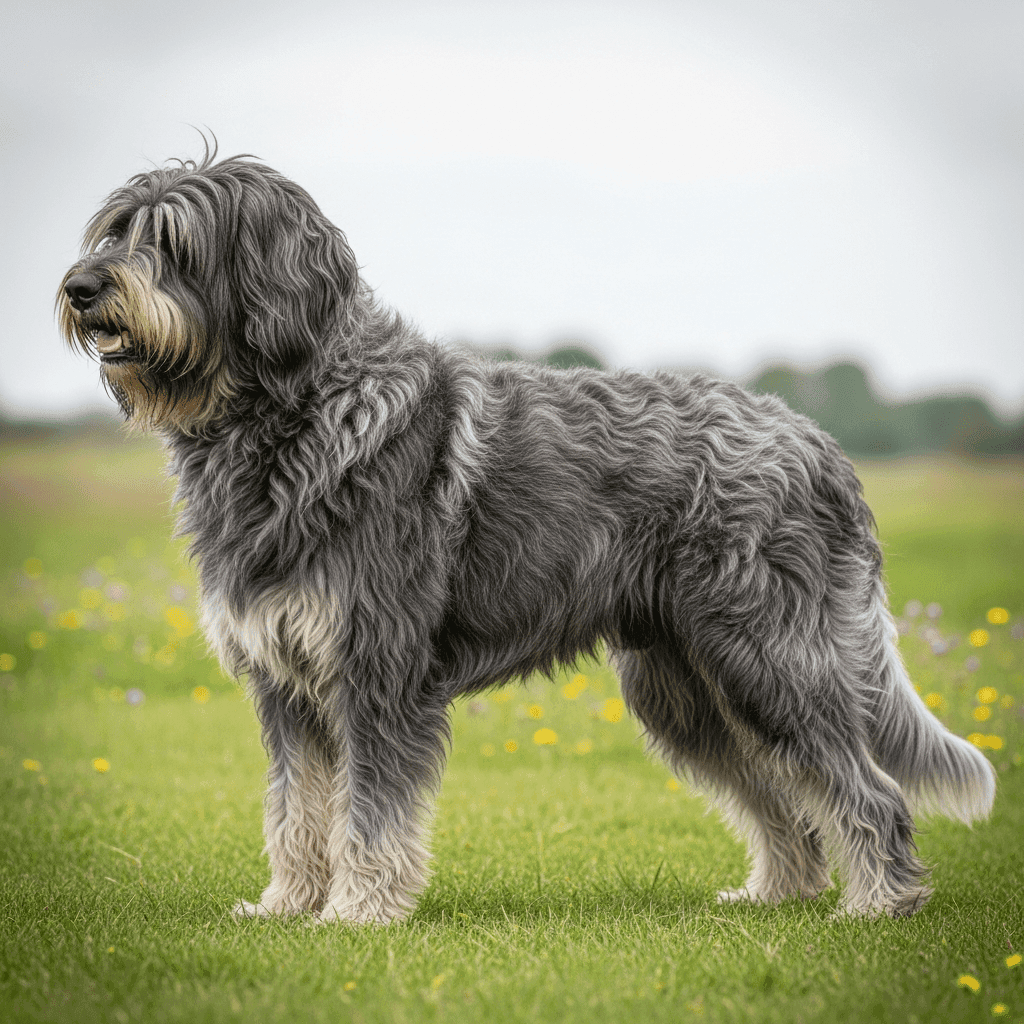
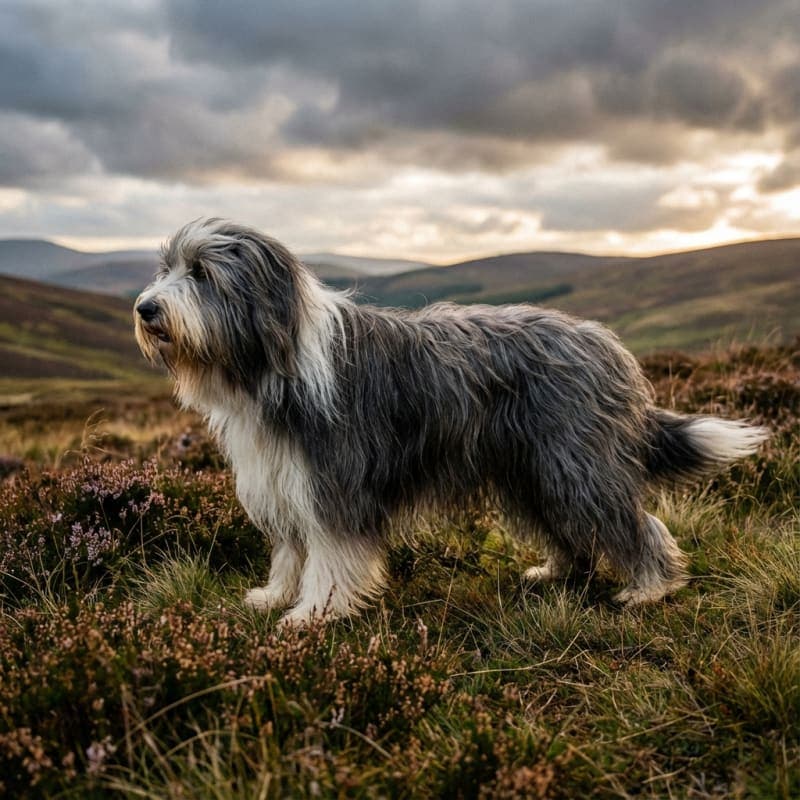
This medium-sized dog with a strong yet airy build attracts attention with its distinctive appearance. The long, double coat in various shades – slate gray, red gold, black, and blue with white markings – not only adds to its charm but also effectively protects against the Scottish whims of weather. The characteristic beard (hence the name bearded) and bright, inquisitive expression in its eyes make it a dog with an unforgettable image.
The Bearded Collie is a true volcano of energy that requires an active lifestyle and close contact with its family. It is extremely sociable and attached to its caregivers, making it an ideal companion for both experienced dog lovers and families with children. Although it may initially be shy around strangers, it never shows aggression – its friendly nature prevails in every situation. Its high intelligence makes training easier, although it requires consistency and variety to keep this sharp-witted canine from getting bored.
This guide provides comprehensive information on health, grooming, physical activity, training, nutrition, and the fascinating history of this breed. It will help understand what makes the Bearded Collie such a unique and beloved dog around the world.
The Bearded Collie is a medium-sized dog with a harmonious, well-balanced silhouette. The height at the withers ranges from 51 to 56 cm, with males generally being slightly taller than females. Despite its solid build, this breed presents itself lightly and agilely – there should be light visible under the body, which emphasizes its mobility and elegance.
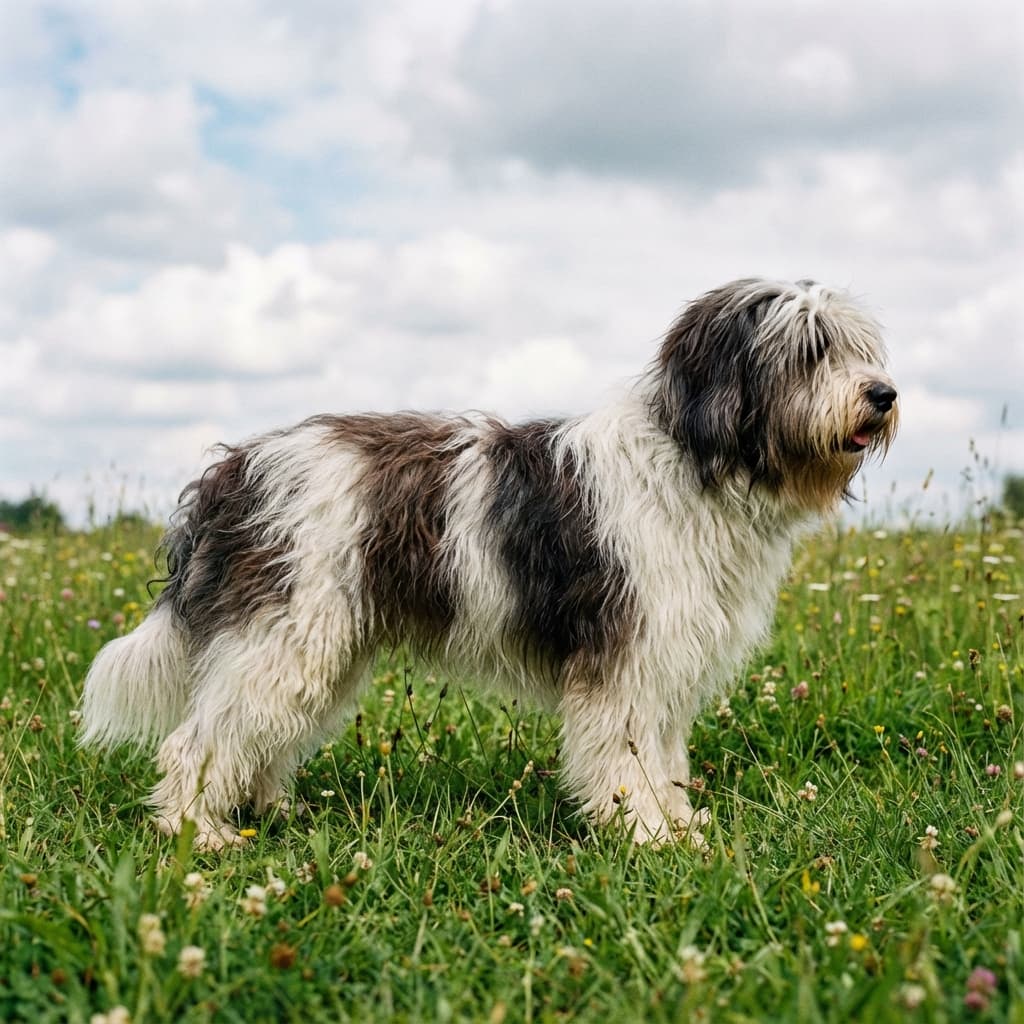
A characteristic feature of the Bearded Collie is its long, double coat consisting of a dense, soft undercoat and a longer, coarse outer coat. The coloration can be diverse and includes shades of:
- Slate gray
- Red fawn
- Black
- Blue
White markings often appear on the head, chest, legs, and tip of the tail, adding charm and individuality to each individual.
The head is proportional to the body, with a wide skull and strong muzzle. The characteristic beard gives the face a unique appearance. The eyes are large, friendly, widely spaced, and their color harmonizes with the coat. A bright, inquisitive expression in the eyes is one of the most recognizable traits of this breed. The ears are medium-sized, hanging down, with a slightly raised base – when the dog is alert, they lift up, highlighting its interest in the surroundings.
The limbs are strong and well-muscled, providing the Bearded Collie with agility and endurance during work and play. The tail is set low, long, and carried low at rest, but during movement, it can be raised (but never curled over the back). The overall silhouette of the Bearded Collie emanates health, strength, and readiness for action.
The Bearded Collie is a dog with a cheerful, energetic, and sociable disposition. It is known for its exceptional love for people and a strong need to be part of the family. This breed excels in the role of a family dog – it is extremely attached to its guardians and loves spending time with them. By nature, it is friendly, open to new acquaintances, and easily establishes relationships with both children and adults.
The intelligence of the Bearded Collie makes them easy to train, although they can sometimes show a bit of stubbornness. They are independent dogs that like to make decisions on their own, which was necessary during herding work on the Scottish hills. They may exhibit moderate shyness towards strangers, especially in new situations, but they are never aggressive. After getting to know a new person, they quickly open up and show their friendly nature.
In stressful situations, they may show nervousness; however, in most cases, they remain calm and balanced. The Bearded Collie has a moderate need for independence – it does well when it has to spend some time alone, but prolonged periods without companionship can lead to behavioral problems such as property destruction or excessive barking.
This breed also has a moderate hunting instinct, which means it may show interest in smaller animals, but it does not have a strong tendency to escape or hunt. The Bearded Collie is an excellent companion for people leading an active lifestyle who value loyalty, cheerfulness, and intelligence in a canine friend. Their joyful, lively nature ensures that life with a Beardie is never boring.
The Bearded Collie is generally a healthy and resilient breed, with an average lifespan of 12 to 14 years. Despite its good health condition, like any breed, it can be prone to certain ailments that prospective owners should be aware of.
Among the potential health issues that may occur in Bearded Collies are:
- Hip dysplasia – a hereditary condition affecting the proper functioning of the joints
- Autoimmune diseases – which can manifest with various symptoms, from skin problems to systemic disorders
- Dermatological issues – related to dense fur and skin sensitivity
- Eye disorders – such as cataracts or progressive retinal atrophy (PRA)
It is important for owners to regularly monitor the health of their dogs through veterinary visits and to provide a proper diet and physical activity. Preventing obesity is crucial, as being overweight can exacerbate joint problems and lead to other conditions. The Bearded Collie, despite having a double coat, does not tolerate hot weather well – during the summer, it is essential to provide access to shade, fresh water, and to avoid physical exertion during the hottest hours of the day.
Regular brushing and attention to coat hygiene can help in detecting skin problems at an early stage. Caring for dental health, checking ears, and regular nail trimming also contribute to the dog's health and comfort. With proper care and prevention, the Bearded Collie can enjoy a long, healthy, and active life alongside its family.
Grooming a Bearded Collie requires significant commitment due to their long, dense coat. This is one of the most important aspects of caring for this breed, which should not be underestimated by future owners.
Regular brushing is absolutely essential – it is recommended to brush at least once a week, and preferably several times a week, to prevent tangling and matting of the fur. Owners should dedicate at least an hour to thoroughly combing the entire coat, paying special attention to areas prone to mats, such as:
- Behind the ears
- Armpits
- Back legs
- Near the tail
During the shedding season, which occurs twice a year, daily brushing may be necessary to effectively remove dead undercoat. Appropriate tools should be used – brushes with long pins and metal combs of varying tooth density work best.
Bearded Collies should not be trimmed – their natural coat serves as protection against weather conditions and should be maintained in as natural a state as possible. Only hygienic trimming of the fur around the eyes, paws, and intimate areas is recommended to maintain cleanliness and comfort for the dog.
Additionally, owners should regularly:
- Check and clean the ears to prevent infections
- Maintain oral hygiene and brush teeth several times a week
- Trim nails every 2-4 weeks if they do not wear down naturally
- Monitor the condition of the skin under the dense coat
The Bearded Collie is not a breed recommended for allergy sufferers, as their abundant fur can trigger allergic reactions. Attention to all aspects of grooming not only ensures a beautiful appearance but, most importantly, prevents many health issues and provides the dog with comfort and well-being.
The Bearded Collie is a breed of dog with very high exercise needs. As a herding dog, bred to work on the Scottish hills, the Beardie requires a significant amount of daily physical activity to maintain its physical and mental health.
Daily long walks are an absolute minimum – ideally 1-2 hours a day, divided into several sessions. Walks combined with play, training, and the opportunity to run freely in safe, fenced areas are perfect. The Bearded Collie loves:
- Running and playing with a ball or frisbee
- Interactions and play with other dogs
- Agility training and dog sports
- Long hikes
- Water play (many individuals love to swim)
This breed feels best outdoors and is ideally suited for active families living in homes with gardens or near walking areas. The Bearded Collie is an excellent companion for people who enjoy jogging, cycling, or mountain hiking. Its endurance and energy allow it to accompany its owner for many hours without signs of fatigue.
Lack of adequate exercise can lead to serious behavioral problems, such as:
- Destruction of furniture and household items
- Excessive barking and whining
- Hyperactivity and difficulty concentrating
- Anxiety and frustration
In addition to physical activity, the Bearded Collie also needs mental stimulation – solving dog puzzles, scent games, learning new commands, and various training challenges are just as important as exercise. Owners should be prepared to dedicate a significant amount of time to daily activities with their Beardie. In return, they will receive a loyal, happy, and balanced companion who will enjoy every moment spent together.
Training a Bearded Collie can be both extremely rewarding and challenging. This intelligent breed is eager to learn, but at the same time has an independent nature that can pose a challenge for inexperienced owners.
Intelligence and willingness to cooperate make the Bearded Collie quickly grasp new commands and tasks. However, their herding nature also means a certain degree of stubbornness and independence in decision-making. The key to success is consistent yet positive training based on reinforcements such as:
- Treats and favorite snacks
- Praise and enthusiastic approval
- Favorite toys as rewards
- Playtime together as a form of reward
Bearded Collies react poorly to harsh training methods or punishment – such an approach can make the dog reluctant to learn or fearful. Positive reinforcements and variety in training are crucial to prevent this clever canine from getting bored with a monotonous routine. It is worth introducing:
- Diverse exercises and commands
- Training games in different locations
- Elements of scent games and problem-solving
- Agility training and other dog sports
Early socialization is extremely important for Bearded Collies. Puppies should be exposed to a variety of stimuli, people, animals, and situations from the youngest weeks of life. This will help prevent shyness towards strangers and build confidence in different environments. A well-socialized Beardie will be a confident, balanced dog that handles any situation.
Training should include both basic obedience commands (Sit, Stay, Come, Lie Down, No) and more advanced techniques. Bearded Collies excel in dog sports such as agility, flyball, or competitive obedience. With the right approach to training, you can create a loyal, obedient, and happy companion who is eager to cooperate with the owner in any situation.
The Bearded Collie's diet should be well-balanced and tailored to their high energy needs. Due to their active lifestyle, this breed requires food that provides the right nutrients and energy necessary for daily activities.
It is recommended to feed them high-quality food – this can be dry, wet, or a natural diet (BARF), depending on the owner's preferences and the dog's individual needs. Key ingredients to pay attention to include:
- High-quality protein (from meat, fish, or poultry) – a minimum of 20-25% for adult dogs
- Healthy fats – omega-3 and omega-6 for healthy skin and a shiny coat
- Carbohydrates – from rice, sweet potatoes, or vegetables as a source of energy
- Vitamins and minerals – for proper body function
Bearded Collies should be fed twice a day – preferably at regular times, to ensure stable energy levels and avoid digestive problems. The portion size should be adjusted to:
- The dog's age (puppies, adults, seniors have different needs)
- The level of physical activity
- Health status and condition
- Weight and body structure
Overfeeding should be avoided and giving too many treats or human food should be limited, as this can lead to obesity. Being overweight is particularly dangerous for Bearded Collies, as it puts stress on the joints and can exacerbate health issues such as hip dysplasia. Owners should regularly monitor the dog's weight and adjust the amount of food based on their condition and activity level.
Access to fresh, clean water at all times is absolutely crucial – especially after intense exercise or on hot days. Bearded Collies, due to their thick coat, can be prone to overheating, so regular hydration is extremely important.
It is advisable to consult with a veterinarian or an animal nutrition specialist regarding the optimal diet for a specific dog. Each Bearded Collie is different and may require an individual approach, especially if there are food allergies, a sensitive stomach, or other health issues. Proper nutrition is the foundation of your Beardie's health, energy, and long life.
Characteristic Traits
Pros
- Intelligent and easy to train
- Friendly and sociable with people
- An excellent companion for active families
- Thrives in dog sports
- Patient and gentle with children.
Cons
- Requires regular and time-consuming grooming
- Needs a lot of daily physical activity
- May be shy around strangers
- Not suitable for people with allergies.
Behavioral Ratings
Breed History
The Bearded Collie has a rich and fascinating history that dates back at least to the 16th century. The first mentions of dogs resembling today's Bearded Collie appear in Scottish records from this period, where they were described as herding dogs used to work with flocks of sheep and cattle in the challenging terrains of Scotland and Northern England.
According to one legend, about 500 years ago, dogs resembling Polish Lowland Sheepdogs (PON) arrived on the shores of Scotland. They were said to have been brought by traders or sailors and subsequently crossed with local Scottish herding dogs. This combination of genes may have contributed to the development of the characteristic features of the Bearded Collie – long fur, endurance, and the ability to work in harsh mountainous conditions. The similarities between these breeds are still evident today.
Over the centuries, the Bearded Collie gained a reputation as an exceptionally skilled herding dog, capable of managing a flock of sheep independently even in the toughest terrain. Its intelligence, endurance, and independence were invaluable to Scottish shepherds. Despite its usefulness, this breed remained relatively unknown outside its region of origin.
A pivotal moment in the breed's history was the year 1944, when G. Olive Willison accidentally came into possession of a Bearded Collie puppy named Jeannie. After extensive searching, she found a mate for Jeannie – a dog named Bailie. Her kennel Bothkennar established the modern breed standard and initiated the systematic breeding of Bearded Collies. The breeding lines from Bothkennar became the foundation for today's representatives of this breed worldwide.
In the 20th century, the Bearded Collie began to gain greater popularity, not only as a working dog but also as a family companion and show dog. In 1989, a Bearded Collie named Potterdale Classic at Moonhill won the Best in Show title at the prestigious Crufts dog show in the UK, significantly contributing to the breed's rise in popularity.
Today, the Bearded Collie is valued worldwide – both as a talented herding dog and a wonderful family companion. Although the number of working dogs has decreased, the breed has retained its herding instincts and energetic character. The Bearded Collie is a living testament to Scottish breeding tradition and proof that working dogs can successfully find their place as beloved family members.