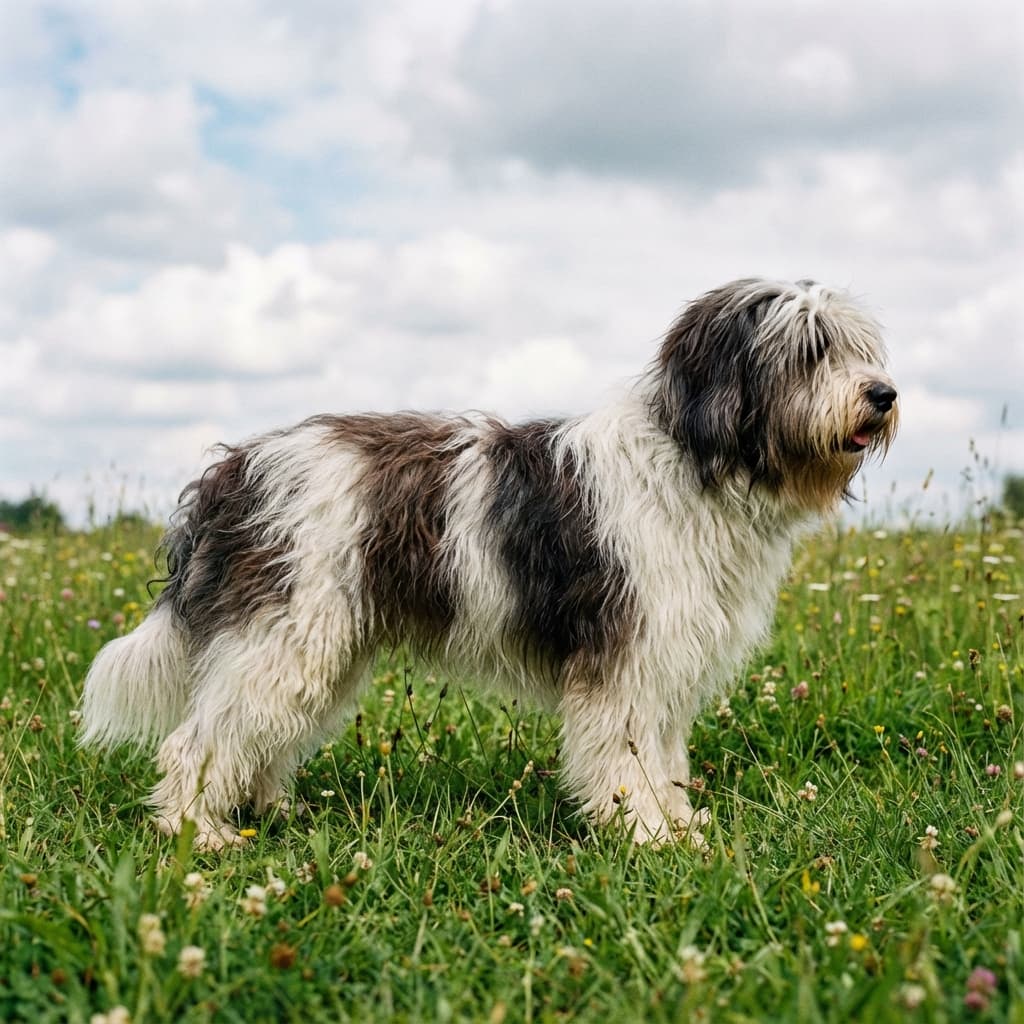
Polish Lowland Sheepdog
FCI Group
1• FCI 251
Size
Medium
Origin Country
PL
Height
42-50 cm
Weight
15-20 kg
Lifespan
12-14 years
Temperament
Overview
Polish Lowland Sheepdog, often referred to as PON, is a unique herding breed originating from Poland that has captured the hearts of dog lovers around the world. Its average size and strong, muscular build make it an excellent companion in both urban and rural settings.
Thick, long coat gives it a distinctive, characteristic appearance, making it resistant to various weather conditions. Thanks to its double coat, the PON handles both cold and warm days exceptionally well.
Originally bred as a herding dog, the Polish Lowland Sheepdog excelled at guarding sheep and cattle in the Polish lowlands. Its intelligence, alertness, and remarkable ability to make independent decisions make it a valued working dog. In urban environments, its lively yet balanced temperament makes it an indispensable family companion.
The history of this breed is rich and dates back to ancient times. Polish Lowland Sheepdogs are considered one of the oldest herding dog breeds in Europe. Their intelligence and excellent memory make them easy to train, which is appreciated by owners worldwide. Although they have been popular in the UK since the 16th century, they remain relatively lesser-known in the United States.
A characteristic feature of this breed is its balanced temperament. PONs are lively, sharp, and alert, but do not tend to show excessive aggression. They are extremely attached to their guardians, love spending time with family, and require regular physical and mental activity to stay healthy and happy.
With their striking appearance, thick, long coat, and lively character, Polish Lowland Sheepdogs are not only visually appealing but also incredibly useful as guardians. Owners of this breed must take care of their health through a proper diet, regular grooming, and veterinary visits. We encourage you to further explore this fascinating dog through the following sections of our guide, where we will discuss in detail aspects of health, grooming, exercise, training, nutrition, history, and behavior of this extraordinary canine.
The Polish Lowland Sheepdog is a medium-sized dog characterized by a strong, muscular build. The height at the withers ranges from 45 to 50 cm for males and from 42 to 47 cm for females. According to the FCI standard, the minimum height is 42 cm and the maximum is 50 cm.
The silhouette of the PON is rectangular, with a height-to-body length ratio of 9:10, giving the dog a harmonious, compact appearance. The head is proportional to the rest of the body, medium-sized, with a strong coat on the forehead, cheeks, and chin, making it look more massive than it actually is.
The skull is wide, slightly arched with a visible frontal groove and occipital bump. The stop (transition from the forehead to the muzzle) is clearly defined. The muzzle is strong, blunt, with a straight bridge of the nose. The nose should be as dark as possible in relation to the coat color, with large nostrils.
The eyes are medium-sized, oval, in hazel or brown color, with a lively and penetrating expression. The ears are hanging, heart-shaped, set moderately high, covered with dense fur.
The neck is strong, muscular, and of medium length, carried rather horizontally. The back is straight and strong, the loins are wide and muscular. The chest is deep and capacious, with well-arched ribs.
The tail can be naturally short or stubby. If it is longer, it is abundantly furred and carried naturally, usually low or at the level of the back.
The coat of the Polish Lowland Sheepdog is its most characteristic feature. It is dense, thick, and shaggy, with a soft, abundant undercoat. The outer coat is long, rough to the touch, and may be slightly wavy or straight. The dense fur covers the entire body, including the head, creating a characteristic shaggy appearance.
The coloration of this dog is very diverse, and all colors are acceptable. The most commonly encountered are: white, gray (in various shades), black, brown, and combinations of these colors with white spots or tan markings. The coat can be solid or patched, adding a unique character to each individual.
The Polish Lowland Sheepdog has a balanced yet lively temperament. It is sharp, alert, and extremely intelligent. Its attachment to the family is very strong, and this dog is known for its loyalty and devotion. It can be both a loving companion and a skilled guardian.
The PON is a dog with a great memory and high intelligence, which makes it easy to train and capable of making decisions independently. This is a characteristic trait of herding dogs, which had to manage on their own in difficult terrain conditions. At the same time, this independence can manifest as stubbornness, so the owner must be consistent in training.
Towards strangers, the PON is usually distrustful and requires time to trust new people. This is a natural guarding trait that made it an excellent guardian of herds in the past. It is not aggressive without reason, but it can alert the owner with loud barking when it notices something concerning.
The Polish Lowland Sheepdog needs strong leadership from its owner to feel secure in its role. It is a dog that feels best in a home where there is a clear hierarchy. The owner must be firm, yet patient and gentle in their approach.
In stressful situations, the PON can be somewhat anxious and react to loud noises. Early socialization is crucial for the dog to learn how to cope with various environmental stimuli.
This breed is also known for being very sociable with familiar people and loves spending time with children and other pets. It is patient and gentle in interactions with younger family members, making it an excellent family dog.
Owners should provide PONs with appropriate physical and mental stimulation to avoid behavioral problems such as destructive behavior, hyperactivity, or excessive barking. A dog that lacks exercise and intellectual stimulation can become bored and unhappy.
The Polish Lowland Sheepdog is also a great guardian that can watch over the home and family. Although it is not prone to attack, its alertness and protective instinct make it an excellent warning alarm.
The Polish Lowland Sheepdog is a breed that has undergone natural selection for centuries in harsh conditions, contributing to its health and resilience. The average lifespan of this breed is between 12 to 14 years, which is a good result compared to other medium-sized breeds.
PONs have a strong and resilient build, which enables them to survive in difficult weather conditions. Their double coat protects them from both cold and excessive heat, making them durable and adapted to living in various climates.
However, like any breed, the Polish Lowland Sheepdog can be prone to certain health issues. The most common health problems include:
- Hip dysplasia – a genetic condition affecting the proper development of the joint, which can lead to pain and lameness.
- Patellar luxation – an orthopedic issue involving the displacement of the kneecap, more commonly found in medium-sized dogs.
- Progressive retinal atrophy (PRA) – a degenerative eye condition that can lead to vision loss.
- Cataracts – clouding of the eye's lens, which can occur in older dogs.
Owners should be aware that overweight can be a problem if the dog does not receive enough exercise or is fed low-quality food. Excess body weight puts stress on the joints and can lead to orthopedic issues and metabolic diseases.
Regular veterinary visits, a proper diet, weight management, and ensuring adequate exercise can help maintain the health of this dog throughout its life. It is also recommended to perform genetic testing before breeding to minimize the risk of hereditary diseases.
Grooming also affects health. Regular brushing prevents matting, which can lead to skin problems and infections. Attention to ear, dental, and nail hygiene is equally important for keeping the dog in good condition.
The care of the Polish Lowland Sheepdog is crucial for maintaining the dog's health, comfort, and well-being. Their thick and long coat requires regular attention and time from the owner.
Brushing should be done daily or at least 3-4 times a week to prevent tangling and matting of the hair. Mats can be painful for the dog, hinder movement, and lead to skin problems such as irritations or infections. It is best to use a bristle brush and a comb with metal teeth of varying lengths for brushing.
Hair falling from the forehead should be regularly trimmed to avoid obstructing the eyes and hindering vision. Long hair around the eyes can also cause irritations and eye infections.
Baths are recommended every 6-8 weeks or as needed, especially after walks in dirty or muddy conditions. Mild shampoos designed for long-haired dogs should be used, which will not dry out the skin or damage the hair structure. After bathing, the dog should be thoroughly dried to avoid skin problems.
Ear hygiene is very important, as hanging, densely furred ears can be prone to infections. Ears should be regularly checked for redness, odor, or discharge and gently cleaned with special veterinary products.
Oral hygiene is another important aspect of grooming. Regular tooth brushing (preferably daily or a few times a week) prevents the buildup of tartar, gum disease, and bad breath. Special dental treats can also be used.
Nail trimming should be done regularly when the nails become too long and can be heard clicking on the floor. Overly long nails can cause discomfort, walking problems, and joint damage.
It is also worth remembering that Polish Lowland Sheepdogs do not shed heavily throughout the year, which can be a plus for allergy sufferers or those who do not want a lot of dog hair in their home. However, dead hair must be regularly brushed out to prevent matting.
Proper grooming not only improves the dog's appearance but also affects its health, preventing skin diseases, ear infections, dental problems, and other ailments. Owners of PONs must be prepared to dedicate time to regular grooming treatments.
The Polish Lowland Sheepdog is a dog with high exercise needs, requiring regular physical activity to remain healthy, balanced, and happy. As a herding breed, the PON was bred for hard work in the field, which is why it needs an appropriate amount of movement and mental stimulation.
Daily walks are absolutely essential. It is recommended to have at least two walks a day, each lasting a minimum of 30-45 minutes. Walks should be varied, allowing for sniffing, exploring the terrain, and interacting with other dogs. The PON loves long hikes, running in the woods, and playing in open spaces.
In addition to daily walks, it is worth engaging the Polish Lowland Sheepdog in various forms of sporting activities, such as:
- Agility – an obstacle course that perfectly stimulates both the body and mind of the dog.
- Frisbee – great fun that develops fitness and agility.
- Sport obedience – higher-level obedience training.
- Trekking – long mountain or forest hikes.
- Herding – herding training, which is a natural activity for this breed.
The PON is a very energetic and intelligent breed, which means it needs not only physical exercise but also mental stimulation. Scent games, interactive toys, learning new tricks, and obedience training will help satisfy its intellectual needs.
Owners should be aware that lack of sufficient exercise can lead to serious behavioral problems, such as:
- Hyperactivity and difficulty concentrating
- Destructive behaviors (chewing furniture, destroying objects)
- Excessive barking
- Anxieties and stress
- Overweight and health issues
The Polish Lowland Sheepdog is not suitable for living solely in an apartment without the opportunity for regular, long outdoor activities. This is a dog that feels best in a home with a garden or in the countryside, where it has access to space for running and playing.
It is also important to adjust the intensity of exercise to the age and condition of the dog. Puppies and young dogs need shorter but more frequent sessions to avoid overloading developing joints. Older dogs may require calmer forms of activity, such as moderate-paced walks.
The training of the Polish Lowland Sheepdog should be conducted in a consistent yet varied manner. This breed is very intelligent and easy to train, but it requires confidence from the owner and the ability to adapt training methods to the individual needs of the dog.
The PON is an independent and thinking dog, which is a natural trait of herding dogs. They can make independent decisions, which in training may manifest as a certain stubbornness. Therefore, the owner must be firm, consistent, but at the same time patient and positive.
Positive reinforcement is the best training method for the PON. This breed responds excellently to rewards in the form of treats, verbal praise, and play. Physical punishment or yelling is not advisable and can lead to a loss of trust and behavioral problems.
Owners should avoid monotony in training, as Polish Lowland Sheepdogs quickly get bored. Training sessions should be short (10-15 minutes), but frequent and varied. Introducing new commands, tricks, and challenges will keep the dog more engaged and eager to cooperate.
Early socialization is crucial for the proper development of the PON. The puppy should be exposed to various stimuli, people, animals, and environments to learn how to react appropriately in different situations. A well-socialized dog will be confident, calm, and balanced.
This breed needs a strong hierarchy in the family, which means that the owner must be perceived as the pack leader. The PON respects strong leadership and feels best when it knows what is expected of it. Inconsistency in upbringing can lead to problems such as disobedience or dominance.
Basic commands that every PON should know include: Sit, Stay, Come, Lie down, No. It is also worth teaching the dog to walk on a loose leash, which will make daily walks easier. The PON has a strong herding instinct, so it may tend to pull on the leash or try to herd other dogs or people.
Obedience training can be developed at a higher level by engaging the dog in canine sports such as agility, obedience, frisbee, or rally. The PON loves intellectual and physical challenges, so these activities will be an excellent way for it to spend time.
Well-conducted training will yield results in the form of a obedient, balanced, and happy dog, who will enjoy interacting with its caregiver and other family members. The Polish Lowland Sheepdog is a breed with immense potential and, with the right approach, will become an ideal companion.
The diet of the Polish Lowland Sheepdog should be tailored to its age, weight, activity level, and health status. This breed tends to gain weight, so it is important to avoid overfeeding and to provide a balanced, high-quality diet.
Owners should choose high-quality foods that contain essential nutrients, vitamins, and minerals. The best foods are those that list meat or fish as the first ingredient, rather than grains or fillers. Good food should provide the right amount of protein, fats, carbohydrates, and fiber.
For puppies, it is recommended to use foods specially formulated for dogs in the growth phase, which support proper development of bones, joints, and muscles. PON puppies should be fed 3-4 times a day in small portions.
For adult dogs, two meals a day are sufficient, served at regular times. The portion size should be adjusted to the dog's weight, age, and activity level. Very active, working, or sporting dogs may require more calories.
For seniors, it is advisable to provide lower-calorie foods enriched with joint-supporting ingredients such as glucosamine and chondroitin. Older dogs are less active, making it easier for them to gain weight.
It is also worth considering introducing natural ingredients into the diet, such as:
- Meat (chicken, beef, turkey, lamb)
- Fish (salmon, mackerel – rich in omega-3 fatty acids)
- Vegetables (carrots, broccoli, pumpkin, spinach)
- Fruits (apples, blueberries – in small amounts)
- Eggs (rich in protein)
These additions positively impact the dog's health, support the immune system, improve coat and skin quality, and provide essential vitamins and minerals.
Regular meals and weight monitoring are crucial for maintaining proper condition. Owners should regularly weigh their dog and observe its body shape. A dog at a healthy weight should have a visible waist, and its ribs should be palpable but not visible.
Polish Lowland Sheepdogs are very motivated by food, which means they can easily gain weight if they do not get enough exercise or are overfed. Being overweight puts stress on the joints, heart, and can lead to serious health problems such as diabetes or heart disease.
Access to fresh water should be provided at all times. Especially on warm days or after intense exercise, a dog needs plenty of fluids to avoid dehydration.
It is important to avoid giving the dog harmful products, such as chocolate, onions, garlic, grapes, raisins, avocados, xylitol (sweetener), and poultry bones, which can cause poisoning or damage to the digestive tract.
If there are any doubts about the diet, it is advisable to consult a veterinarian or pet nutritionist, who can help develop an appropriate feeding plan tailored to the individual needs of the dog.
Characteristic Traits
Pros
- Intelligent and easy to train
- Balanced and friendly temperament
- Excellent family dog and companion
- Resilient to various weather conditions
- Low shedding level.
Cons
- Requires regular and time-consuming coat care
- Needs a lot of physical and mental activity
- Can be alert and barky towards strangers
- Requires consistent training.
Behavioral Ratings
Breed History
The Polish Lowland Sheepdog has a long and rich history, dating back to the Middle Ages when it was used as a herding dog in Poland. This breed originates from the Polish lowlands and is considered one of the oldest herding dog breeds in Europe.
It is believed that the ancestors of the Polish Lowland Sheepdog may have their roots in Asian dogs that arrived in Europe with migrating herding tribes. Another theory suggests a connection with Tibetan dogs, which may have reached Poland through trade routes. Similarities to Tibetan terriers and bearded collies suggest a common ancestry.
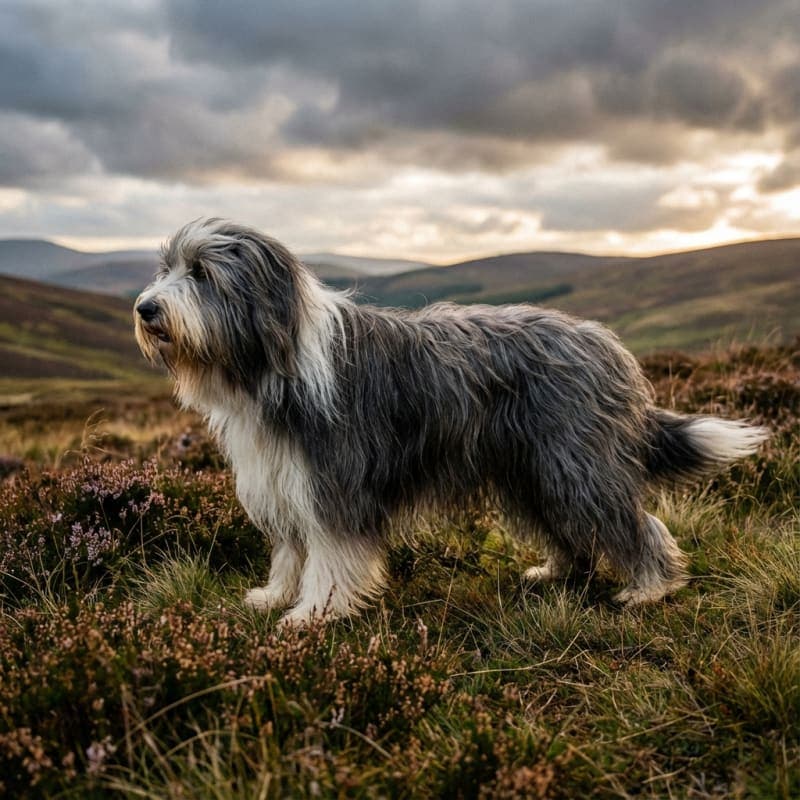
In 1514, Polish Lowland Sheepdogs were brought to Scotland by a Polish merchant who exchanged grain for sheep. Scottish shepherds were so impressed by the skills of these dogs that some individuals remained on the British Isles. It is believed that PONs contributed to the development of the Bearded Collie breed, which explains their similarities in appearance and character.
For centuries, the Polish Lowland Sheepdog was an indispensable companion for shepherds, guarding sheep and cattle in the Polish lowlands. Its intelligence, independence, alertness, and resilience to harsh weather conditions made it valued both as a working dog and a guardian.
During World War II, the breed was on the brink of extinction. Many individuals perished during the war, and breeding was almost completely destroyed. After the war, thanks to the efforts of Polish breeders, particularly Dr. Danuta Hryniewicz and Dr. Ewa Czartoryska, the breed was rebuilt. The recovery program was based on a few surviving individuals with documented pedigrees.
In 1957, the Polish Lowland Sheepdog was officially recognized by the International Canine Federation (FCI). Since then, the breed has begun to gain international recognition and popularity.
In Great Britain, PONs are very popular, especially due to their historical connections to the region. In the United States, the breed was recognized by the American Kennel Club (AKC) in 2001, but it remains relatively less known compared to other herding breeds.
Today, Polish Lowland Sheepdogs are valued not only as working dogs but primarily as companion dogs. Their versatility, intelligence, dedication to family, and striking appearance make them increasingly popular worldwide. They are also popular in canine sports such as agility, obedience, and rally.
The history of the Polish Lowland Sheepdog is a story of a breed that has survived centuries, wars, and difficult times, thanks to its exceptional intelligence, resilience, and versatility. Today's PONs are worthy successors of their herding ancestors, combining tradition with modernity.