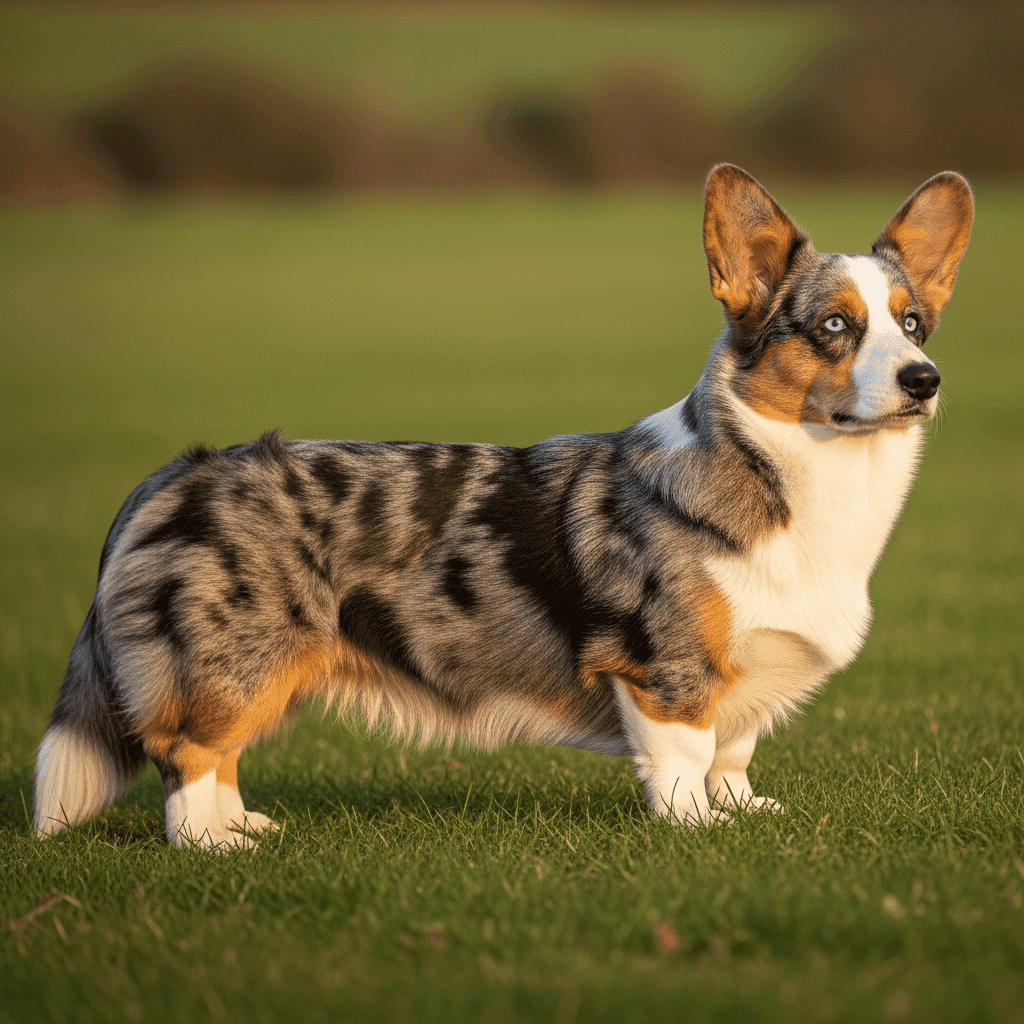
Welsh Corgi Cardigan
FCI Group
1• FCI 38
Size
Medium
Origin Country
GB
Height
30-30 cm
Weight
11-17 kg
Lifespan
12-14 years
Temperament
Overview
Welsh Corgi Cardigan is an extraordinary breed of dog originating from picturesque Wales, which has been captivating people for centuries with its distinctive appearance and versatility. This ancient herding breed, whose history dates back at least to the 9th century, combines the functionality of a working herd dog with the unique charm of a family pet.
The Corgi Cardigan is characterized by its stocky and strong body structure while having an elongated torso and distinctive short legs. Their large, erect ears and magnificent tail resembling a fox's brush are their trademarks, making it impossible to confuse them with any other breed. These features give them a unique, fairy-tale appearance that many associate with legends of elves using Corgis to work with cattle.
Representatives of this breed are known for their exceptional intelligence and lively temperament, making training them a true pleasure. Their intelligence places them among the sharpest dog breeds, and their eagerness to learn and attachment to family make them ideal companions. Corgi Cardigans are not just companion dogs – their herding instinct and work abilities are still alive, although today they more often serve as beloved family members than as farm workers.
Their extraordinary attachment to family and cheerful disposition make them perfectly suited for homes where they are treated as full-fledged family members. Thanks to their alertness and friendly nature, they are ideal companions for both adults and children. However, their intelligence and energy require proper engagement – Corgi Cardigans need consistent training, mental stimulation, and regular physical activity.
The beautiful, dense coat of the Corgi Cardigan, although short or medium in length, is tough and provides excellent protection against various weather conditions. It comes in a fascinating range of colors – from red, through black, to the unique blue merle and brindle, often with distinctive white markings. This resilient coat makes them ideal companions for active families who spend a lot of time outdoors, regardless of the season.
Corgi Cardigans thrive in both urban and rural settings, provided they receive the appropriate amount of physical activity and mental stimulation. Their versatility, resilience, and adaptability to various living conditions make them an excellent choice for many types of owners.
If you are looking for a dog that will bring joy, energy, and devotion to your life, the Welsh Corgi Cardigan is the perfect choice. Their unique appearance, friendly character, and rich history make them impossible to overlook. We encourage you to proceed to the next sections of our guide to learn more about their health, grooming, training, history, and many other fascinating aspects of this wonderful breed.
Welsh Corgi Cardigan is a breed of dogs with a uniquely distinctive appearance that sets them apart from all other breeds. According to the FCI standard (no. 38, updated 2022), their body is stocky, strong, and durable, with an elongated torso and short, sturdy legs, giving them a unique, fairy-tale look.
Head and Expression
The head of the Corgi Cardigan is fox-like, with a wide, flat skull between the ears, tapering towards the eyes. The stop is moderate. The muzzle gradually narrows towards the nose, and the ratio of muzzle length to head is 3 to 5. The nose is black and slightly protruding, never blunt. The jaws are strong with a scissor bite, and the jawline is clearly defined but not excessively massive.
Eyes and Ears
The eyes are medium-sized, clear, with a friendly, alert but attentive expression. They are set fairly wide apart with distinctly marked corners. Dark eyes or those matching the coat color are preferred, with dark eyelids. In dogs with a blue merle coat, light blue, blue, or blue with spots eyes are acceptable.
The ears are erect and proportionally quite large relative to the size of the dog, with slightly rounded tips. They are moderately wide at the base and set about 8-9 cm apart. They are carried in such a way that the tips are slightly wider than a straight line drawn from the tip of the nose through the center of the eyes.
Body Structure
Corgi Cardigans are built strongly and durably, adapted for endurance. The body length is proportionally greater than the height. The chest is wide and deep, well dropped between the front legs. The torso is quite long and strong, with a clearly defined waist when viewed from above.
Tail
One of the most distinctive features of the breed – the tail resembles a fox's brush, is long and should reach or nearly reach the ground. It is carried in line with the body at rest or slightly raised during movement, never curled over the back.
Coat and Coloration
The coat is short or medium-length, hard to the touch and dense, with a good undercoat, providing excellent protection against the elements. The coat is resistant to rain and snow, ideal for a herding dog working in tough conditions.
The coloration of the Welsh Corgi Cardigan is extremely diverse and can include:
- Red – from light golden to deep red
- Black – often with tan markings
- Blue merle – unique, marbled pattern
- Brindle – dark stripes on a lighter background
- Sable – hairs with black tips on a red base
White markings are common and accepted on the head (a stripe on the muzzle), neck, chest, belly, legs, and tip of the tail.
Dimensions
Height at the withers: about 30 cm
Weight: proportional to size, usually 11-17 kg (females lighter, males heavier)
Overall, the Welsh Corgi Cardigan is a breed that exudes strength, agility, and endurance, while maintaining an extraordinary charm and fox-like elegance. Their appearance is functional – every feature has been shaped by centuries of work as herding dogs, while also giving them a unique, fairy-tale character.
Welsh Corgi Cardigan is a breed with a wonderful temperament, characterized by alertness, activity, and intelligence according to the FCI standard. These dogs combine emotional balance with friendliness, and they are never shy or aggressive.
Character and Temperament
Corgi Cardigans are extremely attached to their owners and entire families. Their devotion is deep and unconditional, making them excellent companion dogs. At the same time, they do not tolerate prolonged solitude – dogs left alone for long periods can develop behavioral problems such as destructive behaviors, excessive barking, or separation anxiety.
Intelligence and Alertness
Corgi Cardigans are among the most intelligent dog breeds, which is evident in their quick learning, excellent memory, and problem-solving abilities. Their alertness makes them excellent guardians – they notice everything happening in their surroundings and are eager to inform their owners of any unusual situations. However, they are not aggressive towards strangers; rather, they are cautious and observant.
Herding Instinct
As true herding dogs, Corgi Cardigans possess a strong herding instinct, which can manifest in everyday life. They may try to "herd" family members, other pets, or even children, which is a natural behavior for this breed. This instinct can also lead to nipping at heels – a behavior that was useful when working with livestock but requires redirection in a home environment.
Relationships with Others
Corgi Cardigans are generally friendly towards other dogs and pets, especially if they have been properly socialized from a young age. They enjoy social interactions and play with other dogs, although their herding instinct may sometimes lead to attempts to dominate or organize play according to their own rules.
In relationships with children, they are usually patient, friendly, and protective. Their energy and playfulness make them wonderful playmates. However, it is important to teach children to respect the dog and to avoid behaviors that may trigger the herding instinct (e.g., running with squeals).
Tendency to Bark
Corgi Cardigans have a moderate to high tendency to bark, stemming from their herding background and alertness. They can be excellent alarms, notifying about approaching guests or unusual sounds. Without proper training and boundaries, however, they may bark excessively, which should be corrected from a young age.
Energy and Activity Level
Despite their small size, Corgi Cardigans have large reserves of energy and love physical activity. They are working dogs at heart, so they need not only walks but also tasks to perform, interactive play, and mental challenges. Without adequate stimulation, they can become bored and develop undesirable behaviors.
Stubbornness and Independence
Corgi Cardigans, while eager to learn, may exhibit a certain level of stubbornness and independence in their thinking. They are intelligent dogs that sometimes like to "test" boundaries and rules. Owners must be consistent, confident, and firm (but never harsh) to build a healthy relationship based on mutual respect.
Adaptability
Corgi Cardigans are surprisingly adaptable and can thrive in both homes with gardens and apartments, provided they receive adequate physical activity and mental stimulation. They can adjust to various lifestyles, although they always prefer to be close to their beloved people.
Key Elements of Balanced Behavior:
- Early socialization – exposure to various people, animals, places, and situations
- Consistent upbringing – clear boundaries and rules from puppyhood
- Appropriate activity – physical and mental stimulation
- Positive reinforcement – rewarding desired behaviors
- Family companionship – avoiding prolonged solitude
Proper upbringing and socialization in youth will help Welsh Corgi Cardigans become balanced, happy, and well-mannered dogs that will bring joy to the whole family for many years.
Welsh Corgi Cardigan is generally a healthy and resilient breed, with an average lifespan of 12 to 15 years when given proper care and a healthy lifestyle. However, like many purebred dogs, they can be prone to certain genetic diseases and health issues that potential owners should be aware of.
Common Health Issues
1. Intervertebral Disc Disease (IVDD)
Due to their elongated body and short legs, Corgi Cardigans are prone to spine problems, particularly intervertebral disc disease. This condition can lead to pain, difficulty moving, and in severe cases, paralysis. Owners should:
- Avoid allowing the dog to jump from high places
- Support the dog's back when lifting
- Maintain a healthy weight (obesity increases spinal stress)
- Be vigilant for symptoms: stiffness, reluctance to move, whining
2. Hip Dysplasia
Hip dysplasia is a congenital developmental defect that can lead to pain, lameness, and arthritis. Responsible breeders conduct X-ray screenings of the parents to minimize risk. Maintaining an appropriate weight and moderate, regular physical activity can help manage this condition.
3. Progressive Retinal Atrophy (PRA)
PRA is a group of hereditary eye diseases leading to gradual vision loss and blindness. It initially manifests as night blindness and then progresses. Genetic testing can identify carriers, making it important to choose puppies from breeders who test their dogs.
4. Obesity
Corgi Cardigans have a huge appetite and a tendency to gain weight, which is one of the most common health issues in this breed. Obesity leads to:
- Increased risk of IVDD (greater spinal stress)
- Joint problems and arthritis
- Heart disease and diabetes
- Shortened lifespan
Regular weight checks, a proper diet, and daily activity are absolutely crucial for the health of Corgis.
5. Eye Problems
Aside from PRA, Corgi Cardigans may be prone to other eye issues such as:
- Cataracts
- Corneal dystrophy
- Conjunctivitis
Regular eye examinations can help in early detection of problems.
6. Other Conditions
- Epilepsy – seizures may occur in some lines
- Thyroid Diseases – hypothyroidism can lead to obesity and skin problems
- Heart Diseases – rare, but can occur
Adaptation to Climate Conditions
With their thick double coat, Corgi Cardigans can adapt to various climate conditions, both warm and cold. The undercoat provides excellent insulation in winter; however, in hot days, dogs may be prone to overheating. Owners should:
- Provide shade and fresh water on hot days
- Avoid intense exercise during peak heat hours
- Monitor the dog for signs of overheating
- In winter, provide a dry, warm place to rest
Prevention and Regular Care
Key elements in maintaining the health of Corgi Cardigans include:
- Regular veterinary check-ups (at least once a year)
- Up-to-date vaccinations according to the veterinary schedule
- Regular deworming and parasite protection
- Weight control – weighing the dog monthly
- Behavior monitoring – any changes should be consulted with a veterinarian
- Oral hygiene – regular teeth brushing
- Healthy diet – high-quality food suited to age and activity
- Appropriate activity – without excessive spinal strain
Choosing a Puppy from a Responsible Breeder
The best way to minimize the risk of health problems is to choose a puppy from a responsible breeder who:
- Conducts health tests on the parents (dysplasia, PRA, eye diseases)
- Keeps health records of the breeding lines
- Can provide health certificates
- Cares for proper socialization and early care of the puppies
With proper care, regular veterinary check-ups, and a healthy lifestyle, Welsh Corgi Cardigan can enjoy a long, healthy, and happy life alongside their beloved family, often reaching or exceeding 14-15 years.
The grooming of the Welsh Corgi Cardigan is relatively easy and not too time-consuming, but it requires regular attention to maintain the health and beautiful appearance of their coat. Their characteristic double coat is adapted to various weather conditions, but it comes with certain grooming requirements.
Coat Structure
Corgi Cardigans have a double coat consisting of a hard, dense outer hair and a soft, insulating undercoat. This structure provides excellent protection against rain, snow, and cold, but it also means intense shedding, especially during coat changes.
Brushing
Regular brushing is a key element of grooming for Corgi Cardigans:
- Daily grooming is recommended, especially during heavy shedding periods (spring and autumn)
- During other times, brushing 3-4 times a week is sufficient
- Use a slicker brush or furminator to effectively remove dead hair and undercoat
- Brushing not only removes dead hair but also stimulates blood circulation and distributes natural skin oils
- It helps minimize the amount of hair in the home and prevents matting
Shedding
Corgi Cardigans are known for their intense shedding, which occurs year-round but intensifies twice a year during coat changes:
- Spring shedding – loss of winter undercoat (March-May)
- Autumn shedding – replacement of summer coat with winter coat (September-November)
During these periods, dogs can lose huge amounts of hair, requiring daily, intensive brushing, sometimes even several times a day. Using undercoat removal tools (furminator) can significantly ease this process.
Bathing
Corgi Cardigans do not require frequent baths:
- A bath every 6-8 weeks is usually sufficient
- Too frequent baths can strip natural oils and lead to dry skin
- Use gentle, dog-specific shampoos
- After bathing, thoroughly dry the dog, paying attention to the undercoat
- Bathing may be more frequent if the dog gets dirty while playing outside
Nail Care
Regular nail trimming is crucial for the health and comfort of Corgis:
- Trim nails every 3-4 weeks or when you hear clicking on the floor
- Too long nails can cause discomfort, walking problems, and joint damage
- If you don't feel confident trimming, ask a veterinarian or groomer for help
- Get the dog used to having its paws handled from puppyhood
Ear Cleaning
Due to their large, upright ears, Corgi Cardigans need regular ear checks and cleaning:
- Check ears weekly for redness, odor, or excess wax
- Clean ears every 2-3 weeks or as needed, using a special dog ear cleaning solution
- Never use cotton swabs – they can damage the ear canal
- Moisten a cotton ball with the solution and gently wipe the visible part of the ear
- Any signs of infection (odor, discharge, redness) require a visit to the veterinarian
Oral Hygiene
Regular dental care is a often overlooked but extremely important aspect of caring for Corgis:
- Brush your dog's teeth daily or at least 3-4 times a week
- Use toothpaste designed for dogs (never human toothpaste!)
- Regular hygiene prevents tartar buildup, gum disease, and tooth loss
- It can also prevent serious health issues (bacteria from the mouth can affect the heart and other organs)
- Provide dental toys and treats that support teeth cleaning
Skin and Coat Check
During brushing, regularly check for:
- The skin for redness, rashes, dryness, or irritations
- The presence of external parasites (fleas, ticks) – especially after walks in the woods
- Any abnormal lumps, bumps, or skin changes
- The condition of the coat – a healthy coat should be shiny and elastic
Paw Pad Care
- Regularly check paw pads for wounds, cracks, or foreign bodies
- Trim hair between the toes to prevent clumping of mud and snow
- In winter, wash paws after walks to remove salt and chemicals from the roads
- You can use paw pad balms to prevent cracking
Getting Used to Grooming
The key to easy grooming is early acclimatization of the puppy to all procedures:
- Start gentle brushing and handling as early as puppyhood
- Positively reinforce calm behavior during grooming (treats, praise)
- Short, frequent sessions are better than long and stressful ones
- Create a routine – consistency makes cooperation easier
Professional Grooming
Corgi Cardigans do not require professional grooming to the extent that some other breeds do, but an occasional visit to a groomer can be helpful, especially:
- During heavy shedding periods (removal of undercoat)
- For nail trimming if the owner does not feel confident
- For thorough ear cleaning
- For a complete bath and drying
Overall, Welsh Corgi Cardigans are not a breed that requires complicated grooming, but regular care of their coat, teeth, nails, and overall health is crucial for their comfort, health, and beautiful appearance for many years.
Welsh Corgi Cardigan is a herding breed with a worker's spirit, which, despite its small size, has significant needs for physical activity and mental stimulation. These energetic dogs were bred for hard work on Welsh farms, meaning they have vast reserves of endurance and a desire to act.
Daily Physical Activity
Welsh Corgi Cardigans need at least 60-90 minutes of physical activity daily, spread over several sessions. Short walks around the block are not enough – they need real physical challenges:
- Two walks a day – each lasting 30-45 minutes, at a moderate or brisk pace
- Playtime – a minimum of 20-30 minutes of active play (fetch, tug-of-war, chasing)
- Off-leash activities – regular visits to a safe, fenced area where they can run freely
- Variety of routes – changing walking routes provide new scents and stimuli
Types of Activities
1. Walks and Hikes
Corgi Cardigans love walks and are excellent companions for hiking. Despite their short legs, their endurance is impressive. They can easily cover miles if they are in good shape. However, it is important to:
- Gradually build up their stamina
- Avoid very steep descents (strain on the spine)
- Adjust the distance to the dog's age and fitness
- Provide breaks for water and rest
2. Fetching
Playing fetch is an ideal activity for Corgis, combining physical effort with obedience training. You can fetch balls, frisbees, toys – anything that interests the dog. It’s a great way to burn energy in a shorter time.
3. Interactive Games
- Tug-of-war – builds strength and is great fun
- Searching for hidden treats – combines activity with nose work
- Chasing – if you have a safe area and another dog to play with
4. Canine Sports
Corgi Cardigans excel in various dog sports:
- Agility – while they are not the fastest, their agility and intelligence make them competitive
- Obedience – ideal for their intelligence
- Rally-O – combines obedience with fun
- Herding – allows them to utilize their natural instincts
- Nosework – scent work, perfect for all dogs
- Flyball – a combination of fetching and speed
These activities not only provide physical exertion but also deeply satisfy the mental needs of an intelligent Corgi.
5. Swimming
Some Corgis love water and swimming, which is an excellent low-impact exercise, ideal for dogs with spine issues or overweight. However, not all Corgis are natural swimmers, so introducing them to water should be gradual and positive.
Mental Stimulation
Just as important as physical activity is mental stimulation. Corgi Cardigans are extremely intelligent dogs that need challenges for their minds:
- Interactive toys – puzzles with hidden treats, treat balls
- Learning new tricks – regular training sessions teaching new commands
- Scent games – hiding treats indoors or outdoors
- Toy rotation – changing available toys weekly keeps interest
- Obedience training – regular repetition and refinement of commands
- Training in new locations – moving training to different places
Without proper mental stimulation, Corgis can become bored, destructive, and may develop undesirable behaviors.
Herding Instinct in Action
Remember that Corgi Cardigans have a strong herding instinct, which may manifest during activities:
- They may try to herd running people, cyclists, or joggers
- They may nip at heels during a chase
- They may organize play among other dogs according to their own rules
These are natural behaviors that can be redirected through proper training and herding activities (if available in your area).
Important Safety Rules
Due to the specific body structure of Corgi Cardigans (long torso, short legs), it is important to follow certain safety rules:
- Avoid jumping – minimize jumps from high places (sofa, stairs) that strain the spine
- Gradually increase intensity – especially in puppies and young dogs whose bones and joints are developing
- Monitor weight – overweight drastically increases the risk of spine problems
- Be cautious on hot days – thick fur can lead to overheating, plan activities for cooler parts of the day
- Gradually increase distances – build endurance gradually, especially in young or older dogs
Adjusting to Age
Puppies (0-12 months):
- Shorter, more frequent activity sessions (5-10 minutes per month of age, twice a day)
- Avoid intense running and jumping (protect developing joints and bones)
- Focus on socialization and basic training
- Controlled play with other puppies
Adults (1-7 years):
- Full activity – 60-90 minutes daily
- Variety of physical and mental activities
- Ideal for canine sports
- Peak energy and endurance
Seniors (8+ years):
- Adjust intensity according to health status
- Shorter, gentler walks
- Focus on mental stimulation
- Low-impact activities (e.g., swimming)
- Regular veterinary check-ups before changing exercise routines
Consequences of Insufficient Activity
Corgi Cardigans without adequate activity may develop:
- Obesity – a serious health issue
- Destructive behaviors – chewing, digging, destroying furniture
- Excessive barking – out of frustration and boredom
- Behavioral problems – anxiety, aggression
- Depression – apathy, decreased energy
Summary
Welsh Corgi Cardigan is an active breed that requires an engaged owner who will provide them with the right amount of both physical activity and mental stimulation. They are not dogs for people leading a sedentary lifestyle. However, for active families who love spending time outdoors, Corgi Cardigans will be ideal, loyal companions for adventures, ready for any joint activity – from daily walks to multi-day mountain hikes.
The training of the Welsh Corgi Cardigan is usually a pleasant and satisfying experience because these dogs are extremely intelligent, eager to learn, and want to please their owners. However, their herding background and independent thinking can present certain challenges that require consistency and the right approach.
Intelligence and eagerness to learn
Corgi Cardigans are among the most intelligent dog breeds, which is evident in their:
- Quick assimilation of new commands – often just 5-15 repetitions are enough
- Excellent memory – they remember commands, tricks, and routines for a long time
- Problem-solving abilities – they can think independently and find solutions
- Observation skills – they learn by watching people and other dogs
This intelligence makes them excellent candidates for training, but it also means they need mental stimulation and may try to "test" boundaries.
Training methods
1. Positive reinforcement
Corgi Cardigans respond best to positive motivational techniques:
- Treat rewards – small, healthy treats for correct performance
- Verbal praise – enthusiastic, warm praise in voice
- Play as a reward – a short play session with a favorite toy
- Petting and physical affirmation – for dogs that appreciate it
Important: Avoid physical punishment and harsh methods – they can damage the relationship, cause fear, or defensive aggression.
2. Consistency and confidence
Due to their intelligence and independence, Corgis may try to test boundaries and rules. Owners must be:
- Consistent – rules should be the same every time
- Confident – the dog must see the owner as a leader
- Firm but gentle – clear boundaries without aggression
- Patient – even intelligent dogs need time to learn
3. Short, frequent sessions
The ideal training session for Corgi Cardigans:
- Length: 5-10 minutes
- Frequency: 2-3 times a day
- Ending: on a positive note, with success
- Atmosphere: fun, engaging, motivating
Short sessions maintain the dog's attention and engagement, preventing frustration and boredom.
Basic obedience training
Key commands to teach:
- Sit – basic command, easy to learn
- Lie down – requires more patience, but very important
- Stay – crucial for safety
- Come – the most important command, can save a life
- No or Leave it – prevents unwanted behaviors
- Heel – walking at heel without pulling the leash
Teaching sequence:
- Start with the simplest commands (Sit, Lie down)
- Gradually add distractions (other people, dogs, places)
- Train in different locations for generalization
- Regularly review previously learned commands
Early socialization
Socialization is absolutely crucial for Corgi Cardigans, best started during the puppy stage (3-14 weeks of age):
- Exposure to different people – men, women, children, seniors, people in various outfits
- Meetings with other dogs – balanced, friendly dogs of various breeds and sizes
- Different places – parks, city streets, stores, veterinary clinics
- Different sounds – cars, vacuum cleaners, doorbells, children playing
- Different surfaces – grass, concrete, wood, metal, stairs
- Different situations – car travel, meeting other animals, vet visits
Proper socialization prevents fear, aggression, and behavioral problems in adulthood.
Training challenges
1. Stubbornness and independence
Corgis can be somewhat stubborn, especially if they find a command uninteresting or already know what to do. Solution:
- Keep training fun and motivating
- Use varied rewards
- Be consistent – don’t give in when the dog ignores
- End the session on a positive note
2. Herding instinct
Corgis may try to herd family members, other animals, or even children, which may manifest as nipping at heels. Solution:
- Redirect the behavior – offer appropriate play
- Teach the command No – consistently interrupt unwanted behavior
- Provide herding activities – if possible, enroll in herding classes
- Socialize from a young age – teach appropriate interactions
3. Barking
Corgis can be prone to barking, stemming from their alertness and guarding role. Solution:
- Teach the command Quiet – reward for stopping barking
- Do not reinforce barking – do not yell, do not give excessive attention
- Provide stimulation – a bored dog barks more
- Identify triggers – fear, frustration, boredom, alarm?
4. Pulling on the leash
Eager Corgis may pull on the leash, especially if they haven’t been taught to walk at heel. Solution:
- Start training indoors – without distractions
- Stop when the dog pulls – only move forward when the leash is loose
- Reward walking at heel – frequent rewards for proper position
- Use appropriate equipment – harnesses may be more comfortable than collars
Advanced training
Once the basics are mastered, Corgi Cardigans can move on to advanced forms of training:
- Agility – jumping, tunnels, slalom
- Obedience – advanced obedience and precision
- Rally-O – a combination of obedience and agility
- Herding – utilizing natural herding instincts
- Nosework – scent work, searching for scents
- Tricks – teaching complex tricks (e.g., cleaning up toys, carrying items)
These activities not only provide physical and mental stimulation but also
Training at different ages
Puppies (8 weeks - 6 months):
- Basic socialization
- Learning the name
- House training
- Basic commands (Sit, Lie down)
- Getting used to handling (touching paws, ears, muzzle)
- Short, fun training sessions
Young (6-18 months):
- Continuation of socialization
- Expanding basic commands
- Adding advanced commands (Stay, Come)
- Leash walking training
- Introduction to dog sports
- Possible "teenage" phase – more patience and consistency needed
Adults (18 months+):
- Refining commands
- Advanced tricks and tasks
- Dog sports at a higher level
- Regularly reviewing and maintaining skills
Seniors (8+ years):
- Gentle training tailored to abilities
- Focus on mental stimulation
- Learning new tricks (yes, older dogs can learn too!)
- Maintaining mental activity for cognitive health
Tips for success
- Start early – the earlier you start, the easier it is
- Be consistent – the whole family should use the same commands and rules
- Use positive reinforcement – reward good behavior
- Keep it fun – training should be enjoyable for both sides
- Be patient – every dog learns at their own pace
- Regular sessions – short, daily sessions are most effective
- Consider group classes – professional trainer and socialization
- Don’t give up – consistency brings results
When to seek professional help
Consider consulting a professional trainer or behaviorist if:
- The dog shows aggression (towards people or dogs)
- Serious issues with separation anxiety
- Excessive barking does not respond to basic methods
- Destructive behaviors are intense
- You feel overwhelmed or see no progress
- You want to prepare the dog for dog sports
Summary
Training a Welsh Corgi Cardigan is usually a pleasant and satisfying process due to their intelligence, eagerness to learn, and attachment to their owners. With the right approach – based on positive reinforcement, consistency, and patience – Corgi Cardigans can become well-trained, obedient, and versatile dogs that will be a joy for the whole family. Their intelligence means they can achieve almost anything we expect from them – from basic obedience to advanced dog sports.
A proper diet and nutrition are absolutely crucial for the health and longevity of the Welsh Corgi Cardigan. Due to their specific body structure, tendency to obesity, and active lifestyle, feeding this breed requires a thoughtful approach and regular monitoring.
Nutrition Basics
Caloric Requirements
Despite their small size, Corgi Cardigans are active dogs with moderate caloric needs. Daily requirements depend on:
- Weight – on average 11-17 kg
- Age – puppies, adults, seniors
- Activity level – high, moderate, low
- Health status – illnesses can affect metabolism
- Neutering status – neutered dogs have lower requirements
On average, an adult, active Corgi Cardigan needs about 600-900 calories per day, but this is just an estimate – individual needs may vary.
Diet Composition
A balanced diet for Corgis should include:
- Protein – 20-30% for adults, 22-32% for puppies
- Sources: chicken, turkey, beef, lamb, fish, eggs
- Protein supports muscle development, tissue repair, and immune functions
- Fats – 12-18% for adults, 10-25% for puppies
- Sources: fish oil, chicken fat, flaxseed oil
- Fats provide energy, support brain functions, and skin health
- Carbohydrates – 30-50%
- Sources: brown rice, oats, sweet potatoes, vegetables
- Carbohydrates provide energy and fiber for digestive health
- Fiber – 2-4%
- Supports digestive health and helps with satiety
- Vitamins and minerals – a complete profile for overall health
- Calcium and phosphorus for bone health
- Vitamins A, D, E, K
- Omega-3 and omega-6 fatty acids for skin and coat
Types of Food
1. Dry food (kibble)
Advantages:
- Convenient to store and serve
- Helps with teeth cleaning through mechanical abrasion
- Usually more economical
- Easier to measure
Disadvantages:
- May contain more carbohydrates
- Less appealing to picky eaters
2. Wet food (cans, pouches)
Advantages:
- High water content – hydration
- Usually more palatable and aromatic
- Easier to digest
Disadvantages:
- More expensive per serving
- Shorter shelf life after opening
- Does not support dental health
3. Mixed diet
Many people combine dry and wet food to combine the benefits of both types. This is a popular and effective approach.
4. Home-cooked diet (BARF, cooked)
Some owners choose natural diets based on fresh meat, vegetables, and supplements. Advantages:
- Full control over ingredients
- No preservatives or additives
- Freshness
Disadvantages:
- Requires dietary knowledge
- Time-consuming
- Risk of deficiencies without proper supplementation
- Requires consultation with a veterinarian or pet nutritionist
Choosing High-Quality Food
When selecting food for a Corgi Cardigan, look for:
- High-quality animal protein as the first ingredient (e.g., fresh chicken, not meat meal)
- No cheap fillers – avoid food with excessive corn, wheat, soy
- No artificial preservatives, colors, flavors
- Appropriate fat content – not too high (risk of obesity)
- Inclusion of omega-3 and omega-6 fatty acids – for skin and coat health
- Prebiotics and probiotics – for digestive health
- Glucosamine and chondroitin – for joint health (especially important for Corgis)
Obesity – a Major Health Concern
Corgi Cardigans have a strong tendency to gain weight for several reasons:
- Strong appetite – they love food
- Expressive begging look – hard to resist
- Low caloric needs – small excesses accumulate quickly
- Specific body structure – excess weight is very burdensome for the spine
Consequences of Obesity:
- Dramatically increased risk of intervertebral disc disease (IVDD)
- Joint problems and arthritis
- Heart and circulatory diseases
- Diabetes
- Shortened lifespan (even by 2-3 years)
- Reduced quality of life and activity
Preventing Obesity:
- Strictly measure portions – use a measuring cup, don't guess
- Follow the manufacturer's recommendations – adjust for activity level
- Limit treats – no more than 10% of daily caloric intake
- Avoid table scraps – set a firm rule
- Weigh your dog regularly – monthly, record the results
- Monitor body condition – you should be able to feel ribs under a thin layer of fat
- Ensure regular activity – 60-90 minutes daily
Ideal Body Condition:
- Ribs palpable under a thin layer of fat
- Defined waist seen from above
- Slight tuck in the belly seen from the side
- No fat pads on the sides
Feeding Schedule
Puppies (8 weeks - 6 months):
- 3-4 meals per day
- High-quality puppy food
- Strict dosing according to weight and manufacturer's instructions
- Regular veterinary visits to monitor growth
Young (6-12 months):
- 2-3 meals per day
- Gradual transition to adult food (around 12 months)
Adults (1-7 years):
- 2 meals per day (morning and evening)
- Food for medium-sized adult dogs
- Adjust portions according to activity level
Seniors (8+ years):
- 2 meals per day
- Food for senior dogs (lower calories, additional joint support ingredients)
- Possible reduction in portions due to decreased activity
- Supplements for joint health (glucosamine, chondroitin)
Treats and Snacks
- Maximum 10% of daily caloric intake
- Use small, healthy treats for training
- Natural options: carrot, apple (without seeds), green beans, pieces of chicken
- Avoid: chocolate, grapes, raisins, onion, garlic, xylitol (toxic to dogs!)
- Subtract calories from treats from main meals
Water
- Corgis should have constant access to fresh, clean water
- Change water daily
- Clean the bowl regularly
- On hot days, ensure the dog drinks enough
Special Dietary Needs
Dogs with sensitive digestive systems:
- Limited ingredient diet (LID)
- Hypoallergenic proteins (lamb, fish)
- Probiotics to support gut flora
Dogs with joint problems:
- Food with added glucosamine and chondroitin
- Omega-3 fatty acids (fish oil) to reduce inflammation
- Maintaining a healthy weight – absolute priority
Older dogs (seniors):
- Lower calorie food
- Higher fiber content
- Additional antioxidants to support cognitive functions
- Joint support
Transitioning to New Food
Changing food should be gradual, over 7-10 days, to avoid digestive issues:
- Days 1-3: 75% old food + 25% new
- Days 4-6: 50% old food + 50% new
- Days 7-9: 25% old food + 75% new
- Day 10: 100% new food
When to Consult a Veterinarian
- Sudden changes in appetite (increase or decrease)
- Vomiting or diarrhea after changing food
- Rapid weight gain or loss
- Food allergies (itching, skin issues)
- Before introducing a home-cooked diet
- In case of diseases requiring a special diet
Summary
Proper nutrition is one of the most important aspects of caring for a Welsh Corgi Cardigan. Due to their tendency to obesity and specific body structure (long torso), maintaining a healthy weight is absolutely critical for their health, quality of life, and longevity. A high-quality, balanced diet, strictly measured portions, limited treats, and regular physical activity are the key to a long, healthy, and happy life for your Corgi Cardigan.
Characteristic Traits
Pros
- Extremely intelligent and easy to train
- Friendly and loyal to the family
- Excellent with children
- Adaptable – good in the city and in the countryside
- Resilient to various weather conditions
- Long lifespan (12-15 years)
- Excellent guard dogs without aggression.
Cons
- Tendency to obesity – requires diet control
- Intense shedding throughout the year
- High physical and mental activity needs
- May be stubborn during training
- Herding instinct – may nip at heels
- Tendency to bark
- Susceptibility to intervertebral disc disease (IVDD)
Behavioral Ratings
Breed History
Welsh Corgi Cardigan has an incredibly rich and fascinating history that dates back over a thousand years, making it one of the oldest herding dog breeds in the British Isles. This ancient Welsh breed is a living testament to centuries of working alongside humans, selective breeding, and a deep connection to Celtic culture.
Ancient Origins
The Corgi Cardigan is considered the older of the two Corgi breeds (Cardigan and Pembroke), with a history that goes back at least to the 9th century, and according to some sources, even around 1200 BC. This breed likely arrived in Wales with the Celts, who migrated from continental Europe, bringing their herding dogs with them.
Genetic studies suggest that Corgi Cardigans are related to breeds such as the Jamthund and Swedish Vallhund, supporting the theory of their continental origins. Their ancestors were probably herding dogs used by ancient Celtic tribes to work with cattle and protect flocks.
The Name "Corgi"
The origin of the name "Corgi" is a subject of debate, but there are two main theories:
- Theory 1: "Cor" (dwarf) + "ci" or "gi" (dog) = "dwarf dog", referring to Welsh legends about elves and dwarfs using Corgis to pull carts and work with cattle.
- Theory 2: "Cor" (to gather/guard) + "ci" (dog) = "gathering/guarding dog", reflecting their herding function.
Regardless of the true origin, the name perfectly captures both their fairy-tale appearance and functionality.
The Legend of Elves
One of the most charming Welsh legends states that Corgis were the steeds of elves and fairies, who used them to pull carts and work in their magical world. When the elves gifted these dogs to humans, they left distinct saddle-shaped markings on the backs of Corgis, which can still be seen today in their coat patterns. This romantic legend is deeply rooted in Welsh culture and adds a unique, fairy-tale character to the Corgi.
Herding Work in Cardiganshire
The name "Cardigan" comes from the county of Cardiganshire (now Ceredigion) in southwestern Wales, where the breed was particularly popular and highly valued. Unlike many modern breeds, Corgi Cardigans were bred primarily for their functionality rather than appearance.
Their specific body structure – long body, short, strong legs, and low stature – was ideally suited for herding work:
- The low profile allowed them to avoid cattle kicks
- Agility and speed enabled effective flock management
- Heel nipping (known as "heeling") controlled the movement of the animals
- Stamina allowed for long hours of work in the challenging mountainous conditions of Wales
Corgi Cardigans were essential helpers for Welsh farmers who grazed cattle on common lands. Their job was not only to guard the flock but also to drive it across vast areas and gather it before returning to the barn.
Geographical Isolation and Breed Development
For centuries, Corgi Cardigans were geographically isolated in the mountainous regions of Cardiganshire, leading to the development of a distinct, stable breed type. Farmers bred dogs primarily for working traits – intelligence, endurance, courage, and herding skills – which shaped the breed we know today.
In contrast to Pembroke Corgis, which were bred in the neighboring county of Pembrokeshire and likely mixed with other breeds (e.g., Spitz), Corgi Cardigans maintained greater purity of lines and ancient traits.
The 19th Century – The Beginning of Breed Recognition
In the 19th century, with the rise of dog shows and interest in pedigrees, Corgis began to attract attention beyond Wales. Initially, all Corgis (both Cardigan and Pembroke) were treated as one breed and often interbred.
In 1925, the first breed club – the Welsh Corgi Club – was established, initially encompassing both varieties. However, breeders began to notice significant differences between Cardigan and Pembroke:
- Body Structure: Cardigans are heavier and more robust
- Tail: Cardigans have a long tail, Pembrokes traditionally docked (now naturally short or long)
- Ears: Cardigans have larger, more rounded ears
- Origins: Different genetic lines and geographical origins
1934 – Official Separation of Breeds
After years of debate and lobbying from breeders, The Kennel Club in the UK officially separated Corgis into two distinct breeds in 1934:
- Welsh Corgi Cardigan
- Welsh Corgi Pembroke
From that moment, interbreeding between the breeds was prohibited, allowing for the preservation of each breed's unique traits. The Cardigan was recognized as the older, more primitive breed, more closely related to ancient Celtic dogs.
The Royal Family and Pembroke Popularity
Although Corgi Cardigans are the older and more historical breed, Pembroke Corgis gained much greater popularity due to royal patronage. Queen Elizabeth II was a great admirer of Pembroke Corgis, making this breed a symbol of the British monarchy.
Corgi Cardigans remained less popular but highly valued by breed enthusiasts who appreciated their ancient lineage, versatility, and unique character.
The 20th Century – Migration to America and Beyond
In the 1930s and 1940s, Corgi Cardigans made their way to the United States, where they began to gain recognition among breeders and dog lovers. The American Kennel Club (AKC) recognized the breed in 1935.
After World War II, the breed spread to other continents, including Australia, Canada, and continental Europe, where they found supporters who appreciated their history, intelligence, and versatility.
Modern Times – From Herding Dog to Family Companion
In the 21st century, the role of Corgi Cardigans has changed significantly. While some individuals still work as herding dogs on farms, most serve as companion and family dogs. Their intelligence, loyalty, friendly nature, and moderate size make them ideal for modern families.
Corgi Cardigans are also increasingly popular in canine sports:
- Agility – their agility and intelligence
- Obedience – excellent obedience
- Herding trials – showcasing natural herding instincts
- Rally-O – a combination of obedience and fun
Breed Conservation Status
Although Corgi Cardigans are not an endangered breed, their population is significantly smaller than Pembrokes. In the UK, the breed was for a time listed as vulnerable (Vulnerable Native Breeds) by The Kennel Club due to low annual registration numbers.
However, in recent years, interest in the breed has increased, partly due to social media and online photos of adorable Corgis that have gained global popularity.
Heritage and Cultural Significance
Welsh Corgi Cardigan is more than just a dog breed – it is a living heritage of Welsh culture and history. They represent:
- Ancient herding traditions – thousands of years of working alongside humans
- Celtic legends and folklore – mythical dogs of elves and dwarfs
- Resilience and adaptability – survival through centuries of economic and social changes
- Functional breeding – form follows function
Today, as most Corgi Cardigans no longer work on farms, their herding instincts, intelligence, and devotion remain unchanged, making them wonderful companions for families around the world.
Historical Summary
From ancient Celts through medieval Welsh farmers to modern urban families – Welsh Corgi Cardigans have undergone an incredible journey through history. Their ability to adapt, combined with their unchanging character, intelligence, and charming appearance, has secured them a place in both history and in the hearts of people worldwide. They are a breed that combines millennia of history with modern versatility, remaining a faithful companion to humans for generations.