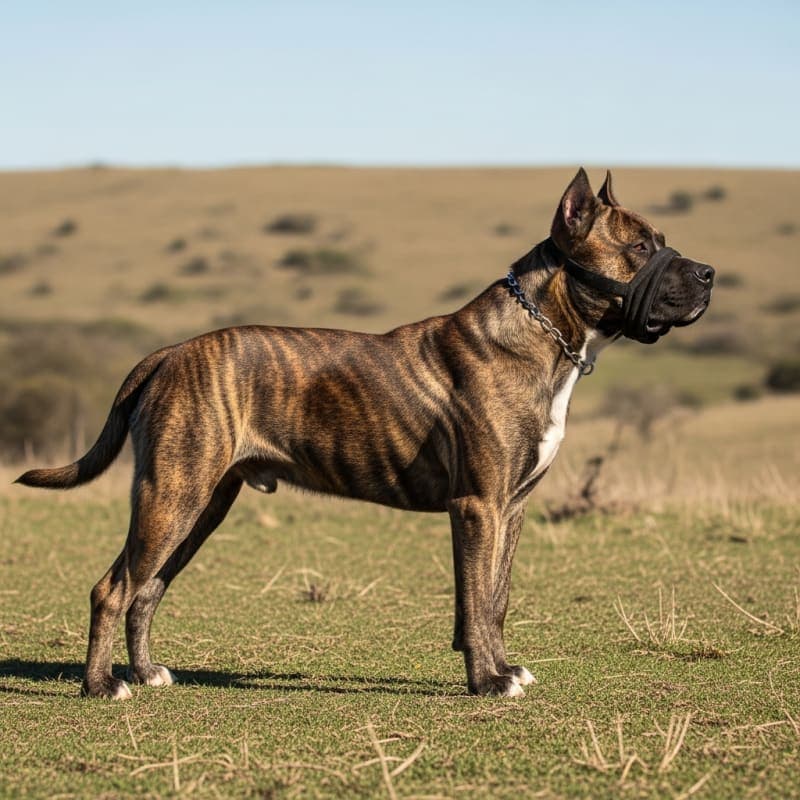
Cimarrón Uruguayan
FCI Group
2• FCI 353
Size
Medium
Origin Country
XX
Height
55-61 cm
Weight
33-45 kg
Lifespan
10-15 years
Temperament
Overview
Cimarrón Uruguayan (Cimarrón Uruguayo) is a unique breed of dog originating from Uruguay, with a history that dates back to colonial times. When Spanish and Portuguese settlers arrived in South America, they brought dogs with them that were either abandoned or escaped into the new territory. As a result of natural selection, only the strongest, most intelligent, and best-adapted individuals survived, leading to the emergence of this fascinating breed. Local inhabitants, recognizing the value of these dogs, began to tame them and use them as excellent guardians of estates and indispensable helpers in working with livestock.
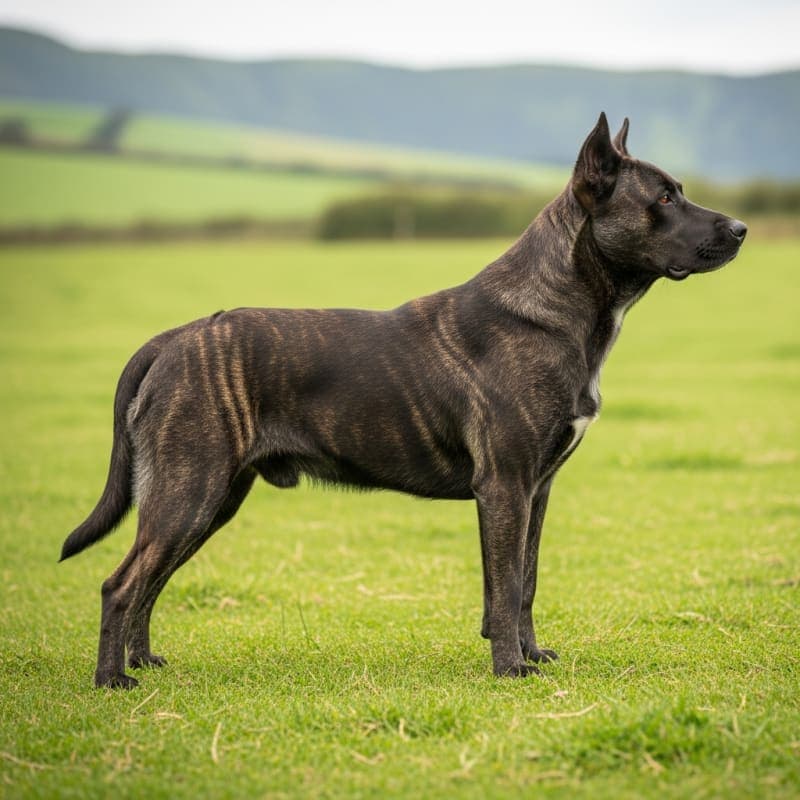
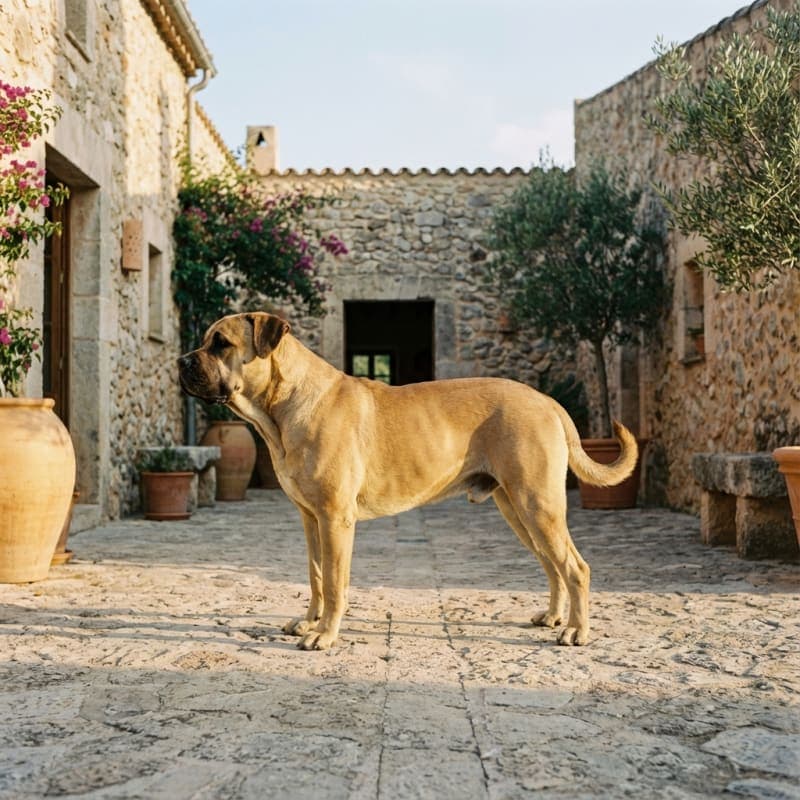
This is a dog of medium size and molosser type – strong, compact, with excellent musculature and agility. It is characterized by a strong bone structure and harmonious body proportions. Males reach a height of 58 to 61 cm at the withers, females from 55 to 58 cm, with a weight ranging from 33 to 45 kg. The coat is short, smooth, and dense, with an undercoat, providing excellent protection against various weather conditions. The coloration occurs in two main variants: brindle or fawn in various shades, often with darker markings on the muzzle and back.
In terms of character, this breed is distinguished by its balanced temperament, intelligence, and exceptional courage. Cimarrones are excellent guard dogs that fiercely protect their territory and family. Their intelligence and natural willingness to cooperate make them easy to train, although they require consistent and confident leadership. They excel as companions for active families and individuals who value outdoor living. However, this breed needs early socialization and systematic training to fully develop its potential and become balanced family members.
In the further sections of the guide, you will find detailed information on health, grooming, exercise requirements, training methods, nutrition, breed history, appearance, and behavior of this extraordinary Uruguayan dog.
The Cimarrón Uruguayo is a dog with a characteristic molossoid appearance that immediately attracts attention with its strong, compact silhouette and harmonious proportions. The height at the withers ranges from 58 to 61 cm for males and from 55 to 58 cm for females, with a weight varying from 33 to 45 kg. The dog's silhouette is proportional – the ratio of height at the withers to body length is 10:11, giving it a somewhat elongated, athletic appearance.
Head and skull:
- The skull is wider than it is long, with a slightly marked occipital bump
- The stop (the transition between the skull and muzzle) is moderately pronounced
- The muzzle is strong and powerful, slightly shorter than the skull
- The lips fit well, not hanging
- The nose is wide, black or adapted to the color of the coat
Eyes and ears:
- The eyes are medium-sized, almond-shaped, in dark shades of brown, giving the dog a vivid, intelligent expression
- The ears are triangular, hanging, set in the proper position on the wide skull
Body structure:
- The neck is strong, muscular, and well-set
- The back line is straight, emphasizing the compactness of the silhouette
- The chest is deep and wide, providing excellent lung capacity
- The height at the elbow corresponds exactly to the distance from the elbow to the withers
Tail and limbs:
- The tail is thick at the base, set at a medium height, carried low at rest, and raised to the level of the back when in motion
- The limbs are strong, well-muscled, with solid bone structure
Coat:
The coat is short, smooth, and dense, with a well-developed undercoat. The coloration occurs in two main variants: brindle in various intensities or fawn in shades from light to deep, often with darker markings on the muzzle and black tips on the hairs along the back. The strong build and striking appearance make the Cimarrón Uruguayo an impressive, noteworthy dog.
The Uruguayan Cimarrón is a breed characterized by a balanced temperament, high intelligence, and exceptional courage. These dogs combine the traits of an excellent guardian with the nature of a loyal family companion. Their protective instinct is highly developed – they defend their territory and loved ones with dedication while maintaining a rational judgment of the situation.
Character and behavior in the family:
- They are extremely loyal to their owners and form strong emotional bonds with the entire family
- Their intelligence allows them to quickly learn new commands and rules of coexistence
- They behave balanced in everyday situations, showing no excessive nervousness
- They can be friendly with children, but due to their strength and energy, they require supervision during play with small children
Relationships with other animals:
Cimarrones need early and systematic socialization from a puppy age to learn proper behaviors in contact with other dogs and pets. Their herding and hunting background may cause a strong chasing instinct, so owners must consciously work on controlling these natural behaviors.
Training requirements:
This breed requires consistent guidance and a firm, calm, but assertive hand. Cimarrones may show independence and sometimes stubbornness, which is typical for herding and guarding dogs. Therefore, it is crucial for the owner to take on the role of a natural leader, without resorting to harsh methods. Training based on positive reinforcement yields the best results, encouraging the dog to cooperate and building mutual trust.
Activity and mental needs:
Regular physical activity and mental stimulation are absolutely essential for maintaining the emotional and physical balance of this breed. Cimarrones need tasks to perform – whether in the form of obedience training, herding work, or games that engage their natural instincts. A dog of this breed that does not receive adequate mental and physical exercise may develop behavioral problems such as hyperactivity, destruction of objects, or excessive barking.
A well-raised and socialized Uruguayan Cimarrón is a wonderful companion who brings immense joy to their family's life, combining the traits of a devoted protector, an intelligent partner, and an active companion for outdoor adventures.
The Uruguayan Cimarrón is generally a healthy and resilient breed that has undergone natural selection over the centuries, eliminating many inherited health problems. However, like any dog breed, it can be prone to certain conditions that owners should be aware of to ensure their pet has a long and healthy life.
Most common health issues:
1. Hip Dysplasia (HD):
As a medium-sized breed with a solid build, Cimarrones may be prone to hip dysplasia, a condition characterized by the improper formation of the joint, leading to pain, stiffness, and limited mobility. Responsible breeders conduct X-ray screenings of the parents before breeding to minimize the risk of passing this condition to the offspring. Owners should ensure maintaining the proper weight of their dog and avoid excessive physical exertion during the puppy stage when the joints are still developing.
2. Skin diseases and allergies:
Some individuals may develop food or environmental allergies, manifested by itching, skin redness, hair loss, or chronic ear infections. Owners should monitor their dog's reactions to various food ingredients and, if necessary, switch to an elimination diet under veterinary supervision. Regular grooming and skin condition checks help in the early detection of dermatological issues.
3. Obesity:
Cimarrones have a good appetite and may tend to gain weight, especially if they do not receive enough exercise. Obesity leads to many serious health problems, including diabetes, heart disease, excessive joint strain, and a shortened lifespan. It is crucial to monitor the dog's weight, adjust food portions to the activity level, and ensure regular exercise.
Prevention and veterinary care:
- Regular veterinary check-ups – at least once a year, and for older dogs, twice a year
- Vaccinations – according to the vaccination schedule recommended by the veterinarian
- Worming – regular preventive worming every 3-6 months
- Prevention of external parasites – protection against ticks, fleas, and other parasites
- Oral hygiene – regular teeth cleaning prevents periodontal disease
Warning signs:
Owners should be vigilant and consult a veterinarian promptly if they notice any concerning symptoms, such as:
- Loss of appetite or sudden weight change
- Limping, stiffness of movements, or pain during activity
- Excessive scratching, skin changes, hair loss
- Lethargy, weakness, or changes in behavior
- Breathing problems or coughing
- Gastrointestinal issues (vomiting, diarrhea)
With a balanced diet, regular physical activity, and proper veterinary care, the Uruguayan Cimarrón can enjoy a long and healthy life, being a loyal companion for many years.
The care of the Cimarrón Uruguayo is relatively simple and low-maintenance, making this breed attractive for people who do not have a lot of time for complicated grooming procedures. The short, smooth coat with an undercoat is easy to maintain and does not require professional grooming or frequent baths.
Brushing the coat:
- Regular brushing once a week is sufficient to remove dead hair and keep the coat in good condition
- During shedding periods (usually twice a year – in spring and autumn), more frequent brushing – even daily – is necessary to control the intense shedding of the undercoat
- Use a brush with natural bristles or a rubber grooming glove, which also massages the skin and improves circulation
Bathing:
- Cimarrones do not require frequent baths – a bath every 2-3 months or as needed (e.g., after getting muddy) is sufficient
- Excessive bathing can lead to dry skin and the removal of natural protective oils
- Use a mild shampoo designed for dogs with sensitive skin
Ear hygiene:
- Regularly check the ears – drooping ears may be more prone to infections due to limited air circulation
- Clean the ears once a week or every two weeks using a special ear cleaning solution for dogs
- Watch for any signs of infection: unpleasant odor, redness, excessive wax buildup, scratching
Oral hygiene:
- Brushing teeth at least 2-3 times a week will help prevent tartar buildup and periodontal disease
- Use a toothbrush and toothpaste designed for dogs
- Consider introducing dental chews as a supplement to daily hygiene
Nail care:
- Regularly check the length of the nails and trim them as needed – usually every 3-4 weeks
- Overly long nails can cause discomfort while walking, affect posture, and lead to joint problems
- If you hear the nails clicking on the floor while the dog is walking, it means they are too long
- If you do not feel confident trimming the nails, ask a veterinarian or groomer for help
General health check:
During daily interactions with your dog, observe their skin for redness, rashes, lumps, or external parasites (fleas, ticks). Regular checks will help detect problems at an early stage.
Overall, Cimarrones are a low-maintenance breed, and their short coat makes them less prone to skin issues associated with long or matted fur. Systematic basic grooming will ensure your dog’s comfort and health for many years.
The Cimarrón Uruguayo is a breed with high physical activity requirements, needing regular movement and stimulation to maintain physical health and mental balance. These energetic dogs with herding and hunting backgrounds require an active lifestyle and are not suitable for living in a small apartment without access to outdoor space.
Minimum exercise requirements:
- At least 60-90 minutes of intense activity daily, divided into two or three sessions
- Long, vigorous walks or runs (not just leisurely strolls)
- Time for free play and exploration in a safe, fenced area
- Diverse forms of activity to avoid monotony and boredom
Recommended forms of activity:
1. Walking and hiking:
Daily long walks in varied terrain – forests, parks, hiking trails. Cimarrones love to explore new places and utilize their innate sense of smell.
2. Running and jogging:
An excellent companion for joggers or cyclists (provided they receive proper training).
3. Fetching:
Playing fetch with a ball, frisbee, or other toys is a great way to expend energy and strengthen the bond with the owner.
4. Agility and dog sports:
Cimarrones excel in dog sports such as agility, obedience, scent tracking. These activities engage both the body and mind of the dog, providing comprehensive stimulation.
5. Herding work:
If you have access to livestock, utilizing the natural herding instincts of the Cimarrón is an excellent way to provide them with satisfying work.
6. Mental games:
In addition to physical activity, provide the dog with mental stimulation through puzzle games, hide-and-seek with treats, and interactive toys like Kongs.
Consequences of inactivity:
Insufficient movement and stimulation can lead to serious behavioral problems, such as:
- Hyperactivity and difficulty calming down
- Destruction of household items (furniture, shoes, doors)
- Excessive barking and howling
- Compulsive behaviors (e.g., tail chasing, obsessive licking)
- Frustration-induced aggression
- Escaping and attempts to wander
Adjusting activity to age:
- Puppies (up to 12 months): Avoid excessive exertion that could harm developing joints. Short, frequent play sessions are better than long, exhausting workouts.
- Adult dogs (1-7 years): Full intensity of activity – time for dog sports, long hikes, training.
- Seniors (over 7 years): Gradually adjust intensity to the dog's condition. They still need activity, but in a gentler form.
A well-organized exercise plan not only promotes the physical health of the Cimarrón but also helps maintain emotional balance, strengthens the bond between the dog and the owner, and ensures a fulfilling, enriched life for the dog. Owners should treat regular activities as an integral part of the daily routine, not optional extras.
The Uruguayan Cimarrón is a smart breed with a strong character that requires consistent, yet positive training from a young age. Their natural inclination to learn and cooperate makes them capable of becoming well-mannered dogs, provided they receive appropriate guidance and socialization.
Early training and socialization:
Puppy socialization (8-16 weeks):
The most important period in a dog's life! During this time, the puppy should be exposed to a variety of stimuli, people, animals, places, and situations. This will help them become a confident and balanced adult dog. Neglecting socialization can lead to issues such as anxiety, defensive aggression, or excessive distrust of strangers.
Key elements of socialization:
- Contact with different people: children, adults, elderly individuals, in various outfits
- Meetings with other dogs and pets in controlled conditions
- Exposure to various sounds: traffic, thunder, chainsaws, vacuum cleaners
- Visits to different places: parks, shopping malls (if allowed), bus stops
- Getting used to handling: touching paws, ears, muzzle, grooming
Training methods:
Positive reinforcement (RECOMMENDED):
Cimarrónes respond best to reward-based training – treats, praise, play. This method builds mutual trust and motivation to cooperate. Physical punishment or harsh methods can lead to distrust, anxiety, or defensive aggression.
Key principles of effective training:
- Consistency: The same rules and commands used by all family members
- Patience: Puppies and young dogs need time to learn
- Regularity: Short (10-15 min), but frequent training sessions
- Positive ending: Always end training on a success, so the dog associates learning positively
Basic commands:
The most important commands that every Cimarrón should master:
- Sit – basic control command
- Stay – crucial for the dog's safety
- Come – the most important command that can save the dog's life
- Lie down – calming and control
- Heel (walking by your side) – civilized walks
- Leave it – safety during walks
Training challenges characteristic of the breed:
1. Independence and stubbornness:
Cimarrónes, as herding and guarding dogs, have a natural independence and may sometimes show stubbornness. This does not mean they are disobedient – they just need to understand the meaning of the command. Therefore, consistency and positive reinforcement are crucial.
2. Dominance and boundary testing:
Young Cimarrónes may test boundaries and try to dominate. The owner must be a confident, calm leader who establishes clear rules and consistently enforces them without resorting to aggression.
3. Guarding instinct:
A strong protective instinct can lead to excessive suspicion of strangers if the dog is not properly socialized. It is important to teach the dog to distinguish between real threats and normal, everyday situations.
Advanced training:
Beyond basic obedience, Cimarrónes excel in:
- Herding work – utilizing natural instincts
- Scent tracking – engaging the sense of smell
- Agility and protection sports – channeling energy and intelligence
- Obedience training – precise obedience
Mental stimulation:
In addition to obedience training, Cimarrónes also need regular mental stimulation:
- Games to find hidden treats
- Interactive toys requiring problem-solving
- Learning new tricks and commands
- Rotating toys to maintain interest
Professional support:
If you are a novice in dog raising or encounter difficulties, consider enrolling in group classes led by an experienced behaviorist or dog trainer. This will not only allow you to learn under the guidance of a specialist but also provide additional socialization.
Training should be a pleasure for both the dog and the owner. A well-trained Uruguayan Cimarrón brings joy to daily life – obedient, balanced, confident, and ready to cooperate in any situation.
A proper diet is the foundation of health and well-being for the Cimarrón of Uruguay. This active, muscular breed requires a balanced diet tailored to its level of activity, age, and individual needs.
Essential nutrients:
1. Protein:
High-quality protein is crucial for the Cimarrón due to its muscular build and active lifestyle. Protein supports muscle development and recovery, maintains healthy skin and coat, and aids in immune system function.
- Recommended protein content: 22-28% in adult dog food
- Best sources: meat (chicken, beef, lamb, turkey), fish (salmon, mackerel), eggs
- Avoid foods containing large amounts of low-quality meat by-products
2. Fats:
Healthy fats provide energy, support the absorption of fat-soluble vitamins (A, D, E, K), and maintain healthy skin and a shiny coat.
- Recommended fat content: 12-18%
- Best sources: salmon oil, flaxseed oil, chicken fat
- Omega-3 and omega-6 fatty acids are particularly important for joint health and anti-inflammatory functions
3. Carbohydrates:
Carbohydrates provide energy, fiber, and support digestive health.
- Best sources: brown rice, oats, sweet potatoes, vegetables (carrots, broccoli, pumpkin)
- Avoid foods based on excessive amounts of filler grains (corn, wheat) that may cause allergies
4. Vitamins and minerals:
A complete diet should contain a comprehensive set of vitamins and minerals:
- Calcium and phosphorus: for healthy bones and joints
- Glucosamine and chondroitin: support for joints (especially important for larger dogs)
- Antioxidants (vitamins C and E): support the immune system
Adjusting the diet by age:
Puppies (2-12 months):
Food for medium or large breed puppies, rich in protein (26-30%) and fats. Avoid overfeeding and rapid growth, which can lead to joint problems. Feed 3-4 times a day in small portions.
Adult dogs (1-7 years):
Food for active adult dogs, tailored to their activity level. Feed twice a day. Monitor weight and condition, adjusting portions as needed.
Seniors (over 7 years):
Food for older dogs, often lower in calories, enriched with glucosamine and chondroitin for joint support. Portion sizes may need to be reduced due to decreased metabolism.
Food allergies:
Some Cimarróns may show sensitivity or allergy to certain ingredients. The most common allergens are:
- Chicken
- Beef
- Wheat and corn
- Soy
- Dairy
Symptoms of food allergies:
- Itchy skin, redness
- Chronic ear infections
- Hair loss
- Gastrointestinal issues (vomiting, diarrhea)
If you suspect an allergy, consult a veterinarian and consider switching to a elimination diet (e.g., food containing a new protein source that the dog has not eaten before, such as duck or kangaroo).
Portion control and obesity prevention:
- Adjust portions to the dog's activity level – very active dogs need more calories
- Use a measuring cup for feeding to avoid overeating
- Regularly monitor the dog's weight and body condition (you should be able to feel the ribs with gentle pressure, but they should not be visible)
- Limit treats to a maximum of 10% of daily calorie intake
- Avoid feeding from the table, which can lead to begging habits and obesity
Water:
Fresh water should be available all day. Regularly change the water and wash the bowl to prevent bacterial growth. Active dogs need plenty of fluids, especially on hot days or after intense exercise.
Types of feeding:
- Dry food (kibble): Convenient, good for dental health, easy to store
- Wet food (cans): Higher moisture content, often tastier for dogs, but more expensive
- BARF diet (raw meat and bones): Requires in-depth knowledge and careful planning to ensure complete nutritional value. Consultation with a veterinarian or canine nutritionist is mandatory.
- Homemade diet: Possible, but requires precise balancing of nutrients under the supervision of a specialist
Regardless of the chosen feeding method, the quality of ingredients is the most important and the diet should be tailored to the individual needs of the dog. Regularly consult with a veterinarian to ensure that your Cimarrón's diet supports its health and active lifestyle.
Characteristic Traits
Pros
- Balanced and bold temperament
- Excellent herding and guarding skills
- High intelligence and ease of training
- Endurance and resilience to various weather conditions
- Minimal grooming requirements.
Cons
- Requires early training and socialization
- May be too energetic for inactive families
- Needs plenty of physical activity and mental stimulation
- Strong guarding instinct can lead to excessive suspicion of strangers.
Behavioral Ratings
Breed History
The history of the Uruguayan Cimarrón is a fascinating tale of natural selection and adaptive ability that transformed abandoned colonists' dogs into a unique, resilient breed. Its roots date back to the 16th and 17th centuries when European conquerors – primarily Spaniards and Portuguese – arrived in South America, bringing with them dogs intended for various functions: hunting, guarding, and herding.
The origins of the breed – natural selection:
The origin of the Cimarrón is not entirely clear, but historians and cynologists agree that the breed descends from Molosser and mastiff-type dogs brought by the conquistadors. When European settlers were stationed in present-day Uruguay, many of these dogs escaped, were abandoned, or simply wandered away from the colonists' camps. In the wild conditions of the Uruguayan pampas, these dogs began to come together, spontaneously crossbreeding and creating new, hybrid lines.
On these vast, harsh plains, brutal natural selection took place. Only the strongest, most intelligent, resilient, and resourceful individuals were able to survive. Weaker dogs perished from hunger, disease, predators, or adverse weather conditions. Thus, over decades and even centuries, a new breed evolved – the Cimarrón Uruguayo (in Spanish, the word cimarrón means wild or feral).
Taming and use by the local population:
Over time, local inhabitants – gauchos (Uruguayan cowboys) and cattle ranchers – noticed the exceptional traits of these wild dogs: their strength, courage, intelligence, and ability to work. They began to tame them and utilize them in daily life. Cimarrónes became indispensable guardians of estates and excellent herding dogs, helping to manage cattle herds on vast Uruguayan estancias (ranches).
Their guarding instinct, courage, and loyalty quickly earned them recognition among breeders, who began to selectively breed these dogs, choosing individuals with the best working traits. For decades, Cimarrónes were an integral part of rural life in Uruguay, serving not only as herding dogs but also as hunting (for big game like wild boars) and protective dogs.
Official recognition of the breed:
For a long time, the Uruguayan Cimarrón functioned as a local breed, unknown to the broader international audience. It was not until the second half of the 20th century that interest in the breed increased, and Uruguayan cynologists and breeders began working towards its official recognition and standardization.
Key dates in the history of breed recognition:
- 2009: The Uruguayan Cimarrón was officially recognized by the Uruguayan Kennel Club (Kennel Club Uruguayo)
- 2016: The breed was temporarily recognized by the FCI (Fédération Cynologique Internationale), marking an important step in its international recognition
- June 16, 2022: The FCI published the official, final breed standard under number 353, classifying it in Group 2 (Pinschers, Schnauzers, Molossers, and Swiss Mountain Dogs), Section 2.1 (Molosser-type dogs), without a working trial
Modern times:
Today, the Uruguayan Cimarrón is the national dog of Uruguay and a symbol of pride for the country. Although the breed remains relatively rare outside the borders of Uruguay and South America, it is beginning to gain recognition on the international stage as a versatile working and companion dog. Breeders worldwide appreciate its courage, intelligence, loyalty, and versatility.
The breed continues to be used for its original purpose – as herding and guarding dogs on farms and ranches – but increasingly also serves as a dedicated family companion for active owners who can meet its high demands for activity and training.
The history of the Uruguayan Cimarrón is proof that natural selection, supported by wise breeding, can create a unique breed with excellent working traits, health, and character. It is a dog that has survived the harshest conditions and evolved into one of the most versatile and trustworthy herding and guarding dogs in the world.