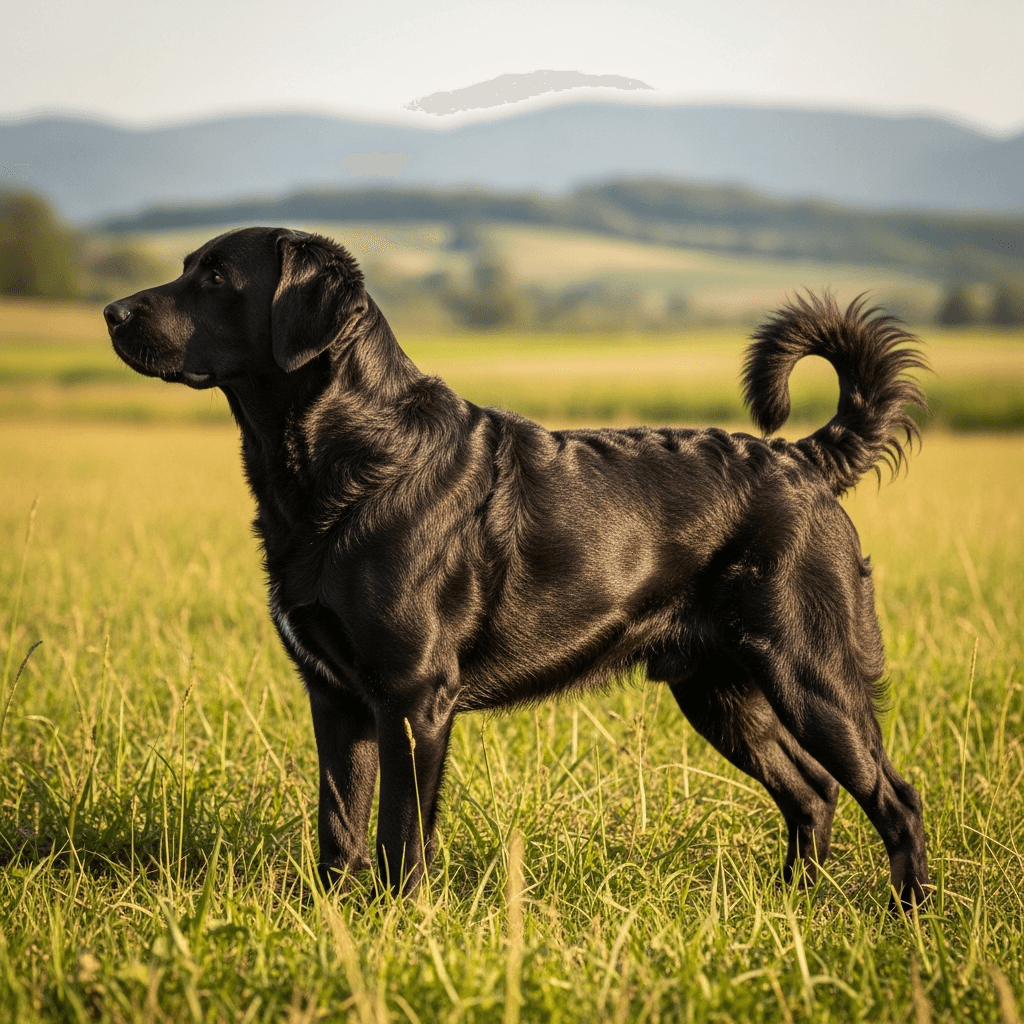
Croatian Shepherd Dog
FCI Group
1• FCI 277
Size
Medium
Origin Country
XX
Height
43-50 cm
Weight
15-20 kg
Lifespan
12-14 years
Temperament
Overview
The Croatian Sheepdog, also known as Hrvatski Ovčar, is a fascinating dog breed originating from picturesque Croatia. For centuries, it has served as an indispensable helper on farms, where its natural herding instinct and strong build have proven invaluable. This is a dog with versatile skills, successfully combining the roles of herding, guarding, and companion dog.
Its history dates back to the 14th century when the ancestors of this breed arrived with immigrants in eastern Slavonia. Over the centuries, the Croatian Sheepdog developed in rural conditions, learning not only herding but also protecting property and family. This is a dog that is not afraid of challenges, and its exceptional resilience allows it to cope even in harsh weather conditions.
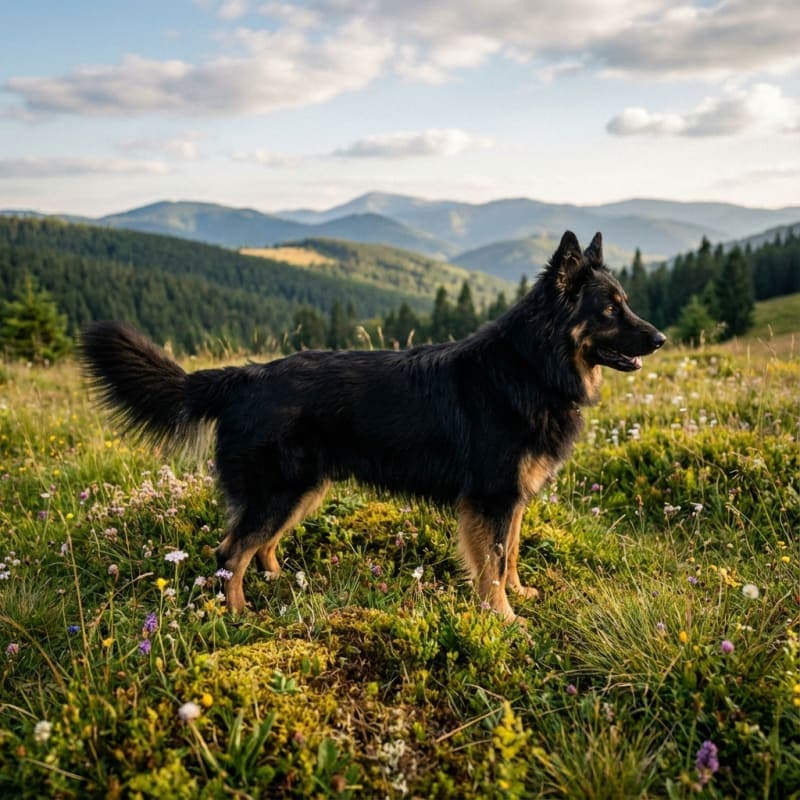
Physically, the Croatian Sheepdog presents itself very impressively. Its strong, harmoniously built physique and dense, double coat protect it from harsh weather conditions. It usually has a black coat with small white spots, giving it a distinctive, rustic appearance. The head is shaped like a blunt wedge, with oval eyes full of intelligence and triangular ears – either standing or partially folded – emphasizing its alertness and readiness to act.
The Croatian Sheepdog is a dog with a balanced temperament, combining energy and liveliness with composure and patience. Its intelligence and eagerness to learn make training a true pleasure. With its strong instinct to work with livestock, it is an ideal choice for those running farms or looking for an active dog for sports training. With dedication and loyalty, it becomes not only a guardian but above all a wonderful family member, ready to protect its flock both at home and on the farm.
The Croatian Sheepdog does not like isolation and needs daily contact with people and regular physical activity. This is a dog for those who can provide it with the right amount of exercise, mental stimulation, and attention. In return, it offers unconditional love, loyalty, and reliability in every situation.
The Croatian Shepherd is a medium-sized dog with a characteristic, rustic appearance. The height at the withers ranges from 43 to 50 cm depending on the gender, with males typically being slightly larger. The weight is around 15-20 kg. This dog has a strong, harmoniously built physique, which gives an impression of agility and strength at the same time.
The head is shaped like a blunt wedge with a slightly rounded skull, giving the dog an intelligent and alert expression. The eyes are medium-sized, oval and set at a slight angle, which emphasizes their sharpness and attentiveness. The ears are triangular in shape and can be either erect or partially folded one-third of the way down, adding to the dog's distinctive appearance.
The coat is dense and double-layered, consisting of longer, resilient guard hairs and a soft undercoat. This coat structure provides excellent protection against cold, wind, and moisture. The coloration is usually black with possible small white spots on the chest or toes, which is acceptable according to the breed standard.
The Croatian Shepherd has strong, well-muscled limbs, allowing it to move freely and energetically during herding work. The tail is of medium length, usually carried in a slight arch, which emphasizes its confidence and readiness for action. The overall body structure indicates a dog that is resilient, agile, and ready to work in challenging terrain conditions.
The Croatian Shepherd is a dog with a lively temperament and a strong work instinct. It shows great intelligence and a natural willingness to cooperate with its owner, which makes it easy to train and very obedient. Dogs of this breed are extremely devoted to their owners and form strong emotional bonds with them. For this reason, they do not tolerate prolonged solitude and may exhibit destructive behaviors if left alone for an extended period.
Croatian Shepherds are also very alert, making them excellent guardians. They are loyal to family members but can be suspicious of strangers, which is a natural defensive instinct stemming from their history as herding and guarding dogs. Their temperament is balanced; however, they can be quite vocal, especially at a young age when they are excited or notice something unusual in their surroundings.
They require proper socialization from a puppy age to become confident dogs that function well in various social situations. They do well in families with children, but they may be too energetic for small children who may not cope with their liveliness. Owners should ensure their mental and physical stimulation to avoid behavioral issues such as excessive barking, digging, or chewing on objects.
The Croatian Shepherd thrives in an active environment where it can utilize its natural herding skills. This is a dog that loves to have a task to perform and needs work to be happy. With its intelligence and eagerness to learn, it excels in dog sports such as agility, obedience, or herding trials.
The Croatian Shepherd is a breed of dog known for its overall health and longevity. The average lifespan is between 12 to 14 years, which is quite typical for medium-sized dogs. These dogs are naturally strong and resilient, making them excellent companions for active families and individuals leading an outdoor work lifestyle. Their double coat protects them from both cold and heat, which is important for dogs working in harsh weather conditions.
Although the Croatian Shepherd is generally a healthy breed, there may be some predispositions to diseases, such as:
- Hip and elbow dysplasia – a genetic disease affecting the proper development of joints, which can lead to mobility issues
- Patellar luxation – a problem affecting the knee joints that can cause lameness
- Ophthalmic issues – such as cataracts or progressive retinal atrophy (PRA), although they occur rarely
Regular veterinary visits, a proper diet, and ensuring adequate exercise can help prevent these issues. Additionally, due to their active lifestyle, obesity is rarely a problem, which is beneficial for the overall health of dogs of this breed. This dog also tolerates heat well, which is important during hot months, and the spring and autumn shedding helps maintain thermal comfort.
It is important to provide the Croatian Shepherd with adequate exercise and mental stimulation to avoid behavioral problems that can lead to stress and related health issues. Dogs of this breed thrive best when they have a task to perform and can utilize their natural instincts.
The Croatian Shepherd has a thick, double coat that requires regular grooming to maintain the dog's healthy appearance and comfort. The coat consists of longer, resilient guard hairs and a soft, insulating undercoat. This requires the owner to brush regularly to remove dead hair and prevent tangling, especially around the ears, belly, and hind legs.
It is recommended to brush the dog at least once a week, and during the shedding season, which occurs twice a year – in spring and autumn – this frequency should be increased to daily brushing. Regular brushing not only removes dead hair but also stimulates blood circulation in the skin and distributes natural oils throughout the coat, giving it a healthy shine.
Dogs of this breed should not be bathed frequently, except when their coat is very dirty. A bath every four to six weeks is sufficient to keep the coat in good condition. Bathing too often can lead to dry skin and loss of natural protective oils.
It is also important to pay attention to:
- Ear care – regular checking and cleaning of the ears prevents infections, especially in dogs with floppy ears
- Oral hygiene – brushing teeth several times a week prevents tartar buildup and gum disease
- Nail trimming – regular nail trimming every 3-4 weeks allows the dog to move freely and prevents joint problems
Keeping the Croatian Shepherd clean and in good condition is a key element in caring for its health, well-being, and quality of life.
The Croatian Shepherd is a breed that requires a large amount of physical activity to remain healthy, happy, and mentally balanced. Due to its heritage as a herding dog, the Shepherd needs at least 60-90 minutes of intense exercise every day. Long walks, running, playing fetch, and participating in dog sports such as agility, herding trials, or obedience are ideal ways to provide the dog with the necessary amount of activity.
These are very active dogs that love to be on the move and perform tasks. A lack of sufficient exercise can lead to serious behavioral problems, such as:
- Excessive barking – resulting from frustration and lack of proper energy release
- Destructive behaviors – chewing furniture, digging holes in the garden
- Hyperactivity – difficulties in focusing attention and maintaining calm behavior
- Escape attempts – seeking adventures and releasing excess energy
It is worth introducing various forms of activity to meet both the physical and mental needs of the dog. The Croatian Shepherd loves tasks that require thinking, such as searching for hidden objects, exercises with parkour elements, or learning new tricks. Regular herding training or simulating work with livestock can be an excellent way to utilize the natural instincts of this breed.
This breed of dog thrives best in an active farm or family home with plenty of space to run. The ideal environment is a house with a garden where the dog can move freely. It is important to remember that the Croatian Shepherd is not suitable for living in a small apartment, where there is no possibility of providing it with adequate exercise and space for activity.
Regular exercise not only keeps the dog in good physical condition but also positively affects its mental health, reducing stress and ensuring a happy, balanced life.
The Croatian Shepherd is a breed of dog that responds excellently to training, making it an ideal candidate for work in various fields. Its high intelligence and natural willingness to cooperate with its owner make training a pleasure for both the dog and the handler. Dogs of this breed are very eager to learn and can be easily taught both basic commands and more complicated tasks that require precision and perseverance.
As herding dogs, Croatian Shepherds have a natural instinct to work with animals, which can be successfully utilized during training. They respond best to methods based on positive reinforcement, such as rewarding with treats, praise, and play. Physical punishment or overly harsh methods can lead to a loss of trust and behavioral problems.
An important element of training is the introduction of varied exercises that will stimulate the dog's mind. This helps avoid routine and boring repetitions that can lead to frustration and discouragement. It is worth introducing:
- Obedience training – basic commands such as sit, stay, come, lie down, leave it
- Herding training – working with sheep or other livestock
- Dog sports – agility, obedience, rally-o, flyball
- Scent games – exercises that utilize the natural tracking instinct
- Trick training – learning creative tricks and stunts
It is also important to remember about socialization, which is crucial for the proper development of the dog. Regular exposure to new situations, contact with different people, and other animals will help it become a confident and balanced dog. Socialization should begin in puppyhood and continue throughout the dog's life.
The Croatian Shepherd needs consistency and clear rules. If the owner is indecisive or inconsistent in their demands, the dog may try to take control, leading to behavioral issues. With the right approach and regular training, the Croatian Shepherd will become a obedient, confident, and reliable partner in any situation.
The diet of a Croatian Shepherd should be balanced and tailored to its active lifestyle. It is important to provide an adequate amount of protein, which is essential for building and regenerating muscles after intense physical exertion. High-quality food, rich in animal meat, supplemented with healthy vegetables, fruits, and fats, will be the best choice for this breed.
Owners should pay attention to the amount and frequency of feeding to avoid obesity, which can lead to serious health problems such as:
- Joint diseases – additional strain on the hip and elbow joints
- Heart problems – obesity increases the risk of cardiovascular diseases
- Diabetes – excess weight can lead to metabolic disorders
- Breathing problems – especially during intense exertion
It is recommended to feed the Croatian Shepherd regular meals, preferably twice a day, to avoid overeating and digestive issues. Portions should be adjusted to the dog's age, weight, activity level, and overall health condition. Puppies require more frequent feeding – 3-4 times a day, with food specifically designed for medium breed puppies.
Water should always be available to ensure proper hydration, especially after intense physical activity or on hot days. It is also extremely important to avoid feeding the dog human food, which can be harmful to its health. Particularly dangerous products include: chocolate, onions, garlic, grapes, raisins, xylitol, and fatty or heavily spiced dishes.
Owners may also consider introducing a natural BARF diet (Biologically Appropriate Raw Food) or cooking meals themselves, provided they consult with a veterinarian or animal nutritionist to ensure complete nutritional value. Regardless of the chosen feeding method, it is crucial to regularly monitor the dog's weight and adjust portions as needed.
Characteristic Traits
Pros
- Versatile herding skills
- Loyal and devoted temperament
- Ease of training and obedience
- Resilience to harsh weather conditions
- Excellent guard dog.
Cons
- Does not tolerate loneliness and isolation
- Requires daily intense activity
- May be too energetic for small children
- Can be distrustful of strangers
- Requires a lot of space.
Behavioral Ratings
Breed History
The Croatian Sheepdog is a breed of dog with a rich history dating back to the 14th century. Its ancestors likely descend from the so-called Pfahlbauhunde (Canis Familiaris Palustris), which arrived in eastern Slavonia with immigrants. The first mention of this breed comes from a manuscript by Bishop Petar Bakic from 1719, which refers to an even earlier document from 1374, authored by Bishop Petar, describing herding dogs in Croatia.
Initially, these dogs were primarily used for herding cattle and as guardians on farms in the eastern Slavonia valley. Over the centuries, they developed in rural conditions, where their versatility – a combination of herding, guarding, and companionship skills – was invaluable. This multifunctionality made the Croatian Sheepdog an indispensable part of rural life in this region.
The systematic breeding of the Croatian Sheepdog began with Professor Stjepan Romić in 1935, who recognized the value of this local breed and undertook efforts to preserve and improve it. The first breed standard was developed by Dr. Otto Rohr in 1951. The breed was first publicly presented at the first national dog show on October 29-30, 1949, in Zagreb, marking an important step in its official recognition.
The Fédération Cynologique Internationale (FCI) recognized the breed in 1969, which contributed to its popularity both in Croatia and beyond its borders. The breed was classified into Group 1 – Sheepdogs and Cattle Dogs (excluding Swiss herding dogs), Section 1 – Sheepdogs, without working trial.
Modern use of the Croatian Sheepdog includes both traditional work with livestock and participation in sports competitions in agility, obedience, and herding trials. Thanks to its intelligence, versatility, and devotion to its owners, the Croatian Sheepdog has also become a popular companion dog that excels in active families with children. The breed remains relatively rare outside of Croatia but is gaining increasing recognition among herding dog enthusiasts worldwide.