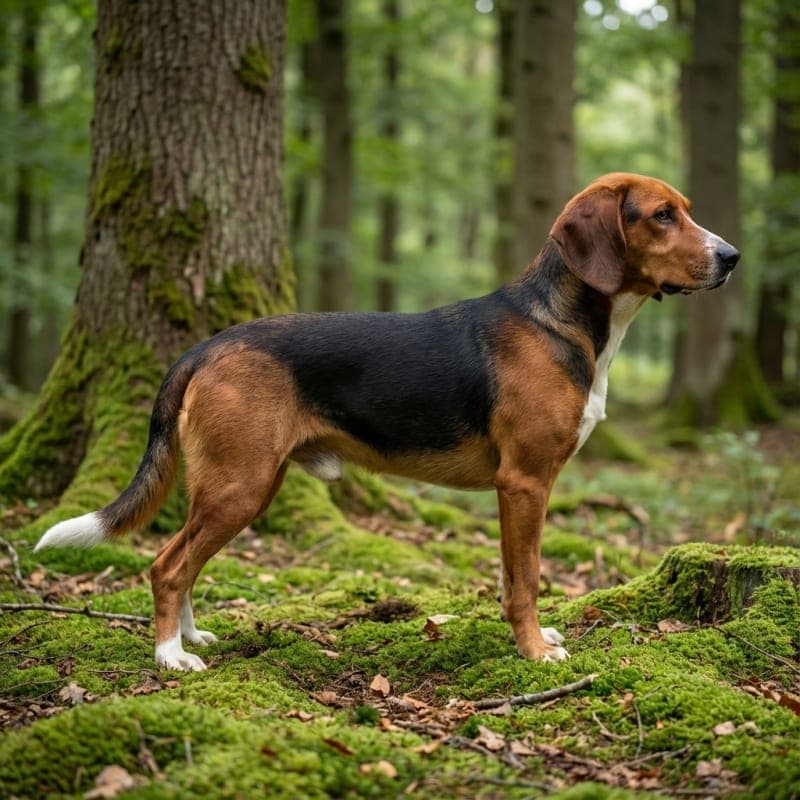
German Hound
FCI Group
6• FCI 299
Size
Medium
Origin Country
DE
Height
40-53 cm
Weight
16-20 kg
Lifespan
12-14 years
Temperament
Overview
German Hound, also known as Deutsche Bracke, is an elegant medium-sized hunting dog originating from the picturesque regions of Germany – Sauerland and Westphalia. It is one of the last representatives of the ancient group of Bracken dogs that have survived to the present day. The breed was developed in the late 19th century by combining local hunting varieties, including the tricolor Sauerland hound (Sauerländer Holzbracke) and stone hounds (Steinbracken). Since 1900, these dogs have been officially referred to as Deutsche Bracke.
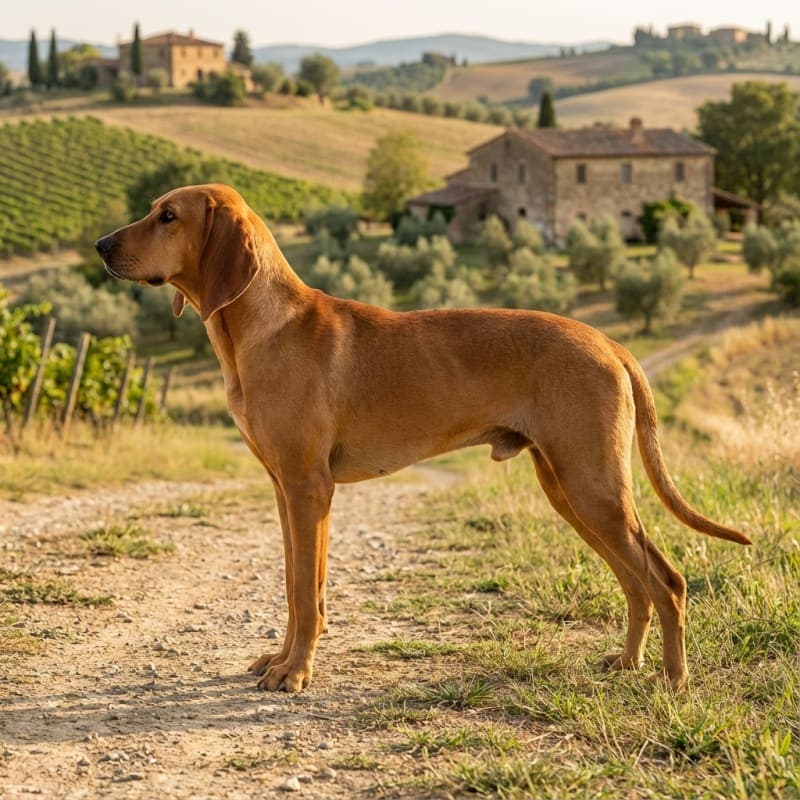
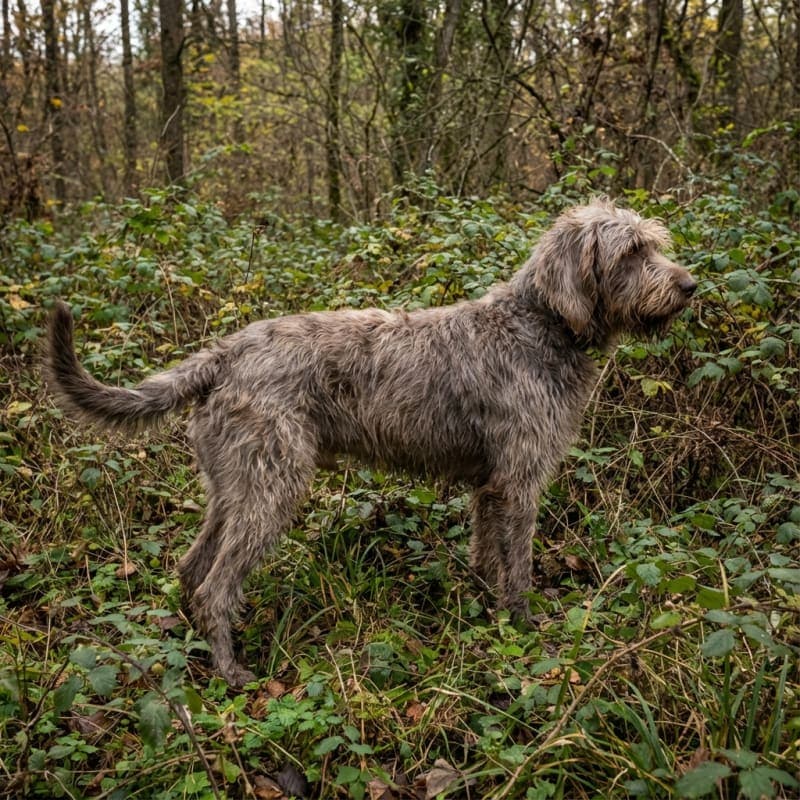
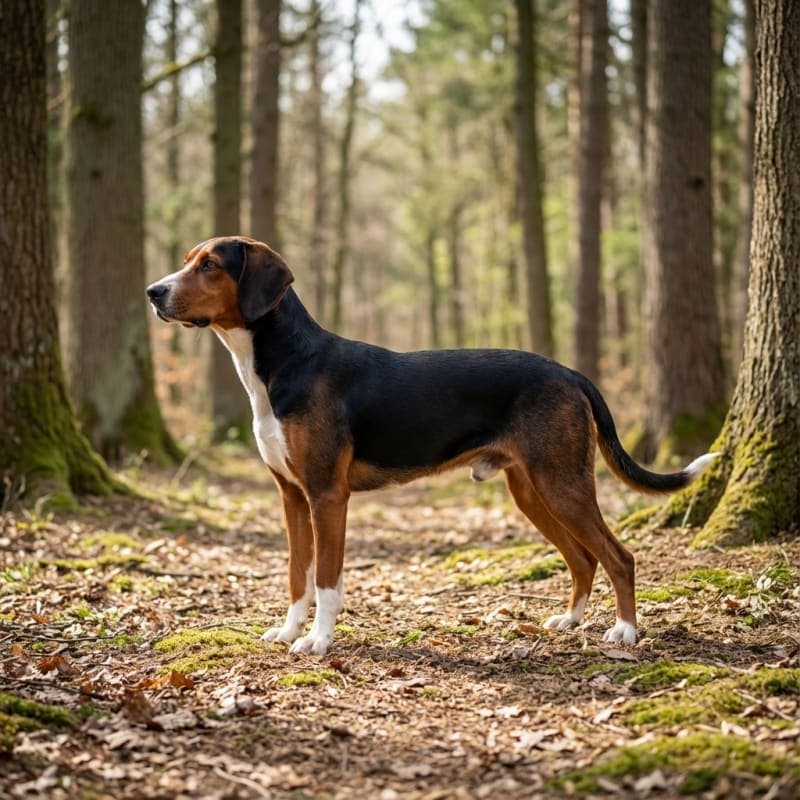
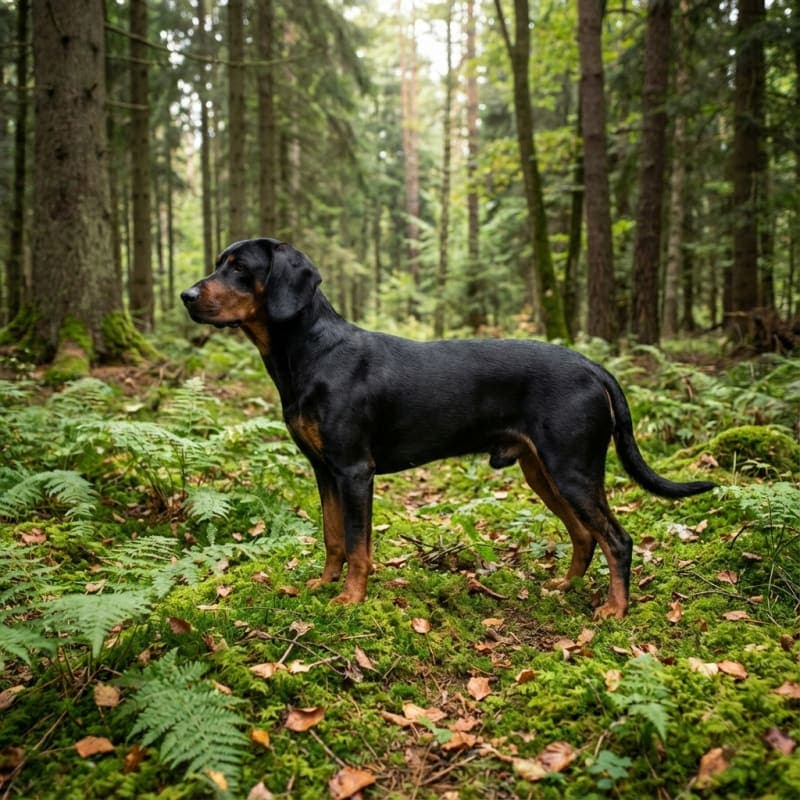
This breed is distinguished by its characteristic tricolor coat, which most often includes intense shades of red-yellow, deep black, and clean white markings – a stripe on the head, a white neck, chest, and limbs. Such a color palette, combined with a slim silhouette and high, light way of moving, gives these dogs an exceptionally noble appearance. The coat of the German hound is short, dense, and coarse, providing excellent protection while working in difficult terrain and various weather conditions.
Thanks to its exceptionally developed sense of smell and tireless passion for tracking, the German hound has gained recognition as one of the best hunting dogs in its category. Its long, wide ears – also known as skins – closely adhere to the head and help direct scents toward the nostrils during tracking. Dark, friendly eyes emanate gentleness and intelligence, making this breed not only an effective hunter but also a loyal family companion.
The German hound is a dog with a strong hunting instinct, which is not suitable for living in cramped urban apartments. It requires a large amount of space to run, explore the terrain, and engage in its natural hunting behaviors. For active owners with access to open areas – forests, meadows, or fields – it will be an ideal partner for hiking and excursions. Known for its deep attachment to family, it is also sociable and friendly, although it may behave with reserve towards strangers.
Despite its hunting origins, the German hound can be a wonderful family companion, especially for homes with children. It is patient and tolerant, although it requires proper socialization from puppyhood. The key to the happiness of this breed is providing an adequate amount of physical activity, mental stimulation, and regular contact with the family. Consistent yet gentle training based on positive reinforcement will fully harness the potential of this intelligent and devoted breed.
The German Hound is a dog with a light, tall, and elegant build, which combines nobility of appearance with a solid hunting structure. The height at the withers ranges from 40 to 53 cm, and the weight oscillates around 19-20 kg (about 42-44 pounds). Despite its compact dimensions, the dog gives the impression of being strong and durable, ready for long hours of work in the field.
The head of the German Hound is one of the most characteristic features of the breed – slender, elongated, and clean in lines. The length of the head in medium-sized dogs is about 21 cm, with the muzzle making up approximately 9 cm of that length. Viewed from the front, the head appears narrow and long, with the skull only slightly wider than the cheeks, which do not protrude sharply but gently transition into the muzzle. The skull is slightly convex, and the occiput protrudes subtly. The nose is black, and the muzzle is proportional to the whole.
The ears – also called leathers – are long, wide, and rounded at the tips. They reach at least to the tip of the nose, and sometimes even exceed it. They are set high and lie close to the head. The eyes are dark, expressive, emanating gentleness and intelligence. The gaze of the German Hound is friendly but attentive – a typical trait of hunting dogs.
The coat is short, very dense, and hard to the touch, providing excellent protection against weather conditions and injuries while working in dense underbrush. The typical coloration is a combination of colors: red-yellow (from light to dark shades), black, and white. Characteristic white markings include a stripe (patch) on the head, a white neck, a white collar, a white chest, and white limbs. The tail may have a white tip.
The tail is long, strong at the base, gradually tapering towards the end, and carried in a slight, elegant arc or straight. It is covered with dense fur, often with a slight feathering underneath. The limbs are strong, muscular, and well angulated, allowing the dog to move dynamically, run quickly, and maneuver agilely in difficult terrain. The paws are compact, with strong pads.
The overall appearance of the German Hound is a harmonious combination of nobility, strength, and functionality – a dog built for work but retaining elegance and breed charm.
The German Hound is a dog with a balanced yet energetic temperament, who is deeply loyal and strongly attached to its family. It is a sociable breed that loves being around people and derives joy from shared activities. At the same time, it may show reserve and caution towards strangers, making it a vigilant, though not aggressive, observer.
Due to its strong hunting roots, the German Hound has a high hunting instinct and an innate drive to track. In the presence of small, fast-moving animals – such as cats, rabbits, or squirrels – it may be prone to distraction and the urge to chase. For this reason, early socialization and recall training are particularly important to teach the dog to control its impulses.
The German Hound is an extremely active dog that loves spending time outdoors, exploring new areas, tracking scents, and playing with other dogs. Its high energy and endurance make it an ideal companion for long hikes, jogging, or biking trips. Without adequate exercise and mental stimulation, it can become restless and even destructive at home – looking for ways to release accumulated energy through chewing furniture, digging, or excessive barking.
In relationships with children, the German Hound is patient, tolerant, and gentle, making it a good choice for families. However, it is important for children to be taught respect for the dog, and for the dog to undergo proper socialization. This breed gets along well with other dogs, especially if it has been accustomed to them from puppyhood. With other household pets, especially small ones, it can be more challenging – requiring supervision and training.
This breed has a moderate level of intelligence and responds well to positive reinforcement training. It eagerly learns new commands and tricks, as long as it is appropriately motivated by rewards. However, it may exhibit independence and stubbornness, typical of hunting dogs, so it requires a confident and consistent owner. It is important that training is conducted with patience, without physical punishment or shouting, which can undermine the dog's trust.
This breed has a tendency to wander and escape, especially when it senses an interesting trail. Therefore, it is crucial to provide a safe, fenced area and to use a leash during walks in open terrain. The German Hound can be somewhat noisy – barking when excited, nervous, or tracking. This is a characteristic typical of hounds, which historically used their voices to communicate with hunters.
The German Hound is a breed that is generally healthy and resilient, which, with proper care, can enjoy a long life – typically between 12 to 14 years. Like any breed, however, it can be prone to certain health issues that are worth knowing to provide the best possible healthcare for the dog.
One of the most common health problems in German Hounds is eye diseases, including:
- Cataracts – a gradual clouding of the eye's lens, leading to vision loss
- Glaucoma – increased intraocular pressure that can cause pain and damage to the optic nerve
- Progressive Retinal Atrophy (PRA) – a degenerative condition of the retina leading to blindness
Regular eye examinations can help in the early detection of these issues and in taking appropriate treatment.
Another condition that German Hounds may be prone to is hip dysplasia – a developmental defect of the joint that leads to pain, limping, and limited mobility. Dysplasia can have a genetic basis, so it is important for breeders to conduct appropriate tests on their breeding dogs. Maintaining a proper body weight and avoiding excessive strain on the joints during the growth period can help minimize the risk.
This breed is also susceptible to obesity, especially if it does not receive enough exercise or is overfed. Being overweight can lead to many health problems, including heart disease, diabetes, and worsening joint conditions. Therefore, it is crucial to provide a balanced diet and regular physical exercise.
Due to their long, drooping ears, German Hounds may be at risk for ear infections. Moisture and heat in the ear canal create ideal conditions for the growth of bacteria and fungi. Regular cleaning and checking of the ears, especially after walks in wet or muddy areas, helps prevent these infections.
During the summer, attention should be paid to the possibility of overheating the dog. As an active breed, the German Hound can exercise intensely even on hot days, which poses a risk of heatstroke. It is important to provide access to shade, fresh water, and to avoid intense exertion during the hottest hours of the day.
Regular veterinary visits, a proper diet, physical activity, and parasite prevention are key to keeping the German Hound in good health for many years.
The care of the German Hound is relatively simple and does not require specialized treatments or excessive time investment, making this breed friendly for owners who prefer an uncomplicated grooming routine.
The coat of the German Hound – short, dense, and tough – is naturally resistant to dirt and does not accumulate excessive amounts of debris. Regular brushing, at least once a week, using a natural bristle brush or a rubber glove will help remove dead hair, stimulate skin circulation, and give the coat a healthy shine. During shedding periods – especially in spring and autumn – it is advisable to increase the brushing frequency to 2-3 times a week to minimize the amount of hair in the home.
Bathing should be done as needed, usually every few months or when the dog is noticeably dirty. Too frequent washing can lead to dry skin and loss of natural protective oils. It is worth using gentle shampoos designed for dogs that do not irritate the skin.
The ears of the German Hound require special attention. Due to their length and drooping structure, they easily accumulate moisture, dirt, and plant debris during walks. Regular checking and cleaning of the ears – preferably once a week or after each walk in wet areas – will help prevent infections. You can use special ear cleaning solutions for dogs and cotton pads or gauze. Never insert cotton swabs deeply into the ear canal.
The nails should be regularly trimmed, usually once every 3-4 weeks, to prevent excessive growth, which can lead to discomfort, walking problems, or ingrowth. If the dog spends a lot of time on hard surfaces, the nails may naturally wear down, reducing the need for trimming. It is advisable to accustom the dog to this procedure from puppyhood.
The teeth also require regular care. Brushing the teeth 2-3 times a week using dog toothpaste and a toothbrush will help prevent tartar, gum disease, and bad breath. Additionally, you can give special dental treats that help clean the teeth.
Overall, the German Hound is a breed with low grooming requirements that will maintain a healthy appearance and condition with regular, basic care.
The German Hound is a breed that is extremely energetic and active, requiring a significant amount of exercise and physical and mental stimulation to maintain health, well-being, and balanced behavior. As a hunting dog, it was bred for long hours of work in the field, which translates to its contemporary needs.
Daily walks should last at least 60-90 minutes, but the more activity, the better. Ideally, the dog should have two or three longer walks each day, allowing it to explore its surroundings, track scents, and interact with other dogs. The German Hound loves hiking in forests, meadows, and mountain trails, where it can freely utilize its sense of smell and tracking instinct.
In addition to walks, this breed is great for engaging in various dog sports, such as:
- Running – an excellent companion for long-distance jogging
- Cycling – can run alongside a bike for many kilometers
- Mantrailing – a sport involving scent tracking, ideal for hounds
- Agility – obstacle courses that develop agility and coordination
- Canicross – running off-road with a dog harnessed to a harness
The German Hound has immense energy and if it does not receive the appropriate amount of exercise, it can become destructive at home – looking for ways to release accumulated energy by chewing furniture, shoes, digging holes in the garden, or excessive barking. This breed is not suitable for living in small apartments without access to a garden or nearby areas for running.
It is also important to provide the dog with mental stimulation through:
- Scent games – hiding treats and toys
- Learning tricks and obedience commands
- Interaction with other dogs – play and socialization
- Playing fetch – balls, frisbees, toys
It is beneficial for owners of the German Hound to be active individuals who lead a sporty lifestyle and can meet the high exercise demands of this breed. For such individuals, the German Hound will be an ideal, loyal partner for shared outdoor adventures.
The training of the German Hound should be consistent, patient, and based on positive reinforcement. This breed has a moderate level of intelligence and is eager to learn, provided it is appropriately motivated and trained in a way that aligns with its hunting nature.
Training should begin as early as possible – ideally from the moment the puppy arrives home, at around 8-12 weeks of age. Early socialization is crucial for shaping a balanced, confident dog that will respond well to various situations, people, and animals. It is advisable to enroll the puppy in a puppy kindergarten where it will have the opportunity to interact with other puppies and learn basic social behaviors.
Positive reinforcement – rewarding desired behaviors with treats, praise, and play – is the most effective training method for German Hounds. Physical punishment, yelling, or harsh corrections are not only ineffective but can also undermine the dog's trust and lead to fear or aggression. The German Hound responds best to an owner who is confident, calm, and consistent in their demands.
Basic commands that are worth teaching a German Hound include:
- Sit – a basic obedience command
- Stay – important for the dog's safety
- Come – a crucial recall command, particularly important for a breed with a strong hunting instinct
- Lie down – helps in calming the dog
- Leave it – prevents picking up dangerous objects
The German Hound may exhibit independence and stubbornness, typical of hunting dogs that were bred to make decisions independently while tracking. Therefore, owners must be firm and consistent, not allowing the dog to ignore commands. At the same time, it is important for the training to be engaging and positive, avoiding monotony that may discourage the dog from learning.
This breed tends to get distracted, especially in the presence of interesting scents or small, fast-moving animals. Therefore, it is particularly important to work on the dog's concentration and the recall command Come. Initially, training should take place in a calm, controlled environment, gradually introducing more distractions.
Regular mental exercises are just as important as physical activity. The German Hound loves:
- Scent games – searching for hidden treats or toys
- Learning new tricks – e.g., shaking paws, spinning, crawling
- Obedience training – working on the precision of command execution
- Mantrailing training – utilizing natural tracking skills in a controlled manner
The key to success in training a German Hound is patience, consistency, and building a positive relationship based on trust and mutual respect. With the right approach, this breed can become a well-trained, obedient, and joyful companion.
The diet of a German Hound should be balanced, high-quality, and tailored to its level of physical activity. Proper nutrition is crucial not only for maintaining the dog's health, condition, and energy but also for preventing obesity and related health problems.
Choosing food should be based on high-quality products rich in:
- Animal protein – the main component of the diet, derived from meat (chicken, beef, turkey, fish). For an active hunting dog, the protein content should be around 25-30%.
- Healthy fats – a source of energy and essential omega-3 and omega-6 fatty acids that support skin, coat, and nervous system health. Fat content: 12-18%.
- Complex carbohydrates – rice, oats, sweet potatoes – provide energy and fiber that supports digestion.
- Vitamins and minerals – essential for the proper functioning of the body, supporting the immune system, and maintaining bone and joint health.
Portions should be adjusted according to the dog's age, weight, and activity level. An average adult German Hound (about 19-20 kg) needs about 1000-1400 kcal per day, but very active dogs – working in the field or engaging in sports – may require more. It is best to divide the daily allowance into two meals – morning and evening – which helps prevent bloating and maintains a stable energy level throughout the day.
Important nutrition rules:
- Do not feed just before exercise – intense movement after a meal increases the risk of stomach bloating (gastric torsion), which is a life-threatening condition. It is best to wait at least 1-2 hours after feeding before engaging in intense activity.
- Ensure constant access to fresh water – especially after physical exertion, on hot days, and during fieldwork.
- Avoid table scraps – many human foods can be harmful to dogs (chocolate, onions, garlic, grapes, sweets with xylitol). Additionally, they contribute to obesity and can disrupt a balanced diet.
- Monitor weight – regular weighing of the dog and observing body condition will help quickly detect overweight or underweight. The dog should have a noticeable outline of ribs, a visible waist, and a slightly tucked belly.
The German Hound is prone to obesity, especially if it does not get enough exercise or is overfed. Being overweight leads to joint strain, heart disease, diabetes, and a shortened lifespan. Therefore, it is crucial to adhere to recommended portions and limit snacks.
Snacks and treats should make up no more than 10% of the daily caloric intake. They can be used as rewards during training, but it is worth choosing healthy options – dried meat, vegetables (carrots, broccoli), fruits (apples, blueberries – in small amounts).
Regular veterinary check-ups will help monitor the dog's weight, health status, and adjust the diet to changing needs – for example, during growth, pregnancy, aging, or recovery.
Characteristic Traits
Pros
- A wonderful sense of smell and tracking abilities
- Loyal and deeply attached to family
- Very sociable and friendly
- Resilient and dense coat protecting against weather conditions
- A durable and energetic companion for activities.
Cons
- Requires a large amount of space for running and activity
- Unsuitable for living in small apartments
- Needs consistent and patient training
- Strong hunting instinct can lead to escapes
- May be noisy during excitement or tracking.
Behavioral Ratings
Breed History
The German Hound, also known as Deutsche Bracke, has a long and fascinating history that reaches deep into the hunting traditions of Germany. This breed descends from a large, ancient group of hounds referred to as Bracken, which were widely distributed across various regions of Central Europe since the Middle Ages. Over the centuries, many of these local varieties have become extinct or were absorbed by other breeds; however, thanks to the efforts of breeders from the Westphalia region, the German Hound has survived and been standardized as a distinct breed.
The most significant local variety that contributed to the development of the modern German Hound was the tricolor Sauerland Hound (Sauerländer Holzbracke), found in the picturesque, wooded areas of Sauerland in western Germany. Through the crossbreeding of this type with local Steinbracken (stone hounds), a uniform type emerged around the end of the 19th century, which has been officially called Deutsche Bracke – German Hound since 1900.
The history of this breed's development also shows influences from other hunting dogs. Among the ancestors of the German Hound are English beagles, foxhounds, and pointers, which may have been introduced to improve tracking abilities, endurance, and build. These crossbreeds contributed to sharpening the sense of smell and achieving the characteristic, elegant silhouette that distinguishes the breed to this day.
In the first half of the 20th century, the German Hound became popular not only as a hunting dog but also as a family companion, appreciated for its gentle nature, loyalty, and ease of maintenance. In Germany, this breed was primarily used for hunting small game – hares, foxes, and deer – in difficult, mountainous wooded terrain and dense underbrush. Its exceptional tracking ability and perseverance in work made it an indispensable partner for hunters.
In 1997, the German Hound was officially recognized by the FCI (Fédération Cynologique Internationale) – the international canine organization. The breed was classified into Group 6 (hounds, bloodhounds, and related breeds), section 1.3 (small hounds), with working trials. The official breed standard was published on June 24, 1997, and its last update was on September 15, 1997.
Despite its long pedigree and recognition in its homeland, the German Hound remains relatively unknown outside the borders of Germany. Its population is concentrated mainly in western Germany, and breeding outside the country is very limited. This breed has not gained mass popularity on the international stage, making it a rarity for hound enthusiasts outside the European continent.
Today, the German Hound is still used in Germany as a working dog by hunters, but it is also increasingly becoming a family companion for active individuals who appreciate traditional hunting breeds. Due to its unique character, skills, and beauty, it is gradually gaining recognition among enthusiasts of rare breeds and lovers of dogs with deep historical roots. The breeding of the German Hound is conducted with care to preserve breed characteristics, health, and temperament, allowing this wonderful breed to survive and thrive in the 21st century.