Nivernais Rough-haired Hound
FCI Group
6• FCI 17
Size
Medium
Origin Country
FR
Height
55-62 cm
Weight
23-27 kg
Lifespan
11-13 years
Temperament
Overview
The Griffon Nivernais, also known as the Wire-haired Hound of Nivernais, is an incredibly interesting dog breed that attracts the attention of both dog lovers and experienced hunters. The unique history of this breed dates back to ancient times when the ancestors of these dogs, known as Canis Segusius, were used by the Gauls for effective hunting of wild game. The distinctive appearance of the Wire-haired Hound of Nivernais makes it impossible to confuse it with any other breed. It is characterized by a tough, rough, and bristly coat that perfectly protects it from harsh weather conditions, making it an ideal companion for long hunting trips and excursions into nature.
This breed owes its lasting popularity not only to its characteristic appearance but primarily to its excellent hunting abilities. It is a medium-sized dog, valued for its remarkable hunting instinct, outstanding endurance, and excellent sense of smell. It is particularly highly regarded for its ability to track wild boars, both in packs and during individual hunts, making it an indispensable companion during challenging hunts for this game.
However, the history of this breed has not been without serious difficulties and periods of threat of extinction. During the reign of King Francis I, the popularity of the Wire-haired Hound of Nivernais significantly began to decline in favor of white hunting dogs, which gained a privileged position in royal packs. Fortunately, some nobles from the Nivernais region continued to breed this breed even after the French Revolution in 1789. It was not until the late 19th and early 20th centuries that breed enthusiasts undertook systematic efforts to fully restore it, crossing preserved specimens with other hound breeds such as Griffon Vendéen, Foxhound, and Otterhound. Thanks to these efforts, the breed was stabilized, and in 1925, an official breed club was established.
The Wire-haired Hound of Nivernais is a dog characterized not only by a strong hunting instinct but also by a social and friendly disposition. It thrives in the company of people and other dogs, making it a wonderful companion in everyday life, provided it receives proper socialization. However, its independent and sometimes stubborn character requires consistent training from the owner, who should use positive reinforcement methods. This breed requires regular physical activity and mental stimulation, making it an ideal choice for those leading an active lifestyle and valuing long walks and outdoor adventures. It is worth noting that despite its general resilience to diseases, the Wire-haired Hound of Nivernais needs a balanced diet rich in high-quality protein to maintain proper health and physical condition throughout its life.
In the further part of this comprehensive guide, you will find detailed information regarding health, grooming, exercise requirements, training methods, nutritional guidelines, fascinating history, distinctive appearance, and complex behavior of this exceptional breed. Discover all the extraordinary features of the Wire-haired Hound of Nivernais and learn why this ancient French breed continues to captivate hound enthusiasts around the world.
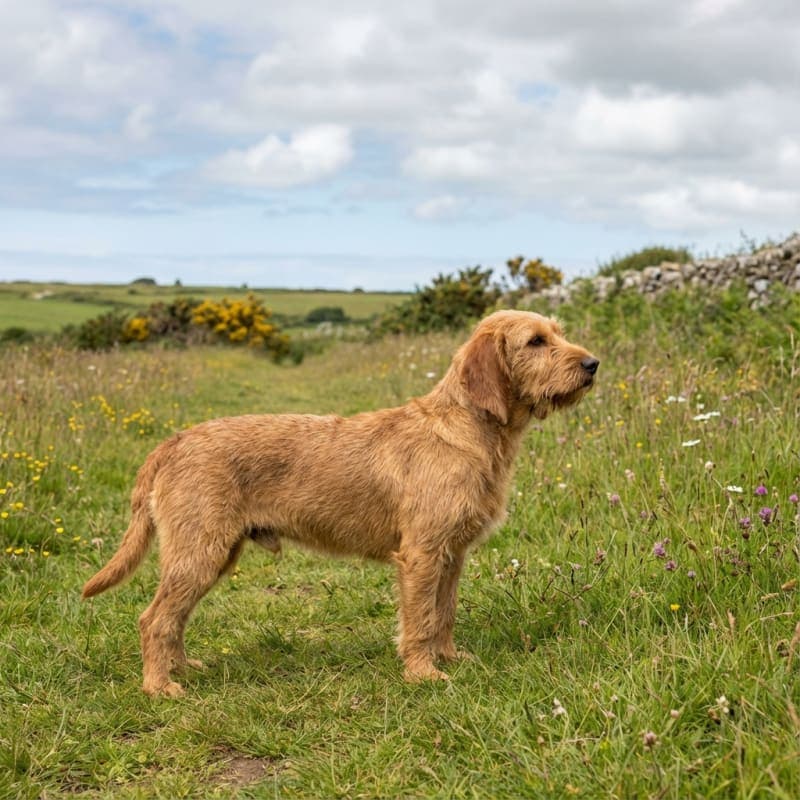
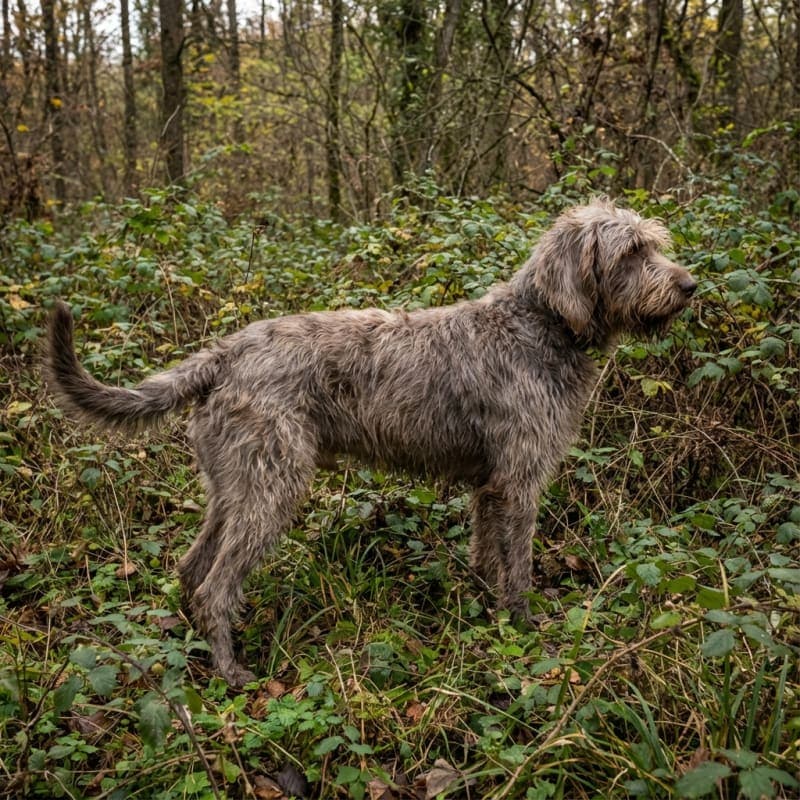
The Griffon Nivernais is a dog with a very distinctive and recognizable appearance that immediately attracts the attention of anyone who has the opportunity to meet a representative of this breed. It is a medium-sized dog, with males reaching a height at the withers of 55 to 62 cm, while females are slightly smaller, measuring from 53 to 60 cm. Although the FCI standard does not specify an exact weight, a well-built individual typically weighs between 23 and 27 kg.
The body structure is strong, well-muscled, and proportional, which indicates the exceptional endurance of this breed and its ability to work for long hours in difficult terrain. The silhouette gives an impression of solidity and physical agility while maintaining the elegance typical of hounds. The chest is well-developed and deep, providing adequate lung capacity necessary for long hunts.
The coat is the most recognizable feature of the breed - it is rough, long, dense, and tousled, creating a characteristic "unkempt" appearance (in French referred to as "barbouillaud"). The coat color is most often fawn with dark tips (known as fawn charbonné), sometimes with white spots or lighter shades. This type of coat provides excellent protection for the dog against cold, moisture, and injuries when working in dense underbrush.
The head is dry, elongated, and light, with parallel lines of the skull and muzzle. The eyes are dark, with a lively and penetrating gaze that expresses intelligence and attentiveness. The ears are of medium length, hanging, soft, and well-set, falling along the cheeks, giving the dog a gentle and friendly expression. The nose is always black, well-developed, with wide nostrils characteristic of tracking dogs.
The tail is of medium length, relatively strong at the base, tapering towards the end, carried slightly below the line of the back or at its level, which makes the dog appear relaxed and confident. The limbs are straight, strong, and dry, with well-developed muscles, perfectly adapted for long walks and fast running in varied terrain.
The entire silhouette of the Griffon Nivernais emanates an impression of strength, endurance, and functionality, making it an excellent companion for an active life and work in the field, especially during hunts for wild game.
The Griffon Nivernais is characterized by a complex and interesting personality, making it a wonderful companion, but it also requires the right approach, consistent training, and proper socialization from the earliest weeks of life. It is an independent dog with a strong character that can be stubborn, yet is very sociable, friendly, and attached to its family.
This breed has a natural hunting instinct deeply encoded in its DNA, which makes the dog very focused on tracking and inclined to chase smaller animals such as rabbits, cats, or rodents. For this reason, off-leash walks are only possible in safe, fenced areas or after solid obedience training. The Griffon Nivernais works both in packs and individually, showcasing its versatility and ability to cooperate.
In relationships with people, the Griffon Nivernais demonstrates great friendliness and gentleness, especially when properly socialized as a puppy. It gets along well with children, provided they are calm and treat the dog with respect. This breed is not a guard dog in the traditional sense - it is too sociable and friendly towards strangers to serve as an aggressive protector. However, it may alert with barking at the arrival of unknown individuals.
The Griffon Nivernais tolerates the presence of other dogs well, especially if it grew up in their company. This trait stems from its history of working in hunting packs. However, it can be loud and demanding, particularly if it does not receive enough physical and mental stimulation. Insufficient activity can lead to destructive behaviors, excessive barking, or boredom.
Owners should provide this dog with:
- Daily long walks (at least 60-90 minutes)
- The opportunity to track and explore new scents
- Tasks that engage its senses and intelligence
- Consistent yet gentle training based on positive reinforcement
- Proper socialization with people, dogs, and various environments
Overall, the Griffon Nivernais is an excellent choice for active individuals, hunters, or families leading a sporty lifestyle who value adventure, closeness to nature, and have time to properly engage in the upbringing and activation of this wonderful hound.
The Griffon Nivernais is generally regarded as a healthy and resilient dog breed that is not burdened by many serious genetic issues commonly found in other purebred dogs. The average lifespan is between 11 to 13 years, which places this breed in the typical range for medium-sized dogs. Proper veterinary care, a balanced diet, and regular physical activity can contribute to a long and healthy life.
Despite its overall resilience, there are certain conditions that owners should be aware of:
- Progressive retinal atrophy (PRA) - a hereditary eye condition leading to gradual vision loss
- Hip dysplasia (HD) - malformation of the hip joints that can cause pain and limit mobility
- Elbow dysplasia (ED) - a similar condition affecting the elbow joints
- Ear infections - long, hanging ears promote moisture accumulation and the development of bacterial or fungal infections
- Gastric torsion (GDV) - a dangerous emergency condition requiring immediate veterinary intervention, more common in dogs with deep chests
Preventing gastric torsion is particularly important - owners should feed their dog smaller portions spread over 2-3 meals a day, avoid intense exercise immediately before and after eating, and ensure a calm atmosphere during meals.
The Griffon Nivernais prefers cooler temperatures due to its dense, rough coat. In high temperatures, it may be prone to overheating, so on hot days, it is essential to provide access to shade, fresh water, and avoid intense exercise during the hottest hours.
Regular veterinary check-ups (at least once every 6-12 months), vaccinations, deworming, external parasite prevention, and maintaining a proper diet and physical activity will help keep the Griffon Nivernais in excellent health for many years. It is also worth considering genetic testing for dysplasia before starting a breeding program.
The grooming of the Griffon Nivernais is relatively simple and not very time-consuming, which is an additional advantage of this breed for those who value functionality and a natural look in a dog. This breed does not require intensive grooming treatments or complicated haircuts, making it ideal for owners who prefer natural, rustic dog breeds.
The coat of the Griffon Nivernais is long, rough, dense, and bristly, providing excellent protection against adverse weather conditions such as rain, wind, or cold. The characteristic texture of the coat naturally repels dirt and water, so the dog remains relatively clean even after walks in challenging terrain.
Brushing should be done once a week using a brush with stiff bristles or a comb with widely spaced teeth. The goal is to remove dead undercoat, prevent matting, and minimize shedding. During periods of increased shedding (spring and autumn), the frequency of brushing can be increased to 2-3 times a week.
Bathing should be done relatively rarely - only 3-4 times a year or as needed when the dog is heavily soiled. Washing too frequently can damage the natural protective layer of the coat and cause it to dry out. Mild shampoos designed for dogs with coarse coats should be used.
Particular attention should be paid to:
- Ears - regular checking and cleaning (once a week) with special preparations prevents infections; long, hanging ears are prone to moisture accumulation
- Eyes - daily checking and gently wiping with a damp, clean gauze removes impurities
- Nails - trimming every 3-4 weeks if they do not wear down naturally during walks on hard surfaces
- Teeth - regular brushing (2-3 times a week) with special dog toothpaste prevents tartar buildup and gum disease
After walks in challenging terrain, especially in the woods or fields, it is advisable to check the coat for ticks, grass awns that may embed in the skin, and other debris. A thorough inspection and possibly rinsing the paws with clean water is sufficient.
Overall, the Griffon Nivernais does not require special grooming treatments typical of show breeds, but regular care of the coat, ear hygiene, eye care, nail trimming, and dental hygiene will help keep it in excellent condition, prevent health problems, and ensure the dog's comfort.
The Griffon Nivernais is a breed that requires moderate to high levels of physical activity to maintain physical health, mental balance, and proper behavior. Although it is not an overly hyperactive dog like some herding breeds, it requires regular and intense walks and opportunities to run freely outdoors.
This breed is ideally suited for life in a rural setting or suburban homes with a large, fenced garden where it can freely explore the area and track fascinating scents. The Griffon Nivernais feels best when it has access to a variety of natural environments - forests, fields, meadows - which stimulate its natural hunting instinct and provide rich sensory stimulation.
Minimum physical activity requirements are:
- Daily walks lasting at least 60-90 minutes a day, preferably divided into 2-3 sessions
- Intense running or brisk walks 3-4 times a week
- Games that engage the sense of smell - tracking, searching for hidden objects or treats (nosework)
- Fetching and interactive games in a safe, fenced area
- Excursions to new places - providing new scents and stimuli, which is extremely important for this breed
The Griffon Nivernais has a strong hunting instinct and will often want to chase smaller animals such as rabbits, squirrels, or birds. For this reason, off-leash walks are safe only in a controlled, fenced environment or after very solid recall training (though even then, there is no guarantee of 100% obedience when the dog picks up a scent).
Important exercise notes:
- On hot days, limit intense activity to cooler hours (early morning, late evening)
- Provide access to fresh water before, during, and after exercise
- Young puppies (up to 12-18 months) should not be subjected to overly intense physical training to avoid damaging developing joints
- Older dogs may require adjustments to the intensity of exercise according to their capabilities
Regular physical activity not only helps maintain proper condition and healthy weight, but also prevents serious behavioral problems related to boredom, frustration, or excess unused energy, such as destructive chewing, excessive barking, or escaping.
The Griffon Nivernais is a wonderful companion for active individuals, runners, cyclists (with proper training), and lovers of long hikes in forested areas. If you lead an active lifestyle and can dedicate time to daily outdoor adventures, this breed will be an excellent choice.
The training of the Griffon Nivernais can be an interesting challenge due to its independent, sometimes stubborn nature and strong hunting instinct, which can distract the dog from the owner's commands. However, this dog is intelligent and capable of learning, and with the right approach, it can achieve an impressive level of obedience.
Early training and socialization are absolutely crucial for this breed. It is best to start teaching basic commands at the age of 8-10 weeks when the puppy is most open to new experiences. Socialization should include:
- Contact with different people (adults, children, elderly)
- Meetings with other dogs and pets
- Exposure to various environments (city, park, forest, shops)
- Acclimatization to different sounds (traffic, thunder, fireworks)
- Positive experiences with visits to the veterinarian and groomer
The Griffon Nivernais needs a consistent and firm, yet gentle owner, who will use methods based on positive reinforcement. This breed responds very well to:
- Treats - high-value food rewards are excellent motivation
- Verbal praise and petting - these dogs appreciate positive attention from their owner
- Play as a reward - a short session of fetching or tracking can be a great reinforcement
- Variety in training - repetitive exercises quickly bore this breed
Training difficulties may arise from:
- Strong hunting instinct - the dog may ignore commands when it detects an interesting scent
- Independence - the Griffon Nivernais was bred to make decisions independently while hunting
- Stubbornness - it may try to impose its own will if the owner is not consistent
- Sensitivity - the breed does not tolerate harsh treatment or physical punishment
Key principles of effective training:
- Consistency - the same rules must apply always and everywhere
- Short sessions - 10-15 minutes of intensive learning, several times a day
- Ending on a success - always finish training with something the dog did well
- Patience - progress may be slower than with typically obedient breeds
- Early start - the sooner, the better the results
- Avoiding monotony - games and play during learning keep the dog engaged
Specialized training that works well for the Griffon Nivernais includes:
- Nosework - utilizing the natural talent for tracking
- Mantrailing - searching for people by scent trail
- Hunting training - if the owner is a hunter
- Agility - provided the dog's interest is maintained
It is worth considering professional group classes with an experienced trainer specializing in hound or independent breeds, especially if the owner has no prior experience with this type of dog. Well-conducted training will result in a well-mannered, happy dog, who will be a wonderful companion despite its independent nature.
The diet of the Griffon Nivernais should be carefully balanced and tailored to the dog's age, weight, level of physical activity, and individual health needs. Due to the high activity and physical endurance of this breed, it is particularly important to provide an adequate amount of high-quality protein that supports muscle development and regeneration as well as overall body condition.
Basic nutritional requirements:
- High-quality protein (min. 22-28%) from meat, poultry, or fish as the main ingredient
- Healthy fats (12-18%) providing energy and supporting skin and coat health
- Complex carbohydrates from brown rice, oats, or sweet potatoes as a source of long-lasting energy
- Dietary fiber supporting proper digestion
- Vitamins and minerals - especially calcium, phosphorus (for healthy bones and joints), omega-3 and omega-6 fatty acids
- Glucosamine and chondroitin - supporting joint health, especially in older dogs
Type of food - owners can choose between:
- Dry food (kibble) - convenient, economical, supports oral hygiene; premium or super-premium formulas should be chosen
- Wet food (cans, pouches) - more palatable, higher moisture content, but more expensive and less practical
- BARF diet (raw meat and bones) - natural, but requires knowledge and time for preparation; consultations with a veterinarian or nutrition specialist are recommended
- Homemade food (cooked) - full control over ingredients, but requires supplementation and nutritional knowledge
Recommended feeding approach:
- Regular meal times - 2-3 meals a day at set times (prevents digestive issues)
- Controlled portions - adjusted to weight, age, and activity (manufacturer's instructions are a starting point)
- Avoiding overeating - obesity leads to joint, heart problems and shortens lifespan
- Fresh water - available throughout the day, especially important for active dogs
- Calm eating - feeding in a quiet place, without stress and competition from other animals
Prevention of gastric torsion (GDV) - CRITICALLY IMPORTANT for the Griffon Nivernais:
- Feed 2-3 smaller meals instead of one large one
- Avoid intense exercise 1-2 hours before and after meals
- Do not allow the dog to drink large amounts of water immediately after intense running
- Use slow feeders if the dog gulps food very quickly
- Feed in a calm atmosphere, without stress and hurry
Treats and snacks can be used during training, but should make up no more than 10% of daily caloric intake. The best options are:
- Dried meat (beef, chicken, fish)
- Natural chews (pig ears, beef trachea)
- Vegetables (carrots, bell peppers, broccoli) - low-calorie and healthy
- Special treats for active dogs
Prohibited products (toxic to dogs):
- Chocolate, coffee, tea (theobromine, caffeine)
- Onion, garlic, leek (damage red blood cells)
- Grapes, raisins (kidney failure)
- Xylitol (artificial sweetener - deadly toxic)
- Avocado, macadamia nuts
Monitoring weight and condition is crucial - the owner should regularly check if the dog maintains a proper weight (visible waist, palpable ribs under a layer of fat, but not protruding). Regular veterinary visits (every 6-12 months) will allow for adjustments to the diet according to the dog's changing needs, especially during growth periods (puppies), maturation, physical activity, and aging.
A properly balanced diet is the foundation of a long, healthy, and active life for the Griffon Nivernais, so it is worth taking the time to choose the right food and consult with a veterinarian or dog nutrition specialist.
Characteristic Traits
Pros
- Unique
- recognizable appearance
- Excellent hunting abilities and sense of smell
- Sociable and friendly character
- Overall resistance to diseases
- Relatively simple care.
Cons
- Requires consistent and patient training
- Can be stubborn and independent
- Needs a lot of physical activity
- Strong hunting instinct (chasing animals)
- Can be noisy (barking)
Behavioral Ratings
Breed History
The history of the Griffon Nivernais is a fascinating tale of a breed that has survived for centuries, going through periods of flourishing and near-total extinction, only to be meticulously revived by enthusiasts of hunting dogs. The origins of this breed date back to Gallic times, where its distant ancestors, known as Canis Segusius (the dogs of the Segusians - a Gallic people inhabiting the Alps), were used by the Gauls as effective tracking dogs for hunting wild game.
According to historical researchers, the Griffon Nivernais may also descend from grey Saint Louis dogs, which were valued at the French courts during the Middle Ages. This breed enjoyed immense recognition for about 200 years, particularly during the reign of French kings up to Louis XI, who highly regarded these dogs for their exceptional hunting abilities and endurance in difficult terrain.
However, during the reign of King Francis I (1515-1547), the situation changed dramatically. This king clearly preferred white hunting dogs, which gained a privileged position in royal packs, leading to a gradual decline in the popularity of the Griffon Nivernais. The breed was largely abandoned by royal packs, which could have led to its complete extinction.
Fortunately, certain nobles from the Nivernais region (a historical region in central France, now part of Burgundy) remained loyal to this breed and continued its breeding despite the lack of royal support. Thanks to their perseverance, the Griffon Nivernais survived until the French Revolution in 1789, when most aristocratic packs were dispersed, and many breeding lines disappeared. During this turbulent period, the Griffon Nivernais practically vanished as a distinct breed.
Only in the late 19th century, about 100 years after the Revolution, did a group of dedicated enthusiasts and breeders undertake systematic efforts to recreate the breed. They sought surviving individuals that retained the characteristics of the original Griffon Nivernais in their breeding cradle - the Nivernais region. These dogs, often locally referred to as "dogs of the region" (chiens du pays), formed the foundation for the breed's restoration program.
At the turn of the 19th and 20th centuries, breeders, in order to strengthen the gene pool and improve certain working traits, decided on controlled crossbreeding of preserved Griffon Nivernais specimens with other hunting breeds:
- Griffon Vendéen - a French hunting breed with similar rough coat
- Foxhound - an English hound with excellent tracking abilities
- Otterhound - a British hound with an exceptional sense of smell and resilience
These thoughtful crossbreeds allowed for the stabilization of the breed, improvement of health, preservation of the rough coat, and strengthening of hunting instincts. Thanks to these efforts, a dog was created that largely retained the characteristics of its original model, while being more resilient and versatile.
In 1925, the official Griffon Nivernais breed club (Club du Griffon Nivernais) was established, marking a milestone in the history of this breed. The club set an official standard, organized shows and working competitions, and promoted the breed both in France and abroad. Since then, the breed has remained unchanged in its fundamental physical and character traits.
Today, the Griffon Nivernais is recognized by the FCI (Fédération Cynologique Internationale) under standard number 17, classified in Group 6 (Hounds and related breeds), Section 1.2 (Medium-sized hounds). Although it is not a mass-popular breed, it has maintained its niche position among hunters, particularly in France, where it is still valued for its ability to hunt wild boar both in packs and individually.
The history of the Griffon Nivernais is a magnificent example of determination, love for tradition, and the dedication of breeders who saved a breed with a centuries-old history from oblivion. It also serves as a reminder of how fragile the fates of dog breeds can be and how important it is to protect them and promote the cultural heritage associated with cynology.