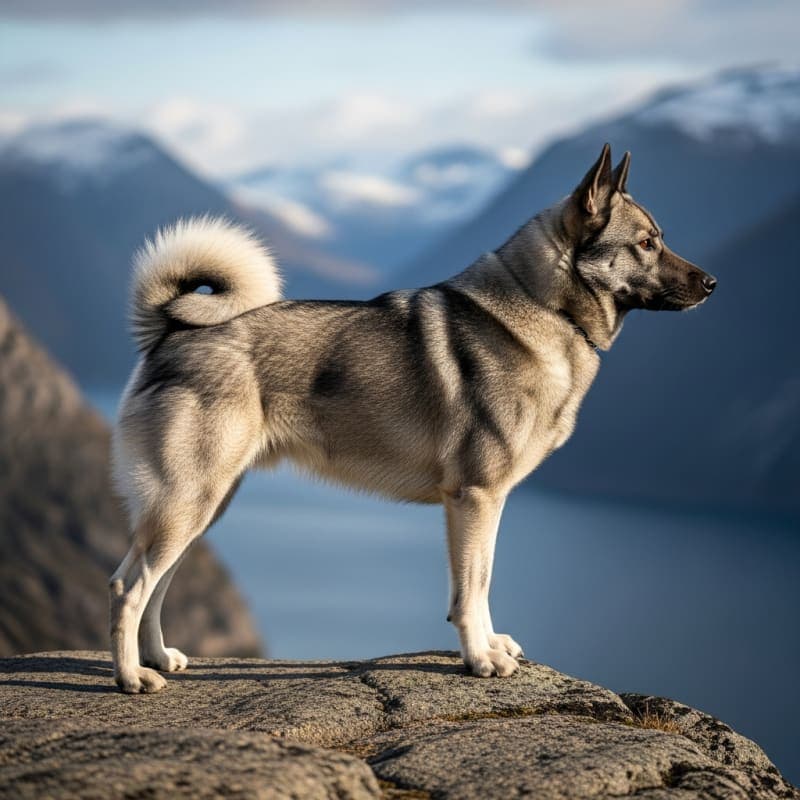
Gray Elkhound
FCI Group
5• FCI 242
Size
Medium
Origin Country
NO
Height
49-52 cm
Weight
20-25 kg
Lifespan
12-14 years
Temperament
Overview
The Gray Elkhound, also known as Norsk Elghund Grå, is one of the oldest hunting dog breeds, with roots dating back thousands of years in Norway's history. This medium-sized breed, with a strong, compact body, was specifically bred for hunting large game such as moose and bears. The Gray Elkhound is distinguished by its bold and fearless character, making it an excellent companion for active owners who value independence and intelligence in a dog.
This breed can form an exceptionally strong bond with one family member, though it often maintains a certain reserve towards strangers. Its loud and distinctive bark is a natural sign of alertness, making the Gray Elkhound an excellent watchdog. The appearance of this breed is equally impressive – its square build, straight back line, and strong silhouette draw attention. The wedge-shaped head with a distinct stop and high-set, pointed ears gives it a vigilant, intelligent expression.
The dense, stiff outer coat of medium length perfectly protects the Elkhound from adverse weather conditions typical of the Scandinavian climate. Its characteristic gray fur with darker hair tips adds elegance and visual charm to the breed. In terms of health, the Gray Elkhound is a robust and strong breed, although it may have certain genetic predispositions, such as thyroid problems or joint dysplasia. The average lifespan ranges from 12 to 14 years.
Thanks to its double coat structure, the Gray Elkhound tolerates cold well; however, it may struggle with thermoregulation on warm days. This breed requires proper nutrition and regular, intense exercise to maintain good physical and mental condition. The Gray Elkhound is particularly popular in Norway but is gaining increasing recognition worldwide. Its intelligence and strong hunting instinct make it an excellent working dog – ideal for both hunting and as a companion dog. Elkhound owners should be aware of their high needs for physical activity and socialization to ensure a happy and healthy life. In short, the Gray Elkhound is a breed full of energy, courage, and intelligence that deserves the attention of every true dog lover.
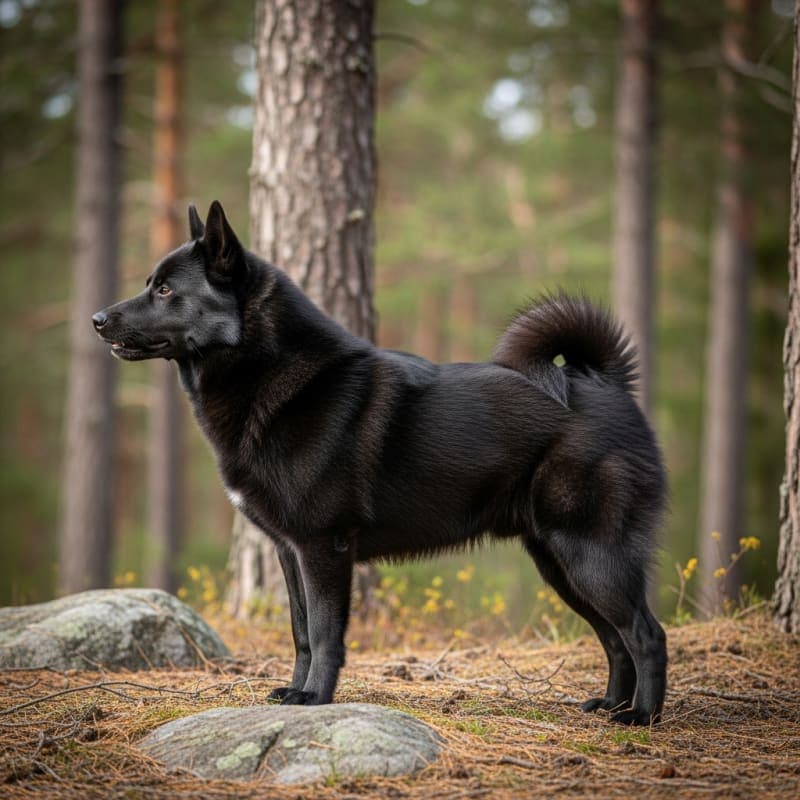
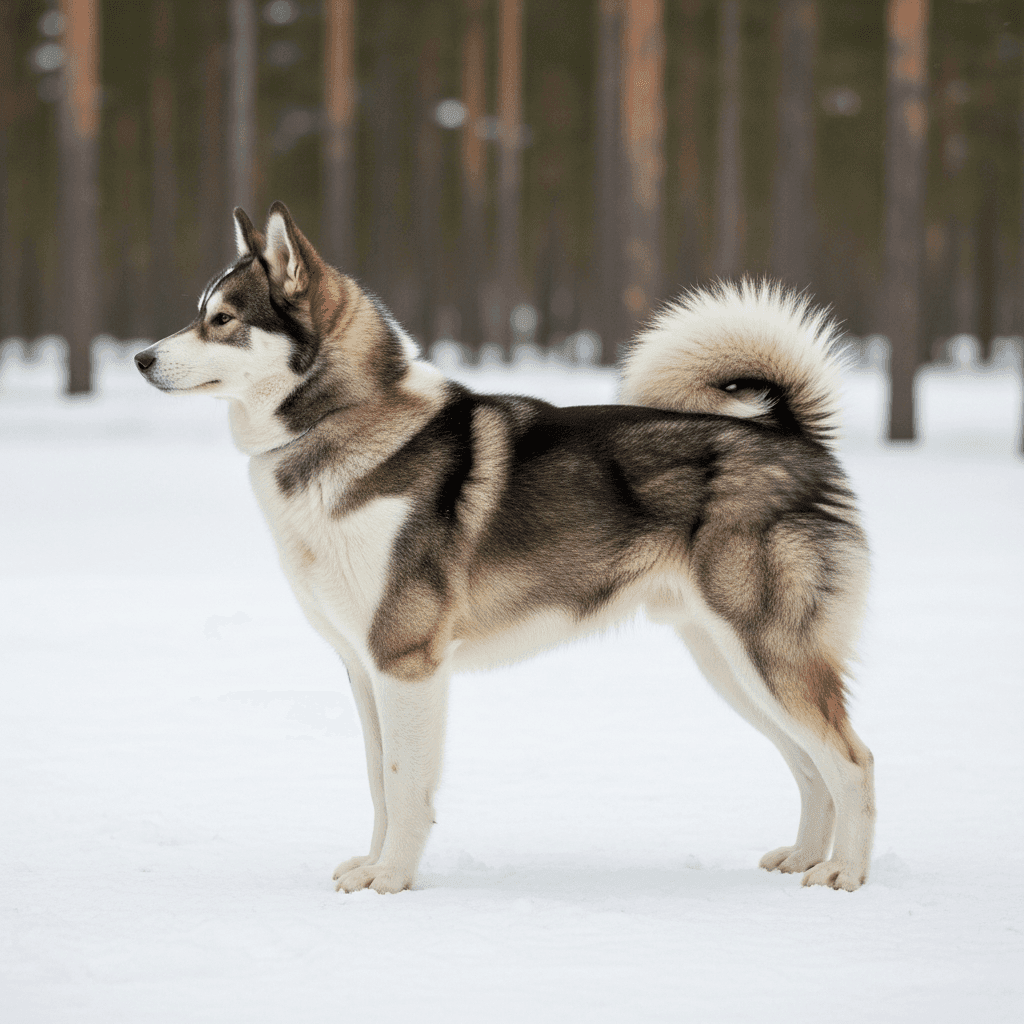
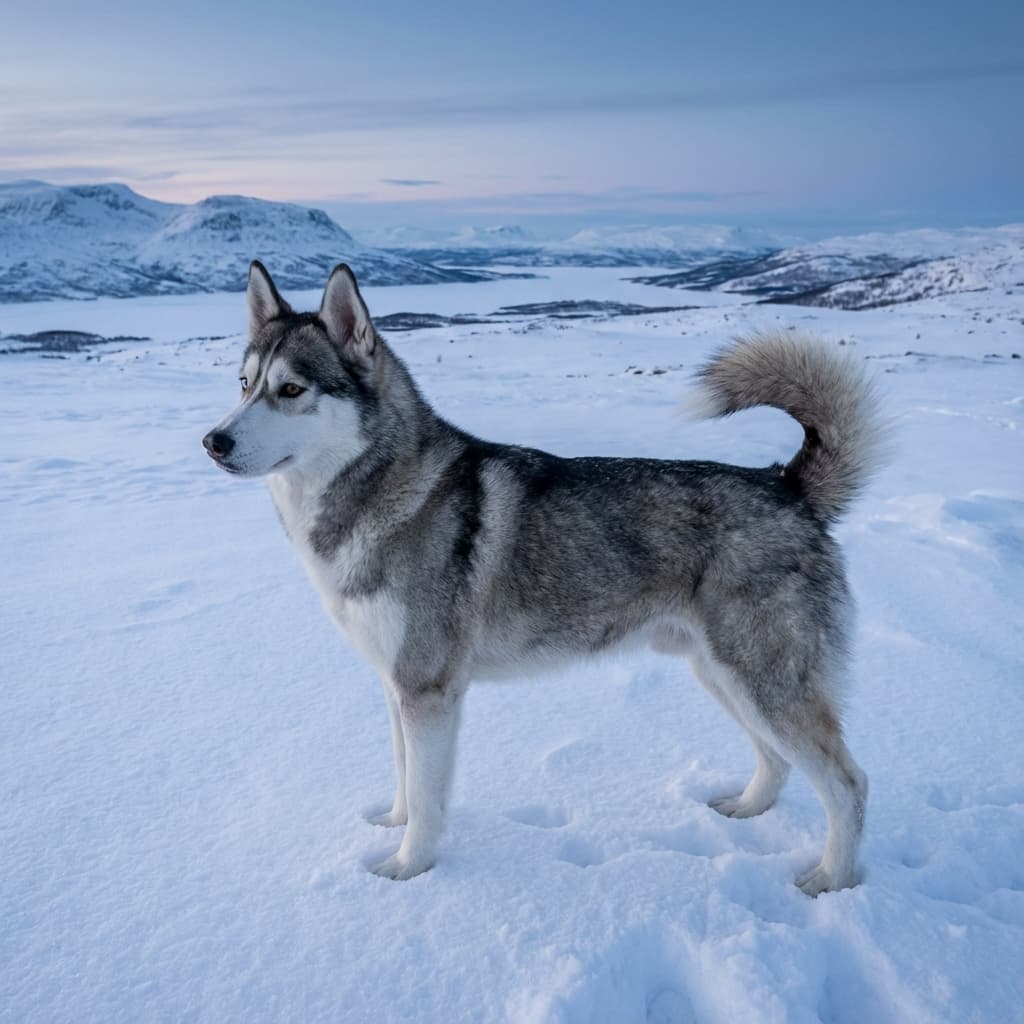
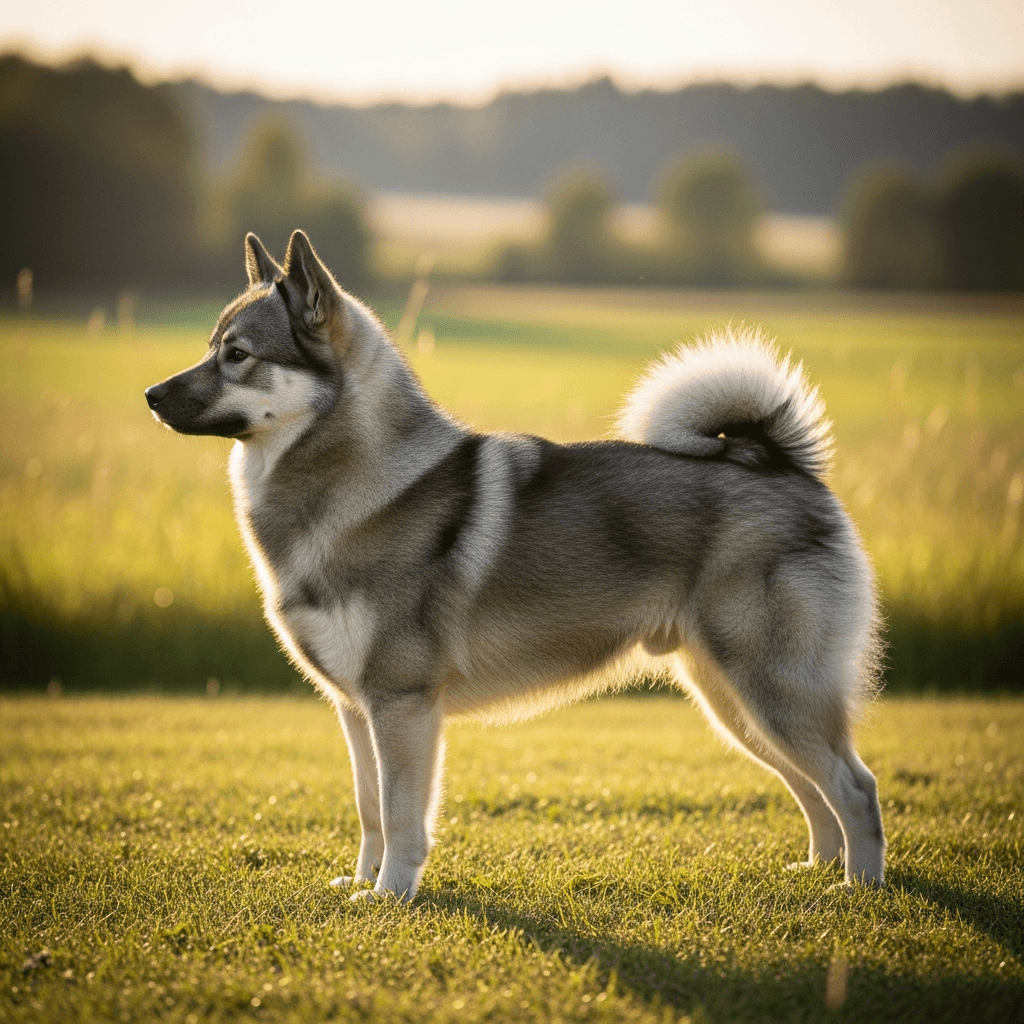
The Gray Elkhound is a dog with a distinctive, charming appearance that harmoniously combines strength, endurance, and Scandinavian elegance. Its silhouette is strong and compact, with a square body structure, which indicates excellent balance and anatomical proportions. The average height at the withers is 52 cm for males and 49 cm for females, while the weight ranges between 20 and 25 kg. The head of the Elkhound is distinctly wedge-shaped, with a slightly rounded skull and a well-defined stop.
The eyes are dark brown, not bulging, giving the dog an intelligent and alert expression. The ears are small, set high, straight, and pointed – one of the most characteristic features of the breed, emphasizing its constant vigilance. The neck is of medium length, strong, with a thick ruff of dense fur, giving the dog a majestic, noble appearance. The back of the Elkhound is strong and straight, and the chest is wide and well-arched, providing adequate lung capacity.
The tail is short, strong, tightly curled over the back – a typical feature for spitz-type dogs. The Elkhound's coat is of medium length, extremely dense, and stiff to the touch, creating a natural protective barrier against harsh weather conditions. The coloration is gray with various shades, featuring characteristic darker tips on the hairs, which gives the coat a satin sheen. Completing the overall silhouette are strong, muscular limbs that provide the dog with excellent stability, agility, and endurance during prolonged exertion.
All of this makes the Gray Elkhound not only a visually beautiful dog but also a functional companion – ideal for active owners who appreciate the combination of aesthetics and practicality.
The Gray Elkhound is a dog with a very distinct and independent temperament, harmoniously combining courage, energy, and a strong personality. This breed is particularly known for its high hunting instinct, making it an excellent hunting dog, but it also poses a challenge for owners without the right experience. Elkhounds are extremely loyal to their families and can form a deep emotional bond with household members, yet they often display a clear suspicion towards strangers.
Their natural alertness and loud, resonant bark make them excellent guard dogs, capable of effectively protecting their home and territory. Young Elkhounds are often full of untamed energy and have a strong tendency for excessive jumping, playing, and exploring their surroundings, which can be overwhelming for less experienced caregivers. As they age, their temperament becomes more balanced and calm, yet they still retain a significant level of energy and need for activity.
This breed responds well to positive training methods based on rewards and reinforcement, but it absolutely requires a firm and consistent handler. Elkhounds can be quite independent in their thinking and sometimes show a tendency towards dominance, especially in the presence of other dogs. It is worth remembering that this breed is not among those that are unconditionally submissive – rather, they are intelligent partners who need clear rules and structure.
It is extremely important for Elkhounds to have the appropriate amount of physical activity and regular mental stimulation, as a lack of these elements can lead to destructive behavior, excessive barking, and frustration. Their natural curiosity and desire to explore make them excellent companions for active families who spend a lot of time outdoors. However, this breed is not recommended for older individuals, those with a sedentary lifestyle, or those who lack prior experience in raising dogs with strong personalities. Proper understanding of their unique needs and providing them with the right amount of exercise, training, and play will help raise a happy, balanced, and well-mannered dog.
The Gray Elkhound is a breed well-known for its resilience and good health, but like any other purebred, it can be prone to certain genetic conditions. The average lifespan of this breed ranges from 12 to 14 years, which is typical for medium-sized dogs. This breed is usually strong and well-built, making it naturally resistant to many common dog diseases. However, there are certain genetic predispositions that prospective owners should pay special attention to.
The most common health issues in Gray Elkhounds are hip and elbow dysplasia – orthopedic conditions that can affect the dog's mobility, especially in older age. Another significant issue is thyroid disorders (hypothyroidism), which can lead to weight gain, decreased metabolism, and skin problems. Elkhounds also tend to develop skin cysts and may be susceptible to progressive retinal atrophy (PRA), which in severe cases can lead to partial or complete loss of vision.
Owners should regularly, at least once a year, check their pet's health with a veterinarian to diagnose any potential problems early and implement appropriate prevention or treatment. Eye examinations and joint assessments are particularly important for dogs intended for breeding. This breed, thanks to its dense, double coat, tolerates cold and freezing conditions excellently, but may have noticeable difficulties with thermoregulation in high temperatures, so it is important to provide them with appropriate conditions, shade, and access to fresh water during warmer months.
Overall, the Gray Elkhound is a healthy, resilient dog, but like any breed, it requires regular veterinary care, proper health management, and a conscious approach to breeding to minimize the risk of hereditary diseases.
The care of the Norwegian Elkhound is relatively simple, but it requires consistency and regularity. This breed has a thick, double coat, consisting of a soft, dense undercoat and a stiff outer coat, which effectively protects it from cold, moisture, and adverse weather conditions. However, this coat structure requires regular brushing to remove dead hair, minimize shedding, and maintain a healthy appearance of the fur.
During the spring and autumn, when intense seasonal shedding occurs, it is recommended to brush daily with appropriate brushes or combs for the undercoat to keep the coat in excellent condition and prevent excessive hair loss in the home. In the remaining months, thorough brushing at least 2-3 times a week is sufficient. Regular brushing not only removes dead hair but also stimulates the skin and distributes natural oils, which positively affects the condition of the coat.
It is also important to pay special attention to the hygiene of the ears, eyes, and teeth. Regularly checking and cleaning the ears will help prevent bacterial and fungal infections, while systematic teeth cleaning will prevent dental problems such as tartar or gum disease. Elkhounds do not require frequent baths – only when they are really dirty or smell strongly. Too frequent washing can lead to the removal of natural protective oils from the coat, which can negatively affect its health and natural insulating properties.
Nail care is also an essential part of the routine – they should be regularly trimmed (usually once a month) to prevent walking problems, discomfort, and potential injuries. Overall, proper, systematic care of the Norwegian Elkhound significantly contributes to its health, comfort, and overall well-being.
The Gray Elkhound is a breed of dog with very high physical activity needs. Owners should provide them with at least two hours of intense exercise every day to keep them in good physical, mental, and emotional condition. This breed was developed for long-lasting hunting, tracking, and searching for game in difficult terrain, which is why they need regular, varied walks, running, and active outdoor play.
The ideal environment for an Elkhound is an open space outdoors, preferably near forests, meadows, or rural areas, where they can freely explore, sniff, and utilize their natural hunting instincts. Urban walks, while useful, do not fully satisfy their needs – this breed requires variety and opportunities for longer runs. Various dog sports, such as agility, obedience, nose work, or canicross, are also helpful in meeting their exercise needs, engaging both the body and mind of the dog.
Elkhounds also love water play, so swimming together, playing in the water, or retrieving from the water will be an excellent form of recreation and cooling off for them. However, it is important to remember that young Elkhounds (up to 2-3 years old) can be exceptionally lively and energetic, often requiring significantly more activity than older individuals. For puppies and young dogs, it is important that the exercises are not too intense and do not strain their developing joints and bones.
Owners should be prepared for the fact that the Gray Elkhound needs not only physical movement but also mental stimulation – scent games, educational play, and training are essential to avoid boredom, which can lead to destructive behavior, excessive barking, or escapes. This breed is not suitable for living in a small apartment without regular access to open spaces – it requires an active owner who can meet its natural exercise needs.
Training the Norwegian Elkhound can be quite a challenge due to their strong, independent nature and high intelligence. This breed requires a consistent, firm, yet fair handler who can manage their strong will and natural tendency to make decisions independently. The best results are achieved using positive training methods based on rewards, such as treats, praise, and play, which motivate the dog to cooperate.
It is crucial that the training is systematic, structured, and engaging, as Elkhounds can be resistant to monotonous, boring commands, especially if they find them uninteresting or meaningless. This breed can think independently – a valuable trait in hunting, but a challenge in basic obedience. It is particularly important to start training and socialization at a very young age (preferably from 8-10 weeks of life) to help them learn basic commands and get accustomed to various people, animals, and situations.
Elkhounds are very bright and learn new things quickly, but they can also show strong tendencies towards dominance, testing boundaries, and checking the consequences of their actions, so it is important for owners to be confident, consistent, and unwavering in enforcing rules. A lack of consistency can quickly lead to behavioral problems. Regular training sessions that combine physical aspects (e.g., fetching, agility) and mental aspects (e.g., learning tricks, scent games) will help keep the Elkhound in good shape and satisfy their high intellectual needs.
It is also worth noting that Elkhounds may have issues with recall, especially when distracted by the scent of game – their strong hunting instinct can overshadow even the best-trained commands. Therefore, recall training should be a priority, and in unsecured areas, using a long leash is advisable. Proper training combined with the right amount of exercise, play, and mental stimulation will help raise a happy, balanced, and well-mannered dog that will be a pleasure both at home and in the field.
The nutrition of the Norwegian Elkhound should be carefully tailored to its level of activity, age, body weight, and overall health condition. Owners should choose high-quality commercial dog foods (dry or wet) or develop a balanced homemade diet in consultation with a veterinarian that provides the appropriate proportions of protein, fats, and essential vitamins and minerals. Due to this breed's natural tendency to gain weight, especially in older age or with reduced activity, it is important to carefully monitor the amount of food given and ensure regular physical activity.
It is also worth considering dividing the daily food ration into two or three smaller meals, which can help maintain a stable weight, healthy metabolism, and reduce the risk of dangerous gastric torsion that can occur in larger, active dogs. Elkhounds may also exhibit a tendency to be picky eaters, so it is important to avoid giving table scraps, sweets, or unhealthy snacks that can lead to digestive issues, food allergies, and obesity.
Proper eating habits should be established from a young age so that the dog learns what is healthy and appropriate for it. Elkhound puppies require food specifically formulated for medium breed puppies, which supports the proper development of bones, muscles, and the immune system. As they grow, it is important to gradually transition to adult dog food, and later in life to senior dog food, which takes into account reduced activity and metabolic changes.
Regular veterinary visits will help monitor health, body weight, and adjust the diet to the changing needs of the dog, especially as it ages. Proper, balanced nutrition is absolutely crucial for the health, condition, vitality, and longevity of the Norwegian Elkhound – an appropriate diet can significantly impact the quality of life and prevent many diseases related to improper nutrition.
Characteristic Traits
Pros
- Brave and fearless character
- Excellent guard dog
- Strong bond with the owner
- Tolerates cold exceptionally well
- Intelligent and sharp
- Resilient and healthy.
Cons
- Reserve towards strangers
- Requires a lot of training
- Predisposition to health issues
- Strong hunting instinct
- Can be stubborn in training.
Behavioral Ratings
Breed History
The history of the Grey Elkhound dates back thousands of years and is deeply rooted in the culture and traditions of Scandinavia, particularly Norway. Archaeological discoveries of dog skeletons with characteristics typical of Elkhounds date back to as far as 5000-4000 B.C., making this breed one of the oldest known dog breeds in Europe. It is believed that the Elkhound is the result of long-term selection and breeding of primitive dogs that accompanied Scandinavian hunters and settlers.
Their original, primary purpose was hunting large game, such as moose (Norwegian: elg – hence the breed's name), as well as bears, lynxes, and wolves, which made them incredibly valued and essential companions for people in the harsh conditions of Northern Europe. Due to their exceptional hunting skills, courage, endurance, and sense of smell, these dogs quickly became an integral part of daily life in Norwegian communities, assisting in tracking, attacking, and holding game until the hunter arrived.
Elkhounds have been known and highly valued in Norway for centuries, but their popularity significantly increased beyond the country's borders in the second half of the 19th century, when they began to be systematically exhibited at international dog shows. The first dog show in Norway took place in 1877, where Elkhounds gained immense recognition. In 1901, the breed was officially recognized by the Norwegian Kennel Club, and soon after by international canine organizations, contributing to the further development, standardization, and global popularity of Elkhounds.
Despite their long historical role as specialized hunting dogs, Elkhounds have also earned a well-deserved reputation as excellent companion dogs that can form a strong, lasting emotional bond with their family. Today, the Grey Elkhound is popular not only as a hunting dog but also as a family dog and companion – its unique character traits, intelligence, resilience, and loyalty make it a sought-after breed by many dog lovers around the world who value the tradition and authenticity of Nordic breeds.