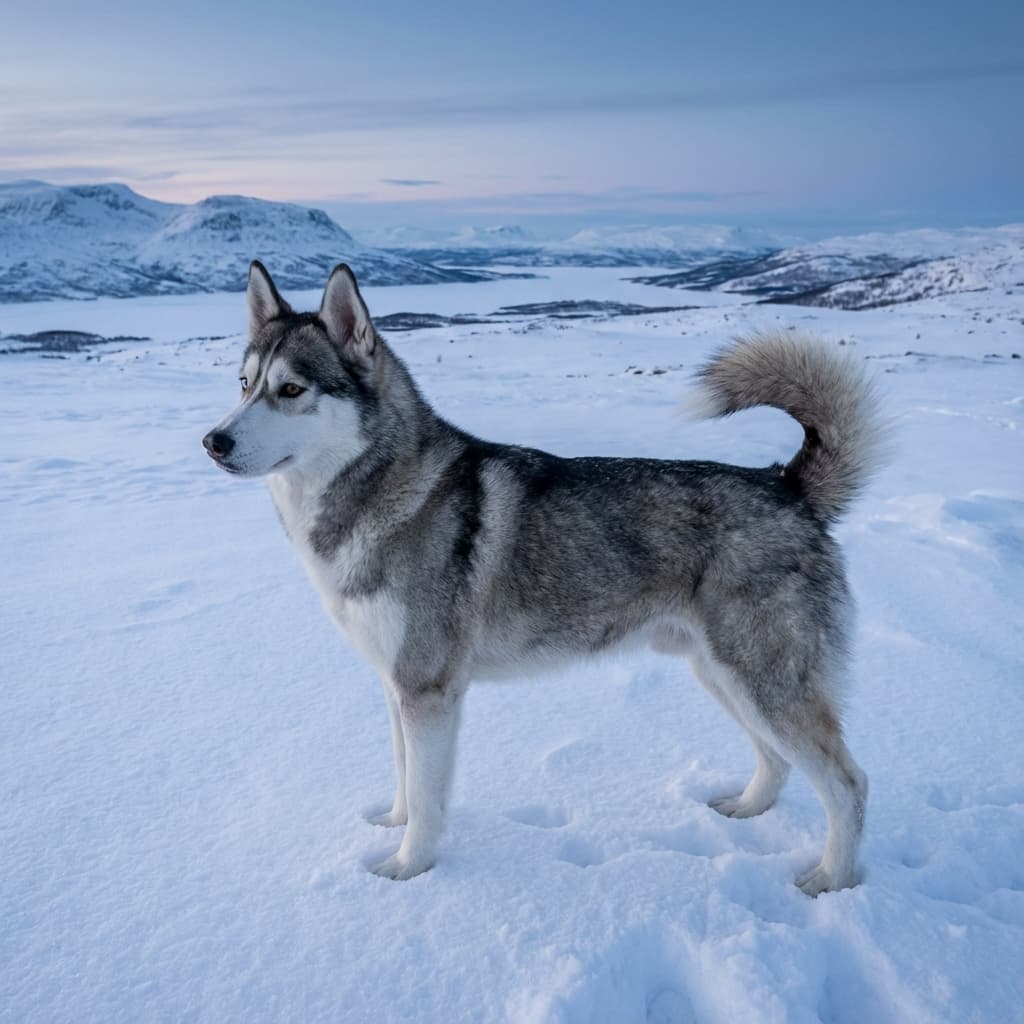
Siberian Husky
FCI Group
5• FCI 270
Size
Medium
Origin Country
XX
Height
50.5-60 cm
Weight
15.5-28 kg
Lifespan
12-14 years
Temperament
Overview
The Siberian Husky is one of the most captivating dog breeds, winning the hearts of animal lovers around the world. Its unique appearance with characteristic blue or multicolored eyes and energetic personality makes it one of a kind. Originating from northeastern Asia, the Husky was bred by the Chukchi people as a sled dog, highlighting its ability to work in extreme Arctic conditions. Medium-sized, with a strong, moderately compact body, the Husky is distinguished by its erect ears and thick, brush-like tail carried over its back in a characteristic curl.
The double coat, consisting of a soft undercoat and longer guard hairs, protects it from freezing temperatures down to minus 50 degrees Celsius. Thanks to its agility, endurance, and speed, the Husky is an excellent sled dog, capable of covering long distances with a light load at a moderate speed. Their natural gait is smooth and seems effortless, reflecting a perfect balance of strength, speed, and endurance.
However, it is not only their physical abilities that deserve recognition. The Siberian Husky is also a great companion for active individuals and experienced dog owners. Their independent nature can be both an asset and a challenge in everyday life. They require an owner who can provide them with the right amount of intense exercise and mental stimulation. Intelligent yet stubborn and independent, Huskies can be a challenge to train, especially for novice owners. Their friendly and gentle temperament makes them very sociable, although they are not suited for guarding or protective roles. Their friendly attitude towards strangers and lack of protective instinct exclude them from this role.
The Siberian Husky is perfectly adapted to life in a cold climate; however, heat can pose a serious health problem for them. Owners must therefore ensure they have suitable living conditions with access to a cool place and fresh water. They need a minimum of 1.5-2 hours of intense physical activity daily to be happy and healthy. Their innate curiosity, strong hunting instinct, and desire to explore make them energetic and playful, but also prone to escaping. They are known to howl and vocalize more often than bark, which is typical of their northern heritage. Owners should be aware of their specific needs and challenges related to raising them to fully enjoy their loyalty and companionship.
The Siberian Husky is a medium-sized dog that stands out for its graceful silhouette, elegant appearance, and Arctic features. According to the FCI standard, males reach a height at the withers of 53.5 to 60 cm and weigh between 20.5 to 28 kg, while females measure from 50.5 to 56 cm with a weight of 15.5 to 23 kg. The body length from the sternum to the ischial-femoral area is slightly greater than the height at the withers, providing proportions that allow for balance between strength, speed, and endurance.
The Husky's head is of moderate size and proportional to the body, with a slightly rounded skull and a clearly defined stop. The distance from the tip of the nose to the stop is equal to the distance from the stop to the occiput. The eyes have a characteristic almond shape and can be brown, blue, or even of different colors (heterochromia) or spotted, which is a distinguishing feature of the breed. They are set slightly obliquely and give the dog a friendly yet alert expression. The ears are medium-sized, triangular, set high on the head, thick, well-furred, and firmly erect, with slightly rounded tips.
The coat of the Siberian Husky is double and of medium length, consisting of a soft, dense undercoat and a longer, straight outer coat that is never rough or too long. This coat makes the dogs perfectly adapted to living in cold Arctic conditions. The coat pattern of the Husky can be very diverse - from pure white to gray, black, red, brown, and combinations of these colors with characteristic masks on the face and markings on the head. All colors and patterns are allowed, including white markings on the head and unique patterns resembling stripes and glasses.
The tail is densely furred, resembling a fox brush, set just below the line of the back, and is usually carried over the back in a characteristic, graceful, sickle-shaped curve during movement or excitement. At rest, it may hang straight down. The limbs are strong, muscular, and parallel, with oval-shaped paws that are medium-sized, compact, and well-furred between the toes and pads. Their movements are smooth, light, and seem effortless, emphasizing the natural elegance and functionality of this Arctic working breed.
The Siberian Husky is a dog with a friendly, gentle, and sociable temperament, which is very energetic and loves spending time with people. Their characteristic temperament can be described as alert, yet open and extremely friendly. They are typical pack dogs that need close contact with their family and do not tolerate prolonged solitude, which can lead to behavioral problems such as destructive behavior or excessive vocalization.
The temperament of a Husky can be described as joyful, curious, intelligent, and sometimes a bit stubborn or independent. They are usually very friendly and open towards strangers, making them unsuitable as guard or protective dogs. They do not exhibit possessive behaviors typical of guard dogs, nor are they overly suspicious of strangers or aggressive towards other dogs. This trait means that while Huskies are very attached to their owners, they are not suitable for the role of a protective dog.
They also have a strong need for independence and a natural hunting instinct, which makes them prone to escaping, especially when they catch an interesting scent or see potential prey. Therefore, it is extremely important to provide them with a safe, well-fenced area and not to let them roam freely in public places without a leash. Their instinct to work in a team makes them pull on the leash, which requires consistent training from puppyhood.
Siberian Huskies are also known for being loud and very vocal - they often howl, whine, and mumble, which is their natural way of communicating inherited from their ancestors. They rarely bark in the traditional way. In relation to other dogs, they are usually sociable and enjoy playing, especially if they have been properly socialized from puppyhood. However, they may exhibit strong predatory instincts towards small animals, such as cats, rabbits, or rodents, which requires caution and appropriate socialization. Owners should be aware of these natural needs and breed characteristics to ensure Huskies have a happy, active life and proper socialization.
The Siberian Husky is a breed of dog that generally enjoys good health and high resistance to many diseases typical of purebred breeds. The average lifespan of a Husky is between 12 to 14 years, and some individuals can live up to 15-16 years with proper care. Their sturdy build and working heritage make them relatively resistant to injuries and able to withstand harsh environmental conditions, especially cold ones.
However, as with any purebred breed, there are certain hereditary conditions that Huskies may be prone to. Among the most common health issues are eye diseases, such as hereditary juvenile cataracts, progressive retinal atrophy (PRA), corneal dystrophy, and retinal dysplasia, which in some cases can lead to vision loss. Regular eye examinations by responsible breeders are recommended. Additionally, dogs of this breed may suffer from hip dysplasia (HD), although it occurs less frequently than in other medium and large breeds.
Other conditions that may occur in Siberian Huskies include dermatological problems, such as zinc-responsive dermatitis, atopic dermatitis, or sex-linked alopecia (most commonly in females). Some breeding lines may be predisposed to autoimmune diseases, such as autoimmune dermatitis or Vogt-Koyanagi-Harada syndrome. Neurological disorders are also less common, including idiopathic epilepsy and occasionally thyroid issues (hypothyroidism).
Husky owners should regularly monitor their pets' health, including conducting annual veterinary check-ups, vaccinations, and eye and orthopedic examinations (if the dog is intended for breeding). It is important to provide the dog with a proper, balanced diet and regular physical activity, which can help prevent obesity, which, although rare in this active breed, can lead to joint and heart problems. Huskies are very sensitive to heat due to their thick, double coat adapted to freezing temperatures. During warm months, it is essential to ensure they have access to a cool shaded area, fresh water, and to avoid intense exertion during the hottest hours of the day to prevent overheating and heatstroke.
The care of a Siberian Husky is relatively simple and low-maintenance, but it requires regularity, especially during periods of intense shedding. Huskies have a double coat of medium length, which means their fur consists of longer, straight outer hairs (guard hairs) and a dense, soft undercoat that protects against the cold. This breed is exceptionally clean and does not have a dog smell, so it does not require frequent baths.
During the shedding period, which usually occurs twice a year (in spring and autumn) and lasts about 3-6 weeks, these dogs lose huge amounts of undercoat, so regular and thorough brushing is essential to reduce the amount of fur in the house and prevent matting. During this time, it is advisable to brush the Husky daily, even twice a day, using an undercoat rake and a slicker brush. Outside of the shedding period, brushing once or twice a week is sufficient to keep the coat in good condition.
This breed does not require frequent bathing - a bath a few times a year or when the dog is very dirty is enough. Excessive bathing can lead to dry skin and the removal of natural protective oils from the coat and skin. Huskies have the ability to self-clean their fur much like cats. It is also not advisable to shave or trim a Husky's fur, even in the summer, as the double coat acts as a natural thermoregulator protecting against both cold and heat, as well as UV radiation.
In addition to coat care, it is important to regularly check and care for other areas:
- Ears - should be checked weekly and cleaned if necessary to prevent infections
- Nails - should be regularly trimmed (every 3-4 weeks), unless the dog naturally wears them down during activities on hard surfaces
- Teeth - require regular brushing (preferably daily or at least 2-3 times a week) to prevent tartar and periodontal disease
- Paws - should be checked between the toes for dirt, wounds, or foreign bodies, especially after walks
Overall, the care of a Siberian Husky is easy to perform for most owners, as long as they are systematic and attentive to their needs. The key is regular brushing during the shedding period and maintaining basic hygiene of the ears, nails, and teeth.
The Siberian Husky is a breed that requires a very large amount of intense movement and physical activity every day. These dogs were bred as sled dogs capable of pulling light loads over long distances in harsh Arctic conditions, which means they have a natural predisposition for strenuous effort and endurance. Without proper activity, Huskies can become bored, frustrated, and destructive.
The daily dose of activity should include a minimum of 1.5 to 2 hours of intense movement, spread over several sessions throughout the day. The ideal activities for Huskies are:
- Long, energetic walks or jogging - preferably 2-3 times a day
- Biking alongside (bikejoring) - an excellent form of exercise
- Dog sports - canicross, dog sledding, skijoring (skiing with a dog)
- Intense play in a fenced area - fetching, playing with other dogs
- Scent training and mentally stimulating games - mantrailing, searching for treats
- Swimming - particularly beneficial in warmer months (though not all Huskies like water)
Huskies are very energetic and resilient animals that need not only physical exertion but also mental stimulation. Monotonous walks on a leash are not enough - these dogs need opportunities to run, explore, and utilize their natural energy. They can participate in various dog sports, especially those that utilize their pulling instinct and endurance.
This breed absolutely does not suit living in a small apartment without access to a garden and for people with a sedentary lifestyle. Without sufficient movement and stimulation, they can develop behavioral problems such as destructive behaviors (destroying furniture, digging), excessive vocalizations (howling), escapes, and aggression resulting from frustration. Owners should also remember that Huskies have a strong hunting instinct and may be prone to escapes if not properly supervised. Therefore, it is extremely important to provide them with a safe, tall, and well-fenced area for play and exploration (a minimum of 180 cm high fence, as Huskies can jump over low fences). Huskies should never be let off-leash in public places without excellent recall training, which is a challenge for this breed due to their independent nature.
Training a Siberian Husky can be a serious challenge, mainly due to their independent nature, strong will, and heritage as working dogs that had to make decisions on their own while working in a sled team. Huskies are intelligent but often question their owners' commands and can be stubborn, making training require immense patience, consistency, and experience. They are not dogs for novice owners.
It is best to start training from the youngest age, ideally from 8 weeks old, to introduce basic commands and rules. Puppies are more flexible and more easily absorb new behaviors. Owners should use only positive training methods based on rewards (treats, play, praise), rewarding dogs for good behavior and avoiding the use of punishment, yelling, or aversive methods that can lead to resistance, loss of trust, or defensive aggression.
Key elements of training a Siberian Husky:
- Basic obedience commands - Sit, Stay, Lie Down, Come (recall is particularly difficult and requires intensive training)
- Socialization - critical from 8 to 16 weeks of age; exposure to different people, dogs, animals, places, sounds, and situations
- Leash training - Huskies have a natural instinct to pull, so learning to walk without pulling requires consistent training
- Recall - due to their strong hunting instinct and tendency to escape, this is the most important but the hardest command to master
- House rules - learning cleanliness, sleeping place, prohibition of getting on furniture (if this is to be a rule)
- Impulse control - waiting for food, calmly passing through doors, not pulling when something interesting appears
Socialization is absolutely crucial to help the dog become confident in various situations and friendly towards different people and other animals. Due to their high intelligence, Huskies can be prone to boredom, so it is worth introducing varied exercises, games, and mental challenges to keep their interest. Scent training, interactive games, dog puzzles, or learning tricks work great.
However, it is important to remember that Huskies are not naturally obedient dogs like herding breeds (border collies, German shepherds). They always maintain a degree of independence and may selectively follow commands, especially when distracted by interesting smells or stimuli. Training should be a pleasure and fun for both the dog and the owner, but it requires realistic expectations. Professional training under the guidance of an experienced trainer who understands the specifics of primitive and independent breeds is highly recommended, especially for first-time owners dealing with this breed.
The Siberian Husky diet should be well-balanced, high-quality, and tailored to their level of physical activity, age, health status, and individual metabolism. Huskies are dogs that have a unique metabolism adapted to working in harsh Arctic conditions - they can efficiently utilize food and maintain weight even with smaller portions than other breeds of similar size.
These dogs generally do not tend to be obese, especially if they receive enough exercise. However, they can gain weight if their activity is insufficient or if they receive too many calories. Therefore, it is important that their diet is monitored and adjusted to their actual energy needs.
Owners should choose high-quality foods (dry or wet) that contain:
- An appropriate amount of animal protein (minimum 25-30% for adult dogs, 28-35% for puppies and working dogs) - meat, fish as main ingredients
- Healthy fats (15-20% for adults, 18-25% for puppies and active dogs) - omega-3 and omega-6 for healthy skin and coat
- A moderate amount of carbohydrates - preferably from whole grains, vegetables, and fruits
- Vitamins and minerals - especially calcium, phosphorus for healthy bones, zinc for skin
- Glucosamine and chondroitin - for joint health in active dogs
Dogs of this breed can benefit from various types of diets:
- Dry food (kibble) - convenient, helps control tartar
- Wet food - higher moisture content, often more palatable
- BARF diet (raw meat and bones) - requires knowledge and careful balancing
- Home-cooked diet - requires consultation with a veterinary nutritionist
- Mixed food - a combination of dry and wet
It is advisable to consult a veterinarian or veterinary nutritionist to determine the best feeding plan tailored to the individual needs of the dog. It is also important to remember that some Huskies may be picky eaters or lose their appetite during the summer (which is natural for Arctic breeds), so it is worth introducing moderate variety into their diet and monitoring their weight and body condition.
Feeding frequency:
- Puppies (2-6 months): 3-4 meals a day
- Young dogs (6-12 months): 2-3 meals a day
- Adult dogs (over 12 months): 1-2 meals a day (2 recommended for better digestion)
- Working/very active dogs: may require additional calories or extra meals
In addition to regular meals, constant access to fresh water is absolutely essential, especially on hot days, after physical activity, and for dogs fed dry food. Huskies can be prone to dehydration, especially in warm climates. Avoid:
- Overfeeding and excess treats (maximum 10% of daily calorie intake)
- Foods toxic to dogs - chocolate, onions, garlic, grapes, raisins, xylitol, avocado
- Chicken bones, which can easily splinter and cause choking
- Radical diet changes - transitioning to a new food should take 7-10 days
A proper, balanced diet will contribute to maintaining health, a beautiful coat, appropriate weight, and the well-being of the Siberian Husky throughout its life.
Characteristic Traits
Pros
- Beautiful
- captivating appearance with distinctive eyes
- High intelligence and curiosity about the world
- Friendly and gentle disposition
- Excellent resistance to cold and frost
- High endurance and energy ideal for active individuals
- Sociable towards people and other dogs
- Very clean breed with no dog odor
- Healthy breed with a long lifespan.
Cons
- Difficult to train due to their stubborn nature
- Require a lot of intense exercise every day
- Not suitable as guard or protection dogs
- Prone to escaping and have a strong hunting instinct
- Very heavy shedding twice a year
- Loud and vocal - howling instead of barking
- Not suitable for novice owners
- Sensitive to heat and hot climates.
Behavioral Ratings
Breed History
The Siberian Husky is a breed with a rich and fascinating history that dates back over 3000 years. It originates from northeastern Asia, specifically from the Eastern Siberia region, where it was developed by the Chukchi people - the indigenous inhabitants of the Chukchi Peninsula by the Bering Sea. The Chukchi, a semi-nomadic people engaged in fishing and hunting, needed dogs capable of pulling sleds over long distances in extremely harsh Arctic climate conditions, often with temperatures reaching minus 50 degrees Celsius.
For centuries, the Chukchi carefully bred these dogs, selectively choosing individuals characterized by endurance, speed, gentle temperament, and the ability to work in teams. Huskies were not only working dogs - they slept in yurts with the family, especially with children, providing warmth during freezing nights. This closeness to humans shaped their friendly and sociable nature. These dogs were indispensable for the survival of the Chukchi, enabling transport, hunting, and communication between distant settlements.
In the early 20th century, during the gold rush in Alaska, this breed was introduced to the United States. In 1908, Russian fur trader William Goosak brought the first team of Siberian dogs to Nome, Alaska, to participate in the famous All-Alaska Sweepstakes - an extreme sled dog race covering over 650 km. Although initially the breed was underestimated due to its smaller size compared to Alaskan Malamutes, it quickly proved its exceptional endurance and speed.
In 1910, breeder Fox Maule Ramsay and in the following years Leonhard Seppala - a Norwegian musher - imported more dogs from Siberia and began breeding and using them in races, achieving numerous successes. Seppala became a legend thanks to his lead dog Togo, who participated in the dramatic serum run to Nome in 1925, when sled teams transported life-saving diphtheria serum over 1000 km in extreme blizzard conditions. The most famous dog from this expedition was Balto, who led the final leg and became a national hero, although it was Togo and Seppala who covered the toughest and longest stretch.
In 1930, the American Kennel Club (AKC) officially recognized the Siberian Husky breed, and soon after, the first breeding clubs were established. Eva Seeley, one of the key figures in the breed's development in the USA, founded the Seppala Siberian Sleddog kennels and played a significant role in promoting and standardizing the breed. During World War II, Huskies were used by the U.S. Army as part of the Arctic Search and Rescue Unit, further contributing to their popularity.
In the 1950s and 1960s, the breed began to gain popularity outside the United States. In 1968, the Siberian Husky was officially recognized by The Kennel Club in the United Kingdom, and subsequently by other national kennel organizations around the world. The Fédération Cynologique Internationale (FCI) classified the breed in Group 5 (Spitz and Primitive Types), Section 1 (Nordic Sled Dogs) under standard number 270.
Today, the Siberian Husky is not only a sled dog but also a wonderful companion that thrives as a partner for active people and families. Their beautiful appearance, distinctive blue or multicolored eyes, and unique character make them one of the most popular breeds in the world. The breed has gained immense popularity in popular culture through films, books (e.g., Jack London's novel The Call of the Wild), and social media. Modern Huskies participate in dog sports such as sled racing, canicross, bikejoring, and also in dog shows, while maintaining their working heritage and primitive traits shaped by millennia of life in the harshest Arctic conditions.