English Foxhound
FCI Group
6• FCI 159
Size
Large
Origin Country
GB
Height
58-64 cm
Weight
25-35 kg
Lifespan
10-12 years
Temperament
Overview
The English Foxhound, also known as the English Foxhound, is a fascinating breed of dog that attracts attention with its strong build and rich history. Originating from Great Britain, this dog was once a key companion of the aristocracy during fox hunts. Its purpose was to assist hunters, which still influences its temperament and needs today.
Although the English Foxhound is known for its friendly and sociable personality, it can also be independent and stubborn, requiring patience and the right approach from the owner during training. One of the most characteristic traits of the English Foxhound is its unrestrained energy and need for movement. This is a dog that thrives in an active lifestyle, making it a perfect fit for families who enjoy spending time outdoors.
Intensive walks, running, and play are part of its daily routine, and ample space for exploration is essential. Due to its intelligence, the English Foxhound also needs mental challenges. Owners should therefore provide activities that stimulate both body and mind to keep the dog in good spirits and health.
The English Foxhound is a breed whose strong hunting instinct requires special attention. Owners must be prepared for the possibility that this dog may be prone to escaping if it senses something interesting. Therefore, it is crucial to provide a safe environment and appropriate training to manage these natural instincts.
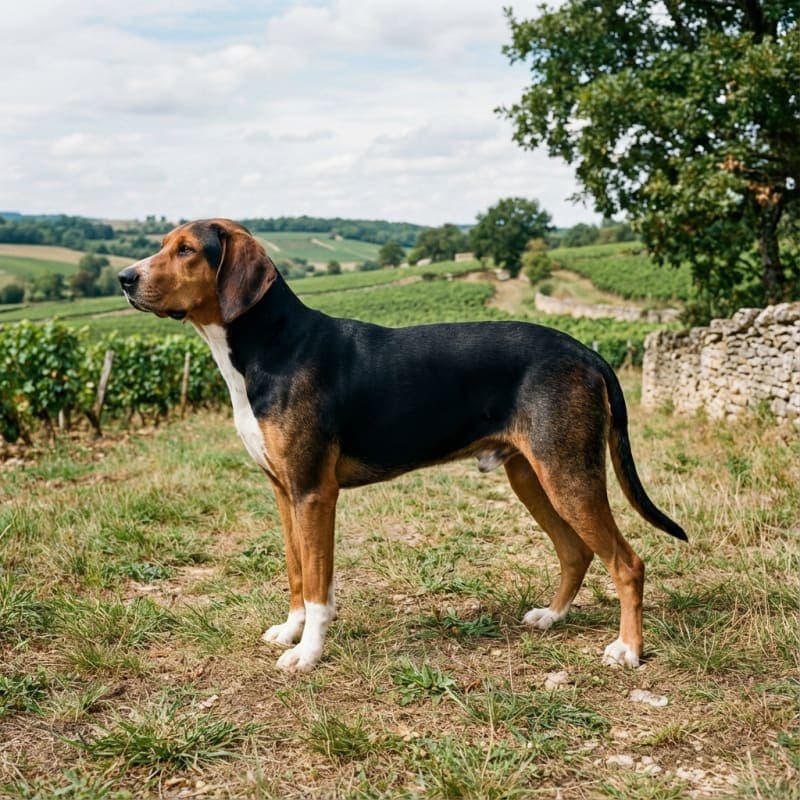
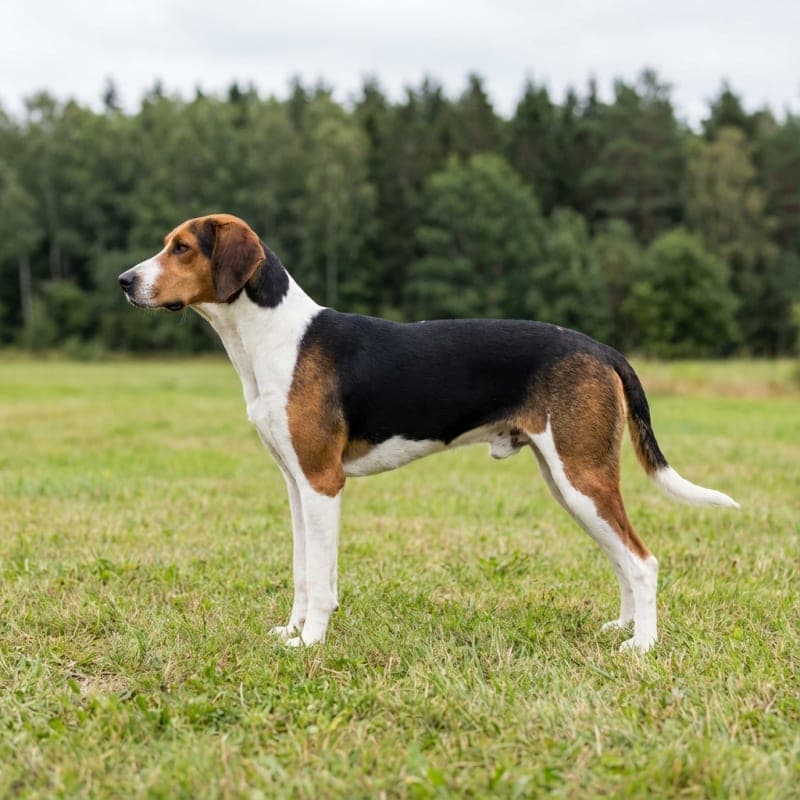
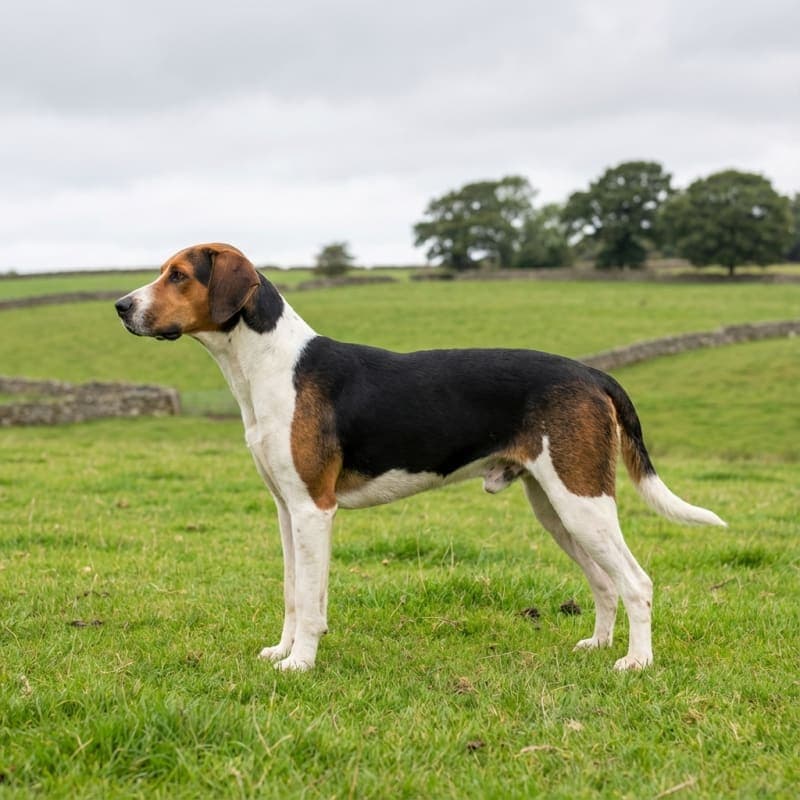
Another advantage of the English Foxhound is its short, dense, and waterproof coat, which protects it from changing weather conditions. The coat color of this breed is diverse, typically white with shades of brown, black, and red, adding to its charm.
Although the English Foxhound is popular among hunters, it is increasingly finding its place in homes as a companion dog. Its ease of forming bonds with humans makes it endearing to owners. However, it is important to remember that due to its nature, it needs plenty of space to run and play. It feels best in homes with large gardens or in rural areas. The English Foxhound is a dog that can become a long-lived companion, as its average lifespan is between 10 to 12 years.
In summary, the English Foxhound is a wonderful choice for active families who value time spent outdoors and are willing to dedicate time to properly train their pet. Its unique traits and needs make it a breed full of challenges, but at the same time, it offers countless joys and beautiful moments in the company of a loyal friend.
The English Foxhound is a dog with a strong, well-balanced physique that immediately catches the eye. Its elegant build combines strength and agility, making it an ideal hunter.
- Height: 58-64 cm at the withers
- Weight: 25-35 kg
- Head: Flat and medium-wide skull, with a slightly defined stop
- Muzzle: Long and square, with large nostrils indicating excellent scenting ability
- Eyes: Medium-sized, hazel or brown, with a keen gaze giving an intelligent appearance
- Ears: Long, hanging, and carried close to the head, adding a gentle expression
The neck is long and slightly arched, which emphasizes the elegance of this breed. The back is wide and level, and the loins are strong, providing stability while running. The chest is deep, and the ribs are well-rounded, indicating their endurance. The tail is well-set, carried cheerfully, but never curled over the back.
The coat is short, dense, and weather-resistant, making the Foxhound resilient to changing weather conditions. The coloration of this breed is diverse, with the most common being white combined with various shades of brown, black, and red. The English Foxhound is a dog that attracts attention with its elegant appearance and strong stature, making it not only an excellent hunter but also a beautiful companion.
The English Foxhound is a dog with a balanced temperament that combines friendly and independent traits. This breed is known for its high hunting instinct, which means it may be prone to escaping if it catches an enticing scent. Foxhounds are generally sociable and enjoy spending time with people and other dogs, making them a good choice for families.
Their personality is friendly, yet they can be reserved around strangers. At home, they are often calm, but they need a lot of exercise to avoid boredom and destructive behavior. Foxhounds are also known to be very vocal – they can bark and howl, which can be problematic in apartments.
Their intelligence can make them somewhat stubborn, so owners should be consistent in training and use positive reinforcement methods. When properly socialized, Foxhounds are wonderful companions for children, treating them with gentleness and patience. However, like any dog, they require learning boundaries and appropriate behavior.
Due to their strong need for exercise, they are not the best choice for people leading a sedentary lifestyle or those who cannot dedicate time to outdoor activities. These dogs love companionship and freedom, so they thrive in an environment that offers both.
The English Foxhound is typically a healthy dog with a lifespan of 10 to 12 years. This breed is characterized by a strong and durable build, making it resistant to many diseases. However, like any breed, there can be certain health issues to be aware of:
- Bloating and gastric torsion: A serious condition requiring immediate veterinary intervention
- Ear infections: Due to their long, drooping ears, which require regular checks
- Obesity: Can be avoided through a proper diet and regular physical activity
- Hip dysplasia: Less commonly seen, but possible in this breed
Foxhounds tolerate moderate weather conditions well, but should avoid intense work in extreme heat. Their coat provides some protection against the cold, but every owner should be aware that excessive exposure to cold can lead to health problems.
Owners should regularly monitor the health of their pets through veterinary visits, which will allow for early detection and treatment of potential health issues. Prevention, vaccinations, and deworming are crucial for maintaining good health for many years.
The care of the English Foxhound is relatively simple and does not require special treatments. Their short, dense coat is weather-resistant, which means they do not need frequent visits to the groomer. However, regular brushing is recommended, at least once a week, to remove dead hair and minimize shedding.
Particular attention should be paid to the ears, which can accumulate dirt and bacteria, increasing the risk of infection. Regular ear cleaning and dental check-ups are essential for maintaining the dog's health and well-being.
- Brushing: Once a week, more often during shedding season
- Ear cleaning: Every 1-2 weeks, using special products
- Oral hygiene: Regular teeth brushing or providing dental chews
- Nail trimming: As needed, usually every 3-4 weeks
- Bathing: Only as needed, too frequent baths can damage the natural protective layer of the coat
Despite the low grooming requirements, regular veterinary check-ups are crucial for ensuring a long and healthy life. Early detection of health issues can significantly impact the quality of the dog's life.
The English Foxhound is a dog that needs a lot of exercise and physical activity to be happy and healthy. This breed was developed for hunting, which means it has a natural need to run and explore. Owners should provide them with at least an hour of intense effort daily, preferably more.
Ideal forms of activity for a Foxhound include:
- Long walks: A minimum of 60-90 minutes a day
- Running: Accompanying the owner during jogging or cycling
- Fetching: Playing with a ball or frisbee
- Playtime in the park: Free running in a safe, fenced area
- Tracking: Scent games and searching for hidden objects
- Meetings with other dogs: Socialization and playtime together
Due to their strong hunting instinct, it is important that they are kept on a leash or in a well-fenced area to prevent escapes. This breed also enjoys the company of other dogs, so organizing meet-ups with other canines is beneficial.
Without the proper amount of exercise, Foxhounds can become destructive and bored, leading to behavioral issues. Therefore, active families who can dedicate time to shared activities will be the ideal home for this breed. The English Foxhound is a true athlete among dogs that needs physical challenges to feel fulfilled.
Training an English Foxhound can be a challenge, as this breed is known for its independence and stubbornness. Owners should be patient and consistent during training, as well as use positive reinforcement methods, such as rewards and praise, to motivate the dog to learn.
Foxhounds are intelligent, but their strong hunting instinct can lead to difficulties in focusing on training, especially in the presence of distractions like other animals. Early socialization and training are crucial to help them become well-mannered dogs.
Key aspects of training:
- Basic commands: Sit, Stay, Come, Lie down – the foundation of good behavior
- Recall: Particularly important due to their tendency to escape
- Loose leash walking: Requires patience and consistency
- Socialization: Exposure to various environments, people, and animals from a young age
- Mental exercises: Scent games, dog puzzles, searching for hidden treats
Owners should start with basic commands and then introduce more advanced skills. It is also beneficial to incorporate a variety of mental exercises that will help keep their mind active.
Due to their sociable nature, Foxhounds respond well to group training, which can be an additional motivation for learning. Ultimately, the key to success in training an English Foxhound is understanding its needs and adapting training methods to its characteristics. Remember that consistency and patience are essential – results may take time, but they will be lasting.
The English Foxhound's diet should be well-balanced and tailored to its physical activity. As an energetic breed, they require food rich in protein to support their muscles and overall condition. The best options are high-quality dog foods intended for medium or large breeds that contain the appropriate amount of nutrients.
Feeding recommendations:
- Protein: 22-28% in the dry matter of the food – supports muscle development and recovery
- Fats: 12-18% – a source of energy for an active dog
- Carbohydrates: Moderate amount from whole grain sources
- Vitamins and minerals: A complete set for joint health, coat condition, and immune system
It is important to avoid feeding human food, which can be unhealthy and lead to obesity. Due to their tendency to gain weight, portion control and regular weight monitoring are essential. Foxhounds should have constant access to fresh water, especially after intense physical activity.
Owners should also pay attention to any potential food allergies that may occur in some dogs. Symptoms may include itchy skin, digestive issues, or chronic ear infections. If there are any doubts regarding the diet, it is advisable to consult a veterinarian to establish the best feeding plan for your pet.
Feeding tips:
- Feed twice a day instead of one large portion (reduces the risk of bloating)
- Avoid intense activity immediately before and after feeding
- Adjust portions according to the dog's activity level
- Regular weight checks at the veterinarian
Characteristic Traits
Pros
- Friendly and sociable personality
- Strong bonds with people
- Great for active families
- Intelligence and need for mental challenges
- Healthy and resilient breed
- Easy coat maintenance.
Cons
- Tendency to escape
- Requires a lot of movement and activity
- Needs a large living space
- Can be stubborn in training
- Loud barking and howling
- Strong hunting instinct.
Behavioral Ratings
Breed History
The English Foxhound has a long and rich history that dates back to the Middle Ages. This breed was developed by the aristocracy in Great Britain for fox hunting. In the past, as the deer population declined, hunters began to focus on hunting foxes, which contributed to the development of this breed.
In the 16th and 17th centuries, breeders began to combine the traits of traditional hounds with more agile and faster dogs, leading to the creation of the English Foxhound. From the very beginning, this breed was valued for its tracking skills and speed, making it an ideal companion for hunting.
Key dates in the breed's history:
- Middle Ages: First mentions of hounds used for hunting
- 16th-17th century: Intensive selection and crossbreeding of breeds
- 18th century: Establishment of the English Foxhound Association and the maintenance of a pedigree registry
- 1964: Official recognition of the breed by the FCI
Since the 18th century, the English Foxhound Association has maintained a pedigree registry, which facilitated tracking genealogical lines and ensured high breeding quality. The English Foxhound was recognized by the FCI in 1964 and has since gained popularity worldwide.
At its peak, there were over 250 packs of Foxhounds operating in Great Britain, reflecting the extraordinary popularity of this breed among hunters. Today, although this breed is most commonly used for hunting, many owners choose to have a Foxhound as a companion dog, which requires understanding their needs and providing adequate exercise.
The English Foxhound is a vibrant legacy of British hunting tradition that has survived for centuries and continues to delight dog lovers around the world with its elegance, endurance, and unwavering character.