Spanish chart
FCI Group
10• FCI 285
Size
Large
Origin Country
ES
Height
60-70 cm
Weight
25-30 kg
Lifespan
10-14 years
Temperament
Overview
The Spanish Greyhound, also known as Galgo español, is a breed with a rich history dating back to Roman times, although its roots are likely much older. Originating from Asian greyhounds, it adapted to the Spanish steppes and plains, becoming an indispensable companion for hunters. For centuries, it has been valued for its incredible speed and excellent eyesight, utilized during hare hunting in open terrain.
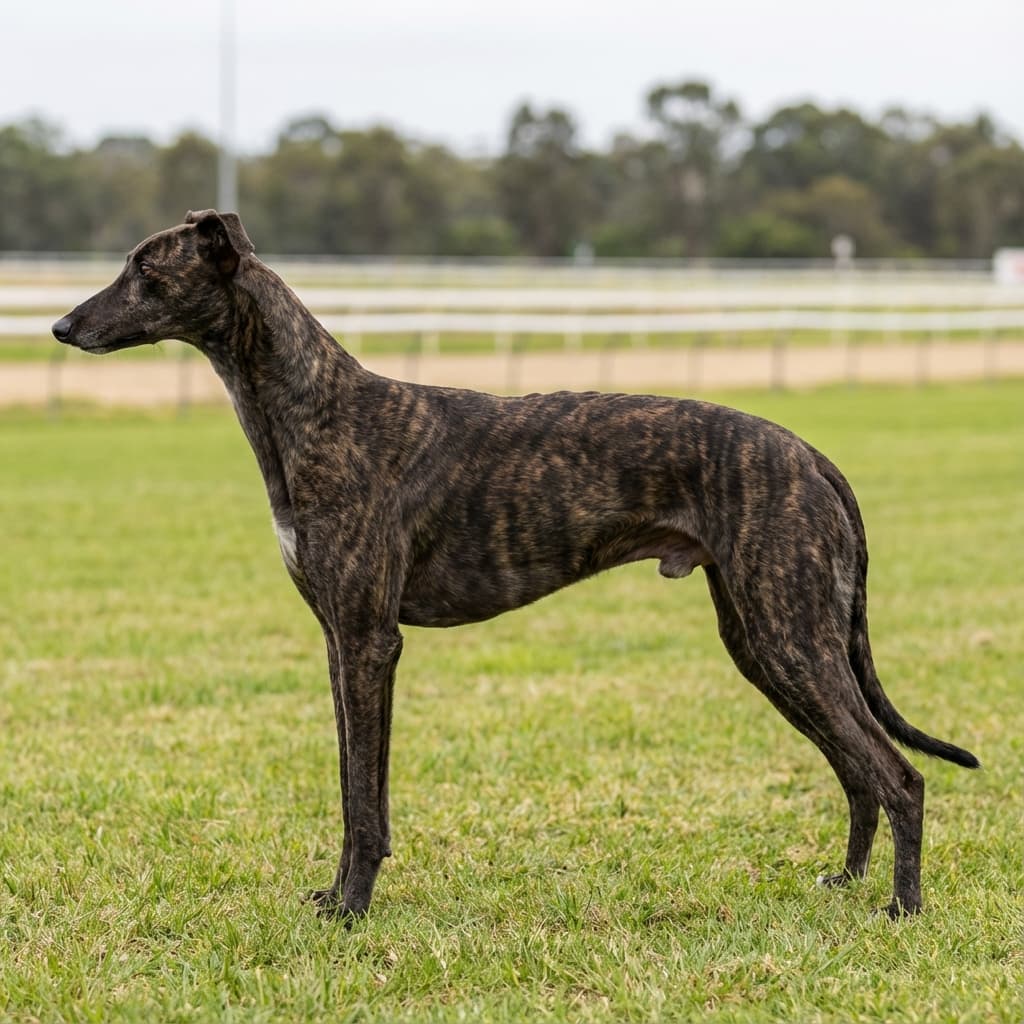
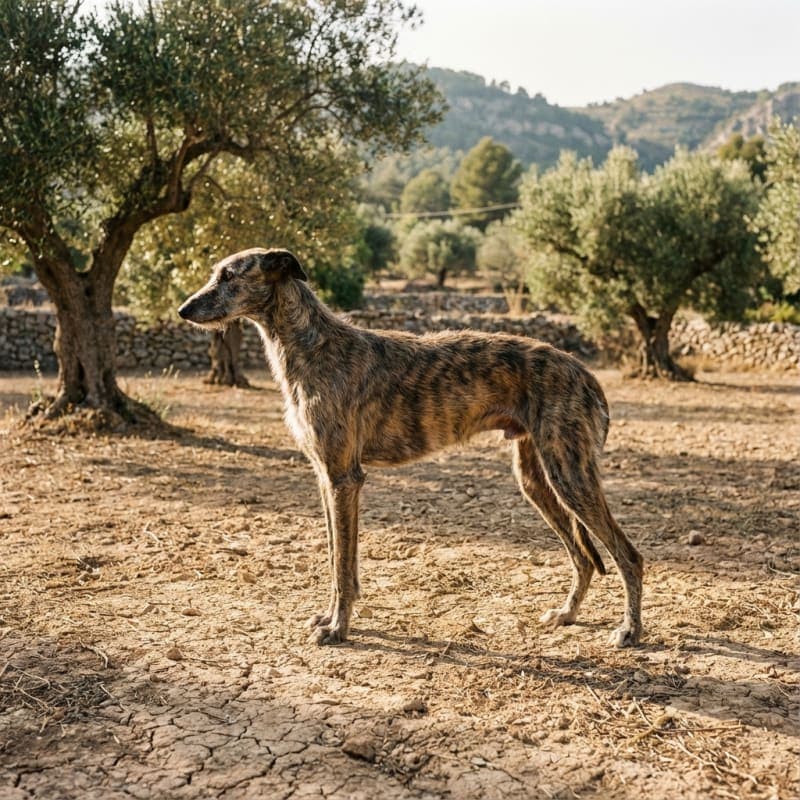
The characteristic silhouette of the Spanish Greyhound stands out for its elegance and harmonious build. A long, narrow head with a delicate muzzle and expressive almond-shaped eyes give it a noble appearance. The height at the withers is 60-70 cm for males and 60-68 cm for females, with a weight of 25-30 kg. Its short, smooth coat comes in a variety of colors – from black to chestnut to brindle, highlighting the diversity of this fascinating breed.
Despite its hunting origins, the Spanish Greyhound exhibits a gentle and balanced temperament, making it an excellent companion dog. In a home environment, it is calm and quiet, although during outdoor activities, it shows its true energetic nature. Its strong attachment to family makes it a wonderful, loyal friend that can be patient with children.
For this breed, it is crucial to provide adequate space for running and regular physical activity. It feels best in homes with a garden or near parks, where it can freely develop its natural running abilities. It also requires proper socialization with other animals from a young age to learn appropriate social behaviors.
Transforming the Spanish Greyhound from a hunting dog into a family companion is a process that requires patience and understanding of the specifics of this breed. However, this effort is richly rewarded by the joy and extraordinary experiences that this breed brings to the daily lives of its guardians.
The Spanish Greyhound is the embodiment of elegant slenderness that combines strength, grace, and running functionality. Its body structure is perfectly adapted for fast running – long, slim body on tall legs allows it to reach impressive speeds during the chase.
The head is long and narrow, with a characteristic profile that transitions into a long, slender neck. The eyes are almond-shaped and small, with colors ranging from dark brown to hazel, giving the gaze an expression of gentleness and intelligence. The ears are triangular, wide at the base and rounded at the tips, set high and carried in a way that emphasizes the dog's alertness.
The silhouette is characterized by harmonious proportions – the height at the withers for males is 62-70 cm, and for females 60-68 cm. The chest is deep but narrow, with well-arched ribs. The back is long and strong, the loins muscular, and the hindquarters slightly sloped. The tail is long, thin, set low, carried low with a slight curve at the end.
The coat is short, smooth, very soft to the touch, and dense. The breed standard allows for all coat colors, with the most popular being fawn (from light to dark), black, chestnut, red, white, and brindle. Combinations of these colors and various patterns may also occur.
The overall structure of the Spanish Greyhound expresses a combination of strength, agility, and speed, making it not only a beautiful representative of its breed but also a fully functional hunting dog with extraordinary running capabilities.
The Spanish Greyhound is a breed with a balanced and gentle temperament, harmoniously combining the calmness of a domestic dog with the energy of a hunting animal. Its personality is characterized by many interesting traits that are worth knowing before making a decision about adoption.
In a home environment, the Galgo displays remarkable calmness and quietness. It can rest for hours on its bed, becoming almost an invisible companion. This trait makes it an excellent apartment dog, despite its size. It is not a noisy breed – it rarely barks and only in justified situations.
Towards the family, the Spanish Greyhound is extremely attached, loyal, and gentle. It forms strong emotional bonds with its caregivers, showing them warmth and devotion. In relation to children, it shows patience, although it prefers calmer play. It is a sensitive dog that does not tolerate aggressive or rough treatment.
The hunting instinct remains strongly pronounced in this breed. On walks, it may show a tendency to chase smaller animals, moving objects, or birds. Therefore, early socialization with other pets and consistent recall training is crucial. In unsecured areas, the Galgo should not be let off the leash.
In contact with strangers, it may be somewhat reserved and cautious, although it does not show aggression. It needs time to trust someone. After proper acclimatization, it can be friendly towards guests as well.
During outdoor activities, the true nature of the Spanish Greyhound reveals itself – it becomes full of energy, joy, and a desire to run. It loves walks, running, and all forms of physical activity, during which it can utilize its natural abilities.
Proper socialization from puppyhood, consistent upbringing based on positive methods, and ensuring an adequate amount of exercise and stimulation allow the Spanish Greyhound to develop into an excellent, balanced family companion.
The Spanish Greyhound belongs to breeds that are generally healthy and resilient, which is a result of natural selection and traditional use as a working dog. The average lifespan of this breed is 10-14 years, although many individuals can live up to 15 years with proper care.
Strong build and the absence of extreme morphological features make the Spanish Greyhound relatively resistant to many ailments that affect other breeds. It does not suffer from characteristic hereditary diseases typical of purebred dogs, which is a significant advantage of this breed.
Sensitivity to temperature:
- Cold: Due to their short coat, lack of undercoat, and slim body structure, Spanish Greyhounds are very sensitive to low temperatures. In winter, they should be provided with appropriate protective clothing during walks and a warm place to rest at home. Temperatures below 10°C can be uncomfortable for them.
- Heat: They tolerate heat better, although on extremely hot days, they should have access to shade and fresh water, avoiding intense exertion during the hottest hours.
Condition and weight: Spanish Greyhounds have a naturally slim physique, which can be mistakenly interpreted as underweight. With appropriate physical activity and a balanced diet, they do not tend to become obese. Visible ribs are not a sign of malnutrition but a natural feature of the breed's build.
Health prevention:
- Regular check-ups with a veterinarian (at least once a year)
- Current vaccinations
- Worming according to the veterinarian's recommendations
- Protection against external parasites (ticks, fleas)
- Attention to oral hygiene
Special attention: Due to the low subcutaneous fat content, Spanish Greyhounds require special consideration during veterinary procedures – they may be more sensitive to certain medications, especially anesthetics. Always inform the veterinarian about the dog's breed.
With proper care, a suitable diet, and regular physical activity, a Spanish Greyhound can enjoy a long, healthy life alongside its family.
The care of the Spanish Greyhound is among the least demanding of all dog breeds, making it an attractive choice for those who prefer simple and quick grooming routines.
Brushing the coat:
The short, smooth, and delicate coat of the Galgo requires minimal grooming. Brushing once a week with a soft brush or rubber glove is sufficient to:
- Remove dead hair
- Stimulate blood circulation in the skin
- Distribute natural oils along the length of the coat
- Maintain shine and a healthy appearance
Spanish Greyhounds do not shed heavily and do not require trimming or clipping.
Bathing:
Due to their sensitive skin and short coat, baths should be infrequent – only when absolutely necessary, such as when the dog is very dirty or has an unpleasant odor. Recommendations:
- Use gentle shampoos designed for dogs with sensitive skin
- The water temperature should be lukewarm
- After bathing, thoroughly dry the dog with a towel; on colder days, a low-temperature hairdryer can be used
- Frequency: once every 2-3 months or less
Ears:
Regularly check the cleanliness of the ears (once a week), paying attention to:
- Unpleasant odor
- Excessive wax buildup
- Redness or irritation
Clean with a gentle dog ear cleaning solution and a cotton ball, being careful not to insert it too deeply.
Nails:
Trim as needed (usually every 3-4 weeks), if they do not wear down naturally during walks. Overly long nails can cause discomfort and walking problems.
Teeth:
Regular teeth cleaning (ideally daily, at least 2-3 times a week) prevents:
- Tartar buildup
- Gum disease
- Unpleasant breath
Special dental chews can also be used.
Protection from the cold:
On cooler days (below 10°C), it is recommended to dress the dog in a sweater or protective coat during walks.
With these simple routines, the Spanish Greyhound will maintain a healthy appearance, comfort, and great condition for many years.
The Spanish Greyhound is a breed that requires a large amount of movement and physical activity, which directly stems from its hunting purpose and body structure designed for fast running. Properly meeting its exercise needs is crucial for the physical and mental health of this dog.
Daily requirements:
The Galgo needs a minimum of 60-90 minutes of activity per day, with this time divided into several sessions. An ideal routine includes:
- Morning walk (30-40 minutes)
- Afternoon walk (30-40 minutes)
- Running or intense play session (20-30 minutes)
Types of activities:
Running: This is the natural behavior of the Spanish Greyhound and its greatest passion. They excel at:
- Free running in a safe, enclosed area
- Dog parks
- Wide open spaces (fields, meadows)
- Running alongside a bicycle (only for adult dogs, gradually increasing the distance)
Walks: Long walks in varied terrain provide not only exercise but also sensory stimulation. It's worth varying the routes to provide new stimuli.
Play:
- Fetching (though not all individuals have a natural predisposition for this)
- Chasing games with other dogs (the best fun for Galgo!)
- Playing with tug toys
NOTE - Safety rules:
- DO NOT let off-leash in unsecured areas – a strong hunting instinct may cause the dog to chase a moving object and wander off a great distance
- Safe running only in enclosed areas or on a training leash
- Avoid intense exertion on hot days (risk of overheating)
- Use protective clothing on cold days
- Gradually increase the intensity of exercise in young dogs (full development around 18 months)
Mental stimulation:
In addition to physical movement, the Spanish Greyhound also needs mental activity:
- Scent games (finding treats)
- Simple logic games
- Obedience training
- Learning new tricks
Living conditions:
The Galgo feels best in a home with a garden, where it can move freely and relax outdoors. It can also live in an apartment, provided it receives an adequate amount of daily outdoor activity.
Regular, properly planned exercise is the key to a happy, healthy, and balanced Spanish Greyhound. A dog that does not receive enough activity may develop behavioral problems such as excessive nervousness, destructiveness, or hyperactivity.
Training a Spanish Greyhound requires patience, gentleness, and an understanding of the specifics of this breed. Despite their intelligence and willingness to cooperate, the Galgo approaches training differently than typical herding breeds or retrievers, due to its independent hunting nature.
Basic principles:
Positive reinforcement: Spanish Greyhounds are sensitive dogs that react poorly to harsh training methods. The most effective methods are:
- Treat rewards for commands well executed
- Verbal praise in a warm, friendly tone
- Petting as a form of reward
- Playing with a favorite toy
Consistency: Rules should be clear and unchanging. All family members must use the same commands and expectations.
Short sessions: Training should last 10-15 minutes, several times a day. Galgos can get bored with long, monotonous sessions.
Basic commands:
Start by teaching the basic commands:
- Sit – a basic command, easy to master
- Lie down – helpful in calming the dog
- Stay – important for safety
- Come – a crucial command that requires intensive training due to the strong hunting instinct
- Leave it – prevents picking up dangerous objects
Socialization:
Early and proper socialization (from 8-16 weeks of age) is critically important:
- Contact with different people (children, adults, seniors)
- Meetings with other dogs of various sizes and breeds
- Acclimatization to different environments (city, park, forest)
- Getting used to various sounds (traffic, loud noises)
- Introducing other animals (cats, birds) – under control and gradually
Training challenges:
Strong hunting instinct: The biggest challenge in training a Galgo. It requires:
- Intensive recall training in a safe, enclosed area
- Using a long training leash at the beginning of learning
- High-value rewards during exercises
- Patience – full mastery may take months or years
Independence: Galgos may seem stubborn – this is not disobedience, but a natural trait of a hunting breed. This requires the trainer to:
- Have more patience than with other breeds
- Be creative in motivating the dog
- Accept certain limitations of the breed
Adopted dogs:
Many Spanish Greyhounds end up in homes as adoptions with difficult pasts. In such cases:
- Give the dog time to adapt (even several months)
- Do not force contact – let it come to you
- Build trust through consistent, gentle care
- Consider support from a behaviorist or trainer specializing in shelter dogs
- Accept that some fears may remain forever
Mental games:
Intellectual stimulation supports the training process:
- Scent games (hidden treats)
- Simple puzzles for dogs
- Learning new tricks
- Changing walking routes
Remember: A Spanish Greyhound is not a German Shepherd or a Labrador. It has its own personality and learning pace. With the right approach, patience, and love, it will become a obedient and devoted companion, while still retaining its independent nature.
Proper nutrition for the Spanish Greyhound is a key element in maintaining its health, condition, and longevity. Due to its slender body structure and active lifestyle, the diet must be appropriately balanced and tailored to the individual needs of the dog.
Basic nutrition guidelines:
High-quality food: Choose premium or super premium food that contains:
- High-quality protein (meat as the first ingredient) – at least 25-30% for adult dogs
- Healthy fats – a source of energy and support for skin and coat (omega-3 and omega-6)
- Complex carbohydrates – provide long-lasting energy (rice, oats, sweet potatoes)
- Vitamins and minerals – support the proper functioning of the body
Portion size: Depends on:
- The dog's weight (usually 25-30 kg)
- Age (puppies, adult dogs, seniors have different needs)
- Activity level (very active Galgos need more calories)
- Individual metabolism
A typical daily portion for an adult, active Spanish Greyhound is about 300-400 grams of dry food, divided into 2 meals.
Feeding frequency:
- Puppies (2-6 months): 3-4 meals a day
- Young dogs (6-12 months): 2-3 meals a day
- Adult dogs (over 12 months): 2 meals a day (morning and evening)
- Seniors (over 8 years): 2 meals a day, possibly senior dog food
IMPORTANT – Preventing bloat:
Due to their deep chest, Greyhounds are prone to bloat. To minimize the risk:
- Feed in a calm environment
- Divide the daily meal into 2-3 smaller portions
- Avoid intense exercise 1-2 hours before and after meals
- Do not allow drinking large amounts of water immediately after eating
- Consider using a slow feeder bowl
Fresh water:
Access to clean, fresh water throughout the day is absolutely crucial, especially for active dogs. Change the water at least once a day, more often on hot days.
What to AVOID:
- Table scraps – can lead to digestive problems, obesity, and picky eating
- Fatty foods – strain the pancreas
- Cooked bones – can splinter and cause choking or intestinal perforation
- Toxic products: chocolate, grapes, raisins, onions, garlic, xylitol, avocados, alcohol
- Excessive treats – can lead to overweight
Snacks and treats:
They can make up a maximum of 10% of the daily calorie intake. The best options:
- Pieces of raw carrot or apple (without seeds)
- Specialty dog treats
- Dried meat without additives
- Natural dental chews
Special cases:
Dogs adopted with underweight: Many Galgos from shelters are underweight. Do not overfeed them immediately – gradually increase portions, consulting with a veterinarian. Use high-energy food.
Food allergies: If you notice symptoms (itching, skin problems, digestive disorders), consult a veterinarian. An elimination diet or hypoallergenic food may be necessary.
Seniors: Older dogs (over 8 years) may need senior food with reduced calories and increased joint-supporting ingredients.
Monitoring condition:
Regularly check the dog's weight and condition:
- Ribs should be felt under a thin layer of fat
- Waist should be clearly defined (view from above)
- Stomach slightly tucked (view from the side)
Remember that Spanish Greyhounds are naturally slender – visible ribs do not always indicate underweight!
Veterinary consultations:
Regularly (once a year or more often) have check-ups with a veterinarian who can help adjust the diet to your dog's current needs. Any sudden changes in weight, appetite, or behavior require a visit to a specialist.
Proper nutrition is an investment in the long, healthy, and happy life of your Spanish Greyhound!
Characteristic Traits
Pros
- Gentle and balanced temperament
- Loyal and strongly attached to family
- Exceptional running abilities and high speed
- Elegant and noble appearance
- Minimal grooming requirements
- Calm in a home environment
- Suitable for apartment living
- Quiet – rarely barks.
Cons
- Requires a lot of space to run and regular activity
- Strong hunting instinct – cannot be let off the leash
- Requires early socialization with other animals
- Sensitive to low temperatures – needs winter clothing
- May be distrustful of strangers
- Rehabilitation of adopted dogs requires patience and time
- May seem stubborn during training.
Behavioral Ratings
Breed History
The history of the Spanish Greyhound is a fascinating tale that dates back thousands of years, connecting ancient civilizations, medieval Europe, and modern times. It is one of the oldest breeds of hounds, with roots that trace back into the mists of prehistory.
Ancient beginnings:
The Galgo español most likely descends from ancient Asian hounds that arrived on the Iberian Peninsula long before the Roman era. The exact date of their arrival remains unknown, although it is believed that it could have occurred around 1000 B.C. through the Phoenicians or Celts.
During the Roman period, the breed was already well-known and valued. Roman writers mentioned the exceptional Spanish hounds used for hunting hares and rabbits in the open steppe and plains characteristic of the Peninsula. Over the centuries, these dogs adapted to local conditions, developing specific morphological and temperamental traits.
The Middle Ages and the golden era:
In the medieval period, the Spanish Greyhound gained immense popularity among the Spanish nobility and aristocracy. Hunting with hounds was a favorite sport and privilege of the upper classes. The archpriest of Hita (Juan Ruiz), a famous Spanish poet from the 14th century, wrote in his masterpiece The Book of Good Love: The hare that escapes is soon caught in the chase by the hound, thus proving the original and traditional purpose of the breed.
Export and influence on other breeds:
In the 16th, 17th, and 18th centuries, Spanish Greyhounds were massively exported to other European countries, particularly to England and Ireland. There, they were used for crossbreeding with local breeds, which was fundamental to the development of other hound breeds.
The Galgo español is one of the ancestors of the famous English Greyhound. Spanish hounds provided the genetic basis for the selection and acclimatization of their English counterparts, while retaining the distinctive breed characteristics that became the foundation of their breeding.
Decline and cruelty:
In the 20th and 21st centuries, the fate of Spanish Greyhounds in their homeland became a source of international outrage. Despite their long and noble history, these dogs began to be mass-used for commercial hare hunting, often in extremely inhumane conditions.
At the end of the hunting season (usually in February), thousands of Galgos are:
- Abandoned on the streets or in forests
- Brutally killed (hanged, drowned, shot)
- Given to overcrowded shelters
- Left without veterinary care despite injuries
This practice, known as galgueros (from the Spanish term for hunters using hounds), shocked the dog-loving community worldwide and led to the formation of numerous rescue organizations.
Rescue movement and international adoptions:
Since the 1990s, non-profit organizations dedicated to rescuing Spanish Greyhounds have been intensively developing:
- SOS Galgos (Spain)
- Galgos del Sol (Spain/international)
- Galgo Rescue International Network (GRIN)
- Many organizations in Germany, Belgium, the Netherlands, France, the United Kingdom, and other countries
Thanks to these organizations, thousands of Galgos find loving homes across Europe and the world. The adoption movement has led to increased awareness about this breed and its unique qualities as a companion dog.
Modern times:
Today, the Spanish Greyhound is increasingly appreciated as a family and companion dog. Its gentle temperament, low grooming needs, and attachment to caregivers make it popular in European countries. At the same time, efforts continue to change the law in Spain and educate society to put an end to cruel practices.
The history of the Spanish Greyhound is a story of a breed that has survived millennia, influenced the development of other breeds, but also experienced immense suffering. At the same time, it is a testament to the strength of love for animals and the ability of people to fight for their rights and dignity. Every adopted Galgo is a victory over cruelty and a new chapter in its long, noble history.