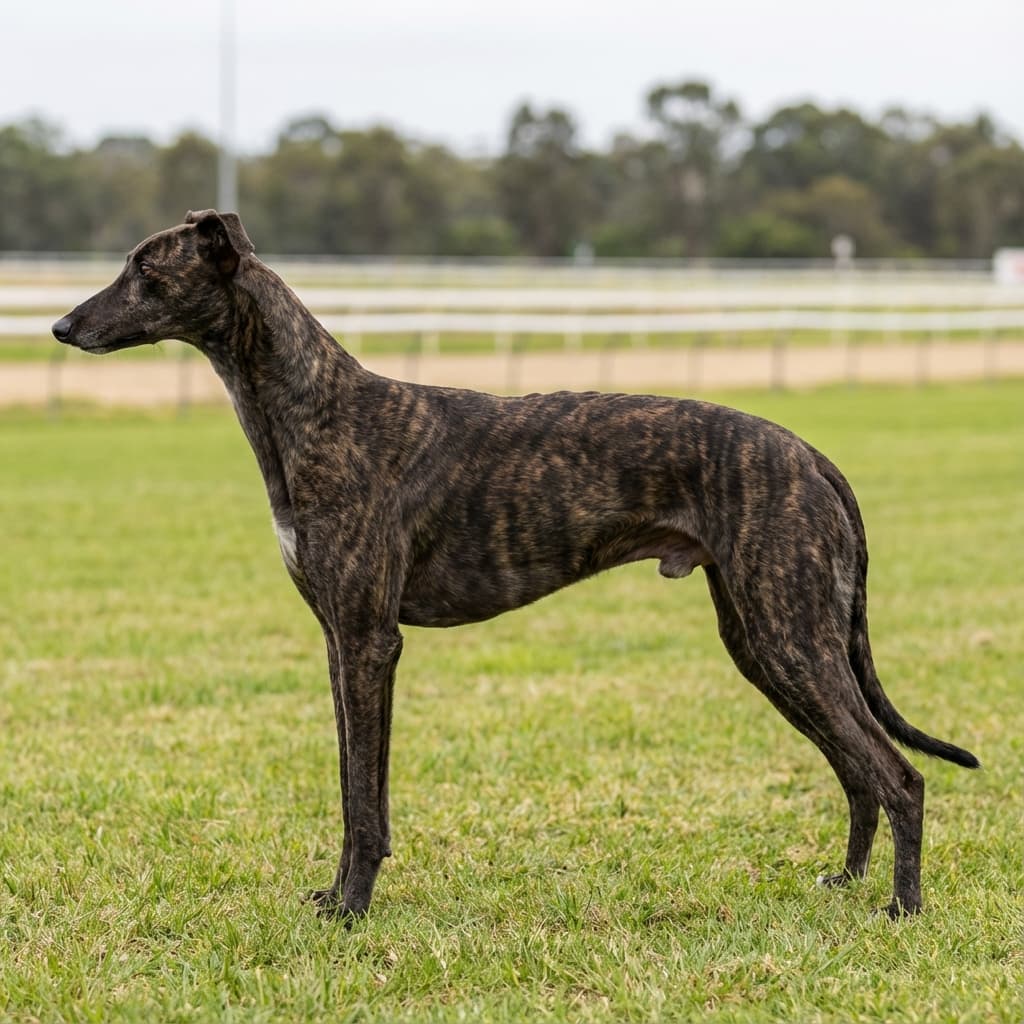
Greyhound
FCI Group
10• FCI 158
Size
Large
Origin Country
GB
Height
68-76 cm
Weight
28-33 kg
Lifespan
9-11 years
Temperament
Overview
The Greyhound, also known as the English Greyhound, is a unique breed of dog that attracts attention with its extraordinary elegance and impressive speed. Originating from Great Britain, Greyhounds have a fascinating history that dates back to ancient Egypt, where they served as hunting dogs. Their slender, aerodynamic silhouette and long, muscular legs make them some of the fastest dogs in the world – they can reach speeds of up to 72 km/h, second only to the cheetah among land animals.
Greyhounds stand out not only for their spectacular speed but also for their gentle and balanced temperament. This makes them ideal companions for both families with children and individuals seeking a loyal and calm friend. Despite their hunting background and sporting origins, many Greyhounds prefer relaxation and rest, making them excellent house pets.
The characteristic build of a Greyhound includes a long, narrow head with oval, shiny eyes full of intelligence and small rose-shaped ears. Their neck is long and muscular, adding to their natural grace and elegance. Strong, well-built limbs provide them with remarkable agility and explosive speed, and their harmonious silhouette aligns with the FCI standard. They thrive in a calm home environment, are gentle with children, and often tolerant of other animals, making them excellent family companions.
Greyhounds require minimal grooming due to their short, smooth coat. Regular brushing once a week is sufficient to keep their fur in excellent condition. Their health can be supported by a high-quality diet rich in protein and regular veterinary visits. The average lifespan of Greyhounds is between 9 and 11 years. Owners should be mindful of their sensitivity to extreme temperatures and provide protection from harsh weather conditions – in winter, they need warm clothing, and in summer, overheating should be avoided. In return, Greyhounds reward their owners with calm companionship, extraordinary loyalty, and a deep attachment to their family.
We invite you to continue exploring the fascinating details about this extraordinary ancient breed in the following sections of our guide, where you will find detailed information on health, grooming, physical activity, training, diet, history, appearance, and behavior of Greyhounds.
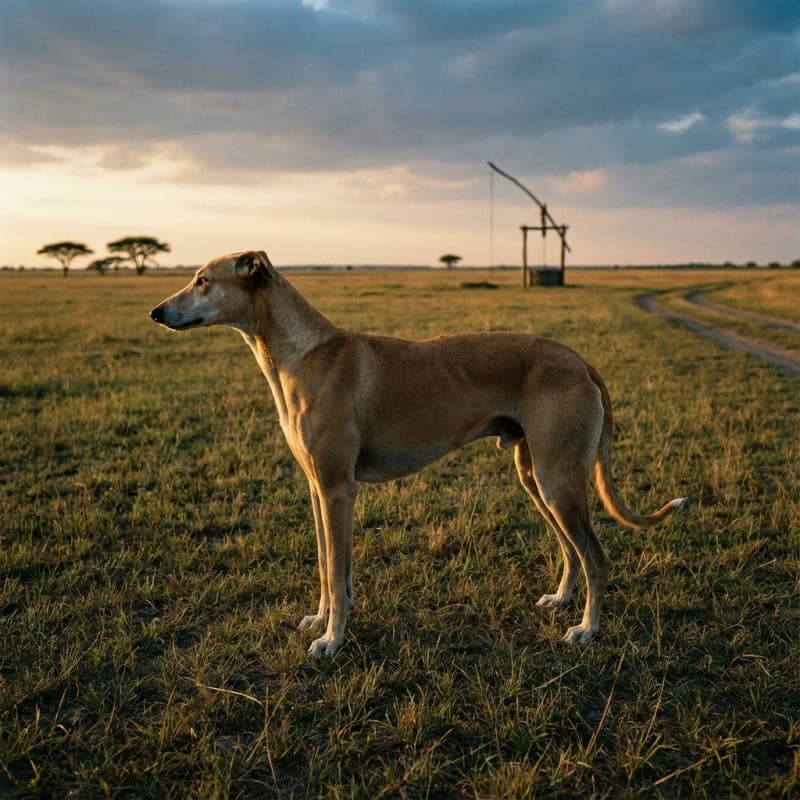
Greyhounds are dogs with an exceptionally elegant and slender silhouette, characterized by long, muscular legs and a harmonious, aerodynamic body structure. Their average height at the withers ranges from 68 to 76 cm, and their weight varies from 28 to 34 kg. The appearance of the greyhound is dominated by its long, narrow head with a flat skull and distinctly defined, strong jaws, which testify to their hunting heritage.
The eyes of a greyhound are oval-shaped, shiny, and full of intelligence, with a color that is usually dark – most often brown or black, which adds a sense of mystery and depth to the dog's gaze. The ears of the greyhound are small, delicate, and resemble the shape of a rose petal. At rest, they are folded back, and in a state of alertness, they rise slightly, giving the dog a vigilant expression.
The neck is long, muscular, and elegantly curved, emphasizing its natural agility and speed. The chest is deep and spacious, providing ample room for a large heart and a well-developed respiratory system – crucial for maintaining high running speeds. The limbs are strong, well-built, long, and elastic, ending in compact paws with hard pads, allowing them to achieve extraordinary speeds and maintain a firm grip on the ground during sprints.
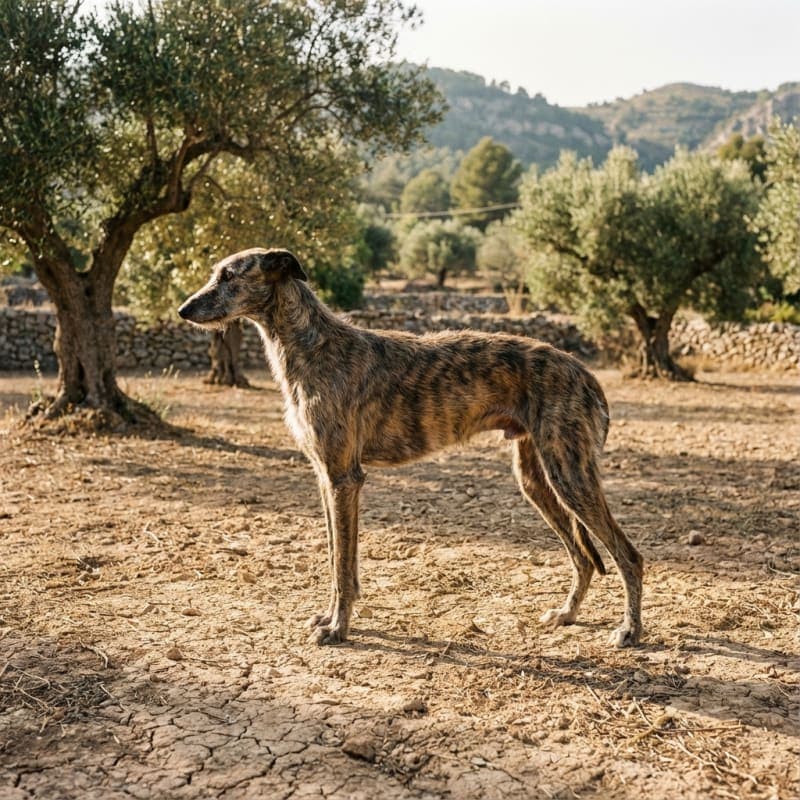
The coat of the greyhound is short, smooth, soft to the touch, and comes in a very diverse range of colors, including black, white, red, blue, fawn, gray, and brindle. Their coat can be solid or spotted, often with white markings on the chest, paws, and tip of the tail, making each greyhound unique in appearance.
The tail is long, set low, and has a slightly curved or sickle shape, often carried low, which adds charm to the dog and completes its harmonious silhouette. This breed, thanks to its distinctive appearance and elegance, is one of the most recognizable dogs in the world, symbolizing speed, grace, and an athletic build.
Greyhounds are dogs with a gentle, delicate temperament that are very popular as companion dogs. They are intelligent, affectionate, emotionally balanced, and extremely loyal, making them well-suited for families with children and other pets. Although they were originally bred as hunting dogs for chasing hares, today greyhounds often spend their time relaxing and resting, rightly earning the nickname couch potatoes or loungers.
Many greyhound owners notice that these dogs tend to be somewhat shy, cautious, or reserved around strangers, but they are very loyal, attached, and affectionate towards their family. Their natural, strong hunting instinct means they may have a tendency to chase small animals like cats, rabbits, or squirrels, so it is important to keep them on a leash in unfamiliar places, open areas, or near traffic.
Greyhounds are also known for being quiet and not prone to excessive barking, which makes them excellent dogs for living in apartments or homes with close neighbors. They prefer a calm, predictable environment and tolerate solitude for moderate periods of time, although they always return to their family with joy.
Greyhounds are dogs that need regular, intense exercise – especially the opportunity to run freely in a safe, enclosed area. However, after a short, intense run, they love to spend long hours on the couch, making them ideal companions for people leading a quiet lifestyle or for older individuals. They are also known to be quite independent, meaning they can handle time spent alone well, provided they have had sufficient exercise and stimulation beforehand.
Owners should, however, provide them with appropriate, regular physical activity and mental stimulation to avoid behavioral issues such as excessive nervousness, boredom, or destructive behaviors. Overall, greyhounds are wonderful, balanced dogs that combine strength, spectacular speed, elegance, and extraordinary gentleness and patience, making them ideal companions for various types of owners.
Greyhounds generally enjoy good health and are considered a relatively healthy breed, but like any breed, they can be prone to certain specific conditions. The average lifespan of a greyhound is between 9 to 11 years, which is typical for large dog breeds. Owners should be aware that greyhounds may experience health issues such as gastric dilatation with possible torsion (bloat/GDV), osteosarcoma (bone cancer), as well as esophageal achalasia or thyroid problems (hypothyroidism).
Additionally, due to their very low subcutaneous fat content and thin skin, these dogs are exceptionally sensitive to extreme temperature changes. Greyhounds do not tolerate cold and require protection in cool, frosty conditions. It is important to dress them in warm, fitted clothing or sweaters during winter walks, as their short coat does not provide adequate thermal insulation. In the summer, on the other hand, due to their slim build and low heat tolerance, greyhounds can be prone to overheating, so their physical activity should be adjusted to the cooler times of the day – early mornings or late evenings.
Regular veterinary visits are crucial for monitoring their health and early detection of any conditions. Annual check-ups, including blood tests, chest X-rays, and heart evaluations, are advisable. A proper, balanced high-protein diet and strict weight management also play a key role in ensuring a long, healthy life for a greyhound.
Their unique blood chemistry and morphology (higher red blood cell count, lower platelet count) mean they should be under the constant care of a veterinarian familiar with the greyhound breed, especially when interpreting blood test results. Greyhounds also have sensitivity to many anesthetics and medications, so it is always important to inform the veterinarian of the dog's breed before any medical procedures.
Grooming a greyhound is relatively easy and not very time-consuming, thanks to their short, smooth, and close-fitting coat that does not require complicated care. Greyhounds have very low grooming needs, making them an excellent choice for people who do not have much time or resources for regular visits to a groomer. Regular brushing once or twice a week with a soft brush or rubber glove is sufficient to remove dead hair, stimulate blood circulation in the skin, and keep the coat in excellent condition and natural shine.
Greyhounds are not particularly prone to skin problems that can lead to hair loss or irritation, but their short coat makes any patches, skin changes, cuts, or scratches more visible. It is important to carefully examine the dog's skin while brushing and pay attention to any signs of irritation, rashes, redness, lumps, or health issues that may require veterinary consultation.
It is also worth regularly checking the greyhound's ears (for excessive discharge, odor, or signs of infection), teeth (it is recommended to brush teeth 2-3 times a week or daily for optimal oral health), and nails (trimming every 2-3 weeks or when you hear the nails clicking on the floor) to ensure its overall health, comfort, and hygiene.
It is also important to remember that greyhounds are particularly sensitive to chemicals, pesticides, and certain medications, so before using any anti-parasitic products, such as flea collars, spot-on treatments, or tick repellents, it is advisable to consult a veterinarian familiar with the breed's specifics. Proper, regular grooming and hygiene care for a greyhound are crucial for its long-term well-being, health, and quality of life.
Greyhounds are dogs that require regular, moderate to high amounts of exercise to remain healthy, happy, and mentally balanced. Their natural, spectacular speed and inherent agility demand systematic physical activity, which means that owners must provide them with at least 1-2 hours of movement each day. Ideally, these activities should include leashed walks, the opportunity to run freely in a fenced, safe area (e.g., a fenced meadow or a designated dog park), and playtime with other dogs, allowing greyhounds to fully utilize their innate speed, energy, and hunting instincts.
Although greyhounds are known for their impressive speed and athletic abilities (they can reach up to 72 km/h in short sprints), they also have a strong tendency to relax, rest, and lounge for most of the day. After intense, short bursts of running, they often spend many hours lying down, sleeping on the couch or in their favorite soft bed. Therefore, it is important to provide them with a proper balance between intense physical activity and time for recovery and rest.
Owners should also keep in mind that greyhounds are not ideal dogs for living in very small apartments without access to a garden or walking areas, as they need space to run, stretch, and play. A great idea is to take the greyhound on long, vigorous walks or to dog parks where they can play freely with other dogs in a controlled, safe environment.
It is important to ensure the dog's safety during exercise – they should always be kept on a sturdy leash in unfamiliar places, near traffic, and avoid situations that may trigger their strong hunting instinct, especially when spotting small animals like cats, rabbits, or squirrels. Greyhounds tend to suddenly chase moving objects, which can be dangerous in uncontrolled conditions.
Regular, well-planned exercise not only improves the greyhound's physical condition, endurance, and agility but also supports their mental and emotional health, reduces stress, prevents boredom, and minimizes the risk of destructive behaviors at home.
Training a greyhound is relatively simple and rewarding if appropriate, consistent methods tailored to their sensitive nature are used. Greyhounds are intelligent, eager to cooperate, and quickly learn new commands and tricks, but due to their delicate, sensitive temperament, gentle, positive training methods based on rewards, praise, and positive reinforcement should be employed. Techniques based on treats, toys, and verbal praise work best, motivating dogs to learn by building positive associations with training.
Owners should remember that greyhound puppies can be very lively, energetic, playful, and somewhat chaotic in their behavior, so it is important for training sessions to be short (10-15 minutes), fun, varied, and interesting to maintain their attention and engagement. Due to their natural tendency to rest and lounge after intense activity, patience, consistency, and regularity during training are essential to achieve lasting, expected results.
It is also important for greyhounds to be properly and systematically socialized from a young age so they can feel comfortable, confident, and safe in various situations, environments, and with other people, children, and animals. Early socialization helps prevent anxiety, shyness, or behavioral problems later in life.
Owners should start basic obedience training (such as commands: Sit, Stay, Come, Lie down) and intensive socialization as early as possible – ideally at 8-12 weeks of age – to help their dog become a well-adjusted, balanced, and confident animal. It is also worthwhile to enroll the puppy in group classes where it will have the opportunity to meet other dogs and people in a controlled environment.
Regular, positive exercises and training sessions are crucial for the well-being of a greyhound, as they help develop social skills, strengthen the bond with the owner, and keep their mind active, resulting in a happy, healthy, and well-mannered dog.
The diet of a greyhound is a key element of its health, vitality, and overall well-being. Greyhounds have unique, specific nutritional needs due to their athletic build, low body fat percentage, and high level of physical activity. Owners should choose high-quality commercial foods (dry or wet) or homemade diets that provide all the essential nutrients, including high-quality animal protein, healthy fats, carbohydrates, vitamins, and minerals. Typically, two medium-sized, well-balanced meals a day (morning and evening) are sufficient to meet their daily energy needs.
It is important to avoid overfeeding a greyhound, as they can quickly gain weight despite their slender build, which can lead to serious health issues such as overweight, obesity, joint problems, diabetes, or heart disease. Strict portion control, regular weighing of the dog, and adjusting the amount of food according to activity level will help maintain a healthy, optimal weight throughout their life.
Greyhounds are also prone to dangerous stomach dilation and torsion (bloat/GDV), so meal planning should be done very carefully, avoiding feeding one large meal a day, feeding immediately before or right after intense physical activity, and using a raised bowl (it is better to feed from a bowl at floor level). It is also advisable to avoid intense exercise, running, or playing for at least 1-2 hours after a meal to minimize the risk of stomach torsion.
It is also worth remembering to limit the amount of treats, snacks, and training rewards between main meals to avoid weight problems (treats should make up no more than 10% of daily calorie intake). A well-balanced diet rich in high-quality animal protein (chicken, beef, fish) and healthy fats (omega-3 and omega-6 from fish or flaxseed oil) will help a greyhound maintain proper, optimal condition, healthy muscle mass, a shiny coat, and overall health.
Regular consultations with a veterinarian regarding diet, weight, and overall health are also strongly recommended to ensure that the greyhound receives everything it needs for a long, healthy, and happy life.
Characteristic Traits
Pros
- Gentle
- balanced
- and quiet temperament
- Minimal maintenance due to short coat
- Excellent companion for families and individuals
- Exceptional agility and spectacular speed.
Cons
- Sensitivity to extreme temperatures
- Necessity of protection against cold and overheating
- Strong hunting instinct
- Requires regular veterinary check-ups.
Behavioral Ratings
Breed History
The Greyhound is one of the oldest and most recognizable dog breeds, with a fascinating history that dates back thousands of years. There is strong archaeological and iconographic evidence that dogs resembling today's Greyhounds were present in ancient Egypt around 4000 BC, where they served as valuable hunting dogs for pharaohs and the Egyptian aristocracy. Drawings, hieroglyphs, and wall paintings depicting slender dogs with long legs in the Greyhound type can be found on the walls of ancient Egyptian tombs, temples, and papyri, clearly suggesting that this breed has a long, rich, and respected history.
Although experts do not completely agree on the exact origin of the breed, many believe that Greyhounds may have originated in the Middle East, from where they spread to ancient Greece, Rome, and then throughout Europe. In the Middle Ages, Greyhounds were extremely popular among European aristocracy, nobility, and kings, where they were used for coursing – that is, sight hunting for hares, deer, and other fast animals. Their phenomenal speed, agility, and reliable hunting instinct made them ideal, invaluable companions during aristocratic hunts.
In the 18th and 19th centuries, Greyhounds began to be widely used in modern dog racing, which significantly contributed to their growing popularity as sporting and companion dogs worldwide. In the 19th century, the breed was officially recognized and registered by British kennel authorities, including The Kennel Club in 1873, and since then has gained international recognition, FCI breeding standards, and popularity on all continents.
Today, Greyhounds are often adopted as companion dogs after their racing careers end, thanks to adoption programs that rescue dogs from the racing industry and give them a second, peaceful life in loving family homes. Their gentle, quiet temperament, intelligence, and minimal grooming requirements make them excellent, appreciated companions for families, couples, and individuals, including seniors.
This breed has rightfully earned a reputation as couch potatoes or loungers, as after intense, short bursts of running in open spaces, they love to spend many hours relaxing, resting, and napping on a comfortable couch or in a soft bed, making them ideal, incredibly calm dogs for living in homes, apartments, and tranquil environments.