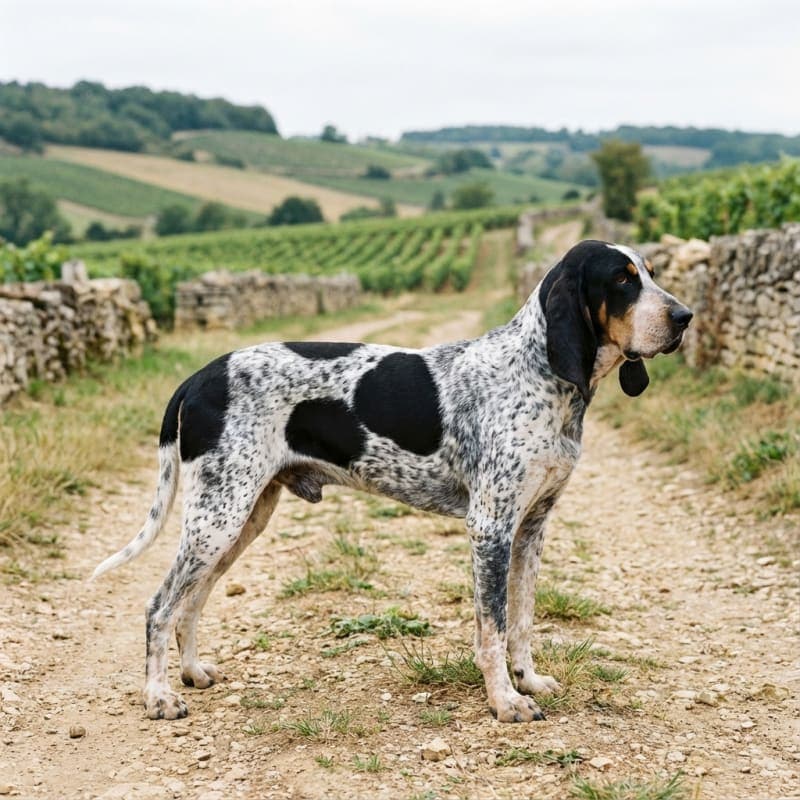
Gascon Saintongeois
FCI Group
6• FCI 21
Size
Medium
Origin Country
FR
Height
62-72 cm
Weight
20-25 kg
Lifespan
11-13 years
Temperament
Overview
The Gascon Saintongeois breed, also known as Grand Gascon Saintongeois (large variety) and Petit Gascon Saintongeois (small variety), is a unique hound originating from southwestern France. It was developed in the mid-19th century by Count Joseph de Carayon-Latour, who aimed to revive the declining breed of Hound of Saintonge. The crossing of the last representatives of this breed with Bleu de Gascogne dogs from Baron Ruble resulted in the creation of the Gascon Saintongeois, which has since gained recognition among hunters for its extraordinary tracking skills and excellent sense of smell.
The Gascon Saintongeois is a dog with a harmonious build, combining strength with elegance. There are two varieties of this breed:
- Grand Gascon Saintongeois – a large variety standing 62-72 cm tall, used for hunting large game, wild boars, and hares, both in packs and individually as a tracking dog
- Petit Gascon Saintongeois – a small variety created in the mid-20th century by hunters from southwestern France, who selected the smallest individuals from litters. This versatile variety, standing about 56-62 cm tall, specializes in hunting hares but also excels at tracking larger game
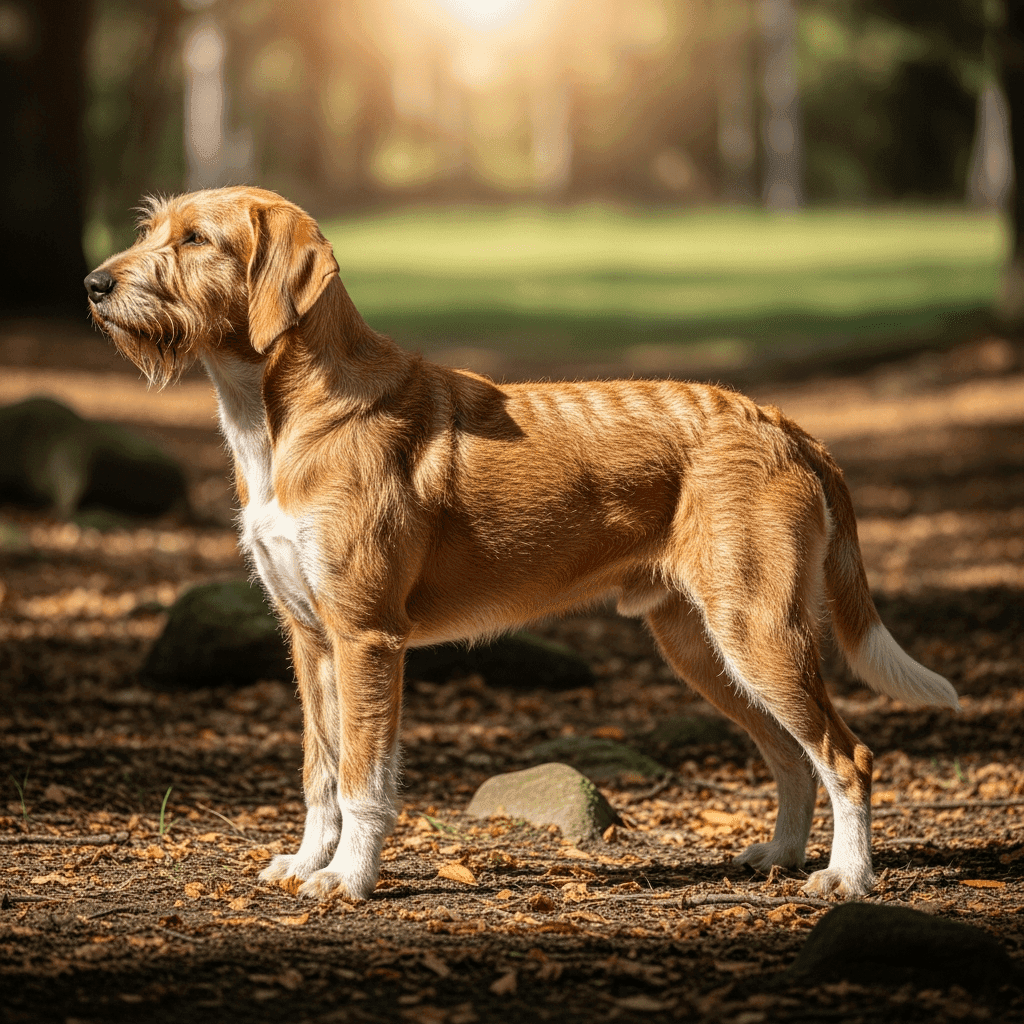
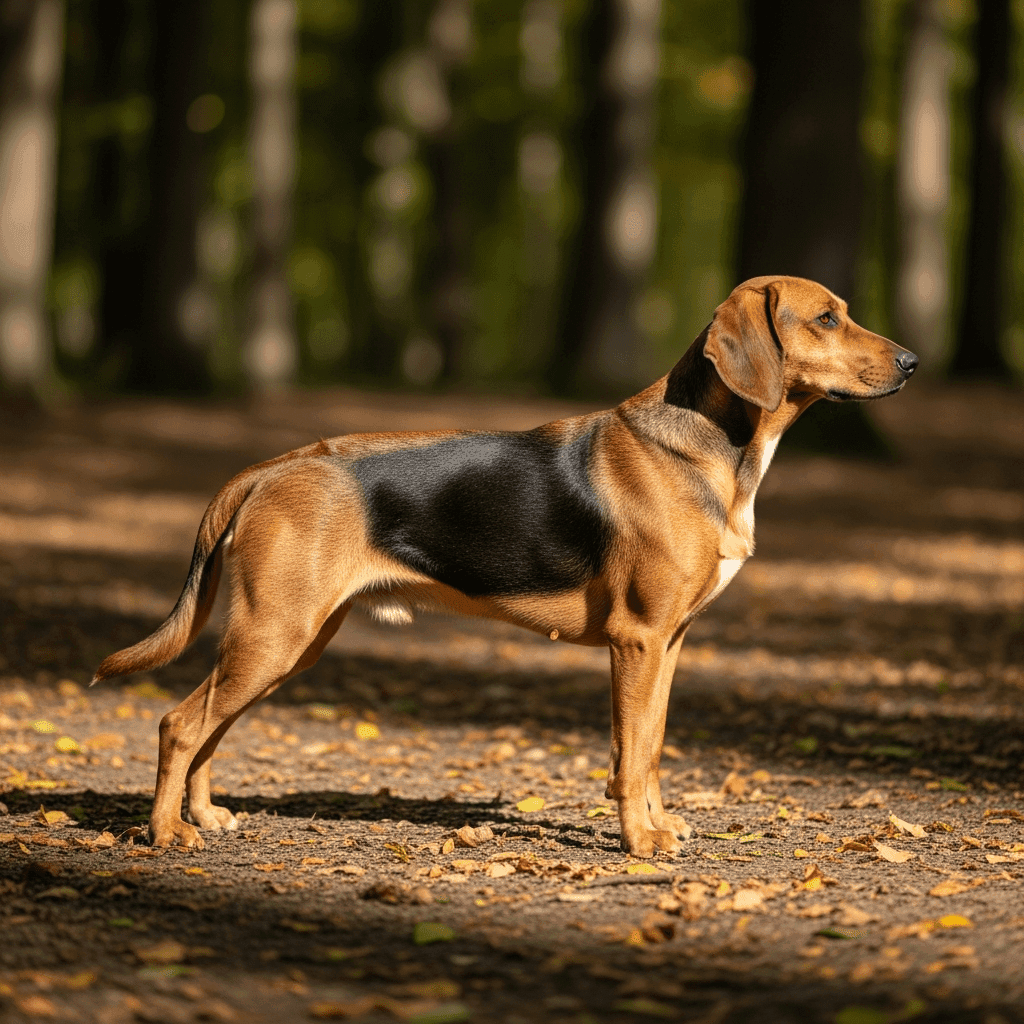
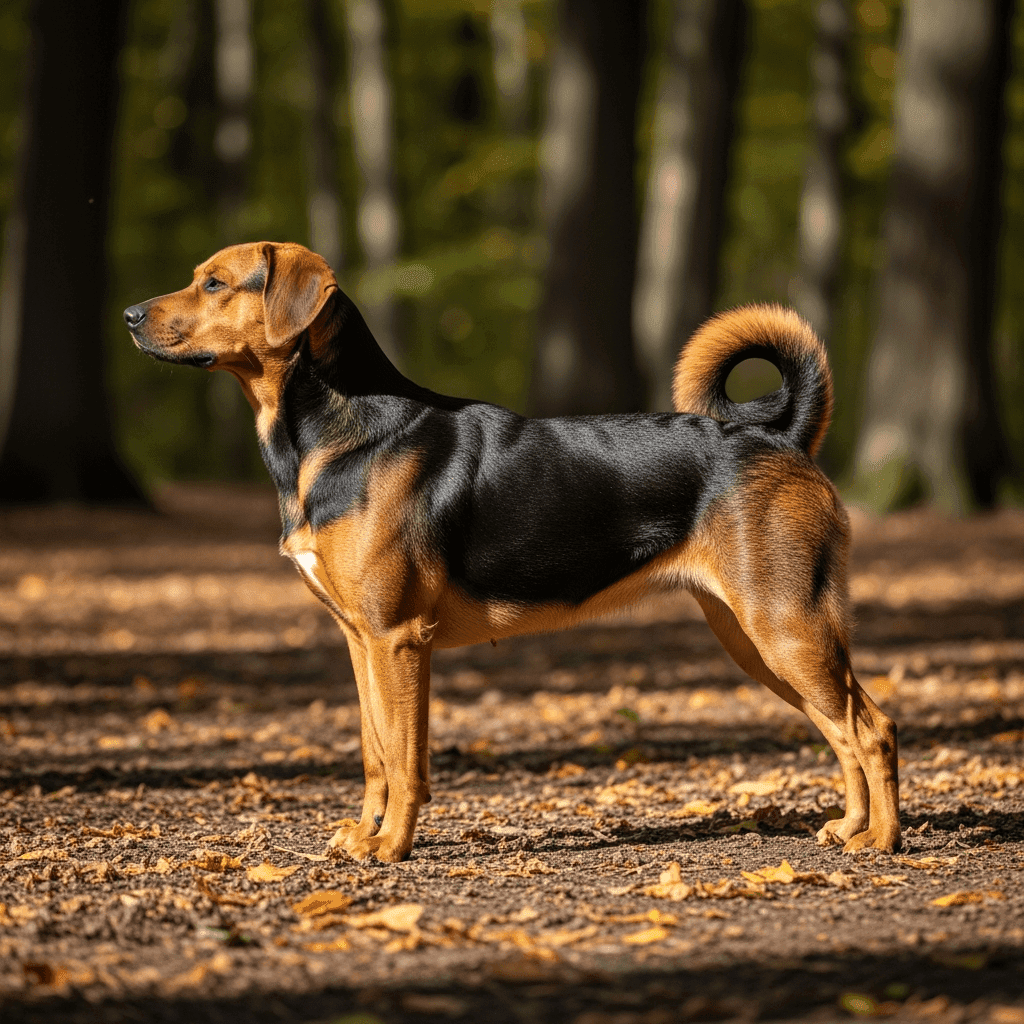
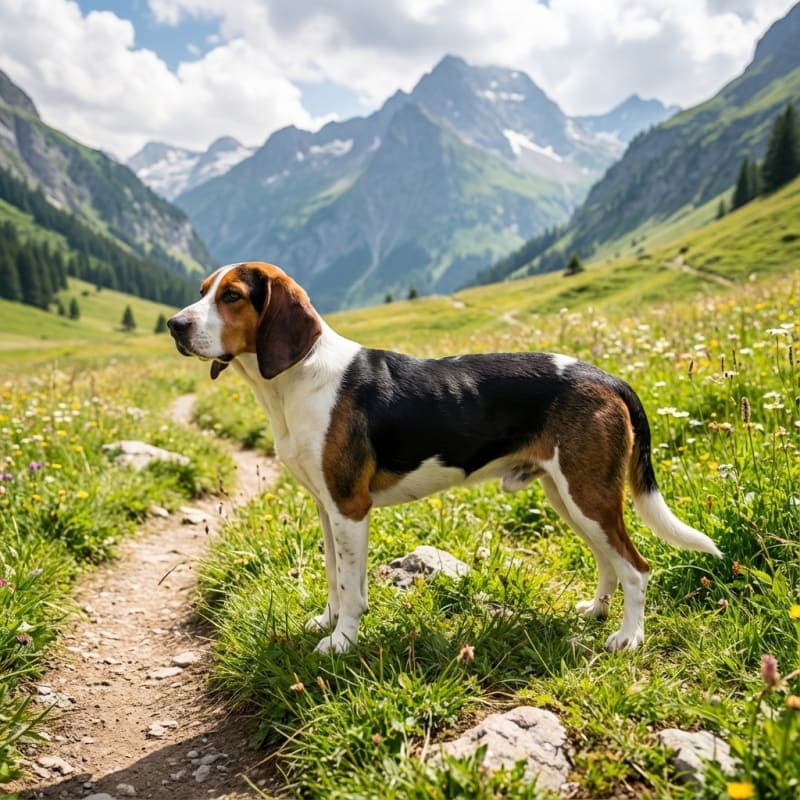
The coat is distinctive: white with black patches, and the fur is short and dense. The black spots on the ears and around the eyes give the dog a unique, recognizable appearance. The temperament of the Gascon Saintongeois is a combination of calmness, obedience, and sociability. It is very social and thrives in a group, making it an excellent companion both at home and in the field. Its intelligence and ease of learning new commands make it an ideal student, although its strong hunting instinct may require consistent and patient training.
Gascon Saintongeois is a dog with a strong and elegant body structure, impressing with its proportions and typically French appearance. According to the FCI standard from 2023, there are two varieties differing in size:
Grand Gascon Saintongeois (large variety):
- Height: males 65-72 cm, females 62-68 cm at the withers
- Weight: 20-30 kg, depending on sex and build
- Build: very well constructed, giving an impression of strength and elegance at the same time
- Proportions: height at the withers to length from scapula to ischium is 10:10.5
Petit Gascon Saintongeois (small variety):
- Height: males 56-62 cm, females 54-59 cm at the withers
- Weight: 16-24 kg
- Build: medium-sized, well-proportioned and distinctive
Characteristic features of appearance:
- Head: narrow and elongated, with a well-defined occipital bump, typically French in expression
- Eyes: brown, oval, with a gentle and trusting expression
- Ears: long, thin, delicate and slightly twisted, set below the eye line, reaching at least 5 cm beyond the tip of the nose
- Neck: medium length and thickness, slightly arched, strong
- Back: strong, well-developed, not too long
- Loin: slightly arched, short and muscular
- Chest: wide and deep, reaching to the elbows, allowing for free breathing during intense exertion
- Tail: well set, tapering towards the end, carried elegantly, never curled
Coat and coloration:
The coat is short, dense and rough to the touch. The coloration is usually white with black patches, creating a distinctive pattern. Black patches are located on both sides of the head, surrounding the ears and eyes, giving the dog a unique, recognizable appearance. There may also be tan (fawn) markings above the eyes, on the cheeks, the inner side of the ears, on the limbs, and under the tail. The skin is elastic, and the mucous membranes are always black. The Gascon Saintongeois is a dog that not only attracts attention with its aristocratic appearance but also impresses with the harmony of its build, strength, and elegance.
The Gascon Saintongeois is a dog with a calm, balanced, and obedient temperament, which thrives in the company of other dogs and people. This breed is predisposed to living in a pack, making it an ideal companion for hunters and families with other pets. Due to its , the Gascon Saintongeois is capable of forming strong bonds with family members, including children.
Main temperament traits:
- Sociality: very sociable, often eager to play and interact with other dogs and people
- Gentleness: calm and patient, ideal for families with children
- Obedience: willing to cooperate, responds well to training
- Hunting instinct: strong but controlled - requires proper socialization
- Loyalty: very devoted to its owner and family
Although it has a strong hunting instinct, it can coexist well with other animals if properly socialized from a young age. The Gascon Saintongeois is a dog that requires constant contact with its owner and regular activity to avoid boredom and behavioral issues. Without adequate mental and physical stimulation, this dog can become destructive or exhibit undesirable behaviors such as excessive barking or digging.
Owners should dedicate time to play, training, and walks to meet their dog's needs. The Gascon Saintongeois is not a dog for people who spend a lot of time away from home - it needs companionship and engagement. When properly socialized and trained from a puppy age, it becomes a faithful and devoted companion that joyfully accompanies its owner in daily activities. It is an excellent choice for active families, hunters, and those who appreciate calm yet energetic company.
Gascon Saintongeois, like many hound breeds, enjoys generally good health and is considered a resilient breed. The average lifespan of this breed ranges from 12 to 14 years, which is typical for medium-sized dogs. However, as with any breed, there are certain health issues that owners should be aware of.
Most common health problems:
- Hip dysplasia: like many hunting dogs, hip dysplasia may occur, although it is less common than in larger breeds. Regular veterinary check-ups and maintaining a proper weight can help minimize the risk
- Eye problems: conditions such as cataracts or progressive retinal atrophy (PRA) may occur, so regular eye examinations are recommended
- Ear infections: due to their long, droopy ears, Gascon Saintongeois may be prone to ear infections. It is important to regularly check, clean, and ventilate the ears to prevent moisture and bacteria buildup
- Obesity: this breed may have a tendency to gain weight, especially if it does not get enough exercise. A proper diet and regular physical activity are crucial for maintaining health
- Skin problems: allergies or skin irritations may occur, particularly in skin folds
Preventive recommendations:
- Regular veterinary visits (at least once every 6-12 months)
- Early detection of problems through diagnostic tests
- Maintaining a proper body weight
- Regular physical activity tailored to age and condition
- Vaccinations and deworming according to veterinary recommendations
- Daily checks of ears, eyes, and teeth
Proper veterinary care and attention to daily health needs are essential to ensure that Gascon Saintongeois has a long, healthy, and happy life. Dogs of this breed that receive proper care, regular exercise, and a balanced diet can enjoy excellent condition for many years.
The care of the Gascon Saintongeois is relatively simple and low-maintenance, making this breed attractive to many owners who do not have time for complicated grooming procedures. Their short and dense coat does not require intensive care, but regular grooming activities are essential to keep the dog in good condition.
Coat care:
- Brushing: regular brushing once a week is sufficient to remove dead hair and minimize shedding. Use a brush with natural bristles or a rubber grooming glove
- Shedding period: usually occurs twice a year (spring and autumn). During this time, you can increase the brushing frequency to 2-3 times a week to help the dog get rid of dead hair
- Bathing: is not necessary too often - usually, a bath every 2-3 months or as needed when the dog is particularly dirty is sufficient. Use gentle shampoos designed for dogs to avoid drying out the skin
- Odor: Gascon Saintongeois does not have a strong dog odor, which is an additional advantage
Ear care (CRITICAL!):
Due to their long and drooping ears, Gascon Saintongeois may be prone to ear infections. Regular checks and cleaning are essential:
- Check the ears at least once a week
- Clean them gently with a damp cloth or a special ear cleaning solution for dogs
- Check for unpleasant odors, excess wax, redness, or discharge
- After bathing and walks in rainy weather, thoroughly dry the ears
- Air out the ears to prevent moisture buildup
Nail care:
Regular nail trimming is important because too long nails can cause discomfort while walking and joint problems. Trim the nails every 3-4 weeks or when you hear them clicking on the floor. If the dog runs a lot on hard surfaces, the nails may wear down naturally.
Oral hygiene:
- Brush teeth 2-3 times a week (preferably daily)
- Use dog toothpaste
- Regular dental check-ups at the veterinarian
- Dental chews can be used as a supplement
General check:
Regularly check the skin for ticks, fleas, scratches, or irritations, especially after walks in the field. Also, check the paw pads for any wounds or cracks.
In summary, the Gascon Saintongeois requires moderate grooming, making it a suitable choice for people who do not have time for complicated grooming procedures. The most important aspects are regular ear checks and basic care of the coat, nails, and teeth.
The Gascon Saintongeois is a breed of dog that requires regular and intense physical activity to maintain health, good condition, and mental balance. As a hunting dog with a strong instinct, it is a very energetic dog that needs daily walks, play, and exercise to satisfy its natural movement needs.
Minimum activity requirements:
- Time: at least 60-90 minutes of intense movement daily
- Type of activity: long walks, running, field games, tracking
- Frequency: daily, without exceptions - weekends and weekdays
- Intensity: medium to high - this dog needs real effort, not just a leisurely walk
Recommended forms of activity:
- Long walks: 2-3 walks daily, each lasting 30-45 minutes
- Jogging: perfect for accompanying the owner during jogging (5-10 km)
- Bicycle trips: a great form of exercise, but requiring gradual acclimatization
- Garden play: retrieving, playing ball, frisbee
- Tracking: utilizing natural instincts through scent games and scent trails
- Agility: an excellent form of activity combining movement with mental training
- Swimming: great exercise if the dog enjoys water
- Joint outings: long hikes in the forest or open areas
Important notes regarding activity:
The Gascon Saintongeois has a strong hunting instinct, so during walks, it is advisable to keep the dog on a leash or use a fenced area to avoid unwanted situations related to its natural instinct - the dog may take off in pursuit of game and ignore calls. If you want to let it run freely, first practice excellent recall and choose a safe place away from roads and hunting grounds.
Consequences of lack of activity:
Without the appropriate amount of exercise, the Gascon Saintongeois may exhibit behavioral problems, such as:
- Destructive behaviors (destroying furniture, digging)
- Excessive barking or howling
- Hyperactivity and lack of concentration
- Obesity and health issues
- Frustration and mood decline
Mental stimulation:
In addition to physical activity, the Gascon Saintongeois also requires mental stimulation. Introduce a variety of scent games, treat searches, dog puzzles, and obedience training. A combination of physical and mental effort will ensure the dog’s complete satisfaction.
Appropriate amounts of exercise are crucial for maintaining the health and well-being of the Gascon Saintongeois. Owners should be prepared for an active lifestyle and regularly dedicate time to shared activities. This dog is not suitable for people leading a sedentary lifestyle or spending most of the day at work - it requires commitment and energy.
The training of the Gascon Saintongeois is essential to ensure appropriate behavior and skills that allow for a harmonious life within the family. This dog is intelligent and learns new commands quickly, but due to its independent thinking and strong hunting instinct, it can be somewhat stubborn and requires consistency. Therefore, it is important that the training is conducted in a consistent, patient, and positive manner.
Basic training principles:
- Early start: begin training from 8-10 weeks of age to instill basic commands and behavioral rules in the puppy
- Positive methods: use rewards, praise, treats, and play - avoid punishment and violence
- Consistency: all family members should apply the same rules and commands
- Short sessions: 10-15 minutes of training 2-3 times a day is better than one long session
- Patience: the Gascon Saintongeois can be stubborn - do not get discouraged or give up
Key training areas:
1. Basic commands:
- Sit - a basic control command
- Stay - teaches patience and self-control
- Come - a CRITICAL command due to the hunting instinct; requires intensive training
- Lie down - a calming command
- Leave it - important for safety
- Loose leash walking - prevents pulling during walks
2. Socialization (CRITICAL!):
The Gascon Saintongeois tends to live in groups, so early socialization is essential:
- Introduce the puppy to various people (children, adults, seniors)
- Expose to other dogs and animals
- Expose to different sounds, places, and situations (cars, crowds, stores)
- Organize visits to friends, walks in different locations
- Participation in group puppy classes is highly recommended
3. Control of the hunting instinct:
Due to its strong tracking instinct, the Gascon Saintongeois requires special training:
- Train recall in various conditions and with increasing distances
- Use a long training leash (10-20 m) during learning
- Introduce the commands Search and Stop to control tracking
- Reward the dog for paying attention to the owner instead of scent stimuli
- Consider activities like mantrailing or nose work to constructively utilize the instinct
4. Mental stimulation:
The Gascon Saintongeois also needs mental exercises:
- Scent games and scent trails
- Dog puzzles with hidden treats
- Learning new tricks and commands
- Obedience training with increasing difficulty levels
- Agility or other canine sports
Motivation methods:
The Gascon Saintongeois responds well to:
- Verbal praise - enthusiastic, cheerful tone of voice
- Treats - small, aromatic rewards (e.g., pieces of chicken, cheese)
- Play - playing together as a reward (ball, fetch)
- Petting - positive physical contact
Common challenges and solutions:
- Stubbornness: instead of fighting, find a way to motivate the dog (higher rewards, more interesting games)
- Distractions: train in places with varying levels of stimuli, gradually increasing difficulty
- Selective hearing: ensure rewards are attractive and always reward desired behavior
- Pulling on the leash: stop every time the dog pulls, and only move when the leash is loose
Advanced training:
Once the dog masters the basics, you can introduce:
- Hunting training (if you plan to hunt)
- Mantrailing or scent tracking
- Agility or other canine sports
- Competition-level obedience
Joint training and play not only strengthen the bond between the dog and the owner but also help build trust and mutual respect. In summary, training the Gascon Saintongeois requires commitment, consistency, and patience, but it brings a lot of satisfaction and allows for the establishment of a strong, lasting bond with this intelligent and devoted dog. The best results are achieved through positive methods, regular training, and adapting the training to the individual needs of the dog.
A proper diet is a key element of a healthy life for the Gascon Saintongeois. This breed can be prone to obesity, so it is important for owners to pay special attention to the quantity, quality, and composition of the food their dog receives. Proper nutrition affects the dog's condition, health, coat appearance, and overall vitality.
Basic nutrition guidelines:
1. Type of food:
- High-quality dry food - most recommended, rich in meat (minimum 60-70% of the composition), with well-balanced proportions of protein, fat, and carbohydrates
- Wet food - can be used as a supplement or main source of nutrition, but pay attention to the quality of the ingredients
- BARF diet (raw meat) - possible to use, but requires consultation with a veterinarian or animal dietitian to ensure complete balance
- Homemade diet - possible, but must be carefully planned considering all necessary nutrients
2. Composition of food (what should be in good food):
- Protein: 22-28% for adult dogs, 28-32% for puppies - coming from meat (chicken, beef, lamb, fish)
- Fat: 10-15% for adults, 15-20% for puppies - source of energy and omega-3 and omega-6 fatty acids
- Carbohydrates: moderate amounts from high-quality sources (rice, potatoes, sweet potatoes, vegetables)
- Fiber: 3-5% - for proper functioning of the digestive system
- Vitamins and minerals: a complete set of essential ingredients (calcium, phosphorus, zinc, vitamins A, D, E, B complex)
3. Amount of food:
The amount of food should be adjusted to the age, weight, activity level, and health status of the dog:
- Puppies (2-6 months): 3-4 meals a day, puppy food for medium breeds
- Young dogs (6-12 months): 2-3 meals a day, gradual transition to adult food
- Adult dogs (1-7 years): 2 meals a day, about 300-400g of dry food daily (for a 25 kg dog), depending on activity
- Older dogs (7+ years): 2 meals a day, senior food with reduced calories and joint-supporting additives
- Working/very active dogs: increased portion by 20-30% or high-calorie food
4. Dietary supplements:
It is worth introducing natural supplements in the form of:
- Vegetables: carrots, broccoli, spinach, pumpkin - source of vitamins, minerals, and fiber
- Fruits: apples, pears, berries (avoid grapes, raisins, avocados!)
- Oils: flaxseed oil, salmon oil - source of omega-3 fatty acids for healthy skin and coat
- Joint supplements: glucosamine, chondroitin (especially for older dogs)
- Probiotics: support digestive health
What to avoid (toxic products for dogs!):
- Chocolate (toxic!)
- Grapes and raisins (toxic!)
- Onion and garlic (toxic!)
- Avocado (toxic!)
- Cooked bones (can splinter and cause perforation)
- Sweets and sweetened products (sugar, xylitol - DEADLY DANGEROUS!)
- Salty snacks (excess salt)
- Table scraps (often fatty, seasoned, unhealthy)
- Milk and dairy products in large amounts (digestive problems)
5. Water:
Water must always be available for the dog to ensure proper hydration. Change the water daily, and on hot days or after intense exercise, check that the dog has constant access to it. The Gascon Saintongeois, being an active dog, may drink a lot of water, especially after long walks or training sessions.
6. Weight and condition control:
The Gascon Saintongeois breed may have a tendency to gain weight, especially if it does not receive enough exercise. Therefore:
- Weigh the dog regularly (once a month)
- Check the condition visually and by touch - ribs should be palpable but not visible
- Adjust portions to the level of activity
- Avoid excessive treats (no more than 10% of daily caloric intake)
- In case of obesity, consult a veterinarian about a weight-loss diet
7. Special dietary needs:
- Hunting dogs: during the hunting season, increase portions by 20-30% or introduce high-calorie food
- Puppies: puppy food for medium breeds up to 12 months of age
- Older dogs: senior food with joint-supporting additives and reduced calories
- Food allergies: hypoallergenic food or elimination diet under veterinary supervision
Feeding schedule:
- Feed the dog at regular times (e.g., 7:00 and 18:00)
- Avoid feeding directly before or after intense exercise (risk of stomach torsion)
- Interval between feeding and activity: minimum 1-2 hours
Regular consultations with a veterinarian will help in choosing the best diet for the Gascon Saintongeois to ensure a long, healthy, and happy life. Proper nutrition is the foundation of health - do not skimp on the quality of food, as it will help you avoid costly veterinary visits related to health problems arising from malnutrition or obesity in the future.
Characteristic Traits
Pros
- Exceptional sense of smell and excellent tracking abilities
- Calm and obedient temperament
- Ease in learning new commands
- Thrives in a group and with other dogs
- Generally healthy and resilient breed
- Simple coat care
- Ideal for active families and hunters.
Cons
- Requires consistent and patient training
- Strong hunting instinct can be a challenge during walks
- Can be stubborn and independent
- Requires a lot of daily physical activity (60-90 min)
- Long ears need regular checking and cleaning
- May be prone to obesity without proper diet and exercise.
Behavioral Ratings
Breed History
The history of the Gascon Saintongeois breed is a fascinating tale of rescuing a fading line of hounds and the passion of French hunters for preserving hunting traditions. This breed was established in the mid-19th century through the efforts of Count Joseph de Carayon-Latour, an aristocrat and avid hunter from the Saintonge region in southwestern France.
The origins of the breed - Hound of Saintonge:
Before the Gascon Saintongeois was created, the Saintonge region was known for its own unique breed of hounds - Hound of Saintonge (Chien de Saintonge). This breed was valued for its exceptional tracking abilities and excellent sense of smell. However, by the mid-19th century, the Hound of Saintonge was on the brink of extinction - the number of representatives had dramatically decreased, and the genetic line was at risk.
Count de Carayon-Latour's efforts:
Count Joseph de Carayon-Latour, wishing to revive the fading breed from the Saintonge region, undertook an ambitious breeding project. He crossed the last remaining specimens of the Hound of Saintonge with dogs of the Bleu de Gascogne breed (Blue Gascon Hounds) from the neighboring Gascony region. This crossbreeding resulted in the creation of a new breed - Gascon Saintongeois, which combined the characteristics of both genetic lines:
- From the Hound of Saintonge: elegance, refined sense of smell, tracking abilities
- From Bleu de Gascogne: strength, endurance, distinctive coat color (white with black patches)
Unfortunately, despite the success in creating the Gascon Saintongeois, this process led to the extinction of the original Hound of Saintonge, whose last individuals were used for crossbreeding.
The development of the breed in the 19th and 20th centuries:
The Gascon Saintongeois quickly gained popularity among hunters in southwestern France due to its extraordinary tracking skills and excellent sense of smell. The breed was used for:
- Hunting big game: wild boars, deer, stags
- Hunting hares: both in packs and individually as a tracking dog
- Flushing game: in large hunting groups
The emergence of the small variety (Petit Gascon Saintongeois):
In the mid-20th century, some hunters from southwestern France noticed that the smallest individuals from the litters of Grand Gascon Saintongeois exhibited particular predispositions for hunting hares and smaller game. They decided to select and develop this trait, creating a smaller variety of the breed - Petit Gascon Saintongeois (Small Gascon Saintongeois). This versatile variety was originally intended for hunting hares but also proved to be an excellent tracker of larger game.
International recognition:
In 1996, the Gascon Saintongeois was officially recognized by the FCI (Fédération Cynologique Internationale) as a breed with the standard number 21. The FCI standard includes both varieties:
- Grand Gascon Saintongeois - Group 6, Section 1.1 (Large hounds)
- Petit Gascon Saintongeois - Group 6, Section 1.2 (Medium hounds)
The latest FCI standard was updated in 2023, confirming the characteristic features, requirements, and descriptions of both varieties.
Gascon Saintongeois today:
The history of this breed is closely linked to the hunting traditions of France, and its popularity among hunters has made it one of the most valued hounds in the country. Today, the Gascon Saintongeois is appreciated not only as a hunting dog but also as a wonderful companion for families who value an active lifestyle. This breed is particularly popular in:
- France - where it is still used for hunting
- Other European countries - as a companion dog for active families
- The United States - where it is gaining increasing recognition among hound enthusiasts
The Gascon Saintongeois is a living heritage of French hunting culture, a symbol of passion, tradition, and commitment to preserving unique genetic lines of hounds. Its history is a story of the determination of Count de Carayon-Latour, who, despite the extinction of the Hound of Saintonge, created a new, magnificent breed that has survived to this day and continues to be appreciated worldwide.