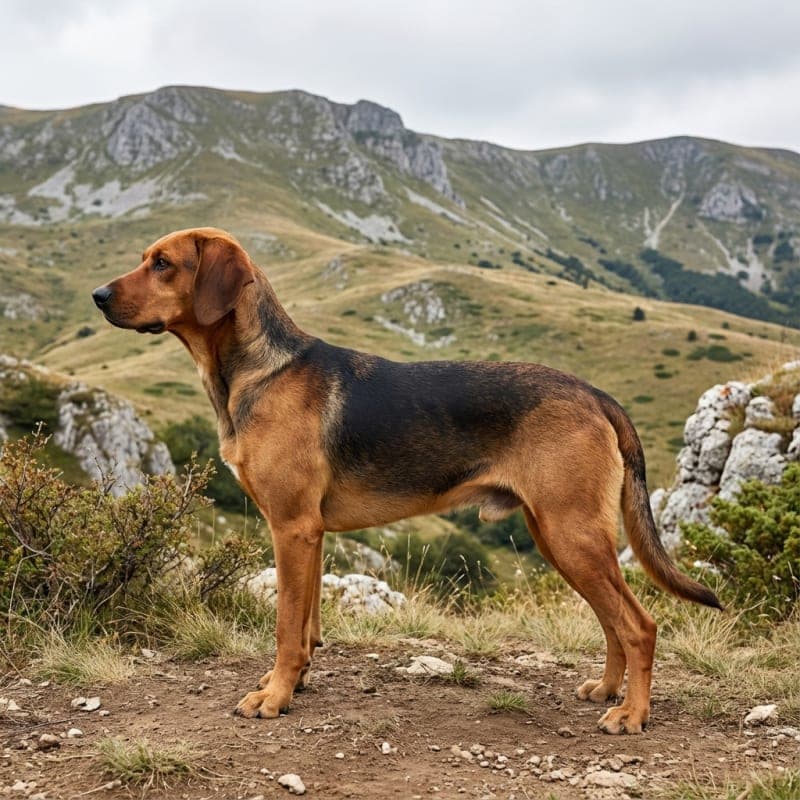
Serbian Hound
FCI Group
6• FCI 150
Size
Medium
Origin Country
XX
Height
44-56 cm
Weight
20-25 kg
Lifespan
11-13 years
Temperament
Overview
The Serbian Hound, also known as srpski gonič, is a hunting dog breed with deep historical roots dating back to the 11th century. It originates from picturesque Serbia and is one of the oldest hunting breeds in the Balkan region. Its ancestors likely come from Asia Minor, which gives the breed a unique character and special value in the world of cynology.
Originally bred for hunting, the Serbian Hound excels in tracking various game – from foxes and rabbits to deer. Its exceptional hunting skills, combined with an innate sense of tracking, make it an indispensable partner during hunting trips. At the same time, its gentle and friendly nature means that this dog is not only an effective hunter but also an ideal companion for the whole family.
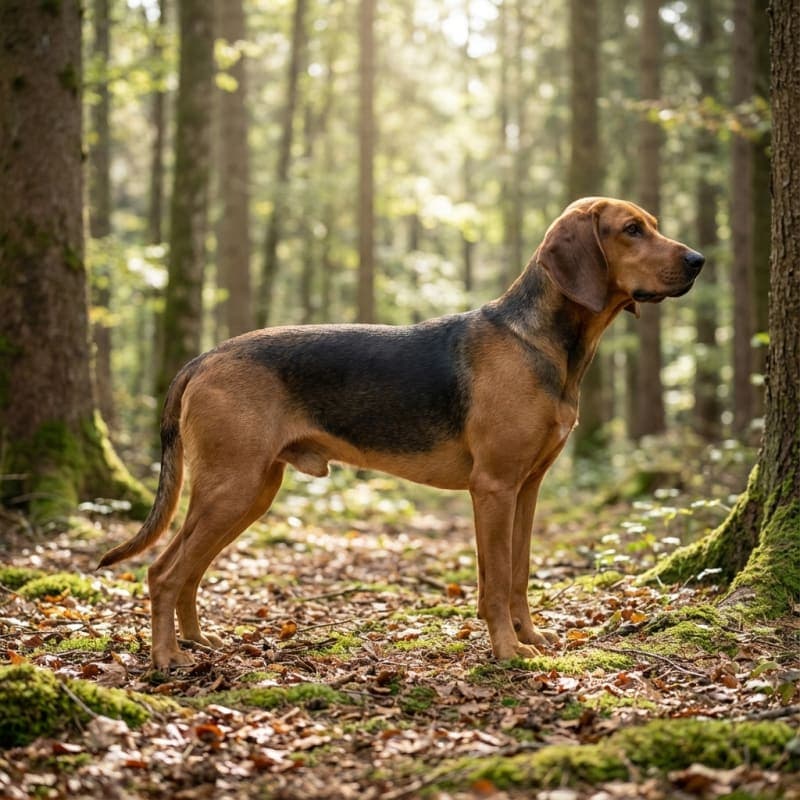
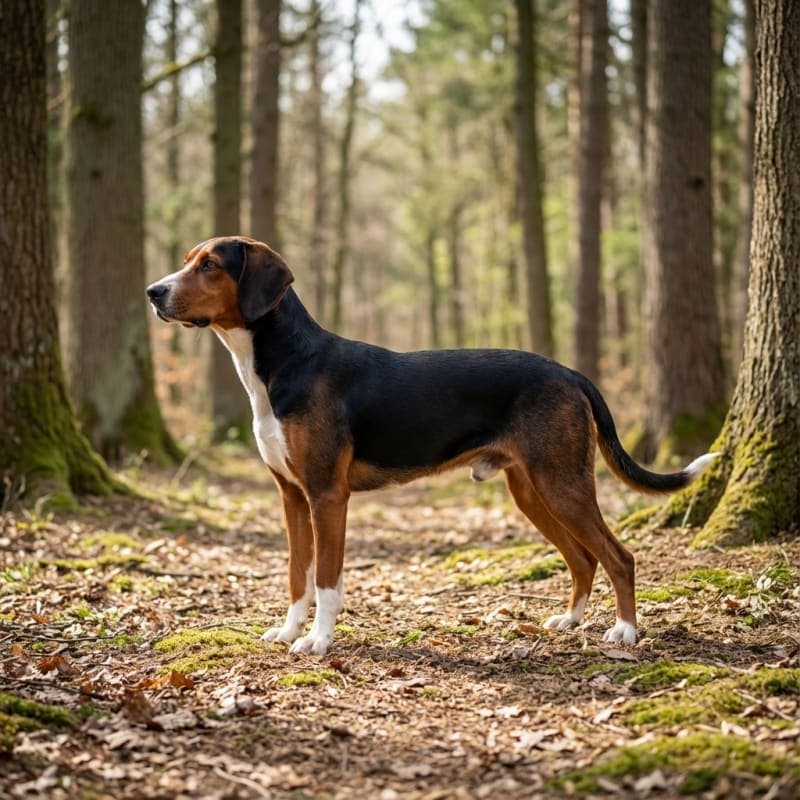
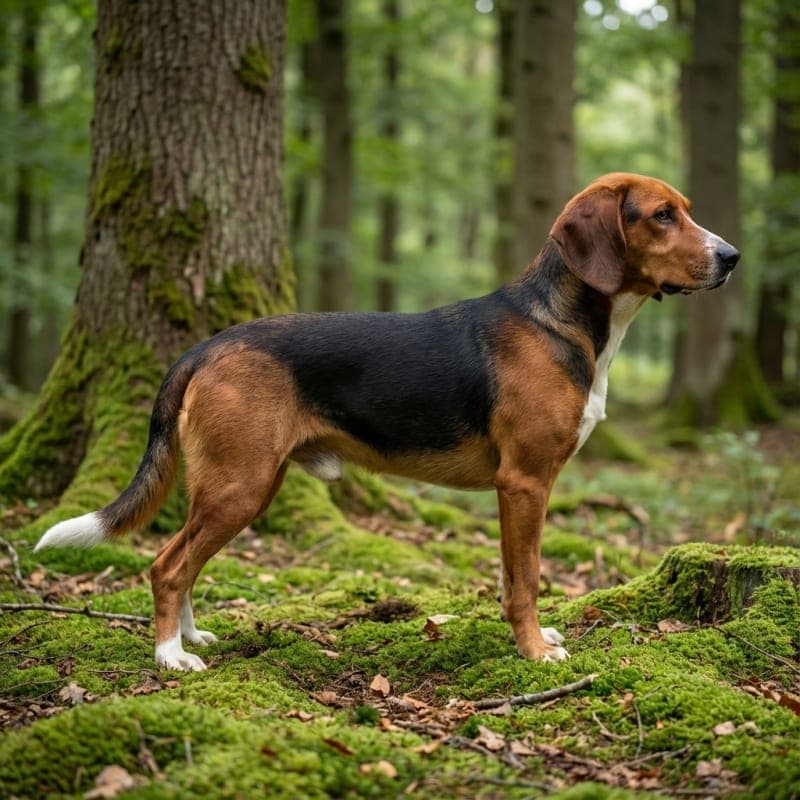
In terms of physical dimensions, the Serbian Hound is a medium-sized dog – standing between 44 to 56 cm at the withers and weighing between 20 to 25 kg. Its most distinctive feature is its short and dense coat in warm shades: red, yellow, fawn, and tawny, often adorned with a black mantle or saddle on the back and a distinct white patch on the chest. This elegant coloration gives the dog a noble appearance and attracts attention during walks.
The energetic nature of the Serbian Hound requires regular physical activity and appropriate mental stimulation. This breed is made for active individuals who enjoy spending time outdoors and can provide the dog with enough exercise. Although its strong hunting instinct may require additional training and socialization, the natural willingness to cooperate with humans usually makes training smooth and yields tangible results.
The temperament of the Serbian Hound is characterized by friendliness and openness to contact with people. This dog thrives in a family environment and usually gets along well with children. Its deep attachment to its owner and need for closeness mean that it always wants to be the center of attention. To avoid boredom and destructive behaviors, the Serbian Hound needs regular contact with the family and frequent interaction with household members – solitude does not suit this breed.
In the following sections of the guide, you will find detailed information about the health, grooming, activity requirements, training, nutrition, and history of the Serbian Hound. Discover all aspects of this fascinating breed and find out if it is the right dog for you.
The Serbian Hound is a dog of medium size with a strong, well-built silhouette that combines harmony of proportions with athleticism. The height at the withers ranges from 44 to 56 cm, with the ideal height for males being 51–52 cm, while the ideal height for females is 48–49 cm. The body length is approximately 10% greater than the height at the withers, giving the silhouette a slightly elongated but balanced shape.
The head of the Serbian Hound is long and narrow, with a gently defined skull and a well-developed brain. The eyes are of medium size, slightly slanted, and have an intense dark color that gives the dog a penetrating, intelligent expression. The ears are of medium length, hanging freely and lying close to the cheeks, with their tips taking on a subtly oval shape. The overall impression is one of focus and readiness for action.
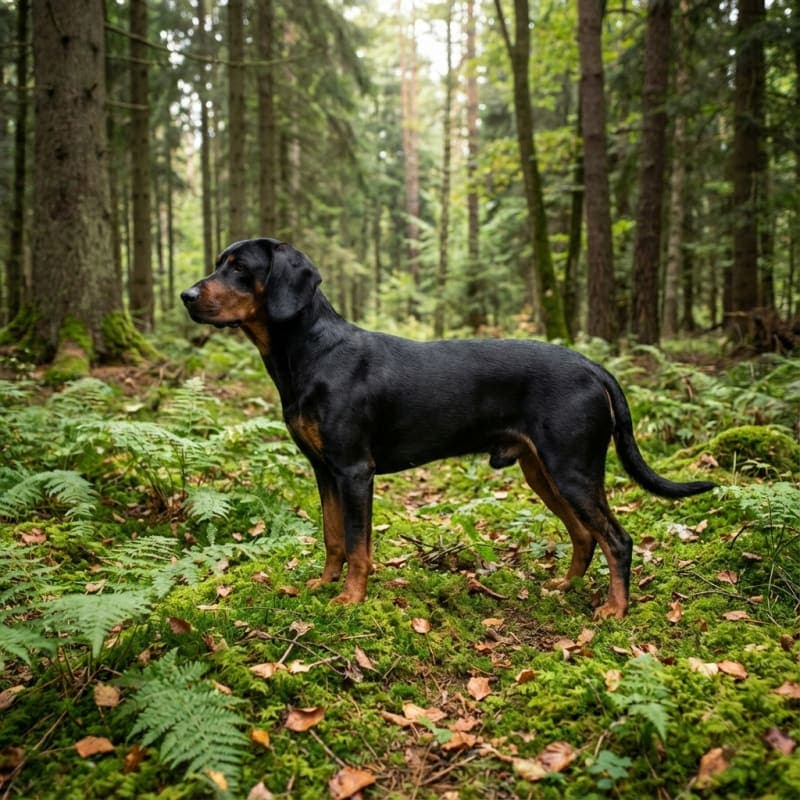
The coat of the Serbian Hound is short, dense, and perfectly adheres to the body, forming a protective layer with a moderately developed undercoat. The coat color encompasses a wide range of warm shades: red, yellow, russet, and tawny, often featuring a characteristic black mantle or saddle that extends from the base of the head along the back. Additionally, many individuals have a striking white patch on the chest, which accentuates their noble appearance.
The tail is strong at the base and gradually tapers towards the end, taking on a slightly curved shape. It is usually carried below the line of the back, emphasizing the elegance of the silhouette. The movement of the Serbian Hound is energetic, free, and full of grace – each step reflects its active nature and predisposition for work in the field.
The Serbian Hound is a dog with a friendly and gentle temperament, exhibiting a high level of sociability and loyalty in relationships with people. It is characterized by a deep attachment to its owner and a natural need for closeness, making it an ideal companion for families. Thanks to its patience and understanding, it gets along wonderfully with children, becoming a great partner for play and outdoor activities.
Despite its strong hunting instinct, the Serbian Hound is usually sociable with other dogs, especially if properly socialized from puppyhood. Its moderate independence means that the dog may sometimes show some stubbornness, but with consistent training and positive upbringing methods, it easily adapts to family life.
The Serbian Hound is a cheerful and joyful dog that enjoys every interaction with people and loves being the center of attention. Due to its openness and friendly disposition, it responds well to the presence of guests – it is usually not aggressive but rather alerts the owner to the presence of strangers, acting as a vigilant guardian.
The natural hunting instinct makes dogs of this breed prone to escaping in search of interesting scents, especially when they encounter the trail of game. Therefore, it is crucial to provide them with a safe, fenced environment and supervision during walks on a leash. Proper socialization and training from a young age will help shape a balanced character in the dog, which will feel equally comfortable as a hunting partner and a family companion.
The Serbian Hound is generally a healthy and strong breed of dog, characterized by good immunity and physical endurance. The average lifespan ranges from 11 to 13 years, although with proper care and a healthy lifestyle, many individuals reach even higher ages. These dogs are naturally adapted to various weather conditions, making them ideal companions for hunting and outdoor activities, regardless of the season.
Their strong body structure and natural physical agility contribute to overall good health; however, as with many breeds, there may be certain predispositions to specific health issues. One of the most common ailments is ear infections, which can be caused by anatomical structure (large, drooping ears) and an active lifestyle, including frequent exposure to damp environments during hunting. Regular ear checks and keeping them clean are crucial for preventing infections.
Another issue that requires attention is the tendency to gain weight, especially when the dog does not receive enough exercise or after sterilization/castration procedures. Obesity can lead to joint problems, cardiovascular issues, and overall physical fitness decline. Therefore, it is essential to provide the Serbian Hound with an appropriate diet and regular physical activity, tailored to its age and condition.
Regular visits to the veterinarian, vaccinations, deworming, and parasite prevention will help keep the dog in excellent shape for many years. With proper care, the Serbian Hound can enjoy good health and activity for most of its life.
The Serbian Hound is a breed with relatively low grooming requirements, making it a convenient choice for owners who value simplicity in daily care. Its short and dense coat requires only occasional brushing – once or twice a week is sufficient to remove dead hair and minimize shedding. This keeps the coat healthy, shiny, and well-adhered to the body.
During seasonal shedding periods, which occur in spring and autumn, the dog may require more frequent brushing – ideally every 2–3 days. Regular grooming not only reduces the amount of hair in the home but also stimulates blood circulation in the skin, supporting the regeneration and condition of the coat.
Bathing is recommended only when truly necessary – for example, when the dog is dirty after an intense outing or has an unpleasant odor. Too frequent bathing can weaken the skin's natural protective layer, so it is advisable to use gentle shampoos designed for dogs with short coats.
An important aspect of grooming is regularly checking the condition of the ears, especially since the Serbian Hound, due to its anatomical structure (drooping ears), is more prone to infections. The eyes should be checked for discharge and redness, and the teeth should be brushed several times a week to prevent tartar buildup and gum disease.
Nail trimming should be done regularly – usually every 3–4 weeks – to prevent excessive growth, which can lead to discomfort while walking and joint problems. Overall, grooming the Serbian Hound is easy and does not require much effort, making it an ideal choice for those who do not have time for complicated grooming routines.
The Serbian Hound is a dog that needs a large amount of exercise and physical activity to remain healthy, happy, and mentally balanced. Due to its origin as a hunting dog, this breed has a high demand for daily exercise. The minimum daily activity should include long walks (at least 60–90 minutes), running, and various outdoor play activities.
The Serbian Hound is an extremely energetic dog that loves to run, explore its surroundings, and follow interesting scents. Owners should provide it with the opportunity for free running in a safe, enclosed area, where the dog can release its accumulated energy and satisfy its natural exploratory needs. Large, fenced gardens or designated dog parks are excellent places.
It is also worth introducing various forms of activity that stimulate both the body and mind of the dog. The following activities work great:
- Fetch games – perfectly engage the hunting instinct
- Tracking exercises – utilize the dog's natural abilities
- Running alongside a bicycle – excellent endurance training
- Play with other dogs – socialization and energy release
Dogs of this breed also enjoy interactions with other dogs, so regular visits to dog parks or outings with other owners can be very beneficial. Remember that lack of sufficient exercise leads to many problems: overweight, frustration, destructive behavior (destroying furniture, excessive barking), and overall deterioration of the dog's well-being. An active Serbian Hound is a happy Serbian Hound!
Training a Serbian Hound can be a pleasant and rewarding experience for both the dog and the owner. Dogs of this breed are intelligent and eager to learn, which makes them respond well to positive reinforcement methods based on rewards, praise, and encouragement. A key element of effective training is establishing a strong bond with the dog, which serves as the foundation for mutual trust and cooperation.
Owners should be consistent and patient during training so that the dog can clearly understand what is expected of it. The Serbian Hound, although willing to cooperate, may exhibit some stubbornness typical of hunting breeds, so it is important to conduct training in a firm yet kind manner – without shouting, physical punishment, or negative emotions.
Due to its strong hunting instinct, early socialization of the Serbian Hound is extremely important – ideally starting from the 8th week of life. Exposure to various people, animals, sounds, and environments will help the dog learn appropriate behaviors in the presence of other dogs, people, and in new situations. Socialization prevents excessive shyness, anxiety, or territorial aggression in adulthood.
It is worthwhile to introduce varied exercises and tasks that engage the dog's mind and keep its interest in training. Examples of effective exercises include:
- Basic commands – Sit, Lie down, Stay, Come
- Tracking exercises – ideal for hunting breeds
- Learning tricks – rolling over, shaking paws, fetching items
- Concentration exercises – e.g., maintaining eye contact
Training should be regularly enriched with new commands and challenges, which will provide the dog with opportunities for continuous learning and fun at the same time. The Serbian Hound, in appropriate conditions and with a consistent approach, can be easy to train, making it an ideal dog for families and active owners looking to develop their training skills.
The Serbian Hound, as a highly active hunting dog, has specific nutritional needs that must be carefully considered in its daily diet. Proper nutrition is crucial for maintaining the dog's health, energy, and physical condition, as well as supporting the functioning of the digestive system, skin, and coat.
It is recommended to feed the Serbian Hound high-quality food that contains the appropriate amount of animal-based protein (preferably from chicken, turkey, beef, or fish), healthy fats (supporting skin and coat condition), and complex carbohydrates (providing energy). The food should be tailored to the dog's age:
- Puppies – puppy food with increased protein and calcium content
- Adult dogs – food for active dogs, rich in nutrients
- Seniors – food for older dogs with added joint-supporting ingredients
The amount of food should be adjusted to the dog's age, weight, activity level, and health status to prevent obesity and ensure optimal development. A typical adult Serbian Hound weighs 20–25 kg and requires about 1000–1400 kcal per day; however, very active dogs (hunting, training) may need more.
It is extremely important to provide the dog with constant access to fresh water, especially after intense physical exertion. For particularly active dogs that spend a lot of time outdoors, it may be worth considering additional vitamins and supplements to support their physical performance and joint health (e.g., glucosamine, chondroitin, omega-3 fatty acids).
Owners should be cautious when giving treats to avoid exceeding the recommended daily calorie intake – treats should not make up more than 10% of the daily energy requirement. Excess calories can lead to obesity, which can result in joint problems, cardiovascular issues, and a decrease in the dog's overall fitness.
Regular veterinary visits will help monitor the dog's health and adjust the diet to its individual needs. Remember that proper nutrition is an investment in the long and healthy life of your Serbian Hound.
Characteristic Traits
Pros
- Friendly and open temperament
- Excellent tracking skills
- Ease of training
- Strong attachment to the owner
- Good resilience and health.
Cons
- Requires a lot of movement and activity
- Strong hunting instinct
- Needs close contact with people
- Tendency to escape in pursuit of a trail.
Behavioral Ratings
Breed History
The history of the Serbian Hound dates back to the 11th century, making this breed one of the oldest hunting dog breeds in the Balkan region. The first documented mentions of this breed come from 1005, when Frank Laska described the Serbian Hound (then known as the Balkan Hound) in his work dedicated to hunting dogs. It is believed that the roots of the breed may be related to hunting dogs originating from Asia Minor, which arrived in the Balkans with the migration of peoples and the development of trade.
In 1924, the first official breed standard was established, but it was not until 1940, during a session in Bled, that the FCI (Fédération Cynologique Internationale) approved the standards announced earlier in Stockholm in 1939 – among them was the standard for the Balkan Hound. Because the breed was most widespread in Serbia, the Yugoslav Kennel Association controlled its breeding and introduced new individuals into the official pedigree book.
A key moment in the breed's history was November 12, 1996, when during a meeting in Copenhagen, the FCI General Committee accepted the proposal of the Yugoslav Kennel Union and approved the name change from Balkan Hound to Serbian Hound. This decision aimed to emphasize the Serbian roots of the breed and its connection to the hunting tradition of the region.
The Serbian Hound was and is often used in hunting small game – foxes, rabbits, hares, and deer – and its tracking skills are highly valued by hunters throughout Serbia and Montenegro. Outside its native region, the breed is rarely encountered and remains relatively unknown in other countries, yet in Serbia, it continues to enjoy great popularity among hunting enthusiasts and traditional hunters.
The modern Serbian Hound retains traditional breed characteristics and remains a faithful representative of the old line of hunting dogs in the Balkans, combining historical lineage with functionality and high hunting abilities. It is a living heritage of Serbian cynology that has survived the centuries and is still nurtured by breed enthusiasts.