Scottish Setter - Gordon
FCI Group
7• FCI 6
Size
Large
Origin Country
GB
Height
58-66 cm
Weight
25.5-29.5 kg
Lifespan
10-14 years
Temperament
Overview
Scottish Setter - Gordon is a true aristocrat among hunting dogs, captivating with its majestic appearance and outstanding intelligence. Its roots trace back to Great Britain, specifically Scotland, where it has served as an excellent companion for hunting for centuries. Originating from the aristocratic breeding conducted by the Gordon family, this exceptional hunting dog gained fame as early as the 15th century at Gordon Castle, where it was the favorite dog of Prince Alexander Gordon.
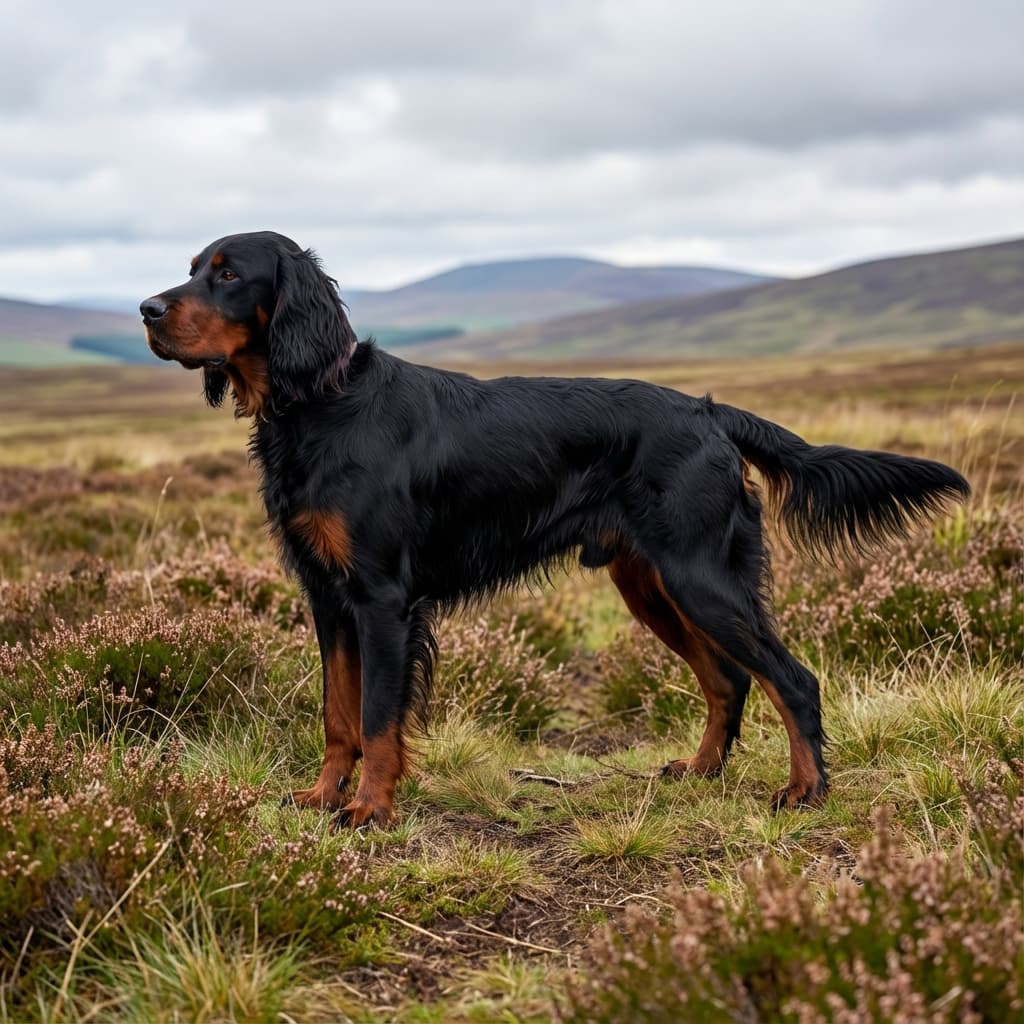
It is the largest and most massive of all setters, making it an impressive representative of its breed. Its muscular build and harmonious proportions allow it to run for long periods in difficult terrain and effectively hunt various species of birds. The characteristic jet black coat with rich chestnut markings gives it an extraordinary elegance that is hard to overlook. Its long, silky hair forms beautiful fringes on the ears, belly, and limbs, requiring regular grooming to maintain its charm and avoid matting.
Key features of the Gordon Setter:
- The largest of all setters (62-66 cm in height)
- Exceptional endurance and strength in hunting
- Characteristic black and chestnut coat
- Long, silky fur with elegant fringes
- Extraordinary loyalty to the family
The Scottish Setter - Gordon is an extremely sociable dog that loves to be the center of attention in the family and forms deep emotional bonds with its caregivers. It is full of energy and passion for work, making daily exercise and mental stimulation essential for its physical and mental health. Its friendly yet alert temperament makes it an excellent fit for homes with children. Despite its large stature and strength, the Gordon Setter is incredibly affectionate, gentle, and loyal to its caregivers, making it an ideal companion for everyday life.
However, it is important to remember that setters are emotionally sensitive dogs and need close contact with the family. Lack of proper socialization or prolonged periods of solitude can lead to anxiety and behavioral issues. Therefore, it is crucial to provide appropriate training based on positive reinforcement and contact with other dogs and people from a young age. A well-trained and socialized Scottish Setter - Gordon can bring a lot of joy and become an inseparable, beloved member of the family for many years.
We invite you to continue reading, where you will find detailed information about health, grooming, physical activity, training, nutrition, fascinating history, appearance, and behavior of this extraordinary breed. With this complete guide, you will discover all aspects of life with a Scottish Setter - Gordon and find out if this wonderful breed will be the perfect choice for you and your family.
The Gordon Setter is a dog with a dignified and elegant silhouette, resembling the build of a strong hunting horse capable of carrying weight throughout a day of hunting. Their body structure is harmonious and symmetrical in all proportions, making them incredibly agile, durable, and full of grace. According to the FCI breed standard, the height at the withers is:
- Males: 66 cm (tolerance 62-66 cm)
- Females: 62 cm (tolerance 58-62 cm)
- Weight: from 25.5 to 29.5 kg depending on gender and build
The characteristic head of the Gordon Setter is rather deep than wide, with the length from the occiput to the stop greater than from the stop to the nose. The skull is slightly rounded, widest between the ears, showing a well-developed brain. The nose is large, wide, with open nostrils and always black in color. The muzzle is long with almost parallel lines, neither pointed nor tapered, with a depth nearly equal to its length.
The eyes are dark brown, bright, and full of life, neither deeply set nor protruding, placed sufficiently under the eyebrows, showing a sharp and intelligent gaze. The ears are medium-sized, thin, set low, and close to the head. The coat is of medium length on most of the body, smooth and shiny without a tendency to curl. On the ears, under the belly, on the chest, the back of the limbs, and on the tail, the hair forms long, elegant fringes.
The coloration is characteristic and unique - jet black with rich chestnut markings of deep shade. The markings appear:
- Two distinct spots above the eyes (no more than 2 cm in diameter)
- On the sides of the muzzle (not extending above the nose)
- On the throat, two large spots on the chest
- The inner side of the hind limbs, thighs expanding outward
- Around the anus, on the pads of the feet
- A thin black line along the back of each toe is permissible
The tail is straight or slightly curved in a sabre shape, carried horizontally or below the line of the back, never raised above. In motion, Gordon Setters move smoothly and gracefully in a gallop, presenting a characteristic, stylish movement with a high-held head, highlighting their agility, strength, and noble lineage.
The Gordon Setter is a dog with a friendly, dignified, and sociable temperament, who is extremely loyal to its family. According to the FCI standard, this breed is intelligent, capable, and dignified, brave, lively, with a gentle and balanced character. Their temperament is stable and predictable, although they may be somewhat wary of strangers upon first contact, making them good guardians of the home without excessive aggression.
In relationships with children, they are extremely affectionate, gentle, and tolerant, which makes them ideal playmates for older children. However, it is important to remember that due to their high energy, strength, and enthusiasm, playtime with small children should be supervised by adults to avoid accidental pushing or injuries. Gordon Setters love to participate in all family activities and do not cope well with prolonged solitude.
Key personality traits:
- Intelligent and easy to train with the right approach
- Loyal and devoted to their family for life
- Lively and full of energy, needing activity
- Gentle and patient with children
- Alert and attentive, good guardians without aggression
- Emotionally sensitive, poorly coping with loneliness
Gordon Setters are very intelligent and respond well to training; however, their independent and sometimes stubborn nature can cause them to resist monotonous or harsh training methods. Therefore, training should be based on positive reinforcement, consistency, and regular, varied sessions to maintain their attention and motivation. Setters also have a strong hunting instinct and a tendency to seek adventures and track scents, so it is important to provide them with adequate space to run and explore in a safe, fenced area.
Without the appropriate amount of physical activity and mental stimulation, they can become destructive, excessively noisy, or develop behavioral problems such as excessive barking or digging in the garden. Owners should be prepared to dedicate a significant amount of time to daily walks, play, and interaction with the dog, which will contribute to its happiness, well-being, and balanced behavior at home.
The Gordon Setter is generally a healthy and resilient breed of dog, with an average lifespan ranging from 10 to 14 years, with many individuals reaching the age of 12-13 years with proper care. A key element of the health of this breed is regular, intense physical activity, which helps maintain their weight within normal limits, builds muscle, and prevents obesity-related diseases and joint problems. Setters tend to gain weight, especially in older age or with insufficient activity, so it is important to provide them with adequate exercise and a balanced, high-quality diet.
Common health issues in the breed:
- Hip Dysplasia (HD) - puppies should be chosen from parents with BVA/FCI testing
- Elbow Dysplasia (ED) - can cause lameness and pain
- Gastric Dilatation (GDV) - potentially fatal, requires immediate veterinary intervention
- Hypothyroidism - can affect the dog's metabolism and energy
- Progressive Retinal Atrophy (PRA) - degenerative eye disease leading to blindness
- Cataracts - may develop in older age
- Epilepsy - occasionally occurs in the breeding line
To minimize the risk of bloat, which is particularly dangerous for deep-chested breeds like setters, it is recommended to:
- Feed the dog 2-3 smaller meals a day instead of one large meal
- Avoid intense exercise immediately before and after eating (1 hour break)
- Use slow-feeding bowls for dogs that eat too quickly
- Provide calm and relaxation during feeding
Therefore, it is crucial to regularly monitor the dog's health with a veterinarian (at least once a year, and twice a year in older age), conduct recommended screenings, and provide appropriate preventive care. When choosing a puppy, always check the health tests of the parents for dysplasia, eye problems, and thyroid issues, which significantly reduces the risk of these conditions in the offspring.
The grooming of the Gordon Setter is extremely important due to its long, silky coat with rich fringes. It requires regular, systematic brushing with a bristle brush and a metal comb to prevent matting and tangling of the hair, especially around the ears, belly, chest, and the back of the legs, where the coat is longest and most abundant.
Basic grooming schedule:
- Brushing - at least 2-3 times a week (15-20 minutes), daily during shedding periods
- Bathing - every 6-8 weeks or when the dog is dirty, using gentle shampoos for long-haired breeds
- Trimming - every 8-12 weeks to maintain shape (hair between the toes, around the paws and ears)
- Nails - trimming every 3-4 weeks or when you hear them clicking on the floor
- Ears - checking and cleaning weekly (droopy ears are prone to infections)
- Teeth - brushing 2-3 times a week to prevent tartar buildup
During shedding periods, which typically occur twice a year (spring and autumn), the frequency of brushing should be increased to daily to remove dead hair and speed up the shedding process. During bathing, it is important to use gentle, moisturizing shampoos that do not dry out the skin or damage the natural protective oils. After bathing, it is advisable to thoroughly dry the ears and check for any signs of irritation, as moisture accumulation in the ear canals can lead to painful bacterial or fungal infections.
In addition, regular health checks during grooming allow for early detection of problems:
- Checking the skin under the coat (detecting ticks, fleas, irritations)
- Inspecting the ears for odor or discharge (signs of infection)
- Assessing the condition of the teeth and gums (preventing periodontal disease)
- Checking the paw pads for cuts or cracks
Keeping the Gordon Setter clean and caring for its beautiful coat contributes not only to aesthetics and an elegant appearance but also to the overall well-being of the dog, skin health, and thermal comfort. Neglected fur can cause discomfort, skin problems, and loss of the characteristic, shiny appearance of this noble breed.
The Gordon Setter is a breed of dogs with very high energy and endurance, requiring a significant amount of intense exercise every day. Due to their high stamina, natural hunting instincts, and extraordinary passion for working in the field, long walks and intense, varied play are essential. The daily activity should amount to at least 1.5 to 2 hours, and ideally 2-3 hours for young, healthy individuals, which can include:
- Long walks in varied terrain (3-5 km daily)
- Running alongside a bicycle or as a jogging partner
- Fetch games with balls, artificial game, or frisbees
- Swimming - an excellent low-impact activity for the joints
- Forest walks with opportunities for tracking and exploring scents
- Play with other dogs in a dog park or open area
- Obedience training and scent games in the field
Gordon Setters love to run in a gallop and explore their surroundings, using their wonderful sense of smell to track scents, which is why they feel best in a spacious, safely fenced area where they can run freely off-leash. Ideal areas include forests, meadows, or open fields, where they can fully utilize their natural hunting instincts. It is important to remember that their strong tracking instinct may cause the dog to chase an interesting scent, so off-leash time should only occur in safe, controlled conditions.
Consequences of insufficient activity:
- Behavioral problems - anxiety, hyperactivity at home
- Destructive behaviors - chewing furniture, destroying items
- Excessive barking or howling out of frustration
- Weight and physical condition issues
- Depression and apathy in dogs that are not exercised enough
- Training difficulties due to excess energy
Therefore, it is extremely important for Setter owners to be active, engaged, and sport-oriented, ready for daily long activities with their dogs regardless of the weather. It is also worth considering introducing sports activities such as:
- Agility - an obstacle course that develops agility and obedience
- Obedience - advanced obedience training
- Trailing/Tracking - scent tracking, utilizing hunting instincts
- Field trials - working trials for hunting dogs
- Canicross - running in harness with a dog
These activities will not only allow for physical exertion but also provide essential mental stimulation, which is extremely important for this intelligent and working breed. A physically and mentally tired Gordon Setter is a calm, balanced, and happy companion at home.
The training of the Gordon Setter should begin as early as possible, from 8-10 weeks of age, to introduce the puppy to appropriate habits and behaviors and to prevent the development of undesirable behaviors. This breed is intelligent, capable of learning, and eager to cooperate, but it can also be quite stubborn and independent, which means that owners should be consistent, patient, and persistent in the training process.
Key principles of effective training:
- Positive reinforcement - praise, treats, play as rewards
- Consistency - the same rules from all family members
- Short sessions - 10-15 minutes several times a day (avoiding boredom)
- Variety - changing exercises and training locations
- Patience - avoiding frustration and harsh methods
- Early start - socialization and basics from puppyhood
It is crucial that training is based solely on positive reinforcement methods, such as verbal praise, petting, treats, and favorite toys, as harsh, punitive methods can lead to behavioral problems, decreased trust in the dog, and the development of anxiety. Gordon Setters are emotionally sensitive and do not respond well to yelling, physical punishment, or excessive harshness - such an approach can completely discourage the dog from learning.
Gordon Setters are extremely sensitive and need a lot of socialization and positive interactions with other dogs, people of various ages, animals, and diverse situations, which will help them become confident, balanced, and social individuals. Socialization should begin in the breeding environment and be continued intensively until 16-20 weeks of age (the critical period), and then throughout the dog's life.
Priority areas of training:
- Basic commands - sit, stay, come, leave it, heel (the foundation of obedience)
- Recall - reliable coming when called (safety)
- Leash walking - no pulling, loose leash
- Being alone - gradually getting used to short absences
- Control of hunting instinct - not chasing cats, birds, squirrels
- Meetings with strangers - polite greetings without jumping
Regular, fun, and engaging training sessions will help maintain the dog's attention and make learning enjoyable for both parties. It is important to not allow puppies to develop bad habits (such as jumping on people, biting hands, pulling on the leash), as correcting them later can be much more difficult and time-consuming. What is fun for an 8-week-old puppy becomes a problem for a 30-kilogram adult dog.
Gordon Setters excel in advanced forms of training such as field trials, tracking, obedience, or nosework, which utilize their natural abilities and intelligence. These activities are an excellent way to build a bond with the dog and tap into its full potential.
The diet of the Gordon Setter should be high-quality, balanced, and tailored to its high level of activity, age, health status, and physical condition. It is recommended to provide premium food (dry or wet), containing appropriate proportions of animal protein (minimum 25-30% for active adult dogs), fat (12-18%), and carbohydrates to support their energy, healthy musculature, and overall health.
Ingredients to pay attention to when choosing food:
- Animal protein as the first ingredient (chicken, beef, fish, lamb)
- Healthy fats - omega-3 and omega-6 for healthy coat and skin
- Glucosamine and chondroitin - support for joints (important for large breeds)
- Fruits and vegetables - source of vitamins, minerals, and fiber
- No artificial additives - avoid colors, preservatives, fillers (corn, wheat in large quantities)
Owners should pay special attention to the composition of the food and avoid low-quality products with artificial substances, excessive grains as fillers, and meat of unknown origin, which can be harmful to the dog's health and lead to food allergies or digestive problems.
Feeding schedule for Gordon Setters:
- Puppies (2-6 months) - 3-4 meals a day, large breed puppy food
- Young dogs (6-12 months) - 2-3 meals a day, gradual transition to adult food
- Adult dogs (1-7 years) - 2 meals a day (preferably morning and evening)
- Seniors (7+ years) - 2 meals a day, senior food with reduced calories
Setters, due to their high activity and large size, may require a higher amount of calories than average dogs of their weight - especially during intense hunting or training seasons. However, it is also important to prevent overeating and obesity, which can strain the joints and lead to serious health issues.
Preventing gastric dilatation-volvulus (GDV) through proper feeding:
- Providing 2-3 smaller meals instead of one large meal
- Avoiding exercise 1 hour before and after meals
- Feeding in a calm atmosphere without stress and competition
- Using slow-feeding bowls for fast eaters
- Ensuring access to water at all times, but not in large amounts immediately after meals
It is also important to ensure the dog has access to fresh, clean water at all times, especially during hot days, after intense exercise, and in the summer when they may need it significantly more. Regularly monitoring the dog's weight, physical condition (BCS - Body Condition Score), and adjusting food portions according to its activity level will help maintain a healthy weight and prevent obesity or underweight issues.
Characteristic Traits
Pros
- Intelligent and eager to learn
- Exceptionally loyal and devoted to family
- Friendly with children and gentle in nature
- Elegant appearance with noble lineage
- Excellent hunting dog with a strong instinct
- Energetic and active companion for athletes
- Good guard without excessive aggression
- Resilient and tough in harsh conditions.
Cons
- Requires regular and time-consuming coat care
- Needs a lot of physical activity (2-3 hours a day)
- May be emotionally sensitive and anxious without socialization
- Does not cope well with prolonged loneliness
- Can be stubborn and independent in training
- Strong hunting instinct (chases birds
- squirrels)
- Not suitable for inactive people
- Endangered breed (limited availability of puppies)
Behavioral Ratings
Breed History
The Gordon Setter has a long, rich, and fascinating history that dates back to at least the 15th century when it was bred in Scotland as a specialized hunting dog for bird hunting. Its name comes from Gordon Castle in Banffshire in northeastern Scotland, where it was bred by aristocratic families, particularly by the fourth Duke of Gordon - Alexander Gordon in the late 18th and early 19th centuries. It was the Duke of Gordon who refined and stabilized the breed, giving it its distinctive black and tan appearance and excellent hunting abilities.
Key stages in the breed's development:
- 15th-17th century - Early mentions of black and tan setters in Scotland
- 1820-1827 - The Duke of Gordon actively develops breeding at Gordon Castle
- 1842 - First exports to America and other countries
- 1872 - Official recognition of the breed by the Kennel Club in the UK
- 1892 - Recognition by the American Kennel Club (initially as Gordon Castle Setter)
- 1924 - Official name change to Gordon Setter in America
Originally, Gordon Setters were used for hunting various species of game birds - pheasants, partridges, grouse, and snipe. Their unique skills in tracking, pointing (the characteristic 'point' stance), and retrieving made them invaluable helpers for hunters on the Scottish moors and mountainous terrains. Compared to other setters, the Gordon was the largest, strongest, and most resilient, capable of working in the toughest terrain and weather conditions.
Over the years, Gordon Setters gained popularity not only as working dogs but also as companion dogs, and their elegant appearance, intelligence, and friendly disposition contributed to their recognition among families and breeders worldwide. In the 19th century, this breed began to be increasingly appreciated at dog shows, and their appearance was standardized by kennel organizations. The Gordon Setter became a symbol of elegance, nobility, and class, making it a favorite not only among hunters but also among the aristocracy and ordinary families.
The breed's situation today:
Unfortunately, in recent decades, the popularity of this wonderful breed has significantly declined, especially in the UK, leading to its current recognition by the Kennel Club as a vulnerable native breed - in 2016, only about 200 puppies were registered annually. This is a dramatic drop compared to the mid-20th century when the breed was much more popular. The main reasons include the rising popularity of other setter breeds (Irish, English) and the general decline in interest in hunting dogs in urban society.
Therefore, it is extremely important to promote this breed, highlight its unique traits and values, and support responsible breeding that preserves the health, character, and working abilities of this historical breed. Gordon Setters deserve protection as part of Scotland's canine heritage and a testament to centuries of hunting tradition.