Dutch Smoushond
FCI Group
2• FCI 308
Size
Small
Origin Country
NL
Height
35-42 cm
Weight
7-11 kg
Lifespan
12-14 years
Temperament
Overview
The Hollandse Smoushond is a Dutch dog breed with a charmingly appealing appearance and friendly disposition, whose history dates back to the 19th century. Initially, they served as stable dogs for gentlemen – effective rat catchers and other rodents in the stables of wealthy horse owners. With a combination of intelligence, loyalty, and a cheerful temperament, the Hollandse Smoushond has become an excellent companion dog, ideal for families, seniors, and those seeking a loyal and low-maintenance companion.
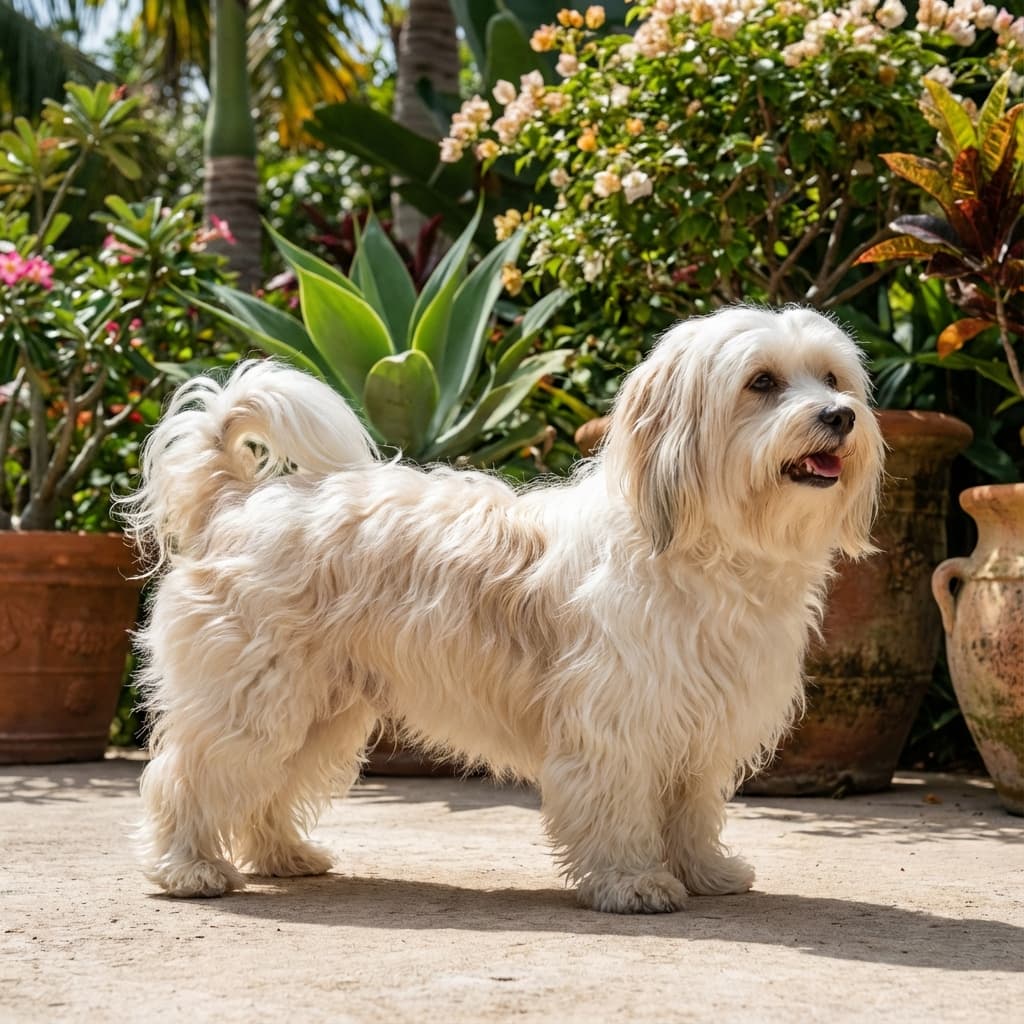
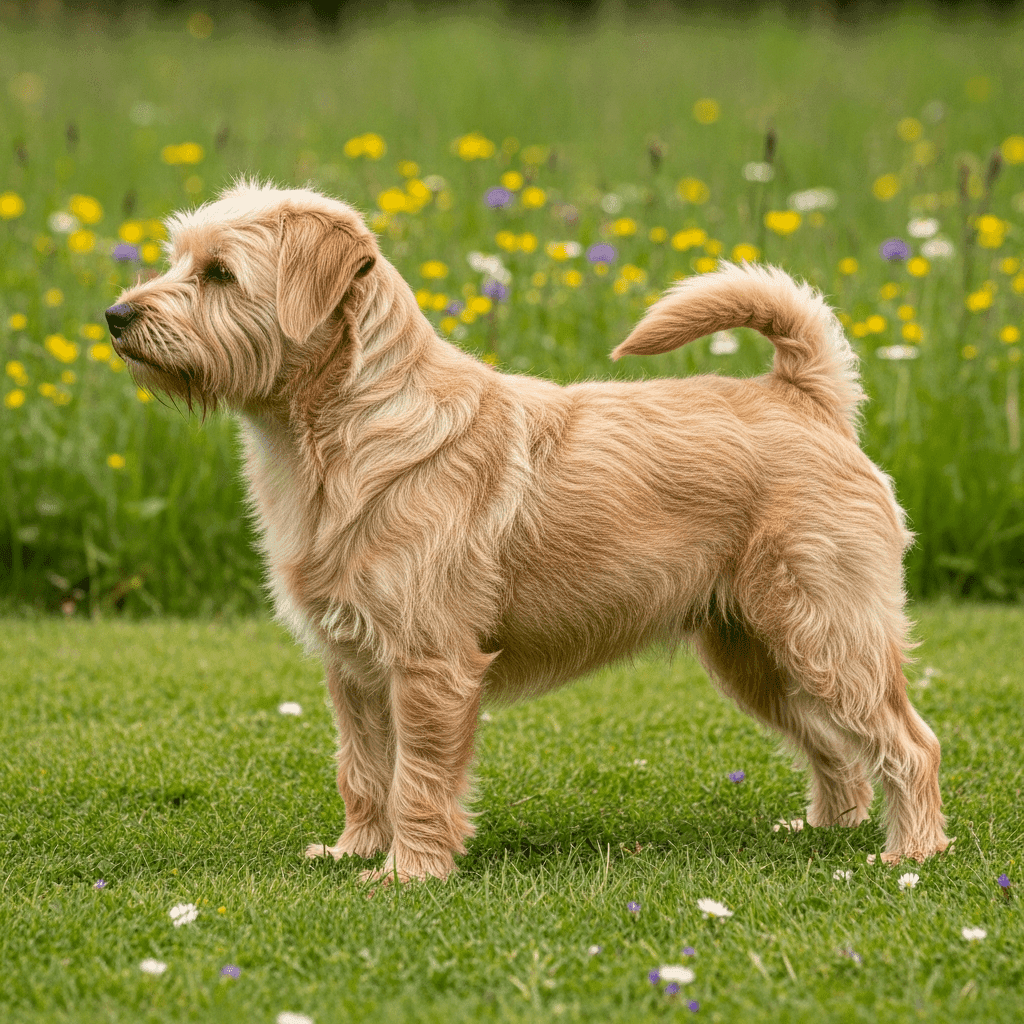
The most characteristic feature of this breed is its rough, straw-yellow coat, which gives the dogs a unique, somewhat tousled appearance. Their strong, square build and small size (35-42 cm at the withers) make them agile and energetic companions, well-suited for both apartment living and homes with gardens. Their dark, round, expressive eyes and hanging, triangular ears add to their charming, friendly facial expression.
In terms of temperament, the Hollandse Smoushond is a breed that is extremely sociable, cheerful, and devoted. These dogs thrive in families with children – they show patience, gentleness, and a true love for play. They are not overly noisy or aggressive, making them ideal residents of both single-family homes and small apartments. The Hollandse Smoushond has average intelligence, but they are eager to learn basic commands and tricks, especially when training occurs in a positive, rewarding atmosphere.
The exercise needs of this breed are moderate – two solid walks a day and occasional outdoor play fully satisfy their energy. This makes the Hollandse Smoushond a great fit for active individuals, as well as those who prefer more leisurely, recreational walks. It is worth noting that these dogs have innate hunting instincts and may show interest in small animals – therefore, proper precautions should be taken during off-leash walks.
Despite their rich history and many advantages, the Hollandse Smoushond remains one of the rarer breeds, even in their homeland – the Netherlands. After nearly becoming extinct during World War II, the breed was revived thanks to the determination of Dutch breeders in the 1970s. Today, these charming dogs typically live 12-14 years, enjoying good health and providing reliable companionship for many years.
In the following chapters, we will discuss all aspects of life with a Hollandse Smoushond – from health and grooming, to exercise and training, as well as diet, history, appearance, and characteristic behavioral traits of this exceptional breed. We invite you to continue reading!
The Hollandse Smoushond is a small dog with a strong, square build. The height at the withers ranges from 35 to 42 cm, while the weight fluctuates between 9-10 kg, although FCI standards indicate a range of 7-11 kg. The body proportions are harmonious, and the build is stocky and compact, giving an impression of solidity while maintaining great agility.
The head is short and wide, with a slightly domed skull and a rounded forehead. The eyes are large, round, and dark brown, full of expression and liveliness, which give the dog a friendly, open appearance. The ears are small, triangular, and hanging, set high on the head, which further emphasizes the characteristic expression of this breed.
The coat is the most recognizable feature of the Hollandse Smoushond. It is rough, hard, and straight, with a length of 4-7 cm. It covers the entire body in a disheveled, slightly tousled manner, giving the dog a natural, rustic look. The color is uniformly yellow in various shades – from light straw to deeper honey yellow. This coloration is characteristic exclusively of this breed and serves as its hallmark.
The limbs are strong, well-muscled, and perpendicular to the ground, providing the dog with stability and agility in movement. The paws are compact, round, with well-arched toes. The tail is short, carried happily, usually at the level of the back or slightly above, but never curled over the back.
The overall appearance of the Hollandse Smoushond exudes confidence, energy, and friendliness. This dog should never give the impression of being sluggish, clumsy, or exhausted – on the contrary, its silhouette and posture indicate a readiness for play, movement, and close contact with humans. It is an excellent example of a small working breed that has successfully transformed into a beloved companion dog.
The Hollandse Smoushond is a breed characterized by a friendly, cheerful, and sociable temperament. They are dogs that are extremely devoted to their owners, forming deep emotional bonds with them. Thanks to their gentleness and patience, they thrive in families with children, who they love sincerely and enjoy playing with. The Hollandse Smoushond is a joyful companion who eagerly participates in all family activities.
Despite their energetic nature, the Hollandse Smoushond can also remain calm and exhibits a balanced character – as long as they are provided with the right amount of exercise and mental stimulation. Dogs of this breed can manage being alone for a few hours, making them suitable companions for working individuals. However, it is important to remember that prolonged periods alone can lead to boredom and undesirable behaviors, such as chewing or excessive barking.
The Hollandse Smoushond displays average intelligence, which does not mean they are difficult to train – on the contrary, they willingly cooperate with their owner and enjoy learning new commands and tricks. The key to successful training is positive reinforcement and patience. These dogs love to please their guardians, so rewarding good behavior yields excellent results.
In contact with strangers, the Hollandse Smoushond is open and friendly, though not intrusive. They do not show aggression towards unknown people, making them good companion dogs, but they can signal the presence of guests with gentle barking. Their tendency to bark is moderate and can be easily controlled through consistent training.
The Hollandse Smoushond gets along well with other dogs and pets, especially if properly socialized from puppyhood. However, it is worth remembering their hunting instincts – this breed has historically been used for hunting rodents, so they may show interest in small animals such as cats, rabbits, or hamsters. Proper socialization and training can significantly reduce these behaviors.
In summary, the Hollandse Smoushond is a loyal, joyful, and versatile companion that brings a lot of love, energy, and a positive atmosphere into the home. Their balanced temperament, gentleness towards children, and friendly attitude towards people and animals make them ideal dogs for families seeking a devoted and easy-to-live-with companion.
The Hollandse Smoushond is a breed generally considered to be healthy and resilient, although like any breed, it may be susceptible to certain genetic and acquired conditions. The average lifespan of these dogs is 12-14 years, which is relatively long for small-sized dogs. Proper grooming, a balanced diet, and regular physical activity can significantly impact the quality and length of life of representatives of this breed.
Common health issues that may affect the Hollandse Smoushond include:
- Hip dysplasia – abnormal development of the hip joint, which can lead to pain, limping, and arthritis. Regular veterinary check-ups can help in the early detection of this condition.
- Patellar luxation – dislocation of the kneecap, common in small breeds, which can cause limping and discomfort. In severe cases, it may require surgical intervention.
- Cataracts – gradual clouding of the eye's lens, leading to vision loss. Older dogs are more susceptible to this problem.
This breed is also sensitive to extreme weather conditions – both heat and cold. Their coat, although dense, does not provide sufficient protection in very low temperatures, so in winter, it is advisable to ensure additional warmth during walks. In summer, excessive physical exertion on hot days should be avoided, and access to shade and fresh water should be provided.
The Hollandse Smoushond has a tendency to gain weight, especially if it does not receive enough exercise or is overfed. Obesity can lead to serious health problems such as diabetes, heart disease, or worsening joint conditions. Therefore, owners should regularly monitor their dog's weight and adjust food portions according to its activity level.
Regular veterinary visits, vaccinations, deworming, and prevention of external parasites (ticks, fleas) are crucial for maintaining the health of the Hollandse Smoushond. It is also advisable to conduct periodic blood tests and imaging studies, especially in older individuals, to detect potential health issues early.
In summary, the Hollandse Smoushond is a strong and healthy breed that, with proper veterinary care, a balanced diet, and regular activity, can enjoy a long and happy life alongside its family.
Grooming a Hollandse Smoushond requires regularity, but it is not overly demanding. A key element is proper care for the rough, hard coat, which gives this breed its characteristic appearance. With systematic grooming, the dog will not only look attractive but will also feel comfortable and healthy.
Brushing should take place at least once a week, preferably 2-3 times a week, to remove dead hair, dirt, and prevent matting. Brushes with stiff bristles or metal combs work best for grooming. Regular combing also helps maintain the coat's structure and stimulates the skin, improving blood circulation.
The Hollandse Smoushond does not shed excessively, but during seasonal shedding periods (spring and autumn), it is advisable to increase the frequency of brushing to remove loose hairs and minimize their presence in the home. Dogs of this breed do not require frequent trimming, but it is worth regularly trimming long hair in the ears, on the paws, and around the eyes to prevent tangling and maintain hygiene.
Professional grooming at a groomer should occur 2-3 times a year. A groomer can perform hand stripping, which involves manually pulling out dead hair, allowing the coat to retain its hard structure and natural appearance. Clipping with a machine is not recommended, as it can make the coat soft and lose its characteristic rough texture.
Ear hygiene is another important aspect of grooming. The hanging ears of the Hollandse Smoushond are prone to moisture and dirt accumulation, which can lead to infections. Ears should be regularly checked and cleaned with a gentle dog-specific solution, using cotton balls or sterile gauze. Never insert cotton swabs deeply into the ear canal.
Dental care is crucial for oral health and the overall well-being of the dog. It is recommended to brush the dog's teeth 2-3 times a week with a special toothbrush and dog toothpaste. Regular cleaning prevents tartar buildup, gum disease, and bad breath. Additionally, dental chews can be used to mechanically clean the teeth.
Nail trimming should be done regularly, usually once a month, to avoid excessive growth, which can lead to discomfort and walking problems. If the nails click on the floor while walking, it is a sign that they are too long. You can seek help from a veterinarian or groomer if you lack experience in trimming nails.
Bathing should not be too frequent – usually, a bath every 6-8 weeks is sufficient or as needed, for example, after getting dirty. Over-bathing can weaken the natural protective layer of the skin and coat. Gentle shampoos designed for dogs should be used, and after bathing, the coat should be thoroughly dried, especially on cooler days.
Grooming a Hollandse Smoushond can be time-consuming, but it is a necessary element of care that affects the dog's appearance, health, and comfort. Proper care of the coat, ears, teeth, and nails will ensure that our four-legged friend looks great and feels wonderful throughout their life.
The Hollandse Smoushond is a breed with moderate exercise needs, which performs excellently in both homes with gardens and apartments, provided that an adequate amount of physical activity is ensured. Although these dogs are relatively energetic, they do not require extreme exertion, making them ideal companions for people with various lifestyles.
Two solid walks a day, lasting a total of about an hour, should fully satisfy the exercise needs of the Hollandse Smoushond. Walks should be varied – it is worth allowing the dog to explore the surroundings, sniff trails, and interact with other dogs. Regular physical activity is crucial not only for physical health but also for mental well-being and preventing boredom, which can lead to destructive behaviors.
Besides walks, the Hollandse Smoushond loves outdoor play. Swimming is one of their favorite activities – if we have access to a safe body of water, it is worth regularly allowing the dog to swim, which is an excellent form of full-body exercise. Other activities, such as fetching a ball, frisbee, or playing hide and seek, also work great as a complement to the daily exercise routine.
It is important to remember that the Hollandse Smoushond has inherent hunting instincts, which means they may show interest in small animals like squirrels, rabbits, or birds. Therefore, during off-leash walks, one should remain vigilant and ideally choose safe, fenced areas. Teaching the dog a strong recall (commands Here or Come) is essential for ensuring their safety.
Lack of sufficient exercise can lead to overweight, boredom, and undesirable behaviors, such as excessive barking, chewing furniture, or digging in the garden. On the other hand, regular physical activity brings numerous benefits:
- Maintaining a healthy weight and physical condition
- Strengthening the skeletal and muscular systems
- Improving mental health and reducing stress
- Better behavior at home – a tired dog is a calm dog
- Strengthening the bond between the dog and the owner
A balanced exercise routine is the foundation of a happy life for the Hollandse Smoushond. The right amount of exercise keeps the dog content, healthy, and full of energy while maintaining calmness and balance in daily life. Remember that every dog is an individual – it is worth adjusting the intensity and type of activity to the age, condition, and preferences of our four-legged friend.
The Hollandse Smoushond is a breed that enjoys a good reputation for trainability. These dogs are intelligent, eager to cooperate, and love to please their owners, making them a joy to train. The key to success is the use of positive training methods based on rewarding good behavior, patience, and consistency.
Socialization should begin as early as possible – ideally from the 8th week of the puppy's life. Early socialization involves exposing the dog to various people, animals, sounds, places, and situations. This helps the Hollandse Smoushond grow into a confident, balanced, and friendly dog that is not afraid of new experiences. It is beneficial to participate in group puppy classes that support socialization and teach basic behavioral rules.
Basic commands are the foundation of good manners. The Hollandse Smoushond should master commands such as:
- Sit – the basis of obedience
- Lie down – control in various situations
- Stay – safety and self-discipline
- Come (recall) – the most important safety command
- Leave it – protection against eating dangerous items
Training should take place in short, regular sessions (10-15 minutes, 2-3 times a day) to maintain the dog's focus and avoid fatigue. The Hollandse Smoushond responds best to positive reinforcement – rewards in the form of treats, verbal praise, and petting motivate him to learn and make training enjoyable for both parties.
Harsh training methods, such as yelling, physical punishment, or coercion, are completely inappropriate and harmful. They can lead to frustration, anxiety, decreased self-confidence, and even aggression. The Hollandse Smoushond is a sensitive dog that learns best in an atmosphere of trust, calmness, and positive motivation.
Thanks to its friendly temperament, the Hollandse Smoushond excels in group training, which promotes socialization and interaction with other dogs. Participation in obedience courses, agility classes, or nosework can be a great form of mental and physical stimulation, as well as strengthening the bond between the dog and the owner.
It is also worth teaching the Hollandse Smoushond a strong recall, as this breed has moderate tendencies to escape and hunting instincts that may drive it to chase small animals. Recall training should be conducted gradually – first in a controlled environment (garden, fenced areas), and then in more distracting conditions (park, forest).
Regular mental exercises are just as important as physical activity. Dog puzzles, scent games, learning new tricks, or interactive games help keep the Hollandse Smoushond's mind in good shape and prevent boredom.
In summary, the Hollandse Smoushond is a breed that is easy to train, which not only eagerly learns new things but also enjoys interacting with its owner. Training based on positive methods, patience, and consistency will yield excellent results and ensure that our four-legged friend becomes a well-behaved, obedient, and happy companion in life.
The diet of the Hollandse Smoushond should be balanced, high-quality, and tailored to the individual needs of the dog, taking into account its age, weight, activity level, and health status. Since these are small dogs, their caloric needs are moderate, but proper nutrition is crucial for maintaining health, energy, and physical condition.
High-quality food should form the basis of the Hollandse Smoushond's diet. It is best to choose food that contains appropriate animal proteins (chicken, beef, fish), healthy fats (omega-3 and omega-6), and low glycemic index carbohydrates (rice, sweet potatoes, vegetables). The composition of the food should be adjusted to the dog's age:
- Puppies – food for small breed puppies, rich in protein and calcium, supporting the development of bones and muscles
- Adult dogs – food for adult small breed dogs, balanced in terms of nutrients
- Seniors (8+ years) – food for older dogs, containing fewer calories and more ingredients that support joints and the digestive system
Owners can choose between dry and wet food. Dry food is convenient, helps in mechanically cleaning teeth, and is usually cheaper. Wet food is more palatable and hydrating, which can be beneficial for dogs that drink little water. Many owners use a mixed diet, combining both forms of food.
Avoiding overfeeding is extremely important, as the Hollandse Smoushond tends to gain weight, which can lead to serious health issues such as:
- Diabetes
- Heart disease
- Deterioration of joint condition and dysplasia
- Respiratory problems
- Shortened lifespan
Owners should regularly monitor the dog's weight and adjust food portions according to the level of physical activity. The approximate daily portion of food for a Hollandse Smoushond weighing 9-10 kg is about 150-200 g of dry food, divided into two meals (morning and evening). It is advisable to follow the manufacturer's recommendations and consult the diet with a veterinarian.
Healthy treats can complement the diet but should constitute a maximum of 10% of daily caloric intake. Suitable treats include:
- Carrots, apples, broccoli (without seeds and in small amounts)
- Special low-calorie dog treats
- Dried meat (without spices and salt)
- Natural dental chews
It is important to avoid giving:
- Chocolate, coffee, alcohol (toxic to dogs)
- Onions, garlic, grapes, raisins (poisonous)
- Poultry bones (can splinter and damage the digestive tract)
- Salty snacks and fast food
Water should always be available – fresh, clean, and regularly changed. Proper hydration is crucial for the body's proper functioning, especially on hot days and after intense physical activity.
If the owner is considering a homemade diet (BARF or cooked meals), it is advisable to consult with a veterinarian or pet nutritionist to ensure that the diet is complete and provides all necessary nutrients.
In summary, a well-balanced diet will help keep the Hollandse Smoushond in excellent condition, provide energy, and support health throughout its life. Regular weight monitoring, portion adjustments, and choosing high-quality food are the foundations of proper nutrition for this charming breed.
Characteristic Traits
Pros
- Friendly and cheerful temperament
- Gets along well with children
- Easy to care for
- Not excessively noisy
- Healthy breed.
Cons
- Very rare outside of Holland
- Requires regular brushing
- Average intelligence
- Hunting instincts require control.
Behavioral Ratings
Breed History
The Hollandse Smoushond is a breed with a rich and fascinating history that dates back to the 19th century and is inextricably linked to the Netherlands. The origins of this breed are somewhat unknown, but it is widely believed that one of the ancestors of the Hollandse Smoushond was the yellow schnauzer, which played a key role in shaping the characteristic traits of this breed.
In the mid-19th century, Hollandse Smoushonds were immensely popular among the Dutch upper middle class. These dogs served as the so-called gentlemen's stable dogs – they accompanied horse and carriage owners, and their main task was to effectively hunt rats and other rodents in stables and farms. Due to their agility, intelligence, and tireless hunting instincts, Hollandse Smoushonds were highly valued by wealthy city dwellers.
These dogs were sold by dog traders in Amsterdam, particularly around the Amsterdam commodity exchange, where they attracted the attention of visiting merchants and gentlemen. Initially, they were called gentlemen's stable dogs, but soon the name changed to Smous, which in Dutch means rough, bearded. This name was intended to distinguish them from the Brussels Griffon, which was also popular at the time.
The first official breed standard was developed in 1905 by Mr. H.A. Earl van Bylandt, A. Woltmana Elpers, and L. Seegers. This standard defined the characteristic features of appearance, temperament, and structure of the Hollandse Smoushond, allowing for systematic breeding and preservation of the breed's purity.
Unfortunately, after a period of glory, the popularity of the Hollandse Smoushond began to decline. In the 20th century, especially during World War II, the breed nearly became extinct. The last registered litter in the Dutch pedigree book (Nederlands Honden Stamboek – N.H.S.B.) occurred in 1949. For the following decades, the Hollandse Smoushond was virtually absent, and many believed that the breed had been lost forever.
A true breakthrough occurred in 1973, when Mrs. H.M. Barkman van der Weel took the initiative to recreate the breed. Thanks to her determination, passion, and tireless efforts, it was possible to find dogs with traits similar to the original Hollandse Smoushond and to start a breeding program. The reconstruction process was long and complicated, but thanks to the commitment of breeders, the breed was brought back to life.
Today, the Hollandse Smoushond remains a rarity, even in its homeland – the Netherlands. This breed has not gained widespread popularity outside the country's borders, making it relatively unknown internationally. Nevertheless, the Hollandse Smoushond is valued by its owners as a loyal, friendly, and versatile companion that excels as a family dog.
Today, the Hollandse Smoushond is primarily known as a companion dog, although its hunting roots still manifest in everyday behavior – interest in small animals, agility, and energy. Their loyalty, devotion, and gentle nature make them excellent companions for families, seniors, and anyone seeking a reliable and joyful friend.
The Hollandse Smoushond is not just a dog – it is a part of Dutch culture and history, a living testament to the tradition of breeding working dogs and proof that even the most endangered breeds can be saved through determination and love for animals. Their presence in today's homes is a tribute to the rich past and the remarkable journey that this unique breed has undergone.