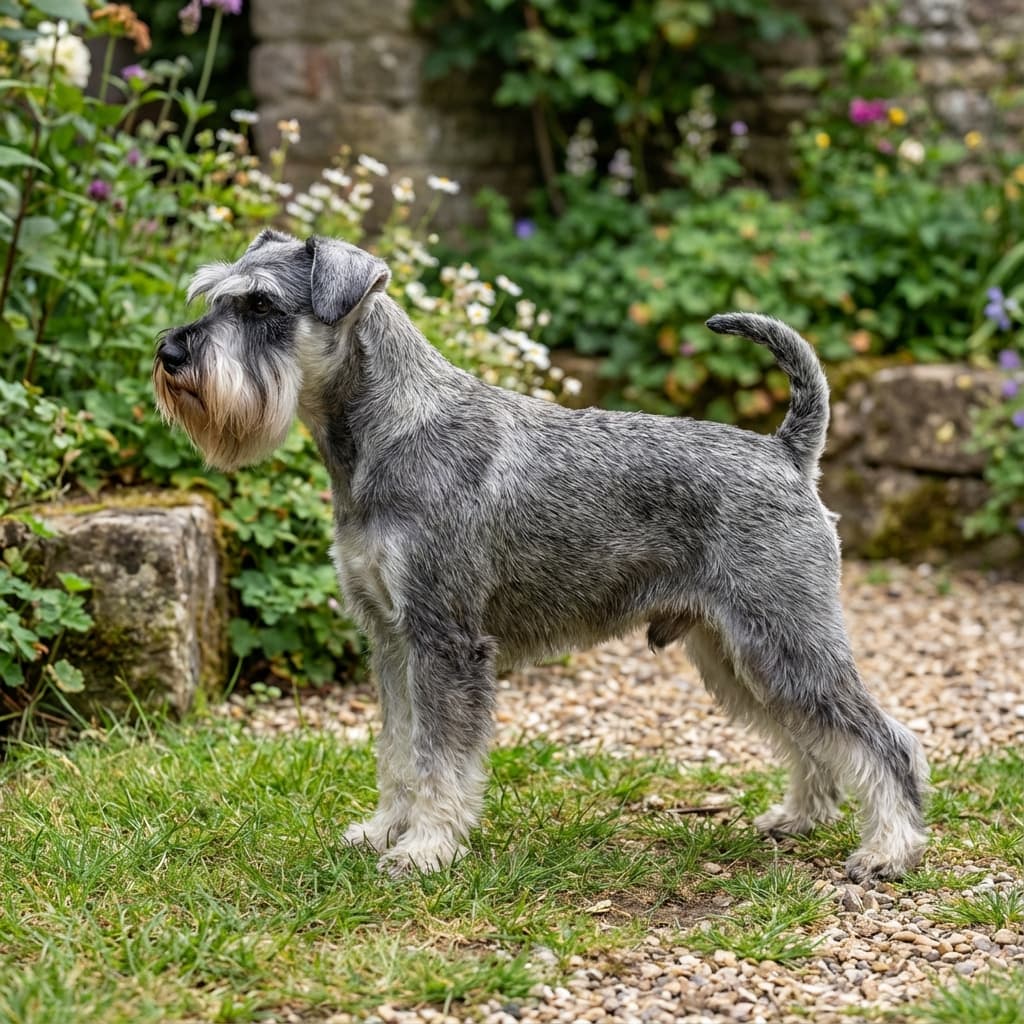
Miniature Schnauzer
FCI Group
2• FCI 183
Size
Small
Origin Country
DE
Height
30-35 cm
Weight
4-8 kg
Lifespan
10-15 years
Temperament
Overview
The Miniature Schnauzer, also known as Zwergschnauzer, is a fascinating breed with its roots in Germany. This small but incredibly strong dog was developed at the turn of the 19th and 20th centuries in the Frankfurt am Main region.
Originally referred to as the miniature wire-haired pinscher, it quickly gained recognition as a companion dog and home guardian. Its elegant and sturdy appearance makes it an ideal companion for people living in cities and suburbs.
Distinctive appearance features:
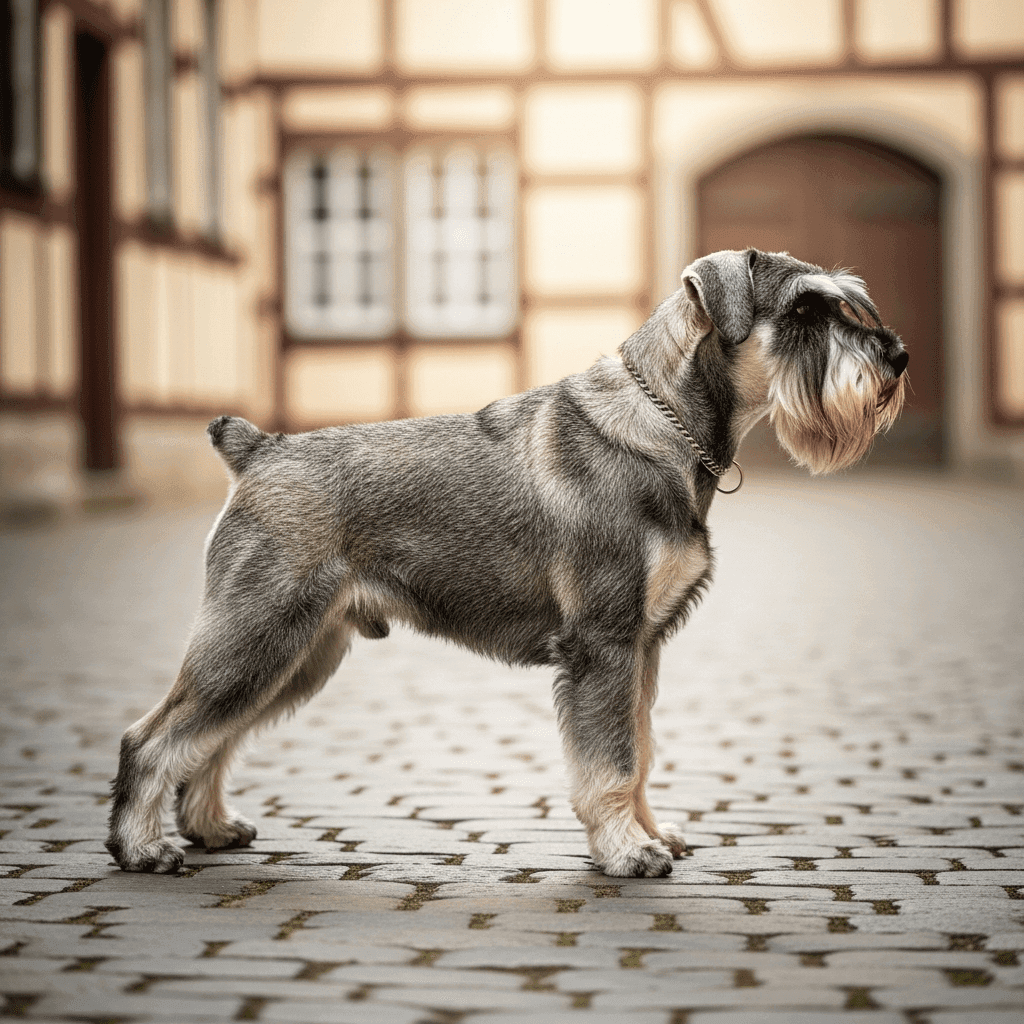
- Rough, dense, and hard coat with a thick undercoat
- Strong, square silhouette giving the dog an athletic look
- Characteristic beard and eyebrows that are the breed's trademark
- Height between 30 and 35 cm at the withers
- Weight from 4 to 8 kg
The head of the Miniature Schnauzer is well-defined, with a strong skull and a prominent occipital bump, giving it a distinctive, piercing expression. Its eyes are medium-sized, oval, and dark, adding to its intelligent gaze. The hanging ears, shaped like a V, make it extremely recognizable.
The Miniature Schnauzer is a dog with a balanced temperament. It is intelligent, alert, and brave, making it an excellent home guardian despite its small size. Due to these traits, it is also a wonderful companion for families with children and elderly individuals. Its ease of maintenance and characteristic beard and eyebrows add to its charm, attracting the attention of all dog lovers.
The Miniature Schnauzer is an ideal apartment dog. It can live there actively while being a great companion for the whole family. Although it does not require a huge living space, it needs regular walks and physical activity to maintain its health and well-being.
In the following sections of this guide, you will learn more about the health, grooming, activity, training, nutrition, history, appearance, and behavior of this exceptional breed. With this article, you will discover why the Miniature Schnauzer has gained such popularity worldwide and what makes it such a unique, loyal companion.
The Miniature Schnauzer is a small but sturdy dog characterized by a square silhouette – the height at the withers is nearly equal to the length of the body. This proportion gives it an athletic, compact appearance. Its height at the withers ranges from 30 to 35 cm, and its weight oscillates between 4 and 8 kg.
Head structure:
- Head proportional to the body, with a distinct occipital bump
- Flat top of the skull with well-developed eyebrows
- Length of the head (from the tip of the nose to the occiput) corresponds to half the length of the back
- Medium-sized, oval, dark, and lively eyes that give an intelligent expression
- Hanging ears in a V shape, set high on the head
Coat and coloration: The coat of the Miniature Schnauzer is rough, dense, and hard, with a well-developed thick undercoat. The guard hairs are long enough to assess their structure. Distinctive features include prominent eyebrows, a beard, and short hair on the ears, which add unique charm to the dog.
The Miniature Schnauzer comes in four basic colorations:
- Black – uniformly black coat with a black undercoat
- Pepper and salt – the most popular coloration with a mix of gray and white hairs
- Black and silver – black guard hairs with silver markings
- White – completely white coat with a white undercoat
Movements and silhouette: The movements of the Miniature Schnauzer are elegant, flexible, and full of grace. It moves with ease and agility, making it not only a beautiful show dog but also a nimble and athletic companion. Overall, the Miniature Schnauzer is a dog with a distinctive and characteristic appearance that attracts attention and evokes affection both at shows and during daily walks.
The Miniature Schnauzer is a dog with a balanced temperament, combining traits typical of small dogs with those characteristic of the Schnauzer breed. It is intelligent, sharp, brave, and full of self-confidence, making it an excellent guardian of the home despite its small size.
Character and family relationships: Miniature Schnauzers are very attached to their owners and eagerly participate in family life. Their sociable nature makes them get along well with children and other animals, making them an ideal dog for families. They are loyal, devoted, and loving, forming strong bonds with all family members.
Guarding instinct: Despite their small size, Miniature Schnauzers can be very alert and protective. They have excellent hearing and quickly respond to unusual sounds, making them great guardians. However, it is important to remember that they may be prone to barking, especially when they feel anxious or want to warn their owners of potential danger. Proper training will help control this natural instinct.
Activity and stimulation: Miniature Schnauzers are also very active and need regular stimulation both physically and mentally. Their intelligence means they learn quickly and enjoy a variety of intellectual challenges. Owners should provide them with sufficient activity, play, and training to avoid boredom and potential behavioral issues, such as destructive behavior or excessive barking.
Socialization: Early socialization is crucial for the Miniature Schnauzer. These dogs should be introduced to various people, animals, sounds, and situations from a young age to grow into confident and well-mannered dogs. With proper socialization and care, the Miniature Schnauzer will become a loyal and loving companion that brings joy to any home.
The Miniature Schnauzer, like any dog breed, can be prone to certain health issues. Being aware of these conditions will help owners provide appropriate care and early detection of potential problems.
Eye diseases: Among the most common health problems in Miniature Schnauzers are eye diseases, such as:
- Cataracts – gradual clouding of the lens, which can lead to vision loss
- Progressive retinal atrophy (PRA) – a hereditary disease leading to blindness
- Eye infections – requiring regular monitoring and cleaning around the eyes
Dental problems: Miniature Schnauzers can suffer from oral diseases, including periodontal disease and tartar buildup. Regular oral hygiene, tooth brushing, and veterinary visits are crucial for preventing these issues.
Heart diseases: Some individuals may be predisposed to heart diseases, particularly valve defects. Regular cardiological examinations, especially in older dogs, will allow for early detection and treatment.
Obesity and weight control: Miniature Schnauzers tend to be obese, so monitoring their diet and ensuring regular physical activity are key. Being overweight can lead to additional health problems, such as diabetes, joint issues, and strain on the cardiovascular system.
Skin problems and allergies: Miniature Schnauzers can also suffer from skin problems, including food and contact allergies, which may be related to their coarse coat. Symptoms can include itching, redness of the skin, and rashes. Proper grooming, a suitable diet, and regular check-ups are essential for maintaining health.
Life expectancy and prevention: The average lifespan of a Miniature Schnauzer is between 12 to 15 years, making them relatively long-lived dogs, provided they receive proper care. Regular veterinary visits, vaccinations, deworming, and appropriate preventive measures will help ensure a long and healthy life for this charming breed.
The care of a miniature schnauzer is an essential element in ensuring its health, comfort, and characteristic appearance. The coat of this breed is coarse and dense, which requires regular attention and appropriate grooming procedures.
Brushing and combing: The coat of a miniature schnauzer requires regular brushing to avoid tangles and excessive accumulation of dead hair. It is recommended to brush at least once a week, and even more often during shedding periods. It is important to use combs and brushes specifically designed for coarse-haired breeds, which will help effectively remove dead hair and dirt.
Clipping and trimming: Miniature schnauzers require regular clipping or trimming (pulling out dead hair) to maintain their characteristic appearance. Many people choose professional grooming services, which should take place every 6-8 weeks, depending on the dog's needs and the owner's preferences. Trimming is the preferred method for show dogs, as it preserves the proper coat structure.
Care of specific areas:
- Beard and eyebrows – characteristic of the breed, require daily brushing and regular cleaning after meals
- Ears – should be regularly checked and cleaned to avoid infections and wax buildup
- Eyes – should be monitored for signs of irritation and gently cleaned with a damp gauze
- Nails – require regular trimming every 2-4 weeks to prevent excessive growth
Oral hygiene: Oral hygiene is crucial for the health of a miniature schnauzer. It is recommended to brush the dog's teeth regularly (ideally daily or at least 3-4 times a week) and to provide dental treats that help remove plaque and freshen breath.
Bathing: Miniature schnauzers should be bathed as needed, usually once a month or every 6-8 weeks. A shampoo designed for coarse-haired dog breeds should be used to maintain the proper coat structure.
Caring for a miniature schnauzer is not just a matter of aesthetics but also the health and comfort of the dog. Regular attention to its coat, ears, eyes, teeth, and nails will ensure that it remains healthy, happy, and looks great.
The Miniature Schnauzer is a dog that, despite its small size, needs regular physical activity to maintain health and well-being. Their innate energy, intelligence, and curiosity mean they require daily walks and playtime.
Minimum activity requirements: It is recommended to have at least one hour of activity daily to meet the exercise needs of a Miniature Schnauzer. This activity can be divided into two or three walks, along with additional play sessions at home or in the garden.
Types of activities: Miniature Schnauzers are excellent companions for various forms of activity:
- Walks – daily walks of varying intensity and length
- Running – they can accompany you on light to moderate runs
- Cycling – at a suitable pace and distance
- Hiking – great companions for long walks in the woods or mountains
- Park play – an ideal area for social interactions with other dogs
Games and play: It is worth introducing various forms of activity to prevent boredom and keep the dog in good physical and mental condition. Games like fetch, tug-of-war, searching for hidden treats, and various interactive games are perfect for physical exertion and mental stimulation.
Hunting instinct: The Miniature Schnauzer often has a strong hunting instinct, making it a great companion for walks in the woods or park, where it can sniff and explore the surroundings. However, it is important to remember that it should always be kept on a leash in unconfined areas to avoid dangerous situations related to chasing small animals.
Mental activity: In addition to physical activity, Miniature Schnauzers also need mental stimulation. Interactive toys, dog puzzles, obedience training, and learning new tricks are excellent ways to engage their intelligent minds.
With regular physical and mental exercise, the Miniature Schnauzer will be healthy, happy, and well-socialized, contributing to its overall well-being and a fulfilling life alongside its owner.
Training a miniature schnauzer is a key element in its upbringing and development. With their intelligent and sharp minds, miniature schnauzers are easy to train and eager to cooperate with their owners.
Positive reinforcement: The right approach to training should be based on positive motivation, such as:
- Treat rewards – favorite treats as a reward for good behavior
- Verbal praise – enthusiastic compliments and affectionate words
- Playtime – a favorite toy as a form of reward
- Petting and affection – physical contact that strengthens the bond
Starting training early: It is important to start training from the youngest age, preferably from the moment the puppy arrives in its new home (around 8-12 weeks of age). Early training introduces the dog to the rules of obedience and socialization, which facilitates further education.
Avoiding harsh methods: Miniature schnauzers are very sensitive to criticism and negative reinforcement. Therefore, harsh parenting methods, yelling, or physical punishment should be avoided. Instead, it is advisable to use techniques based on positive reinforcement, which yield better results and build a strong bond between the dog and the owner.
Basic commands: Training should include basic commands that facilitate daily life with the dog:
- Sit – a basic obedience command
- Lie down – a calming command for everyday use
- Come – a key command for the dog's safety
- Stay – useful in various situations
- No – a command prohibiting undesirable behavior
Advanced training: After mastering the basics, one can move on to more advanced tricks and commands that will stimulate the dog's intelligence and provide satisfaction from achieving goals.
Regular training sessions: Regular training sessions lasting from 5 to 15 minutes can be very effective, as miniature schnauzers quickly get bored with long, monotonous training. Shorter, but more frequent sessions yield better results.
Consistency and patience: The key to success is consistency among all family members in applying the same rules and commands. All household members should use the same words and gestures to avoid confusing the dog.
With proper training based on positive reinforcement, a miniature schnauzer will become a obedient and balanced companion, contributing to a calm and harmonious life at home and during walks.
A proper diet is key to the health of a miniature schnauzer. Due to their small size and tendency to obesity, it is important to provide them with high-quality food that meets their specific nutritional needs.
Nutritional requirements: Food for a miniature schnauzer should be rich in animal protein that supports the maintenance of muscle mass and overall health. It should also contain:
- High-quality animal protein (chicken, turkey, fish, beef)
- Healthy fats – omega-3 and omega-6 fatty acids for skin and coat health
- Complex carbohydrates – for energy and proper digestion
- Vitamins and minerals – for overall health and immunity
- Fiber – for proper digestive system function
Avoiding harmful ingredients: Owners should avoid feeding their dog human food, as some ingredients can be harmful or toxic to dogs, such as chocolate, onions, garlic, avocado, grapes, or xylitol.
Adjusting portions: It is important to adjust the amount of food according to the dog's activity level, age, and weight. Miniature schnauzers tend to be overweight, so controlling portions and regularly weighing the dog are crucial. Being overweight can lead to health problems such as diabetes, joint issues, and heart diseases.
Feeding frequency: The recommended feeding frequency depends on the dog's age:
- Puppies (2-6 months) – 3-4 meals a day
- Young dogs (6-12 months) – 2-3 meals a day
- Adult dogs (over 12 months) – 2 meals a day
Food allergies: Some miniature schnauzers may have food allergies, so it is worth observing their reactions to different types of food. Allergy symptoms may include itchy skin, digestive problems, vomiting, or diarrhea. If an allergy is suspected, it is recommended to consult a veterinarian.
Treats and rewards: Treats should be limited to a maximum of 10% of the daily caloric intake to avoid overweight. Choose healthy treats, such as dried meat, vegetables (carrots, bell peppers), or special dental treats.
Access to water: Ensure the dog has constant access to fresh, clean water, which should be changed daily.
Consultation with a veterinarian: If there are any doubts regarding the diet, it is advisable to consult a veterinarian who can help choose the appropriate food and dosage to ensure the miniature schnauzer has a healthy and long life.
Characteristic Traits
Pros
- Intelligent and easy to train
- Ideal for apartment living
- Excellent house guardian despite small size
- Friendly to children and other animals
- Long-lived and healthy.
Cons
- Requires regular coat care
- Needs a lot of attention and activity
- Can be stubborn
- Prone to barking.
Behavioral Ratings
Breed History
The history of the Miniature Schnauzer dates back to the turn of the 19th and 20th centuries, when systematic breeding of small dogs began in Germany, intended to be companions for people and helpers on farms. At that time, these dogs were referred to as miniature rough-haired pinschers, and their main purpose was to assist in pest control, protect property, and accompany their owners.
Origins of the breed: The Miniature Schnauzer originated in the Frankfurt am Main region of Germany. Breeders aimed to create a miniature version of the standard Schnauzer that would retain all the characteristic features of its larger relatives but in a smaller, more manageable size. This process was not easy, as it required careful selection to avoid the appearance typical of dwarf dogs.
Standardization of the breed: Over time, breeders began to strive for standardization of the breed to create a dog with a specific appearance and characteristic traits. Due to the variety of shapes, sizes, and types of coats (rough, soft, silky), this was not an easy task. However, through systematic work, they succeeded in breeding a dog that was a smaller version of the standard Schnauzer.
Popularity among families: The Miniature Schnauzer quickly became popular among families due to its intelligence, courage, and friendly temperament. Its sociable nature and small size made it an ideal dog for city dwellers. These dogs excelled in the roles of guardians and companions for children.
International recognition: This breed gained recognition at dog shows, where it won numerous awards and accolades for its distinctive appearance and excellent temperament. In 1925, the first Miniature Schnauzer was registered with the American Kennel Club (AKC), which contributed to the further development and popularity of the breed in the United States.
Global spread: After gaining recognition in the USA, the Miniature Schnauzer quickly became popular in other countries as well. Its versatility, ease of maintenance, and excellent character made it one of the most valued miniature dog breeds worldwide.
Modern times: Today, the Miniature Schnauzer is one of the most beloved dog breeds in the world, appreciated for its loyalty, intelligence, and sociability. It is a dog that thrives in family life, both in urban apartments and homes with gardens. Its history is a testament to its exceptional character and deep attachment to people, which has made it a favorite companion of millions of families for over a century.