Medium Pinscher
FCI Group
2• FCI 184
Size
Medium
Origin Country
DE
Height
45-50 cm
Weight
14-20 kg
Lifespan
10-15 years
Temperament
Overview
The Medium Pinscher, also known as the Deutscher Pinscher, is a fascinating dog breed that attracts attention with its elegant appearance and dynamic character. This breed originates from Germany and is one of the more traditional European breeds, registered as early as 1880 in German pedigree books. The Medium Pinscher has a short, smooth coat that shines closely to the body, giving it an elegant and compact look. It is typically seen in a black coat with light rust-brown markings, solid rust-red, blue-gray, and various shades of warm red. Intelligence, confidence, endurance, and loyalty are traits that make the Medium Pinscher an excellent family companion and an invaluable guard dog.
Characteristic of the Medium Pinscher is its harmonious, square silhouette with well-developed muscles that are particularly visible in motion. Its head is elongated with a distinctly shaped skull and a flat forehead, while the ears have a characteristic V shape, adding to the dog's unique charm and alert expression. The eyes are dark and oval, full of intelligence and liveliness. Medium Pinschers are known for their energetic temperament, sociability, and attachment to family, which makes them easily form strong bonds with household members and coexist well with other pets. They are dogs that require regular exercise, mental stimulation, and consistent training to remain in good physical and mental shape.
The Medium Pinscher is also an exceptionally alert, intelligent, and brave dog, making it an excellent guardian of the home and family. It is always on alert, ready to act to protect its loved ones from danger. Due to its origins and physical build, the Medium Pinscher was used on farms as a versatile helper: it hunted rodents, guarded properties, and served as a loyal companion. This versatility and practicality have contributed to its popularity throughout Europe. Today, the Medium Pinscher often participates in various dog sports disciplines, such as agility, obedience, and tracking, thanks to its intelligent mind, willingness to cooperate, and high motivation to work.
In summary, the Medium Pinscher is a dynamic, energetic, and extremely loyal dog that loves outdoor activities, long walks, and various games with its owner. Its versatility makes it well-suited both as a companion dog for an active family and as a working or sporting dog. However, it requires an experienced owner who will provide it with the right amount of exercise, consistent training, and clear rules. We encourage you to continue exploring this extraordinary and characterful breed in the following chapters of our guide, where you will learn more about the health, grooming, exercise, training, nutrition, history, appearance, and behavior of the Medium Pinscher.
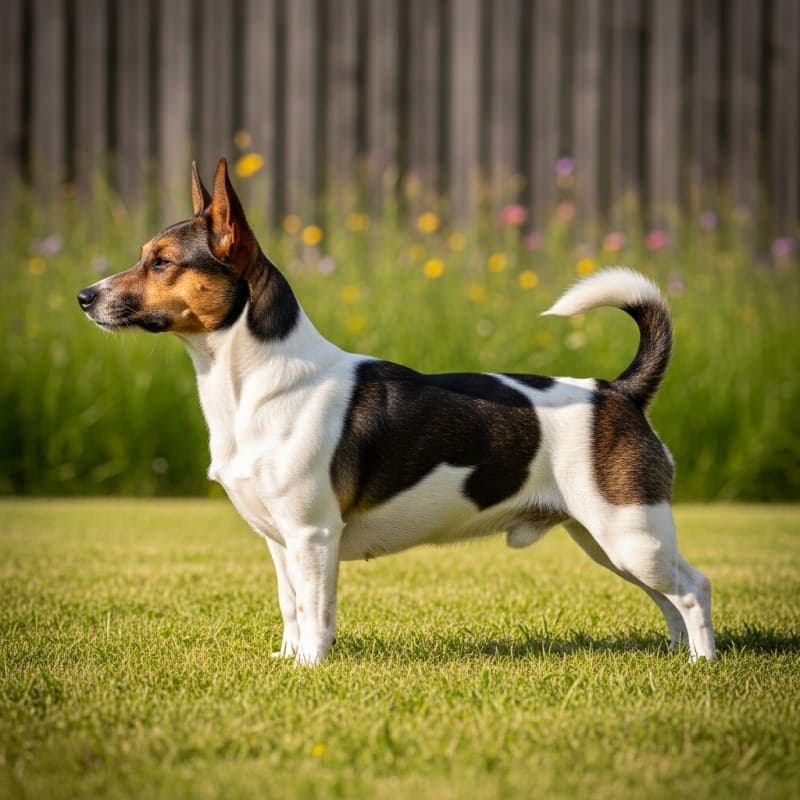
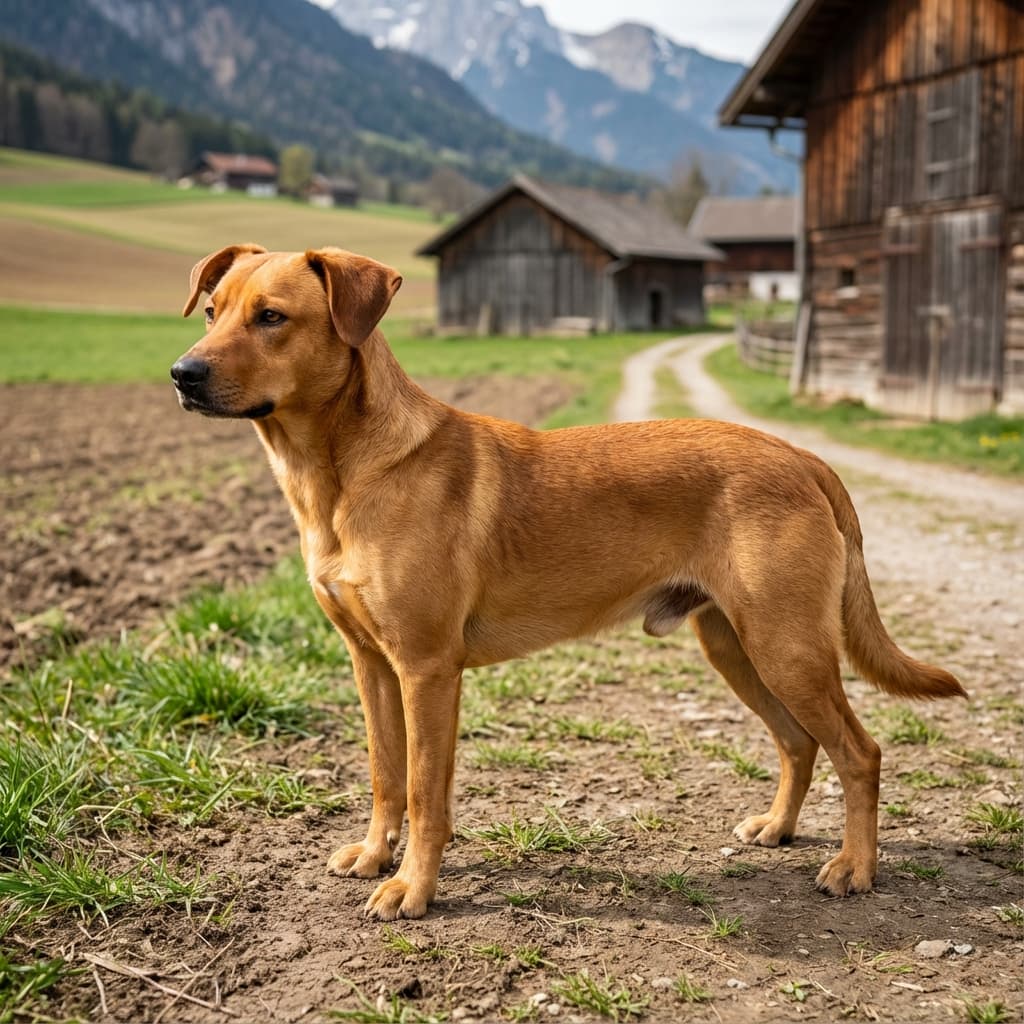
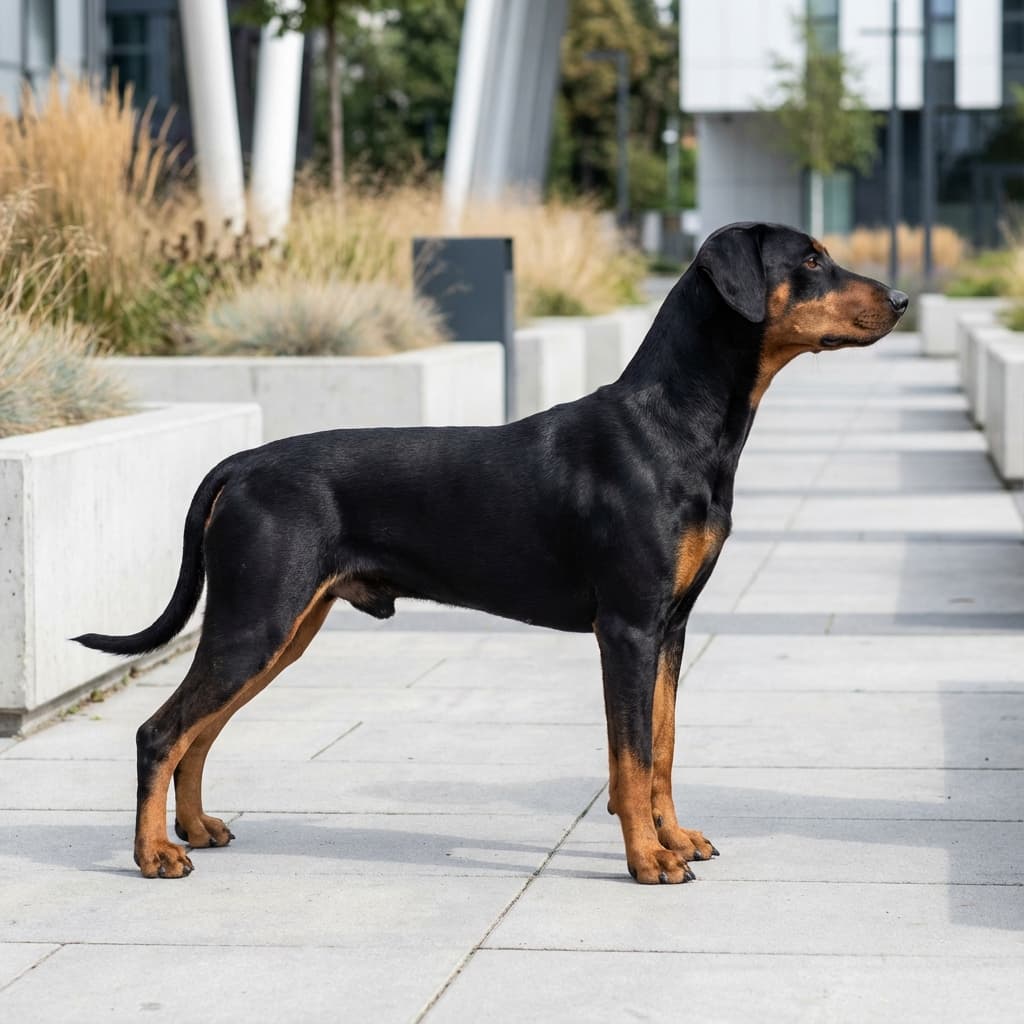
The German Pinscher is a medium-sized dog with an elegant, compact silhouette and a proud stance. According to the FCI standard, the height at the withers ranges from 45 to 50 cm, and the weight varies from 14 to 20 kg. Its build should be as square as possible, meaning that the length of the body is approximately equal to the height at the withers. This breed is characterized by a short, smooth, and shiny coat that closely adheres to the body, emphasizing the muscular silhouette of the dog. Pinschers come in two main coat color variations: black with rust-red markings or solid red-brown in various shades, from deer red to dark mahogany red.
The head of the pinscher is strong, elongated, and proportional to the entire body. The length of the head (measured from the tip of the nose to the occipital protuberance) corresponds to half the length of the topline (measured from the withers to the base of the tail). The forehead is flat, without a distinct stop, and the lines of the skull and muzzle are parallel. The nose is always black, with well-developed nostrils. The eyes are dark, oval, medium-sized, with a lively and intelligent expression. The ears are set high, have a natural V shape, and are turned forward, adhering to the cheeks with their inner edge. The jaws are strong, well-developed, with a complete set of teeth (42 teeth) and a scissor bite.
The neck of the medium pinscher is strong, muscular, elegantly arched, without loose skin or a dewlap. The back is strong, short, and firm, the loins are strong, and the croup is slightly sloping. The chest is moderately wide, oval in cross-section, with a well-arched ribcage reaching to the elbow joints. The front chest is well-developed. The front limbs are straight, strong, and parallel, with well-fitting shoulder blades and long upper arms. The hind limbs are muscular, straight, and parallel when viewed from behind, with well-angled knee and hock joints.
In motion, the pinscher moves with grace, energy, and freedom. Its gait is spacious, fluid, and elegant, with good front reach and strong rear drive. The movement is confident, decisive, and harmonious. The tail is natural, carried in a sabre or sickle shape. Overall, the German Pinscher gives the impression of an elegant, proud, and dynamic dog with a harmonious build, which, thanks to its short coat, clearly showcases its muscular, athletic silhouette. It is a dog that attracts attention with its noble appearance and confident stride.
The German Pinscher is a dog with a very expressive, strong temperament and lively disposition. By nature, it is full of energy, self-confident, brave, and composed. Its exceptional intelligence combined with a willingness to cooperate makes it an excellent family dog and a loyal life companion. Pinschers are very sociable and love to be the center of attention in their family, making them great companions for active households. This breed is also extremely alert and enthusiastic, which makes them excellent watchdogs and alarm dogs. They have a natural protective instinct and are very attached to their territory.
The German Pinscher is exceptionally loyal to its owner and family members, with whom it readily forms a deep, lasting bond based on mutual trust and respect. In relation to children, it is usually gentle, patient, and caring; however, like any dog, it requires proper introduction, socialization, and teaching children respect for the animal. A well-behaved Pinscher can be a wonderful playmate for older children. In interactions with other dogs, Pinschers are generally friendly and eager to play, but they may show dominance, especially males in contact with other males. Early and proper socialization is crucial for developing friendly relationships with other animals.
Thanks to their outstanding intelligence, excellent memory, and strong motivation to work, Pinschers are relatively easy to train, but they need an experienced, consistent handler who will provide them with proper discipline, clear rules, and a stable routine. These dogs learn quickly, but they also quickly pick up on inconsistencies in training. It is essential that their training is based on positive reinforcement methods, rewards, and regular, varied exercises. The German Pinscher can become troublesome, destructive, or excessively barky if it does not receive the appropriate amount of physical activity, mental stimulation, and clear behavioral boundaries. However, with the right approach, it is a balanced, obedient dog that is extremely pleasant to live with.
The German Pinscher is considered a breed that is relatively healthy and resilient, with a lifespan typically ranging from 12 to 14 years. Like any breed, the medium-sized pinscher can be prone to certain health issues, which is why it is important for owners to regularly monitor their pets' health with a veterinarian and ensure they have a proper diet, weight, and physical activity. Responsible breeders conduct health screenings on breeding dogs to minimize the risk of hereditary diseases in offspring.
Among the health issues that may occasionally occur in the German Pinscher are hip dysplasia (a congenital malformation of the joint leading to pain and arthritis), eye diseases such as cataracts or progressive retinal atrophy (PRA), as well as skin conditions, including allergic dermatitis or hypersensitivity to insect bites. Some lines may be prone to heart diseases, especially dilated cardiomyopathy. Relatively rare thyroid problems, such as hypothyroidism, may also occur.
To keep a German Pinscher in the best possible health, it is extremely important to have a proper diet rich in essential nutrients, regular physical activity, and to maintain an appropriate body weight (obesity is one of the biggest health threats). German Pinschers should undergo regular veterinary check-ups, which will allow for early detection of any health problems and prompt treatment. Prevention is key: regular vaccinations, deworming, protection against external parasites, and systematic checks of teeth, ears, and eyes. High-quality food and, if necessary, dietary supplements can help maintain joint health, coat condition, and the overall vitality of the dog for many years.
The German Pinscher has a short, smooth, and tightly fitting coat, which makes its grooming relatively simple and not very time-consuming. Regular brushing with a soft brush or grooming glove 1-2 times a week is enough to remove dead hair, dirt, and stimulate skin circulation, which helps keep the coat in excellent condition, shine, and health. Brushing is also a great opportunity to check the dog's skin for wounds, irritations, parasites, or other abnormalities.
During the shedding period, usually in spring and autumn, it may be necessary to brush a bit more frequently (even daily) to effectively reduce the amount of hair falling out in the house. Fortunately, the German Pinscher loses hair at a moderate rate. Pinschers do not require frequent bathing – a bath every 2-3 months or when the dog actually gets dirty is sufficient. Overwashing can strip the skin of its natural protective oils and lead to irritation. It is important to use only mild shampoos designed for dogs that will not irritate their delicate skin.
Additionally, regularly checking and cleaning the ears is very important to prevent potential infections and the buildup of wax and dirt. This check should be done weekly. The eyes should also be checked regularly and gently wiped with a damp cotton ball if necessary. Oral hygiene is another key aspect of grooming – regular brushing of the teeth with a special toothbrush and dog toothpaste (2-3 times a week, preferably daily) will help prevent tartar buildup, gum disease, and bad breath. Nail care is also essential: if the nails do not wear down naturally during walks, they should be regularly trimmed (every 2-4 weeks) with special clippers, as overly long nails can lead to discomfort, walking problems, and paw deformities.
The German Pinscher is a dog with high energy and endurance, requiring regular, daily physical and mental activity to remain healthy, happy, and balanced. A minimum of one, preferably two hours of intense movement each day is needed to fully meet its exercise needs. Long, vigorous walks, running in the field, jogging with the owner, as well as free play with other dogs in a safe area are excellent ways to expend the excess energy of this active canine.
Pinschers also love various canine sports, such as agility (obstacle course), flyball (relay with a ball), frisbee, rally obedience, or tracking. These activities not only allow them to develop their physical skills and burn energy but also provide essential mental stimulation and strengthen the bond with their owner. It is important to ensure that the pinscher has variety in daily activities to prevent boredom, frustration, or destructive behavior. Changing walking routes, introducing new games and challenges, and regular mental training are crucial for its well-being.
The German Pinscher is also very intelligent and a keen observer, so it is worthwhile to introduce various games and mental tasks that stimulate its brain and help maintain good mental health. These can include: scent games (searching for hidden treats), dog puzzles, learning new commands and tricks, or obedience training. Without the appropriate amount of exercise and mental stimulation, a pinscher can become restless, hyperactive, excessively barky, and prone to destructive behaviors, such as destroying furniture, shoes, or other items in the home. Regular exercise is also key to maintaining a healthy weight and preventing obesity, which is a serious health threat.
The German Pinscher is a dog that is exceptionally intelligent, clever, and eager to learn, which makes training him – with the right approach – a true pleasure for both the dog and the owner. This breed responds excellently to positive reinforcement methods, so training should be based on rewarding good behavior (treats, praise, play) rather than punishment or dominance. Owners should start training as early as possible, preferably during puppyhood, to help their dog learn basic commands (Sit, Lie Down, Stay, Come, No) and to socialize properly with the world.
Pinschers are usually very sociable and curious about their surroundings, so regular, positive interactions with other dogs, various people, and exposure to diverse environmental stimuli (sounds, places, situations) are absolutely essential for their proper emotional and social development. A well-socialized pinscher is a confident, friendly, and balanced dog. Training should be systematic, consistent, and conducted in short, engaging sessions (10-15 minutes) to maintain the dog's attention and prevent boredom.
It is also worth introducing various types of training activities to provide the pinscher with both physical and mental stimulation. German Pinschers are known for their ability to quickly learn new tricks and tasks, demonstrating excellent memory and a willingness to cooperate with their owner. They can participate in various canine sports disciplines, such as agility, obedience, rally-o, or tracking, which gives them the opportunity to develop their talents and spend valuable time with their owner. The key to success is consistency, patience, clear rules, and reinforcing positive behaviors. A pinscher needs a confident, fair leader who will provide him with structure and routine – then he becomes an obedient, balanced, and exceptionally pleasant companion in daily life.
A proper, balanced diet is key to the health, condition, and longevity of the German Pinscher. This breed should be fed high-quality food that is specifically tailored to its age (puppy, adult, senior), weight, level of physical activity, and any special health needs. The food should be complete and balanced, containing all essential nutrients: high-quality animal protein (meat, fish), healthy fats (omega-3 and omega-6), carbohydrates, vitamins, minerals, and fiber.
Owners should absolutely avoid feeding their dog table scraps, as they may contain ingredients that are harmful or even toxic to the dog's health (such as chocolate, onions, garlic, avocados, grapes, poultry bones). It is also important to remember the appropriate feeding frequency: young Pinschers in their puppy stage should be fed 3-4 times a day, while adult dogs can be fed twice a day (morning and evening), which helps maintain stable energy levels and supports digestive health. Regular feeding times also help establish a routine.
The diet of a Pinscher should be rich in high-quality animal protein, which supports muscle building and regeneration and provides energy for daily activities. Vitamins (A, D, E, B group) and minerals (calcium, phosphorus, zinc) are also important as they support healthy development of bones, joints, coat, skin, and the functioning of the immune system. Omega-3 and omega-6 fatty acids are essential for skin health and coat shine. Regular monitoring of the dog's weight is very important to avoid obesity, which can lead to serious health problems such as diabetes, heart disease, joint issues, or a shortened lifespan. If there are any doubts regarding diet, portion sizes, or food selection, it is advisable to consult a veterinarian or veterinary nutritionist who can help choose the optimal food and any supplements for the individual needs of the dog.
Characteristic Traits
Pros
- Intelligent and quick to learn
- Excellent guard dog
- Energetic and full of life
- Loyal and devoted to the family
- Easy to care for
- Versatile and athletic.
Cons
- Requires a lot of movement and activity
- Can be stubborn and independent
- Needs an experienced and consistent caregiver
- May be dominant towards other dogs
- Requires early socialization.
Behavioral Ratings
Breed History
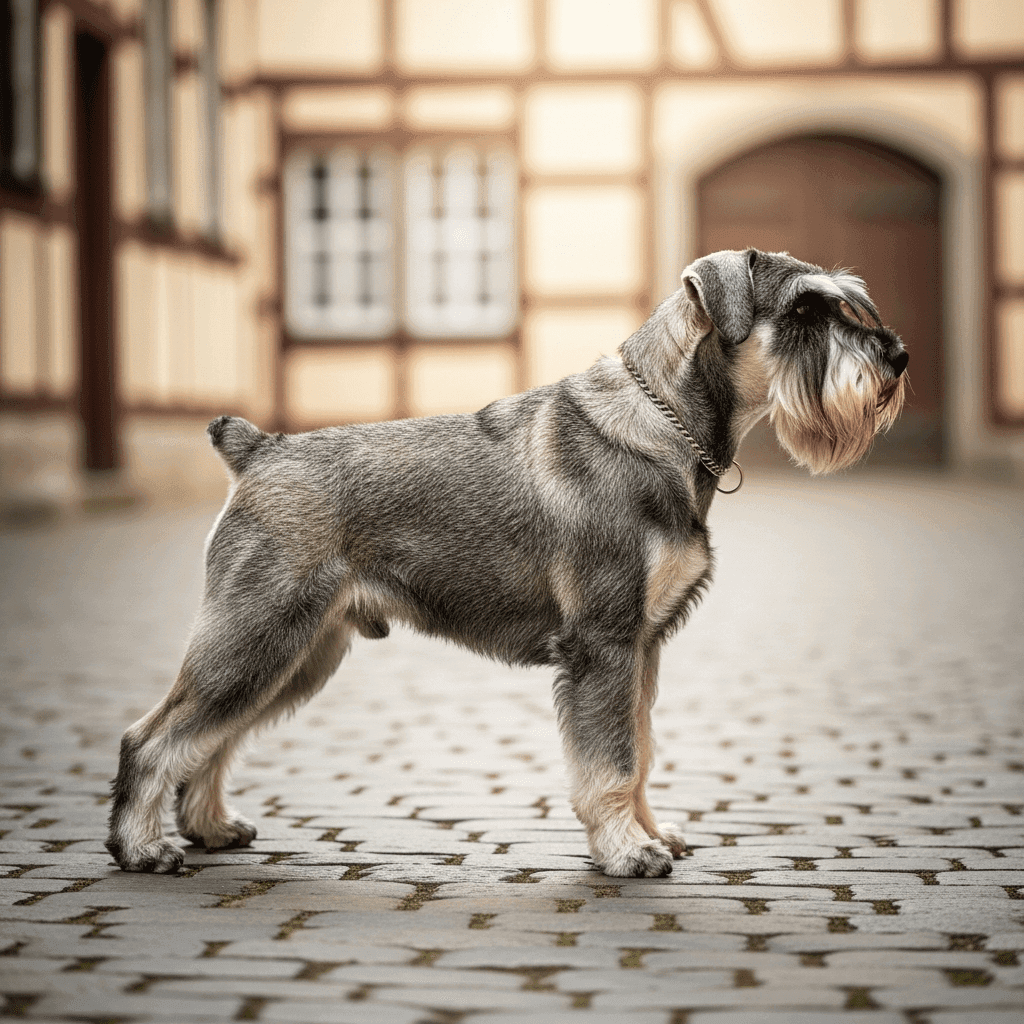
The German Pinscher has a long, fascinating history that dates back several centuries. This breed originates from Germany and is one of the oldest representatives of the Pinscher and Schnauzer group. It was officially registered in German pedigree books as early as 1880, which attests to its significance and established position in the history of European cynology. The German Pinscher shares common roots with the Schnauzer – both breeds descend from the same ancestors and differ mainly in coat type (the Pinscher has short, smooth fur, while the Schnauzer has hard, rough fur) and coloration.
For centuries, Pinschers were used as versatile working dogs on farms and in households in southern Germany. Their tasks included guarding properties, watching over stables and granaries, exterminating rodents (rats and mice), as well as protecting stagecoaches and carriages during travel. These universal skills and reliability made Pinschers invaluable helpers to humans and gained them popularity in many regions of Europe. The breed was also used as dogs for small hunting and companionship.
Over the years, the German Pinscher evolved from a working dog to a companion dog, although it has retained its strong guarding instinct, high intelligence, and independent character. In the 19th and 20th centuries, breeders consistently worked on improving the breed, stabilizing its type, establishing standards, and eliminating health defects. After World War II, the breed was close to extinction, but thanks to the dedication of enthusiasts, it was rebuilt and preserved for future generations.
Today, the German Pinscher has gained a reputation as a great family and companion dog, capable of forming strong, lasting bonds with its family while also serving as a vigilant guardian of the home. The breed is valued for its intelligence, loyalty, versatility, and attachment to its owner. The medium Pinscher is officially recognized by the FCI (Fédération Cynologique Internationale) and classified in Group 2 (Pinschers and Schnauzers, Molossians, and Swiss herding and cattle dogs), Section 1 (Pinschers and Schnauzers). The breed standard was last updated in 2007, confirming the ongoing interest and concern for preserving the authentic type of this noble, historical breed.