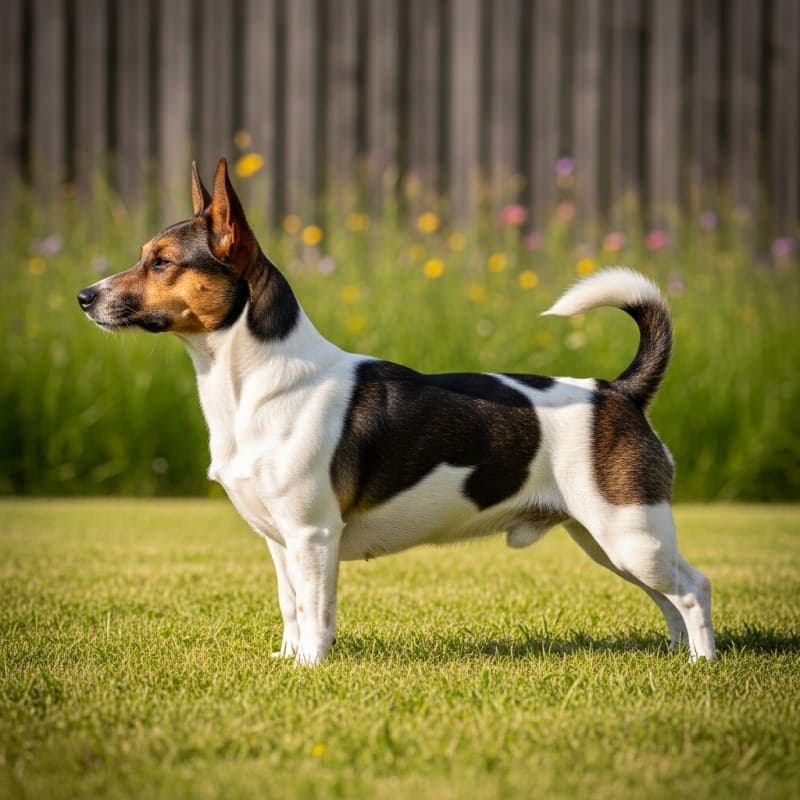
Danish-Swedish Farmdog
FCI Group
2• FCI 356
Size
Medium
Origin Country
XX
Height
32-37 cm
Weight
N/A
Lifespan
12-15 years
Temperament
Overview
The Danish-Swedish Farmdog, known as Dansk-Svensk Gardshund, is a breed full of charm and energy that successfully combines working and companion traits. The history of this breed dates back to when it played various roles on rural farms – from guarding to effectively eliminating rodents. The official recognition of this breed in Denmark and Sweden in 1987 confirmed its exceptional significance as both a working dog and a loyal family companion.
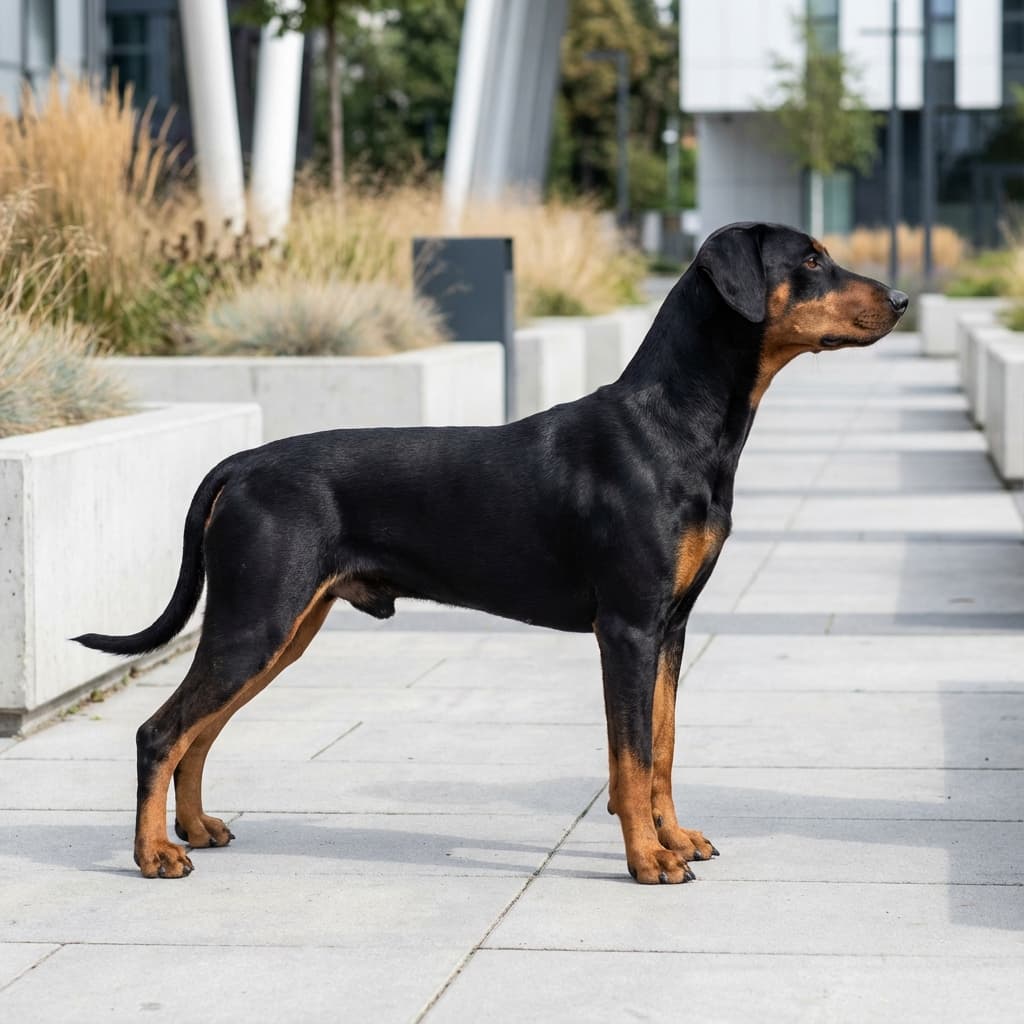
A characteristic feature of the Dansk-Svensk Gardshund is its compact and slightly elongated silhouette, which reflects its agility and physical fitness. Its average size – height at the withers ranging from 34 to 37 cm for males and from 32 to 35 cm for females – makes it an ideal choice for those looking for a compact yet energetic companion. Its elegant appearance, with a distinctive triangular head and clearly defined stop, attracts attention, while its medium-sized, alert eyes give it a friendly and intelligent expression.
One of the greatest advantages of this breed is its short, smooth, and hard coat, which is extremely easy to care for. The dominant color is white with permissible patches in various colors – black, red, chocolate, and fawn. This natural diversity ensures that each representative of the breed can be unique in appearance, further highlighting their individual character.
The Danish-Swedish Farmdog is a typical companion dog that values close contact with its family and participation in all daily activities. Its unwavering loyalty and devotion make it an irreplaceable family member. With high intelligence and a lively temperament, this dog is easy to socialize, making it an excellent choice for active families and individuals who spend a lot of time outdoors.
This breed requires regular exercise and appropriate mental stimulation to maintain physical and mental balance. Despite its energetic nature, the Dansk-Svensk Gardshund can adapt to living in both a single-family home with a garden and an apartment, provided it is given the right conditions for play and active movement. It eagerly participates in various activities – from long hikes to running and water play – making it an ideal companion for those leading an active lifestyle.
In summary, Dansk-Svensk Gardshund is a breed that combines functionality, intelligence, and deep loyalty. With its history as a farm dog, it thrives both in family settings and in the presence of other animals. Its relatively good health, supported by regular veterinary visits and proper care, ensures it a long, happy, and active life alongside a loving family.
The Danish-Swedish Farmdog is a dog with a compact, slightly elongated silhouette that gives it an elegant and agile appearance. The height at the withers ranges from 34 to 37 cm for males and from 32 to 35 cm for females, placing it in the medium-sized dog category. Body proportions are 9:10 (length to height), which gives the breed a harmonious and well-balanced look.
The head has a characteristic triangular shape with a fairly wide and slightly rounded skull. Distinct stop and a strong muzzle that gradually narrows towards the nose without excessive sharpness give the dog a recognizable profile. The eyes are medium-sized, rather round, which gives the gaze a vigilant, intelligent, and friendly expression. The ears are of medium size and can be folded forward or backward, further emphasizing the lively character of the breed.
The neck is strong, of medium length, and slightly arched, smoothly transitioning into a well-built body. The dog's torso is compact and strong, with a well-developed chest – long, deep, and spacious, which provides adequate space for the respiratory system during intense exertion. The loins are short and wide, indicating a strong build. The ratio of chest depth to height at the withers is 1:2.
The tail can be long or naturally short, carried straight, in a sickle shape, or slightly curled. The limbs are strong and well-muscled, allowing for free, energetic movement.
The coat is short, smooth, and hard, easy to keep clean. The dominant color is white with permissible patches in various colors – black, red, chocolate, and fawn. The color of the nose always corresponds to the color of the patches on the coat. This breed is an excellent example of a harmonious combination of functionality with aesthetic appearance, making it an attractive choice for dog lovers who value both a hardworking disposition and elegance.
The Danish-Swedish Farmdog is a breed with a lively, alert, and attentive temperament. Its natural intelligence and strong motivation to learn make it an easy-to-train dog that willingly collaborates with humans. This breed is characterized by deep loyalty and attachment to the family, making it an excellent companion for both adults and children.
Social disposition of the Dansk-Svensk Gardshund ensures that this dog gets along well with children and other pets, provided it is properly socialized from a young age. This breed needs close contact with the family and does not tolerate prolonged isolation – it feels best when it can participate in the daily activities of its household.
Its natural alertness and tendency to guard make it an excellent alarm dog that will not hesitate to signal the presence of strangers on the property. Despite its small size, the Danish-Swedish Farmdog has a brave and confident disposition, stemming from its rural origins and long-standing use for farm protection.
This breed requires regular mental and physical stimulation to avoid boredom and related behavioral problems. Without proper activity, the dog may become hyperactive, noisy, or exhibit destructive behaviors. Therefore, owners should provide daily intellectual challenges – such as obedience training, interactive play, or scent exercises.
The Dansk-Svensk Gardshund is also a high-energy and endurance dog that loves active play, running, and hiking together. It is an ideal breed for people leading an active lifestyle who can dedicate time to regular walks and various forms of physical activity.
In summary, the Danish-Swedish Farmdog is a smart, loyal, and versatile companion that thrives in family settings. Its friendly disposition, combined with alertness and a willingness to work, makes it a highly valued dog both as a companion and a functional family member. With its character traits, it is an ideal pet for active families and individuals seeking a loyal, joyful, and engaged companion in everyday life.
The Danish-Swedish Farmdog is a breed known for its generally good health condition, but like all purebred dogs, it can be prone to certain conditions characteristic of small and medium breeds. Regular veterinary visits, preventive check-ups, and proper care are crucial for keeping the dog in good shape for many years.
Due to its rural origins and compact build, this breed may be susceptible to musculoskeletal issues, including hip dysplasia. Although this condition occurs less frequently in smaller breeds, owners should pay attention to symptoms such as limping, stiffness in movements, or reluctance to jump. Early diagnosis and appropriate treatment can significantly improve the dog's quality of life.
Furthermore, due to its active lifestyle and high exercise needs, the Danish-Swedish Farmdog may experience injuries related to excessive physical exertion, such as muscle strains, joint sprains, or ligament damage. It is important to provide the dog with an adequate amount of exercise balanced with rest, avoiding overtraining, especially in young dogs whose skeletal system is still developing.
Owners should also be aware of potential ophthalmic issues, such as cataracts or retinal diseases, which may arise in aging individuals. Regular eye check-ups can help detect problems at an early stage.
Skin allergies are another area that requires attention. The Danish-Swedish Farmdog may show sensitivity to certain environmental or food allergens, which manifests as itching, redness of the skin, or excessive licking of the paws. If such symptoms occur, it is advisable to consult a veterinarian to determine the cause and implement appropriate treatment.
A proper, balanced diet, regular physical activity, and comprehensive health prevention – including vaccinations, deworming, and control of external parasites – can significantly contribute to the longevity and quality of life of the Danish-Swedish Farmdog. The average lifespan of this breed is 12-15 years, making it a relatively long-lived breed with proper care.
One should not forget about the mental health of the dog. Lack of adequate mental stimulation, social isolation, or monotony can lead to behavioral problems such as destructive behaviors, excessive barking, or separation anxiety. Owners should ensure that the dog has sufficient social interactions, mental challenges, and daily activities to maintain emotional balance.
In summary, with proper veterinary care, a healthy diet, and an active lifestyle, the Danish-Swedish Farmdog can enjoy a long, healthy, and happy life, being a loyal companion for many years.
The care of the Danish-Swedish Farmdog is relatively easy and low-maintenance, making it an excellent choice for people who do not have much time for daily pet grooming. With its short, smooth, and hard coat, this breed does not require complicated procedures or professional trimming.
Brushing should be done regularly, at least once a week, to remove dead hair, minimize shedding, and keep the coat in good condition. A soft brush made of natural bristles or a rubber grooming glove is sufficient. During periods of heavy shedding – in spring and autumn – it is advisable to increase the brushing frequency to 2-3 times a week, which will help reduce the amount of hair settling on furniture and floors.
Bathing does not need to be frequent – bathing the dog every 2-3 months or as needed when the coat is noticeably dirty is enough. Too frequent baths can lead to dry skin and weaken the natural protective layer of the coat. Mild shampoos designed for dogs, suitable for the type of skin and coat, should be used.
Regular inspection and cleaning of ears is a key element of grooming, especially since the ears of the Danish-Swedish Farmdog can be floppy, which increases the risk of moisture accumulation and infection development. Ears should be checked weekly and cleaned with a gentle ear care product for dogs, removing excess wax and dirt.
Eyes also require regular checks. If tear stains or a buildup of discharge in the corners of the eyes appear, they should be gently removed with a damp, soft cotton pad. Sudden redness, swelling, or excessive tearing may signal a problem that requires veterinary consultation.
Nails should be trimmed regularly – once every 3-4 weeks, or more often if the dog does not naturally wear them down while walking on hard surfaces. Overly long nails can lead to discomfort while walking, changes in body posture, and joint problems. If you can hear the nails clicking on the floor, it means they are too long and need trimming.
Oral hygiene is often overlooked but is an extremely important aspect of grooming. Regular brushing of the dog's teeth (2-3 times a week) with dog toothpaste and a toothbrush will help prevent tartar buildup, periodontal disease, and bad breath. Special dental treats that support dental hygiene can also be used.
Proper grooming not only positively affects the dog's health and well-being but also its aesthetic appearance and quality of life. With minimal grooming requirements, the Danish-Swedish Farmdog is an ideal companion for those who value simplicity and functionality in daily pet care.
The Danish-Swedish Farmdog is a breed with high exercise needs, requiring regular physical and mental activity to maintain physical and mental balance. Due to its rural origins and natural predisposition for work, this dog needs daily exercise to release excess energy and maintain good condition.
It is recommended that the dog has the opportunity for daily walks lasting at least 30-60 minutes, preferably divided into two or three sessions throughout the day. Walks should be varied – changing routes, diverse surfaces, and the opportunity for free sniffing stimulate both the dog's body and mind.
In addition to standard walks, it is worth introducing various forms of physical activity, such as:
- Running – ideal for active owners who enjoy jogging
- Hiking – longer trips on trails, in forests, or mountains
- Play in the park – fetching, frisbee, ball
- Swimming – the Danish-Swedish Farmdog often loves playing in the water
- Agility – agility training perfectly utilizes the breed's natural predispositions
- Nosework – scent exercises engaging the natural hunting instinct
This breed is naturally curious and energetic, which is why it responds well to various forms of training that combine physical and mental activity. Exercises such as searching for hidden objects, learning new commands, or interactive play not only provide movement but also build a bond between the dog and owner and develop the animal's intelligence.
Lack of appropriate activity can lead to a range of behavioral problems, including:
- Hyperactivity and difficulty concentrating
- Destructive behaviors – destroying furniture, scratching doors
- Excessive barking and vocalization
- Escaping and attempts to seek entertainment on their own
- Anxieties and frustrations leading to emotional problems
For those planning to adopt a Danish-Swedish Farmdog, it is crucial to provide them with an adequate amount of exercise and mental stimulation on a daily basis. This is not a dog for people leading a sedentary lifestyle – it requires an active, engaged owner who appreciates spending time outdoors together.
Regular exercise not only positively impacts the dog's physical health – strengthening the cardiovascular system, muscles, and joints – but also supports its mental health and strengthens the emotional bond with the owner. An active, tired dog is a happy dog, who will be a calm, balanced, and obedient companion in everyday life.
The training of the Danish-Swedish Farmdog is a process that requires consistency, patience, and a positive approach. This breed is characterized by high intelligence and a strong motivation to cooperate with humans, which makes training usually easy, enjoyable, and brings quick results.
Early socialization and training are crucial for proper behavioral development. It is advisable to start teaching basic commands and rules of coexistence as early as 8-10 weeks of the puppy's life. Exposing the young dog to various stimuli – people, children, other animals, new environments, sounds – will help shape a confident, balanced, and friendly adult dog.
Positive reinforcement techniques are particularly effective for this breed. Rewarding with treats, praise, petting, or play motivates the dog to learn and builds positive associations with training. Avoid physical punishment or harsh methods – they can lead to fear, loss of trust, and behavioral problems.
Basic commands worth teaching include:
- Sit – the foundation of obedience
- Stay – impulse control
- Come – safety during walks
- Lie down – calming and relaxation
- Leave it – protection against eating dangerous objects
- Loose leash walking – comfort during walks
The Danish-Swedish Farmdog is a social and human-oriented breed that responds excellently to interaction and teamwork. Training should not only be a form of learning but also a way to build a deep emotional bond with your pet.
This breed excels in various forms of sports and training activities, such as:
- Agility – training agility and cooperation
- Obedience – advanced obedience
- Nosework – scent work utilizing natural instincts
- Trick training – learning fun tricks
- Rally Obedience – a dynamic form of obedience
It is important for training sessions to be varied and interesting, which helps maintain the dog's attention and prevents boredom. Regular training sessions lasting from 5 to 15 minutes are most effective – short, intense sessions ensure better focus and quicker absorption of new information than long, exhausting training.
The Danish-Swedish Farmdog is a dog that loves mental challenges and quickly gets bored with monotonous tasks. Introducing elements of fun, varied rewards, and changing training scenarios will help maintain high motivation and engagement.
It is important to remember that this breed has a strong hunting instinct and may show a tendency to chase small animals. Therefore, it is essential to teach the dog a reliable recall and impulse control, which will ensure safety during off-leash walks.
With appropriate, consistent training based on positive methods, the Danish-Swedish Farmdog can become a obedient, well-mannered companion who enjoys a joyful, active life alongside their family. Proper training not only shapes the dog's behavior but also strengthens the bond, builds mutual trust, and ensures harmonious coexistence for many years.
The Danish-Swedish Farmdog's diet should be well-balanced and tailored to its age, weight, level of physical activity, and individual health needs. Proper nutrition is crucial for maintaining the dog's health, condition, and longevity.
Owners should choose high-quality foods that contain the appropriate amount of animal protein, fats, carbohydrates, and essential vitamins and minerals. The food should be suited to the dog's life stage – puppies require puppy food, adult dogs need adult food, and seniors should have special food for older dogs.
Depending on the dog's preferences and needs, one can choose between:
- Dry food – convenient, helps mechanically clean teeth
- Wet food – higher moisture content, often more palatable
- BARF diet – raw meat and vegetables (requires knowledge and consultation with a veterinarian)
- Homemade food – cooked meals prepared at home (requires balancing ingredients)
The Danish-Swedish Farmdog, due to its high physical activity, needs a diet rich in high-quality protein that supports muscle development and regeneration and provides energy. The protein content in the food should be around 22-28% for active adult dogs, and fat should be about 12-18%.
What to avoid in the diet:
- Table scraps – may contain harmful ingredients for dogs
- Chocolate, onions, garlic, grapes – toxic to dogs
- Excessive sweets and high-calorie snacks
- Low-quality food with high filler content and artificial additives
- Chicken and fish bones – risk of choking and perforation of the digestive tract
Water should always be available and fresh. Owners should ensure that the dog is properly hydrated, especially during intense physical activities, on hot days, or after training. Dehydration can lead to serious health problems.
Regular weight checks and observation of the dog's physical condition will help adjust the diet and prevent obesity, which can lead to many health issues such as:
- Heart and circulatory diseases
- Diabetes
- Joint and spine problems
- Reduced endurance and energy
- Shortened lifespan
It is worth regularly assessing the dog's condition using the BCS (Body Condition Score) scale – a dog in ideal condition should have palpable ribs, a visible waist, and a slightly defined belly.
Treats and rewards can be used during training, but their amount should be adjusted to the dog's daily caloric needs. Snacks should not exceed 10% of the daily calorie portion. Healthier options can be chosen, such as carrots, apples (without seeds), natural dried meat, or specialized dental treats.
Feeding frequency:
- Puppies (2-6 months): 3-4 times a day
- Young dogs (6-12 months): 2-3 times a day
- Adult dogs: 2 times a day
- Seniors: 2 times a day (smaller portions, easier to digest food)
With a properly balanced diet tailored to individual needs and life stages, the Danish-Swedish Farmdog will be ensured health, energy, and vitality needed for daily activities. Proper nutrition is the foundation of a long, happy life and one of the most important elements of responsible pet care.
Characteristic Traits
Pros
- Agile and physically fit
- Easy to care for
- Loyal and devoted to family
- Intelligent and easy to train
- Adapts to various living conditions
- Friendly to children and other animals
- Good watchdog.
Cons
- Requires regular exercise and activity
- Needs mental stimulation
- Can be noisy without proper activity
- Strong hunting instinct towards small animals
- May be prone to breed-specific health issues.
Behavioral Ratings
Breed History
The history of the Danish-Swedish Farm Dog dates back to rural farms in Denmark and Sweden, where this breed has played an invaluable role as a working and companion dog for centuries. These dogs were an integral part of rural life, primarily used as vigilant guardians, effective rodent hunters, and loyal companions to farming families.
The official recognition of the breed occurred in 1987, when the kennel organizations of Denmark and Sweden jointly registered the breed under the name Dansk-Svensk Gårdshund (Danish-Swedish Farm Dog). However, the roots of this breed go much further back – dogs with similar builds and character traits have been present in the Scandinavian regions for many generations, accompanying farmers in their daily agricultural tasks.
In pre-industrial times, this breed was particularly valued for its versatility and practicality. The Danish-Swedish Farm Dog not only guarded the farm against intruders but also effectively eliminated rodents – rats and mice – which posed a serious threat to food supplies. Thanks to their agility, intelligence, and fearless nature, these dogs were indispensable helpers in every rural household.
In addition to their practical functions, this breed also played a companion role. Their friendly disposition, loyalty, and willingness to cooperate with humans quickly won the affection of the villagers, making them an integral part of family life. These dogs accompanied children in play, participated in daily activities, and formed deep emotional bonds with household members.
Over time, with the advancing urbanization and modernization of agriculture, the traditional role of the working dog began to decline. However, thanks to the efforts of breed enthusiasts and breeders, the Dansk-Svensk Gardshund not only survived but also began to gain popularity beyond rural areas. In cities, this breed has gained recognition as an excellent family dog – compact, easy to maintain, active, and loyal.
Today, the Danish-Swedish Farm Dog is valued for both its working skills and wonderful character. This breed finds application in various fields – from companion dogs to competitive dog sports (agility, obedience), to therapy and education. Many dogs of this breed still fulfill the traditional role of farm guardians in Scandinavia, but they can also often be found in urban parks as joyful companions of active families.
Kennel organizations and breeders worldwide are working on preserving the purity of the breed and its characteristic traits – both physical and behavioral. Thanks to its registration with the Fédération Cynologique Internationale (FCI) under number 356 in group 2, this breed has gained international recognition and its popularity continues to grow beyond the borders of Scandinavia.
In summary, Dansk-Svensk Gardshund is a breed with a rich history and deeply rooted traditions. It has come a long way from a rural working dog to a valued family companion, while maintaining its authenticity, functionality, and unique character traits. Thanks to dedicated breeders and enthusiasts, the Danish-Swedish Farm Dog continues its tradition as a loyal, intelligent, and versatile companion to humans.