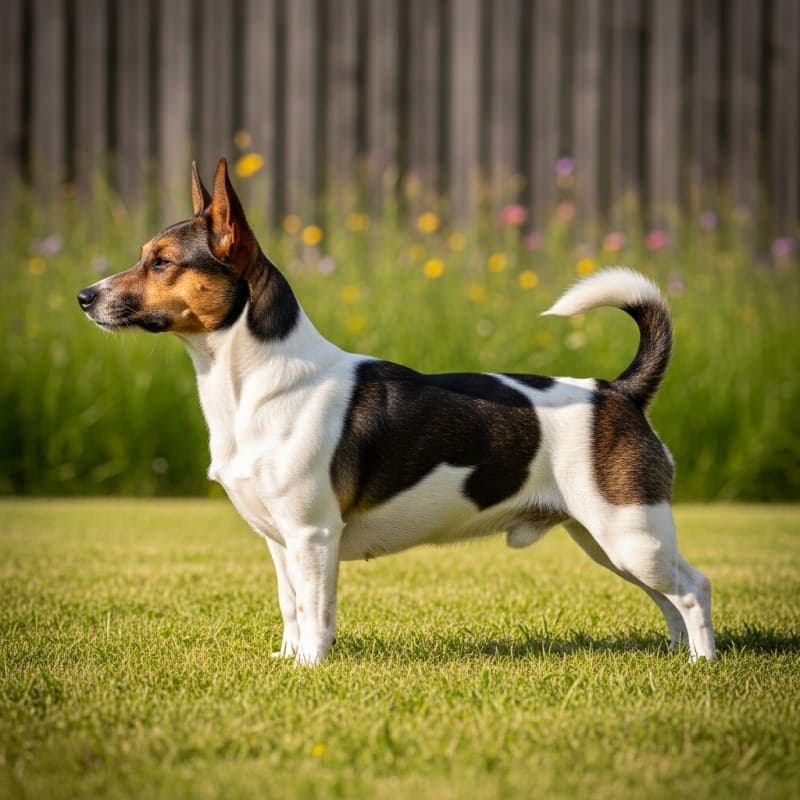
Continental Bulldog
FCI Group
2• FCI 369
Size
Medium
Origin Country
CH
Height
40-50 cm
Weight
20-30 kg
Lifespan
10-15 years
Temperament
Overview
The Continental Bulldog is a unique breed that captivates with its friendly nature and athletic build. Originating from Switzerland, the breed was developed with the intention of creating a medium-sized dog that would retain the classic features of a molosser. Through thoughtful crossbreeding of English Bulldogs with Old English Bulldogs, a dog with unique traits was achieved, combining tradition with modernity and functionality with a harmonious appearance.
A characteristic feature of the Continental Bulldog is its short, dense coat, which shines and closely adheres to the body, highlighting its muscular silhouette. The build of this breed is solid and athletic, making it agile and resilient despite its compact form. An adult individual weighs between 20–30 kg, and the height at the withers is 40–50 cm for males and 40–48 cm for females, making it a dog with ideal proportions for family life.
Its wide, massive head with prominent cheeks and a square muzzle gives it a distinctive character. Small, thin, folded ears further emphasize its friendly appearance. The Continental Bulldog is a dog with a stable, friendly temperament, showing neither aggression nor timidity, making it an excellent companion for families with children and seniors.
This breed loves activity and play, happily spending time with household members as well as other dogs during walks or at home. It is perfectly adapted to apartment living, provided it is given regular walks and an appropriate amount of physical activity. The Continental Bulldog quickly forms deep emotional bonds with family members, becoming an integral part of daily home life. Its loyalty and attachment to its owners make it an ideal family dog.
The presence of a Continental Bulldog in the home is a source of joy, positive energy, and a sense of security. In the following sections of this guide, you will learn more about the health, grooming, activity requirements, training, nutrition, history, appearance, and behavior of this charming and extremely popular breed. Don’t miss the opportunity to get to know this wonderful companion with a big heart better!
The Continental Bulldog is a dog with a characteristic, recognizable appearance that attracts attention with its athletic body and friendly, expressive face. Its head is wide and massive, with well-defined cheeks and a square, short muzzle, giving it a typical molosser expression. The eyes are round, dark brown, set rather frontally, which adds an expression of intelligence and alertness to the dog. The gaze of the Continental Bulldog is lively, friendly, and full of curiosity.
The ears are small, thin, and folded in a distinctive way, further emphasizing the breed's friendly appearance. The neck is strong, short, and muscular, transitioning harmoniously into a well-built, compact body. The chest of the Continental Bulldog is wide and spacious, while the belly is moderately tucked up, giving it balanced proportions. The entire silhouette gives an impression of harmony, compactness, and athleticism.
The coat of the Continental Bulldog is short, dense, shiny, and smooth, closely adhering to the body, which highlights its healthy, well-groomed appearance. The breed comes in various coat colors, including solid, brindled, and spotted, making each individual unique. The tail is set low, strong at the base and gradually tapering towards the end, giving it a characteristic, proportional appearance.
The weight of Continental Bulldogs ranges from 20 to 30 kg, and the height at the withers is 40 to 50 cm for males and 40 to 48 cm for females. The body proportions are close to square, emphasizing its compact, athletic build. Despite its stocky silhouette, the Continental Bulldog moves with surprising grace, agility, and energy.
The behavior of the continental bulldog is one of the main reasons why this breed is so popular among dog lovers around the world. Continental bulldogs are known for their friendly, stable, and confident temperament. They are alert but not aggressive, making them excellent companions for families with children and elderly people.
Their sociability and unconditional loyalty to their owners make them ideal family dogs. Continental bulldogs can form deep, lasting emotional bonds with family members and enjoy spending time in their company. They love to participate in daily household activities, accompanying their owners both during relaxation and playtime.
This breed is also known for its gentleness and patience, which allows them to get along well with other dogs and pets. Their playful, friendly nature makes them eager for activity and enthusiastic learners of new tricks. Although they are brave and confident, they do not display excessive aggression, which makes them ideal dogs for safe interactions with children.
However, owners should remember that early socialization is crucial for the proper development of the continental bulldog's social behaviors. Regular meetings with other dogs, people, and exposure to various stimuli will help the dog become a more balanced, confident, and well-mannered companion. A proper approach to upbringing, training, and consistent positive reinforcement will ensure that the continental bulldog becomes not only a wonderful friend but also a dog with excellent behavior in various life situations.
The Continental Bulldog, despite its friendly appearance, sturdy build, and good overall health, can be prone to certain health issues characteristic of brachycephalic breeds and molossers. Like many short-muzzled breeds, Continental Bulldogs may experience breathing difficulties and other respiratory problems. Their shortened muzzle and wide nostrils can lead to what is known as brachycephalic obstructive airway syndrome, which manifests as loud snoring, quicker fatigue during exertion, and difficulties with thermoregulation.
It is important for owners to monitor their dogs' physical activity and avoid intense exercise on hot days to prevent overheating. In high temperatures, Continental Bulldogs should have access to shade, fresh water, and air-conditioned spaces. Owners should also avoid walks during peak sunlight hours.
Other common health issues that Continental Bulldogs may face include joint diseases, such as hip dysplasia and elbow dysplasia, which can occur due to their compact, heavy body structure. Spine problems may also arise, especially in the lumbar region. Owners should pay attention to symptoms such as limping, stiffness of movement, or reluctance to engage in activity.
Regular veterinary visits, a proper diet tailored to the breed's needs, and controlled physical activity can significantly help maintain the health of a Continental Bulldog in good condition. It is also important to care for the hygiene of skin folds and regularly check the eyes and ears to prevent infections. Health prevention, vaccinations, and regular diagnostic examinations are crucial for a long and happy life for the dog.
The care of a continental bulldog is relatively simple and not very time-consuming due to their short, dense coat, which does not require specialized grooming. Regular brushing, at least once a week, will help remove dead hair, minimize shedding, and keep the coat shiny and healthy. Brushing is especially important during the spring and autumn when dogs shed more intensively.
Owners should also pay special attention to cleaning the skin folds, which can collect dirt, moisture, and food remnants, leading to irritations, infections, and unpleasant odors. The folds should be regularly wiped with damp, gentle wipes, and then thoroughly dried to prevent moisture buildup.
It is important to regularly check the ears of the continental bulldog to ensure they are clean, dry, and free from redness and discharge, which will prevent ear infections. The eyes also require regular checks and gentle cleaning to remove any discharge and debris that may cause irritation or conjunctivitis.
It is also worth remembering to regularly trim the nails to prevent excessive growth, breakage, and discomfort while walking. If the owner hears the nails clicking on the floor, it means they are too long and need trimming. Checking the teeth and regular brushing of the mouth with special pastes and brushes will help prevent tartar buildup and periodontal disease.
Overall, caring for a continental bulldog is not demanding, but it requires regular attention and consistency to ensure the dog has healthy, clean fur, skin, and overall body hygiene. Regular visits to the veterinarian and attention to daily hygiene will contribute to a long and comfortable life for the dog.
The continental bulldog is a breed that requires moderate physical activity to maintain health, appropriate weight, and good psychophysical condition. Daily walks are essential, and their length and intensity should be adjusted to the dog's age, health status, and individual capabilities. Continental bulldogs are not typical long-distance running dogs, but they enjoy shorter, more intense walks that allow them to explore their surroundings, play, and engage in social interactions.
It is also worth introducing various forms of activity, such as fetch games, play with other dogs, obedience training, or agility activities tailored to the breed's capabilities. Such activities provide both physical and mental stimulation, which is crucial for mental balance and preventing boredom in the dog.
Due to their body structure and tendency to have breathing problems, continental bulldogs are more prone to overheating, so it is important to avoid intense exercise on hot days, during high temperatures, and at peak sunlight hours. Walks on hot days should take place early in the morning or late in the evening when the temperature is lower.
In addition to walks, it is also important to ensure time spent on indoor play, which helps maintain the dog's physical and mental condition. Interactive toys, balls, tug ropes, and educational games are excellent ways to engage a continental bulldog in a home environment.
The key to the health and well-being of a continental bulldog is regular activity tailored to its needs and avoiding overexertion or overheating. Owners should observe the dog's behavior during exercise and adjust the intensity of activities to its capabilities and well-being.
Training a continental bulldog can be both a pleasure and a challenge, depending on the owner's approach and consistency in training. This breed is intelligent, eager to learn, and quickly absorbs new commands, but can also be stubborn and independent, which requires patience and the right training approach. Owners should use positive reinforcement methods, such as treats, verbal praise, petting, or play, to encourage the dog to learn new commands, tricks, and desired behaviors.
Early socialization of the continental bulldog is crucial for proper development, to ensure confidence, balance, and ease in interactions with other dogs, people, and various environmental situations. It is also worth investing time in basic obedience training so that the dog learns essential commands such as Sit, Lie Down, Stay, Come, and No. This way, the continental bulldog will become a more balanced, predictable, and obedient companion.
Regular, short training sessions (10–15 minutes) will help maintain the dog's attention, reinforce learning, and build positive habits. Owners should be patient, consistent, and avoid physical punishment or yelling, which can negatively affect the relationship with the dog and its motivation to learn.
The continental bulldog responds well to positive reinforcement and play, so training should be enjoyable, varied, and tailored to the individual needs of the dog. Owners who dedicate time to proper training, socialization, and building an emotional bond will achieve the best results and enjoy a wonderful, well-behaved companion.
The nutrition of a continental bulldog is crucial for maintaining its health, well-being, appropriate weight, and physical condition. This breed is prone to obesity, so it is extremely important to control portion sizes, feeding frequency, and to provide a balanced, high-quality diet tailored to the dog's age, activity level, and health status.
Owners should choose high-quality dog food that is specifically tailored to the needs of medium-sized dogs with a moderate level of physical activity. The food should be rich in high-quality animal protein, which supports the development and maintenance of muscle mass, healthy fats that provide energy, and omega-3 and omega-6 fatty acids that promote skin and coat health.
It is also important to ensure an adequate amount of dietary fiber, which supports the proper functioning of the digestive system, digestion, and intestinal peristalsis. Owners should avoid feeding their dog human food that can be harmful, toxic, or high in calories, and limit the amount of treats that may lead to overweight.
Regular consultations with a veterinarian will allow for tailoring the diet to the individual needs of the dog, monitoring its weight, condition, and health status. The veterinarian may also recommend supplementation with vitamins, minerals, or ingredients that support joint health if necessary.
Access to fresh, clean water is essential throughout the day, especially after meals and physical activity. Owners should also avoid feeding the dog directly before or after intense exercise to minimize the risk of gastric torsion. A proper diet, weight control, and regular veterinary check-ups are key to a long, healthy, and happy life for a continental bulldog.
Characteristic Traits
Pros
- Friendly
- stable temperament
- Loyalty to owners
- Excellent adaptation to apartment living
- Agility and energy despite compact build
- Gentleness towards children and other animals.
Cons
- Requires regular physical activity
- May need consistent training
- Sensitive to extreme temperatures and overheating
- Prone to breathing problems
- Requires care for skin folds.
Behavioral Ratings
Breed History
The Continental Bulldog has its roots in Switzerland, where its breeding began with the aim of creating a medium-sized dog of the molosser type that would combine the traits of traditional bulldogs with better functionality, health, and an athletic build. This breed was developed through thoughtful and controlled crossing of English bulldogs and Old English bulldogs, leading to the formation of a new, unique breed that retained the characteristics of the original bulldog while also gaining new, desirable attributes.
The first breeding attempts aimed to create a dog that would not only have a distinctive, recognizable appearance but also a stable, friendly temperament, better respiratory condition, and a lower tendency to health problems typical of English bulldogs. Breeders sought to create a breed that was more versatile, active, and healthier, which could serve as a family and companion dog.
Over the years, the Continental Bulldog has gained recognition as an excellent family and companion dog, contributing to its popularity in various European countries and around the world. This breed was officially recognized by the FCI (Fédération Cynologique Internationale) and entered into breed standards in 2022, confirming its uniqueness, significance, and stability of breed characteristics on the international canine stage.
The Continental Bulldog has long enjoyed immense affection from dog lovers, and its presence in families brings much joy, love, and positive energy. This breed is an excellent example of the effect of thoughtful breeding, leading to the emergence of new, exceptional dog breeds that combine physical, temperamental, and health traits, making them ideal companions for modern humans. The history of the Continental Bulldog is a testament to how passion, knowledge, and commitment from breeders can yield wonderful results in the form of healthy, beautiful, and friendly dogs.