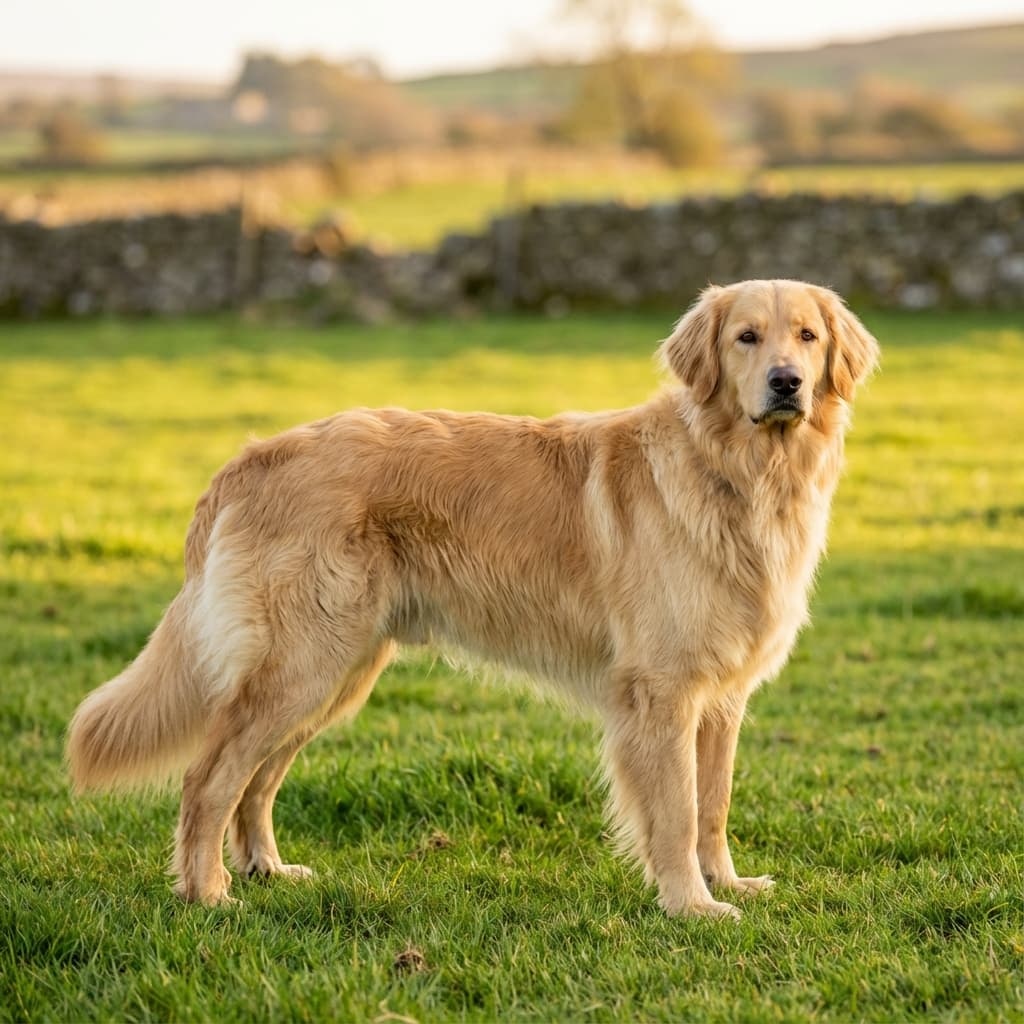
Hovawart
FCI Group
2• FCI 190
Size
Large
Origin Country
DE
Height
58-70 cm
Weight
30-45 kg
Lifespan
12-14 years
Temperament
Overview
The Hovawart is a unique breed of dog originating from Germany, with a long and fascinating history dating back to the Middle Ages. Its name derives from the Middle High German language: the word Hova meant courtyard, farm, or estate, while wart means guardian or protector. Hovawarts were originally used as guard dogs, and their main task was to protect property, family, and livestock from wild animals and intruders.
This breed nearly went extinct during industrialization, but it was revived in the 1920s thanks to the passion and determination of German breeders. In the reconstruction process, local rural dogs resembling the old Hovawarts were used, and crossbreeding was done with German Shepherds, Newfoundlands, and Leonbergers. The result of this work is today's Hovawart – a dog full of elegance, strength, and extraordinary abilities.
The Hovawart is a medium-sized dog with a strong build and long, beautiful coat. The differences between the sexes are clearly noticeable, especially in body structure and head shape – males are bulkier and more muscular. Their harmonious silhouette features strong bones, a broad chest, and a proportional body that is slightly longer than its height at the withers. The dense and long coat comes in three basic colors: black, black and tan, and blonde. It is this color diversity and noble appearance that make Hovawarts incredibly visually appealing.
However, it is not just their appearance that makes Hovawarts special. These dogs are known for their gentle, balanced temperament and deep attachment to their family. They are friendly, loyal, and full of enthusiasm, making them excellent companions for families with children. Their intelligence, self-awareness, and willingness to cooperate with their owner make training these dogs a true pleasure. Hovawarts have a natural instinct for defense and protection, making them vigilant guardians of the home.
To fully appreciate these dogs, it is important to pay attention to their needs. Hovawarts require a lot of physical activity and mental stimulation, making them great companions for active individuals. Their history is full of heroic deeds – legends speak of Hovawarts that saved people during attacks on castles and defended their owners with knightly courage. These versatile dogs excel in rescue work, therapy, and dog sports.
Anyone who decides to own a Hovawart will discover a dog full of life, energy, and deep devotion, ready to become an inseparable member of the family. In the following sections of the guide, you will learn more about health, grooming, training needs, and the rich history of this extraordinary breed. Let the Hovawart become a part of your life and discover what wonderful adventures await you together!
The Hovawart is a medium-sized dog with a strong, long-haired physique. Its height at the withers ranges from 63 to 70 cm for males and from 58 to 65 cm for females. The weight typically falls between 30 to 45 kg, with males being heavier and more massive. Hovawarts are characterized by a harmonious build, with a strong, straight back, a wide, deep chest, and well-muscled limbs that provide them with strength and endurance.
Head The Hovawart's head is strong and noble, with a wide, slightly convex forehead and a well-defined stop. The muzzle is strong, of medium length, with a black nose and well-developed nostrils. The eyes are oval, dark or medium brown in color, giving the dog an expression of intelligence and alertness. The ears are triangular, of medium size, hanging and well-adhering to the head, making the head appear wider and more powerful.
Coat and coloring: The Hovawart has a long, dense coat with a slightly wavy texture that lies close to the body. The undercoat is minimal, which prevents the coat from becoming overly fluffy. The fur is longer on the chest, belly, hind limbs, and tail, creating a characteristic grooming. Hovawarts come in three basic colors:
- Black – a solid, deep black color without shades
- Black and tan – black coat with light-blond tan markings above the eyes, on the muzzle, chest, legs, and under the tail
- Blond – a solid light, golden shade of blond, without white markings
Tail and limbs: The tail is well-furred, long, reaching below the hock, carried high or hanging depending on the dog's mood. The limbs are strong, straight, and parallel, with compact, round paws equipped with strong claws and well-arched toes, providing excellent stability and agility in the field.
The Hovawart is a dog with a gentle, balanced, and confident temperament. It is characterized by a medium temperament – it is neither overly excitable nor lazy, making it an excellent family and working dog. Hovawarts are extremely attached to their owners and family members, showing deep loyalty and devotion. They love to spend time with their loved ones and actively participate in the family's daily life.
This breed is naturally friendly and protective, but may show some reserve towards strangers, which is a natural expression of their guarding instinct. Hovawarts are not aggressive without reason, but in the event of a real threat, they provide reliable protection for the home and family. Their vigilance and protective instinct make them excellent guard dogs.
Intelligence and learning ability are among the greatest assets of this breed. Hovawarts are very smart, quickly learning new commands and willingly cooperating with their owner. Because of these traits, they can be used in various roles – from companion dogs to rescue, therapy, and service dogs. Their versatility and flexibility make them excel in many areas of canine work.
Hovawarts are also very social and get along well with children and other pets, provided they have been properly socialized at a young age. They are patient and gentle with the youngest family members, making them ideal dogs for families with children. They can also be very active and energetic, so they require regular exercise and mental stimulation to avoid behavioral issues such as hyperactivity, boredom, or destructive behaviors.
Their high stress tolerance and balanced nature allow Hovawarts to cope well in various situations and environments. They are confident dogs that do not panic easily and remain calm even in difficult conditions. Because of these traits, they are increasingly used as therapy dogs and support for people with disabilities.
The Hovawart is a breed of dogs that enjoys good health, with an average lifespan of 12 to 14 years, which is a very good result for a medium-sized dog. Thanks to careful selection of breeding individuals and systematic selection since the 1960s, it has been possible to significantly reduce the occurrence of certain genetic diseases, especially hip dysplasia, which has been almost completely eliminated from breeding lines.
Nevertheless, like any breed, Hovawarts can be prone to certain health issues. The most common include:
- Hip dysplasia – although rare due to selection, it is still worth monitoring the condition of the joints, especially in active dogs
- Hypothyroidism – a hormonal disorder that can lead to skin, weight, and energy problems
- Degenerative myelopathy – a progressive spinal cord disease, mainly occurring in older dogs
- Gastric torsion – a sudden, life-threatening condition, more common in dogs with deep chests
Owners should regularly monitor the health of their dogs through veterinary visits and provide them with a proper diet and physical activity to avoid obesity, which can lead to additional health problems, including strain on the joints and cardiovascular system.
It is important not to expose Hovawarts to intense exertion during their growth period (up to about 12-18 months of age) to avoid injuries to bones, joints, and ligaments. Puppies should have the opportunity to play freely, but strenuous training, long runs on hard surfaces, and jumping from heights should be avoided.
Hovawarts tolerate cold conditions well due to their thick coat; however, they are not well adapted to prolonged heat. During hot days, they should be provided with appropriate conditions, such as access to shade, fresh water, and avoiding walks during the hottest hours of the day.
Hovawarts have a long, dense coat that requires regular grooming to maintain a healthy appearance and avoid matting. Their coat is close-lying, slightly wavy, with a small undercoat, which makes grooming easier compared to breeds with very thick undercoats.
Brushing: Regular brushing is recommended, at least 2-3 times a week, to remove loose hair and prevent matting. During the shedding period, which usually occurs twice a year (in spring and autumn), daily brushing may be necessary to control the amount of shedding and keep the coat in good condition.
Baths: Hovawarts do not require frequent baths – a wash every few months or as needed (e.g., after playing intensely in the mud) is sufficient. Too frequent bathing can weaken the natural protective layer of the skin and coat.
Hygiene: It is important to pay special attention to:
- Ears – regular checking and cleaning of the ears will help prevent infections and inflammations
- Eyes – keeping the area around the eyes clean prevents irritation
- Teeth – regular teeth cleaning (preferably 2-3 times a week) and providing dental chews will help maintain oral health
- Nails – monitoring nail length is important to ensure they are not too long, which could lead to discomfort while walking and posture problems
Hovawarts do not require professional grooming, making their care relatively simple. Proper and regular grooming is crucial for maintaining the health, comfort, and well-being of the Hovawart.
Hovawarts are active working dogs that require a daily dose of exercise and mental stimulation. They are ideally suited for active families who can provide them with the appropriate amount of exercise and a variety of activities. It is recommended to have a minimum of 1-2 hours of intense exercise daily, but it is best when the Hovawart has the opportunity to run, explore the terrain, and play in a safe environment.
This breed has high energy needs, so it is worth ensuring varied forms of activity, such as:
- Long walks and hikes – perfect for dogs that love to explore
- Running – an ideal way to expend energy, especially alongside a bicycle or during jogging
- Swimming – a great form of exercise, gentle on the joints
- Obedience and training – excellent mental stimulation
- Cynological sports – agility, frisbee, rally obedience, mantrailing
- Nose work – tracking, searching for objects, scent games
Hovawarts are also great companions for people engaging in outdoor sports, such as mountain hiking, trail running, or cycling. Due to their endurance and willingness to work, they also excel in rescue work, tracking, and as assistance dogs.
Lack of sufficient exercise can lead to boredom, frustration, and behavioral problems such as hyperactivity, destructiveness, or excessive barking. Therefore, regular exercise is crucial not only for physical health but also for the mental balance and well-being of this breed.
Hovawarts are intelligent dogs eager to learn and cooperate, which makes them relatively easy to train, provided that appropriate methods are used. Their independent temperament and certain self-sufficiency in thinking may require a consistent, patient, and positive approach to training.
Starting training early is crucial – ideally during the puppy stage, to form good habits, rules, and appropriate behaviors. Hovawarts are very sensitive to criticism and negative reinforcement, so training should be based on positive methods, such as:
- Verbal praise and rewards – the dog needs to know that it has done something well
- Treats – an effective motivation, especially in the initial phase of learning
- Play – a favorite toy as a reward for good behavior
- Positive reinforcement – consistently rewarding desired behaviors
Due to their intelligence, versatility, and willingness to work, Hovawarts often excel in various fields of cynology:
- Cynological sports – obedience, agility, rally-o
- Therapeutic work – assisting sick or disabled individuals in hospitals and care homes
- Rescue work – searching for missing persons, mountain rescue
- Tracking and mantrailing – utilizing their excellent sense of smell
- Assistance dogs – helping individuals with disabilities
Socialization of puppies is just as important as obedience training. Young Hovawarts should be introduced to various situations, environments, sounds, and interactions with other dogs and people to ensure they develop good social relationships and confidence in adult life.
Hovawarts can also be excellent guard dogs, so it's worth appropriately directing their natural protective instinct to prevent it from turning into excessive suspicion or defensive aggression. Proper training and socialization will allow the Hovawart to develop its skills in a controlled and positive manner.
Hovawarts need a balanced, high-quality diet that is tailored to their age, weight, activity level, and individual health needs. Properly balanced nutrition should include the right proportions of:
- Protein – the foundation of the diet, supporting muscle building and regeneration (min. 22-26% for adult dogs)
- Fats – a source of energy and omega-3 and omega-6 fatty acids for skin and coat health (min. 10-15%)
- Carbohydrates – a source of energy, but in moderate amounts
- Vitamins and minerals – essential for the proper functioning of the body
Due to their tendency to obesity, especially in less active or older dogs, it is important to control the amount of food given and avoid overeating and excessive treats. Obesity can lead to serious health problems, including joint strain, heart disease, and diabetes.
Feeding recommendations:
- Feeding meals at regular times (twice a day for adult dogs)
- Avoiding feeding directly before or after intense exercise (reduces the risk of gastric torsion)
- Ensuring constant access to fresh water
- Choosing premium or super-premium food with meat as the main ingredient
- Considering a BARF diet or cooking homemade meals, provided there is consultation with a veterinary nutritionist
Hovawarts are also prone to joint problems, so it is worth considering adding dietary supplements such as:
- Glucosamine and chondroitin – supporting joint and cartilage health
- Omega-3 fatty acids – anti-inflammatory, supporting skin, coat, and joint health
- Probiotics – supporting digestive health
Owners should regularly monitor their dog's condition, control weight, and consult with a veterinarian regarding the optimal diet, especially for dogs with additional health needs.
Characteristic Traits
Pros
- Loyalty and devotion to family
- Intelligence and ease of training
- Excellent defensive and guarding abilities
- Versatility in rescue and therapeutic work
- Balanced temperament
- Friendliness towards children.
Cons
- Requires a lot of physical and mental activity
- Needs consistent training
- May be overly protective of strangers
- Requires regular grooming.
Behavioral Ratings
Breed History
The Hovawart is one of the oldest working dog breeds, with a history dating back to at least the Middle Ages, and the first mentions of dogs with a similar name and function appear as early as the 13th century. Medieval chronicles and legal documents referred to dogs called Hovawart or Hovawarth, which served as guardians of farms, castles, and noble estates.
This breed gained popularity as a guard and protective dog, and its name literally means yard guardian (from Middle High German: Hova = yard, farm; wart = guardian, caretaker). Over the centuries, Hovawarts were valued for their defensive skills, loyalty to their owners, and courage. Legends speak of the heroic deeds of these dogs – one of the most famous stories dates back to 1210, when a Hovawart saved the life of a young lord by waking his family during an attack on the castle.
Unfortunately, with industrialization and socio-economic changes in the 19th century, the breed nearly became extinct. By the early 20th century, only a few individuals resembling the old Hovawarts remained, primarily kept by breeders on remote farms.
The breed's revival began in the 1920s thanks to the passion and determination of German cynologists, particularly Kurt Friedrich König, a biologist and dog lover who dedicated his life to reconstructing the Hovawart. In this process, the following were used:
- Local rural dogs resembling the old Hovawarts
- German Shepherds (for intelligence and work ability)
- Newfoundlands (for gentle temperament and body structure)
- Leonbergers (for size and character)
Through careful selection of breeding individuals and systematic selection, the original type of Hovawart was restored. In 1937, the breed was officially recognized by cynological associations, and in 1964 – recognized as a working dog. Since the 1960s, intensive selection has been conducted to eliminate hip dysplasia, which has yielded spectacular results – this disease has been almost completely eliminated from breeding lines.
Today, Hovawarts are valued worldwide as versatile companion, working, and rescue dogs, combining intelligence, loyalty, friendly temperament, and excellent work abilities. The breed has gained recognition not only in Germany but also in other European countries, North and South America, and Australia. Hovawarts excel as family dogs, guard dogs, rescue dogs, therapy dogs, and in canine sports, which attests to their exceptional versatility and adaptability.