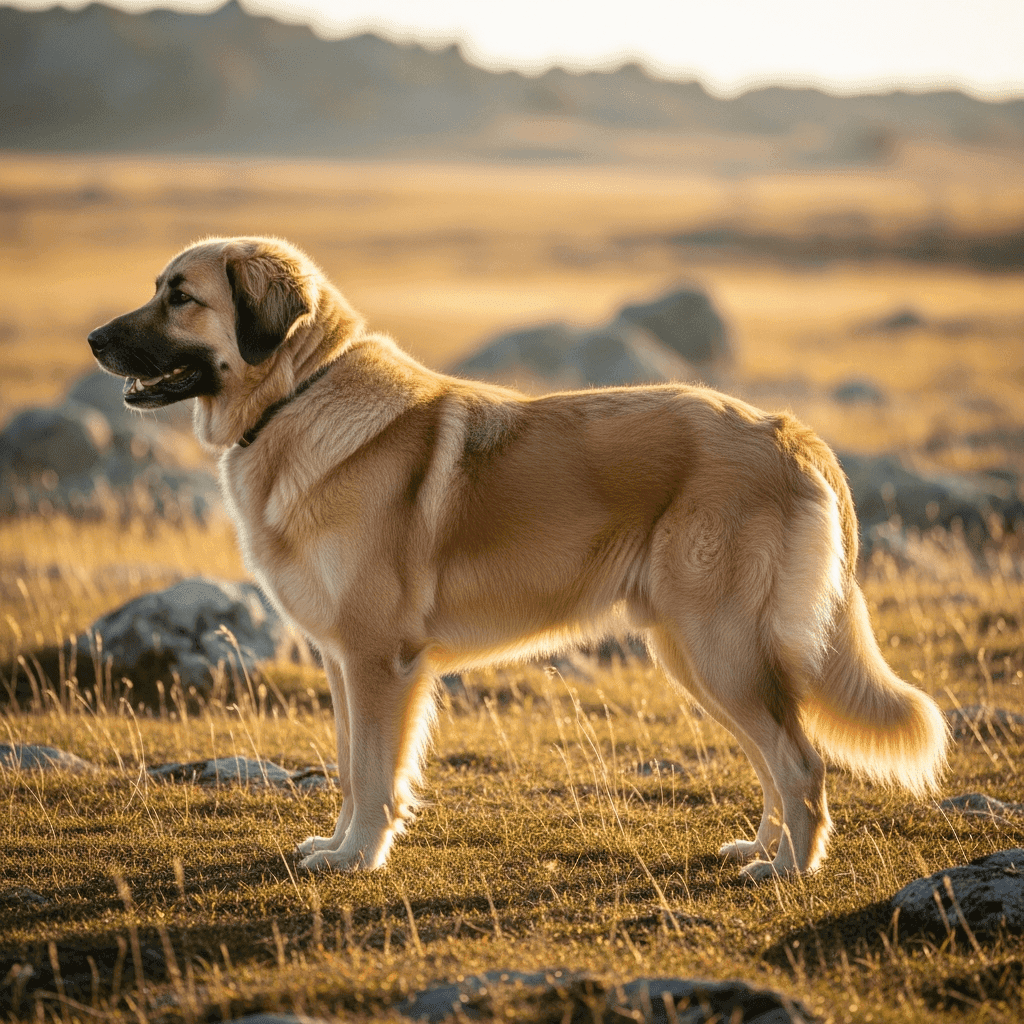
Estrela Mountain Dog
FCI Group
2• FCI 173
Size
Large
Origin Country
PT
Height
62-73 cm
Weight
35-60 kg
Lifespan
10-12 years
Temperament
Overview
The Estrela Mountain Dog, commonly known as Cão da Serra da Estrela, is a breed with an extraordinary history dating back to ancient times. Originating from Portugal, these dogs have served for centuries as indispensable guardians of sheep herds in harsh mountain conditions. They are distinguished by their impressive, massive physique and beautiful features of a mountain molosser. They are considered one of the oldest indigenous breeds on the Iberian Peninsula.
Their unwavering loyalty, courage, and strong guarding instinct make them ideal companions for experienced owners who can provide them with proper upbringing and consistent guidance. The Estrela Mountain Dog is not only an excellent herding and guarding dog but also a devoted family member that forms deep bonds with household members.
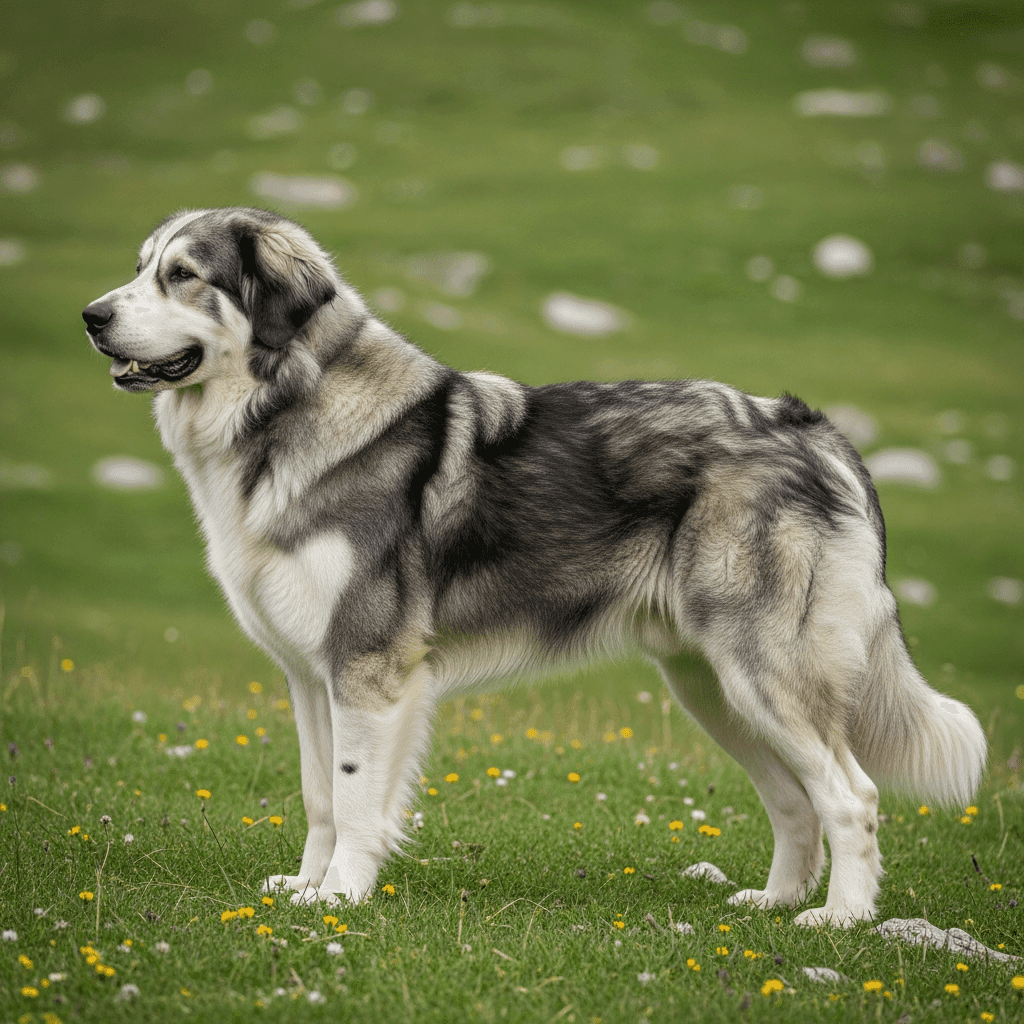
This breed comes in two coat varieties: long-haired and short-haired. Both varieties are characterized by a dense, coarse outer coat that perfectly protects the dog from the harsh weather conditions in the Serra da Estrela mountains. The long-haired variety has lush, slightly wavy fur, while the short-haired variety has shorter, more closely lying hair. Regardless of the coat type, each representative of the breed emanates strength, elegance, and rustic charm.
The Estrela Mountain Dog is a dog with a strong character and distinct temperament. It needs an experienced owner who understands its independent nature and establishes clear rules for cohabitation. Early socialization and consistent, yet positive training are absolutely essential for the Estrela to become a balanced, confident dog that can properly assess situations and respond appropriately to circumstances.
These dogs are full of energy and require regular physical activity and mental stimulation. They love long walks, mountain hikes, and outdoor activities. Owners should provide them with daily exercise and opportunities to utilize their natural guarding and herding instincts. A balanced, high-protein diet tailored to their large mass and activity level is crucial for maintaining fitness, muscle mass, and longevity.
The Estrela Mountain Dog is a breed with a unique personality and unmatched charm. It is a dog that combines beauty, strength, intelligence, and a deep bond with the family. It suits active, experienced owners and those looking for a loyal, brave, and reliable friend for life. We encourage you to explore the other sections of our guide to learn more about the health, grooming, behavior, and training requirements of this fascinating Portuguese breed.
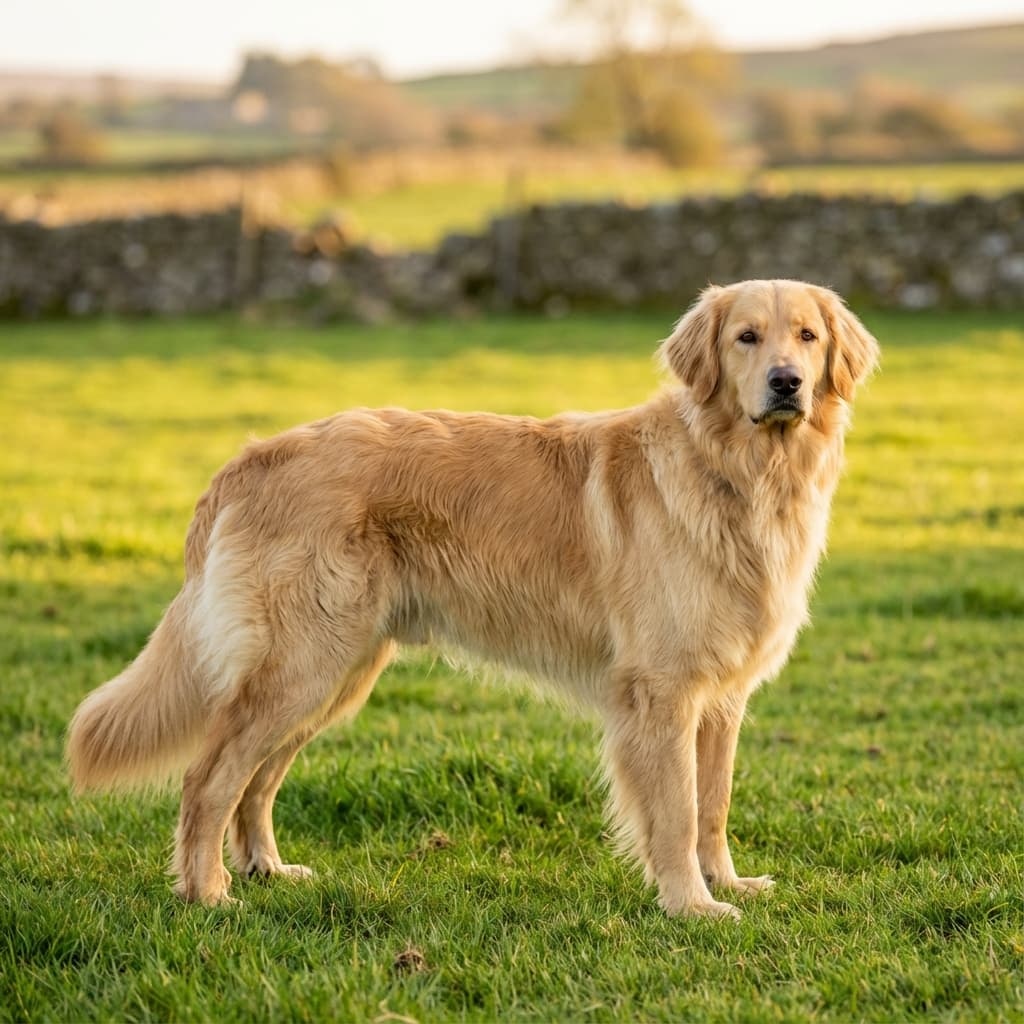
The Cão da Serra da Estrela is a dog with an impressive, majestic appearance that immediately attracts attention with its massive yet harmonious build. According to the FCI standard, the height at the withers ranges from 62 to 73 cm, with males being significantly larger (65-73 cm) than females (62-68 cm). The weight varies from 35 to 60 kg, reflecting the solid, muscular structure of this mountain dog.
The head is strong, proportional to the body, with a clearly defined skull and a muzzle of nearly the same length. The skull is broad, slightly convex, with a moderately pronounced stop. The muzzle is straight, with well-developed jaws and a strong scissor bite. The eyes are medium-sized, oval, dark amber, giving the dog a gentle, calm, and intelligent expression. The ears are small in relation to the body size, triangular, rounded at the tips, hanging, and set moderately high.
The coat of the Cão da Serra da Estrela comes in two varieties:
- Long-haired – the outer coat is dense, rough, slightly wavy, resembling goat hair. Particularly lush on the neck (mane), tail, and the back of the thighs (feathers).
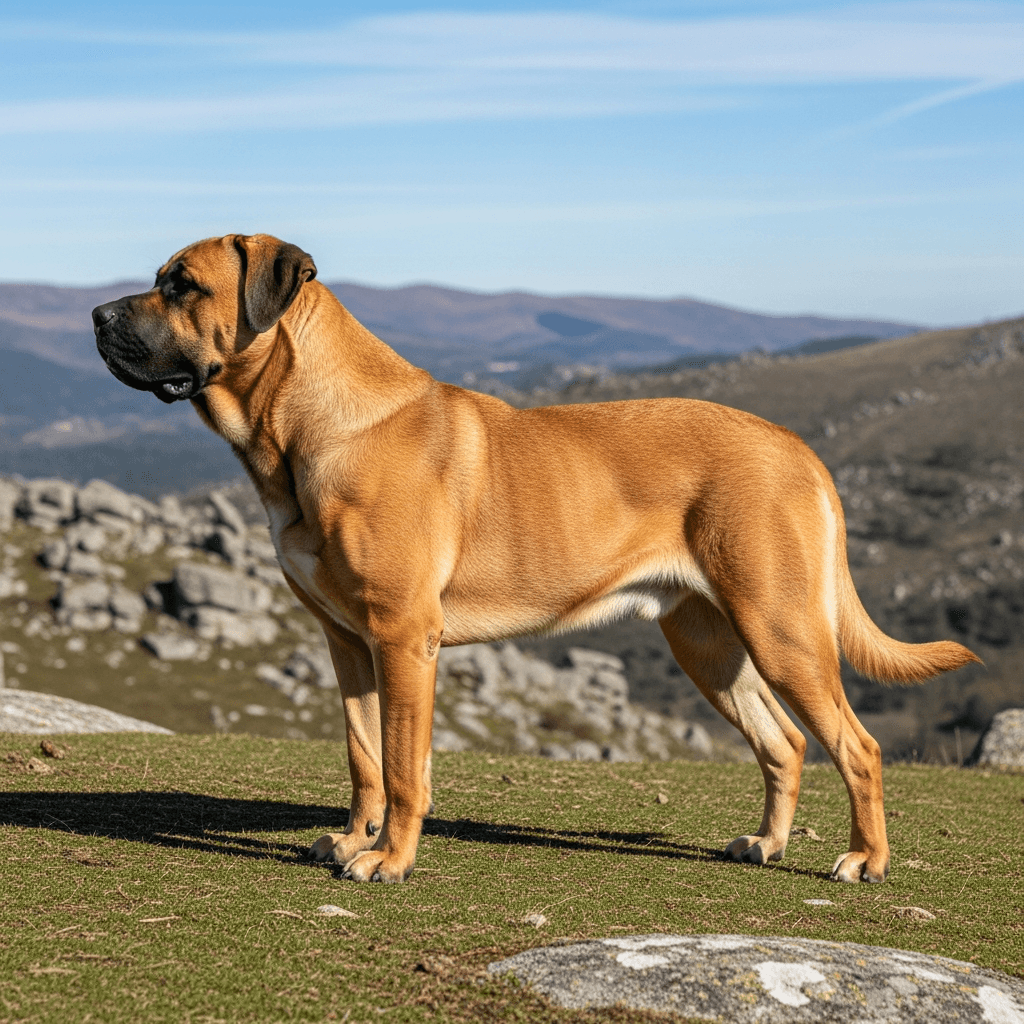
- Short-haired – the hair is shorter, thicker, evenly distributed over the body, with a dense undercoat. It is also rough to the touch.
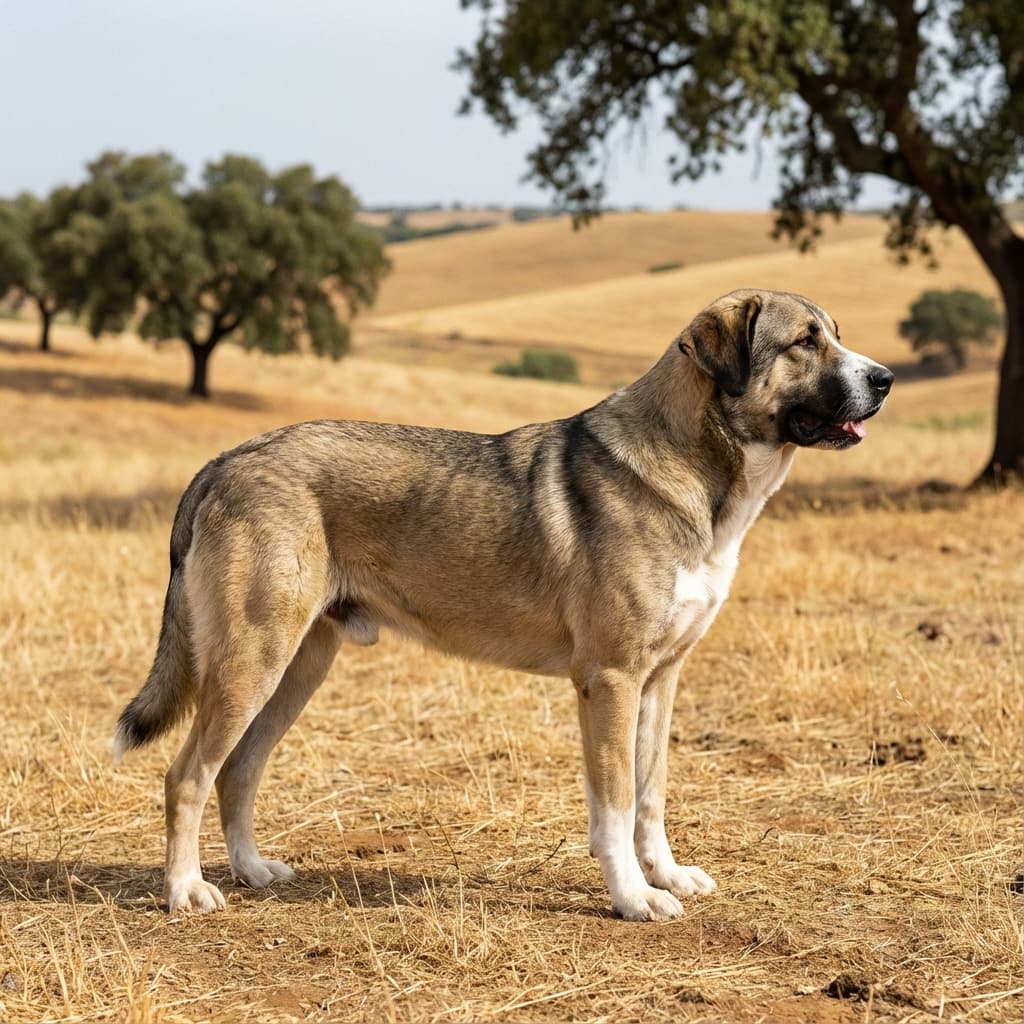
The coat colors include various shades of yellow, fawn, wolf-gray, and gray. Variants with brindling are also possible. White markings on the tips of the paws, chest, and small patches on the head are permissible, although solid colors or those with minimal white markings are preferred.
The body is moderately elongated, solid, and muscular. The chest is deep, wide, and well-developed, providing adequate lung capacity. The back is straight, strong, with short, well-muscled loins. The tail is long, thick at the base, tapering towards the end, carried low below the line of the back at rest, and raised slightly in motion, forming a characteristic arc.
The limbs are strong, well-muscled, and perpendicular. The paws are large, oval, with well-arched toes and tough pads, adapted for moving over difficult, mountainous terrain. This breed stands out not only for its beautiful appearance but also for its strength, agility, and endurance, making it an excellent guard dog, herding dog, and companion for various outdoor activities.
The Estrela Mountain Dog is a dog with a strong, balanced temperament, deeply devoted to its owners and extremely loyal to family members. This breed has been an inseparable companion of mountain shepherds for centuries, and their innate guarding and protective instincts make them some of the best watchdogs and guard dogs.
The Estrela Mountain Dog is brave, alert, and wary of strangers, making them excellent guardians of homes, properties, and herds. Their reaction to potential threats is immediate and firm, but not aggressive without reason. They are intelligent dogs that can assess situations independently and make decisions about actions, which is characteristic of working herding breeds.
With their loved ones, the Estrela Mountain Dog is gentle, friendly, and affectionate. They form strong emotional bonds with their family and love spending time with their people. These dogs get along well with children; however, due to their large size and strength, their interactions with the youngest family members should always be supervised to prevent accidental pushes or falls.
The Estrela Mountain Dog is intelligent and eager to cooperate, although it may sometimes show a degree of independence and stubbornness typical of herding breeds. This requires training to be consistent, patient, and to use positive reinforcement methods. This breed needs regular mental and physical stimulation to prevent boredom and potential behavioral issues, such as destructive behavior or excessive barking.
Due to their strong territorial and protective instincts, early and intensive socialization from a puppy age is absolutely crucial. The Estrela Mountain Dog must learn to distinguish normal, everyday situations from real threats and to accept the presence of strangers and other animals in appropriate contexts. Without proper socialization, the dog may become overly suspicious, distrustful, or reactive.
The Estrela Mountain Dog is a dog that needs close contact with its family and does not like to spend long periods alone. Left to its own devices for too long, it may develop separation anxiety and behavioral problems. This is a breed that feels best as a full-fledged family member, participating in the daily life of the household and performing the work for which it was bred – guarding and protection.
The Cão da Serra da Estrela is a breed that, like many large molosser dogs, may be prone to certain genetic and health issues characteristic of giant breeds. Awareness of potential health problems and regular veterinary check-ups are crucial for ensuring the dog has a long, healthy life.
Among the most common health issues in the Estrela Mountain Dog are:
- Hip Dysplasia (HD) – a congenital defect in the structure of the hip joint that can lead to pain, limping, and arthritis. X-rays are recommended for dogs intended for breeding.
- Elbow Dysplasia (ED) – similar to HD, it can cause limited mobility, discomfort, and movement problems.
- Dilated Cardiomyopathy (DCM) – a heart condition characterized by the weakening of the heart muscle, which can lead to heart failure. Regular cardiac examinations are recommended for large breeds.
- Gastric Dilatation Volvulus (GDV) – a life-threatening sudden expansion and twisting of the stomach, typical in deep-chested large dogs. Symptoms include restlessness, excessive drooling, unsuccessful attempts to vomit, and abdominal bloating. It requires immediate veterinary intervention.
- Eye Problems – progressive retinal atrophy (PRA), cataracts, and entropion (inward rolling of the eyelid) are possible.
Regular veterinary visits, vaccinations, deworming, and preventive examinations are absolutely essential for maintaining the dog's health. Owners should monitor their pet's weight to prevent obesity, which places additional strain on the joints, heart, and musculoskeletal system. A proper, balanced diet and regular physical activity can significantly contribute to keeping the Cão da Serra da Estrela in good condition.
The average lifespan of this breed is 10 to 12 years, which is typical for large molosser dogs. With proper care, health prevention, and attention to physical condition and weight, many dogs can enjoy a long, active, and healthy life.
The Cão da Serra da Estrela requires regular, though not overly demanding, grooming to maintain skin health, coat condition, and overall well-being. The intensity of grooming varies depending on the coat type – long-haired or short-haired.
Brushing the coat is a fundamental aspect of grooming. For long-haired dogs, it is recommended to brush at least two to three times a week to prevent matting, tangles, and to remove dead hair. Special attention should be paid to areas where the coat is most dense – the mane, tail, behind the ears, and the feathers on the hind legs. During the shedding period, which occurs twice a year (in spring and autumn), brushing should be done daily to effectively remove dead undercoat.
Short-haired varieties require less intensive grooming – brushing once a week or every two weeks is sufficient. Despite their shorter hair, these dogs also shed significantly during the season, so it is advisable to increase the brushing frequency during these times.
Bathing should not be too frequent to avoid damaging the skin's natural protective layer and stripping the coat of its natural oils. A bath is recommended every 2-3 months or as needed when the dog is visibly dirty. Before bathing, the dog should be thoroughly brushed to remove loose hair, tangles, and dirt. Use a high-quality shampoo for dogs with coarse, dense coats.
Ear care is important, especially since the Estrela Mountain Dog has floppy ears that may be prone to infections. Regularly check the ears for odor, redness, or excessive wax buildup. Clean them gently with damp cotton balls specifically designed for dog ear care.
Oral hygiene is crucial for preventing tartar buildup and gum disease. Teeth should be brushed at least two to three times a week using a toothbrush and toothpaste formulated for dogs. Regular tooth brushing significantly reduces the risk of oral health issues.
Nail trimming should be done regularly, approximately every 3-4 weeks, depending on how quickly the nails grow and how much they wear down during walks. Overgrown nails can cause discomfort, walking problems, and joint damage. If you are unsure how to properly trim nails, ask a veterinarian or groomer to demonstrate the correct technique.
Overall, the Cão da Serra da Estrela is not an overly demanding breed in terms of grooming; however, regular grooming practices are essential for its health, comfort, and beautiful appearance.
The Estrela Mountain Dog is a breed that requires a large amount of exercise and regular physical activity to maintain physical health, mental balance, and well-being. These dogs are energetic, resilient, and full of life, which is why they need daily, intense exercise and the opportunity to utilize their natural instincts.
It is recommended to provide at least 1.5 to 2 hours of activity daily, including long walks, running, hiking, and outdoor play. Owners should ensure that their dog has the opportunity to explore diverse environments, discover new scents, and engage with nature, which is extremely important for their mental and emotional health.
This breed excels in various forms of physical activity:
- Mountain hiking – the natural environment for the Estrela Mountain Dog is the mountains, so long hikes in challenging terrain are an ideal form of exercise for them.
- Running – these dogs have great endurance and are happy to accompany their owners on jogs or runs.
- Dog sports – they can participate in activities such as dog trekking, carting (pulling carts), or even mountain rescue.
- Guarding games – these dogs love to patrol the area, guard the territory, and perform tasks related to protection.
The Estrela Mountain Dog is a dog that loves spending time outdoors, and its natural guarding and herding instincts can be satisfied through various activities and sports. It is also important to remember regular training sessions, which not only help with the dog's socialization and education but also stimulate its mind.
This breed is intelligent and eager to learn, so it can be worked with on various obedience exercises, tricks, and working tasks, which will satisfy its need for mental activity. Remember that a bored dog lacking sufficient exercise may develop behavioral problems such as excessive barking, destruction of objects, or escaping.
Due to the size and strength of this breed, it is important that exercises are tailored to the dog's age and condition. Puppies and young dogs should not be overburdened with intense exertion to avoid damaging developing joints and bones. Conversely, older dogs may require gentler forms of activity, but still need regular movement to maintain their fitness and mobility.
The training of the Cão da Serra da Estrela should start as early as possible, preferably from the age of 8-10 weeks, to ensure proper socialization, learning basic commands, and understanding family living rules. This breed is intelligent and eager to cooperate, but can be somewhat independent and stubborn, which is typical for herding dogs that work alone. Therefore, it is important for the owner to be consistent, patient, and confident in the training process.
Methods based on positive reinforcement work best. Desirable behaviors should be rewarded with treats, praise, and play, while avoiding physical punishment or shouting, which can lead to fear, distrust, and aggression. The Estrela Mountain Dog responds positively to fair but firm treatment and clear, consistent rules.
Early socialization is absolutely crucial. The puppy must have the opportunity for positive interactions with a variety of people, dogs, animals, and environmental stimuli (sounds, places, situations). A well-socialized dog will be confident, balanced, and able to assess situations properly, which is extremely important for a breed with a strong protective instinct.
The basic commands that should be taught to the Estrela Mountain Dog are:
- Sit – a basic obedience command
- Lie down – helps to calm the dog
- Stay – develops self-control and patience
- Come – crucial for the dog's safety
- Leave it – prevents the dog from eating dangerous objects
- Loose leash walking – important due to the dog's strength and size
Due to its strong guarding instinct, the Estrela Mountain Dog requires special training in controlling territorial aggression and distinguishing normal situations from real threats. Owners should work on getting the dog to accept guests, other animals, and everyday situations without excessive reactivity.
It is also worth introducing various types of activities and dog sports, such as:
- Obedience – develops precise command execution
- Mountain rescue – utilizes the breed's natural abilities
- Carting – pulling carts, which gives the dog a sense of work
- Trekking with the dog – long mountain hikes
A well-trained Cão da Serra da Estrela is a dog that will be balanced, obedient, and confident both at home and during various outdoor activities. Remember, training is an ongoing process – even an adult dog needs regular training sessions to maintain good habits and the relationship with the owner.
The diet of the Cão da Serra da Estrela should be balanced, high in protein, and tailored to its energy needs, which are significant due to its large body mass, intense physical activity, and the characteristics of a herding and guarding breed. An appropriate diet is the foundation for the dog's health, condition, muscle mass, and longevity.
Owners should choose high-quality foods that contain the appropriate amounts of:
- Protein – a minimum of 22-28% for adult dogs, 25-30% for puppies. Animal-based protein (meat, fish, poultry) is crucial for building and maintaining muscle mass.
- Fats – 12-18% for adult dogs. Healthy sources of fats (salmon oil, flaxseed oil, poultry fat) support skin and coat health and provide energy.
- Carbohydrates – sources such as rice, oats, and sweet potatoes provide energy and fiber that supports digestion.
- Vitamins and minerals – calcium, phosphorus, glucosamine, and chondroitin support joint and bone health, which is particularly important for large breeds.
Dogs of this breed, due to their large mass and tendency to have joint problems, may be prone to weight issues. Obesity adds extra strain on the joints, heart, and the entire musculoskeletal system, so it is extremely important to monitor portions and avoid overfeeding. Owners should follow the recommendations of the food manufacturer and adjust portions based on the dog's activity, age, and condition.
The diet should be tailored to the dog's age:
- Puppies (2-18 months) – food for giant breed puppies with controlled levels of calcium and phosphorus to support proper bone and joint development. Feeding 3-4 times a day.
- Adult dogs (18 months - 7 years) – food for adult large breed dogs, rich in protein and healthy fats. Feeding 2 times a day.
- Senior dogs (7+ years) – food for older dogs with added glucosamine and chondroitin, lower calorie content. Feeding 2 times a day.
It is also beneficial to introduce fresh fruits and vegetables as healthy treats (carrots, apples, blueberries), which provide valuable vitamins, antioxidants, and fiber that supports digestion. Avoid giving toxic products such as chocolate, grapes, onions, garlic, and avocado.
Water should always be available for the dog to ensure proper hydration, especially after intense training, walks, or on hot days. Proper hydration supports kidney function, digestion, and thermoregulation.
Due to the risk of gastric torsion (GDV), it is recommended to:
- Feed 2-3 times a day with smaller portions instead of one large meal
- Avoid intense physical activity immediately before and after feeding (wait at least an hour)
- Feed calmly, without rushing, in a quiet place
- Consider using special bowls that slow down eating
Regular consultations with a veterinarian regarding the dog's diet can help maintain its health, condition, and well-being. An appropriate diet is crucial for maintaining energy, muscle mass, joint health, and a long, healthy life for the Cão da Serra da Estrela.
Characteristic Traits
Pros
- Unwavering loyalty to the owner and family
- Strong guarding and protective instincts
- Beautiful and majestic appearance
- Excellent companion for active and experienced owners
- Intelligence and willingness to cooperate.
Cons
- Requires an experienced owner and consistent training
- Needs a very large amount of physical activity and mental stimulation
- May be distrustful and suspicious of strangers
- Prone to joint and heart problems
- Intense shedding
- requires regular grooming.
Behavioral Ratings
Breed History
The Cão da Serra da Estrela has a long, rich, and fascinating history that dates back to ancient times. This breed developed mainly in the mountainous regions of Serra da Estrela in central Portugal, where for centuries it was used by mountain shepherds to guard flocks of sheep and protect them from predators such as wolves and bears.
The Estrela Mountain Dog is considered one of the oldest indigenous breeds of the Iberian Peninsula, and its true origins are shrouded in the mists of history. Historians and cynologists suggest that the ancestors of this breed may have been brought to the Peninsula by ancient tribes such as the Phoenicians, Romans, or nomadic peoples from Asia who arrived with their herds and guard dogs.
For centuries, the Cão da Serra da Estrela has been an invaluable companion to shepherds working in the harsh, challenging mountain conditions. These dogs were used from the foothills up to heights of about 2000 meters, where in summer, after the snow melted, shepherds led their flocks to lush mountain pastures. The Estrela Mountain Dog had to be strong, brave, and independent enough to protect the flocks from predators and drive them through difficult, rocky terrain.
Thanks to its exceptional guarding skills, loyalty, and resilience to harsh conditions, the Cão da Serra da Estrela gained recognition not only in Portugal but also beyond its borders. In the second half of the 20th century, this breed began to gain popularity as a companion and guard dog, leading to its spread to other continents, including Europe, North America, and Australia.
In 1934, the first breed standard for the Cão da Serra da Estrela was established, and in 1955, the breed was officially registered by the Portuguese kennel club. In 1972, the International Canine Federation (FCI) officially recognized the breed, assigning it standard number 173 in group 2, section 2.2 (mountain molossers). The current FCI standard dates back to 2009.
Today, the Cão da Serra da Estrela is not only a valued herding and guard dog but also a popular family and companion dog for those who appreciate loyalty, courage, and the beauty of this ancient Portuguese breed. This breed is a symbol of Portuguese canine heritage and a source of pride for the Serra da Estrela region.