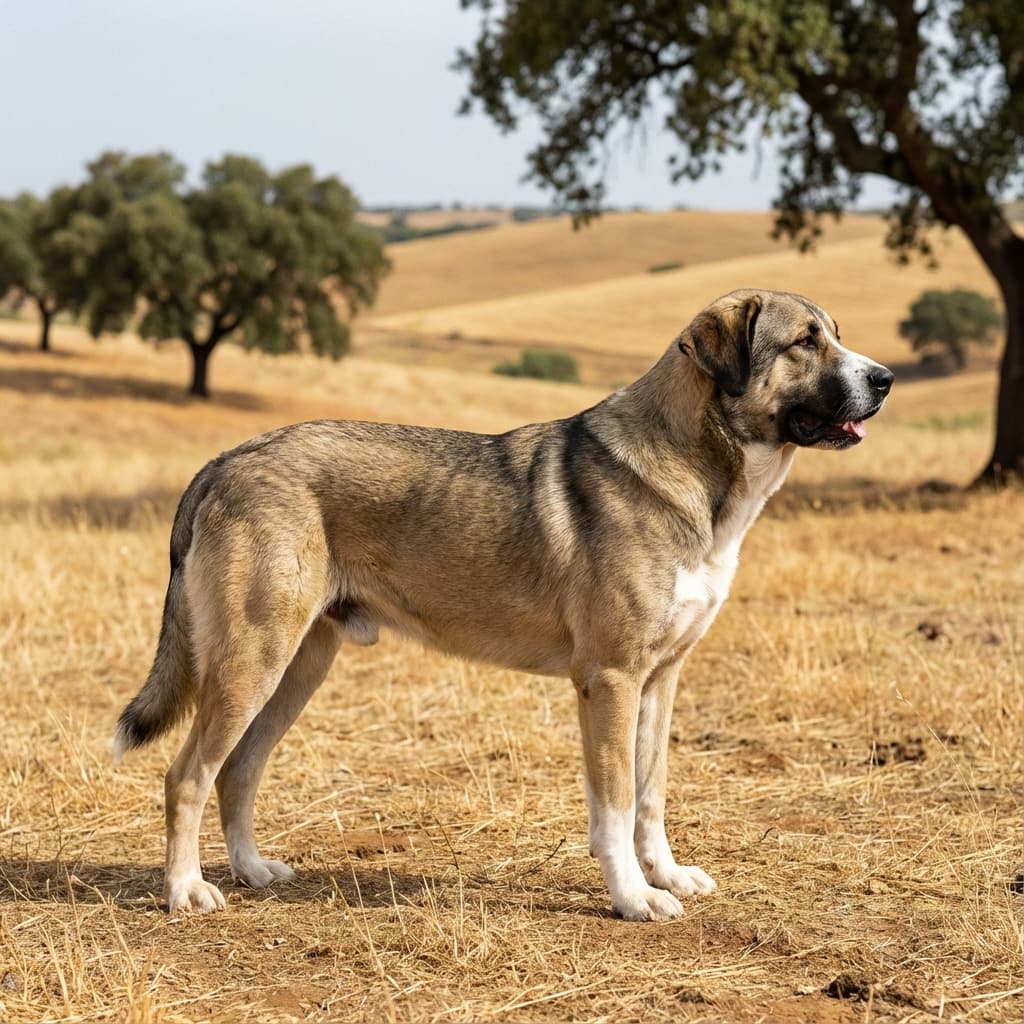
Rafeiro do Alentejo
FCI Group
2• FCI 96
Size
Large
Origin Country
PT
Height
64-74 cm
Weight
35-60 kg
Lifespan
12-14 years
Temperament
Overview
Rafeiro do Alentejo, also known as the Portuguese shepherd dog from Alentejo, is an impressive breed originating from the southern plains of Portugal. These majestic dogs have served for centuries as fearless guardians of herds and farms, and their history dates back to ancient Middle Eastern molossers.
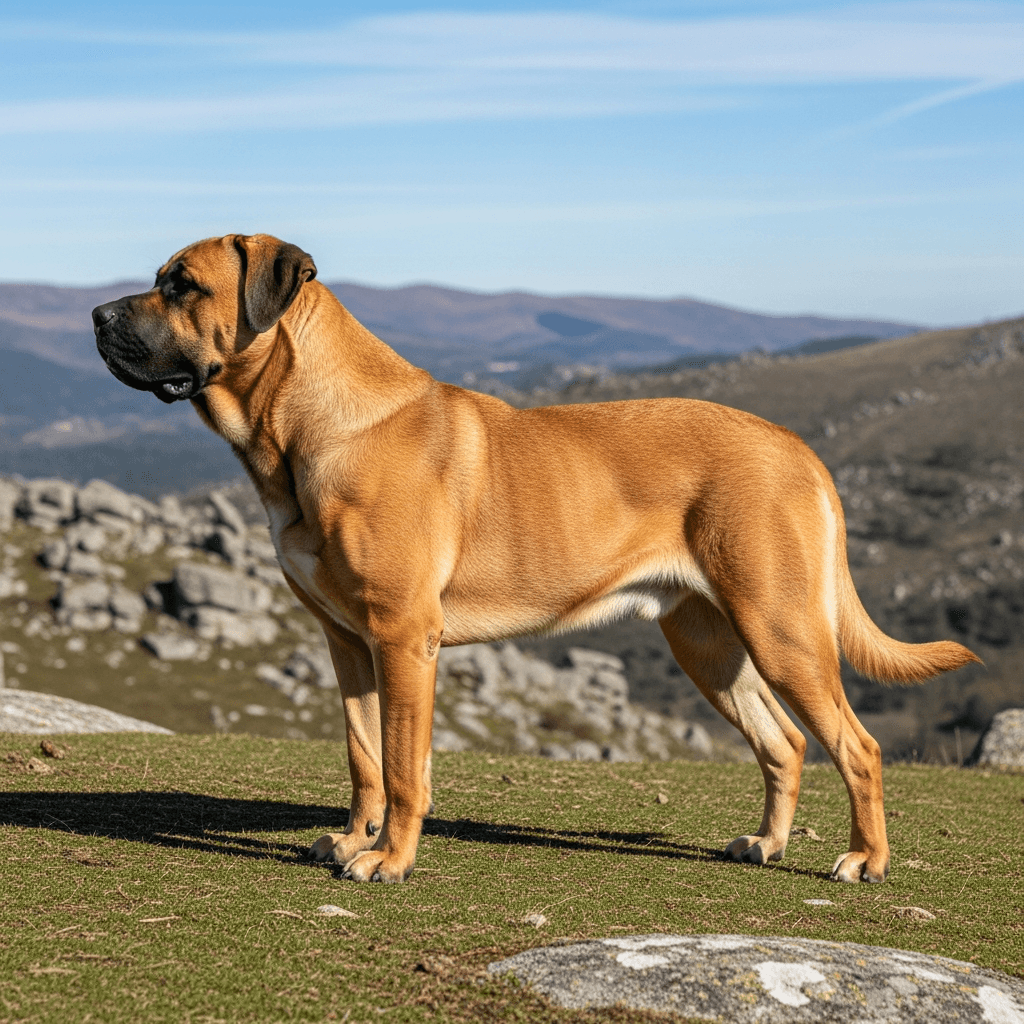
Physical characteristics: Rafeiro do Alentejo is a large dog with a powerful, rustic build. According to the FCI standard, males reach a height at the withers of 66 to 74 cm and weigh 40-60 kg, while females measure 64-70 cm and weigh 35-50 kg. Their silhouette is somewhat elongated, with strong musculature and a harmonious structure.
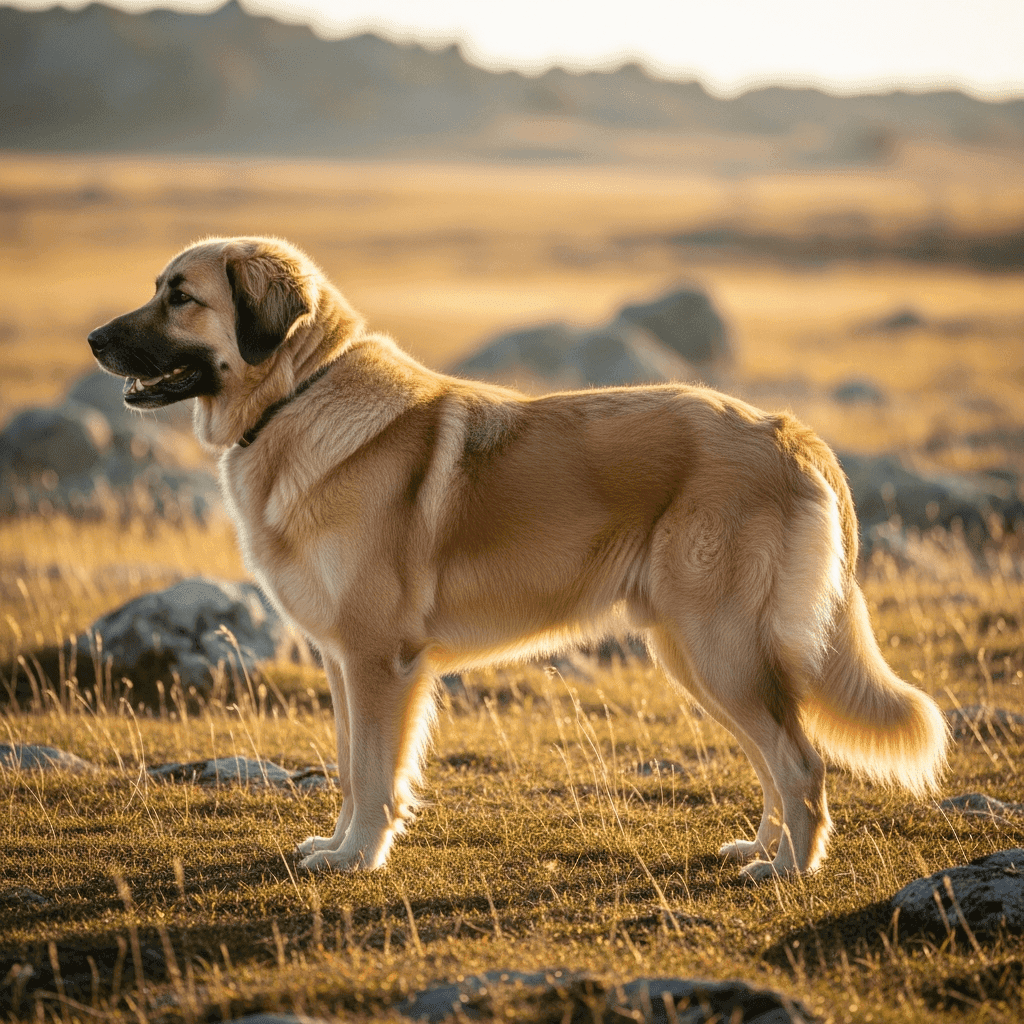
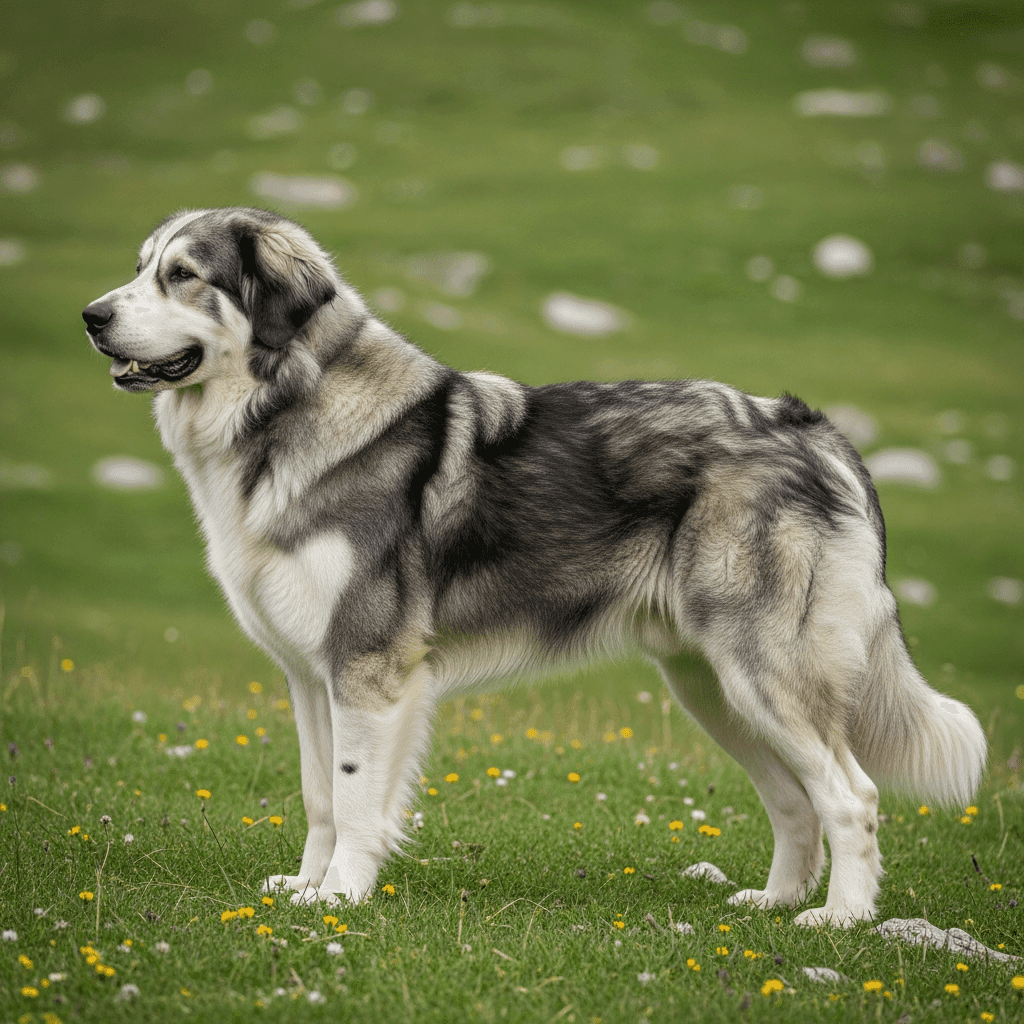
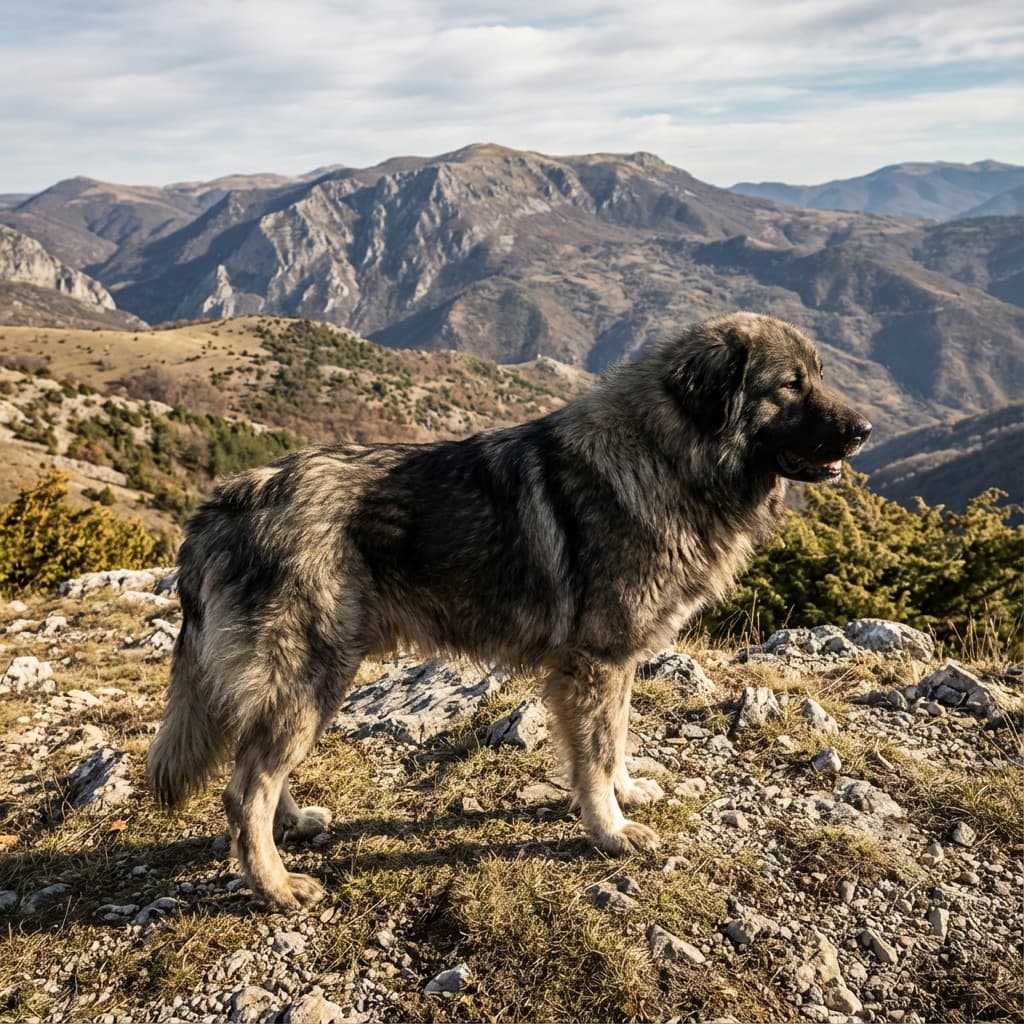
Coat and coloration: The breed is characterized by short to medium-length fur, dense and straight, providing excellent protection against the harsh climate of the Portuguese plains. They come in a rich palette of colors - black, fawn, yellow, gray, and wolf-like, often with striking white markings on the chest, paws, or tip of the tail.
Temperament and character: Despite their impressive size, Rafeiro do Alentejo combines calmness and balance with a natural protective instinct. Within the family, they are extremely gentle, patient, and attached to children, but they maintain distance and vigilance towards strangers. Their independent nature and strong personality require an experienced owner who can provide consistent yet positive training.
History and purpose: This breed has a fascinating history linked to the tradition of transhumance - the seasonal migrations of large flocks of sheep between summer mountain pastures and winter pastures on the plains. Rafeiro do Alentejo accompanied shepherds, defending herds from wolves and other predators. By the end of the 19th century, the breed received an official name referring to the Alentejo region in southern Portugal.
Threat and revival: In the 1990s, Rafeiro do Alentejo was on the brink of extinction due to the mechanization of agriculture and socio-economic changes. Thanks to the determination of a group of breed enthusiasts and Portuguese cynologists, the population was rebuilt, although it remains relatively small even in its native Portugal.
Ideal environment: These dogs thrive best in homes with large, safe areas where they can express their natural guarding behaviors. They are not suitable for living in small apartments or for owners who prefer intense physical activities. Rafeiro do Alentejo is a companion for those who value a calm, loyal, and independent partner with a deep protective instinct.
In the following sections of our guide, you will find detailed information about the health, grooming, training, nutrition, and history of this unique Portuguese breed, which deserves wider recognition beyond the borders of its homeland.
The Rafeiro do Alentejo is a dog with an impressive, majestic presence, combining strength, rusticity, and a harmonious build characteristic of mountain molossers.
General silhouette: The breed belongs to large dogs with a somewhat elongated (subtle line) structure. Their overall outline is powerful yet balanced and proportional. The silhouette emanates strength and endurance, adapted for prolonged effort in difficult terrain.
Body dimensions according to FCI (standard 2009):
- Males: height at the withers 66-74 cm, weight 40-60 kg
- Females: height at the withers 64-70 cm, weight 35-50 kg
- Elongated silhouette - body length exceeds height at the withers
Head and skull: The head is large, massive, and well-formed, with slightly convex lines. The skull is broad with a visible frontal groove and moderately marked stop. The muzzle is shorter than the skull, strong, and well-filled under the eyes. The nose is large, oval, always black with well-opened nostrils.
Eyes and expression: The eyes are small to medium, oval or slightly round, set horizontally at medium height. The iris color ranges from dark to amber, in harmony with the coat color. The expression is calm, intelligent, yet alert - typical of guard dogs.
Ears: Medium-sized, triangular, hanging along the cheeks and slightly folded. Set at medium height, they may be slightly cropped in traditional pastoral use (though this practice is becoming less common).
Body and construction: The neck is strong, cylindrical, proportional to the body, without a distinct dewlap. The back is straight and strong, the loins are wide and muscular. The chest is deep, wide, and well-developed, with appropriately arched ribs. The belly is slightly tucked up.
Limbs: The front and hind limbs are strong, well-muscled, with solid bone structure. The joints are clearly defined, the paws are round and compact, with thick pads. The claws are strong, most often dark. The limbs are set parallel, providing a stable and flexible stance.
Tail: Set at medium height, long (reaching to the hock), thick at the base and tapering towards the end. At rest, it is lowered with a slight curve at the tip; in motion, it may be raised to the level of the back or slightly above, but never curled.
Coat and texture: The coat is short to medium length, dense, straight, and well-adhering to the body. The hair has a somewhat rough texture, providing excellent protection against rain and changing weather conditions of the Portuguese plains. The undercoat is moderately developed.
Coloration: The Rafeiro do Alentejo comes in a rich variety of colors:
- Black - solid or with white markings
- Fawn - from light to deep shades
- Yellow - from creamy to intensely golden
- Gray - from light to dark
- Wolf-like - sandy with darker hair tips
- Combinations with white - white markings most often on the chest, paws, tail tip, or muzzle
Movement and gait: The Rafeiro do Alentejo moves with a free, flexible trot of medium range, with good push from the hind limbs. The movement is efficient and enduring, adapted for long hikes and patrolling the terrain.
Overall, the appearance of the Rafeiro do Alentejo reflects its purpose - it is a working dog, strong and resilient, yet possessing a natural majesty and dignity characteristic of molossoid breeds.
Rafeiro do Alentejo is a breed with a remarkably complex and balanced temperament, combining the calmness and stability typical of guard dogs with a deep attachment to family.
Basic character - calmness and confidence: In its natural environment, Rafeiro do Alentejo presents itself as an extremely calm dog, soberly assessing situations and rarely reacting overly emotionally. These are not nervous or hysterical dogs - their reactions are thoughtful and proportional to the situation. It is this confidence and inner calm that make them excellent guardians.
Protective instinct and alertness: This breed has been selected for centuries for its ability to protect herds and farms. Rafeiro do Alentejo has a strongly developed territorial instinct and a natural distrust of strangers. They are not aggressive by nature, but will firmly defend their territory and family if they sense a threat. Their loud, deep voice effectively deters potential intruders.
Relationships with family: Among their human "pack," Rafeiro do Alentejo is an extremely gentle, patient, and devoted dog. They show particular patience and gentleness in interactions with children, often adopting a protective attitude towards them. They are very attached to all family members, although they often choose one person as their main guide.
Independence and self-sufficiency: As a herding dog that has had to make independent decisions while protecting herds for centuries, Rafeiro do Alentejo has retained a strongly developed instinct for independent thinking. They are not dogs that blindly follow commands - they prefer to assess the situation and make their own decisions. This trait requires the owner to have experience and the ability to build a relationship based on mutual respect, rather than just obedience.
Behavior towards strangers: Rafeiro do Alentejo is naturally reserved and distancing towards strangers. They are not dogs that greet everyone with enthusiasm - they need time to accept a new person. This caution is not a sign of cowardice, but rather of prudence and alertness. Early socialization is crucial to ensure that this natural distance does not turn into excessive distrust or aggression.
Relationships with other animals:
- Dogs: Rafeiro do Alentejo can be tolerant of other dogs, especially if raised with them from puppyhood. However, males may exhibit dominance over other males in their territory.
- Livestock: Due to their herding background, they usually get along well with sheep, goats, and other livestock, adopting a protective attitude towards them.
- Small animals: With proper socialization, they can live harmoniously with cats and other household pets, although caution should be exercised with unfamiliar small animals.
Activity and energy: Despite their large size, Rafeiro do Alentejo does not require extremely high amounts of intense activity. They prefer moderate but regular exercise. They feel best when they can freely patrol a safe area, observe their surroundings, and perform their natural guarding duties. They are not dogs for jogging enthusiasts or long cycling trips.
Loudness and barking: Rafeiro do Alentejo has a loud, deep voice that it uses as a warning and deterrent. They are not a breed that barks for no reason, but they will alert to approaching strangers or unusual events. Their barking is thoughtful and purposeful.
Adaptability and flexibility: While they feel best in a rural environment with plenty of space, they can adapt to various conditions, provided their basic needs (space, safety, family contact) are met. They are not suitable for living in small apartments or dense urban areas.
Emotional maturity: It is important to remember that Rafeiro do Alentejo matures slowly - both physically and emotionally. They achieve full behavioral maturity only at the age of 3-4 years. During this time, they may be somewhat more playful and less predictable than mature individuals.
Temperament summary: Rafeiro do Alentejo is an ideal breed for experienced owners seeking a calm, loyal, and independent guard dog that proves to be extremely gentle and protective within the family. They are not dogs for everyone - they require an understanding of their natural instincts, consistent training, and an appropriate living environment.
Rafeiro do Alentejo is generally a healthy and resilient breed with a relatively long lifespan for large dogs. The average lifespan is 12-14 years, which is an impressive result for a molosser of this size.
Overall health condition: As a breed that has undergone natural selection for centuries in harsh pastoral conditions, Rafeiro do Alentejo has developed a solid constitution and immunity. It is not burdened with as many genetic problems as some popular breeds.
Most common health issues:
1. Hip Dysplasia (HD): Like most large breeds, Rafeiro do Alentejo can be prone to hip dysplasia - a developmental disorder of the hip joint leading to pain, lameness, and arthritis. Responsible breeders conduct X-ray examinations of the parents before breeding (FCI/OFA certificates). Maintaining a proper body weight and moderate physical activity during the growth period (up to 18 months) can significantly reduce the risk.
2. Elbow Dysplasia (ED): Less common than HD, but also possible in this breed. Symptoms are similar - lameness in the front limb, reluctance to move, stiffness. Prevention is identical to that of hip dysplasia.
3. Gastric Torsion (GDV): As a large dog with a deep chest, Rafeiro do Alentejo is at risk of dangerous gastric torsion. This is a life-threatening condition requiring immediate veterinary intervention. Prevention:
- Feeding 2-3 times a day in smaller portions
- Avoiding intense exercise immediately before and after meals (minimum 1 hour break)
- Slow eating (anti-gulping bowls)
- Avoiding stress during meals
4. Joint problems and arthritis: With age, especially in dogs over 8-10 years, degenerative changes in the joints may occur, leading to arthritis. Symptoms include stiffness after rest, difficulty getting up, reluctance to climb stairs. Support with supplements (glucosamine, chondroitin, omega-3) and maintaining a lean physique can slow the progression of the disease.
5. Obesity: Rafeiro do Alentejo has moderate energy needs and can easily gain weight with excessive feeding and little activity. Overweight worsens joint problems and burdens the heart. Maintaining a proper weight is crucial for a long, healthy life.
6. Eye problems: Occasionally, eye conditions such as cataracts (especially age-related) or progressive retinal atrophy (PRA) may occur. Regular eye examinations allow for early detection of changes.
7. Skin problems: Dogs with light coats may experience skin allergies or hypersensitivity reactions. Regular grooming and an elimination diet (if necessary) help control symptoms.
8. Tumors: Like most large breeds, the risk of tumors increases with age. Regular veterinary check-ups and owner vigilance (monitoring lumps, skin changes) allow for early detection and treatment.
Preventive care and examinations:
- Puppies (0-18 months): Regular veterinary visits, vaccinations, deworming, monitoring proper growth
- Adult dogs (2-7 years): Annual check-ups, vaccinations, blood tests, joint monitoring
- Senior dogs (8+ years): Visits every 6 months, extended blood tests, ultrasound, heart and kidney monitoring
Breeding examinations (for dogs intended for breeding):
- X-rays of hip joints (HD) - minimum 12 months of age
- X-rays of elbow joints (ED) - minimum 12 months of age
- Ophthalmic examinations
- Genetic tests (depending on availability for the breed)
Diet and supplementation: A balanced diet suitable for large breeds, with controlled levels of calcium and phosphorus during the growth period. In senior dogs, joint support (glucosamine, MSM, omega-3 fatty acids) and antioxidants can improve quality of life.
Physical activity: Moderate but regular activity supports joint and muscle health. Avoid overexerting puppies - intense exercise can damage developing joints.
Summary: Rafeiro do Alentejo is generally a healthy breed that, with proper care, a balanced diet, and regular veterinary check-ups, can enjoy a long and active life. Choosing a puppy from a responsible breeder who conducts genetic testing and maintaining a proper body weight throughout the dog's life is crucial.
The Rafeiro do Alentejo is a breed that is relatively uncomplicated to care for, making it attractive for owners looking for a large dog with minimal grooming requirements.
Coat and brushing: The short to medium-length coat of the Rafeiro do Alentejo requires regular but not time-consuming brushing. Recommended frequency:
- Most of the year: Brushing 1-2 times a week is sufficient to remove dead hair and keep the coat in good condition.
- Shedding season (spring/fall): Increase the frequency to 3-4 times a week when the dog is shedding its undercoat.
Tools: A natural bristle brush or rubber grooming glove for daily care, a furminator or shedding comb during heavy shedding periods.
Shedding: The Rafeiro do Alentejo sheds moderately year-round, with two periods of more intense shedding in spring (shedding winter undercoat) and fall (preparing for winter). Regular brushing minimizes the amount of hair in the home.
Bathing: This breed does not require frequent baths - washing too often can damage the natural protective layer of the skin and coat. Recommendations:
- Bath every 2-3 months or as needed (e.g., after playing in mud).
- Use gentle shampoos designed for dogs with coarser coats.
- Rinse thoroughly to avoid skin irritation.
- After bathing, dry the coat thoroughly with a towel (no blow dryer unless the dog is accustomed to it).
Ear care: The floppy ears of the Rafeiro do Alentejo may be more prone to infections due to limited air circulation. Routine check:
- Check ears once a week for dirt, unpleasant odor, or redness.
- Clean the outer part of the ear with a damp cotton ball (never use cotton swabs in the ear canal!).
- Use special dog ear cleaning solutions (available from a veterinarian).
- If you notice excessive ear rubbing, discharge, or odor - consult a veterinarian.
Dental care: Oral hygiene is often neglected but is crucial for the dog's health. Routine:
- Brush teeth 2-3 times a week (preferably daily) with a special toothbrush and toothpaste for dogs.
- Dental treats and chew toys support natural hygiene.
- Annual dental check-ups with a veterinarian.
- Professional teeth cleaning under anesthesia as needed (every 2-4 years for adult dogs).
Nail care: Nails should be checked and trimmed regularly, especially for dogs that are not very active on hard surfaces. Tips:
- Check nail length every 2-3 weeks.
- Trim nails when they touch the floor while standing or make a clicking sound while walking.
- Use a sturdy clipper for large breeds.
- Be cautious of the pink part of the nail (the quick) - only trim the clear part.
- If you are unsure, ask a veterinarian or groomer for help.
Drooling: Some Rafeiro do Alentejo individuals may have a tendency to moderate drooling, especially after drinking water or while waiting for food. It's a good idea to have a towel handy for wiping the mouth and the area around the water bowl.
Eye care: The eyes usually do not require special care, but it's worth checking them regularly:
- Check eyes for redness, discharge, or cloudiness.
- Light discharge can be removed with a damp cotton ball (one for each eye).
- Consult a veterinarian for any concerning changes.
Skin and coat inspection: While brushing, check the skin for:
- Ticks and fleas (especially in warm months).
- Wounds, scratches, lumps, or skin changes.
- Bald patches or changes in coat appearance.
- Excessive dryness or flaking of the skin.
Seasonal care:
- Summer: Tick checks after walks, access to shade and water, protection of paw pads from hot asphalt.
- Winter: Protect paw pads from road salt (wash paws after walks), moisturizing balms for paws.
Time spent on grooming: A total of about 30-45 minutes per week is sufficient to keep the Rafeiro do Alentejo looking neat and healthy. During heavy shedding periods, this may increase to an hour.
Summary: The Rafeiro do Alentejo is a breed with low to moderate grooming requirements. Regular brushing, ear, teeth, and nail checks, along with occasional baths, are all that is needed to keep these beautiful dogs in excellent condition. Their rustic coat does not require visits to a professional groomer.
Rafeiro do Alentejo is a breed with moderate exercise needs, which may be surprising considering their large size. Their physical activity requirements differ significantly from those of energetic working or sporting dog breeds.
Basic exercise needs: An adult Rafeiro do Alentejo needs about 60-90 minutes of moderate activity per day, divided into several sessions. However, it is crucial to understand that the intensity of this activity does not have to be high - these dogs prefer calm, extended walks and patrolling the area over intense running or jumping.
Recommended types of activities:
1. Walks and patrolling: The ideal form of activity for a Rafeiro do Alentejo is long, calm walks at a natural pace for the dog (not a brisk march). The dog loves to patrol the area, explore scents, and observe the surroundings - this is part of its guarding instinct.
- 2-3 walks per day of 20-30 minutes each
- Allow the dog to sniff and explore at its own pace
- Change routes to provide mental stimulation
2. Free run: If you have access to a safe, fenced area (preferably at least 500-1000 m²), Rafeiro do Alentejo loves to move freely and patrol its "domain." This is an excellent form of activity in line with their nature.
- Safe fencing at least 150-180 cm high (they can jump lower fences)
- Area for patrolling and observation
- Ability to move freely for most of the day
3. Light hiking: Calm, not overly technical hikes on gentle terrain are an excellent form of activity. Avoid long, exhausting hikes in mountainous areas.
4. Interactive play: Moderate play with the owner, such as calm fetching or searching for hidden treats (scent games).
Activities NOT recommended or requiring caution:
- Jogging/running: This breed is not suitable for jogging enthusiasts - intense, prolonged running puts stress on the joints and does not align with the dog's nature.
- Agility/dog sports: Due to their build and size, intense dog sports involving jumps and turns are not appropriate.
- Bicycle rides: Long, fast bike rides are too intense for this breed.
- Extreme temperatures: Avoid intense exercise in hot weather (risk of overheating) and on freezing days.
Special considerations for puppies (0-18 months): CRITICALLY IMPORTANT: Large breed puppies, including Rafeiro do Alentejo, develop slowly, and their joints are sensitive to overload. Too intense activity can lead to permanent damage.
5-minute rule: The maximum walking time for a puppy is 5 minutes x age in months, twice a day:
- 3-month-old puppy: max 15 minutes, 2 times a day
- 6-month-old puppy: max 30 minutes, 2 times a day
- 12-month-old puppy: max 60 minutes, 2 times a day
Prohibited for puppies:
- Jumping from significant heights (stairs, furniture)
- Intense running on hard surfaces
- Rough play with older, larger dogs
- Long hikes
Mental stimulation (just as important as physical): Rafeiro do Alentejo is an intelligent dog that also needs mental stimulation:
- Interactive toys with hidden treats
- Scent games (searching, tracking)
- Simple obedience exercises (maintain focus)
- New walking routes (new scents and stimuli)
- Social interactions (controlled, with well-matched dogs)
Activity for senior dogs (8+ years): Older Rafeiro do Alentejo still need regular activity, but tailored to their capabilities:
- Shorter but more frequent walks (3-4 times a day for 15-20 minutes)
- Avoid steep inclines and stairs
- Walks on soft surfaces (grass, forest paths) instead of asphalt
- Observe signs of discomfort (stiffness, limping) and adjust activity accordingly
Signs of overexertion: Pay attention to signals that the dog has had enough:
- Heavy, shallow breathing
- Frequent stopping and reluctance to continue
- Limping or stiffness
- Excessive fatigue after activity
Weather conditions:
- Heat (>25°C): Walks early in the morning and evening, access to shade and water, avoid hot asphalt
- Frost (<-10°C): Shorter walks, protect paws from salt, observe signs of chilling
- Rain: Rafeiro do Alentejo usually does not mind the rain, but dry the coat thoroughly after a walk
Summary: Rafeiro do Alentejo is a dog with moderate but regular exercise needs. This breed is not for enthusiasts of intense dog sports but is perfect for those who appreciate calm walks and have an area to patrol. The key is regularity and moderation - too little activity leads to boredom and behavioral problems, while too much intensity stresses the joints. Finding the golden mean will ensure the dog's health and happiness.
The training of Rafeiro do Alentejo is a task that requires experience, patience, and consistency. This breed is not suitable for novice dog owners - their independent character and strong personality require a steady hand and a deep understanding of canine psychology.
Basic learning characteristics: Rafeiro do Alentejo is a smart but independent dog. Unlike working breeds that "follow commands" (like German Shepherds or Retrievers), these dogs have been selected over the centuries to make decisions independently in herding situations. This means that:
- They do not follow commands blindly - they assess the situation first
- They may challenge the owner's authority if they find it inconsistent
- They prefer to understand WHY they should do something, not just HOW
- They can be stubborn and slow to respond to commands
Training methods - what works:
1. Positive reinforcement with consistency: The most effective method is training based on positive reinforcement (rewarding desired behaviors), but with clear, consistent boundaries.
- Reward desired behaviors immediately (treats, praise, play)
- Ignore undesired behaviors (unless they are dangerous)
- Be consistent - if something is forbidden, it must be ALWAYS forbidden
- All family members must apply the same rules
2. Building relationships and respect: Rafeiro do Alentejo does not respond well to confrontational, dominant methods. The key is to build a relationship based on mutual respect and trust.
- Be calm, confident, and predictable
- Do not use shouting or physical violence - it destroys trust
- Present yourself as a competent guide, not a tyrant
- Lead by example and consistency
3. Short, frequent sessions: Long, monotonous training sessions bore Rafeiro do Alentejo. Better results come from short (5-10 minutes), frequent (2-3 times a day) training sessions interspersed with play.
Methods NOT recommended:
- Aggressive dominance methods: Flipping on the back, pinching the neck, choke collars - all of this destroys trust and can provoke defensive aggression
- Excessive repetition: Repeatedly practicing the same exercise without breaks bores the dog
- Physical punishment: Absolutely unacceptable and counterproductive
Key training stages:
PHASE 1: Puppy socialization (8-16 weeks) - CRITICAL: This is the most important period in the life of Rafeiro do Alentejo. Proper socialization determines whether it will be a balanced, confident guard dog or an overly suspicious and potentially aggressive individual.
What to do:
- Exposure to various people (children, adults, seniors, people in different clothing)
- Positive interactions with other dogs (puppy kindergarten!)
- Different environments (city, countryside, forest, shops, train station, veterinarians)
- Various sounds (cars, thunder, vacuum cleaners, doorbells)
- Gentle acclimatization to grooming (touching paws, ears, mouth)
Golden rule: Every new experience should be positive and stress-free. Do not force the puppy - allow it to explore at its own pace, rewarding brave behavior.
PHASE 2: Basic obedience (3-12 months): During this period, teach basic commands:
- Sit - the foundation of calm behavior
- Stay / Wait - impulse control
- Come - the most important safety command (requires MANY repetitions and attractive rewards)
- Lie down - a relaxing position
- No - a universal prohibition
- Drop it - relinquishing an item
- Loose leash walking - practice daily, be patient
PHASE 3: Control of guarding behaviors (6-24 months): As they mature, the guarding instinct of Rafeiro do Alentejo will intensify. It is crucial to teach the dog controlled protection:
- Teach the command Calm/End - interrupts alarm barking
- Teach the dog to accept guests in the home (positive reinforcement of calm behavior)
- Do not reward overly suspicious behavior (do not calm the dog by saying It's okay, good - this reinforces anxiety)
- Teach the dog the difference between real threats and everyday situations
PHASE 4: Maintenance and improvement (2-4 years): Rafeiro do Alentejo reaches full maturity at 3-4 years of age. During this time, continue regular refresher and reinforcement training:
- Weekly sessions to refresh basic commands
- Trips to new places (maintaining socialization)
- Controlled meetings with other dogs
Breed-specific challenges:
1. Stubbornness and selective deafness: Rafeiro do Alentejo may pretend not to hear a command if it deems it unimportant. Solution: Use very high-value rewards (e.g., pieces of chicken instead of dry treats), train in a distraction-free environment, shorten the distance.
2. Reluctance to repeat: The dog quickly gets bored. Solution: Vary exercises, introduce play elements, do not demand 20 repetitions in a row.
3. Territorialism and aggression towards strange dogs: Especially males can be dominant. Solution: Early socialization, controlled meetings with well-matched dogs, teaching the command Leave it/End.
4. Strong guarding instinct: Alarm barking, distrust of guests. Solution: Teach the command to stop barking, positive experiences with guests (guests give treats), designate a relaxation area.
Is Rafeiro do Alentejo suitable for advanced disciplines? Generally no - this is not a breed for agility, obedience, or IPO. Their independent character and moderate motivation to work on command make them prefer simple, practical tasks (e.g., actually guarding the home) over sporting excellence.
Professional help: For most Rafeiro do Alentejo owners, especially first-timers, it is recommended to seek a professional trainer specializing in guarding breeds and molossers. An experienced trainer will help avoid common mistakes and teach the owner effective communication with the dog.
Summary: Training Rafeiro do Alentejo is a marathon, not a sprint. It requires patience, consistency, and a deep respect for the independent nature of this breed. A well-trained Rafeiro do Alentejo is a balanced, obedient (within reason), and reliable family guardian - but this takes time, effort, and experience. This is not a breed for those seeking an unconditionally obedient dog - but for those who value intelligence, independence, and a natural protective instinct, it is an ideal choice.
Proper nutrition for Rafeiro do Alentejo is crucial for the health, condition, and longevity of this breed. As large dogs with moderate activity levels, they have specific dietary requirements.
Basic nutrition guidelines:
1. Food for large breeds: Rafeiro do Alentejo should receive high-quality food dedicated to large dog breeds (Large Breed). Such foods have:
- Controlled levels of calcium and phosphorus (protects joints during growth)
- Appropriate protein-to-fat ratio
- Additives that support joint health (glucosamine, chondroitin)
- Larger kibble (encourages chewing, supports dental health)
2. Life stages and appropriate food:
PUPPIES (2-18 months) - PUPPY LARGE BREED:
- Food for large breed puppies with controlled energy content
- IMPORTANT: DO NOT use food with excess calcium and energy - too rapid growth harms the joints!
- Feeding: 3-4 times a day (up to 6 months), then 2-3 times a day
- Amount: according to the manufacturer's recommendations, adjusted to the puppy's condition
- Transition to adult food: around 12-18 months of age (slowly, over 7-10 days)
ADULT DOGS (18 months - 7 years) - ADULT LARGE BREED:
- Food for adult large breed dogs
- Feeding: 2 times a day (morning and evening)
- Portions: adjusted to weight, activity, and body condition
- Weight monitoring: regular weighing and observation of condition (the dog should have a noticeable waist and palpable ribs under a layer of muscle)
SENIOR DOGS (7+ years) - SENIOR LARGE BREED:
- Food for senior large breed dogs (lower calorie content, more fiber, joint and kidney support)
- Feeding: 2 times a day, smaller portions
- Joint supplementation (after consulting with a veterinarian)
- Kidney diet in case of kidney problems (common in older dogs)
3. Amount of food - general guidelines:
- Adult dogs: about 400-600g of dry food per day (or 3-4% of body weight in a BARF diet)
- Active dogs: at the upper end of the recommendations
- Less active dogs: at the lower end (risk of obesity!)
- Always adjust the amount to individual needs - monitor body condition
4. Feeding frequency - CRITICAL for the breed: Rafeiro do Alentejo, as a large dog with a deep chest, is at risk of gastric torsion (GDV) - a life-threatening condition.
Rules to prevent gastric torsion:
- Feed 2-3 times a day in smaller portions (never 1 large meal!)
- Avoid intense exercise 1 hour before and 2 hours after feeding
- Provide food in a calm environment, without stress
- Use slow feeder bowls (if the dog gulps food very quickly)
- Access to water at all times, but limit very large amounts immediately after meals
- Feed at regular times (consistency)
5. Types of feeding - options:
A) Dry food (kibble):
- Advantages: Convenient, complete and balanced, long shelf life, cleans teeth
- Disadvantages: Processed, less appealing to some dogs
- Recommended premium brands: Royal Canin Giant, Brit Care Large Breed, Purina Pro Plan Large Athletic, Acana/Orijen Large Breed
B) Wet food (cans/pouches):
- Advantages: More appealing, higher moisture content
- Disadvantages: More expensive, does not clean teeth, shorter shelf life after opening
- Usage: Can be mixed with dry food (e.g., 70% dry + 30% wet)
C) BARF diet (Biologically Appropriate Raw Food):
- Advantage: Natural, fresh, high-quality protein
- Disadvantages: Time-consuming, requires nutritional knowledge, risk of bacteria (salmonella), harder to balance
- Sample composition: 70% meat and bone meat, 10% organs, 10% vegetables/fruits, 10% supplements (oils, eggs)
- NOTE: If you choose BARF, consult with a veterinary nutritionist to avoid deficiencies
D) Home-cooked diet:
- Similar to BARF, but with cooked meat
- Requires supplementation (calcium, vitamins, minerals)
- Consult with a veterinary nutritionist
6. Ingredients - what to pay attention to:
Desirable ingredients:
- Animal protein as the first ingredient (chicken, beef, fish, lamb) - min. 22-26%
- Healthy fats (chicken, fish, flaxseed oil) - 12-16%
- Carbohydrates with a low glycemic index (brown rice, oats, sweet potatoes)
- Glucosamine and chondroitin - joint support (min. 400mg/kg and 300mg/kg)
- Omega-3 and Omega-6 - healthy skin and coat
- Probiotics - gut health
Undesirable ingredients:
- Fillers (corn, soy in large amounts)
- Low-quality by-products (meat meal unspecified)
- Artificial colors, flavors, preservatives
- Excess calcium and phosphorus (harmful to puppies)
7. Treats and snacks:
- Should make up max 10% of daily calorie intake
- Healthy options: pieces of meat, vegetables (carrots, broccoli), fruits (apple without seeds, banana - in small amounts)
- Dental products (chews that clean teeth)
- AVOID: chocolate, onions, garlic, grapes, raisins, xylitol (toxic to dogs!)
8. Water:
- Access to fresh water ALWAYS
- An adult Rafeiro do Alentejo drinks about 2-4 liters of water daily
- Change water twice a day
- Monitor the amount of water consumed - a sudden increase may indicate health problems (diabetes, kidney issues)
9. Supplementation (after consulting with a veterinarian):
Puppies:
- Generally do not need supplements when fed high-quality puppy food
- NEVER add calcium - excess harms the joints!
Adult dogs:
- Glucosamine and chondroitin (if the food does not contain sufficient amounts)
- Omega-3 (salmon oil, krill oil) - for joints and coat
Senior dogs:
- Enhanced joint support (glucosamine, chondroitin, MSM)
- Antioxidants (vitamin E, C, selenium)
- Probiotics (gut health)
10. Nutritional problems and their solutions:
Obesity - A COMMON PROBLEM: Rafeiro do Alentejo tends to gain weight with low activity.
- Symptoms: No visible waist, undetectable ribs, difficulty moving
- Solution: Reduce portions by 20-25%, increase activity, limit treats, consider light/weight management food
Food allergies: Some individuals may have allergies to chicken, beef, or grains.
- Symptoms: Itchy skin, digestive issues, ear discharge
- Solution: Elimination diet, hypoallergenic food (lamb + rice, fish + potatoes), consultation with a veterinarian
Digestive issues: Sensitive stomach, diarrhea, constipation.
- Solution: Food for sensitive stomachs, probiotics, change protein source, smaller portions more frequently
11. Changing food - how to do it safely:
- Transitioning to new food should take 7-10 days
- Day 1-2: 75% old food + 25% new
- Day 3-4: 50% old + 50% new
- Day 5-6: 25% old + 75% new
- Day 7+: 100% new food
- Monitor stool and the dog's overall condition
Summary: Feeding Rafeiro do Alentejo requires a thoughtful approach - high-quality food for large breeds, feeding 2-3 times a day (to prevent torsion), weight control, and adjusting portions to activity. A well-balanced diet is the foundation of a long, healthy life for this beautiful Portuguese breed. Don't skimp on feeding - investing in high-quality food pays off many times over in the dog's health and condition.
Characteristic Traits
Pros
- Excellent guardian and defender
- Calm and balanced temperament
- Gentle and patient with children
- Strong and resilient
- Loyal to the family
- Resistant to harsh weather conditions.
Cons
- Requires an experienced owner
- Needs a lot of space
- Strong territorial instinct
- Stubbornness and independence in training
- Long maturation period (3-4 years)
- May be dominant towards other dogs.
Behavioral Ratings
Breed History
The history of Rafeiro do Alentejo is a fascinating tale of survival, pastoral tradition, and the struggle to save the breed from oblivion. These majestic dogs have accompanied Portuguese shepherds for centuries, and their roots trace back to ancient civilizations.
Ancient origins - Middle Eastern molossers: It is believed that Rafeiro do Alentejo descends from ancient molossers, powerful guard and war dogs originating from the regions of the Middle East and Asia Minor. These molossers accompanied merchants, soldiers, and nomadic tribes, spreading throughout the Mediterranean basin and Europe.
Migration routes: Phoenicians, Greeks, Romans, and later Moors brought these powerful dogs to the Iberian Peninsula. Over the centuries, crosses between local dogs and imported molossers gave rise to various regional types of herding and guarding dogs.
Transhumance - the cradle of the breed: A key role in shaping Rafeiro do Alentejo was played by transhumance - the tradition of seasonal migrations of large herds of sheep and goats between summer mountain pastures and wintering grounds on the plains.
The role of herding dogs: During these long, dangerous migrations (sometimes hundreds of kilometers), the herds were exposed to attacks from wolves, bears, and even bandits. Shepherds needed dogs with specific traits:
- Strength and courage - to confront predators
- Endurance - to travel hundreds of kilometers in difficult terrain
- Independence - to make independent decisions while protecting the herd
- Calmness and composure - to avoid stressing the sheep
- Loyalty - to protect the herd and shepherds at the cost of their own lives
Dogs that met these criteria were selected over the centuries, leading to the emergence of Rafeiro do Alentejo.
Alentejo - the heart of the breed: The Alentejo region in southern Portugal, characterized by vast, dry plains, hot summers, and cool winters, became the main center for breeding this breed. The name Rafeiro do Alentejo literally means dog from Alentejo (rafeiro = herding/guard dog, Alentejo = region).
19th century - official name and first records: By the end of the 19th century, the breed received its official name Rafeiro do Alentejo, distinguishing it from other Portuguese herding breeds (e.g., Cão da Serra da Estrela). During this period, the first pedigree records began to be kept, although it was still primarily a working breed, not a show breed.
Golden age - early 20th century: In the first decades of the 20th century, Rafeiro do Alentejo was commonly found throughout the Alentejo region. Almost every sheep-farming household had at least one or two representatives of this breed. These dogs were an integral part of the rural landscape of Portugal.
Crises and near extinction (1960s-1990s): The mid-20th century brought catastrophic changes for the breed:
Causes of population decline:
- Mechanization of agriculture - traditional shepherding gave way to modern farming methods
- Decline of transhumance - truck transport replaced the foot migrations of herds
- Urbanization - young people left villages, abandoning traditional occupations
- Reduction of wolf populations - in Portugal, the wolf population drastically decreased, reducing the need for guarding dogs
- Lack of canine interest - the breed was not popular at shows, and there were no conservation programs
Culmination of the crisis: In the 1990s, the population of Rafeiro do Alentejo fell to an alarming level. It was estimated that only a few hundred individuals remained, mainly in isolated rural farms. The breed was on the brink of extinction.
Rescue - conservation efforts (1990s - present): A group of dedicated canine enthusiasts, breeders, and lovers of traditional Portuguese breeds undertook heroic rescue actions:
Key initiatives:
- Searching for surviving individuals: A group of enthusiasts traversed Alentejo, seeking pure-blood Rafeiro from old shepherds
- Establishing a breed standard: A detailed FCI standard was developed (Group 2, Section 2.2, Standard No. 96)
- Creating a pedigree book: Systematic registration of preserved bloodlines began
- Breeding program: Thoughtful pairings were planned to rebuild the population without losing genetic diversity
- Promotion of the breed: Participation in shows, media articles, collaboration with the Portuguese Kennel Club
International recognition: In 2005, Rafeiro do Alentejo was officially recognized by the International Canine Federation (FCI). The standard was updated in 2008, effective from 2009.
Current state (2020+):
- Stable population, but still scarce: It is estimated that there are currently around 1000-1500 registered Rafeiro do Alentejo worldwide
- Concentration in Portugal: Most of the population is still found in the breed's homeland, although interest is growing in Spain, France, and other European countries
- Rarity outside Portugal: In North America, Asia, or Australia, the breed is virtually unknown
- Main purpose: Most individuals still serve the traditional role of farm guarding dogs or family companions
- Shows and competitions: The breed is gaining increasing recognition at international dog shows
Contemporary challenges:
- Narrow genetic base - requires careful breeding management
- Low breed awareness - outside Portugal, few people know about Rafeiro do Alentejo
- Competition from popular breeds - people prefer well-known breeds (German shepherds, retrievers)
- Breeding requirements - the breed requires space and experience, limiting the circle of potential owners
The future of the breed: Thanks to the dedication of a group of breeders and the growing interest in traditional working breeds, the future of Rafeiro do Alentejo seems more secure. The breed attracts attention from people looking for authentic, uncommercialized dogs with strong instincts and historical authenticity.
Cultural significance: Rafeiro do Alentejo is a living monument to Portuguese pastoral tradition, a symbol of hard work, loyalty, and the symbiosis between humans and animals. Preserving this breed is not only a canine issue but also a cultural one - it is the protection of the intangible heritage of the Portuguese nation.
Summary: From ancient molossers, through centuries of work alongside shepherds, to near extinction, and now to contemporary revival - the story of Rafeiro do Alentejo is an inspiring tale of survival and determination. Each modern representative of this breed carries within it the legacy of thousands of years of selection and centuries of Portuguese tradition. It is a breed for those who value authenticity, history, and a deep respect for the human-dog relationship.