Tornjak
FCI Group
2• FCI 355
Size
Large
Origin Country
XX
Height
65-70 cm
Weight
28-50 kg
Lifespan
10-12 years
Temperament
Overview
The Tornjak, also known as the Bosnian-Herzegovinian and Croatian shepherd dog (FCI Standard No. 355), is a fascinating breed with an incredibly rich history dating back to the Middle Ages. It originates from the picturesque, mountainous regions of Bosnia and Herzegovina and Croatia, where for centuries it has served as a fearless protector of sheep and goat herds against wolves and other predators. Its courage and strength have made it an indispensable guardian of family pastoral farms in the challenging mountainous terrain.
Its characteristic, almost square silhouette, strong body structure, and long, dense coat with a thick undercoat give it a harmonious appearance and provide excellent protection against the harsh, variable climate of mountainous areas. The Tornjak is a large dog that definitely needs adequate living space and regular physical activity. Its unwavering loyalty and deep devotion to family make it a wonderful companion, although it requires consistent training and careful socialization from a puppy age.
The Tornjak is exceptionally intelligent and eager to cooperate with humans, which makes it excel in various tasks – from herding work to canine sports. Its balanced temperament is characterized by calmness, friendliness towards household members, and natural obedience combined with a certain degree of independence in decision-making. To be happy and mentally healthy, it needs close emotional contact with people and a daily dose of outdoor exercise. It feels perfectly at home in rural conditions, passionately patrolling the area and ensuring the safety of the entrusted land and animals.
Although the Tornjak has gained popularity in many countries around the world, the official breed standard was approved by the FCI relatively recently – only in 2017. Thanks to the determination of enthusiasts and controlled breeding, this unique breed has been saved from total extinction, which threatened it in the second half of the 20th century. Today, the Tornjak enjoys increasing recognition both in its native Balkan countries and far beyond their borders. If you are looking for a dog that combines physical strength, intelligence, reliability, and deep loyalty to family, the Tornjak will certainly meet even the highest expectations. We encourage you to thoroughly explore the individual chapters of our comprehensive guide to learn more about health, detailed care, training methods, and other important aspects of life with a Tornjak.
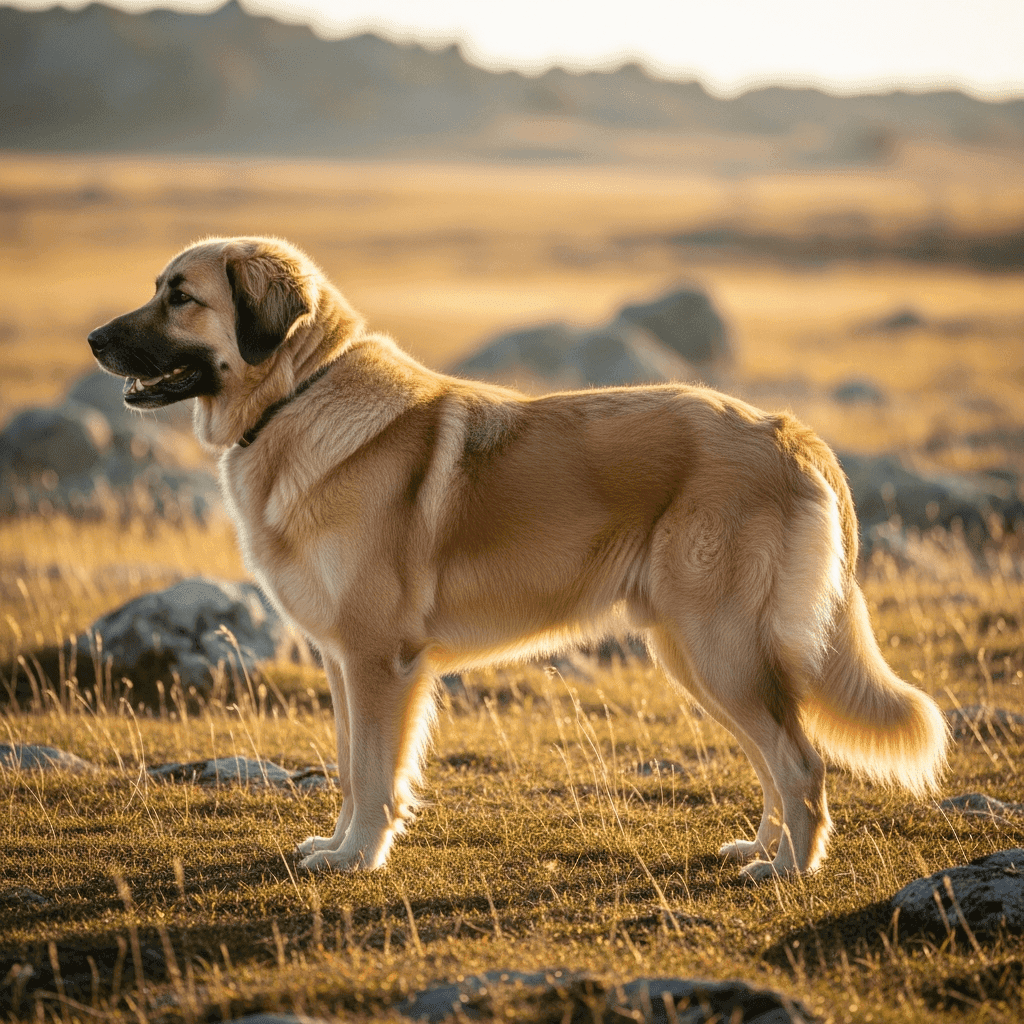
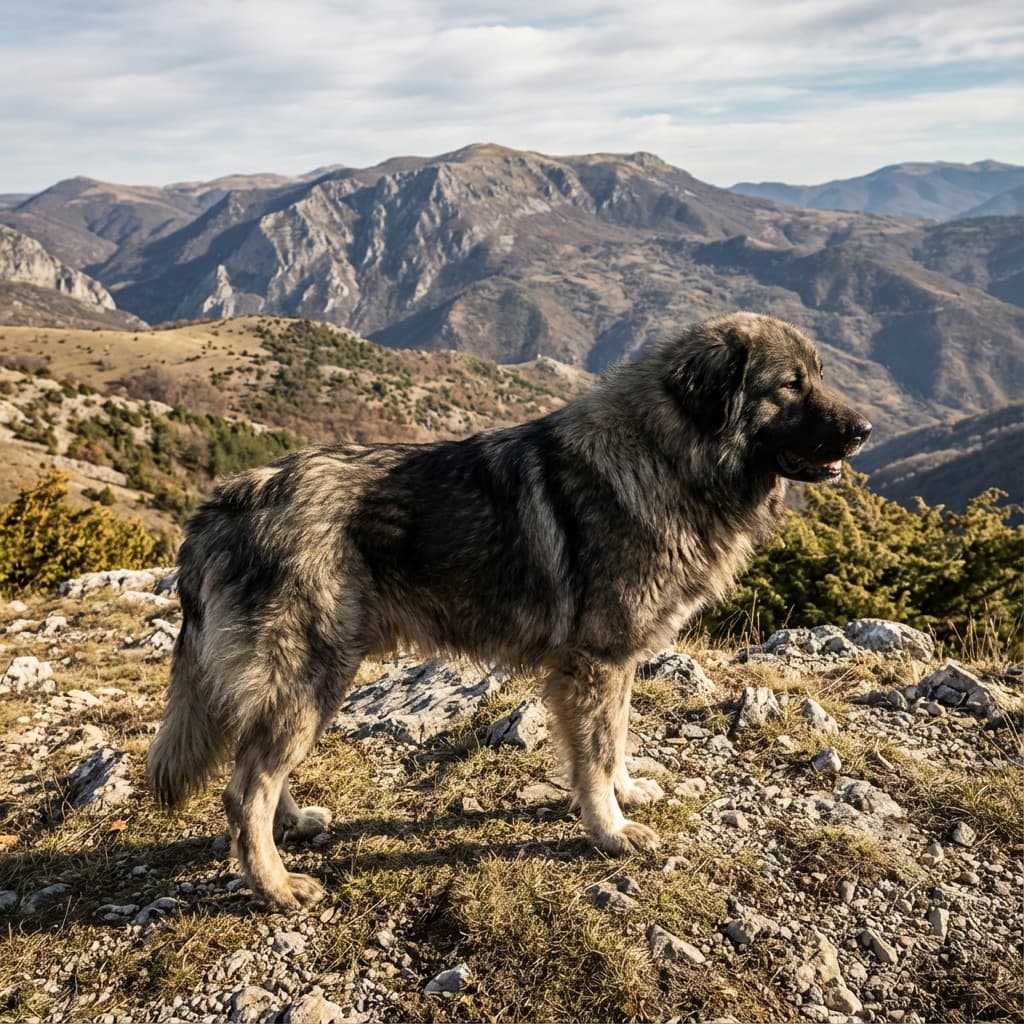
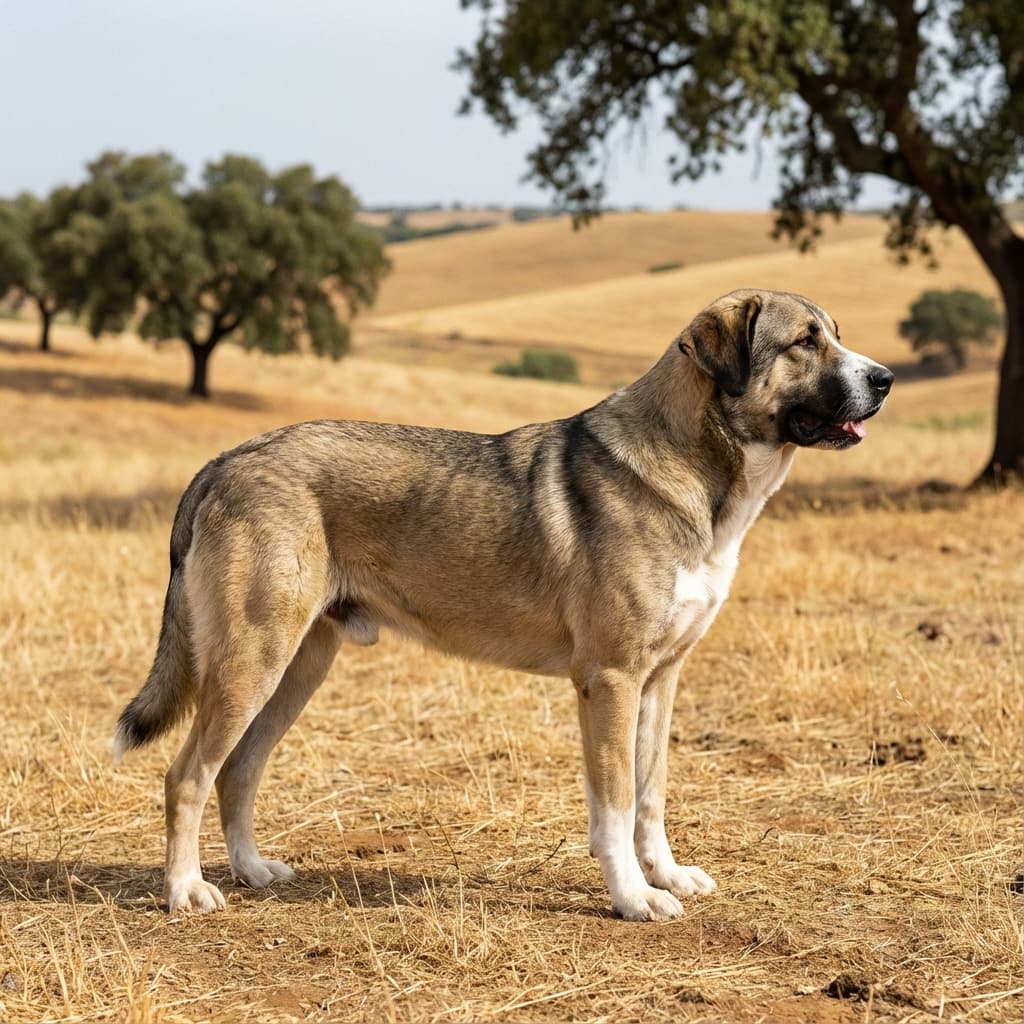
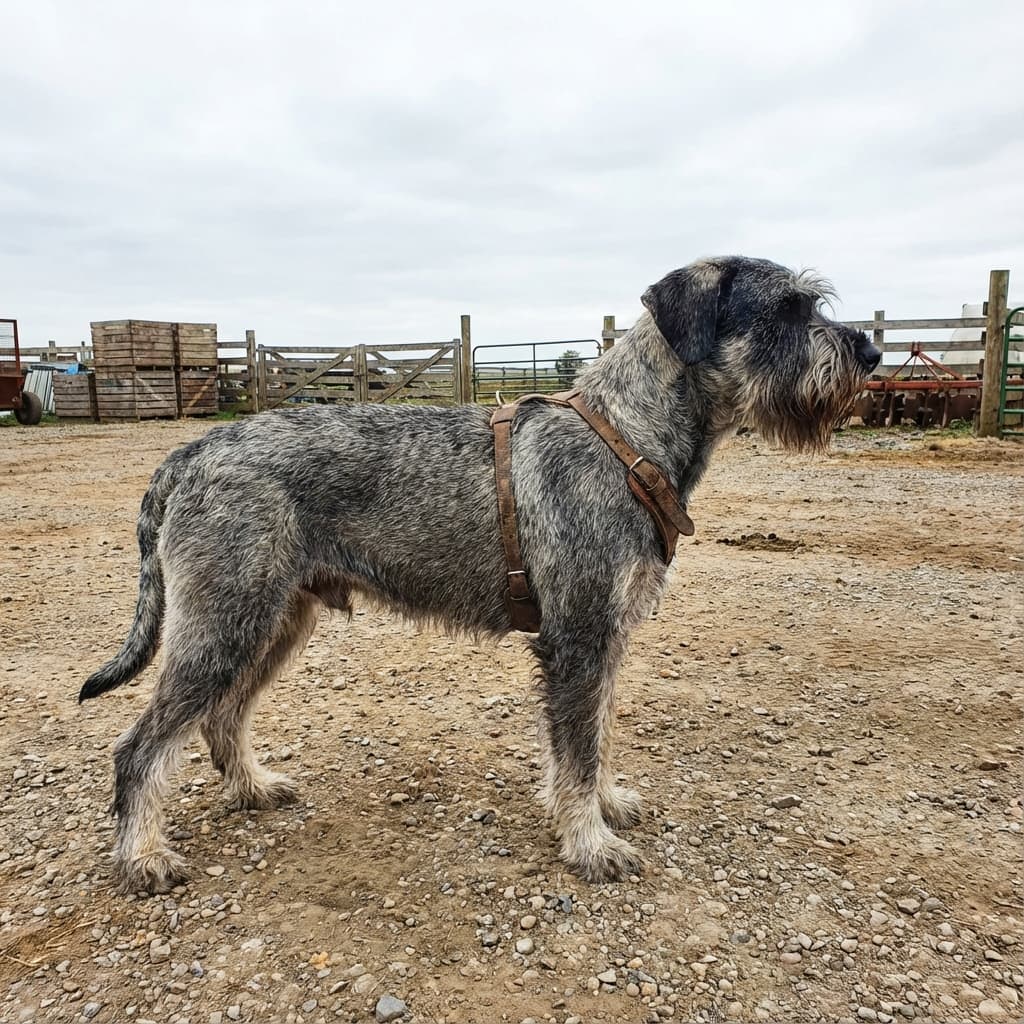
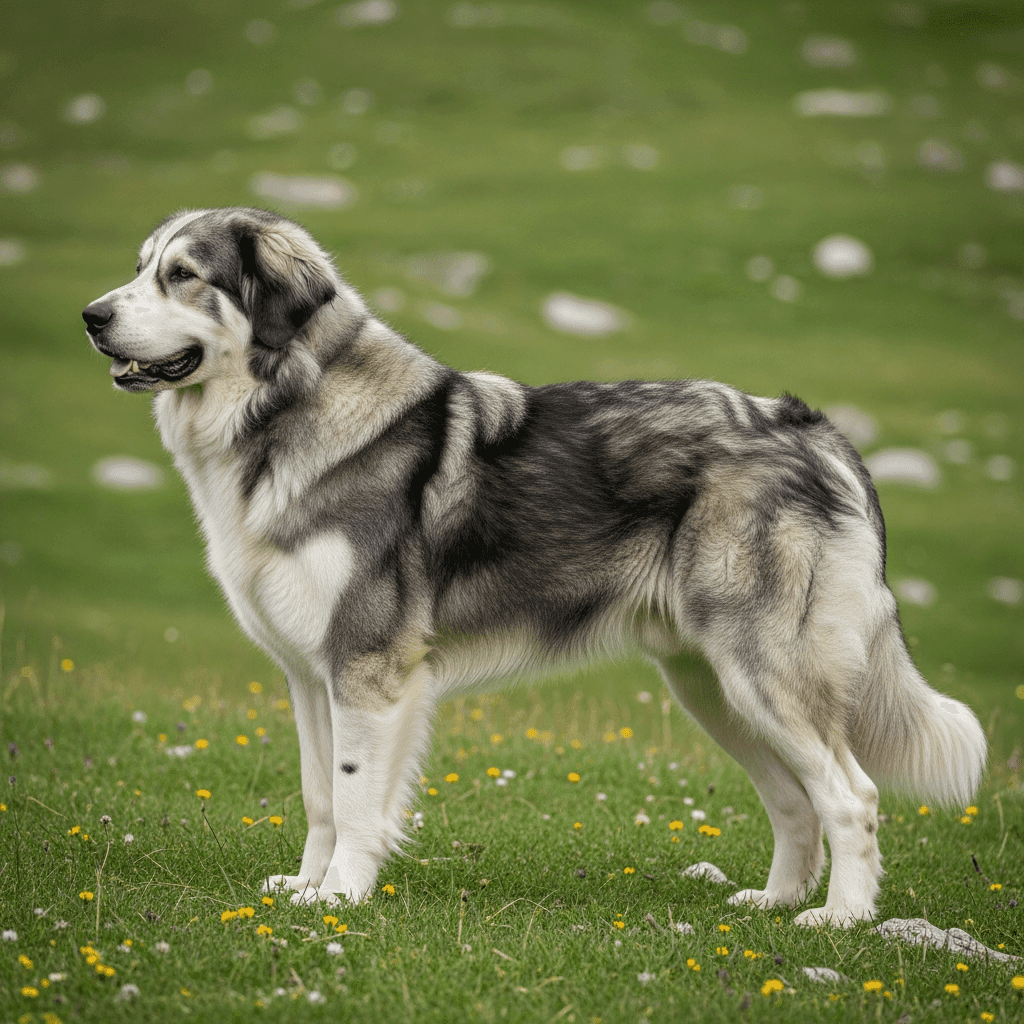
The Tornjak is a large dog with a strong, harmonious body structure that clearly indicates its pastoral origins and work in difficult, mountainous conditions. Its silhouette is almost square, meaning that the length of the body is slightly greater than the height at the withers, giving it a balanced, proportional appearance.
Body dimensions: The height at the withers for males ranges from 65 to 70 cm, while for females it is from 60 to 65 cm. The weight usually oscillates between 28 to 50 kg, with males being noticeably bulkier and heavier than females. The head of the Tornjak is proportional to the rest of the body, elongated with a wedge shape, featuring a well-defined but not too steep stop (the transition from the head to the muzzle). The muzzle has a rectangular shape, is strong, and well-formed. The jaws are strong with a complete set of teeth and a scissor bite.
The ears are medium-sized, triangular, hanging close to the cheeks, set at medium height, and covered with shorter hair. The eyes have a characteristic almond shape, are dark brown (regardless of coat color), and have an intelligent and alert expression. The Tornjak's gaze is both gentle towards its people and penetrating while performing guarding duties.
The coat of the Tornjak is its most distinctive feature – it is long (from 7 to 15 cm on the back), dense, straight or slightly wavy, with a rich, thick undercoat that provides excellent thermal insulation. A striking mane (collar) forms around the neck, particularly noticeable in males, while the hair on the tail is richly developed, creating a plume. The hair on the head and the front parts of the limbs is shorter and smooth.
The coloration is diverse and picturesque: the most commonly seen is a white background with patches of black, brown, red, or gray in various combinations and patterns. All color combinations are acceptable, with the white color usually dominating (making up at least 50% of the body surface). Each Tornjak has a unique coat pattern, making it one of a kind.
The tail is long, heavily feathered, carried low or at the level of the back when at rest, and raised high above the back in motion and during excitement, forming a characteristic curve in the shape of a saber or ring – this is a typical breed feature of the Tornjak. The entire silhouette emanates strength, balance, and agility – it is a dog that is not only visually beautiful but, above all, extremely functional and perfectly adapted to work in any terrain and weather conditions.
The Tornjak is a dog with an exceptionally balanced temperament, combining seemingly contradictory traits: calmness and confidence with a readiness to react immediately in threatening situations. It is a breed that shows deep attachment and devotion to its owner and the entire family, while maintaining a natural sense of territoriality and distance towards strangers.
As a superb guardian and protector, the Tornjak possesses strongly developed defensive and territorial instincts that have been deliberately selected over centuries of breeding. It will vigilantly observe its territory and firmly defend it and its loved ones against potential threats. However, its defensive reaction is controlled and thoughtful – it does not react nervously or hysterically, but assesses the situation carefully before taking action. Towards familiar people, it is gentle, friendly, and sociable, while remaining cautious and reserved towards strangers, without showing unwarranted aggression.
Thanks to its high intelligence and excellent memory, the Tornjak learns quickly and eagerly follows commands – provided that training is conducted consistently, respectfully, and using positive methods. This is a breed that can make independent decisions (a necessary trait for a herding dog often working without direct human supervision), which can sometimes be mistaken for stubbornness or disobedience. In reality, the Tornjak simply needs clear, consistent guidance and wise training that utilizes its natural predispositions.
Early and intensive socialization from a puppy age is absolutely crucial for the Tornjak to develop positive interactions with various dogs, animals, people, and environments. With proper socialization, it becomes a wonderful, reliable family companion – loyal, affectionate towards children, dignified and calm at home, yet always ready for action and defense.
The Tornjak requires an appropriate, regular amount of physical activity and mental stimulation to remain happy and mentally balanced. Without adequate physical exertion and tasks to perform, it may develop behavioral problems stemming from boredom and unutilized energy. This is a dog that can be both joyful and full of life during play, as well as serious and focused during work or training. This versatility and flexibility of character make the Tornjak an ideal companion in various life situations for experienced owners who can meet its physical and mental needs.
The Tornjak, like most large dog breeds, can be prone to certain characteristic health issues that are worth knowing before deciding to purchase a puppy. Among the most common conditions in this breed are hip dysplasia (HD) and elbow dysplasia (ED) – orthopedic conditions resulting from improper joint development, which can lead to pain, lameness, and arthritis in later years.
It is extremely important for prospective owners to choose puppies only from responsible, reputable breeders who conduct comprehensive health tests on their breeding dogs (including X-rays of the hip and elbow joints with official dysplasia grading). Responsible breeders select breeding pairs to minimize the risk of passing genetic diseases to their offspring.
The Tornjak also has a tendency to overweight and obesity, especially if it does not get enough exercise or is overfed. Obesity poses a serious health problem as it puts additional strain on the joints, circulatory system, and can lead to diabetes and a shortened lifespan. Therefore, regular monitoring of body weight and providing an appropriate, balanced diet tailored to the dog's activity level are crucial for maintaining proper condition.
Another health aspect that requires attention is oral hygiene. Regular tooth brushing (preferably daily or at least 3-4 times a week) using special dog toothpaste and caring for the gums can effectively prevent periodontal disease, tartar buildup, and other dental problems that are common in dogs.
Due to its thick, long coat, the Tornjak may be prone to skin problems if its coat is not properly maintained. Neglected fur can lead to matting, which hinders airflow to the skin, promoting the growth of bacteria, fungi, and skin inflammations.
It is also worth paying attention to potential gastric torsion (twisting of the stomach around its axis) – a life-threatening condition that occurs more frequently in large dog breeds with deep chests. To minimize the risk, the Tornjak should not be fed directly before or shortly after intense physical activity, and it is advisable to provide food in several smaller portions throughout the day instead of one large meal.
Generally, with proper care, regular veterinary check-ups (at least once a year, every 6 months for older dogs), appropriate nutrition, sufficient exercise, and attention to hygiene, the Tornjak is a relatively healthy and long-lived breed. The average lifespan is 10-12 years, although many individuals with excellent care live to be 13-14 years old in good physical and mental condition.
The care of the Tornjak, despite its long and thick coat, is relatively simple and not very time-consuming – however, it requires regularity and consistency. This breed has a characteristic double coat consisting of a tougher outer layer and a soft, dense undercoat that provides thermal insulation and protection against moisture.
Brushing the coat should be done at least once or twice a week using an appropriate brush with metal pins (pin brush) and a wide-toothed comb. Regular brushing removes dead hair, prevents the formation of unpleasant mats and tangles, and distributes natural skin oils along the length of the hair, giving the coat a healthy, shiny appearance. During periods of intense shedding (spring and autumn), when the Tornjak sheds a significant amount of undercoat, the frequency of brushing should increase to daily to effectively remove dead hair and minimize the amount of fur settling in the house.
It is worth investing in high-quality grooming tools: a furminator or rake (undercoat rake) for shedding periods, a pin brush for daily brushing, and a metal comb for detangling any knots. The right tools significantly facilitate grooming and make it more effective.
Bathing should be done as needed, usually every 6-8 weeks or more often if the dog spends a lot of time outdoors and gets very dirty. However, too frequent bathing (e.g., more than once every 3-4 weeks) should be avoided, as it can strip the coat and skin of natural protective oils, leading to dry skin, dandruff, and irritation. Only high-quality shampoos designed for dogs with long hair should be used for bathing, preferably with a pH suitable for sensitive dog skin. After bathing, the coat should be thoroughly dried with a towel or a hairdryer set on low heat, especially in cooler months.
Ear care is particularly important for the Tornjak due to the drooping structure of the ear flaps, which limits ventilation and can promote the development of infections. Ears should be checked regularly (weekly) for unpleasant odors, redness, discharge, or debris, and cleaned with a special ear cleaning solution for dogs and a soft gauze pad. Never insert cotton swabs deeply into the ear canal.
Eye hygiene requires daily monitoring and gentle wiping around the eyes with a soft, damp gauze or special dog wipes to remove any discharge or dirt. If you notice excessive discharge, redness, or cloudiness – consult a veterinarian immediately.
Nail trimming should be done regularly, usually every 3-4 weeks, unless the dog naturally wears them down during activities on hard surfaces. Overly long nails can cause discomfort while walking, affect the improper positioning of the paws, and can break, leading to painful injuries. Sharp, high-quality nail clippers should be used, and care should be taken not to cut into the living part of the nail (which contains blood vessels and nerves).
Oral hygiene is often neglected but is an extremely important aspect of grooming. Regular tooth brushing (preferably daily or at least 3-4 times a week) with a special toothbrush and toothpaste for dogs helps prevent the buildup of plaque, tartar formation, and gum disease. It is also worth providing the dog with special dental treats or chew toys that mechanically assist in cleaning teeth.
Overall, the Tornjak is not a breed that requires professional grooming or complicated grooming procedures. However, regular, consistent grooming practices are absolutely essential to maintain the health, comfort, and beautiful appearance of this wonderful dog. Proper grooming is also an excellent opportunity to regularly check the dog's health, build bonds, and detect any potential health issues early.
The Tornjak is a breed that, due to its herding origins and history of working in difficult mountainous terrain, requires a significant amount of movement, physical activity, and mental stimulation. As a dog created to patrol vast mountain areas and protect herds for many hours a day, it is equipped with great endurance, strength, and a natural need for activity.
For a Tornjak, the absolute minimum is at least two long walks a day, lasting a total of at least 1.5-2 hours, preferably in varied terrain (forests, fields, hills), where the dog can freely explore the surroundings, sniff, and patrol the area. Additional sessions of active running, free play in a fenced space, or training in dog sports would also be ideal. The Tornjak is not a dog that will be satisfied with short, routine walks around the block or a ten-minute outing on the lawn – such forms of movement are definitely insufficient for it and can lead to frustration and behavioral problems.
This breed thrives in various forms of activity and dog sports that allow it to utilize its intelligence, strength, and energy:
- Agility – The Tornjak can successfully participate in agility, although due to its large body mass, it is advisable to appropriately adjust the height of the obstacles and not start before the age of 18 months.
- Obedience – Obedience training is a perfect fit for the intelligent Tornjak and strengthens the bond with the owner.
- Mountain trekking – Long hikes in the mountains are a natural environment for the Tornjak and an excellent form of activity.
- Mantrailing – Tracking scents perfectly utilizes its natural instincts and intelligence.
- Canicross – Running with the dog attached to a special harness (after completing full physical development).
It is very important to provide the Tornjak with variety in activities so it does not get bored with routine. It is worth regularly changing walking routes, introducing new games, challenges, and training elements. A monotonous routine can lead to boredom and a decrease in motivation to cooperate.
However, it is essential to remember certain limitations and precautions:
- On particularly hot, sunny days, activity should be limited to the early morning and evening hours when the temperature is lower. Due to its dense coat, the Tornjak may be prone to overheating.
- Very intense physical activity (jumps, sudden turns, long runs on hard surfaces) should be avoided in young dogs (under 18 months), whose joints and bones are still in the growth and development phase.
- During periods of heavy rain or frost, the length and intensity of walks should be adjusted to the conditions, although the Tornjak tolerates cold much better than heat due to its coat.
In addition to physical activity, mental stimulation is equally important for the happiness and mental health of the Tornjak. It is worth providing it with:
- Regular training sessions teaching new commands or tricks.
- Scent games – searching for hidden treats or toys.
- Interactive toys like puzzles or a Kong filled with treats.
- New challenges and environments to explore.
Tornjak owners should be prepared for the fact that this breed is not suitable for living in a small apartment in the city without access to outdoor space or for people with a low-activity lifestyle. The ideal environment for a Tornjak is a house with a large, fenced garden in a rural or suburban area, where the dog has space for natural patrolling and resting outdoors. An active, engaged owner who enjoys spending time outside and can provide the Tornjak with the right amount of movement and challenges is the key to the happiness of this wonderful dog.
The Tornjak is a breed characterized by high intelligence, excellent memory, and a natural willingness to cooperate with humans, which makes it relatively easy to train – provided that appropriate training methods and consistency are applied. Its natural defensive skills, guarding instinct, and ability to make independent decisions (stemming from its herding background) make it well-suited for various working roles and canine sports.
The key to success in training a Tornjak is absolute consistency, patience, and the use of methods based on positive reinforcement. This breed reacts very poorly to training based on coercion, punishment, or harsh treatment – such an approach can destroy the dog's trust in the owner and lead to distrust, stubbornness, or behavioral problems. Instead, rewards (treats, toys, verbal praise) should be used to motivate the dog to follow commands and reinforce desired behaviors.
Early socialization and training are absolutely crucial and should begin immediately after bringing the puppy into its new home (usually at 8-10 weeks of age). Tornjak puppies go through a so-called sensitive socialization period between 3 and 14 weeks of age, during which they learn positive interactions with the world particularly easily. During this time, the puppy should be maximally exposed to:
- Diverse environments (city, countryside, shops, parks, forests)
- Various sounds (traffic, noise, music, children playing)
- People of different ages, appearances, and behaviors (children, elderly people, people in uniforms)
- Other dogs and animals (under control and in safe conditions)
- Diverse surfaces to walk on (grass, asphalt, gravel, metal, grids)
- Grooming procedures (brushing, touching paws, ears, muzzle, veterinary examination)
Positive experiences during this period shape a confident, balanced adult dog, while their absence can lead to fears, excessive distrust, or reactivity.
Basic obedience training should start alongside socialization. It is worth beginning with fundamental basic commands:
- Sit – a basic control command
- Lie down – calming and controlling
- Stay – extremely important for safety
- Come – the most important life-saving command
- Leave it or No – preventing the dog from eating something dangerous
- Heel – walking at heel without pulling on the leash
Once the basics are mastered, one can move on to more advanced commands and tricks that further stimulate the Tornjak's mind and strengthen the bond: retrieving, bringing specific items, high jumps, opening doors, or commands from a distance.
The Tornjak is a dog that needs clear rules, boundaries, and consistent leadership to feel confident and secure in its role as a family member. Clear household rules should be established from the beginning (e.g., whether the dog can go on furniture, where it can stay, what behaviors are acceptable) and consistently followed. All family members should apply the same rules and commands to avoid confusing the dog.
It is also worth remembering that the Tornjak, despite its intelligence and willingness to cooperate, may exhibit some natural independence and self-sufficiency in decision-making – this trait was deliberately selected in herding dogs, which needed to assess situations and react to threats without waiting for human commands. This does not mean stubbornness or disobedience, but rather requires the owner to adopt a wise, empathetic approach based on partnership and trust, rather than absolute dominance.
Regular, short training sessions (10-15 minutes, 2-3 times a day) are much more effective than infrequent, long sessions. Training should be always positive, varied, and concluded with success, so that the dog associates it with pleasure and is eager to participate. It is also beneficial to incorporate training elements into daily activities (e.g., the sit command before serving the food bowl, stay before opening the door).
If the owner has no prior experience with large, independent guarding breeds, it is definitely worth seeking professional help from an experienced dog trainer who uses positive methods, preferably starting from the puppy stage. A professional trainer will help avoid basic mistakes, teach the owner effective techniques, and provide a structured socialization environment (puppy classes).
A properly trained Tornjak is a reliable, obedient, and balanced companion that can function in various situations, from a calm family life to advanced canine sports or security work. The investment of time and effort in proper training and socialization pays off many times over in the form of a wonderful, lasting relationship with this intelligent and loyal dog.
Proper, balanced nutrition for Tornjaks is one of the fundamental factors influencing their health, physical condition, coat quality, and lifespan. This breed, being a large dog with significant body mass and a high level of activity, has greater and specific nutritional needs that must be adequately met.
The choice of the right food should primarily be based on high-quality ingredients. The best foods for Tornjaks are those that contain high-quality animal meat (e.g., chicken, beef, lamb, fish) as the main ingredient, rather than plant products or by-products. Animal protein is essential for maintaining muscle mass, proper body function, and a healthy appearance. The optimal protein content in food for an adult, active Tornjak should be around 22-28%, while fat should be about 12-18%.
The food should also contain:
- Appropriate amounts of vegetables and fruits as a source of vitamins, minerals, and fiber
- Healthy sources of carbohydrates (brown rice, oats, sweet potatoes) providing energy
- Omega-3 and omega-6 fatty acids (from fish oil, flaxseed) supporting skin and coat health
- Glucosamine and chondroitin supporting joint health (especially important in large breeds)
- Probiotics and prebiotics supporting digestive health
Low-quality foods that contain:
- Artificial colorings, flavors, and preservatives
- Excessive amounts of grains and fillers (corn, wheat as main ingredients)
- Unspecified animal by-products
- Sugar or glucose syrup
The form of food – dry or wet – is a matter of individual preference and needs. Dry food is more convenient, better for dental health, and cheaper, while wet food has a higher water content (which supports hydration) and is often tastier for picky dogs. It is also possible to combine both forms (so-called mixed feeding).
Portion size and feeding frequency should be adjusted to:
- Age – puppies require more meals (3-4 daily) and calories than adult dogs
- Body weight – food manufacturers provide recommended portions based on weight
- Activity level – very active dogs need more calories
- Health status – illnesses, neutering, pregnancy can change needs
An adult Tornjak should typically receive 2 meals a day (morning and evening) at regular intervals. Dividing the daily portion into two meals instead of one large one also helps minimize the risk of dangerous gastric torsion, which large breeds with deep chests are prone to.
VERY IMPORTANT feeding rules related to gastric torsion:
- Do not feed the dog directly before intense physical activity (wait at least 2 hours)
- Do not feed the dog directly after intense physical activity (wait at least 1 hour to calm down)
- Avoid fast eating – slow feeder bowls can be used
- Ensure calmness during and after eating
Unfortunately, Tornjaks have a tendency to gain weight and obesity, especially if they do not get enough exercise, have been neutered, or are overfed. Regular monitoring of body weight (weighing every 2-4 weeks) and body condition assessment (the waist should be visible when viewed from above, ribs should be felt under a thin layer of fat) are crucial. If the dog is gaining weight, portions should be appropriately reduced or switched to a light food with lower calories.
Access to fresh water should be provided at all times, especially when feeding dry food and on hot days. The water bowl should be cleaned daily.
Treats and snacks are a great training tool and a way to strengthen bonds, but they should make up at most 10% of the daily caloric intake. It is advisable to avoid giving high-processed, salty, or sweet treats. Healthier alternatives include pieces of cooked chicken, carrots, apples (without seeds), or special dental treats.
NEVER give a Tornjak:
- Chocolate (toxic to dogs)
- Grapes and raisins (toxic to kidneys)
- Onions and garlic (destroy red blood cells)
- Avocado, macadamia nuts (toxic)
- Poultry bones or cooked bones (risk of choking and perforation)
- Table scraps (often fatty, salty, seasoned)
Dietary supplementation can be beneficial in certain cases:
- Omega-3 fatty acids (fish oil) – for skin, coat, joint, and cardiovascular health
- Glucosamine and chondroitin – to support joint health (especially in older dogs or those with dysplasia)
- Probiotics – for digestive health
Before introducing any supplements, consult with a veterinarian to ensure they are appropriate and safe for the specific dog.
Special dietary needs:
- Puppies (up to 18 months) – require special large breed puppy food with an adjusted calcium-to-phosphorus ratio to ensure proper bone and joint development without overgrowth
- Older dogs (over 7-8 years) – require senior food with lower calories and enriched with ingredients supporting joints and cognitive functions
- Dogs with food allergies – may require hypoallergenic or single protein foods
Proper nutrition is a long-term investment in the health of a Tornjak. High-quality food may be more expensive, but it translates to better condition, fewer vet visits, and a longer, healthier life. It is worth consulting with a veterinarian or canine nutritionist to establish an optimal feeding plan tailored to your Tornjak's individual needs.
Characteristic Traits
Pros
- Unwavering loyalty and devotion to family
- High intelligence and excellent memory
- Exceptional resilience to harsh weather conditions
- Outstanding guardian and natural defender
- Balanced and calm temperament
- Long history and unique heritage.
Cons
- Requires a large amount of exercise and living space
- Needs consistent training and intensive socialization
- Not suitable for living in small urban apartments
- Heavy shedding twice a year
- May show reserve and distance towards strangers
- Requires an experienced owner familiar with large guarding breeds.
Behavioral Ratings
Breed History
The Tornjak has a remarkably long and fascinating history that dates back deep into the Middle Ages, with some sources suggesting that the roots of this breed may even have an older, ancient origin related to the Molossians. This breed was developed and evolved over centuries based on indigenous, archaic herding dogs that were bred in the mountainous, isolated regions of Bosnia and Herzegovina and Croatia, mainly in the Dinaric Alps and adjacent valleys.
The first documented historical references to dogs corresponding to the description of the Tornjak come from very early periods:
- The year 1067 – one of the oldest preserved written documents mentions herding dogs in this region
- The year 1374 – another historical document contains a detailed description of herding dogs used by the local population to protect their flocks
These early records testify to the very long, documented existence of this line of herding dogs in the Balkans.
The name Tornjak comes from the word tor (in South Slavic languages meaning a sheepfold), which directly refers to the main function of these dogs – protecting flocks of sheep and goats from predators such as wolves, bears, and lynxes that inhabited the mountainous areas of the Balkans. For centuries, the Tornjak has been an invaluable support for shepherds leading flocks in the difficult, dangerous mountainous terrain, where it had to demonstrate not only strength and courage but also intelligence, independence, and resilience to harsh weather conditions.
Tornjaks were naturally selected over the centuries for functionality – only those individuals that best fulfilled their role survived and reproduced: they were strong enough to face predators, intelligent enough to make decisions independently, resilient enough to survive winter in the mountains, and loyal and controlled enough not to pose a threat to the protected flocks.
The 20th century brought dramatic changes for the Tornjak. With the modernization of agriculture, the decline of traditional shepherding, urbanization, and the events of World War II, the population of purebred Tornjaks drastically decreased. By the 1960s, the breed was on the brink of total extinction – only small clusters of scattered dogs remained, kept by a few traditional shepherds in remote mountain villages.
The rescue of the breed began simultaneously in Croatia and Bosnia and Herzegovina around 1972, when a group of dog enthusiasts and researchers began systematic searches for surviving, purebred individuals of this indigenous breed. These efforts included:
- Expeditions to remote mountainous areas in search of authentic, purebred dogs
- Genetic and phenotypic studies of the remaining individuals
- Thorough documentation of the origin and characteristics of the found dogs
- A controlled breeding program initiated in 1978
Thanks to these heroic efforts, the breed was saved from total disappearance. A sufficient number of genetically diverse, purebred individuals were found to start a controlled breeding program aimed at preserving the proper gene pool and avoiding inbreeding.
The modern population of Tornjaks consists of numerous purebred dogs selected over a series of generations of controlled breeding, dispersed across Bosnia and Herzegovina and Croatia. The breed has gained official recognition from national cynological organizations and subsequently international recognition.
A milestone in the breed's history occurred on November 7, 2017, when the International Cynological Federation (FCI) officially approved and published the breed standard for Tornjak (FCI Standard No. 355) as a common breed of Bosnia and Herzegovina and Croatia, classified in Group 2 (Pinschers and Schnauzers, Molossians, Swiss Mountain Dogs and Cattle Dogs), Section 2.2 (Mountain Dogs). This official recognition provided the breed with protection, the opportunity to participate in international FCI exhibitions, and increased its visibility worldwide.
Today, the Tornjak enjoys growing popularity both in its native Balkan countries and beyond – throughout Europe, the United States, and other countries. It is valued both as a traditional herding and guarding dog (a role it still fulfills in some regions) and as a loyal, intelligent family companion and participant in various dog sports and exhibitions.
The history of the Tornjak is an inspiring story of survival, dedication, and determination – both of the breed itself, which has survived in difficult conditions for centuries, and of the people who saved it from oblivion. Thanks to these efforts, we can today enjoy the presence of this magnificent, unique canine heritage of the Balkans.