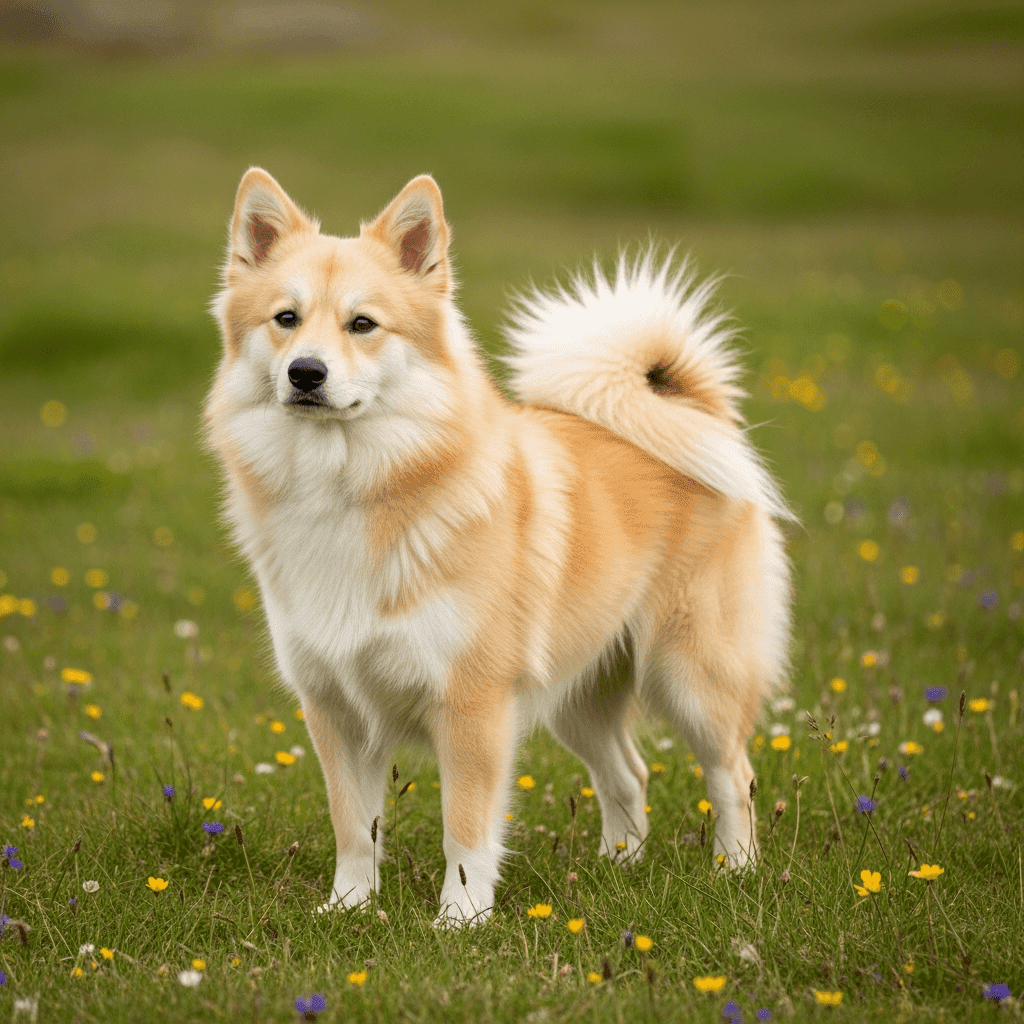
Icelandic Sheepdog
FCI Group
5• FCI 289
Size
Medium
Origin Country
XX
Height
42-48 cm
Weight
9-14 kg
Lifespan
12-14 years
Temperament
Overview
Icelandic Sheepdog, also known as Íslenskur Fjárhundur, is a dog with a unique character, combining joy, intelligence, and extraordinary courage. It originates from the harsh, volcanic landscapes of Iceland, where it accompanied the Vikings settling on the island between 870 and 930 AD. Since then, the Icelandic Sheepdog has become an inseparable companion of Icelandic farmers and shepherds, perfectly adapting to extreme climatic conditions and the demanding, mountainous terrain.
This medium-sized dog is characterized by a compact, harmonious body structure, making it extremely agile and resilient when working with livestock. It is distinguished by a set of characteristic Nordic features: erect, triangular ears, a happily curled tail, and a dense, double coat providing excellent protection against frost and moisture. The coat can come in two length variations, further highlighting the diversity and charm of this breed. The Icelandic Sheepdog not only looks exceptional but also possesses a temperament full of energy, courage, and alertness.
Its extremely friendly and sociable nature makes it an excellent companion for families with children. It loves being around people and other animals, making it an ideal dog for anyone who values an active, adventure-filled lifestyle. However, it requires regular, intense exercise and varied mental stimulation, which can pose a challenge for less active owners or those living in cramped urban conditions.
The exceptional intelligence of the Icelandic Sheepdog and its natural willingness to cooperate with humans make it relatively easy to train. The best results are achieved through positive, reward-based training methods that reinforce the dog's natural motivation to learn. This breed has a rich, centuries-old history and symbolizes Icelandic culture, being not only a working dog but also a living testament to Iceland's national heritage and its wonderful pastoral traditions.
In our comprehensive guide, you will find detailed, expert information on health, professional grooming, optimal exercise, effective training, proper nutrition, fascinating history, distinctive appearance, and unique behavior of this exceptional breed. We invite you to continue exploring the extraordinary world of the Icelandic Sheepdog – a breed that has captured the hearts of people for centuries with its loyalty, intelligence, and unwavering courage!
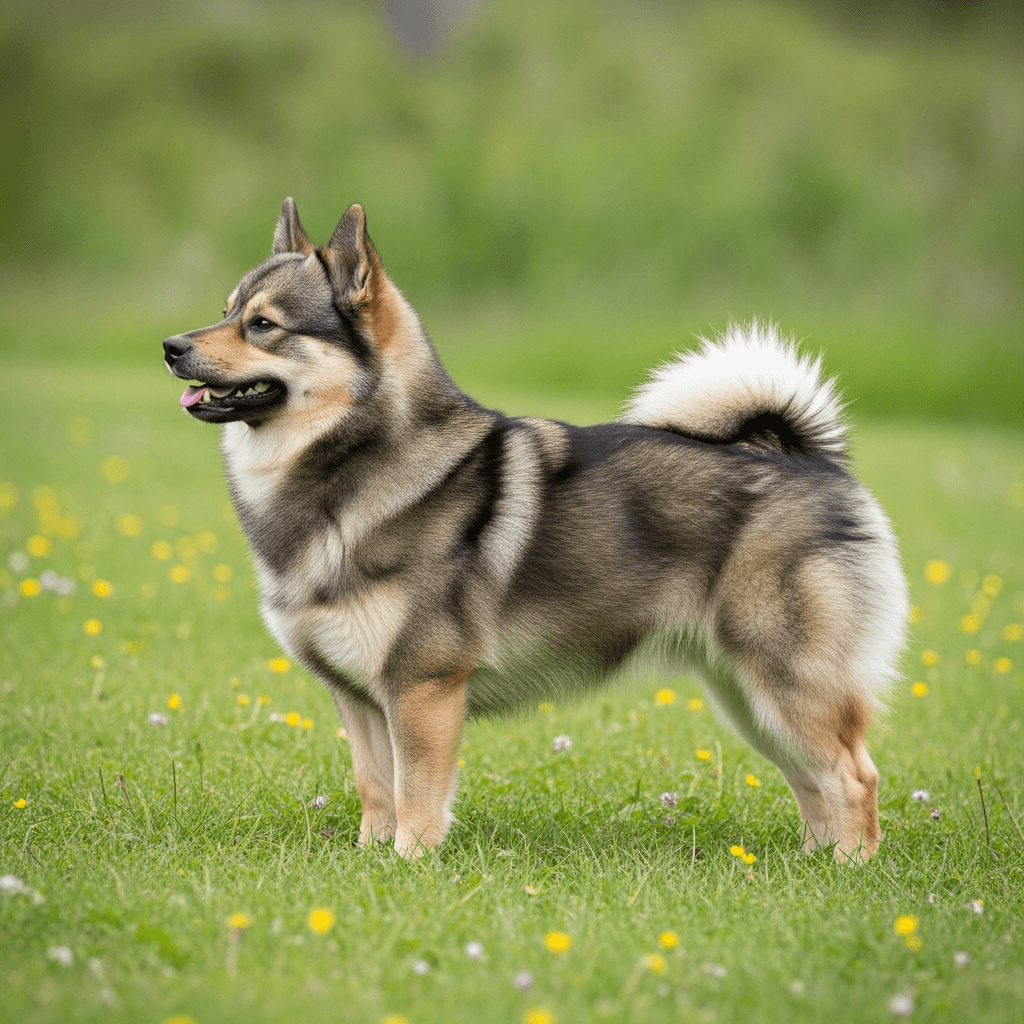
The Icelandic Sheepdog is a dog slightly below average size with a compact, athletic build, reaching a height at the withers of 42 to 46 cm for females and 46 to 48 cm for males. Its silhouette, viewed from the side, is distinctly rectangular, meaning that the length of the body from the withers to the base of the tail is greater than the height at the withers. The depth of the chest is equal to the length of the front limb, ensuring harmonious proportions.
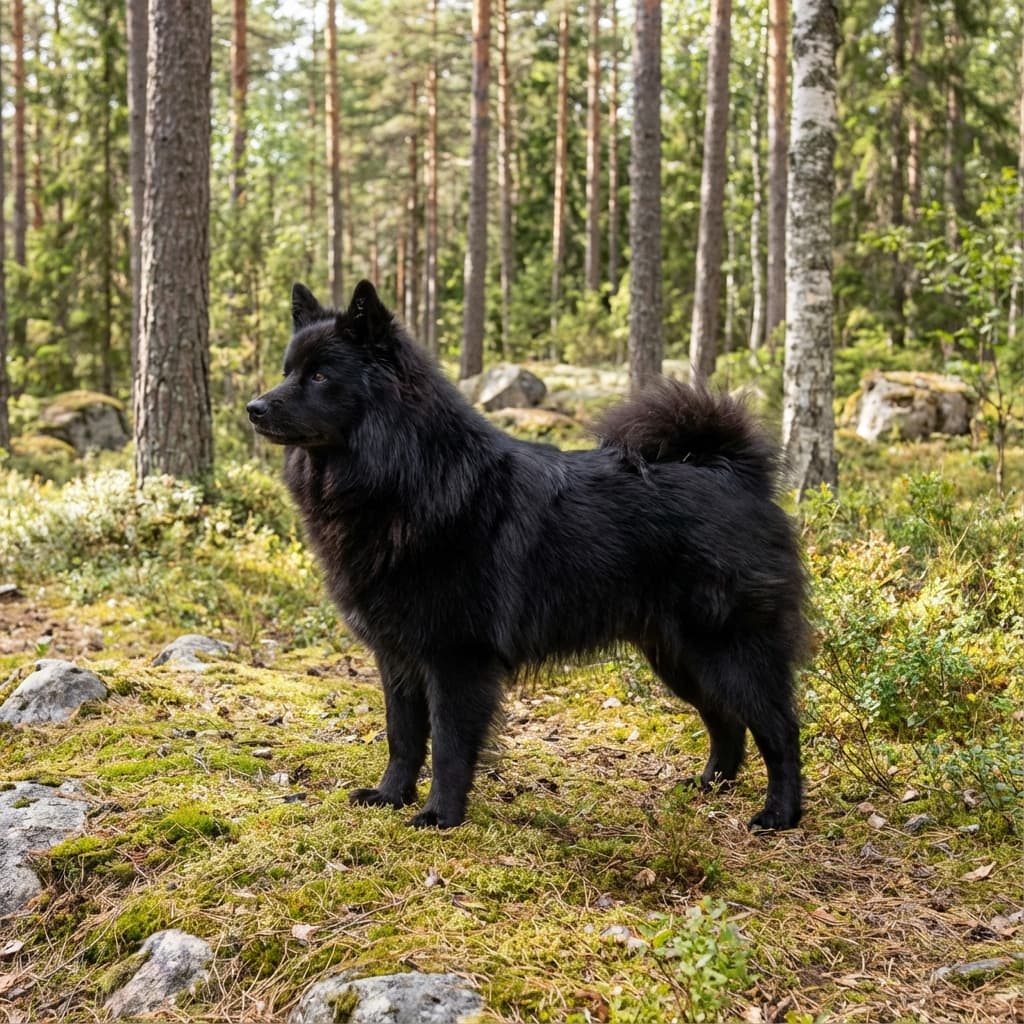
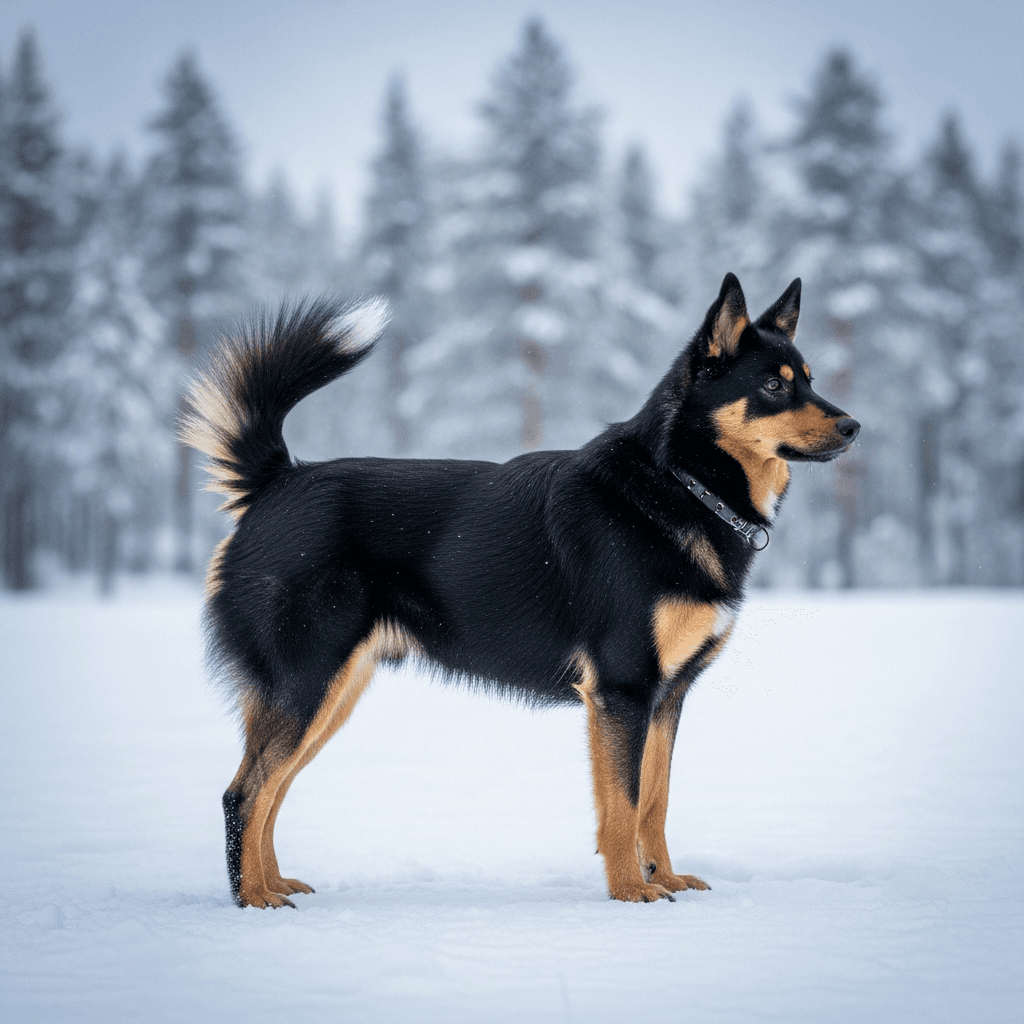
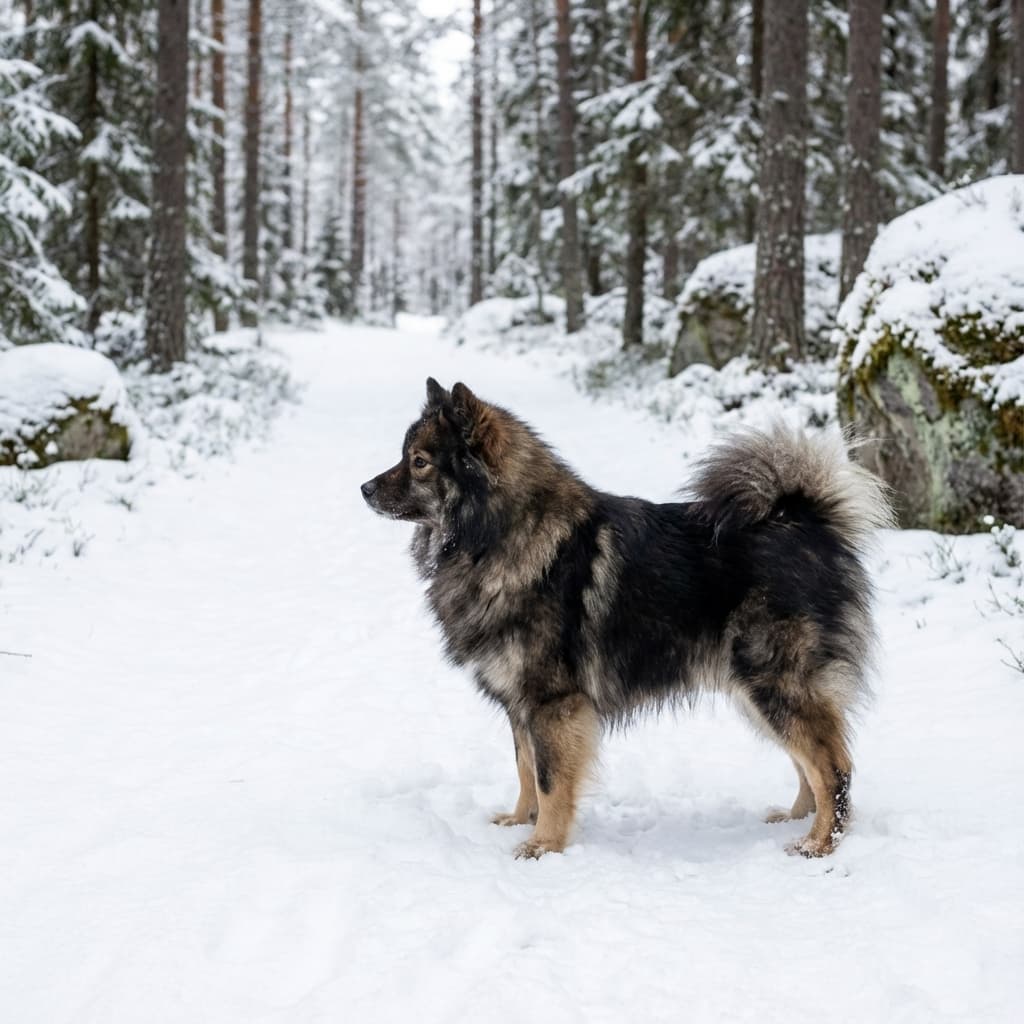
The breed is characterized by dense, double coat, which comes in two varieties: long and short. Regardless of length, the coat is always thick and extremely resistant to weather conditions. The outer coat is hard and straight, while the undercoat is soft, dense, and fluffy, providing excellent thermal insulation. Particularly abundant fur is found around the neck (forming a prominent collar), on the tail, and on the back of the thighs.
Characteristic features of the head include medium-sized, triangular, erect ears that are extremely mobile and expressive. The eyes are almond-shaped, medium-sized, dark brown in color, giving the dog a gentle, intelligent, and cheerful expression. The muzzle is well-developed, slightly shorter than the skull, with a straight nasal bridge. The nose is black (it may be brown in dogs with lighter coats).
The tail is set high, curled in a ring over the back or slightly raised, covered with abundant fur. The limbs are straight, strong, and well-angled, providing free, flexible movement.
The coat color of this breed is varied and attractive, including shades of: fawn in various tones (from cream to golden), red, chocolate, and black. All colors usually have white markings on the muzzle, chest, legs, and tip of the tail. Tricolor (three-colored) coats are also allowed. There is a noticeable difference in appearance between males and females – males are usually larger, more massive, and more muscular, while females exhibit a more delicate build.
Overall, the Icelandic Sheepdog presents itself as a strong, agile, and extremely beautiful dog, perfectly adapted to work in harsh Nordic climatic and terrain conditions.
The Icelandic Sheepdog is a dog with an exceptionally friendly, cheerful, and sociable disposition. Typical for this breed is a confident, lively demeanor and a characteristic, gentle, intelligent, and happy expression in their eyes. This breed is very alert and attentive, and its natural herding instincts make the dog brave, determined, and extremely agile while working.
This wonderful dog loves the company of people and feels perfectly at home with family. It is extremely attached to its guardians and shows exceptional loyalty. Its friendly, open nature makes it an excellent companion for families with children – this dog patiently endures play and is incredibly gentle with the youngest family members. It also tolerates the presence of other pets well, provided it has been properly socialized from a puppy.
The Icelandic Sheepdog is not prone to aggression, but its natural alertness and tendency to bark make it an excellent watchdog, alerting to approaching strangers. Its enthusiastic greeting of guests means it is not an ideal breed for a guard dog – it trusts new people too quickly. Its curiosity about the world and natural desire for play and interaction make it a very active dog that requires a lot of attention and varied stimulation.
This breed does not tolerate long periods of solitude, which can lead to serious behavioral problems, such as excessive, persistent barking, howling, destructive behaviors (destroying furniture, cushions), or attempts to escape. The Icelandic Sheepdog is a dog that needs to be part of the family and actively participate in its daily life.
It is worth emphasizing that the Icelandic Sheepdog is extremely intelligent and clever, which makes it relatively easy to train, provided that the owner uses positive, consistent training methods based on rewards and reinforcements. These dogs quickly learn new commands and are eager to cooperate with humans if they see the purpose in the exercises being performed.
Due to its herding roots, the Icelandic Sheepdog may exhibit a tendency to herd – particularly children, other pets, or even vehicles. This natural behavior requires proper direction during training. Dogs of this breed are also known for their high energy levels and need regular, intense exercise and varied activities to be happy, balanced, and healthy.
The health of the Icelandic sheepdog is generally very good, and the breed is considered resilient and long-lived. The average lifespan is between 12 to 14 years, although with proper care, a healthy diet, and regular physical activity, many individuals live to be 15-16 years old. These dogs are durable and strong, adapted to work in extremely harsh climatic conditions, which is why they are less prone to serious illnesses than other breeds.
Nevertheless, like any breed, the Icelandic sheepdog can be prone to certain genetic conditions that are worth monitoring. The most common health issues include:
- Hip dysplasia – an abnormal development of the hip joint that can lead to pain, lameness, and arthritis. Responsible breeders perform X-rays on dogs before allowing them to breed.
- Progressive retinal atrophy (PRA) – a hereditary eye disease leading to gradual vision loss. Genetic tests are available to exclude carriers of this mutation from breeding.
- Elbow dysplasia – less common than hip dysplasia but also present in the breed.
- Cataracts – may occur in older individuals.
Owners should pay special attention to weight control, as dogs of this breed tend to become obese if not exercised regularly and given a diet that is too calorie-rich. Overweight can lead to serious health problems, including heart disease, diabetes, and increased joint stress. It is important to provide the dog with a proper diet rich in high-quality protein and nutrients, as well as regular, intense physical activity to keep it in excellent condition.
The Icelandic sheepdog tolerates cold weather exceptionally well due to its thick, double coat that provides natural thermal insulation. It can easily stay outside even in very low temperatures. However, dogs of this breed can be sensitive to high temperatures and heat – during hot days, it is advisable to provide them with access to shade, plenty of fresh water, and to avoid intense exercise during peak heat.
Regular veterinary visits (at least once a year), up-to-date vaccinations, deworming, and flea and tick prevention are crucial for keeping the dog in excellent health. It is also worth regularly checking the condition of the teeth, ears, and skin to detect any potential problems early.
The care of the Icelandic sheepdog is relatively simple and not very time-consuming, but it requires regularity and consistency. The double coat of this breed – consisting of a dense, soft undercoat and a hard, straight outer coat – is naturally resistant to dirt and water, which makes it easier to keep the dog clean.
Brushing is the most important element of grooming. During the periods between shedding, brushing 2-3 times a week is sufficient to remove dead hair, prevent the coat from becoming dull, and maintain its natural shine. In spring and summer, during intense shedding (which usually lasts 2-3 weeks), daily, thorough brushing is necessary, preferably with a metal comb with long teeth and an undercoat brush (like a furminator). This will effectively remove the abundant shedding undercoat and significantly speed up the shedding process.
Bathing should not be too frequent – it is recommended to bathe the dog once every 2-3 months or as needed (e.g., when the dog gets very dirty). Too frequent washing can remove the natural protective oils from the skin and coat, leading to dryness and irritation. Gentle, dog-specific shampoos that do not disturb the natural pH of the skin should be used. After bathing, the dog should be thoroughly dried, especially the undercoat, to avoid the development of bacteria or fungi.
Ear hygiene is very important. The erect ears of the Icelandic sheepdog are well-ventilated, which reduces the risk of infection, but it is advisable to regularly (once a week) check their condition and gently clean them with special dog ear cleaning solutions. Cotton swabs should not be used, as they can damage the ear canal.
Dental care is crucial for the health of the entire body. It is recommended to brush the dog's teeth 2-3 times a week with a special toothbrush and toothpaste for dogs to prevent tartar buildup, gum disease, and bad breath. Additionally, dental treats or toys that support oral hygiene can be used.
Nail trimming should be done every 3-4 weeks or as needed. If the dog runs a lot on hard surfaces, the nails may wear down naturally. Overly long nails can cause discomfort while walking and lead to joint problems.
Regular checks of the dog's skin, eyes, and overall condition will help in the early detection of any health issues. It is also worth regularly checking the spaces between the toes, especially after walks in the field, for ticks, wounds, or foreign bodies.
The Icelandic Sheepdog is a breed with a high energy level that requires a lot of exercise, varied physical activity, and mental stimulation. It is an active and resilient dog that has worked for centuries in difficult mountainous conditions, helping shepherds herd sheep – its exercise needs are therefore significant and should not be overlooked.
Daily, the dog needs at least 60-90 minutes of activity, including long walks, runs, play, and exercises. Ideally, walks should occur 2-3 times a day, with at least one being longer (45-60 minutes) and more intense. Just taking the dog for a short walk around the block is not enough – the Icelandic Sheepdog needs real activity and physical challenges.
The ideal environment for this breed is rural areas where the dog can run freely and explore diverse surroundings. It will thrive on a farm where it can fulfill its natural herding instincts. However, with the right amount of activity, it can also live in the city, provided that the owner ensures regular outings into nature.
Excellent forms of activity for the Icelandic Sheepdog include:
- Long mountain and forest hikes – loves to explore new areas
- Running and jogging – a great companion for active runners
- Fetching balls, frisbees – great fun and training
- Agility, rally obedience – dog sports that engage body and mind
- Herding – working with sheep or other animals
- Playing with other dogs – socialization and energy release
- Swimming (if the dog likes water) – excellent overall exercise
- Obedience training and tricks – mental stimulation
Due to its herding roots, the Icelandic Sheepdog loves activities where it can utilize its natural instincts, such as herding, controlling the movement of other animals, or fetching. Herding training is not only a wonderful form of physical activity for it but also provides deep mental fulfillment.
It is absolutely essential to avoid leaving the dog at home for long periods without activity and stimulation. A bored, under-exercised Icelandic Sheepdog can develop serious behavioral problems, such as:
- Excessive, persistent barking and howling
- Destructive behaviors (destroying furniture, doors, shoes)
- Digging holes in the garden
- Hyperactivity and difficulty concentrating
- Escape attempts
- Aggressive behaviors out of frustration
Regular, intense exercise is absolutely crucial for the physical and mental health of this breed. A well-exercised and tired Icelandic Sheepdog is a calm, happy, and obedient companion at home.
Training the Icelandic sheepdog is a satisfying and effective process, provided the right approach is applied. Dogs of this breed are extremely intelligent, alert, and eager to cooperate with humans, which makes them relatively easy to train. However, they require a consistent, positive, and varied approach to training.
The most effective training methods are based on positive reinforcement – rewards, praise, and play. The Icelandic sheepdog responds excellently to:
- Training treats – small, tasty rewards for correctly following commands
- Verbal praise – enthusiastic applause and warm words motivate the dog
- Play – rewarding with a favorite toy or playing together
- Petting – physical contact as a form of reward
It is categorically important to avoid harsh, punishment-based training methods. Too harsh treatment, yelling, or physical punishment will not yield results; on the contrary – the dog will become stressed, frightened, discouraged from learning, and may lose trust in its owner. This breed is emotionally sensitive and requires a partner, not a dominator.
Key principles of effective training:
- Early socialization – from puppyhood, expose the dog to different people, animals, places, sounds, and situations
- Consistency – use the same commands and rules; all household members should cooperate
- Short sessions – 10-15 minutes, several times a day, instead of long, exhausting training
- Variety – change exercises, training locations, and types of rewards to avoid boredom
- Gradation of difficulty – start with simple commands in a calm environment, then increase the level of difficulty and distractions
- Patience – every dog learns at its own pace
- Positive ending – always end training on a success and with a reward
Basic commands that should be taught to the Icelandic sheepdog:
- Sit – basic obedience command
- Lie down – calming and control
- Stay – self-control and safety
- Come / Here – the most important safety command
- Leave it – prevents eating dangerous things
- No – basic prohibitive command
- Heel – walking at heel on a leash
Once the basics are mastered, it is worth introducing more advanced skills and tricks that allow the dog to utilize its natural instincts and intelligence. The Icelandic sheepdog excels in:
- Agility – obstacle course, speed, and agility
- Rally obedience – advanced obedience
- Herding trials – herding work trials
- Learning tricks – shake a paw, spin, play dead, etc.
- Nosework – scent searching
It is also important to introduce variety into training sessions, as dogs of this breed are intelligent and quickly get bored with repetitive, monotonous exercises. If training becomes routine and predictable, the dog may lose interest and motivation. Therefore, it is worth experimenting with new commands, games, and challenges.
Regular training (preferably daily, even short sessions) will help keep the dog in good physical and mental condition, develop its skills, provide mental stimulation, and strengthen the bond and trust between the dog and its owner. A well-trained Icelandic sheepdog is a wonderful, obedient, and joyful companion for life.
The diet of the Icelandic Sheepdog should be rich in high-quality nutrients to support its health, energy, vitality, and keep its coat in excellent condition. As an active dog with a high energy level, it requires a properly balanced diet tailored to its age, weight, activity level, and health status.
Basic nutrition principles:
- High-quality protein – a fundamental component of the diet, essential for an active dog. The best sources are: poultry (chicken, turkey), beef, lamb, fish (salmon, mackerel). Protein should make up 25-30% of the food composition.
- Healthy fats – omega-3 and omega-6 fatty acids support skin health, coat shine, and proper brain and immune system function. Sources: salmon oil, flaxseed oil, poultry fat.
- Carbohydrates – a source of energy, but in moderate amounts. The best sources: sweet potatoes, brown rice, oats, quinoa. Avoid foods high in wheat and corn.
- Vegetables and fruits – provide vitamins, minerals, and fiber. Recommended: carrots, broccoli, spinach, pumpkin, berries, apples (without seeds).
- Probiotics and prebiotics – support digestive health.
Types of feeding:
- Dry food (kibble) – convenient, complete, supports oral hygiene. Choose premium or super-premium brands, free from artificial additives, preservatives, and low-quality fillers.
- Wet food (cans, pouches) – tastier, higher water content, but more expensive and less convenient.
- BARF diet (raw meat and bones) – natural, but requires knowledge and proper balancing of ingredients.
- Homemade diet (cooked) – full control over ingredients, but time-consuming and requires consultation with a veterinarian.
- Mixed feeding – a combination of dry and wet food.
The amount of food should be adjusted to the dog's activity level:
- Very active dogs (herding work, intense training, long hikes) – 3-4% of body weight daily.
- Moderately active dogs (daily walks, play) – 2-3% of body weight daily.
- Less active or older dogs – 1.5-2% of body weight daily.
For example, a dog weighing 15 kg, moderately active, should receive about 300-450 grams of food daily (depending on the calorie content of the food). Regularly monitor the dog's weight and adjust portions to avoid overweight or underweight issues.
Feeding frequency:
- Puppies (2-6 months) – 3-4 meals a day.
- Young dogs (6-12 months) – 2-3 meals a day.
- Adult dogs (over 12 months) – 2 meals a day (morning and evening).
- Older dogs (over 8 years) – 2 meals a day, lighter and easier to digest.
Important rules:
- Feed regularly at fixed times – the dog will quickly get used to the daily rhythm.
- Avoid feeding just before or after intense exercise – to prevent gastric torsion.
- Always provide access to fresh water – especially during hot weather and after exercise.
- Avoid low-quality foods – containing artificial colors, preservatives, fillers (wheat, corn), and meat meals of unknown origin.
- Introduce new foods gradually – over 7-10 days to avoid stomach issues.
- Limit treats – no more than 10% of daily caloric intake.
Healthy natural treats:
- Carrot (raw or cooked)
- Apple (without seeds and core)
- Berries (blueberries, raspberries, strawberries – in small amounts)
- Cooked pumpkin
- Dried meat (without seasoning)
- Dried lungs, ears, natural chews.
Prohibited products (toxic to dogs):
- Chocolate and cocoa
- Grapes and raisins
- Onion and garlic
- Avocado
- Xylitol (sweetener in gums, cookies)
- Alcohol
- Poultry bones (can splinter and cause intestinal perforation).
Special nutritional needs:
- Puppies – puppy food for medium breeds, rich in calcium and phosphorus (for proper bone development).
- Older dogs – senior food, easier to digest, with added glucosamine and chondroitin (for joints).
- Overweight dogs – light food, lower in calories, higher in fiber.
- Dogs with allergies – hypoallergenic, single-protein food.
In case of doubts regarding nutrition, it is always advisable to consult a veterinarian, who can help select the optimal diet tailored to the individual needs of the dog.
Characteristic Traits
Pros
- Friendly and sociable character
- Extremely intelligent and easy to train
- Excellent guard dog
- Great with children
- Durable and resilient
- Well-suited for cold climates.
Cons
- Requires a lot of movement and activity
- Needs intense mental stimulation
- Can be noisy (barks)
- Does not tolerate long periods of solitude
- Sheds profusely twice a year.
Behavioral Ratings
Breed History
The Icelandic sheepdog has a long, rich, and fascinating history that dates back over a thousand years, to the time of the first Viking settlers who arrived in Iceland during the Landnámabók (Book of Settlement) between the years 870 and 930 AD. This breed is the only native Icelandic breed and serves as a living testament to the history and culture of this rugged, volcanic country.
The Vikings, settling in Iceland, brought with them Nordic spitz-type dogs, which became the ancestors of today’s Icelandic sheepdog. These early dogs were an invaluable companion to the settlers, helping to herd sheep, guard farms, and adapt to the extremely harsh climatic and terrain conditions. Their role in the survival of the community was so significant that mentions of Icelandic dogs can be found in medieval Icelandic sagas, where they are described as brave, loyal, and incredibly useful animals.
Over the centuries, the Icelandic sheepdog adapted to local conditions, developing unique traits that made it the ideal herding dog for the harsh Icelandic climate and mountainous terrain. Its working method – barking to get the sheep's attention and control them – differed from the methods used by most other herding dogs and was perfectly suited to the needs of Icelandic shepherds.
However, the breed's history was not without difficulties. In the 19th century, the Icelandic sheepdog was on the brink of extinction. Epidemics of canine diseases, such as rabies and parvovirus, decimated the dog population on the island. Additionally, the Icelandic government introduced strict regulations limiting dog breeding due to concerns about disease spread, which further reduced the number of individuals. By the end of the 19th and the beginning of the 20th century, the breed was virtually unknown outside of Iceland and faced total extinction.
The revival of the breed began in the mid-20th century, mainly due to the efforts of Icelandic enthusiasts who recognized the cultural and historical value of this unique breed. Systematic breeding programs were initiated to rebuild the population and preserve genetic diversity. A key role was played by the Icelandic Dog Breeders Association, which established breed standards and promoted its protection.
In 1956, the Icelandic sheepdog was officially recognized by the International Canine Federation (FCI) as breed number 289, classified in group 5 (Spitz and primitive breeds), section 3 (Nordic guarding and herding dogs). This recognition significantly contributed to the further promotion and protection of the breed on the international stage.
Since the 1970s and 1980s, the Icelandic sheepdog has begun to gain popularity outside of Iceland, particularly in Scandinavian countries, the United Kingdom, the United States, and Canada. Breeders and dog lovers have appreciated its unique character, intelligence, courage, and friendly disposition. Today, although still relatively rare, the breed enjoys growing interest worldwide.
In contemporary times, the Icelandic sheepdog is valued not only for its herding skills but also as a companion dog, known for its friendly, cheerful disposition and remarkable intelligence. In Iceland, it still fulfills the traditional role of a herding dog, helping farmers herd sheep across vast, mountainous areas. The breed has become a symbol of Icelandic culture and national heritage, being a source of pride for Icelanders and an ambassador of their history around the world.
The Icelandic sheepdog is a living testament to over a thousand years of cooperation between humans and dogs, a symbol of perseverance, adaptation, and loyalty. Its history is a story of survival, revival, and triumph that continues to inspire dog lovers around the globe.