Jämthund
FCI Group
5• FCI 42
Size
Large
Origin Country
SE
Height
52-65 cm
Weight
25-30 kg
Lifespan
12-14 years
Temperament
Overview
Jämthund, also known as the Swedish moose dog, is a unique breed with a rich and fascinating history. Its roots trace back to northern Sweden, where for centuries it has supported hunters in hunting large game such as moose, bears, and wild boars. Although the breed was officially recognized as a separate entity only in 1946, its significance in Scandinavian culture and its role as an indispensable companion for hunters has lasted for centuries.
The Jämthund impresses not only with its strength and endurance but also with surprising agility, making it a perfect companion in challenging terrain. A characteristic feature of this breed is its rectangular silhouette, which harmoniously combines power, elegance, and an athletic build. It has a long, dry neck and a strong, well-muscled body, allowing it to hunt effectively even in the most demanding conditions of northern Sweden.
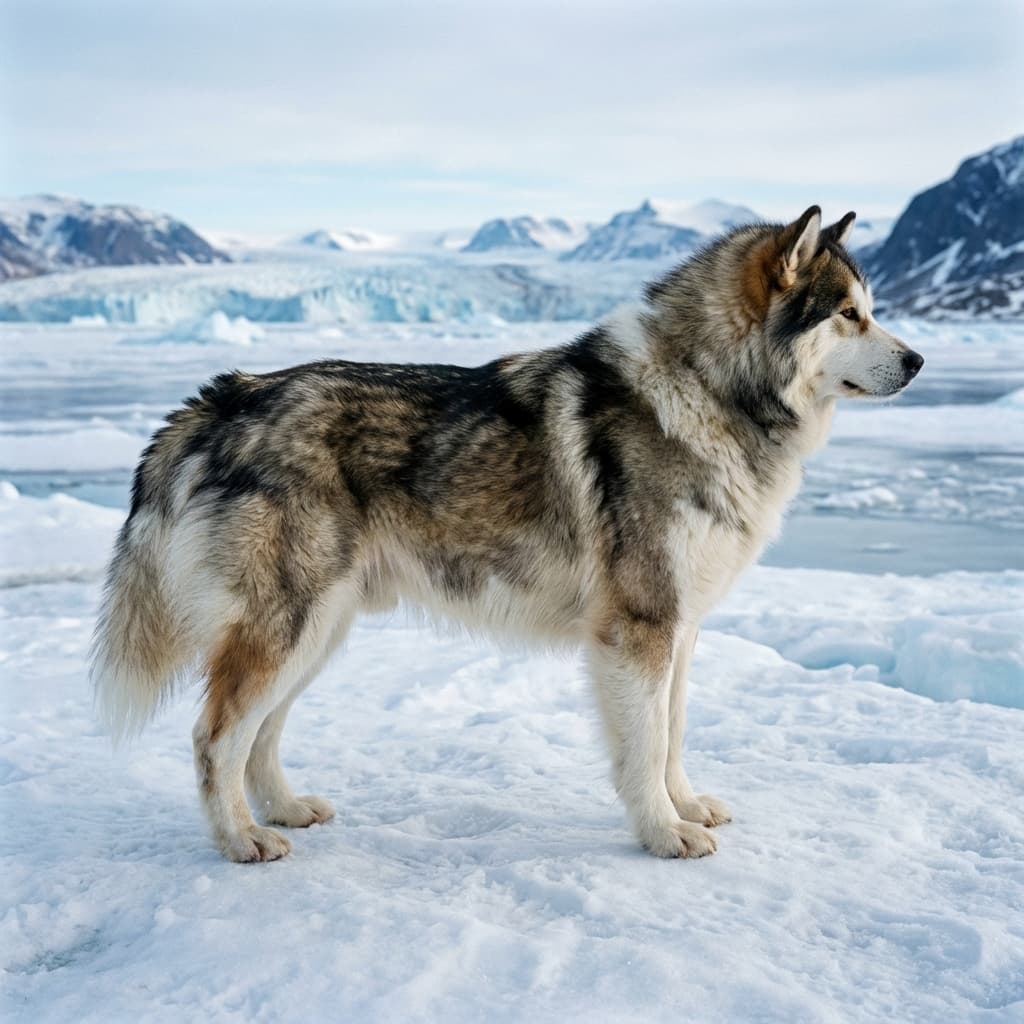
The dense, double coat of the Jämthund serves as a natural protective barrier against the harsh weather conditions typical of Scandinavian regions. Its coat attracts attention with various shades of gray – from dark, wolf-gray to lighter tones – and the distinctive light patches on its muzzle, cheeks, neck, and chest add a unique character and emphasize its wild, primitive origins.
The Jämthund is a dog of exceptional courage and energy, but it can also be calm, composed, and stoic in situations that require patience. This unique combination of temperament makes it an ideal companion both during hunts, where it is expected to work intensively for many hours, and in the comfort of home, where it can be a patient and loyal family member.
The intelligence and strong, innate hunting instinct of the Jämthund make it an excellent hunting dog. However, its training and upbringing require a experienced handler who can harness the natural potential of this breed while building a strong bond based on mutual respect. This breed requires proper socialization from a puppy age to function correctly in the company of other dogs and people. The Jämthund is not recommended for novice owners, but with the right, consistent approach and commitment, it becomes a wonderful, reliable, and loyal companion for life.
The guide we have prepared delves into various aspects of life with a Jämthund, covering topics such as health and longevity, grooming and hygiene, physical and mental activity, training and upbringing methods, proper diet and nutrition, the fascinating history of the breed, distinctive appearance, as well as temperament and behavior. We invite you to explore these intriguing topics and gain a better understanding of this amazing, primitive breed of hunting dogs.
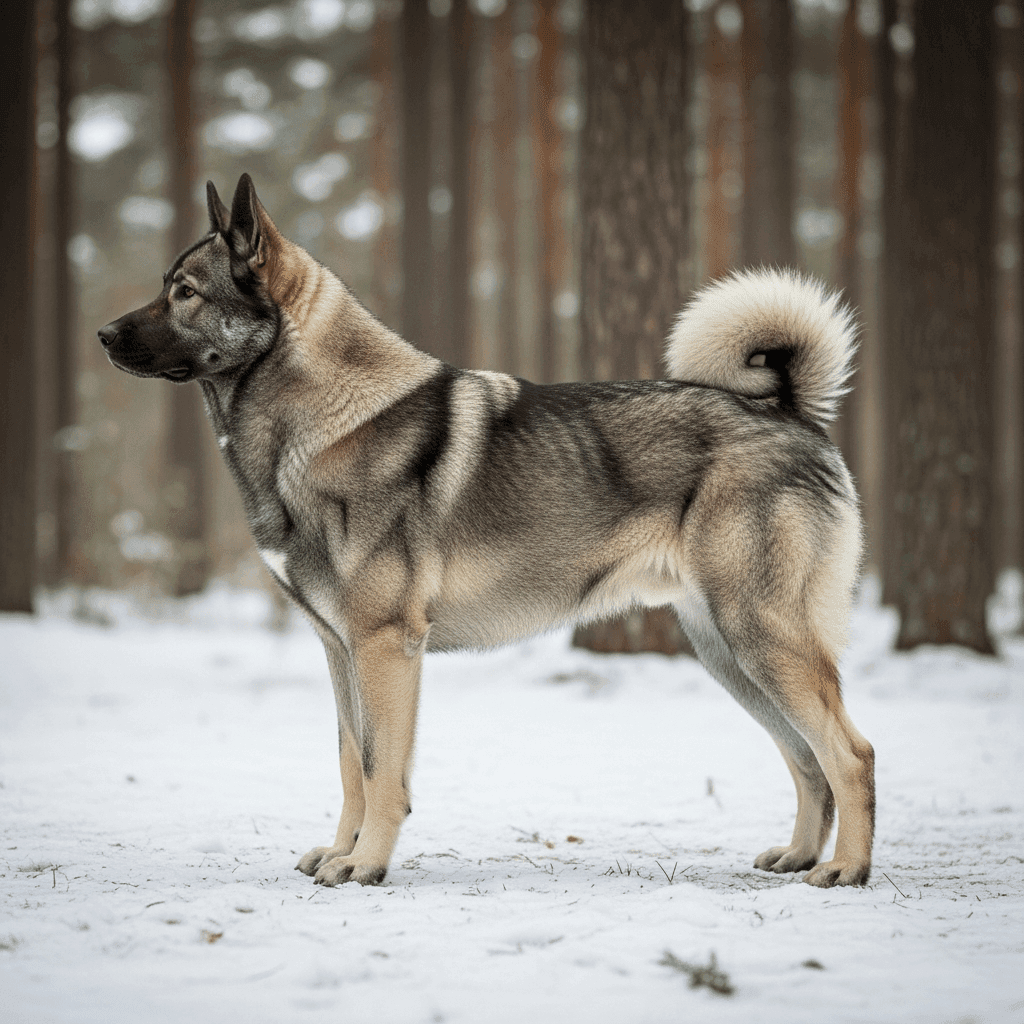
The Jämthund is a large, strong dog with a rectangular silhouette that makes a huge impression with its strength, agility, and harmonious body structure. The height at the withers ranges from 57 to 65 cm for males and 52 to 60 cm for females, making it one of the larger breeds of hunting dogs of the spitz type. The body weight ranges from 25 to 30 kg, providing ideal proportions between power and agility in difficult, mountainous terrain.
The head of the Jämthund is elongated, clean in lines, and proportionally wide between the ears. The skull is slightly convex, and the stop (the transition from the forehead to the muzzle) is distinctly marked, though not excessively deep. The eyes are slightly oval in shape and brown, giving them a sharp, intelligent, yet gentle and calm expression. The ears are set high, pointed, mobile, and always alert, which is a characteristic feature of spitz-type dogs and hunting dogs.
The neck is long, strong, and muscular, allowing for free head movement while tracking game in difficult, wooded terrain. The body is strong, well-muscled, with a deep chest providing excellent endurance and stamina, and a slightly tucked-up belly, which emphasizes the athletic build of the breed.
The tail is of medium length, carried low at rest and slightly curled, often with a characteristic bend at the end. When working or excited, it may be carried higher, but it should never be thrown over the back.
The coat of the Jämthund is dense and double, consisting of a hard, straight outer coat and a soft, thick undercoat, providing excellent protection against cold, wind, and moisture. The color can take on various shades of gray – from dark wolf gray to lighter, steel tones – with characteristic light gray or cream markings on the muzzle, cheeks, neck, chest, belly, and the inner side of the limbs.
The limbs are well-built, straight, strong, and muscular, allowing for quick, agile, and enduring movement even in the toughest terrain. The paws are compact, with well-arched toes and hard pads, providing excellent traction on various surfaces.
The body of the Jämthund gives the impression of being harmonious, proportional, and perfectly balanced. This breed emanates strength, confidence, and primal wild beauty, making it not only an excellent companion for hunters but also a representative of the pure, unchanged hunting dog lineage of the north for centuries.
The Jämthund is a dog with a strong, independent character, which requires an experienced, consistent owner who can provide appropriate leadership and structure. It is brave, energetic, full of vigor, and extremely loyal to its family and handler. In relation to strangers, it may be distrustful and reserved, making it an excellent guard dog that always vigilantly observes its surroundings and protects its family.
The Jämthund possesses a strong, innate hunting instinct and a natural tendency to track and flush game, which is the result of centuries of selection for hunting work. For this reason, it can be dominant towards other dogs, especially of the same sex, so it is extremely important that it is properly socialized from a young age to learn appropriate behaviors in the presence of other animals and people.
This breed is characterized by a high level of energy and a need for intense physical and mental activity, which makes it absolutely unsuitable for living in a small apartment or urban conditions without access to space to run. The Jämthund feels best in a home with a large, fenced yard or in a rural environment where it can move freely and fulfill its natural needs.
The Jämthund is an intelligent, sharp dog, but it can also be stubborn, independent, and self-reliant in decision-making, which makes training a true challenge requiring patience and consistency. However, with the right, positive approach based on reinforcement and a strong bond with the handler, the Jämthund can become a wonderful companion and a loyal friend for life.
Owners should be prepared to dedicate a significant amount of time to their dog’s physical and mental activity to meet its natural needs and prevent behavioral problems arising from boredom and frustration, such as destruction, excessive barking, or escape attempts. The Jämthund is a perfect dog for active individuals, hunters, or dog sport enthusiasts who can build a strong, respectful bond with this unique, primitive dog.
In the right hands, the Jämthund is an irreplaceable companion – stoic, brave, resilient, and ready to work in any conditions, yet calm, composed, and patient in daily family life.
The Jämthund is a breed that enjoys generally good health and longevity, which is the result of centuries of natural selection in the harsh conditions of northern Sweden. The average lifespan of a Jämthund is between 12 to 14 years, although with proper care, a balanced diet, and regular physical activity, many individuals can live up to 15 years.
However, like any dog breed, the Jämthund may be prone to certain genetic conditions and diseases typical of larger breeds. The most common health issues include:
- Hip Dysplasia (HD) – a genetic condition involving improper development of the hip joint, which can lead to pain, lameness, and arthritis
- Elbow Dysplasia (ED) – a similar condition affecting the elbow joints, common in medium and large breeds
- Glaucoma – increased intraocular pressure, which if untreated can lead to pain and loss of vision
- Progressive Retinal Atrophy (PRA) – a hereditary eye condition leading to gradual vision loss and blindness
- Skin Allergies – can result from reactions to food ingredients, environmental allergens, or parasites
Thanks to their strong build, natural endurance, and primitive genes, Jämthunds can survive in harsh, extreme conditions, making them resistant to many diseases typical of more selectively bred breeds. Their thick, double coat protects them well against the cold Scandinavian climate; however, in warmer temperatures, they may struggle to regulate their heat, so extra care should be taken to ensure their thermal comfort, access to shade, and fresh water on hot days.
Owners should regularly monitor their dogs' health through annual veterinary visits, screening for joint dysplasia (X-rays of the hips and elbows), eye examinations, and providing them with an appropriate, balanced diet to avoid weight issues that can stress the joints and lead to additional conditions.
Responsible breeders subject their breeding dogs to genetic testing and select lines free from hereditary diseases, significantly reducing the risk of health problems in puppies. Before purchasing a puppy, it is always advisable to ask for the health test results of the parents and medical documentation.
The grooming of the Jämthund is relatively simple and low-maintenance, but it requires regularity and consistency, especially during periods of intense shedding. This breed has a double coat consisting of a hard outer coat and a dense, soft undercoat, which means that during shedding periods – particularly in spring and autumn – they can shed hair very intensively.
It is recommended to brush weekly outside of shedding periods and daily brushing during intense undercoat shedding to effectively remove dead hair, prevent matting, and keep the coat in a healthy, shiny condition. Without regular grooming, the Jämthund's coat can become tangled, leading to discomfort for the dog and potential skin infections, especially around the ears, neck, and thighs.
The best grooming tools for the Jämthund are:
- Slicker brush – for detangling the coat and removing loose hair
- Comb – for thorough combing and detecting mats
- Furminator or undercoat rake – particularly useful during shedding to remove dead undercoat
Bathing the Jämthund should occur only when necessary – about 3-4 times a year or when the dog is very dirty. Too frequent baths can strip the natural protective layer of the skin and lead to dryness and irritation. Gentle shampoos designed for dogs with double coats should be used.
It is also important to regularly pay attention to ear and dental hygiene to avoid health issues. Ears should be checked weekly and cleaned as needed, especially after being in the woods or hunting. Oral hygiene should include regular teeth cleaning (2-3 times a week) and providing dental chews, which helps prevent tartar buildup and periodontal disease.
Nails should be regularly trimmed (every 3-4 weeks) if they do not wear down naturally during activities on hard surfaces. Overly long nails can lead to discomfort, walking problems, and paw injuries.
Regular veterinary visits are important to monitor the dog's health and ensure appropriate vaccinations, deworming, and prevention against external parasites (ticks, fleas). With proper, systematic grooming, the Jämthund can maintain a healthy, shiny coat and excellent condition throughout its life.
The Jämthund is a breed that requires a very large amount of exercise and intense physical activity to remain healthy, happy, and mentally balanced. It should be provided with at least two to three hours of intense physical effort daily, including long walks, runs, playtime, and various forms of mental stimulation.
The Jämthund is an energetic, resilient dog that loves to run, track, explore its surroundings, and perform tasks that require focus and cooperation with its handler. It excels in canine sports such as:
- Agility – an obstacle course that perfectly utilizes its agility and intelligence
- Obedience – training that builds a bond with the handler
- Canicross – running with a dog harnessed to a belt (an excellent activity for active owners)
- Nosework – scent work, tracking scents
- Hunting – for which the breed is originally intended and in which it perfectly utilizes its natural instincts
Owners should provide the Jämthund with various forms of activity to satisfy its natural hunting instincts, need for exploration, and to prevent boredom and frustration. Monotonous walks on the same route are not enough – the dog needs new stimuli, challenges, and opportunities to utilize its intelligent mind.
A lack of adequate exercise and stimulation can lead to serious behavioral problems, such as:
- Excessive, persistent barking or howling
- Destruction of furniture, doors, and household items
- Attempts to escape from home or the garden
- Aggression towards other dogs caused by frustration
- Hyperactivity and inability to calm down
- Depression and apathy
The Jämthund thrives in an active lifestyle and will be a wonderful companion for those who:
- Lead an active lifestyle (running, hiking, sports)
- Live in a house with a large, fenced yard or in a rural environment
- Engage in hunting or canine sports
- Have the time and commitment for daily, long activities with the dog
It is also important to provide the Jämthund with mental stimulation through educational games, interactive toys, obedience training, and learning new commands. A mentally tired dog is just as satisfied as a physically tired one.
The Jämthund is a working dog that needs tasks and purpose – without them, it can become unhappy, frustrated, and difficult to live with. In the right hands and with the right amount of activity, it is the perfect, loyal, and reliable companion for life.
Training a Jämthund can be a real challenge because this breed is known for its independence, strong character, and primitive hunting instincts. The Jämthund has been bred for centuries to make independent decisions while hunting in difficult terrain, which makes it somewhat stubborn and independent in training, sometimes even ignoring commands if it thinks it knows better.
Training a Jämthund requires patience, consistency, and experience in working with primitive or hunting breeds. Owners should use only positive reinforcement training methods (rewards, praise, play) to motivate the dog to learn and build a strong bond based on mutual respect. Physical punishment, yelling, or dominance-based methods do not work at all with this breed and can lead to a loss of trust and behavioral problems.
Key training principles for Jämthunds:
- Early training and socialization – starting from 8 weeks of age, the puppy should learn basic commands and proper behaviors in the presence of people and other animals
- Consistency – rules must be clear, consistent, and followed by all household members
- Short, intense training sessions – 10-15 minutes, 2-3 times a day, to avoid boring the dog
- Diversity of exercises – monotony causes the Jämthund to lose interest, so it's worth introducing new tasks, games, and challenges
- Immediate rewards – treats, toys, and praise must follow directly after the correct behavior
- Challenging socialization – exposure to various stimuli, people, dogs, and environments from a young age
The Jämthund is a smart, keen dog that eagerly learns new commands and tasks, but it can sometimes lose interest if not sufficiently stimulated or if it finds the training boring. Therefore, it's worth introducing a variety of exercises, games, and challenges that will engage the dog's mind, such as:
- Nosework (scent work, tracking scents)
- Educational games (hiding treats, interactive toys)
- Obedience (advanced obedience)
- Agility (obstacle courses)
- Hunting training (if the owner is a hunter)
Basic commands that every Jämthund should master:
- Sit
- Lie down
- Stay
- Come (recall – CRITICALLY IMPORTANT due to hunting instincts)
- Leave it (leaving prey or dangerous objects)
- Walking on a loose leash
Regular, daily training sessions will help build a strong bond between the dog and the owner, as well as significantly improve the Jämthund's behavior in everyday life, including during encounters with other dogs, on walks, and in stressful situations.
Training the recall is particularly important due to this breed's strong hunting instinct. A Jämthund that catches a scent of game may completely ignore the owner and run after the target for miles. Therefore, working on a reliable recall should be a priority in training, and in wooded areas or during walks outside of a fenced area, the dog should always be kept on a long training leash (10-15 meters) until the command is mastered at an excellent level.
A well-trained Jämthund can be a wonderful, obedient companion, but this requires significant commitment, time, and patience from an experienced owner. This breed is absolutely not suitable for novice dog owners or for those expecting the unlimited obedience typical of herding or sporting breeds.
Jämthund is a breed of dog that requires a balanced, high-quality diet to maintain health, excellent physical condition, and longevity. Due to their very active lifestyle, large body mass, and high energy levels, it is extremely important to provide them with the appropriate amount of protein, healthy fats, and complex carbohydrates.
The diet of a Jämthund should be rich in high-quality animal protein, such as:
- Poultry (chicken, turkey)
- Red meat (beef, lamb, game)
- Fish (salmon, trout – rich in Omega-3 fatty acids)
- Eggs
Protein is a key ingredient for building and repairing muscles, especially in such an active breed as the Jämthund. It is recommended that the food contains at least 25-30% protein (for adult, active dogs) and 15-20% fat to provide energy and a healthy coat.
Owners should avoid low-quality food that may contain:
- Artificial additives, colorings, and preservatives
- Low-value grain fillers (corn, wheat)
- Unspecified meat or animal by-products
- Excess simple carbohydrates
Jämthund may have a tendency to gain weight, especially if their level of physical activity is insufficient or if they receive too many calories. Therefore, it is extremely important to:
- Adjust the amount of food to the dog's activity level (active dogs need more calories)
- Feed twice a day instead of one large meal (reduces the risk of gastric torsion)
- Avoid feeding directly before or after intense physical activity
- Regularly monitor weight and body condition (ribs should be visible to the touch, but not visually)
- Limit the amount of training treats (no more than 10% of daily calorie intake)
It is also important to provide the dog with constant access to fresh, clean water throughout the day, especially after physical activity or on hot days, to prevent dehydration.
Additionally, some dogs may have sensitivity to certain food ingredients (food allergies), such as:
- Grains (wheat, corn, soy)
- Some types of protein (chicken, beef)
- Artificial additives and preservatives
In case of allergy symptoms (itchy skin, digestive problems, hair loss, ear inflammation), it is advisable to consult a veterinarian and consider an elimination diet or switching to a hypoallergenic food with a limited number of ingredients (LID – Limited Ingredient Diet).
Types of diets for Jämthund:
- Premium/super-premium dry food – convenient, balanced, good quality brands (Orijen, Acana, Taste of the Wild, Carnilove)
- High-quality wet food – as a supplement or base of the diet (richer in moisture, tastier)
- BARF diet (raw meat and bones) – natural, similar to the diet of wild ancestors, requires knowledge and planning
- Home-cooked diet – fresh meat, vegetables, carbohydrates, requires supplementation of vitamins and minerals
Regular consultations with a veterinarian will help in choosing the appropriate diet for the Jämthund tailored to their age, activity level, health status, and individual needs, to ensure a long, healthy, and energetic life.
Particular attention should be paid to puppy nutrition – young Jämthunds in the growth phase (up to 12-18 months) need food specially formulated for large breed puppies, with the appropriate calcium-to-phosphorus ratio, to ensure proper bone and joint development and minimize the risk of dysplasia.
Characteristic Traits
Pros
- Strong
- resilient
- and agile
- Brave and energetic
- A faithful and loyal companion
- Excellent protection against the cold thanks to double fur
- Outstanding hunting abilities and tracking instinct
- Generally good health and longevity.
Cons
- Requires an experienced and consistent handler
- Not suitable for beginner owners
- Needs a lot of exercise and physical activity
- Strong hunting instinct may lead to escapes
- Can be dominant towards other dogs
- Not suitable for apartment living or urban conditions.
Behavioral Ratings
Breed History
The history of the Jämthund is long, fascinating, and deeply rooted in the culture and hunting traditions of northern Sweden. This breed has its origins in the Jämtland region (hence the name), located in the northern part of Sweden, where it was used by the local population to hunt large, dangerous game such as moose, bears, lynxes, and wild boars.
The Jämthund is one of the oldest types of hunting dogs in this part of Europe, and its genetic lineage dates back to the times when northern Scandinavia was inhabited by peoples who hunted and used dogs as essential companions in the struggle for survival in harsh climatic conditions. Although the breed was officially recognized by the FCI only in 1946, its significance in Scandinavian culture and its role as an indispensable companion for hunters has lasted for many centuries, probably since medieval times, and perhaps even earlier.
The Jämthund was bred through crossbreeding hunting dogs from the northern Sweden region, which naturally adapted to the local climate and types of hunting. Some sources also suggest crossbreeding with wild wolves, which may have given the breed its characteristic wolf-like appearance, primal strength, and independent nature. Natural selection and conscious breeding choices by hunters led to the creation of a dog with excellent hunting abilities, cold resistance, and the endurance needed for long hours of work in difficult, mountainous terrain.
Initially, Jämthund and smaller Norwegian elkhounds (Norwegian Elkhound) were judged as the same breed at dog shows, which significantly delayed the recognition of the Jämthund as a separate breed. This situation persisted for many decades, even though hunters and breeders from the Jämtland region were well aware that their dogs differed from Norwegian elkhounds in size, body structure, character, and hunting style.
As time passed, the differences between these two breeds became increasingly evident and impossible to ignore. Swedish breeders and breed enthusiasts began intensive efforts for the official recognition of the Jämthund as a separate, distinct breed. In 1946, the Swedish Kennel Club (Svenska Kennelklubben) and the FCI officially recognized the Jämthund, granting it a breed standard and FCI number 42, Group 5 (Spitz and Primitive breeds), Section 2 (Nordic hunting dogs).
Since then, the Jämthund has gained international recognition as an excellent hunting dog, valued both in Scandinavia and in other European countries as well as North America. Modern Jämthunds are still widely used in hunting moose and other large animals in Sweden, Norway, and Finland, where special working trials are held to assess their hunting abilities, courage, endurance, and cooperation with the hunter.
In addition to its role as a hunting dog, the Jämthund is increasingly serving as a family companion and sport dog, participating in agility, obedience, nosework, and canicross competitions. However, its strong, innate hunting instinct means that it will always remain primarily a working dog that needs an active life, tasks, and purpose.
This breed represents a living cultural heritage of Sweden and a symbol of the primal, unchanged by the centuries relationship between humans and dogs based on mutual cooperation, respect, and trust in the harsh conditions of Scandinavian nature. The Jämthund is not just a dog – it is a piece of history, hunting tradition, and the primal, wild beauty of northern Europe.