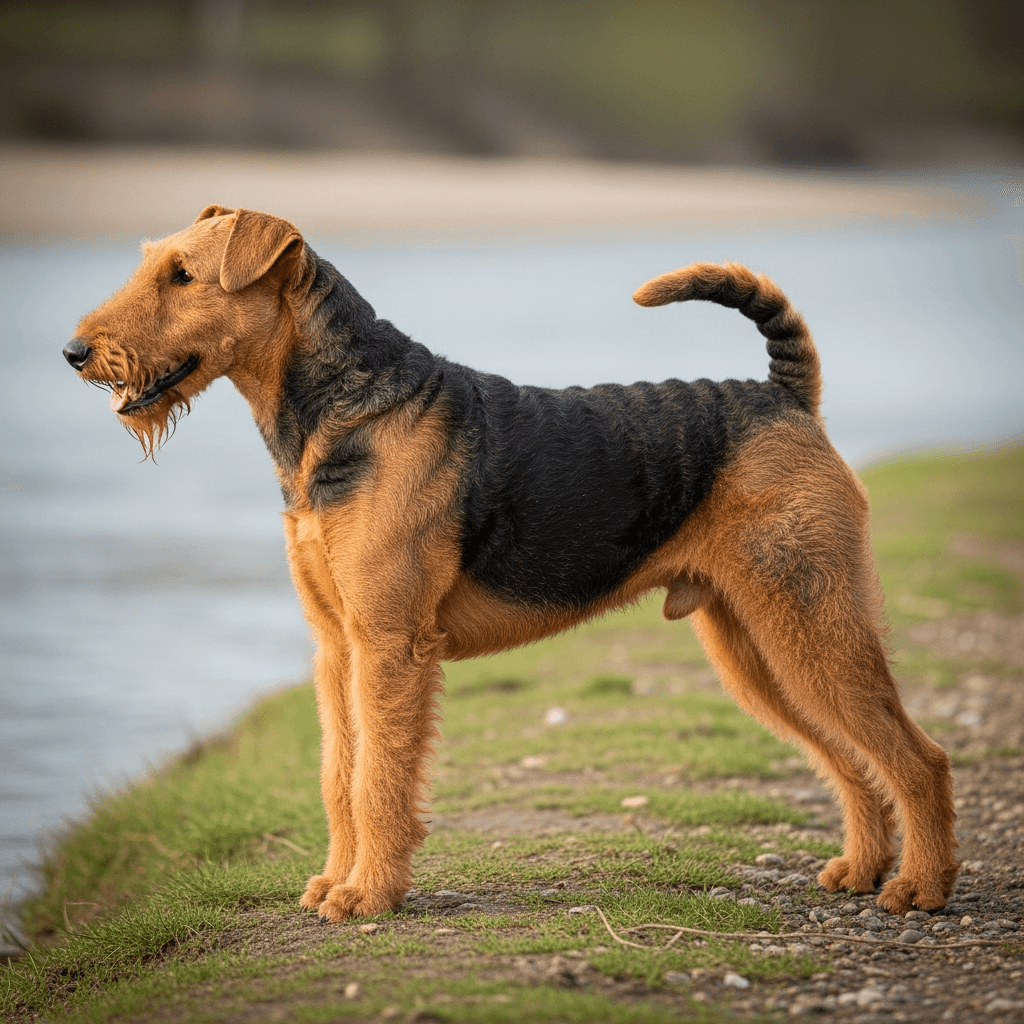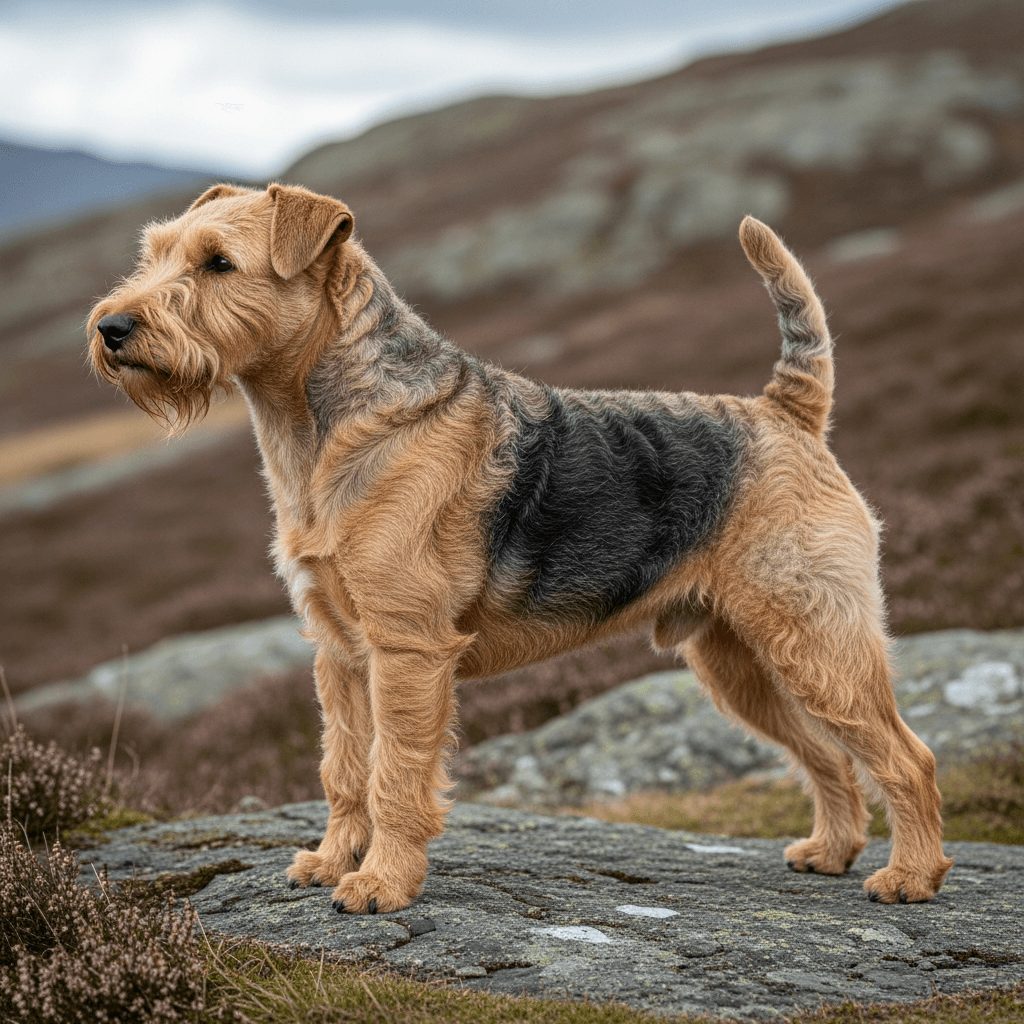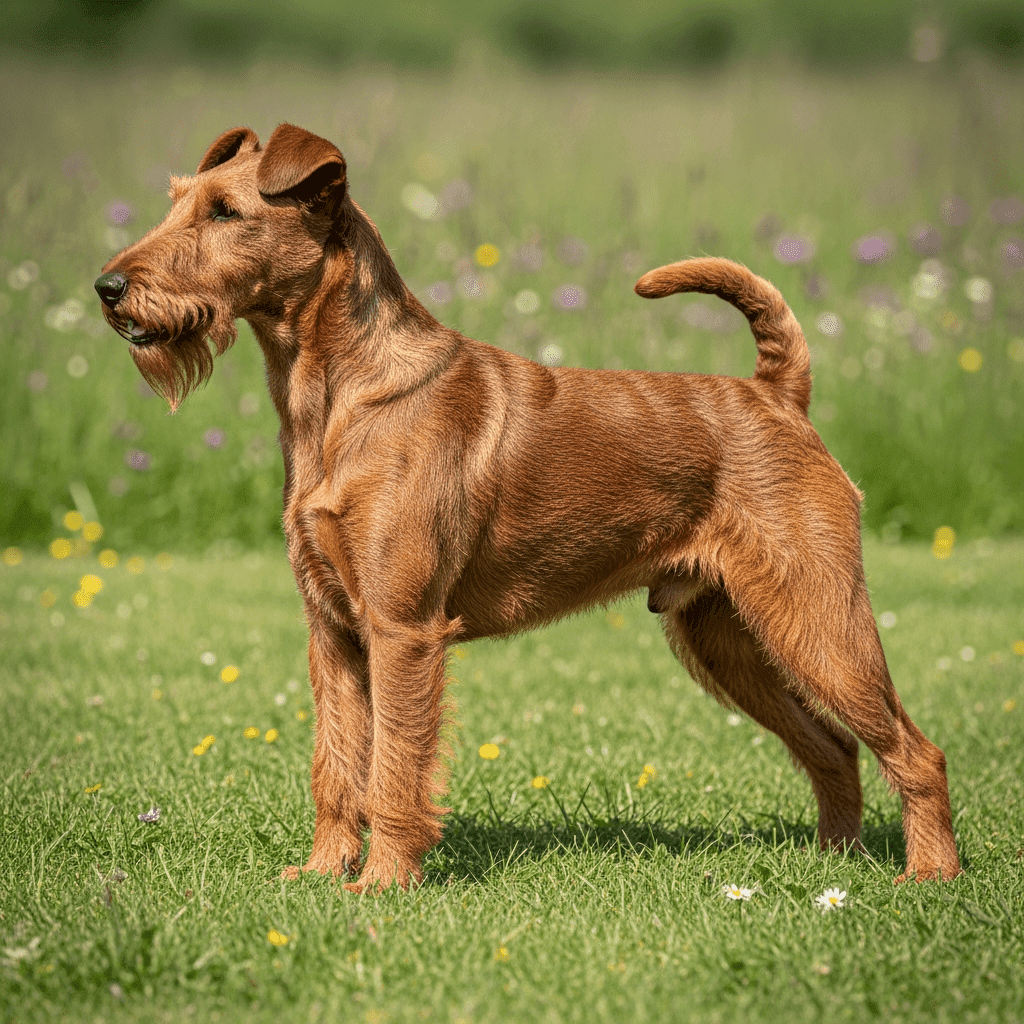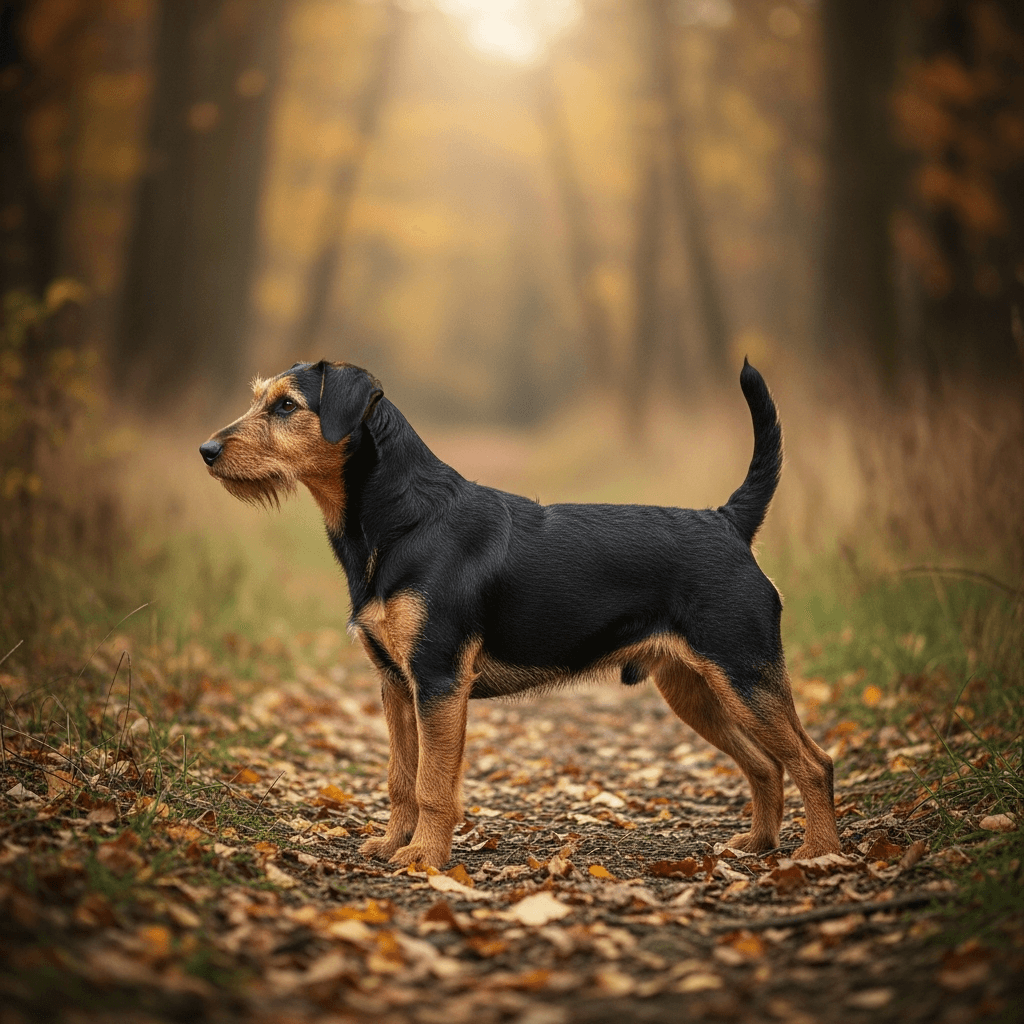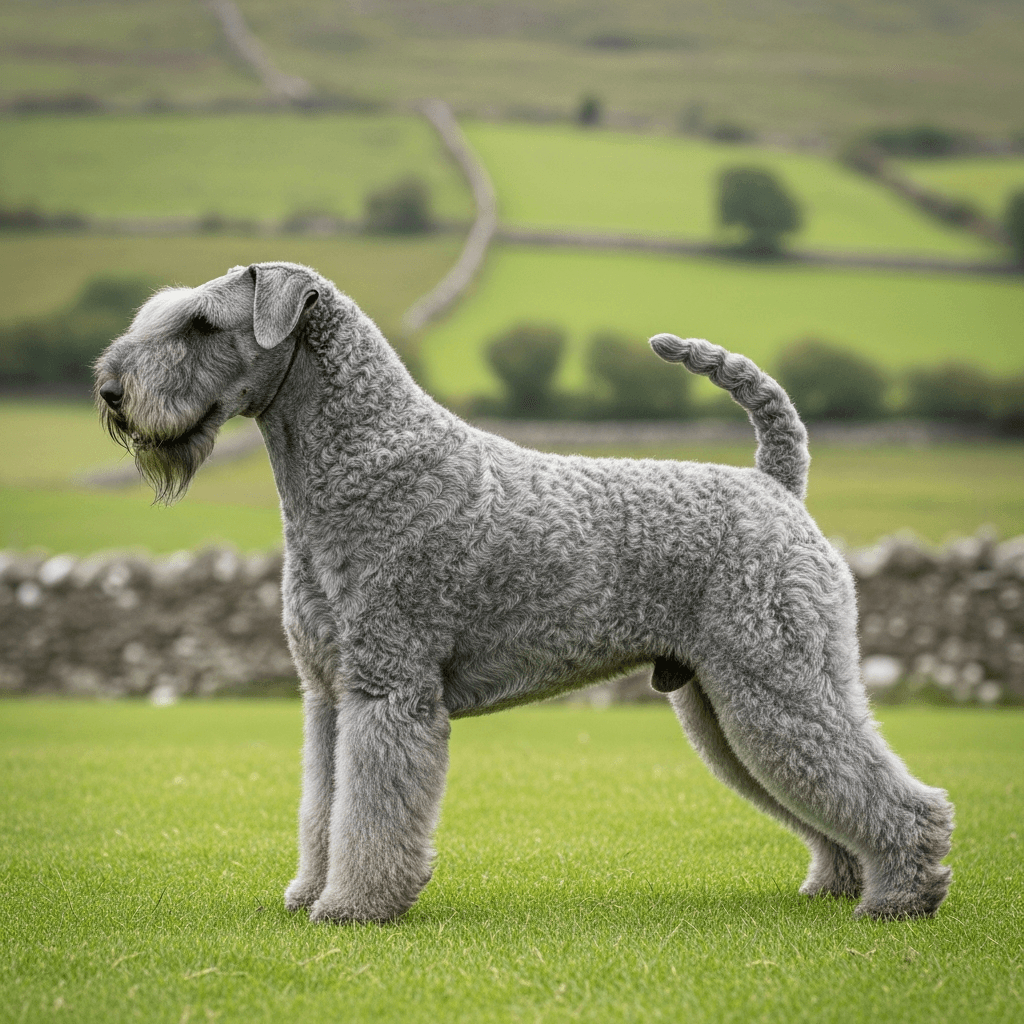
Kerry Blue Terrier
FCI Group
3• FCI 3
Size
Medium
Origin Country
IE
Height
44.5-49.5 cm
Weight
15-18 kg
Lifespan
13-15 years
Temperament
Overview
Kerry Blue Terrier, also known as Kerry, is a breed with a unique history and extraordinary character that has captivated dog lovers around the world for generations. Originating from the picturesque County Kerry in Ireland, this medium-sized terrier is distinguished by its characteristic blue coat and energetic, lively temperament.
History and Purpose:
- The breed has a long tradition dating back to the 19th century
- Originally bred for hunting otters and badgers
- Used as a guard dog on Irish farms
- Currently valued as a family companion and show dog
The Kerry Blue was originally bred for multi-tasking work on Irish farms - from hunting small animals like rats, to guarding, and even working with sheep. Its versatility has made it an invaluable helper to Irish farmers. Today, the Kerry Blue enjoys popularity not only as a working dog but primarily as a loyal family companion that fits perfectly into the role of a family member.
Character and Temperament: These dogs are known for their friendly disposition and unconditional devotion to their owners. Their high intelligence makes them relatively easy to train, although they require patience, consistency, and a positive approach. The Kerry Blue Terrier needs regular physical activity and mental stimulation to remain healthy, happy, and mentally balanced. Therefore, owners should provide them with daily walks, playtime, and training exercises.
Grooming and Requirements: The Kerry Blue's coat, while spectacularly beautiful and hypoallergenic (not shedding heavily), requires regular and systematic grooming to prevent matting and dirt accumulation. Regular brushing and professional grooming every 6-8 weeks are crucial for keeping it in excellent condition. Additionally, a proper, balanced diet is necessary to prevent health issues and support maintaining an appropriate body weight.
Despite certain challenges related to grooming and the need for activity, Kerry Blue Terrier is an ideal choice for active families who want to dedicate time to training, play, and building a strong bond with their dog. This breed is for those who value the companionship of an energetic, intelligent, and devoted four-legged friend.
We invite you to continue exploring this fascinating breed in the following sections, where we will discuss in detail the health, grooming, exercise needs, training, nutrition, rich history, distinctive appearance, and temperament of the Kerry Blue Terrier. Discover why this Irish breed is so special and why it is worth choosing as your four-legged friend and life companion.
The Kerry Blue Terrier is a dog with a strong, athletic build of medium size, exuding both strength and elegance.
Dimensions and proportions:
- Height at the withers: males 45.5-49.5 cm, females 44.5-48 cm
- Weight: males 15-18 kg, females slightly smaller
- Body shape: compact, balanced, with strong musculature
- Proportions: body length slightly greater than height
Characteristic coat: The most recognizable feature of the Kerry Blue is its exceptional, wavy coat in shades of blue - from light silvery to deep dark blue. The hair is soft, dense, and has a silky, pleasant-to-touch texture. Interestingly, Kerry Blue puppies are born with black fur, which gradually changes color, achieving the characteristic blue shade between 9 and 24 months of age. This process is unique to this breed and fascinating to observe.
Head and expression: The head is well-constructed, long, and proportional to the body, with a strong, well-developed jaw and large nostrils. The eyes are dark (from dark brown to almost black), medium-sized, with a penetrating, intelligent expression that reveals the lively personality of this dog. The ears are small to medium, V-shaped, carried forward or to the sides of the head, giving the dog a distinctive, alert appearance.
Body structure:
- Neck: well-set, strong, and moderately long
- Back: straight, strong, with moderately developed loins
- Chest: deep and well-developed
- Limbs: strong, straight, with well-developed muscles
- Paws: compact, round, with strong claws
Tail: The Kerry Blue's tail is carried high up, straight or slightly curved, emphasizing its cheerful, confident disposition. Traditionally, the tail was docked, but currently in many European countries this practice is banned, and Kerry Blues look just as beautiful with a natural tail.
This breed, due to its elegance, unique appearance, and spectacular coat, often attracts attention at dog shows, where it presents itself with extraordinary grace and confidence. A Kerry Blue in full show condition is a breathtaking sight.
The Kerry Blue Terrier is a dog with a distinct, strong temperament, harmoniously combining the traits of an energetic, brave terrier and a sensitive, affectionate family companion.
Personality and temperament:
- Alert and lively: always ready, full of energy and curiosity about the world
- Brave and confident: a typical terrier that is not afraid of challenges
- Loyal and devoted: strongly attaches to its family
- Intelligent: learns quickly and understands commands
- Independent: can make its own decisions
In the family circle: At home, the Kerry Blue is usually friendly, affectionate, and extremely devoted. It shows deep love, loyalty, and a desire to spend time together with its family. It loves to be the center of attention and actively participate in family life. The Kerry Blue generally gets along well with children, especially if properly socialized from puppyhood. This is a dog that is patient and gentle with household members, although its liveliness requires that children are old enough not to be accidentally knocked over during play.
Towards strangers and other animals: They can be somewhat wary of strangers, which makes them excellent watchdogs - they will always alert the family to the approach of unknown individuals. Their natural hunting instinct means they will chase small animals (cats, rabbits, squirrels), so proper socialization from an early age is important. With other dogs, Kerry Blues can be territorial and dominant, especially same-sex individuals, so early and consistent socialization is crucial.
Challenges in training:
- Stubbornness: Kerry Blues tend to be independent and sometimes stubborn
- Strong will: may try to "test" the owner and take over leadership
- Hunting instinct: may chase small animals
- Territoriality: may defend its territory against other dogs
Key to success: Owners should be firm and consistent, using only positive reward-based training methods. Kerry Blues do not respond well to harsh treatment or punishment - they need patience, understanding, and positive reinforcement. With the right approach, they become wonderful, obedient companions.
Separation anxiety: It is also worth remembering that the Kerry Blue Terrier, despite its independence, does not like to be left alone for long periods. It needs the company of its family and may develop separation anxiety if regularly left alone for many hours. Symptoms can include destruction of objects, excessive barking, or howling. For the happiness of the Kerry Blue, daily companionship and family involvement are essential.
The Kerry Blue Terrier is a breed with relatively good health and longevity, with an average lifespan of 12 to 15 years. With proper care, a balanced diet, and regular physical activity, many individuals reach the upper limit of this range.
Most common health issues:
1. Skin diseases:
- Skin allergies: can cause intense itching, redness, and discomfort
- Symptoms: excessive scratching, licking paws, hair loss
- Causes: food allergies, environmental (pollen, dust mites)
- Treatment: identification of the allergen, dietary changes, antihistamines
2. Eye problems:
- Cataracts: gradual clouding of the eye lens leading to vision loss
- Entropion: inward rolling of the eyelid, irritating the cornea
- Progressive retinal atrophy (PRA): hereditary disease leading to blindness
- Prevention: regular eye exams by a veterinarian
3. Orthopedic problems:
- Hip dysplasia: developmental defect leading to pain and lameness
- Elbow dysplasia: a similar condition affecting the front limbs
- Symptoms: difficulty getting up, stiffness, reluctance to move
- Prevention: weight control, moderate activity, screening of parents
4. Other conditions:
- Blood clotting disorders (von Willebrand's disease)
- Neurological problems (rarely occurring)
- Neoplasms (more common in older individuals)
Obesity: Kerry Blue Terriers have a tendency to gain weight if they are not sufficiently active or are overfed. Obesity can lead to serious health issues, including diabetes, heart disease, and joint strain. Owners should implement a proper diet and ensure regular physical activity to keep their dog in good condition.
Tolerance to weather conditions: Kerry Blues tolerate cool and moderate climate conditions well, but do not cope well with extremely hot climates. Their dense coat can lead to overheating on hot days, so owners should provide them with access to shade, fresh water, and air-conditioned spaces during heat waves.
Prevention and veterinary care:
- Regular check-ups with a veterinarian (at least once a year)
- Annual vaccinations
- Parasite prevention (deworming, protection against ticks and fleas)
- Screening tests (hips, vision) before breeding
- Monitoring body weight and condition
- Regular dental check-ups
The grooming of the Kerry Blue Terrier is quite demanding and time-consuming, but necessary for maintaining the health and beautiful appearance of this dog. Their characteristic, soft, and wavy coat requires regular and systematic care.
Brushing:
- Frequency: daily brushing is essential to prevent tangling
- Tools: brush with steel teeth, metal comb
- Technique: brushing in layers, from the skin to the hair tips
- Time: 10-15 minutes daily
- Benefits: prevents mats, removes dirt, stimulates the skin
Professional grooming: The Kerry Blue requires regular visits to a groomer every 6-8 weeks to maintain the characteristic show silhouette or a convenient working cut. Professional grooming includes:
- Shaping the silhouette according to the breed standard
- Trimming the hair on the head to create the characteristic "beard" and "eyebrows"
- Shortening the hair on the body to maintain an elegant line
- Trimming the hair between the toes and pads of the paws
Bathing:
- Frequency: every 4-6 weeks or as needed
- Shampoo: high-quality, dedicated for long hair
- Conditioner: recommended to maintain softness and shine
- Drying: thorough drying with a towel and a hairdryer
Beard and muzzle area: Dogs of this breed do not shed heavily, making them more suitable for allergy sufferers, but their characteristic beard attracts dirt, water, and food residues. It requires:
- Daily wiping after meals
- Regular trimming to avoid problems while eating
- Soaking and cleaning during baths
Oral hygiene:
- Tooth brushing: 2-3 times a week (ideally daily)
- Toothpaste: specialized for dogs (never human!)
- Dental treats: supporting teeth cleaning
- Benefits: preventing tartar, gum diseases
Ear care:
- Frequency: weekly inspection
- Cleaning: gently, with a special ear solution
- Signs of infection: unpleasant odor, redness, discharge
- Prevention: keeping dry and clean
Eye care:
- Daily wiping of the corners of the eyes with a damp cloth
- Removing discharge to prevent irritation
- Trimming hair around the eyes for better visibility
Nail trimming:
- Frequency: every 3-4 weeks or as needed
- Tools: guillotine clipper or electric grinder
- Technique: careful trimming, avoiding blood vessels
- Overgrown nails: can cause discomfort and walking problems
Benefits of regular grooming: Although grooming the Kerry Blue is demanding, it brings numerous benefits - the coat remains soft, shiny, and free of mats, the skin is healthy, and the dog feels comfortable. Additionally, regular grooming sessions are an excellent opportunity to check the dog's health and detect any potential problems early.
The Kerry Blue Terrier is a breed with high exercise needs, requiring a significant amount of daily physical activity and mental stimulation to maintain health, good condition, and mental balance.
Minimum activity requirements:
- Time: at least 60-90 minutes of intense activity daily
- Walks: 2-3 long walks of 30-45 minutes
- Running: the opportunity to run freely in a safe, enclosed area
- Play: an additional 30 minutes of interactive games and training
Best forms of activity: These dogs are full of energy and enthusiasm, loving to run, jump, and explore their surroundings. The Kerry Blue particularly enjoys:
- Long walks: in the woods, park, by the water - with opportunities for exploration
- Jogging: an excellent running companion for active owners
- Agility: utilizing their intelligence, agility, and energy
- Frisbee: a game that engages their hunting instinct and speed
- Dog soccer: a game that requires coordination
- Swimming: excellent exercise, gentle on the joints
- Scent trails: working with their nose, searching for hidden treats
Hunting instinct: The Kerry Blue has a strong hunting instinct, meaning they may be inclined to chase small animals (squirrels, rabbits, cats). For this reason:
- They should be kept on a leash in unenclosed public places
- An enclosed yard or dog park is an ideal place for free running
- Recall training is absolutely crucial
- They should not be allowed to run freely near roads
Mental stimulation: Just as important as physical activity is mental stimulation. The Kerry Blue is an intelligent dog that needs intellectual challenges:
- Learning new commands and tricks: keeps the mind active
- Interactive toys: dog puzzles, toys with hidden treats
- Obedience training: regular practice of commands
- Scent games: hiding treats, tracking scents
- Toy rotation: maintaining interest
Consequences of lack of activity: Without the right amount of exercise and stimulation, the Kerry Blue may develop serious behavioral problems:
- Destructive behaviors: destroying furniture, cushions, shoes
- Excessive barking: out of boredom or frustration
- Howling and whining: especially when alone
- Hyperactivity: difficulty calming down
- Aggression: frustration can lead to problems with other dogs
- Escaping: attempts to find entertainment on their own
- Excessive digging: terrier instinct heightened by boredom
Ideal owner: Owners who lead an active lifestyle will be the perfect companions for this breed. The Kerry Blue will enjoy companionship during:
- Daily morning jogs
- Weekend mountain hikes
- Cycling (with proper training)
- Outdoor activities year-round
This is not a breed for: Individuals leading a sedentary lifestyle, spending most of the day at work, and preferring quiet evenings in front of the television. The Kerry Blue needs an owner as energetic as they are!
Training Kerry Blue Terriers is crucial for their proper development and harmonious coexistence with the family. This intelligent yet stubborn breed requires a thoughtful, consistent approach to training.
Early start: Owners should begin training as early as possible, preferably at the age of 8-10 weeks, when the puppy is most receptive to learning. Early training helps:
- Prevent the development of bad habits
- Establish the owner as the pack leader
- Build a strong bond between the dog and the family
- Shape desired behaviors
Training methods: This breed is intelligent, which makes the training process enjoyable, but it is also stubborn and independent, which can pose a challenge. Key training principles:
1. Positive reinforcement:
- Treat rewards: high-value treats for correctly following commands
- Verbal praise: enthusiastic, cheerful tone of voice
- Play: favorite toy as a reward
- Affection: physical expressions of approval
- NEVER physical punishment: Kerry Blue reacts poorly to harshness and loses trust
2. Consistency and firmness:
- The same rules always and everywhere (all family members!)
- Clear, short commands
- Firm but gentle enforcement of rules
- Not yielding to the dog's whims
3. Short but frequent sessions:
- Duration: 10-15 minutes for puppies, 20-30 minutes for adults
- Frequency: 3-4 sessions a day
- Ending: always on a success, not a failure
- Fun: training should be enjoyable, not a chore
Early socialization (CRITICAL!): Socialization is absolutely essential for Kerry Blue to learn proper interactions and not develop behavioral issues. During the 8-16 week period of life (socialization window), the puppy should experience:
Different people:
- Children (of various ages and temperaments)
- Adults (men, women)
- Seniors and people with disabilities
- People in different outfits (hats, uniforms, coats)
Other dogs and animals:
- Puppies and adult dogs of various breeds and sizes
- Puppy kindergarten (controlled meetings)
- Cats, rabbits, and other pets (under supervision)
Different environments and stimuli:
- Traffic, city noise
- Parks, forests, beaches
- Dog-friendly stores
- Veterinary visits (positive experiences!)
- Car travel
- Different surfaces (grass, concrete, sand, stairs)
Key commands: Training should be varied and include both basic obedience commands and more advanced skills:
Basic (mandatory):
- "Sit" - fundamental control command
- "Down" / "Stay" - self-control exercise
- "Lie down" - calming position
- "Come" / "Here" - THE MOST IMPORTANT command for safety
- "Leave it" - control of hunting instincts
- "No" - stopping unwanted behavior
Advanced:
- Walking at heel without pulling
- Tricks (shake paw, spin, weave through legs)
- Scent work
- Fetching
Recall training: Due to their strong hunting instinct, teaching the dog a reliable recall is absolutely crucial. Recall training should:
- Start in a distraction-free environment
- Gradually increase the level of difficulty (distractions)
- Be practiced daily
- Always end with a high-value reward
- NEVER end with punishment (the dog must know that recall = good thing)
Training challenges: Owners should be patient and show empathy because:
- Kerry Blue sometimes "tests" the owner, checking boundaries
- May selectively ignore commands if deemed irrelevant
- Will get bored with repeating the same exercises
- Does not tolerate harsh training methods or violence
Key to success: Well-being and a strong bond with the owner are crucial for effective training. A Kerry Blue that feels loved, respected, and understood will want to cooperate and please its guardian. With proper, consistent training based on positive reinforcement, a Kerry Blue becomes a wonderful, obedient companion and a well-mannered family member.
The diet of a Kerry Blue Terrier should be carefully balanced and of high quality to ensure optimal nutrition, health, and maintenance of proper body weight throughout their life.
Choosing food: Owners should select high-quality premium or super-premium food that contains:
- Animal protein: a minimum of 25-30% (chicken, beef, fish as the first ingredient)
- Healthy fats: 12-18% (omega-3 and omega-6 for skin and coat health)
- Carbohydrates: easily digestible sources of energy (brown rice, oats, sweet potatoes)
- Vitamins and minerals: a comprehensive blend supporting the immune system
- Glucosamine and chondroitin: for joint health
- Fiber: for proper digestion
What to avoid:
- Foods with fillers (corn, wheat in large amounts)
- Artificial additives, colorings, and preservatives
- By-products of unknown origin
- Foods with low animal protein content
Portion size: Dogs of this breed have a tendency to maintain a healthy weight, but owners should be vigilant not to overfeed their pet. Recommended daily portions:
- Active adult dog: 2-3 cups (about 250-350g) of dry food per day
- Less active adult dog: 1.5-2.5 cups (about 200-300g)
- puppy (2-6 months): 3-4 small meals per day
- Young dog (6-12 months): 2-3 meals per day
- Adult dog: 2 meals per day (morning and evening)
IMPORTANT: Portions should be individually adjusted to:
- The dog's age
- Body weight and condition
- Level of physical activity
- Health status
- Neutering/spaying status (neutered dogs require fewer calories)
Weight control: Regularly check the dog's body condition:
- Ideal weight: visible waist, ribs palpable but not visible
- Overweight: no waist, difficulty feeling ribs
- Underweight: ribs and vertebrae clearly visible
PROHIBITED foods for Kerry Blue: Owners should absolutely avoid giving their dog table scraps, as some foods can be toxic and deadly for dogs:
- Chocolate: contains theobromine, deadly toxic to dogs
- Onion and garlic: destroy red blood cells, can cause anemia
- Grapes and raisins: damage kidneys
- Avocado: contains persin, toxic to dogs
- Xylitol (sweetener): causes a rapid drop in sugar and liver failure
- Alcohol: extremely toxic
- Caffeine: toxic to the nervous system
- Poultry bones: can splinter and cause intestinal perforation
Healthy treats: As snacks, you can offer:
- Raw carrot (cleans teeth)
- Seedless apple (source of fiber)
- Cooked chicken without seasoning
- Specialty dog treats (in limited amounts)
- Frozen carrot (great for teething puppies)
Water:
- Constant access: fresh, clean water should be available all day
- Replacement: at least 2 times a day
- Amount: about 60ml per 1kg of body weight per day
- Monitoring: excessive or reduced drinking may indicate health problems
Special dietary needs:
- Food allergies: hypoallergenic food with a limited number of ingredients
- Digestive issues: easily digestible food with probiotics
- Joint problems: supplementation with glucosamine and chondroitin
- Skin issues: food rich in omega-3 and omega-6
Health monitoring: Regular veterinary check-ups will help monitor the dog's health and adjust the diet to their changing needs. The veterinarian may recommend dietary changes based on:
- Blood test results
- Body condition
- Activity level
- Any health issues
- Age (seniors require different food than puppies)
Characteristic Traits
Pros
- Friendly and devoted temperament
- High intelligence and ease of training
- Loyalty to family
- Energy and liveliness
- Hypoallergenic coat (does not shed)
- Versatility (working dog and family pet)
- Good watchdog.
Cons
- Requires regular and costly coat care
- Needs a lot of exercise and activity (60-90 min/day)
- Can be stubborn during training
- Strong hunting instinct (chases small animals)
- Does not like solitude (separation anxiety)
- Can be territorial towards other dogs
- Requires early socialization.
Behavioral Ratings
Breed History
The Kerry Blue Terrier has a rich and fascinating history that reaches deep into Irish tradition and culture, although the exact origins of this breed remain shrouded in mystery.
Early beginnings (17th-19th century): The Kerry Blue is believed to have been present in County Kerry in Ireland for centuries, but due to its humble, working-class origins as a rat catcher and versatile farm dog, there are few, if any, early written mentions of the breed before the 20th century.
First literary mentions (1847): The first likely literary mention of the Kerry Blue dates back to 1847, where the author describes a dog with a blue-slate color, marked with darker spots and flecks, often with tan on the legs and muzzle. This black-blue Irish terrier was said to be widespread in County Kerry, but was also bred in other counties of Ireland.
Functions and uses: For centuries, the Kerry Blue was used for:
- Otter hunting: in the deep waters of mountain streams
- Badger fighting: working underground in burrows
- Catching rats and mice: rodent control on farms
- Guarding: protecting the homestead and livestock
- Sheep herding: assisting in husbandry
- Companionship: a loyal friend to Irish farmers
Appearance at shows (1913): The Kerry Blue did not appear on the show benches until 1913, when it began to attract the attention of breeders and judges with its unique appearance and temperament. This was a pivotal moment in the breed's history.
Dublin Blue Terrier Club (1920): In 1920, the Dublin Blue Terrier Club was established, which initiated formal breeding and promotion of the breed. This marked the transition of the Kerry Blue from a working dog to a recognized and appreciated breed.
Symbol of Irish patriotism: The Kerry Blue quickly became popular as a sort of mascot for Irish patriots during the struggle for Ireland's independence. This elevated the breed's prestige and made it a symbol of national pride. In a short time, there were actually four clubs promoting the interests of the Kerry Blue, and between 1922 and 1924, these clubs sponsored no less than:
- Six dog shows
- Six field trials
Global popularity (1928): By 1928, this impressive, balanced terrier with beautiful, soft blue coat had become popular worldwide. Its reputation as an excellent working and companion dog spread to:
- The United States: where it quickly gained recognition as a show dog
- Great Britain: where it was valued for its versatility
- Continental Europe: where it gained status as an elite breed
- Australia and New Zealand: where it became a popular family dog
FCI recognition and kennel clubs: The Kerry Blue Terrier was officially recognized by:
- FCI (Fédération Cynologique Internationale): standard no. 3, group 3 (terrier), section 1
- AKC (American Kennel Club): recognized in 1922
- The Kennel Club (UK): recognized in 1922
- Irish Kennel Club: recognized as the national breed of Ireland
Modern times: Today, the Kerry Blue Terrier is valued worldwide not only as a working dog with extraordinary talents but primarily as a wonderful family companion. Although it is no longer as common as during its peak popularity in the 1920s and 1930s, it remains one of the most distinctive and recognizable Irish breeds. Its story continues in joyful, vibrant relationships with modern owners who appreciate its unique character, beauty, and Irish heritage.
Historical curiosities:
- The Kerry Blue was called the "blue devil" due to its courage and determination
- Irish republicans used the Kerry Blue as a symbol during the struggle for independence
- The breed was so popular in Ireland that it became an unofficial symbol of the country
- Michael Collins, the Irish revolutionary, was known for his love of this breed