Lakeland Terrier
FCI Group
3• FCI 70
Size
Medium
Origin Country
GB
Height
N/A
Weight
6.8-7.7 kg
Lifespan
13-15 years
Temperament
Overview
Lakeland Terrier is a dog breed that has been appreciated by dog lovers around the world for years. Bred in the picturesque Lake District region of northwestern England, this energetic dog is characterized by its extraordinary courage and vigorous temperament. It is the epitome of activity and proportional body structure – its small height of no more than 37 cm and weight between 6.8 and 7.7 kg make it an ideal companion for those who value outdoor movement and an active lifestyle.
A distinctive feature of this breed is its independent spirit combined with deep loyalty to its owner. Thanks to its strong hunting instinct, the Lakeland Terrier excels as a companion for active individuals who can appreciate its versatility. Its agility, courage, and ability to navigate difficult terrain (from stone to stone) make it a master in hunting, often targeting prey larger than itself – foxes, badgers, or otters. Its dense, wiry coat is perfectly adapted to adverse weather conditions, allowing this dog to comfortably stay outside even in rain or cold.
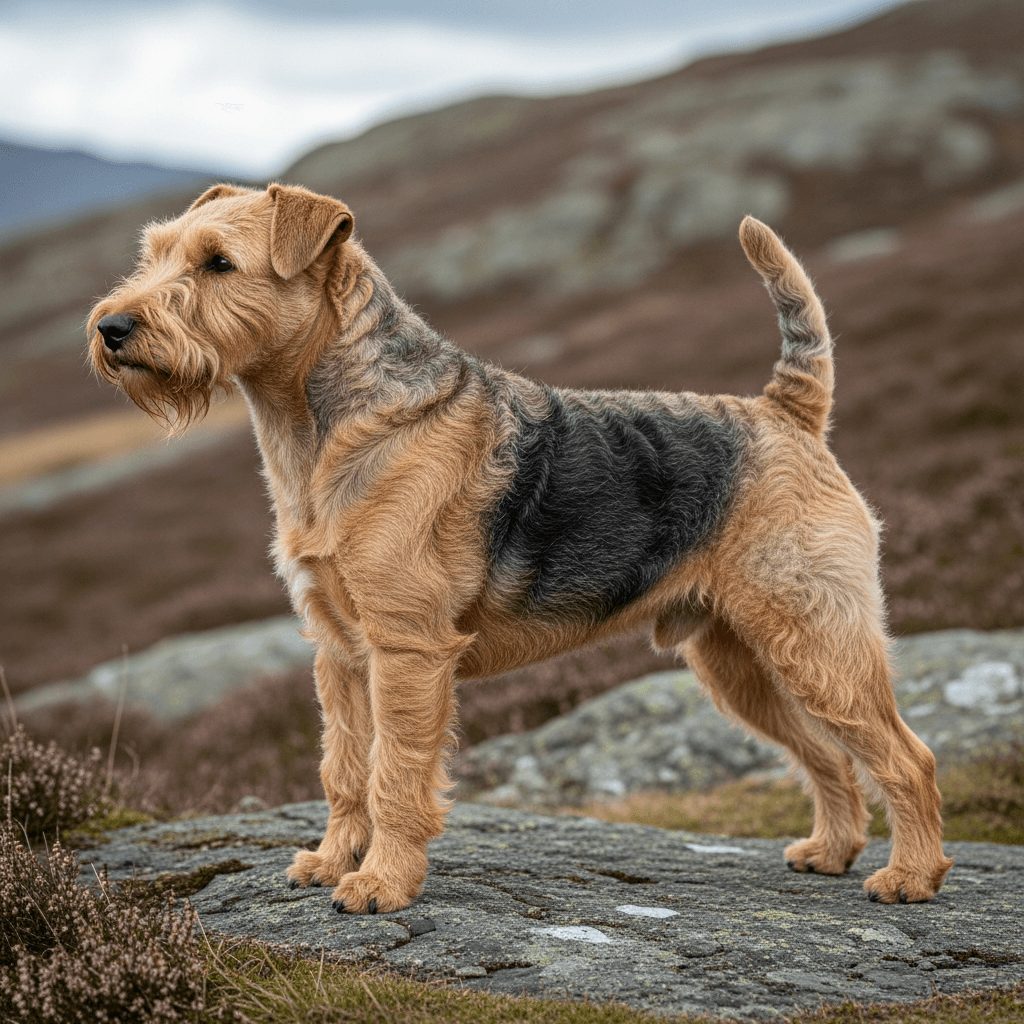
The coat color of the Lakeland Terrier is extremely varied – from solid to bicolored. The most commonly seen colors are black, liver, red, wheaten, and blue with tan. Those choosing this breed must be aware of its strong personality and the necessity of providing regular exercise and mental stimulation. Without the appropriate amount of activity, behavioral problems may arise, such as excessive barking or destructive behaviors. The Lakeland Terrier does well in families with children, but requires proper socialization from puppyhood to avoid conflicts with other dogs, to which it may be territorial.
In summary, the Lakeland Terrier is a dog that will certainly attract attention with its charisma, extraordinary hunting abilities, and tenacious character. Its unique traits and specific needs make it worthwhile to take the time to learn more about this breed. We invite you to explore topics related to the health, grooming, physical activity, training, nutrition, history, appearance, and behavior of this fascinating representative of the terrier group.
Body structure and proportions
The Lakeland Terrier is a dog with a compact, harmonious, and proportional body structure, characterized by balance and functionality. The height at the withers does not exceed 37 cm, and the weight ranges from 6.8 to 7.7 kg, making it a medium-sized terrier. Despite its small size, its build is strong and muscular, allowing it to work for extended periods in challenging terrain.
Head and skull
The head of the Lakeland Terrier is well-balanced and proportional to the rest of the body. The length of the head from the stop to the tip of the nose should not exceed the distance from the occiput to the stop. The skull is flat and gently defined. The muzzle is broad but not excessively long, and the jaws are strong with a complete and regular scissor bite. The nose is black, except for liver-colored dogs, which have a liver-colored nose.
Eyes and ears
The eyes are dark or hazel, with a lively and alert expression. Slanted eyes are undesirable according to the FCI standard. The ears have a distinctive V shape and are carried alertly, set neither too high nor too low on the skull. Their size is moderate, giving the dog an expression of attentiveness and readiness to act.
Neck and body
The neck is long (reaching) and slightly arched, without excessive skin folds. The back is strong and moderately short, and the loins are well connected. The chest is moderately narrow, allowing the dog to move freely in narrow burrows and tunnels during hunts.
Tail
The tail is well set and carried joyfully, but never over the back or curled. In the past, tails were often docked, but nowadays they are increasingly left natural, which aligns with modern animal welfare standards.
Coat and coloration
The coat of the Lakeland Terrier is dense, rough, and weather-resistant – ideal protection against rain and cold. The coloration can be solid or bi-colored. Solid colors include: black, liver, red, wheaten, red-gray, liver, blue, or black. Bi-colored options include: black with tan, blue with tan, liver with tan. This breed does not tend to excessive shedding, making it suitable for those who prefer less intensive grooming.
Temperament and Character
The Lakeland Terrier is a dog with a lively, brave, and tenacious temperament. It is fearless, energetic, and always on alert, making it an ideal companion for active individuals who value a dynamic lifestyle. The FCI standard describes its behavior as gay, fearless demeanour, keen of expression, and quick of movement, which perfectly captures its nature.
Relationships with Family and Children
This breed is friendly, confident, and deeply loyal to its family. The Lakeland Terrier gets along well with children, especially older ones who can respect its space and are not overly boisterous. However, it is important to remember that this is a terrier with a strong character that will not tolerate being pulled by the tail or ears – therefore, interactions with small children should always be supervised.
Relationships with Other Animals
The Lakeland Terrier can be somewhat hostile towards unfamiliar dogs, especially those of the same sex. Its terrier temperament leads to tendencies of dominance and territoriality. Proper socialization from a young age is crucial to avoid conflicts during walks or at the park. Due to its strong hunting instinct, it is not recommended to keep it with small pets (rabbits, guinea pigs, hamsters), which it may see as potential prey.
Behavioral Issues
Without adequate exercise and mental stimulation, the Lakeland Terrier may develop behavioral problems. These include excessive barking (especially when bored), digging in the garden, destroying items in the house, and a tendency to escape. Its hunting instinct means it may try to run after game, so it is important that the fencing is high and secure, and that the dog is properly supervised during off-leash walks.
Intelligence and Stubbornness
The Lakeland Terrier is an intelligent dog that learns quickly; however, its stubborn and independent nature can make training challenging. It requires a consistent yet positive approach to motivate it to cooperate. Owners must demonstrate patience and determination to achieve good results in training.
Life Expectancy and Overall Condition
The Lakeland Terrier has an average lifespan of 13 to 15 years, placing it among breeds with good longevity. Overall, it is a breed known for its good health condition; however, like any dog breed, it may be prone to certain genetic and acquired health issues.
Common Health Problems
- Eye Diseases: The Lakeland Terrier may suffer from glaucoma and cataracts, which can lead to deteriorating vision or complete blindness if left untreated.
- Dermatological Diseases: This breed is prone to skin allergies, which may manifest as itching, redness, and hair loss. Allergies can be food-related or environmental.
- Legg-Calvé-Perthes Disease: This is a hip joint condition that leads to necrosis of the femoral head. It is characterized by limping and pain, most commonly in young dogs (under one year old).
- Hypothyroidism: This can cause weight gain, fatigue, skin problems, and behavioral changes.
Weather Resistance
The Lakeland Terrier is resistant to cold due to its dense, wiry coat, which protects it from rain and chill. However, on hot days, it may be prone to overheating, as it tends to exert itself excessively during play and activities. Owners should provide access to shade and fresh water on hot days and avoid intense exertion during the hottest parts of the day.
Health Prevention
It is important to regularly visit the veterinarian for health check-ups, vaccinations, and prevention of internal and external parasites. Regular eye, hip, and thyroid examinations can help in the early detection of health problems and prevent serious conditions.
Coat type and its requirements
The Lakeland Terrier has a rough, dense, and waterproof coat that requires regular grooming to maintain a healthy appearance and structure. Although this breed does not shed heavily, dead hair must be regularly removed through stripping, which is best done every 3-4 months by a professional groomer.
Brushing
Regular brushing, at least once a week, is essential for maintaining the cleanliness and health of the coat and preventing matting. It is best to use a brush with stiff bristles or a metal comb that effectively removes dead hair and dirt.
Coat stripping
Stripping is a technique that involves manually pulling out dead hair, which helps maintain the proper structure and color of the coat. Clipping with a machine is not recommended, as it softens the coat and alters its natural texture. Owners can learn the basics of stripping or use the services of professional groomers specializing in terrier breeds.
Bathing
The Lakeland Terrier does not require frequent baths – a bath every 2-3 months or as needed (e.g., after playing in the mud) is sufficient. It is important to thoroughly dry the dog after bathing, especially if they enjoyed swimming. Gentle shampoos designed for rough-coated dogs should be used.
Eye, ear, and nail care
Regularly checking and cleaning the eyes and ears is crucial for preventing infections. Ears should be gently cleaned once a week, removing excess wax and dirt. Nails should be regularly trimmed (every 3-4 weeks) to avoid discomfort while walking and running.
High exercise needs
The Lakeland Terrier is a dog with very high exercise needs that requires regular, intense activity to meet its energy requirements and maintain mental balance. This breed was created for work and hunting, which means it needs a minimum of 60-90 minutes of activity daily.
Types of activities
- Daily walks: A minimum of two walks a day (in the morning and evening), each lasting 30-45 minutes, is essential for maintaining the dog's physical and mental well-being.
- Agility and dog dancing: The Lakeland Terrier loves activities that require agility and intelligence, such as agility, flyball, or dog dancing. These sports allow it to utilize its natural agility and speed.
- Cani-cross and running: This breed excels as a running partner, in cani-cross or Nordic walking. It enjoys long, energetic runs outdoors.
- Tracking and scent games: Due to its strong hunting instinct, the Lakeland Terrier loves games involving tracking (e.g., searching for treats hidden in grass or woods), which stimulate its senses and intelligence.
- Play with other dogs: Socialization and interactions with other dogs are important, but care should be taken regarding its territoriality – it’s best to organize meetings with dogs of similar temperament and size.
Consequences of lack of exercise
Insufficient exercise can lead to serious behavioral problems, including: excess energy, destructive behavior (chewing furniture, destroying objects), excessive barking, and frustration. A bored Lakeland Terrier is an unhappy dog, so owners must be prepared for daily exercise challenges.
Safety during activities
Due to its strong hunting instinct, the Lakeland Terrier may try to chase after prey (rabbits, birds, cats). Off-leash walks should only occur in safe, enclosed areas. In open terrain, it is advisable to keep the dog on a long leash to prevent escapes.
Training Challenges
Training a Lakeland Terrier can be challenging due to its stubborn, independent nature typical of terriers. It is an intelligent dog that learns quickly, but its independence and tendency to make its own decisions can complicate cooperation with the owner. It requires a consistent, early, and patient approach to education.
Training Methods
Owners should use positive training methods based on rewards for good behavior (treats, praise, play) to motivate the dog to learn. It is important to avoid harsh methods or physical punishment, which can lead to resistance, aggression, or discouragement from the dog. The Lakeland Terrier responds best to short, dynamic training sessions (10-15 minutes) that are varied and engaging.
Basic Commands
Teaching basic commands such as Sit, Stay, Come, Lie down, and Leave it is crucial for the safety and comfort of living with a Lakeland Terrier. The command Come is particularly important, as it can save the dog's life in situations where it spots wildlife and wants to chase after it.
Socialization
Early socialization (starting from 8-12 weeks of age) is absolutely essential for the Lakeland Terrier. The dog should be exposed to various stimuli: people (adults, children, elderly), other dogs, different environments (city, park, forest), sounds (cars, trams, children playing), and situations (vet visits, grooming). A well-socialized Lakeland Terrier will be more confident and less reactive in new situations.
Behavioral Issues
Good training will help manage typical behavioral issues of the Lakeland Terrier, such as:
- Tendency to escape (strong hunting instinct)
- Excessive barking (especially when bored or excited)
- Aggression towards other dogs (territoriality)
- Digging in the garden (natural behavior of terriers)
Consistency and Patience
Regular training sessions combined with socialization will help build a positive relationship between the dog and its owner. It is important to remember that the Lakeland Terrier will never become a perfectly obedient dog – its terrier spirit will always make itself known. The key is to accept its nature and find a balance between control and freedom.
Basics of a Balanced Diet
The nutrition of a Lakeland Terrier is crucial for its health, physical condition, and well-being. This is an active breed with a high metabolism that requires a balanced diet rich in high-quality protein, healthy fats, vitamins, and minerals. Owners should choose premium or super-premium foods that are tailored to the needs of highly active dogs and small to medium breeds.
Meal Frequency and Portions
It is recommended to feed meals twice a day (morning and evening) at regular intervals, which helps maintain stable energy levels and supports digestion. Portion sizes should be adjusted according to the dog's weight, age, activity level, and health status. An average adult Lakeland Terrier (6.8-7.7 kg) requires about 300-400 kcal per day, which corresponds to roughly 100-150 grams of premium dry food.
Types of Food
- Dry Food: A well-balanced dry food is the most commonly chosen option as it is convenient, helps clean teeth, and is easy to store.
- Wet Food: It can be given as a supplement to dry food or as the sole source of nutrition. Wet food is more palatable and helps with hydration.
- BARF Diet (Raw Meat): Some owners opt for the BARF diet, which involves feeding raw meat, bones, vegetables, and fruits. However, this requires knowledge and consultation with a veterinarian or animal nutritionist.
Water and Hydration
A Lakeland Terrier should have constant access to fresh, clean water, especially after intense physical activity. Proper hydration is crucial for kidney health, digestion, and overall body condition.
Prohibited Products
Feeding a Lakeland Terrier table scraps should be avoided, as many human products are toxic to dogs. Prohibited products include:
- Chocolate and cocoa
- Onions and garlic
- Grapes and raisins
- Avocado
- Xylitol (sweetener)
- Alcohol and caffeine
- Chicken bones (they can splinter and cause choking)
Supplementation
If there are any doubts regarding nutrition or health status, it is advisable to consult a veterinarian to develop an appropriate dietary plan tailored to the individual needs of the dog. Supplementation (e.g., omega-3 fatty acids, glucosamine for joints) may be indicated for older dogs or dogs with health issues.
Characteristic Traits
Pros
- Energetic and full of vigor
- Strong hunting instinct
- Loyal to the owner
- Agile and resilient
- Resistant to adverse weather conditions.
Cons
- Requires a lot of movement and stimulation
- Can be stubborn and independent
- Needs early socialization with other dogs
- Can be loud (excessive barking)
- Strong hunting instinct (escapes)
Behavioral Ratings
Breed History
Origins of the breed in the Lake District
The Lakeland Terrier has a fascinating history that dates back to the 19th century and the picturesque region of the Lake District in northwestern England (the counties of Cumberland and Westmorland). This breed was created for hunting foxes and other small predators that posed a serious threat to livestock such as chickens, rabbits, and sheep. These areas were inhabited by larger than average hill foxes, which were incredibly agile and difficult to catch, necessitating the breeding of dogs with exceptional hunting abilities.
Crossbreeding and breed creation
Various terrier breeds were involved in the creation of the Lakeland Terrier, including:
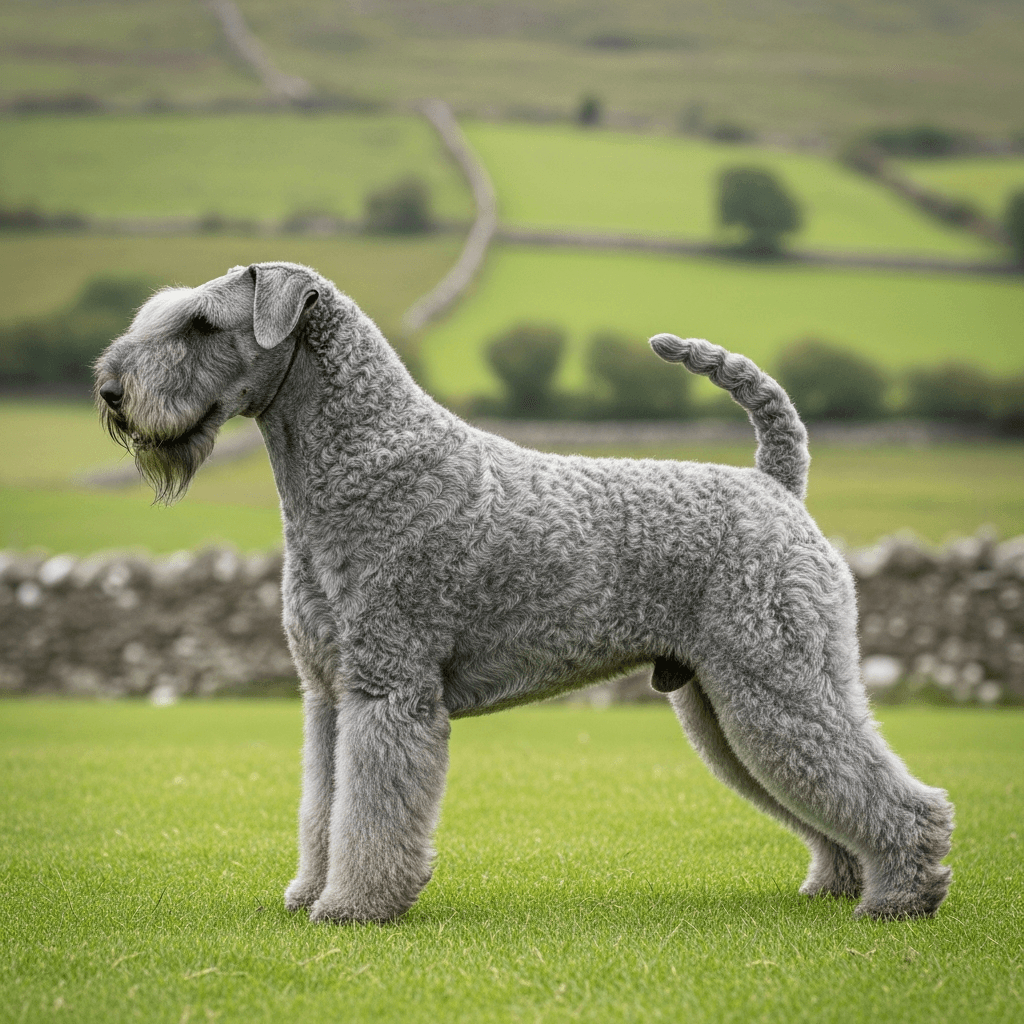
- Bedlington Terrier (elegance and speed)
- Border Terrier (endurance and courage)
- Dandie Dinmont Terrier (character and determination)
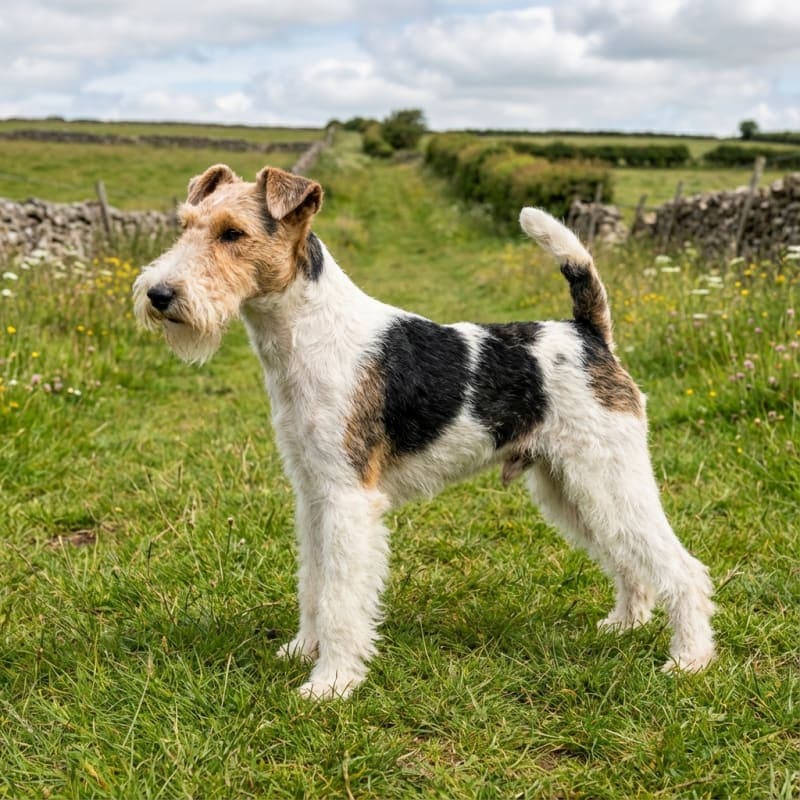
- Fox Terrier (agility and hunting instinct)
- Airedale Terrier (strength and intelligence)
Early standards and recognition
Early Lakeland Terriers were known by various local names, such as Fell Terrier or Patterdale Terrier. In 1912, the first official breed standard for the Lakeland Terrier was developed, allowing for the standardization of the type and appearance of the dogs. In 1921, the breed was officially recognized by The Kennel Club in the UK, and later in 1954 by the Fédération Cynologique Internationale (FCI).
Popularity and breed development
The Lakeland Terrier has always been valued for its exceptional hunting skills, loyalty to its owner, and versatility. In the 20th century, the breed began to gain popularity as a family dog and companion, while still retaining its natural hunting instincts. The Lakeland Terrier participated in many dog shows, gaining recognition for its elegant appearance and excellent temperament.
Today's significance of the breed
Today, the Lakeland Terrier is a relatively rare breed, appreciated by terrier enthusiasts for its unique character, courage, and versatility. It is an excellent companion for active people who can appreciate its energy, intelligence, and independent spirit. Although it is no longer commonly used for hunting, its hunting instincts remain strong, making it a great dog for canine sports and outdoor activities.