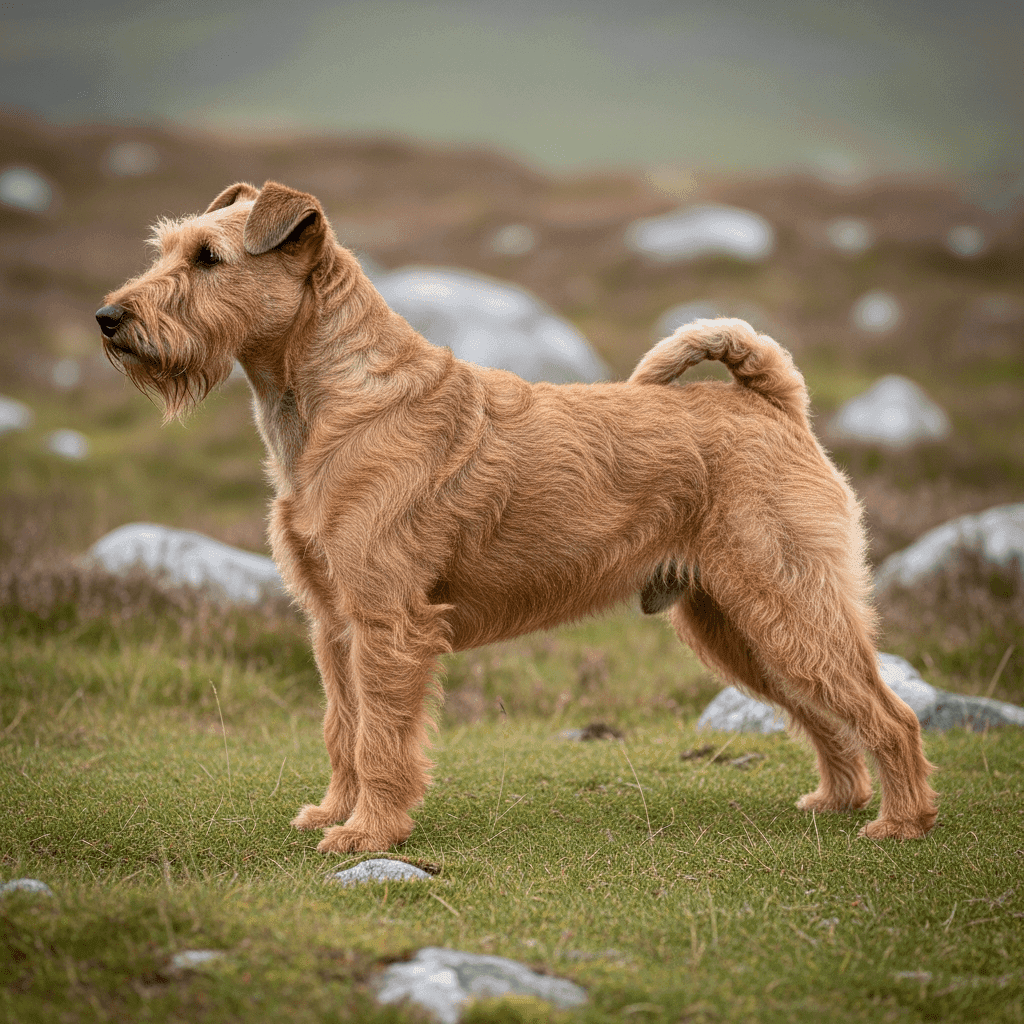
Irish Glen of Imaal Terrier
FCI Group
3• FCI 302
Size
Medium
Origin Country
IE
Height
N/A
Weight
14-16 kg
Lifespan
11-13 years
Temperament
Overview
The Irish Glen of Imaal Terrier is a unique breed with a rich Irish history, originating from the picturesque Glen of Imaal valley in County Wicklow. Although medium-sized, these dogs impress with their solid, muscular build and maximum strength in a compact silhouette. The breed was developed in the 17th century from crosses between dogs brought by Flemish and low-born soldiers settling in Ireland and local terriers. Originally bred for versatile work – hunting foxes and badgers, exterminating rats, and driving dog wheels – today these brave terriers have become excellent family companions while still retaining their hunting instincts.
The most charming aspect of the Irish Glen of Imaal Terrier is their exceptionally gentle and friendly nature, which sets them apart from other terrier breeds. They are intelligent, sensitive, and incredibly easy to train, provided they receive the right mental and physical stimulation. Unlike many of their excitable terrier cousins, the Glen of Imaal is characterized by calmness and balance, making it an ideal dog for families with children and for those seeking a less noisy companion.
Their unique coat is medium-length, rough to the touch with a soft, dense undercoat, which provides excellent protection against adverse weather conditions. The coloration comes in two variations – brindle blue (from light silvery to dark steel) or wheaten (from light cream to deep golden-red tones). A distinctive feature of the breed is their specific way of sitting, reminiscent of a small child’s position, which adds to their unique charm and often brings smiles to onlookers.
The height at the withers of these dogs reaches a maximum of 35.5 cm, with a weight around 16 kg for males (females being slightly lighter). Despite their heritage as tireless working dogs, the Irish Glen of Imaal Terrier is full of love, devotion, and attachment to their family. They adapt well to various living conditions – both in homes with gardens and in apartments, as long as they receive the right amount of exercise and mental activity. The breed coexists wonderfully with children and other pets, especially when properly socialized from puppyhood.
The Irish Glen of Imaal Terrier is an ideal choice for those seeking a loyal, intelligent companion with moderate grooming needs and a strong yet gentle character. This introduction is just a taste of the fascinating history, health aspects, care, training, diet, and detailed descriptions of the appearance and behavior of this extraordinary breed. We invite you to continue reading our comprehensive guide to discover all the secrets of the Irish Glen of Imaal Terrier and learn how to best understand and care for your four-legged friend from the Irish valley.
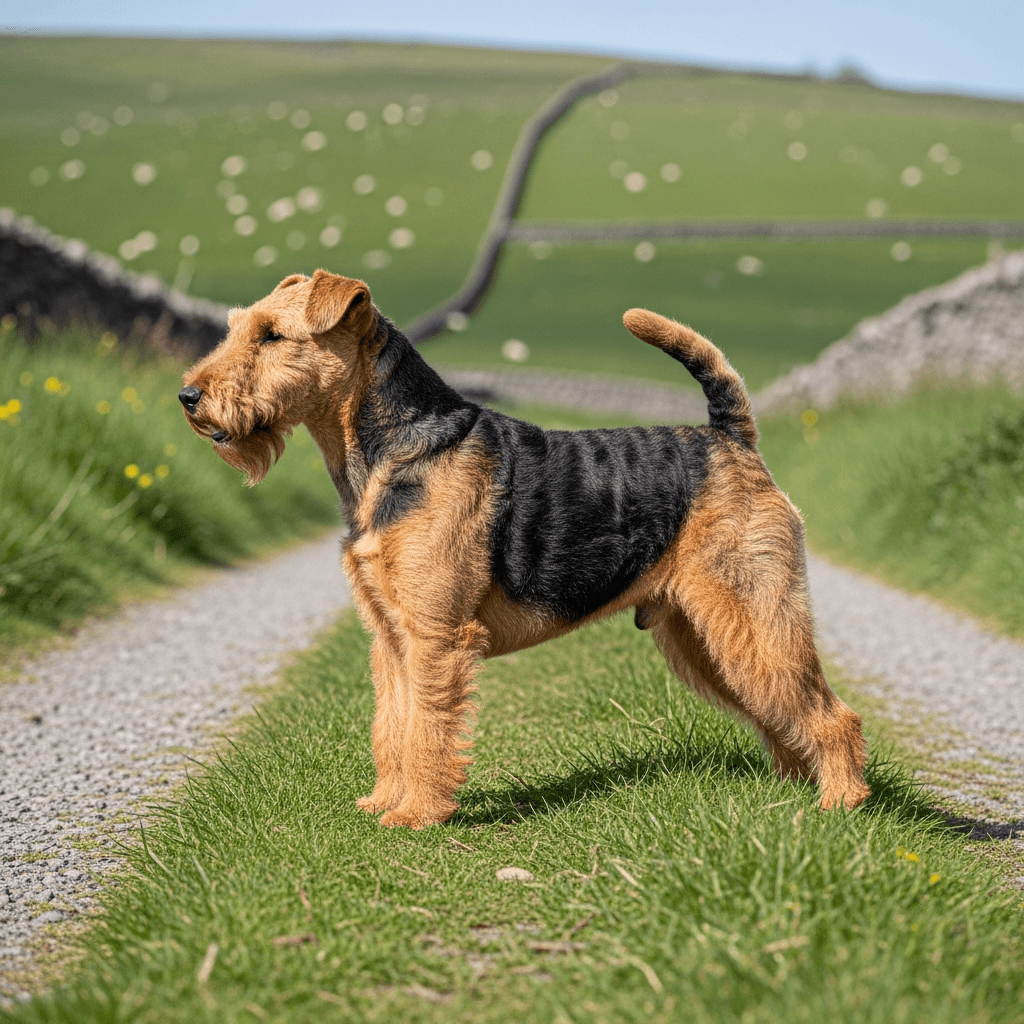
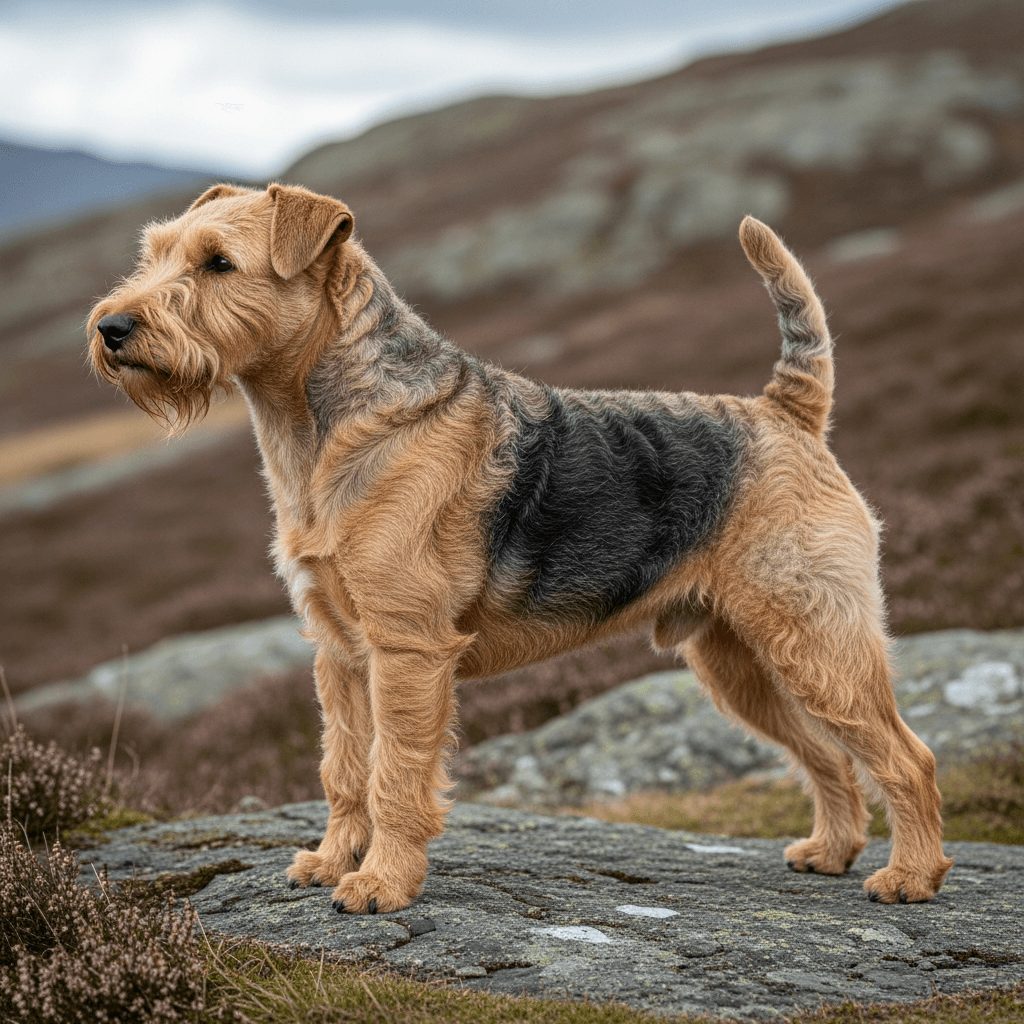
The Irish Glen of Imaal Terrier is a dog with a distinctive, unique silhouette that combines a solid build with somewhat unusual body proportions. The height at the withers is a maximum of 35.5 cm, with males being slightly larger than females. The weight of an adult dog hovers around 16 kg for males and about 14 kg for females, making it a medium-sized dog with a compact, muscular build.
The coat is one of the most recognizable features of the breed – of medium length, rough and hard to the touch, with a soft, dense undercoat providing excellent thermal insulation. The coloration comes in two basic variants: brindle blue (ranging from light silvery through gray to dark steel blue) or wheaten (ranging from light cream, through gold, to deep golden-red tones). Young dogs often are born darker and lighten their coat as they age.
The head is proportional to the body, strong and well-defined, with a wider skull than muzzle. The skull is flat and quite broad between the ears. The muzzle is strong and well-filled under the eyes, not too long. The stop (the transition between the skull and muzzle) is clearly marked. The eyes are medium-sized, round, brown in color, set wide apart, expressing intelligence and a gentle character. The ears have a characteristic rose petal shape or are semi-erect in a resting position, raising more in a state of alertness.
The body structure is long and strong – the torso is low-set, with a well-developed chest and strong, short limbs. The front legs are short, bent, and strong, giving the dog a characteristic slightly crooked silhouette. The shoulders are well-placed, and the hind limbs are well-muscled with strong thighs. This specific build allows the dog to maintain a low center of gravity, which was essential during hunting in burrows.
The tail is strong at the base, well-set, carried joyfully but not thrown over the back. Traditionally, it was docked to 2/3 of its length, but nowadays it is increasingly left natural. The movement of the Irish Glen of Imaal Terrier is free, balanced, and energetic, with a good extension of the limbs. Despite their short legs, these dogs move with surprising grace and coordination, highlighting their sporty character and versatility.
The temperament of the Irish Glen of Imaal Terrier is one of the most surprising and appealing aspects of this breed, significantly distinguishing it from other members of the terrier group. These dogs are known for being calm, gentle, and balanced companions, which is a stark contrast to their often more energetic and noisy cousins. Their disposition is friendly, sociable, and full of positive energy, making them ideal family dogs for people of all ages.
The Irish Glen of Imaal Terrier shows deep devotion and loyalty to its family. It forms strong emotional bonds with household members and despite its independent nature typical of terriers, it greatly values the presence and attention of its owners. This breed is known for its patience and gentleness with children, making it an excellent choice for families. These dogs often become affectionate guardians of younger family members, tolerating children's play with admirable understanding.
Despite their hunting instincts and working dog heritage, the Glen of Imaal is relatively calm and less excitable than most terriers. They are not overly barky, although they will alert their owners to strangers or unusual events. Their natural hunting instinct may manifest in an interest in small animals, so early socialization with cats and other pets is highly recommended. With proper introduction and upbringing, most representatives of the breed coexist well with other animals in the household.
The character of this breed can be described as brave but not aggressive; independent but not stubborn; active but not hyperactive. Irish Glen of Imaal Terriers are intelligent and attentive, quickly learning new behaviors and commands. They exhibit the typical determination of terriers and can sometimes be a bit stubborn, so training requires consistency, patience, and positive reinforcement. They do not respond well to harsh training methods – they respond much better to positive motivation, praise, and rewards.
This breed also possesses a certain degree of emotional sensitivity. These dogs intuitively sense the moods of their household members and can be supportive companions in difficult times. They are smart enough to adjust their energy level to the situation – they can be calm during evening relaxation but are equally eager to participate in active play or outdoor adventures. This versatility of character makes the Irish Glen of Imaal Terrier a dog that works well as a companion for seniors as well as an energetic partner for active families with children.
The Irish Glen of Imaal Terrier is a breed generally known for good health and endurance, a result of centuries of selection of working dogs in the challenging conditions of the Irish valley. The average lifespan is between 12 to 15 years, which is a very good result for a dog of this size and build. However, like most purebred breeds, the Irish Glen of Imaal Terrier may be prone to certain genetic conditions that prospective owners should be aware of.
One of the main health issues occurring in the breed is progressive retinal atrophy (PRA), a genetic condition leading to gradual vision loss, ultimately resulting in complete blindness. Fortunately, there are genetic tests available to identify carriers of the gene before breeding, allowing responsible breeders to minimize the risk of this disease. Early symptoms may include deteriorating vision in low light and increased caution when navigating new terrain.
Another condition present in the breed is hip dysplasia, a developmental defect leading to improper fitting of the femoral head into the hip joint socket. This can cause pain, discomfort, and limited mobility, especially in the later years of the dog's life. Maintaining an appropriate body weight and avoiding excessive joint strain during the growth period can help minimize the severity of symptoms. Reputable breeders conduct X-ray examinations of breeding dogs, allowing for the selection of individuals with proper joint structure.
The breed may also experience dermatological issues, including skin allergies and atopic dermatitis. Symptoms may include itching, skin redness, excessive licking of paws, and ear infections. The causes can be environmental allergens (pollen, dust mites) or food-related. A proper diet, regular grooming, and collaboration with a veterinarian allow for effective management of these conditions.
It is also important to pay attention to body weight – obesity can lead to many additional health problems, including joint strain, heart disease, and diabetes. Due to their compact build and relatively short limbs, excess weight particularly negatively impacts the musculoskeletal system of the Irish Glen of Imaal Terrier. Regular weighing of the dog and adjusting food portions to the current activity level are crucial for maintaining proper condition.
Health prevention plays a key role in ensuring a long, happy life. Regular veterinary visits (at least once a year, and for senior dogs twice a year), up-to-date vaccinations, deworming, and prevention against external parasites are fundamental to health care. Monitoring dental health and regular teeth cleaning prevent periodontal diseases that can affect the overall health of the body. Check-ups, including blood tests for older dogs, allow for early detection of potential health problems and prompt implementation of appropriate treatment.
The grooming of the Irish Glen of Imaal Terrier is relatively simple and low-maintenance compared to many other breeds, but it requires regularity and consistency to keep the dog's coat and skin in optimal condition. Their characteristic rough, medium-length coat with a dense undercoat requires systematic brushing to prevent tangling and matting.
It is recommended to brush at least two to three times a week, using a metal brush with long teeth and a comb to work with the undercoat. During brushing sessions, special attention should be paid to areas prone to tangling – around the ears, under the armpits, around the neck, and on the hind legs. Regular brushing not only keeps the coat in good condition but also allows for early detection of skin problems, parasites, or abnormalities that require veterinary attention.
The Irish Glen of Imaal Terrier is a breed with non-shedding or very low-shedding fur, which is a huge advantage for those who value cleanliness in the home. However, this trait also means that dead hair does not fall out on its own and requires regular removal through trimming or stripping dead hair. This procedure is best entrusted to a professional groomer specializing in rough-coated terriers, especially if we plan to show the dog. Stripping should be done about 2-3 times a year, depending on the rate of hair regrowth.
For dogs not shown in competitions, an alternative may be clipping with clippers, although it should be noted that repeated clipping instead of stripping can gradually change the structure of the coat, making it softer and less resistant to weather conditions. If we decide to clip, it should be done regularly every 8-12 weeks to maintain the dog's aesthetic appearance.
Oral hygiene care is extremely important – regular tooth brushing (preferably daily or at least 3-4 times a week) prevents the formation of tartar, periodontal diseases, and bad breath. Using a special toothpaste for dogs and a toothbrush suited to the size of the dog's mouth significantly reduces the risk of dental problems later in life.
Nails require regular checking and trimming. Active dogs that often walk on hard surfaces naturally wear down their nails. However, for less active dogs or those that mainly walk on soft grass, nail trimming is necessary every 3-4 weeks. Too long nails can cause discomfort, affect the way the dog walks, and lead to joint problems.
The ears of the Irish Glen of Imaal Terrier should be checked and cleaned regularly (at least once a week). Due to their shape – semi-erect or rose-type – the ear canals have better ventilation than breeds with completely drooping ears, which reduces the risk of infection. However, it is still worth checking the condition of the ears, looking for signs of redness, excessive wax, or unpleasant odor, which may indicate an infection requiring veterinary intervention.
Bathing should be done as needed – usually once every 6-8 weeks or when the dog gets very dirty. Too frequent bathing can remove the natural protective layer of the skin and lead to dryness. It is important to use a shampoo dedicated to dogs with rough coats, which does not soften the hair structure. After bathing, the dog should be thoroughly dried with a towel and, on cooler days, with a hairdryer set on low heat.
The Irish Glen of Imaal Terrier is a breed with a moderate to high energy level that requires regular physical exercise and mental stimulation to remain happy, healthy, and balanced. The recommended amount of physical activity is at least 60-90 minutes per day, divided into several sessions, which helps maintain proper physical condition and prevents boredom and behavioral problems.
Daily walks are the foundation of physical activity for the Irish Glen of Imaal Terrier. It is ideal to provide the dog with at least two walks a day – in the morning and evening – each lasting about 30-45 minutes. These dogs love to explore their surroundings, follow scents, and discover new areas, so walks on varied routes – through forests, parks, and meadows – will be particularly stimulating for them. However, it is important to keep the dog on a leash in public places, as its hunting instinct may prompt it to chase small animals.
In addition to walks, the Irish Glen of Imaal Terrier greatly benefits from active play, such as fetching balls, frisbee, tug-of-war, or searching for hidden treats. These activities not only provide necessary physical exertion but also engage the dog's mind, which is equally important for its well-being. This breed shows high intelligence and a need for problem-solving, so games that require thinking (like interactive toys, dog puzzles) are an excellent addition to the daily routine.
The Irish Glen of Imaal Terrier also excels in various dog sports, such as agility, flyball, rally obedience, or nose work. These disciplines not only provide intense physical activity but also strengthen the bond between the dog and the owner and develop the breed's natural abilities. Agility is particularly suitable for this breed – despite its shorter legs, the Glen of Imaal is agile, fast, and coordinated, and its natural determination makes it excel on obstacle courses.
Nose work and scent exercises are an ideal way to utilize the breed's natural hunting instincts in a constructive manner. Games involving searching for hidden treats in the home or garden can be organized, which is an excellent activity on rainy days or for older dogs that require less intense physical activity. Such games are very mentally tiring, effectively allowing the dog to become tired even with less physical exertion.
Without the appropriate amount of movement and mental stimulation, the Irish Glen of Imaal Terrier may develop behavioral problems such as excessive barking, destructive behaviors (chewing furniture, digging holes), hyperactivity, or apathy. These are working dogs that have been used for intensive physical work for centuries – this energy needs to find a constructive outlet. Regular activity also helps maintain a proper body weight, which is crucial for joint health and overall condition.
It is also important to adjust the intensity of exercise to the age and condition of the dog. Puppies in the growth phase should not be subjected to overly intense, prolonged exertion that could negatively affect the development of their joints and bones. Shorter, but more frequent play sessions are more suitable for young dogs. On the other hand, older dogs may require less intense but regular activity, tailored to their capabilities and any potential health limitations.
Training an Irish Glen of Imaal Terrier is a rewarding experience for owners who approach it with the right knowledge, patience, and consistency. This breed is characterized by a moderate to high level of intelligence and a willingness to cooperate, making it relatively easy to train compared to many other terrier breeds known for their stubbornness and independence.
The key to success in training an Irish Glen of Imaal Terrier is starting the learning process from a young age – ideally from the moment the puppy arrives in its new home at around 8-10 weeks old. Early socialization is absolutely fundamental for the development of a balanced, confident dog. The puppy should be systematically introduced to a variety of people (of different ages, genders, appearances), other dogs and animals, different environments (city, park, forest, pet stores), sounds (street noise, children, household devices), and experiences (car rides, visits to the vet).
The positive reinforcement method is definitely the most effective when working with this breed. Irish Glen of Imaal Terriers respond well to praise, treats, play, and other forms of positive motivation. These dogs are emotionally sensitive and do not respond well to harsh, punitive training methods – such an approach can lead to a loss of trust, fear, or even stubbornness. Instead, rewarding desired behaviors and ignoring or redirecting unwanted ones yields much better and more lasting results.
Basic obedience commands – such as Sit, Lie Down, Stay, Come, Leave It – should be introduced gradually, in short (5-10 minutes), fun training sessions conducted several times a day. Irish Glen of Imaal Terriers learn quickly, but like most terriers, they can lose interest in monotonous, overly long training sessions. Variety in exercises, frequent changes of training locations, and introducing new challenges keep the dog's motivation high.
This breed may exhibit a typical terrier tendency to selectively listen or test boundaries, especially during the adolescent period (around 6-18 months). During such times, consistency is particularly important – the rules established at home must be followed by all family members without exceptions. If we allow the dog to engage in undesirable behavior (e.g., jumping on the couch, begging at the table) even once, it will be harder to enforce the prohibition in the future.
Learning the command Come is particularly important due to the breed's strong hunting instinct. Irish Glen of Imaal Terriers can become engrossed in tracking or sighting a small animal, which may lead to ignoring their owner's call. Systematic practice of recall in controlled conditions (initially on a long leash), using attractive rewards, builds a strong association between coming when called and positive consequences.
Potty training for puppies usually goes smoothly, as long as the owner is consistent and attentive. Regularly taking the puppy outside (after meals, after naps, after play, every 2-3 hours) and rewarding them for going in the right place quickly leads to success. Accidents in the house should be ignored or calmly cleaned up without punishing the dog, which could lead to anxiety and hiding during elimination.
Irish Glen of Imaal Terriers may have a tendency to dig holes – a behavior stemming from their heritage as working dogs in burrows. If this is a problem, a special digging area can be designated in the garden where digging is allowed, and the dog can be rewarded for using this spot. Providing sufficient physical activity and mental stimulation also reduces unwanted behaviors stemming from boredom.
Due to their intelligence and willingness to work, Irish Glen of Imaal Terriers excel in advanced training – they can be taught tricks, distance commands, scent work, and even prepared for participation in obedience or rally obedience competitions. Such activities not only provide mental stimulation but also deepen the bond between the dog and the owner and give the dog a sense of purpose and fulfillment.
The appropriate diet for the Irish Glen of Imaal Terrier plays a key role in maintaining health, energy, and optimal physical condition throughout the dog's life. The food should be of high quality, well-balanced, and tailored to the age, weight, activity level, and any health needs of the specific dog.
The basis of the diet should be high-quality animal protein sourced from meat (chicken, beef, lamb, fish), which provides essential amino acids for building and repairing muscle tissues. Due to their active lifestyle and muscular build, the Irish Glen of Imaal Terrier requires an adequate amount of protein – typically, food containing 22-28% protein for adult dogs and 28-32% for puppies and young dogs during their growth period is optimal.
Fats are the second key component of the diet, providing energy and supporting the absorption of fat-soluble vitamins (A, D, E, K). Healthy sources of fats, such as fish oil, flaxseed oil, or poultry fat, provide omega-3 and omega-6 fatty acids, which support skin health, coat quality, cognitive functions, and the immune system. The fat content in the food should be around 12-18% for adult dogs with a moderate activity level.
Carbohydrates from whole grains, vegetables, and fruits provide energy, fiber, and important vitamins and minerals. Although dogs do not require carbohydrates to the same extent as proteins or fats, they are an important source of energy and support digestive health. It is advisable to choose foods containing easily digestible sources of carbohydrates, such as sweet potatoes, brown rice, oats, or vegetables.
Vitamins and minerals are essential for the proper functioning of the body – they support the immune system, bone and dental health, metabolism, and many other vital functions. High-quality commercial dog foods are typically appropriately supplemented to meet all of the dog's nutritional needs. In the case of home-cooked diets (BARF or cooked), it is necessary to consult with a veterinarian or animal nutritionist to ensure that the diet is complete and balanced.
The Irish Glen of Imaal Terrier can be fed both dry and wet food, or a combination of both. Dry food has the advantage of helping to mechanically clean teeth and is economical, while wet food is more palatable, hydrating, and often better tolerated by dogs with sensitive stomachs. Regardless of the type of food, it is crucial to choose products from reputable manufacturers that meet nutritional standards (e.g., AAFCO in the USA or FEDIAF in Europe).
The portion size should be adjusted to the individual needs of the dog and depends on weight, age, activity level, and metabolism. The general recommendation for an adult Irish Glen of Imaal Terrier weighing 14-16 kg is about 200-280 grams of dry food per day (or the equivalent in wet food), divided into two meals – morning and evening. Feeding twice a day is recommended, as it reduces the risk of bloating and helps maintain a stable energy level throughout the day.
Due to the breed's tendency to gain weight, especially with insufficient physical activity, it is very important to monitor body condition. The dog's silhouette should be regularly assessed – ribs should be palpable under a thin layer of fat, a waist should be visible when viewed from above, and a tucked abdomen should be noticeable when viewed from the side. If the dog is gaining weight, it is necessary to reduce food portions and increase physical activity. Weight should be monitored every 2-4 weeks, and in dogs prone to obesity – even more frequently.
Treats and snacks should not make up more than 10% of the daily caloric intake. An excessive amount of treats can lead to obesity and nutritional imbalances. It is worth choosing healthy options, such as pieces of cooked meat, vegetables (carrots, broccoli), or fruits (apples, blueberries), while avoiding fatty, salty, or sugary products. Some foods are toxic to dogs (chocolate, grapes, raisins, onions, garlic, xylitol) and should never be given.
Constant access to fresh, clean water is absolutely crucial for health. The water bowl should be regularly cleaned and refilled, especially after meals and physical exercise. Proper hydration supports kidney function, digestion, thermoregulation, and overall body condition.
In the case of dogs with special dietary needs – food allergies, gastrointestinal diseases, joint problems, overweight, or other conditions – it is necessary to consult a veterinarian to develop an appropriate therapeutic diet. There are specialized veterinary diets tailored to various health issues that can significantly improve the dog's quality of life and support the healing process.
Characteristic Traits
Pros
- Gentle and calm temperament
- Excellent family dog
- Resilient to harsh weather conditions
- Low shedding level
- Easy to train
- Intelligent and eager to cooperate
- Versatile and adaptable.
Cons
- Requires regular mental stimulation
- Needs daily physical activity
- May exhibit hunting instincts
- Requires regular grooming
- Rare breed – puppies are hard to find.
Behavioral Ratings
Breed History
The history of the Irish Glen of Imaal Terrier is deeply rooted in Irish heritage and dates back at least to the 16th-17th century, although the exact origins of the breed remain partly shrouded in mystery. The breed developed in the isolated, rugged valley of Glen of Imaal in County Wicklow in eastern Ireland, in the Wicklow Mountains – an area characterized by harsh climatic conditions, rocky terrain, and a demanding lifestyle for its inhabitants.
According to historical accounts, the origins of the breed are linked to the settlement of Flemish and low-born soldiers in the Glen of Imaal valley during the reign of Queen Elizabeth I and Oliver Cromwell in the 16th and 17th centuries. These soldiers were given land in this remote, barren valley as payment for their service to the British Crown instead of monetary wages. They brought with them small, short-legged working dogs, likely of European descent. These dogs were then crossed with native Irish terriers, giving rise to a unique breed adapted to the specific living conditions of the valley.
Local farmers and miners needed a versatile, resilient working dog that could perform a variety of tasks essential for survival in harsh conditions. The Irish Glen of Imaal Terrier was used for hunting vermin – particularly foxes and badgers, which threatened farms and sheep flocks. Its compact, strong build and short, sturdy legs made it well-suited for working in burrows and among rocky crevices, extracting game or forcing it out of hiding.
One of the breed's most distinctive uses was driving dog wheels – mechanisms used for churning butter, turning meat on a spit, or other tasks requiring continuous rotational movement. Dogs spent long hours in wooden wheels resembling modern hamster wheels, using their endurance and strength for work. This tradition faded by the late 19th century with technological advancements, but it instilled in the breed remarkable strength, perseverance, and a calm, industrious temperament.
Unfortunately, the breed was also used in illegal dog fighting, a practice common in Ireland in the 18th and 19th centuries. However, unlike breeds bred solely for fighting purposes, the Irish Glen of Imaal Terrier was primarily a working dog, and aggression towards other dogs was not a selectively bred trait. Modern representatives of the breed retain the courage and determination of their ancestors, but with proper socialization, they are much more tolerant of other animals than typical fighting dogs.
For most of its history, the Irish Glen of Imaal Terrier was a local breed, little known outside the Glen of Imaal valley and surrounding regions. Unlike more popular Irish terrier breeds – such as the Irish Terrier or Kerry Blue Terrier – the Glen of Imaal remained a dog of working people, not attracting the interest of the aristocracy or show breeders. This isolation led to the preservation of the breed's unique characteristics but also to a small population size.
The breed received official recognition relatively late. The Irish Kennel Club (IKC) officially registered the Irish Glen of Imaal Terrier in 1934, marking an important step in the formal protection and promotion of the breed. Shortly after, the first breed club was established – the Irish Glen of Imaal Terrier Club – aimed at setting breed standards, promoting responsible breeding, and raising awareness of this unique breed both in Ireland and abroad.
International recognition came even later. The Fédération Cynologique Internationale (FCI) recognized the breed and assigned it standard number 302 in Group 3 (Terriers), Section 1 (Large and Medium Terriers). The Kennel Club in the UK recognized the breed in 1975, and the American Kennel Club (AKC) only in 2004, making the Irish Glen of Imaal Terrier one of the youngest officially recognized breeds in the United States.
Despite official recognition and growing popularity, the Irish Glen of Imaal Terrier remains one of the rarest dog breeds in the world. In the UK, the breed is on the Kennel Club's list of Vulnerable Native Breeds, meaning that fewer than 300 puppies are registered each year. Also, in other countries, the breed's numbers are low, making every responsible breeder and owner play an important role in preserving this unique heritage of Irish canine culture.
The modern Irish Glen of Imaal Terrier has retained many traits of its working ancestors – strength, endurance, courage, determination, and versatility – but has evolved into an excellent companion dog. Its gentle, calm temperament and adaptability to family life do not diminish its legacy as a resilient working dog. Today's dogs may not drive dog wheels or hunt badgers, but they are still intelligent, resilient, and full of energy – ready to accompany their owners on any adventure, whether on a mountain trail or on the couch during an evening's rest.