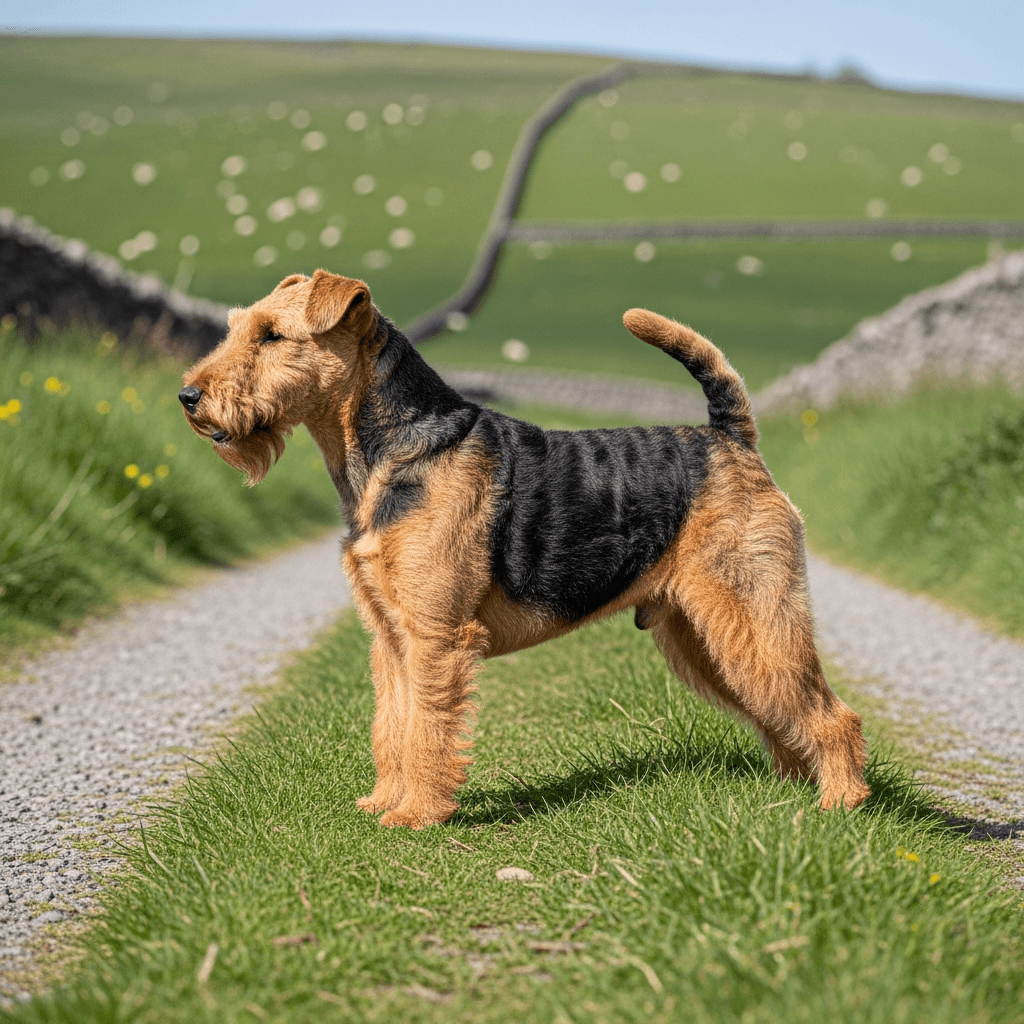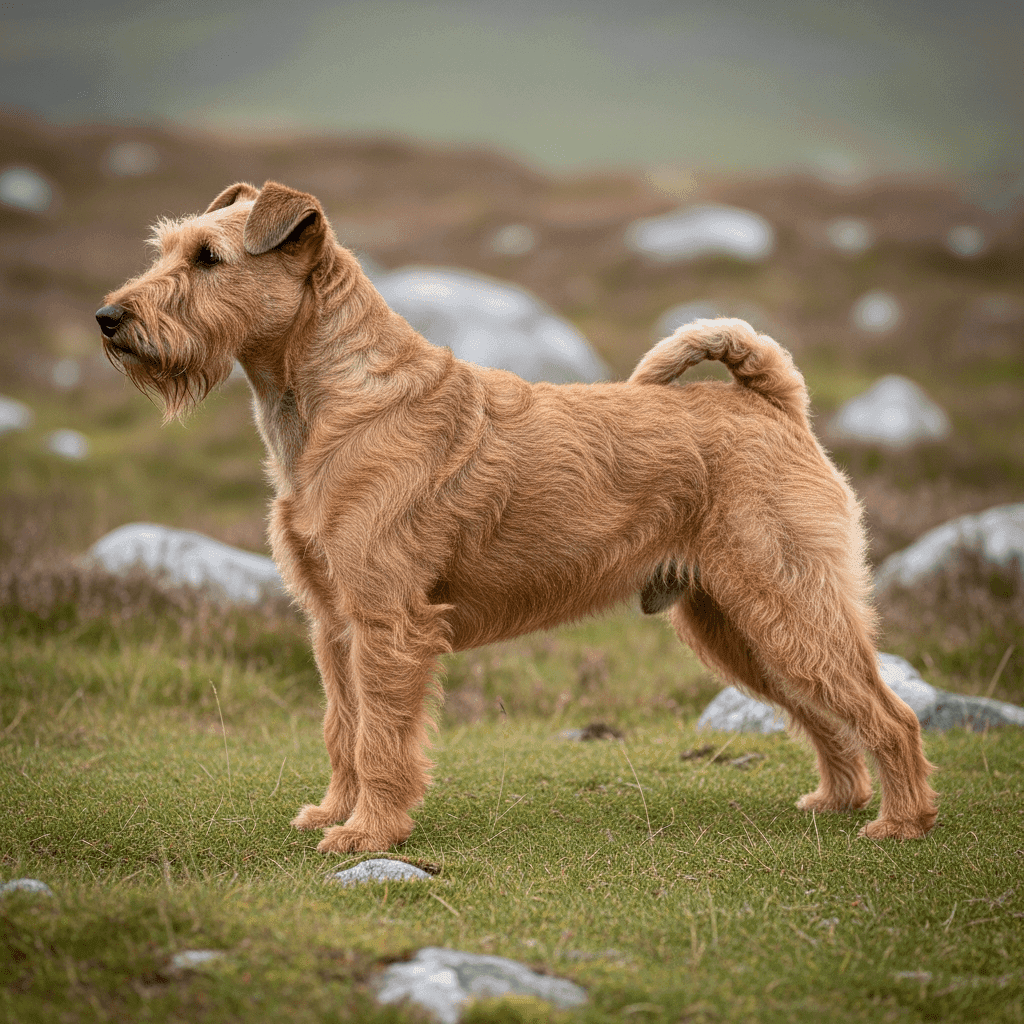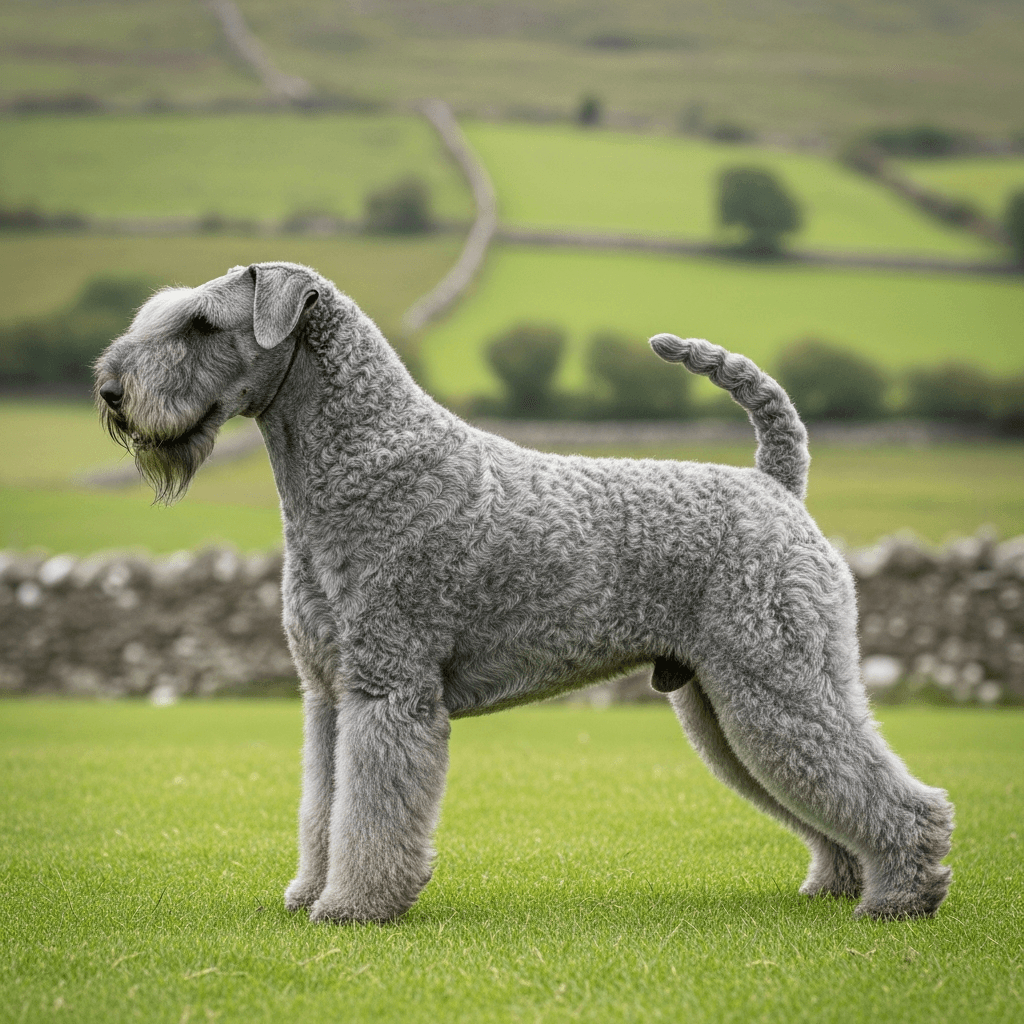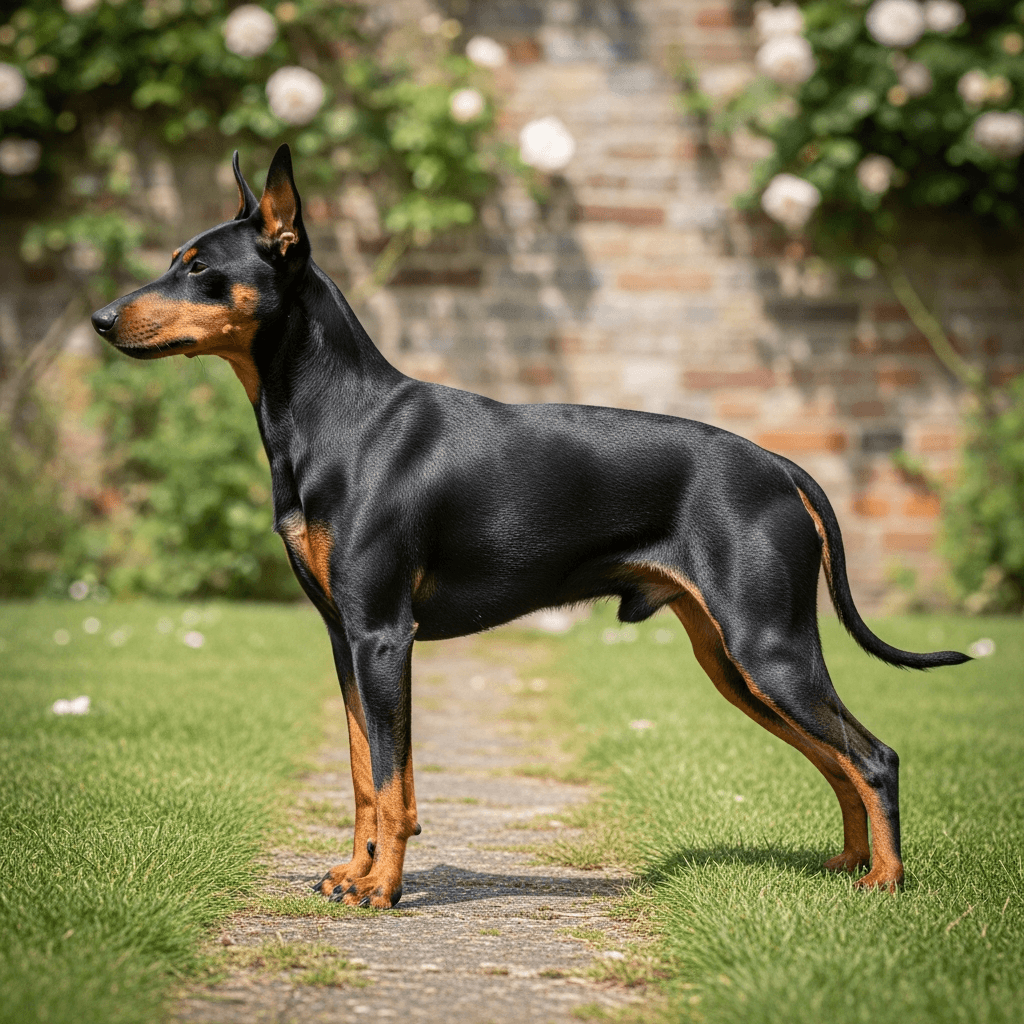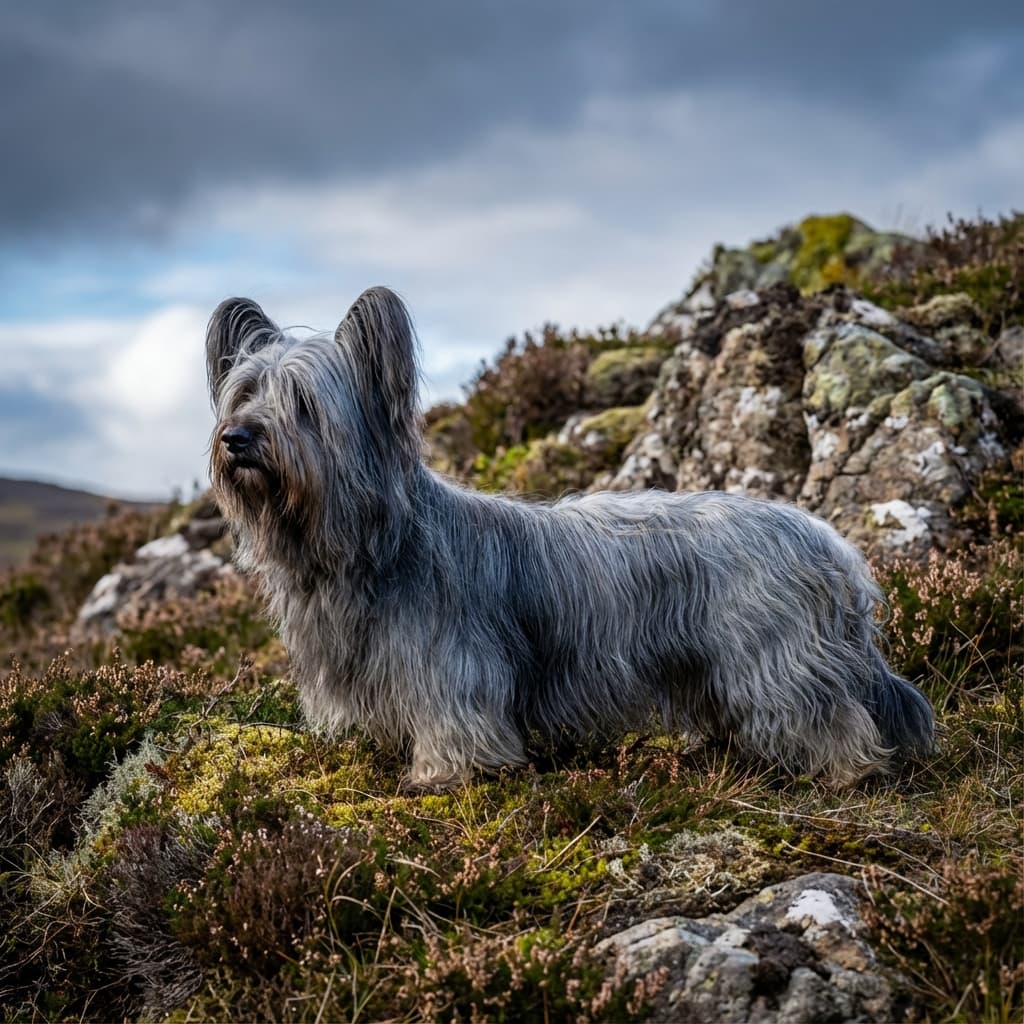
Skye Terrier
FCI Group
3• FCI 75
Size
Medium
Origin Country
GB
Height
25-26 cm
Weight
N/A
Lifespan
10-12 years
Temperament
Overview
The Skye Terrier is one of the oldest terrier breeds, originating from the picturesque Isle of Skye in Scotland. This extraordinary dog embodies elegance with its long, dense coat that catches the eye at first glance. Skye Terriers are known for their courage, intelligence, and strong hunting instinct, making them exceptional companions for active and experienced owners.
Although they may be wary of strangers, their loyalty and devotion to their owner are unwavering. They are typical representatives of the concept of a one-person dog – forming an incredibly strong bond with a chosen individual, whom they regard with boundless trust and love.
Their coat, while long and abundant, does not require overly complicated grooming. Regular brushing 2-3 times a week is sufficient to maintain the coat's excellent appearance and health. Skye Terriers have a tendency to dominate, so they need an experienced owner who can work with them in a consistent and firm manner while also maintaining patience.
They are companion dogs that love spending time with people, but their independence and self-confidence make them unique among terriers. The energy and intelligence of this breed make them easy to train, provided that the owner is consistent and uses positive motivational methods.
Skye Terriers thrive both in homes with gardens and in urban apartments, as long as they receive regular walks and an appropriate amount of mental stimulation. With proper care, they can enjoy life for 10 to 14 years, and their health and happiness can be maintained for many years through a proper diet, regular veterinary check-ups, and the love of their owner.
The Skye Terrier is a dog with a distinctive elongated silhouette – its body length is twice its height at the withers, giving it a unique appearance. The height at the withers ranges from 25 to 26 cm, making it a small dog, but definitely not delicate.
The coat of the Skye Terrier is its hallmark – long, straight, and dense, with a double-layered structure. The undercoat is soft and thick, providing thermal insulation, while the outer coat is hard and straight, protecting against weather conditions. The hair on the head is particularly long, often covering the eyes, which gives the dog a distinctive, mysterious look.
Coloring can occur in several variations:
- Black with black ears and muzzle
- Blue (dark gray) with black markings
- Gray or silver shades
- Fawn or cream with darker ears
The head is long and strong, with expressive, medium-sized eyes in a dark brown shade that convey intelligence and alertness. The ears can be erect or hanging – both varieties are accepted in the breed standard. Erect ears are larger and covered with long hair with fringes, while hanging ears lie flat against the skull.
The tail is long, well-furred, carried slightly raised or straight, forming an extension of the back line. The chest is deep and oval, providing adequate space for internal organs. The limbs are short but strong and well-muscled, allowing agile movement across the uneven terrain of the Scottish Highlands.
Skye Terriers are dogs full of dignity and noble elegance, who may be wary and distant towards strangers, but are incredibly loyal, loving, and friendly towards their owners. Their temperament is complex and multi-layered – they can be energetic and playful during fun, but can also display a serious, almost introspective demeanor.
Due to their strong hunting instinct, characteristic of all terriers, Skye Terriers may be suspicious of other dogs, especially of the same sex, and small animals that may be perceived as potential prey. Owners should be aware of this and manage social situations accordingly.
Consistent training and early socialization are absolutely crucial to avoid behavioral issues such as fear of strangers, excessive territorial defense, or aggression towards other animals. Skye Terriers respond best to positive reward-based training methods.
A distinctive feature of this breed is independence of thought. The Skye Terrier is not a dog that blindly follows commands – it likes to assess situations and make decisions on its own. This makes them excellent companions for experienced guardians who appreciate intellectual balance in their relationship with the dog and can respectfully guide its behavior.
Despite their independence, Skye Terriers form extremely strong emotional bonds with their chosen owner. There are known cases of this breed showing deep loyalty even after the owner's death – the legendary Greyfriars Bobby stood guard by his master's grave for 14 years, becoming a symbol of boundless canine love.
The Skye Terrier is a generally healthy breed, characterized by a relatively long lifespan, which with proper care can range from 10 to 14 years, and sometimes even longer. However, like many purebred dogs, Skye Terriers are prone to certain specific health issues that owners should be aware of.
Most serious health threats:
- Cancers – Skye Terriers show an increased predisposition to various types of cancers, including breast cancer (especially in unspayed females), spleen cancer, and other tumors. Regular check-ups and owner vigilance can help in early detection.
- Musculoskeletal diseases – Due to their elongated body structure, the breed is susceptible to intervertebral disc diseases, which can lead to pain, neurological disorders, and in extreme cases, paralysis. It is important to avoid excessive strain on the spine, such as jumping from heights.
- Hip and elbow dysplasia – Although less common than in larger breeds, it can occur and lead to arthritis and restricted mobility.
- Patellar luxation – Displacement of the kneecap from its natural position, causing discomfort and walking difficulties.
- Skin diseases – Skin allergies, dermatoses, and problems resulting from improper care of long fur (bacterial and fungal infections).
Health prevention:
Owners should be vigilant for any signs of discomfort, pain, or unusual behavior in their dogs. Regular consultations with a veterinarian, annual check-ups, and vaccinations are the foundation of a long and healthy life. It is also important to provide a proper diet to prevent obesity, which can lead to many health problems, particularly affecting the spine and joints.
Due to their long fur, regular skin checks beneath the coat are crucial – they allow for the early detection of lumps, skin changes, or parasites.
The grooming of the Skye Terrier, despite its seemingly demanding long coat, is not overly complicated, provided it is done regularly and systematically. Neglecting grooming can, however, lead to serious problems such as mats, skin infections, and discomfort for the dog.
Brushing the coat:
The most important aspect of grooming is regular brushing, at least 2-3 times a week, and preferably daily for show dogs. Before brushing, it is advisable to lightly mist the coat with water or a special conditioner – this prevents hair breakage and makes detangling easier. Long, metal-tipped brushes and combs with varying tooth densities should be used.
Bathing:
Skye Terriers do not require frequent bathing – excessive washing can lead to dry skin and the removal of natural protective oils. Bathing should be done as needed, usually once every 6-8 weeks, or when the dog is clearly dirty. Mild shampoos designed for dogs with long coats should be used.
Detailed grooming:
- Ears – Regular inspection and cleaning, especially for individuals with hanging ears, which are more prone to infections. Long hair around the ears requires thorough detangling.
- Eyes – Daily cleaning of gentle discharge, especially since the long hair on the head can irritate the eyes.
- Nails – Regular trimming every 3-4 weeks to ensure comfortable walking and prevent joint problems.
- Teeth – Brushing teeth at least 2-3 times a week prevents tartar buildup and periodontal disease.
Trimming:
Skye Terriers do not require trimming according to the show standard – their coat should grow naturally. However, for dogs not participating in shows, the hair around the eyes can be gently trimmed for better visibility, as well as under the paws for hygiene.
Owners should familiarize themselves with grooming techniques for this breed or use the services of a professional groomer experienced in working with long-haired terriers.
Skye Terrier is not particularly demanding in terms of physical activity, but regular exercise is essential for them for both physical health and mental balance. Despite their small size, they are energetic dogs that require daily stimulation.
Minimum exercise requirements:
It is good to provide a Skye Terrier with at least 30-45 minutes of activity per day, divided into 2-3 walks. They are not marathon dogs – they prefer a moderate pace with opportunities to explore their surroundings, sniff, and investigate new places.
Types of activities:
- Exploratory walks – Skye Terriers are very curious about the world and love to sniff, explore new areas, and track scents. A walk in the park, forest, or new neighborhoods will be ideal for them.
- Ball games – Most Skye Terriers enjoy fetching and playing with a ball, which allows them to burn off energy in a shorter time.
- Mental stimulation – Training, games involving searching for treats, dog puzzles, and other forms of mental activity are just as important as physical exercise.
- Digging and exploring – Due to their hunting history, many Skye Terriers love to dig and explore burrows – it is worth providing them with a safe place for this type of activity.
Important safety notes:
Due to their strong hunting instinct, Skye Terriers may chase small animals such as squirrels, cats, or rodents. Therefore, it is recommended to keep them on a leash during walks in public places unless they are in a safe, enclosed area.
It is also important to avoid excessive strain on the spine – Skye Terriers, due to their elongated body structure, are prone to intervertebral disc diseases. It is advisable to avoid jumping from heights, running up and down stairs (especially down), and other activities that excessively strain the spine.
Training a Skye Terrier requires patience, consistency, and respect for the independent nature of this breed. They are intelligent dogs that can learn many commands and tasks, but often prefer to think for themselves and test the boundaries set by their owner.
Key training principles:
1. Early start – Training should begin as soon as the puppy arrives home, ideally at 8-10 weeks of age. Early socialization and basic rules will facilitate later learning.
2. Positive methods – Skye Terriers respond best to positive reinforcement, such as treats, toys, and praise. Physical punishment or loud yelling is absolutely unacceptable and can lead to behavioral problems such as anxiety or aggression.
3. Short sessions – The best results come from short (5-10 minutes), fun training sessions conducted 2-3 times a day. Long, monotonous lessons bore the dog and decrease its motivation.
4. Consistency – All family members must use the same rules and commands. Inconsistency creates chaos and hinders learning.
Basic commands to teach:
- Sit, Stay, Lie down – basic obedience commands
- Come – crucial for the dog's safety
- Leave it, No – preventing unwanted behaviors
- Calm down – soothing excessive excitement
Socialization:
Skye Terriers can be suspicious of strangers, so it is extremely important to introduce them to various social situations from a young age. They should meet different people (children, elderly individuals, in various outfits), other dogs and animals, and experience different sounds and environments. Proper socialization prevents fear-based anxiety and aggression.
Typical challenges:
Skye Terriers tend to test boundaries – they may seemingly forget already learned commands or perform them selectively. Owners should be firm but fair, maintaining calm and not getting provoked. Patience and a sense of humor are key when working with this breed.
Well-conducted training will create a strong, respect-based bond between the dog and its owner, which is the foundation of a successful relationship with a Skye Terrier.
The Skye Terrier's diet should be balanced, high-quality, and tailored to their age, weight, activity level, and health status. Proper nutrition has a direct impact on coat condition, energy levels, health, and lifespan.
Basic nutrition guidelines:
High-quality food – It is best to choose premium or super-premium foods that provide all essential nutrients: high-quality protein (from meat, fish), healthy fats (omega-3 and omega-6), carbohydrates, vitamins, and minerals. Both dry and wet food can be used, or a home-cooked diet under the supervision of a veterinary nutritionist.
Portion control – Skye Terriers have a tendency to gain weight, especially if they are less active or neutered. It is important to strictly follow the manufacturer's recommendations regarding portion sizes and to regularly weigh the dog. Obesity leads to serious health problems, particularly affecting the spine and joints.
Feeding frequency – Adult Skye Terriers should be fed twice a day (morning and evening), which helps maintain stable energy levels and prevents overeating. Puppies require more frequent meals – 3-4 times a day depending on their age.
Allergies and food intolerances:
Some Skye Terriers may exhibit tendencies to food allergies, manifesting as skin problems (itching, redness, hair loss) or digestive issues (diarrhea, vomiting). The most common allergens include: chicken, beef, wheat, corn, soy, and dairy. If an allergy is suspected, it is important to consult a veterinarian for an elimination diet to identify problematic ingredients.
Supplementation:
- Omega-3 and omega-6 fatty acids – Support skin health and coat quality, particularly important for a long-haired breed
- Glucosamine and chondroitin – May support joint health, especially in older dogs or those predisposed to musculoskeletal issues
- Probiotics – Support digestive health
Water:
The Skye Terrier should have constant access to fresh water throughout the day. This is especially important when feeding dry food and on hot days.
Prohibited products:
Never give a Skye Terrier: chocolate, coffee, alcohol, onions, garlic, grapes, raisins, xylitol, fatty foods, poultry bones, or other products toxic to dogs.
If there are any doubts regarding nutrition or noticeable digestive issues, always consult a veterinarian, who can help tailor the diet to the individual needs of the dog.
Characteristic Traits
Pros
- Extremely loyal and devoted to their owner
- Intelligent and easy to train with a consistent approach
- Independent and self-assured
- Well adapted to apartment living
- Long and elegant coat with a low tendency to shed
- A healthy breed with a relatively long lifespan.
Cons
- They can be distrustful and distant towards strangers
- a tendency to dominate
- requiring an experienced owner
- a strong hunting instinct may lead to problems with other animals
- long fur requires regular and systematic grooming
- prone to intervertebral disc diseases
- the rarity of the breed makes it difficult to find a healthy puppy.
Behavioral Ratings
Breed History
The Skye Terrier is a breed whose history dates back deep into the past, to the 16th century, making it one of the oldest and most respected breeds of Scottish terriers. It originates from the picturesque Isle of Skye in the Outer Hebrides of Scotland, where it was bred by the local population to hunt rodents, foxes, and badgers in the rugged, rocky terrain.
Origins of the breed:
In the 16th and 17th centuries, Skye Terriers were known as Terriers of the Western Isles and primarily served as working dogs. Their long, dense coat protected them from the harsh Scottish climate, and their small size and bravery allowed them to hunt in hard-to-reach burrows and rocky crevices.
Popularity among the aristocracy:
In the 19th century, the Skye Terrier gained immense popularity among the British aristocracy. The most famous enthusiast of this breed was Queen Victoria, who bred and promoted Skye Terriers, significantly raising their prestige. Thanks to royal patronage, the breed became fashionable in high social circles and began to be showcased at dog shows.
The legendary Greyfriars Bobby:
The history of Skye Terriers was enriched by the legend of Greyfriars Bobby – a dog who, around 1858 in Edinburgh, began to guard the grave of his deceased owner, police officer John Gray. Bobby did not leave Greyfriars Cemetery for the next 14 years until his death in 1872. He was buried on unconsecrated ground of the cemetery, and his devotion is commemorated by a gravestone and a statue in the center of Edinburgh. This story became a symbol of unwavering loyalty of dogs and brought fame to Skye Terriers worldwide.
Connections to other breeds:
Skye Terriers are closely related to other Scottish terriers, such as the Cairn Terrier, Scottish Terrier, and West Highland White Terrier. All these breeds originate from the same geographical area and were originally used for similar hunting purposes. Over time, they have diversified in terms of appearance and character.
Current status of the breed:
Unfortunately, despite their rich history and noble heritage, the number of Skye Terriers has significantly declined in recent decades. They are now considered one of the rarest terrier breeds in the world and are listed on the British list of breeds at risk of extinction (Vulnerable Native Breeds). In the UK, only a few dozen puppies of this breed are registered each year.
There are concerns that if decisive actions to revive the breed are not taken, Skye Terriers may become extinct within the next few decades. Breed enthusiasts worldwide are working to promote and preserve it, but the fight for the survival of this historic breed remains challenging.
Today, Skye Terriers are primarily bred as companion and show dogs, although they still retain their hunting instincts and character traits shaped by centuries of work in harsh Scottish conditions.