Manchester Terrier
FCI Group
3• FCI 71
Size
Medium
Origin Country
GB
Height
38-41 cm
Weight
7-8 kg
Lifespan
14-16 years
Temperament
Overview
Manchester Terrier is a breed of dog that can be recommended to any dog lover who appreciates elegance combined with energy. This agile and vigorous dog originates from Great Britain, where it was once called the gentleman's terrier – a term that perfectly captures its sociable character and noble appearance.
The history of this breed dates back to the industrial revolution in the 19th century, when these dogs were used for hunting rats and other rodents in cities, especially in Manchester. At that time, rat-catching competitions were organized, which were hugely popular among the residents. The Manchester Terrier demonstrated not only agility but also courage and effectiveness in fighting rodents, contributing to the growing popularity of the breed.
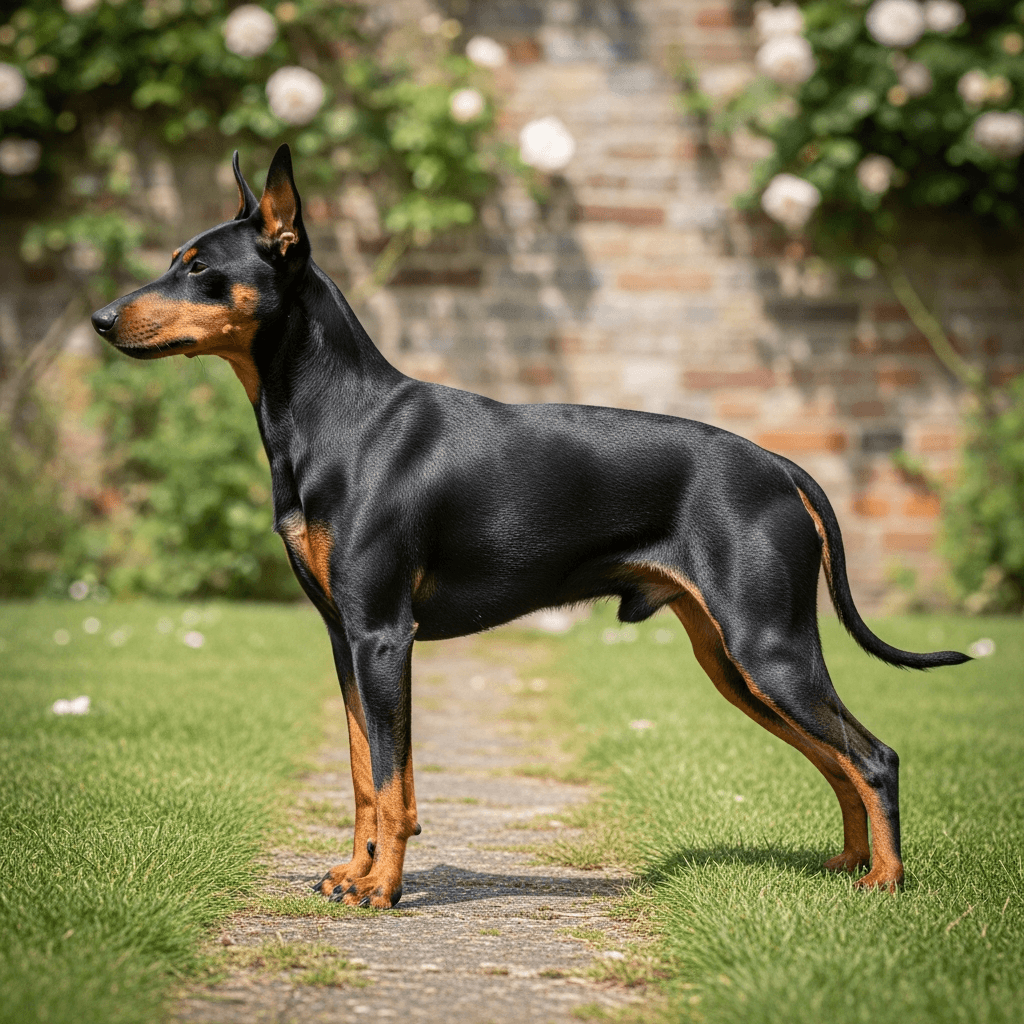
The Manchester Terrier is characterized by a compact body structure, is strong, and exhibits excellent hunting instincts. Its long, wedge-shaped head and small, dark almond-shaped eyes give it a vigilant and intelligent expression. Small V-shaped ears, carried high above the head and drooping forward, add to its unique charm. The short, smooth, and shiny coat in deep black with distinct mahogany markings makes it an exceptionally striking and easily recognizable dog.
The Manchester Terrier stands between 38 to 41 cm at the withers and weighs between 7 to 8 kg, making it an ideal companion both in an apartment and during active walks. However, its compact silhouette does not mean a lack of strength – it is a strong, agile, and resilient dog.
The Manchester Terrier has a cheerful and alert temperament, loves activity and play. Its hunting passion keeps it always on the move and eager to participate in all family activities. It can be a loyal and devoted companion, although it often shows its independence and self-confidence.
Due to its hunting roots, the Manchester Terrier may have tendencies to escape, especially in the presence of small animals that may trigger its hunting instinct. Therefore, proper socialization from a puppy age and consistent training are crucial for the dog to function well in a family with children and other pets.
If you are looking for a dog full of energy and elegance that can also be a wonderful, devoted companion, the Manchester Terrier may be the perfect choice. By reading further, you will learn more about health, grooming, exercise requirements, training, diet, and details regarding the appearance and behavior of this exceptional breed.
The Manchester Terrier is a dog with a characteristic, elegant silhouette that combines strength with grace. Its build is compact and strong, yet surprisingly agile. The height at the withers ranges from 38 to 41 cm, making it a medium-sized dog, ideal for both apartment living and an active outdoor lifestyle.
Head and Expression
The head of the Manchester Terrier is long, narrow, and wedge-shaped, with no visible cheek muscles. The skull is flat and tapering, giving the dog a distinctive, noble profile. The muzzle is well-filled under the eyes, tapering towards the deeply black nose. The jaws are strong, even, with a perfect scissor bite – the upper teeth closely overlap the lower ones, positioned perpendicular to the jaws.
Eyes and Ears
The eyes are relatively small, dark, and shiny, almond-shaped – never protruding. They give the dog a alert and intelligent expression. The ears are small, V-shaped, carried high above the upper line of the head and falling forward, which adds a characteristic charm and elegance to the dog.
Coat and Color
The coat of the Manchester Terrier is short, smooth, shiny, and closely adhering to the body. The color is deep black with rich mahogany markings, which occur in strictly defined places:
- On the head – above each eye, on the cheeks, and under the jaws
- On the chest – two distinct spots
- On the limbs – from the wrists down
- Under the tail and around the anus
Body Structure
The neck is long, elegant, and slightly arched. The backline is short, slightly arched over the loins. The chest is narrow and deep, with well-sprung ribs. The tail is short, thick at the base, and tapering towards the end, carried no higher than the backline.
Limbs and Movement
The front limbs are straight, well-set under the body. The hind limbs are strong, well-muscled, with distinct angles at the joints. The paws are small, cat-like, compact, with well-arched toes and black nails. The movement is free, vigorous, and energetic – the Manchester Terrier moves with grace and precision.
Their appearance is so distinctive that it is easy to recognize a Manchester Terrier among other breeds. The elegance combined with a sporty build makes them a popular choice among dog lovers who appreciate both beauty and functionality.
The Manchester Terrier is a dog with a balanced temperament, characterized by intelligence, cheerfulness, and deep devotion to its owners. This breed is known for its strong hunting instinct, which makes it naturally inclined to hunt small animals – a trait that has been ingrained in the breed since the times when they served as relentless rat hunters.
Intelligence and Learning
Manchester Terriers are extremely intelligent and learn quickly, making them relatively easy to train. They can easily grasp new commands and tricks, but they may also exhibit a certain degree of stubbornness and independence. Therefore, training should be consistent but based on positive reinforcement – rewards, praise, and treats work much better than harsh methods.
Family Relationships
Manchester Terriers are social dogs that deeply value closeness with people and form strong emotional bonds with family members. They love to be the center of attention and eagerly participate in all family activities. They are devoted and loyal, although they may be somewhat wary of strangers, which makes them good watchdogs – their alertness and tendency to bark at unfamiliar sounds can effectively warn of intruders.
Hunting Instinct and Playfulness
Their natural curiosity and strong hunting instinct make them love exploring their surroundings. During walks, they may show a tendency to chase small animals – squirrels, cats, birds – which can pose a challenge for owners. Therefore, it is crucial to keep the dog on a leash or provide a safe, fenced area for play.
Socialization and Family Life
Proper socialization from a young age is key to ensuring that the Manchester Terrier will adapt well to family life and other animals. Early exposure to various people, dogs, sounds, and situations will help develop a balanced character. Manchester Terriers can get along well with children, provided they are taught the appropriate way to treat the dog.
Need for Activity
Manchester Terriers are very active and require regular stimulation, both physical and mental. Without the right amount of exercise and activities, they can become bored, which may lead to undesirable behaviors such as destroying objects, excessive barking, or attempts to escape.
Proper understanding of their needs and natural behaviors will help create a harmonious and fulfilling life for both the dog and its owner. The Manchester Terrier is a wonderful companion for active, consistent individuals who are willing to dedicate time to training and play.
The Manchester Terrier is a breed that generally enjoys good health and a relatively long lifespan. The average lifespan ranges from 14 to 16 years, although with proper care, a healthy diet, and regular physical activity, many individuals live even longer. Despite its overall good health, like any breed, the Manchester Terrier is prone to certain conditions that are worth knowing about.
Heart Diseases
Among the most common health issues are heart diseases, including dilated cardiomyopathy. This condition weakens the heart muscle, which can lead to heart failure. Regular cardiological check-ups, especially in older dogs, are recommended for early detection of potential problems.
Ophthalmological Issues
Manchester Terriers show a predisposition to eye diseases such as:
- Glaucoma – increased intraocular pressure, which if untreated can lead to vision loss
- Lenticular Ectopia – displacement of the eye lens, which can also affect the quality of vision
- Cataracts – clouding of the lens that can occur with age
Regular ophthalmological examinations will allow for early detection and treatment of these conditions.
Joint Dysplasia
Although Manchester Terriers are medium-sized dogs, they can suffer from hip and elbow dysplasia. This condition affects the joints and can impact the dog's mobility and quality of life, especially in later years. Maintaining an appropriate weight and regular, moderate physical activity helps minimize the risk of occurrence or progression of dysplasia.
Von Willebrand Disease
Some individuals may be carriers of von Willebrand disease – a blood clotting disorder. Before surgical procedures, it is advisable to conduct appropriate tests to avoid complications.
Sensitivity to Cold
Due to their short, thin coat, Manchester Terriers are sensitive to cold and moisture. In cooler months, it is advisable to dress the dog in an appropriate suit or jacket during walks. Avoid prolonged exposure outdoors in extreme weather conditions.
Recommendations for Owners
It is extremely important for Manchester Terrier owners to:
- Regularly consult with a veterinarian – check-ups are recommended at least once a year
- Monitor the dog's weight and adjust the diet according to the level of activity
- Provide regular physical activity suitable for the dog's age and condition
- Maintain oral hygiene – regular tooth brushing prevents periodontal disease
- Observe any changes in the dog's behavior or health and respond promptly
A proper diet, regular physical activity, and weight control are crucial for ensuring a healthy and active life for the Manchester Terrier. With the care and vigilance of the owner, this breed can enjoy a long, happy, and energetic life.
The care of the Manchester Terrier is relatively simple, making it an attractive choice for those who prefer dogs that require minimal effort in this area. The coat of this breed is short, smooth, and closely adheres to the body, which means it does not require complicated grooming procedures or frequent visits to the groomer.
Coat Care
Regular brushing with a soft brush or rubber glove is sufficient to keep the coat in excellent condition and give it a natural shine. Brushing once or twice a week removes dead hair and stimulates the skin to produce natural oils, which keep the coat shiny and healthy.
During shedding periods, which can occur twice a year – in spring and autumn – more frequent brushing may be necessary to remove dead hair and maintain cleanliness in the home. Despite their short coat, Manchester Terriers can shed hair, although not to the extent of long-haired breeds.
Bathing
Baths should be given as needed – usually every few weeks or when the dog gets dirty. Bathing too frequently can dry out the skin and strip the coat of its natural oils. It is important to use gentle shampoos designed for dogs with sensitive skin. After bathing, the dog should be thoroughly dried, especially in cooler months, to avoid chilling.
Ear Care
The ears of the Manchester Terrier require regular inspection – at least once a week. Check for signs of redness, unpleasant odor, or excessive discharge, which may indicate an infection. Gently cleaning the ears with a damp cotton ball or a special ear cleaning solution will help keep them clean.
Oral Hygiene
Regular tooth brushing is crucial for preventing periodontal disease, tartar buildup, and bad breath. Ideally, the dog's teeth should be brushed daily or at least several times a week using a special toothbrush and toothpaste for dogs. Dental chews can provide additional support in maintaining oral hygiene.
Nail Trimming
Nails should be regularly trimmed – usually every 3-4 weeks, depending on their growth rate. Overgrown nails can cause discomfort while walking and posture problems. If you can hear the nails clicking on the floor while walking, it’s a sign that they need to be trimmed.
Eye and Skin Check
The eyes should be regularly checked for redness, excessive tearing, or discharge. Gently wiping around the eyes with a damp cotton ball will help keep them clean. The skin should be monitored for irritations, rashes, or other abnormalities.
A well-groomed Manchester Terrier will not only be healthy and happy but also look beautiful, which is important, especially considering their sociable nature and desire to be the center of attention. With the simplicity of care, owners can focus on building relationships and having fun with their four-legged friend.
The Manchester Terrier is a dog that requires a lot of exercise and physical activity. Their energetic nature and strong hunting instinct mean they need at least an hour of intense effort every day to maintain their physical and mental health and to prevent behavioral problems arising from excess energy.
Daily Walks
Owners should provide the Manchester Terrier with regular walks – preferably two or three times a day. Walks should be varied and engaging, allowing the dog to explore the surroundings, sniff, and discover new scents. Monotonous routes can bore such an intelligent and curious dog, so it's worth changing walking locations.
Games and Activities
Besides walks, Manchester Terriers love a variety of activities, such as:
- Fetch – playing with a ball or frisbee perfectly satisfies their natural chasing instinct
- Agility – an obstacle course allows them to utilize the agility and intelligence of this breed
- Scent games – hiding treats and learning to track wonderfully engages their sense of smell
- Running – they can be great companions for people who enjoy jogging
- Interactive games – tug-of-war, searching for hidden toys
Safety During Activities
Due to their strong hunting instinct, Manchester Terriers can be prone to escaping, especially when they see a small animal to chase – a squirrel, cat, or rabbit. Therefore, it is extremely important to:
- Keep the dog on a leash during walks in public places
- Provide a safe, fenced area for free play
- Train recall – the command Come should be mastered perfectly
- Avoid letting the dog off-leash in unfenced areas
Socialization and Play with Other Dogs
Playing with other dogs can be very beneficial for the Manchester Terrier, both physically and socially. It helps build social skills and provides an additional opportunity for exercise. However, it is important to remember that proper socialization from a puppy age is crucial to avoid potential behavioral problems.
Mental Stimulation
In addition to physical activity, Manchester Terriers also need mental stimulation. Puzzle toys, learning new tricks, and obedience exercises help keep their minds in good shape and prevent boredom. A dog that is both physically and mentally tired is calmer and more balanced at home.
Adapting to Weather Conditions
It is important to remember that Manchester Terriers have short, thin coats that do not protect them well from cold and moisture. On cooler days, it is advisable to dress the dog in a suitable suit or jacket. On hot days, avoid intense exercise during peak sunlight hours and ensure access to shade and water.
The Manchester Terrier is an excellent companion for active families or individuals who enjoy spending time outdoors and are willing to dedicate time daily for shared activities. The right amount of exercise is the key to a happy and healthy life for this energetic breed.
Training of the Manchester Terrier should start from a young age to ensure the dog acquires the right skills, good manners, and develops desired behaviors. This breed is extremely intelligent and learns quickly, making it relatively easy to train – provided the right methods and approach are used.
Positive reinforcement
The most effective training method for the Manchester Terrier is positive reinforcement. It is important that training is consistent but based on rewards, praise, and motivation rather than punishments or harsh methods. Owners should use:
- Treats – small, healthy snacks as an immediate reward for correctly following a command
- Verbal praise – enthusiastic, warm words of acknowledgment
- Play – a favorite toy or a short play session as a form of reward
- Affection – touch and petting that strengthen the bond
Basic commands
In training, it is worth starting with teaching basic obedience commands, such as:
- Sit – a basic command useful in many situations
- Stay – helps in controlling the dog in various circumstances
- Come – a crucial command for safety, especially important due to the breed's hunting instinct
- Lie down – useful for calming the dog
- Wait – teaches patience and self-control
Consistency and patience
Manchester Terriers can exhibit a certain degree of stubbornness and independence, so consistency in training is key. All family members should use the same commands and rules to avoid confusion. Patience is essential – learning takes time, and each dog learns at its own pace.
Diversity of exercises
In training, it is beneficial to include diverse exercises that not only develop skills but also prevent boredom. Manchester Terriers are intelligent and can easily get bored with monotony, which may lead to loss of interest in training or the emergence of undesirable behaviors. Varying exercises, introducing new tricks, and changing the training location keeps the dog engaged.
Early socialization
Early socialization with other dogs, people, and various situations is absolutely crucial. This helps ensure that the Manchester Terrier becomes a balanced, confident, and well-adjusted dog. Puppies should be exposed to:
- Different sounds – traffic, vacuum cleaners, loud conversations
- Different places – parks, pet stores, city centers
- Different people – children, elderly individuals, people in hats or glasses
- Other animals – dogs of various breeds and sizes, cats, other pets
Control of hunting instinct
Due to their strong hunting instinct, special attention should be paid to recall training and controlling the urge to chase. Exercises with a long leash in a controlled environment, rewarding for returning to the owner, and training resilience to distractions (e.g., the presence of other animals) are extremely important.
Preventing undesirable behaviors
Manchester Terriers can be prone to undesirable behaviors such as:
- Excessive barking – training for silence and rewarding calm behavior
- Digging – providing appropriate places for play and digging (e.g., a dog sandbox)
- Destruction of items – often results from boredom; adequate stimulation should be provided
- Escaping – solid fencing and recall training
Building bonds
Manchester Terriers are social dogs that need close contact with people. Training should also be an opportunity to build a strong emotional bond between the dog and the owner. Time spent together, joint exercises, and play create a foundation of trust and cooperation.
This breed can also be an excellent candidate for dog sports, such as agility, flyball, or canine dance, which combine physical activity with mental training. Proper, consistent, and positive training will ensure that the Manchester Terrier becomes a wonderful, obedient, and happy companion.
A proper diet is key to the health, energy, and longevity of the Manchester Terrier. As an active and energetic breed, it requires a balanced diet that provides all the essential nutrients to support healthy muscle development, physical condition, and overall well-being.
High-quality food
Owners should emphasize high-quality food that is tailored to the energy needs of this active breed. It is best to choose premium foods that contain:
- High-quality animal protein – poultry, beef, or fish as the first ingredient
- Healthy fats – omega-3 and omega-6 fatty acids for healthy skin and a shiny coat
- Complex carbohydrates – brown rice, oats, sweet potatoes as a source of energy
- Vitamins and minerals – supporting the immune system, bones, and joints
- Antioxidants – fruits and vegetables supporting cellular health
Amount and frequency of meals
Due to their medium size and activity level, Manchester Terriers typically require 1 to 1.5 cups of dry food per day, divided into two meals. Feeding the dog twice a day – in the morning and evening – helps maintain a steady energy level and prevents stomach issues, such as bloat.
The exact amount of food should be adjusted based on:
- The dog's weight and body condition
- Level of physical activity
- Age (puppies, adult dogs, seniors have different needs)
- Individual metabolism
Weight control
Due to their small to medium size, Manchester Terriers may be prone to obesity if overfed or not receiving adequate exercise. Obesity can lead to serious health problems, such as heart disease, diabetes, joint issues, and a shortened lifespan.
Owners should:
- Regularly monitor the dog's weight (weighing monthly)
- Observe body condition – ribs should be felt but not visible
- Adjust food portions based on activity level
- Limit treats – they should not make up more than 10% of daily calorie intake
Avoid unhealthy foods
Owners should avoid giving dogs table scraps, which may be unhealthy, too fatty, or contain ingredients toxic to dogs. Particularly dangerous products include:
- Chocolate
- Onions and garlic
- Grapes and raisins
- Avocado
- Cooked bones (they can splinter and cause choking)
- Products containing xylitol (artificial sweetener)
Access to fresh water
Water should be always available to ensure proper hydration. Active dogs, such as Manchester Terriers, need regular access to clean, fresh water, especially after physical exertion or on hot days. The water bowl should be regularly cleaned and refilled.
Diet for puppies and seniors
Manchester Terrier puppies require food specially formulated for medium breed puppies, which supports their rapid growth and development. These foods contain more protein, calories, and nutrients that support bone and muscle development.
Older dogs (over 7-8 years) may require senior food, which is easier to digest, contains fewer calories (due to reduced activity), and additional ingredients that support joint health, such as glucosamine and chondroitin.
Supplements
In most cases, high-quality commercial food provides all the necessary nutrients. However, in some situations, a veterinarian may recommend supplementation, for example:
- Omega-3 fatty acids for healthy skin and coat
- Probiotics for digestive health
- Joint supplements for older dogs or those with orthopedic issues
Before introducing any supplements, it is advisable to consult a veterinarian.
A proper diet, combined with regular physical activity and veterinary care, will help ensure that the Manchester Terrier has a healthy, energetic, and long life. Investing in high-quality food is an investment in the health and happiness of your four-legged friend.
Characteristic Traits
Pros
- Elegant and striking appearance
- Cheerful and alert temperament
- Loyal and devoted companion
- Excellent hunting instinct
- Easy coat maintenance.
Cons
- Strong tendency to escape and chase
- Requires a lot of daily exercise
- Needs consistent socialization
- Sensitive to cold and dampness.
Behavioral Ratings
Breed History
The Manchester Terrier has a fascinating and rich history that dates back to the Industrial Revolution in the 19th century. This breed originated in England, where it was originally bred for one of the most practical purposes of the time – catching rats and other rodents that plagued the rapidly developing industrial cities.
The Origins of the Breed
The ancestors of the Manchester Terrier are likely black and tan terriers and whippets. The combination of these breeds created a dog with extraordinary speed, agility, and ruthless effectiveness in hunting rodents. Whippets contributed elegance, a slender build, and speed, while terriers provided courage, determination, and hunting instinct.
The Golden Era in Manchester
In cities like Manchester, during the Industrial Revolution, rats posed a serious sanitary and health problem. Rat-catching competitions were organized, which enjoyed immense popularity among residents of all social classes. These competitions typically took place in pubs and were a weekly event that drew crowds.
The dogs that later became known as Manchester Terriers demonstrated extraordinary effectiveness in these competitions. Their agility, speed, and ruthlessness in battling rodents made them the stars of the arena. One of the most famous dogs of this breed, Billy, reportedly killed 100 rats in just 6 minutes and 13 seconds – a record that became legendary.
Development and Recognition of the Breed
As the breed gained popularity, the first dog shows began to be organized, primarily held in pubs. Soon, Manchester Terriers had their own show classes and ultimately adopted the name Manchester Terrier in honor of the city that played a key role in their development.
In 1860, the breed was officially recognized and gained status as one of the most valued terrier breeds in the United Kingdom. Their elegant appearance, combined with practical skills, made them popular among the upper classes, who appreciated their beauty and sociable nature. Hence, the term gentleman's terrier emerged.
Hard Times
By the end of the 19th century, when rat-catching competitions were banned for humanitarian reasons, the popularity of Manchester Terriers began to decline. The number of dogs of this breed decreased, and breeders faced the challenge of maintaining breeding lines. During World War I and II, the number of Manchester Terriers dropped dramatically, putting the breed on the brink of extinction.
Revival and Modernity
Thanks to the passion, determination, and dedication of breeders and enthusiasts, the Manchester Terrier survived and began to regain popularity in the second half of the 20th century. Today, the Manchester Terrier is valued not only as a hunting dog but primarily as an excellent family companion, combining elegance, intelligence, and loyalty.
The breed is now recognized by major kennel organizations, including the Kennel Club in the United Kingdom and the American Kennel Club in the United States. Manchester Terriers come in two size variations – standard (described in this article) and toy, which is even smaller.
Heritage and Significance
The history of the Manchester Terrier is a testament to their survival strength, adaptability, and exceptional character. From working dogs that served a practical purpose in urban slums, they transformed into elegant, intelligent companions who are cherished and respected worldwide.
Their legacy as reliable rat hunters, combined with their current role as loving family members, makes the Manchester Terrier one of the most versatile and fascinating dog breeds, whose history is closely linked to the history of industrial England.